
Volcanoes, Mayan Temples & Caribbean Cayes: A 15-Day Guatemala & Belize Adventure
Hike a smoking volcano above the clouds, watch the sun rise over Tikal's jungle pyramids, then float through cave rivers and swim with rays off Belize's barrier reef.
15 days in Antigua + 4 more
Guatemala and Belize sit side by side yet feel like different worlds: one a highland country of cobblestone colonial towns ringed by volcanoes, the other a tiny English-speaking nation fringed by the second-largest barrier reef on Earth. Both were heartlands of the ancient Maya, whose limestone cities (Tikal, Altun Ha, Cahal Pech) still rise out of the rainforest, and both reward travelers who like to move on foot, on the water, and underground.
This route stitches the two together the smart way, going overland and by short flight rather than backtracking: colonial Antigua and the volcano-rimmed Lake Atitlan first, then a hop north to Tikal, a land border into Belize's cave country at San Ignacio, and finally the laid-back sand streets of Caye Caulker. It leans into the adventurous side of the region, with a sunrise summit above the clouds, jungle cave rivers, and reef snorkeling, while keeping costs moderate through shuttles, water taxis, and guesthouses.
Late September into early October is green season: warm, lush, and quiet, with short, heavy afternoon downpours rather than all-day rain, and noticeably lower prices and crowds than the December-to-April high season. Pack a light rain shell and quick-dry layers, plus a warm fleece for chilly highland nights in Antigua and Atitlan and reef-safe sunscreen for the cayes. Keep an eye on Caribbean weather forecasts, since this is also Atlantic hurricane season, and build a little flexibility into the beach days at the end.

Arrival in Antigua: Cobblestones, Arch & First Sunset
Arco de Santa Catalina · Juan Francisco / CC BY-SA 2.0Settle in and walk off the flight with a loop of the historic center. The grid is small, so in a couple of hours you can see the main landmarks and get oriented.
Start at the fountain in Parque Central, peek into the Cathedral ruins, then walk up Calle del Arco to the yellow Santa Catalina Arch framing Volcan de Agua, Antigua's signature photo. Free, and best in the softer late-afternoon light.
If you'd rather have context from the start, a licensed local guide walks you through the plazas, churches, and convent ruins with the history behind them. A relaxed two-hour orientation, around $40.
Climb to Antigua's classic viewpoint for sunset over the rooftops and volcanoes.
A 15-20 minute uphill walk (or short tuk-tuk) north of town to a stone cross with a sweeping view down the church-dotted grid toward Volcan de Agua. Go before dusk; a tourist police presence is usually posted on the path.
Ease in with hearty Guatemalan cooking or a rooftop with a volcano view.
A beloved, no-frills local lunch-and-dinner spot famous for its charcoal-grilled chicken with rice, beans, and tortillas for just a few dollars. Cash, casual, and authentic.
Lively, affordable Mexican-Guatemalan tacos and margaritas popular with travelers, a good low-key first night. Expect to spend around $12-18.
Pacaya Volcano Lava Hike & Antigua's Old Town
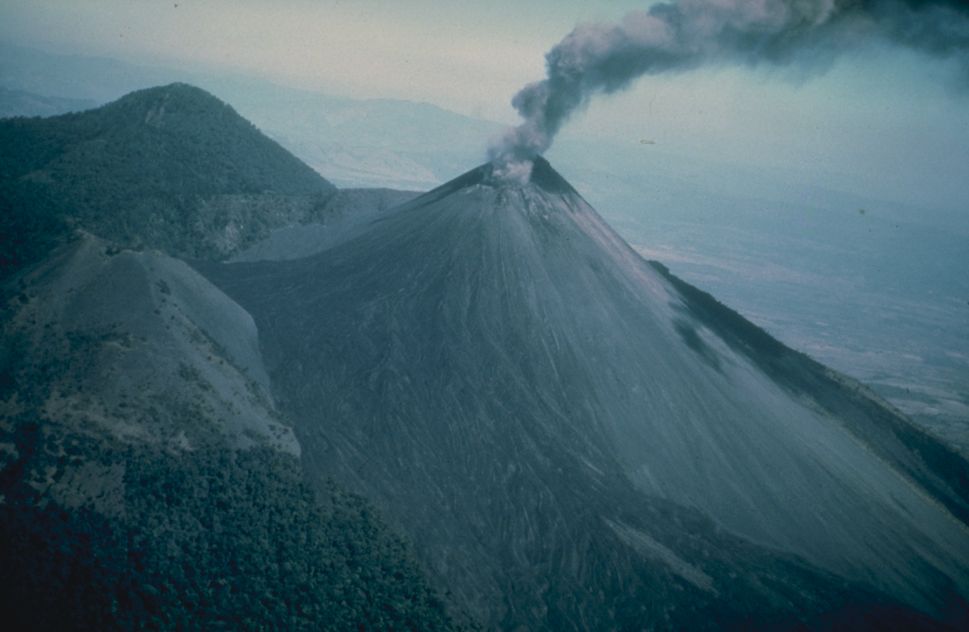
Pacaya · USGS / Public domainFuel up early before the volcano; Antigua takes its coffee seriously.
A snug, plant-filled cafe pouring carefully made Guatemalan single-origin coffee with good breakfasts. Quiet and great for an early start.
A local institution for Antigua-grown coffee, hot chocolate, and an honest Guatemalan breakfast of eggs, beans, plantains, and fresh bread. Around $6-9.
Hike one of Central America's most accessible active volcanoes, where recent lava flows still steam underfoot.
An hour's drive then a roughly two-hour round-trip hike across black lava fields with smoking vents, often ending by roasting marshmallows over volcanic heat. From about $35 plus a small park fee; moderate effort and very doable for most fitness levels.
Back in town, grab a relaxed bite around the arch.
A bright cafe known for big breakfasts, smoothies, and fresh juices, ideal after a sweaty hike. Around $8-12.
Clay pots of traditional Guatemalan stews (pepian, hilachas, jocon) served buffet-style so you can sample several. Filling and inexpensive at roughly $10.
Slow down with a hands-on workshop or a wander through Antigua's craft and ruin sites.
A fun two-hour, hands-on class turning cacao beans into your own chocolate bars, right in the center. Around $32 and a good rainy-afternoon backup.
Guatemala is jade country, and in this workshop a master carver guides you to design and cut your own pendant to take home. A memorable keepsake for about $69.
The buttery-yellow La Merced church and its ruined convent with the largest fountain in Central America is Antigua's prettiest facade. A few dollars to enter the ruins and climb for rooftop views.
Eat your way through the city's street and market food with a guide, or settle in for a rooftop dinner.
A guided evening grazing through Antigua's stalls and local specialties (tostadas, chuchitos, sweets) with cultural context, run by the well-regarded Cuscun team. Around $84 and a full meal's worth of tastings.
A tiny, great-value spot doing Middle Eastern and global plates (falafel, curries) loved by travelers. Mains around $8-12.

Acatenango: The Overnight Volcano Summit
Acatenango · Javier Ruata / CC BY 2.0The marquee adventure of the trip: a steep climb from farmland up through cloud forest to a high camp facing Volcan de Fuego, which erupts in glowing bursts through the night. Guides provide tents, meals, and cold-weather gear; you carry a daypack with water and layers.
A two-day, one-night guided hike to roughly 3,700m with a campsite overlooking Fuego's eruptions and an optional dawn push toward the summit. From about $119 including transport, gear, food, and guide; it is genuinely strenuous (5-6 hours up) but the payoff is the best view in Guatemala. Book a reputable operator and expect cold, possibly wet conditions in green season.
An all-inclusive alternative with a well-equipped campsite, warm meals, and porter options if you want a lighter load. From about $129; a good pick if you prefer more comfort on the mountain.
Down the Mountain & a Slow Antigua Afternoon
List of red-light districts · Public domainDescend from the campsite and ride back to Antigua, usually arriving by early afternoon. Take it easy; your legs will thank you.
The descent is faster than the climb (around 2-3 hours) on loose volcanic scree, with transport back to your Antigua hotel included in the tour. Plan a long shower and a leisurely rest afterward.
Reward the climb with a relaxed, satisfying lunch back in town.
A working organic farm on Antigua's edge with a farm-to-table cafe, weekend market, and garden seating. Fresh, wholesome plates around $10-15 and a mellow place to recover.
A garden bistro and deli using local produce, good for salads, sandwiches, and a glass of wine. Around $12-16.
Spend a gentle afternoon shopping the markets, soaking in a spa, or learning to cook the food you've been eating.
A huge handicraft hall near the arch packed with textiles, masks, and worry dolls from across Guatemala, plus the open municipal market for a more local scene. Good for souvenirs without the haggling stress.
A hands-on class with the Cuscun school covering market ingredients and classic dishes, a relaxed way to fill a recovery afternoon. Around $90 and consistently rated near perfect.
A celebratory last dinner in Antigua before heading to the lake.
Refined Guatemalan classics (pepian, chiles rellenos, revolcado) in a handsome courtyard with volcano views from the rooftop. Mains around $12-18.
A French bistro that's an Antigua favorite for a treat-night steak frites or duck. Plan on $20-30 per person.

Cross to the Lake: Villages & Sunset on the Water
Lake Atitlán · NASA / Public domainGrab an early coffee in Antigua before the shuttle to the lake.
A second-floor cafe with arch views and reliably good Antigua coffee and pastries to start a travel day. Quick and central.
Wind down from the highlands to the lakeshore by shuttle, arriving in Panajachel before lunch.
The 2.5-3 hour ride drops down through pine forest with a first jaw-dropping view of the crater near Solola. Book a morning departure so you arrive with the afternoon free.
Eat on Panajachel's pedestrian Calle Santander before getting on the water.
A specialty coffee bar in Pana with excellent espresso drinks and light bites, run by serious roasters. A good caffeine reset on arrival.
Well-priced Japanese plates and ramen that locals and travelers rate highly, a nice change of pace. Around $8-14.
Get out on the lake to see the nearest villages and their crafts, with the volcanoes as backdrop.
A fun adventurous spin from Panajachel to colorful Santa Catarina and San Antonio Palopo, mixing village culture with ridge-top views. Around $57 and a top-rated way to cover ground actively.
For a DIY option, hop a public boat (a few dollars) to this small village known for its blue-painted houses and weaving cooperatives. Independent and cheap.
Catch the lake's famous sunset from the water or a dock.
A late-afternoon boat run to viewpoints and villages timed for the light dropping behind the volcanoes, one of the best things to do on the lake. Around $63.
Dinner along the lakefront in Panajachel.
A long-running, atmospheric spot with wood-fired pizzas and live music most nights. Mains around $9-14.
Right where Calle Santander meets the water, good for grilled fish and a drink with a lake view. Around $12-18.
Sunrise Ridge Hike & the Quiet Side of Atitlan
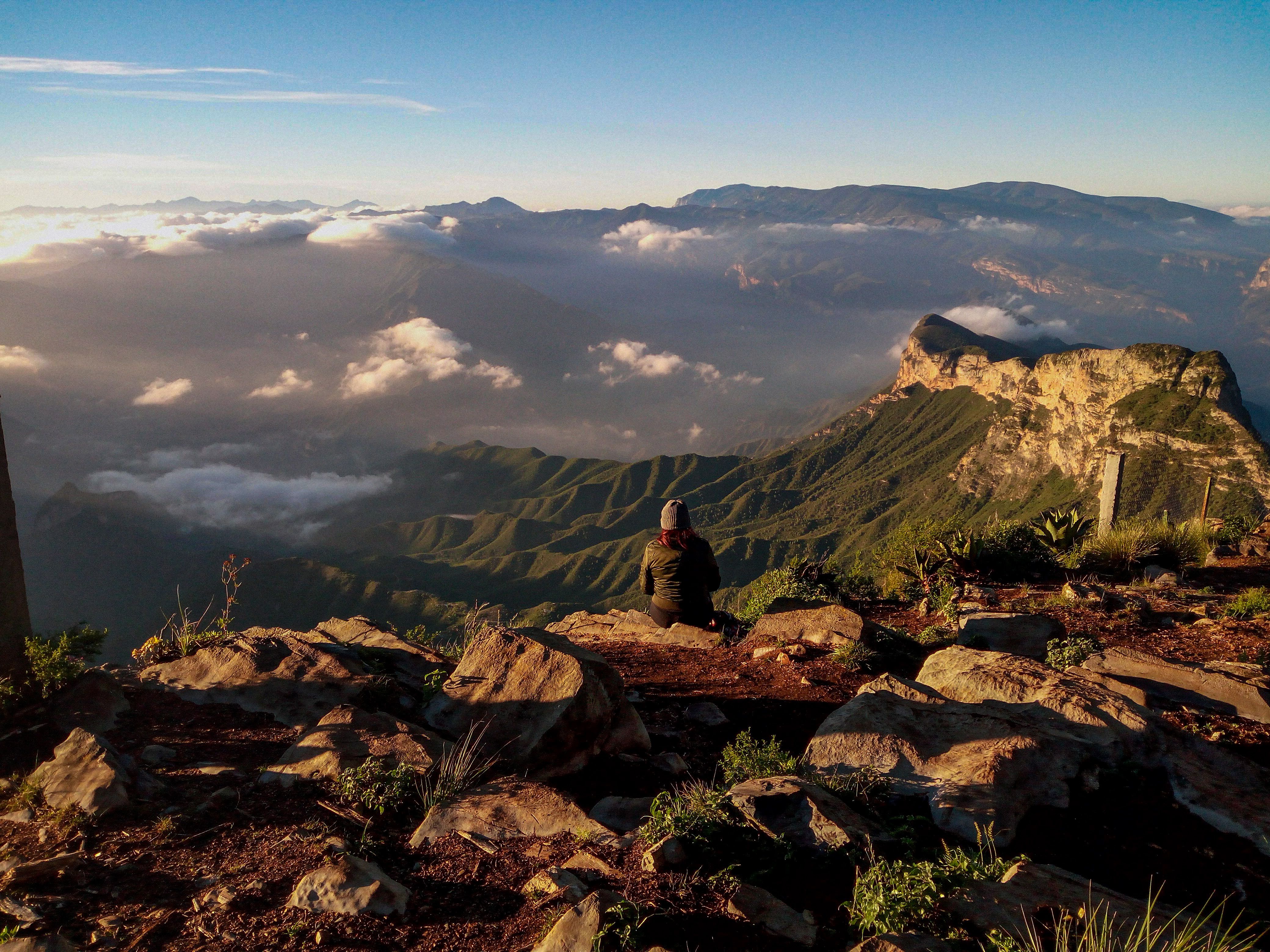
A hiker enjoys a stunning mountain view at sunrise from Santiago de Querétaro, Mexico. · Photo by Walter Alejandro on PexelsBeat the clouds with a pre-dawn ridge hike, then explore the artsy weaving village of San Juan La Laguna.
A guided pre-dawn climb to the ridgeline shaped like a sleeping Maya face, with the sun rising over the volcanoes and the whole lake below. Roughly a 1-1.5 hour hike with a local guide for about $15-25; arrange through your hotel the day before.
After the hike, wander San Juan's mural-lined lanes, natural-dye weaving cooperatives, and coffee collectives. The most relaxed and authentic of the lake villages.
Eat in San Pedro or San Marcos, the lake's two liveliest little hubs.
A garden cafe popular for healthy bowls, smoothies, and good coffee among the hiker crowd. Around $7-11.
A social-enterprise kitchen serving fresh, affordable local lunches that support the community. Honest food for a few dollars.
Cool off the adventurous way in San Marcos, the lake's swimming-and-wellness village.
A small nature reserve with boardwalks, a swimming dock, and a famous (optional) cliff jump into the deep, clean water. Small entry fee; bring a swimsuit and water shoes.
Rent a kayak (around $5-10/hour) and paddle the calm morning-to-midday water along the shore cliffs. Mornings are flattest; afternoon wind (the Xocomil) can pick up.
A final lakeside dinner before tomorrow's flight north.
A vegetarian-friendly spot with lake views and a calm vibe, good if you're basing in San Marcos. Around $8-13.
If you're back in Panajachel, the Calle Santander strip has easy, varied dinners and early nights before travel. Budget $10-16.

Fly North to Flores: Island Sunset on Lake Peten Itza
Lake Petén Itzá · R. Villalobos (talk) / CC BY-SA 3.0A travel morning: ground transfer to Guatemala City and the short flight to the Peten jungle.
The hour-long flight from Guatemala City lands minutes from the Flores causeway; arrange a hotel pickup for the 10-minute ride onto the island. Flying spares you a very long road day and leaves the afternoon free.
Ease into island time with a lakeside lunch.
A laid-back garden-and-lake cafe good for sandwiches, smoothies, and a slow first meal in Flores. Around $7-12.
A breezy spot built over the water serving fresh fish, ceviche, and Peten dishes with lake views. Around $10-16.
Wander the island's pastel streets and cool off in the lake.
You can stroll the whole island in under an hour; duck down the lanes to lakeside docks where locals swim, or take a cheap lancha to the Mirador del Rey viewpoint. Bring a swimsuit for the warm, calm water.
A short, fun boat ride to a lakeside spot with a rope swing and swimming, a local favorite afternoon outing. Arrange with any dock for a few dollars.
Watch the sun drop over the lake from a rooftop.
Flores's west-facing rooftops light up at sunset over the water; grab a drink and a prime seat. Most bars have happy-hour deals around dusk.
Dinner on the island before an early Tikal start.
A stylish rooftop with creative plates and good cocktails, one of the island's better dinners. Around $14-22.
Casual, tasty tacos and Mexican plates at friendly prices, good for an early night. Around $8-12.

Tikal: Sunrise Over the Maya Jungle
Tikal Temple I · Raymond Ostertag / CC BY-SA 2.5The reason you came north: Tikal, where towering limestone temples rise above an ocean of rainforest alive with howler monkeys, coatis, and toucans. A pre-dawn start gets you to a high temple for sunrise and the jungle waking up, then a guided walk through the Gran Plaza and surrounding complexes.
A small-group sunrise tour focused on photography, archaeology, and wildlife spotting, climbing for the dawn view before the heat and crowds. From about $98 plus the park entry fee (around Q150/$20); transport, guide, and early entry included. Wear sturdy shoes and bring water and bug spray.
Back from the park by mid-afternoon for a rest and a swim.
After an early start and a hot, humid park, recover at your hotel pool or a lakeside dock. The afternoon downpour, if it comes, is a good excuse to nap.
A relaxed last dinner in Guatemala before crossing into Belize.
A lake-edge grill known for fish and meats cooked over fire, with sunset tables. Around $12-20.
Easygoing garden dinner with comfort food and cold drinks, good for an early night before the border. Around $8-14.

Into Belize: Cayo Town & Cahal Pech
San Ignacio, Belize · Kaldari / CC0A quick Flores breakfast before the border run.
An archaeology-themed cafe doing solid breakfasts and Peten specialties, handy before an early shuttle. Around $6-9.
Cross into Belize and watch the landscape and language change as you reach Cayo.
The ride to Melchor de Mencos, through immigration on both sides, and on to San Ignacio takes 3-4 hours. Have your passport, a Guatemala exit fee in cash, and small USD bills ready; the crossing is straightforward but can be slow.
First taste of Belize in San Ignacio's lively center.
A San Ignacio institution for big Belizean breakfasts and lunches (fry jacks, stew chicken). Hearty and cheap at around $6-10.
A garden restaurant doing fresh, modern Belizean plates and good cocktails, a step up for a celebratory arrival lunch. Around $12-20.
Stretch your legs at the Maya hilltop palace right above town.
A compact, atmospheric Maya site (the name means 'place of ticks') of plazas and temples a 15-20 minute uphill walk from the center, often nearly empty. Entry around $5 USD; great late-afternoon light and a good warm-up for tomorrow's cave.
Browse the riverside market for tropical fruit and Belizean snacks, then cross the country's oldest suspension bridge over the Macal River. Free and good for a feel of local life.
Dinner in town, where the food turns Caribbean and Creole.
A perennial San Ignacio favorite for generous Belizean and international plates (curries, stewed meats, fresh juices). Great value at around $8-15; expect a wait at peak times.
Popular casual spot for ribs, burgers, and local dishes with a friendly vibe. Around $8-14.

Underworld Adventure: Caves of Cayo
Actun Tunichil Muknal · Peter Andersen / CC BY-SA 3.0Cayo's signature day, going into the Maya underworld. Choose the awe of the ATM cave or the easier thrill of floating and zipping through the jungle, both unforgettable.
A guided trek and swim into one of the world's great caves, past Maya pottery and the calcified 'Crystal Maiden' skeleton left in place over a millennium ago. A full, physically active day (hiking, wading, short swims) for roughly $95-115; cameras are banned inside, and it must be done with a licensed guide. The standout adventure of the trip for many.
A more relaxed but still adventurous combo: zipline through the rainforest canopy then float on inner tubes through the Caves Branch river caves with headlamps. From about $115 with lunch, transport, and gear, and great fun for most fitness levels.
The classic float through the Nohoch Che'en cave system on the Belize River, a gentler half-to-full-day adventure with a jungle hike to the put-in. From about $75 with lunch; a good-value pick if you want water over heights.
Refuel after a big day underground.
A large, family-friendly local spot with a garden, ice cream, and a long menu of Belizean comfort food. Around $8-15.
Casual pizza-and-beer place in the center, easy after a tiring day. Around $10-16.

Island Time: Water Taxi to Caye Caulker & the Split
Caye Caulker · Dronepicr / CC BY 3.0A last jungle breakfast before heading to the coast.
Grab fry jacks and Belizean coffee for the road; it opens early and is quick. Around $6-9.
Travel morning: across the country to the Caribbean coast and out to the reef.
A shuttle on the Western Highway to Belize City, then the San Pedro Belize Express water taxi out to Caye Caulker (about 45 minutes). Sit on the top deck for the breeze and the first turquoise views.
First island meal, steps from the water taxi dock.
A tiny window famous island-wide for fluffy stuffed fry jacks, often with a line. A couple of dollars each and the perfect arrival snack.
Easy seafood and Belizean plates on Front Street with a beachy vibe. Around $10-16.
Settle in, rent a bike, and find your feet on the sandy lanes.
Cruise the three main sand streets, then cool off at the Split, the channel-side swimming spot at the north end with ladders into clear water. Free to swim; the Lazy Lizard bar sits right there.
Sunset is the island's main event.
The west-facing Split is the classic spot to watch the sky go pink with a drink in hand. Arrive 30-40 minutes before sundown for a good perch.
Caribbean seafood, island style.
Pick your fresh fish, lobster (in season), or shrimp from the display and have it grilled to order. A long-running favorite at around $15-25.
A beloved roadside BBQ doing big plates of grilled fish and chicken with rice and beans. Cash, casual, and cheap at around $8-14.

Reef Day: Snorkeling Sharks, Rays & Coral Gardens
Hol Chan Marine Reserve · Yomangani / Copyrighted free useCaffeine and a light bite before a day on the water.
A cheerful cafe known for fresh mini-donuts and good coffee with a sea view. A fun, quick start at around $5-8.
The reef is why you're here. Spend the day snorkeling the protected channels of the barrier reef, almost guaranteed to swim with nurse sharks, southern stingrays, turtles, and clouds of fish.
The classic half-day reef trip from Caye Caulker to the Hol Chan Marine Reserve cut and Shark Ray Alley, where nurse sharks and rays gather. Around $50-75 with local operators like Caveman, French Angel, or Carlos; gear and reserve fee usually included. Calm, shallow, and amazing.
A bookable snorkel outing to the coral gardens plus shark-and-ray sites, with masses of marine life over the reef. From about $75; a convenient pre-booked option if you'd rather lock it in.
Sun-tired and happy, eat well on the island.
One of Caye Caulker's nicer dinners, with creative Caribbean and Latin plates and good cocktails in a candlelit garden. Around $16-26.
Smoked and BBQ Belizean plates with bold flavors, casual and reliable. Around $10-18.

Go Slow: Flats, Paddles & Manatee Channels
Caribbean · Central Intelligence Agency (CIA) / Public domainA leisurely island breakfast, no rush.
A bright garden cafe doing strong coffee, smoothie bowls, and big breakfasts. Around $7-12.
Take the island's motto to heart with mellow water time.
Rent a SUP or kayak (around $15-25 for a few hours) and glide the calm leeward flats, often spotting rays and turtles in the shallows. Best early before the wind builds.
A short guided paddle or boat trip into the mangrove channels to look for seahorses, juvenile fish, and birds, a quiet nature counterpoint to the reef. Arrange locally for a modest fee.
Beach-shack lunch with your toes in the sand.
A relaxed spot for fresh ceviche, tacos, and cold drinks. Around $10-16.
Cheap, authentic Belizean plates and conch fritters loved by locals. Around $6-12.
Beach time or a half-day reef add-on if you can't get enough water.
Claim a hammock or dock, swim, and read; the island's small beaches and swimming docks are made for doing nothing well. Free.
Several operators run late-afternoon snorkel-and-sail trips with rum punch and a sunset finish, a festive way to spend the afternoon for around $40-60.
Another easy island dinner.
Surprisingly good Italian and fresh pasta on a sand floor under the stars, a nice change of pace. Around $14-22.
A backyard BBQ institution where the chef cooks what's fresh that day; quirky, social, and tasty. Around $12-20.

One More Adventure: Reef Diving or Island Hop
Belize Barrier Reef · MODIS Land Rapid Response Team, NASA/GSFC / Public domainEarly fuel for a final big day on the reef.
Grab donuts or a stuffed fry jack and a coffee before your boat. Quick and cheap.
Make your last full day count on the water. Pick the intensity that suits you, from scuba to a relaxed sail.
Certified divers can do a two-tank trip to the wall and canyons off Caye Caulker with operators like Frenchies or Belize Diving Services for roughly $90-130; non-divers can do a discover-scuba session. World-class coral and abundant life.
A longer sailing snorkel trip hitting several reef sites with lunch and rum punch, the most scenic way to spend the day if you'd rather stay on the surface. Around $60-90 with local sail operators.
Hop the 30-minute water taxi to Belize's bigger island for a change of scene, golf-cart cruising, and beach bars before returning to quieter Caye Caulker. Ferry about $20-30 round trip.
A farewell dinner on your last island night.
Worth a return for a proper send-off dinner of Caribbean plates and cocktails. Around $16-26; reserve in the evening.
End with grilled lobster or snapper picked from the display, a fitting last taste of the reef. Around $15-25.

Last Morning & Departure
List of beaches · Radomianin / CC BY-SA 4.0A final slow island breakfast before heading back to the mainland.
One more proper breakfast and coffee in the garden before you pack up. Around $7-12.
If your boat is early, grab donuts and an iced coffee to go from this seafront favorite.
Catch the water taxi back toward Belize City for your flight home, with time to spare.
Take a morning San Pedro Belize Express boat to Belize City (about 45 minutes), then a 20-30 minute taxi or shuttle to Philip Goldson International (BZE). Allow buffer time; build in at least 3 hours before an international flight and confirm the boat schedule the night before.
Pick your base
Stay inside the historic center, roughly within a few blocks of Parque Central and the yellow Santa Catalina Arch, so you can walk to restaurants, markets, and tour pickups. The blocks around La Merced church and Calle del Arco are the most atmospheric; anywhere south or east of the park is quieter at night.
A relaxed colonial-style hotel a few blocks from the central park, with a leafy courtyard and good-value rooms. A reliable, walkable mid-range base close to everything.
Larger resort-style hotel with a pool, gardens, and big volcano views, popular with families and groups. A short tuk-tuk ride from the center but comfortable and dependable.
Antigua's iconic splurge, built into the ruins of a 16th-century monastery with on-site museums, candlelit courtyards, and a pool. Worth it for one memorable night even on a mid-range trip.
A clean, social hostel-hotel hybrid with private rooms and dorms, a rooftop, and a strong backpacker scene near the arch. Great for solo adventurous travelers wanting tours and company.
A classic lakeside hotel just outside Panajachel with celebrated botanical gardens, a pool, and direct volcano-and-water views. Comfortable mid-range value with a dock for swimming.
A cliff-clinging hotel reached only by boat between Pana and Jaibalito, with terraces stacked above the water and a wood-fired lakeside hot tub. Unforgettable views and one of Atitlan's most memorable stays.
Rustic-chic cabanas and bungalows above San Marcos with gardens, yoga, and lake views, a calm and characterful mid-range pick. Walkable to San Marcos swimming spots.
Independent casitas and apartments along the shore offer kitchens and terraces for less than most hotels, ideal for a couple of self-paced nights. Search the village you prefer to be based in.
A polished mid-range hotel in the heart of the island with a rooftop pool and lake views. Comfortable and central for an early Tikal start.
An upscale jungle-and-lagoon retreat near Flores with overwater-style decks and resident spider monkeys. The area's splurge if you want a special night before the cayes.
Flores's legendary backpacker hub with a jungle garden, dorms and privates, and a great kitchen-bar for meeting other travelers and joining tours. Excellent value and atmosphere.
The town's well-run flagship on a green hillside above the river, with a pool, an iguana conservation project, and walkable access to the center. A dependable, comfortable mid-range base.
Solar-powered cabanas on a riverside farm outside town, great for swimming, birding, and a true jungle feel. A standout for nature lovers wanting quiet.
Simple, clean, friendly in-town guesthouses within walking distance of the market and tour operators, ideal for adventurers spending days out in caves. Excellent value.
Cheerful seafront cabanas with a private dock and swimming area on the quieter south end, walkable to town. A friendly, well-reviewed mid-range pick with kayaks and paddleboards.
A relaxed boutique hotel on the back (lagoon) side with a small pool and sunset views, popular with couples. Comfortable and central without being noisy.
Easygoing rooms, apartments, and a dock near the Split, with options that suit families or longer stays. Good value and a welcoming host.
Self-catering casitas and apartments with kitchens and verandas dot the island, great value for the last stretch of the trip. Search the island for current availability.
Good to know
How many days do you need to combine Guatemala and Belize?
Two weeks is a comfortable amount of time to see the highlights of both countries without rushing, allowing roughly 8 days in Guatemala (Antigua, Lake Atitlan, and Tikal) and 6-7 in Belize (the Cayo caves and a Caribbean caye). With fewer than 10 days you would have to drop a region; 15 days lets you travel overland between them and still slow down at the end.
What is the best way to travel between Guatemala and Belize?
The most popular route is overland from Flores (near Tikal) across the Melchor de Mencos border to San Ignacio in Belize's Cayo District, about 3-4 hours by tourist shuttle including immigration. From central Belize you reach the cayes by road to Belize City and then a 45-minute water taxi; there is a small Guatemalan exit fee paid in cash at the border.
Is late September to early October a good time to visit Guatemala and Belize?
It is green season, meaning warm, lush weather with short, heavy afternoon showers rather than constant rain, plus noticeably fewer tourists and lower prices than the December-to-April peak. It overlaps with Atlantic hurricane season on the Caribbean coast, so the trade-off for quiet beaches is keeping an eye on forecasts and staying flexible with reef days.
What is the best area to stay in Caye Caulker for first-time visitors?
The compact village near Front Street is ideal because the island has no cars and is walkable end to end, putting you close to restaurants, dive shops, and the water taxi. The north end toward the Split is best for sunset and nightlife, while the quieter south end and back lanes tend to have calmer, more affordable rooms.
Do you need a guide for Tikal and the ATM cave?
A guide is required to enter the Actun Tunichil Muknal (ATM) cave in Belize and is strongly recommended at Tikal to understand the site and spot wildlife. Both have entry fees on top of the tour price, and ATM has a daily visitor cap and a strict no-camera rule, so it is best to book a day or two in advance.
Is Guatemala and Belize a good trip for an adventurous, mid-budget traveler?
Yes. The region is packed with active experiences (volcano hikes, cave tubing, snorkeling, kayaking) that are reasonably priced, and you can keep costs moderate by using shuttles, water taxis, and guesthouses while splurging selectively on standouts like the Acatenango overnight or a reef dive. Belize is generally pricier than Guatemala, so balancing more days in Guatemala helps the budget stretch.
In just over two weeks this route takes you from cobblestone Antigua and the volcano-rimmed shores of Lake Atitlan to the jungle pyramids of Tikal, the underworld caves of Cayo, and the go-slow sands of Caye Caulker, a near-perfect arc from highland adventure to Caribbean reef. It leans into hiking, water, and Maya history while keeping costs sensible through shuttles, water taxis, and guesthouses, and green season rewards you with green landscapes, low crowds, and a bit of welcome rain. Pack layers and a rain shell, keep your beach days flexible, and let both countries set the pace.