
Tokyo in 8 Days: A Local-Style Itinerary Through Old Edo and Neon Tokyo
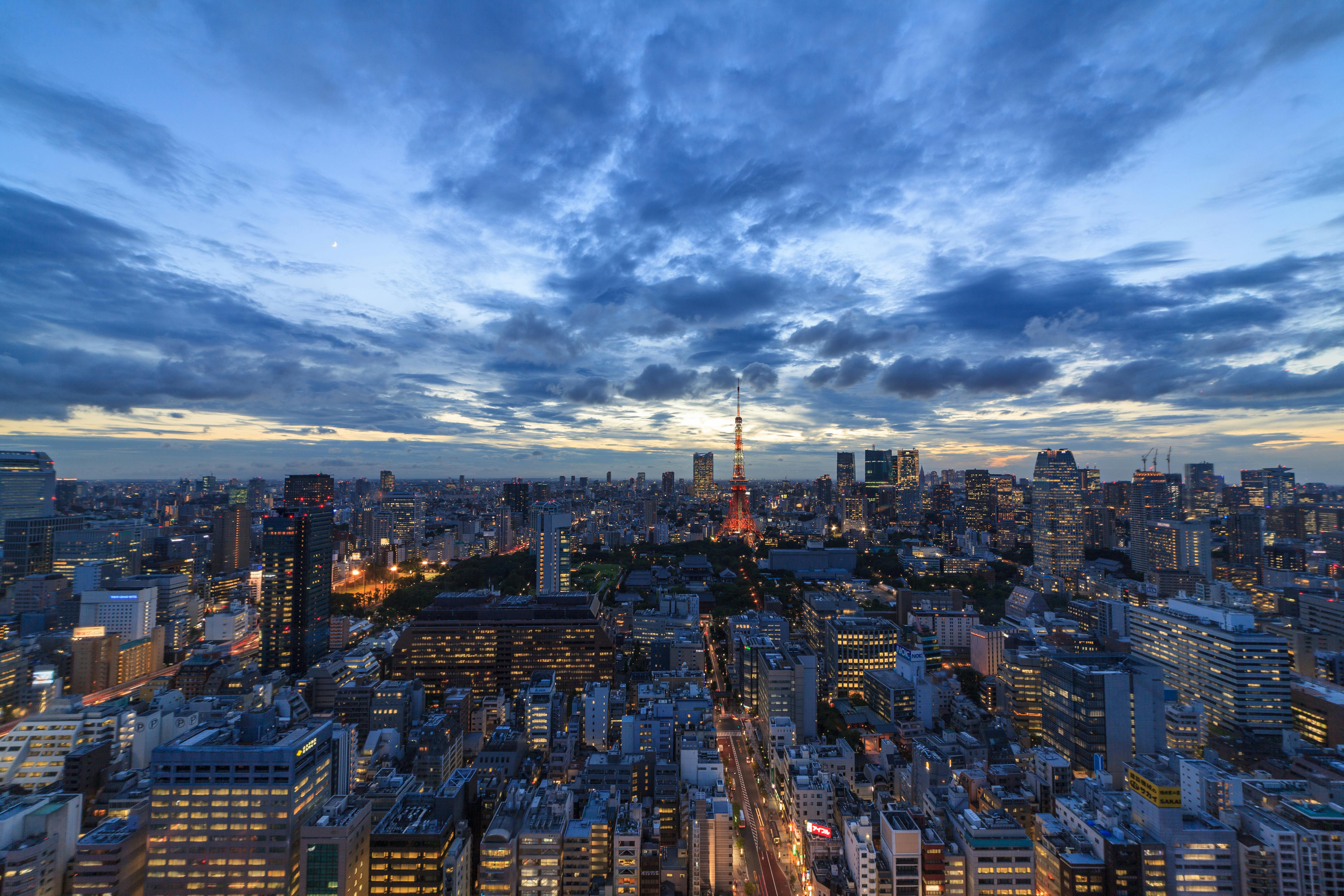
Tokyo began life as Edo, a humble fishing village that became the seat of the Tokugawa shogunate in 1603 and, within a century, one of the largest cities on earth. Renamed Tokyo ("eastern capital") when the emperor moved here in 1868, it has burned, quaked, and rebuilt itself repeatedly, which is why a 1,400-year-old temple can sit a short train ride from a district of holographic billboards.
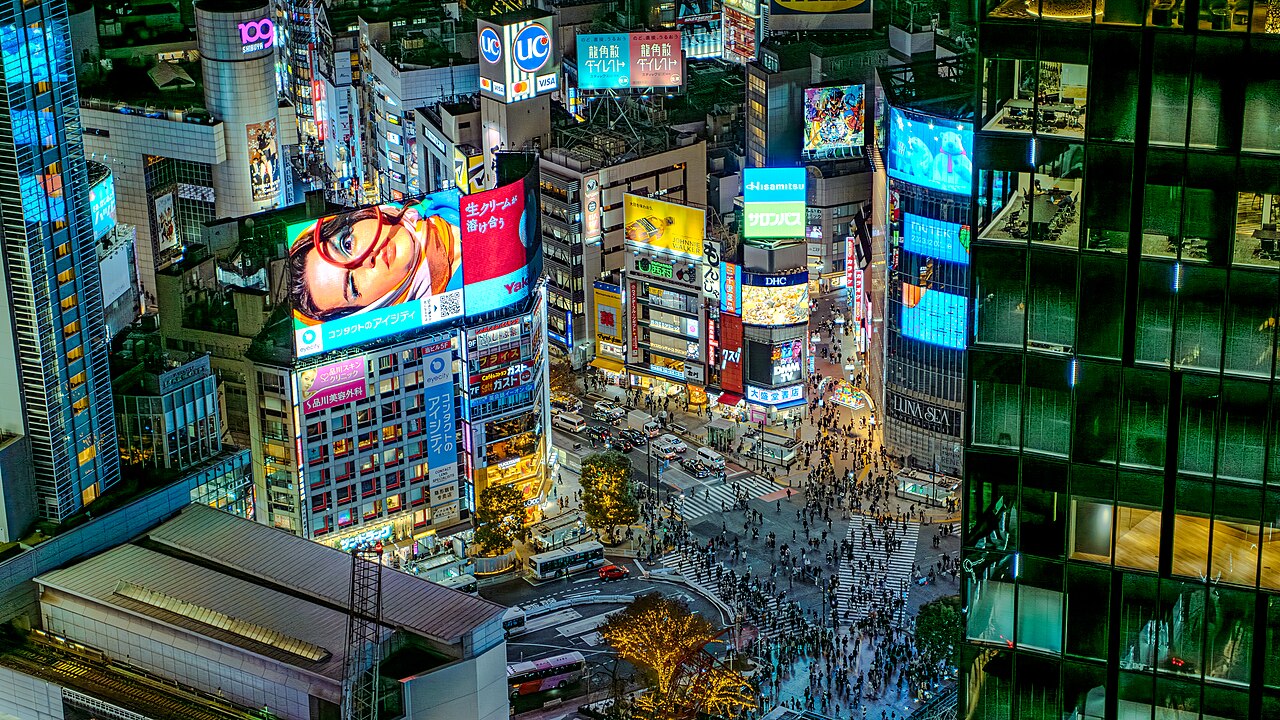
The draws are almost absurdly varied: serene shrines and manicured gardens, the world's densest concentration of Michelin stars, electric nightlife in Shinjuku and Shibuya, and quiet backstreets where a six-seat ramen counter outshines anything fancier. Tokyo is also remarkably easy. The trains run to the minute, the city is famously safe and clean, and a prepaid Suica or Pasmo card opens nearly every gate.
Spring (late March cherry blossoms) and autumn (October-November foliage) are the loveliest seasons; summer is hot and humid, winter crisp and clear with the best Mt. Fuji views. Carry some cash for small eateries, pick up a transit IC card on arrival, and remember that the city rewards travelers who slow down and wander. This plan gives you anchors for each day while leaving room to get pleasantly lost.
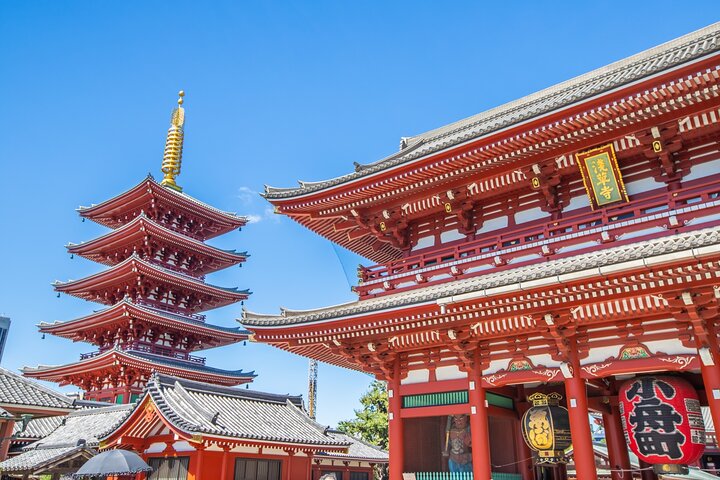
Tokyo is less a single city than a constellation of distinct quarters, each with its own rhythm: the temple-town devotion of Asakusa, the fashion theater of Harajuku, the salaryman energy of Shinjuku, the youthful surge of Shibuya. Over eight days you can move at a human pace, mixing marquee sights with long lunches, backstreet bars, and at least one escape to the mountains and Mt. Fuji. Come hungry, wear good shoes, and let the trains do the heavy lifting.








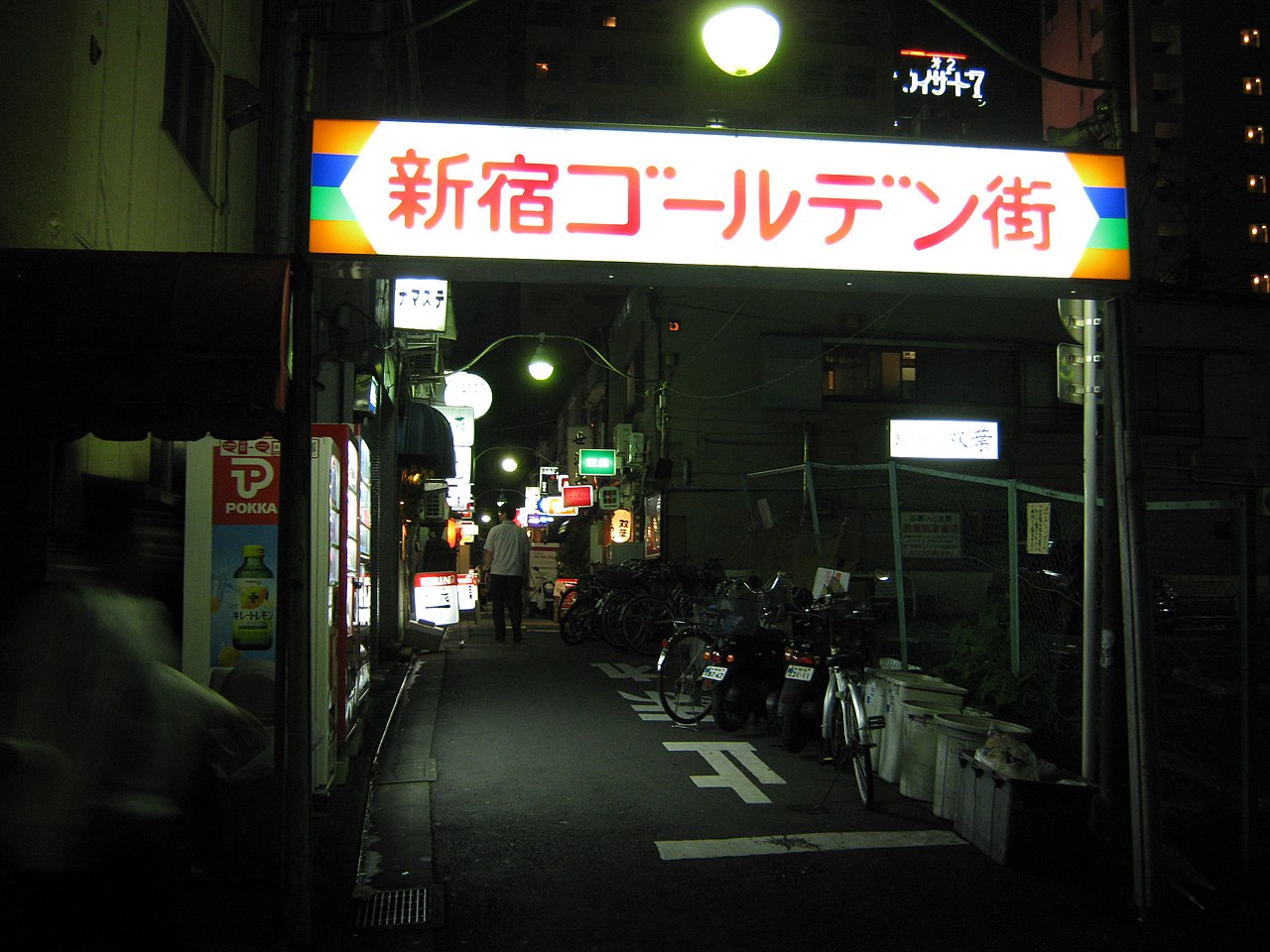


Where to Stay
Shinjuku is the best all-around base: a massive transit hub with hotels at every price, endless food, and fast trains to Mt. Fuji. Asakusa suits travelers who want old-Tokyo atmosphere and lower prices, while Ginza and Marunouchi (near Tokyo Station) are polished and central for first-timers. Families and those wanting space often choose the Tokyo Bay/Maihama area near Disney, with larger rooms and easy airport access.
Hotel Gracery Shinjuku
midrange GoogleA reliable, well-located tower in Kabukicho (look for the Godzilla head over the 8th-floor terrace), steps from Shinjuku Station and the neon nightlife. Comfortable rooms and unbeatable convenience for exploring the city.
Hotel Sunroute Plaza Shinjuku
midrange GoogleA long-standing favorite on the quieter south side of Shinjuku Station, with easy access to the Narita Express and Odakyu line for Hakone/Fuji. Solid value and dependable service.
Keio Plaza Hotel Tokyo
midrange GoogleA grand, family-friendly classic in West Shinjuku with multiple restaurants, an outdoor pool in summer, and large rooms by Tokyo standards. Great for first-timers who want amenities and space.
Hilton Tokyo Bay
family friendly GoogleSet on the Maihama (Tokyo Disney) waterfront with spacious family rooms and a free shuttle, ideal if you have kids or want a calmer, resort-style base with easy Haneda access.
The Peninsula Tokyo
luxury GoogleAn iconic splurge overlooking Hibiya Park and the Imperial Palace gardens, walking distance to Ginza. Faultless service, a destination spa, and some of the best city views in town.
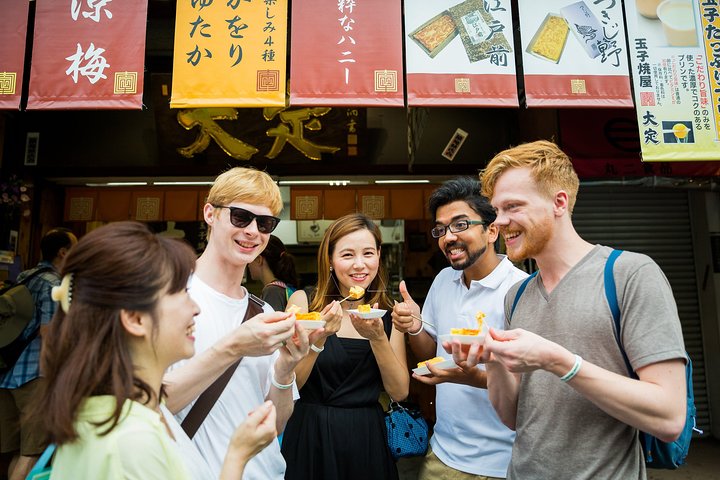
Eight days is enough to feel Tokyo's astonishing range: incense and old wooden lanes in Asakusa and Yanaka, neon and rooftop panoramas in Shibuya and Shinjuku, market feasts at Tsukiji, and the snow-capped grandeur of Mt. Fuji. Move at a human pace, follow your appetite down the side streets, and let the trains carry you between worlds. You'll leave already plotting your return.