
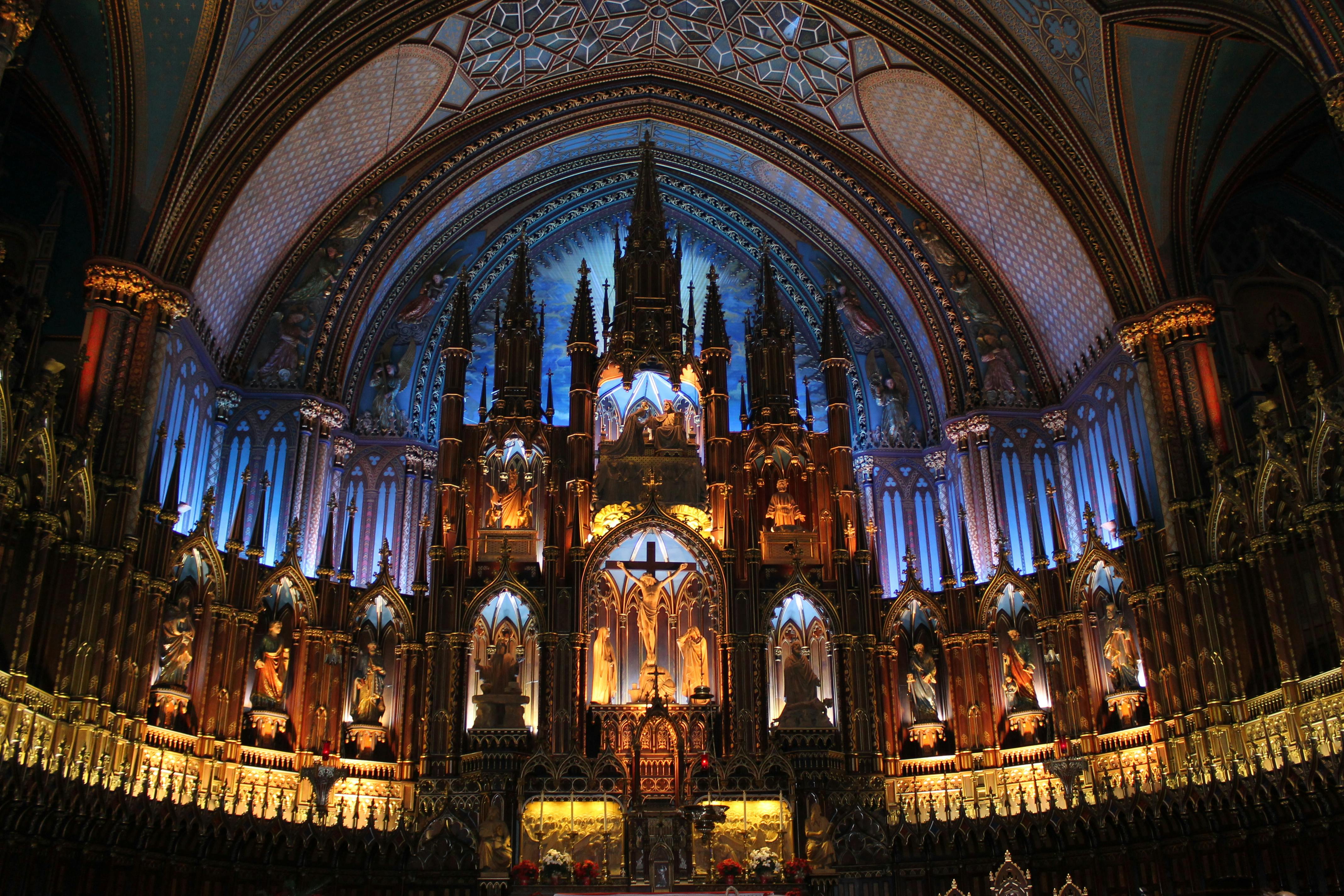
Quebec is the closest thing to Europe you can reach without crossing an ocean: a French-speaking province where 400-year-old stone churches lean over cobblestone lanes, café terraces spill onto sidewalks, and the St. Lawrence River threads the whole story together. Montréal, founded in 1642 as Ville-Marie, grew from a fur-trading outpost into North America's great bilingual metropolis, while Québec City, perched on its cliff above the river, remains the only walled city north of Mexico and a UNESCO World Heritage Site.
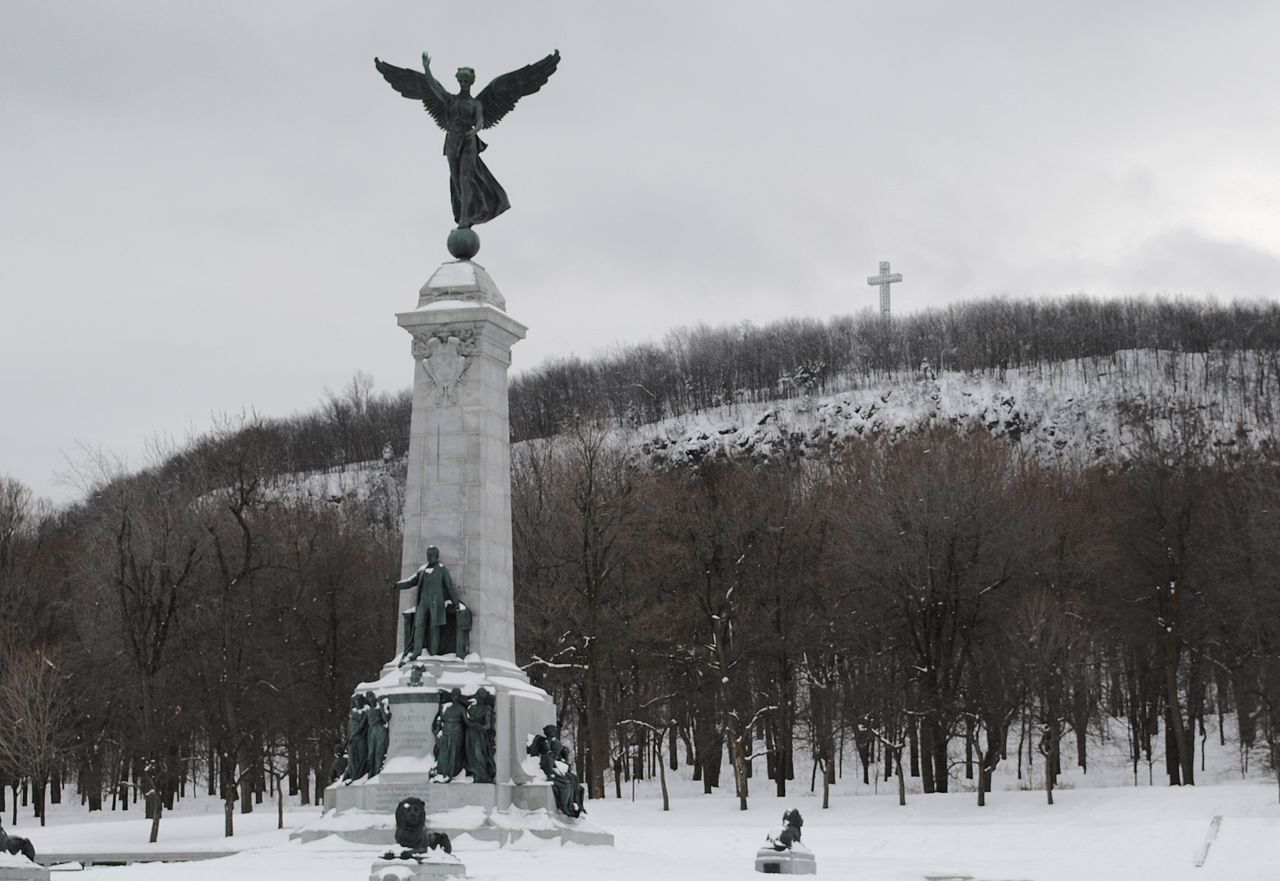
Three weeks gives you room to do this properly: time to linger over a smoked-meat sandwich and a flaky butter croissant, to climb Mount Royal at sunset, to ride the funicular up to Château Frontenac, and to slip across the provincial line to Ottawa, Canada's stately capital, where the Gothic Parliament Buildings rise above the Rideau Canal. Late June lands you squarely in festival season, when Montréal's jazz festival and Québec's summer celebrations fill the squares with music.
Getting around is easy: Montréal and Québec City reward walking and have good metro and bus networks, and VIA Rail links the cities comfortably. Summers are warm (highs around 25-27C / 77-81F) with the occasional thunderstorm, so pack a light rain layer and comfortable shoes for the cobbles. French is the working language, but English is widely understood in tourist areas, and a cheerful 'bonjour-hi' will carry you far.
Montréal
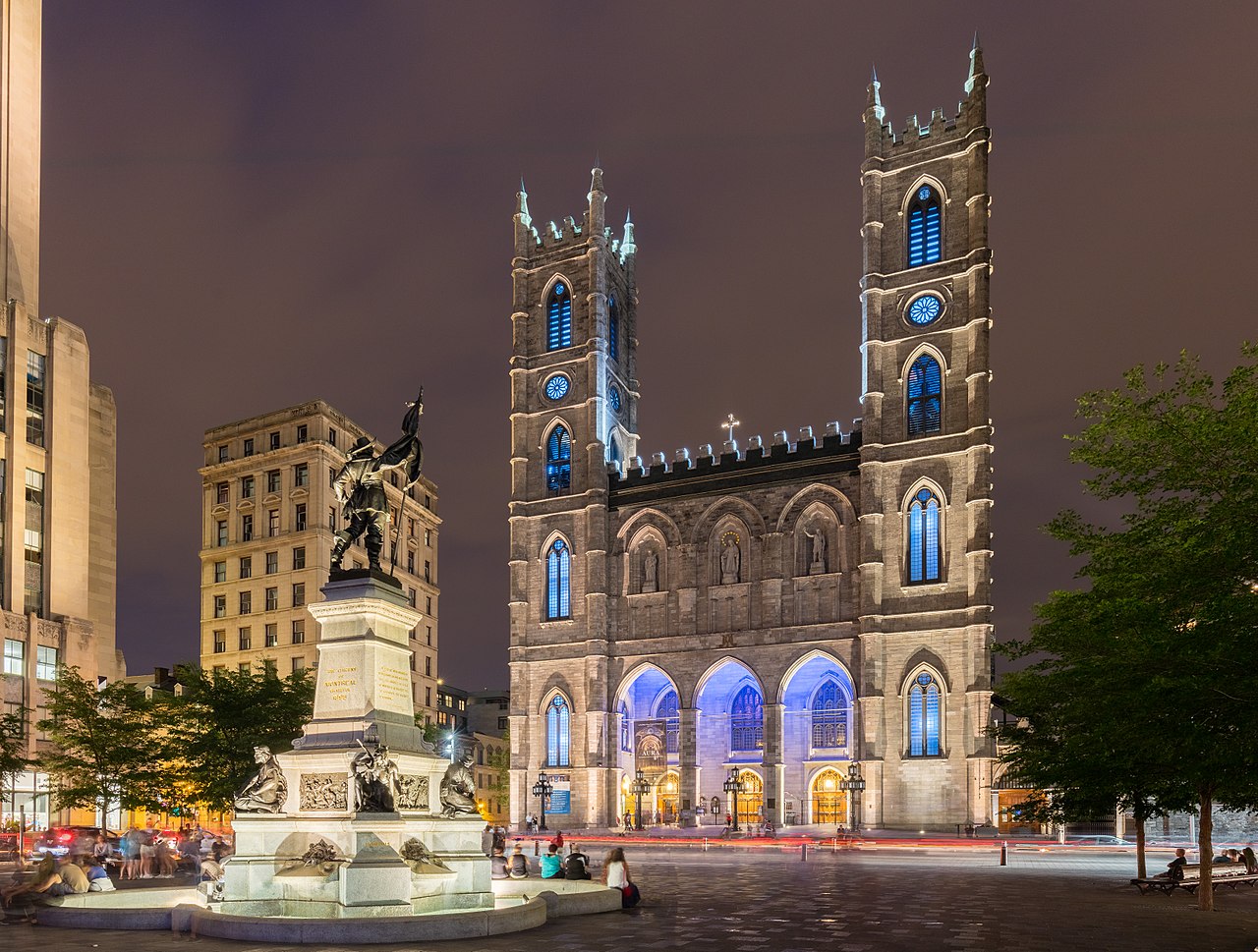
Montréal is a city of distinct villages stitched together: the cobbled riverfront of Vieux-Montréal, the leafy walk-up streets of the Plateau, bohemian Mile End with its bagel bakeries and Greek tavernas, and a glassy downtown that burrows underground into a 33-kilometre network of tunnels. It is one of the world's great eating cities, where a $6 bagel and a fine-dining tasting menu command equal devotion, and where the terrasse culture turns every warm evening into a celebration. Spend your first nine days here and you will understand why Montrealers are so attached to their joie de vivre.



Where to Stay
For first-timers, Vieux-Montréal (Old Montréal) puts you among the cobblestones, the riverfront, and the best photo ops, though it skews pricier. Downtown (Centre-Ville) is the most convenient for the metro and underground city. For a more local, walkable stay among cafés and brunch spots, base in the Plateau Mont-Royal or near Mile End.
Hôtel Monville
midrange GoogleA sleek, modern downtown hotel a short walk from Old Montréal and the Palais des congrès, known for its self-check-in robots and floor-to-ceiling windows. Reliable comfort at a fair price with an unbeatable central location.
Hôtel William Gray
boutique GoogleA stylish boutique property in the heart of Old Montréal, blending a heritage stone facade with a glass tower, plus a popular rooftop terrace overlooking the old city. Great for couples who want design and atmosphere.
Hôtel Le Roberval
budget GoogleA friendly, well-located value pick on the edge of downtown and the Quartier des spectacles, with larger-than-average rooms and free breakfast. An easy walk to the metro and Chinatown.
Plateau Mont-Royal Apartment Rental
family friendly GoogleFor a nine-night stay, a vacation rental on a Plateau side street (with its spiral staircases and tree-lined blocks) gives families a kitchen, laundry, and a true neighborhood feel near Mont-Royal and brunch spots.
Ritz-Carlton Montréal
luxury GoogleThe Golden Square Mile grande dame, open since 1912, with marble bathrooms, a garden courtyard, and the acclaimed Maison Boulud restaurant. The one splurge worth considering for a special anniversary or celebration.
Québec City
Québec City is North America's most European corner: a 400-year-old walled town of slate roofs, copper-green spires, and steep lanes tumbling from the cliff-top Upper Town down to the riverside Petit-Champlain. Crowned by the fairy-tale Château Frontenac and ringed by the only surviving fortifications north of Mexico, the historic district is a UNESCO World Heritage Site that rewards slow, aimless wandering. Seven days lets you explore both the old town and the surrounding St. Lawrence country, from thundering Montmorency Falls to the orchards of Île d'Orléans.


Where to Stay
For first-time visitors, stay inside or just outside the walls in Vieux-Québec (Upper Town) to be steps from Château Frontenac and the ramparts, or in the lower Petit-Champlain and Vieux-Port for riverside cobblestones. The Saint-Roch district below the hill is more affordable and has the city's best new restaurants and craft-beer scene.
Hôtel Le Priori
midrange GoogleA boutique hotel in a 1766 stone building in the Petit-Champlain quarter, with exposed beams and modern rooms steps from the river. Excellent location and character for the price.
Auberge Saint-Antoine
boutique GoogleA refined Relais & Châteaux property in the Old Port built around archaeological artifacts found on-site, with a top restaurant (Chez Muffy). Among the city's most atmospheric stays.
Hôtel Champlain Vieux-Québec
budget GoogleA comfortable, well-run hotel inside the walls of Upper Town offering good value and a free breakfast within walking distance of every major sight. A smart budget base.
Old Québec Apartment Rental
family friendly GoogleFor a week-long stay, a rental flat in or near Petit-Champlain gives families room to spread out, a kitchen, and a base in the prettiest part of the city.
Fairmont Le Château Frontenac
luxury GoogleThe grand 1893 railway hotel that defines the Québec City skyline, with turreted rooms above the St. Lawrence. The iconic splurge, and worth at least a drink at the bar even if you stay elsewhere.
Ottawa
Canada's capital trades Quebec's cobblestones for a stately, green-edged calm, where the Gothic Revival Parliament Buildings rise above the Ottawa River and the historic Rideau Canal, a UNESCO World Heritage Site, threads through the city center. It is a remarkably walkable, museum-rich capital straddling the Ontario-Quebec line, with the lively ByWard Market on one side and the forests and hills of Gatineau Park just across the river. Five days here is a relaxed, culture-forward finale to your three weeks, with world-class national museums and easy riverside strolls.


Where to Stay
Stay in or near the ByWard Market and Downtown to be within walking distance of Parliament Hill, the Rideau Canal, and most museums. The Glebe and Centretown are quieter, residential alternatives with good cafés and a short walk or bus into the core.
Andaz Ottawa ByWard Market
midrange GoogleA contemporary hotel in the heart of the ByWard Market with a popular rooftop bar overlooking the city. Walkable to Parliament Hill and the National Gallery; strong value for the location.
Lord Elgin Hotel
midrange GoogleA historic 1941 hotel facing Confederation Park and the Rideau Canal, steps from Parliament Hill and the National Arts Centre. Classic, comfortable, and central.
Alt Hotel Ottawa
budget GoogleA sharp, modern hotel near the train station and Lansdowne with flat, fair pricing and easy LRT access into downtown. A reliable value choice.
Downtown Ottawa Apartment Rental
family friendly GoogleA rental apartment in Centretown or near the canal gives families space, a kitchen, and proximity to the museums and the Glebe's parks for the final stretch of the trip.
Fairmont Château Laurier
luxury GoogleThe castle-like 1912 railway hotel beside Parliament Hill and the canal locks, with turrets, limestone halls, and river views. Ottawa's iconic grand-hotel splurge.
Three weeks lets Quebec unfold at its own gracious pace: the terrasse evenings and bagel mornings of Montréal, the storybook ramparts and river country of Québec City, and the museums and canal-side calm of Ottawa. You will leave with a deeper feel for French Canada's history, its remarkable food, and its easy bilingual warmth. Bonne route, and à la prochaine.