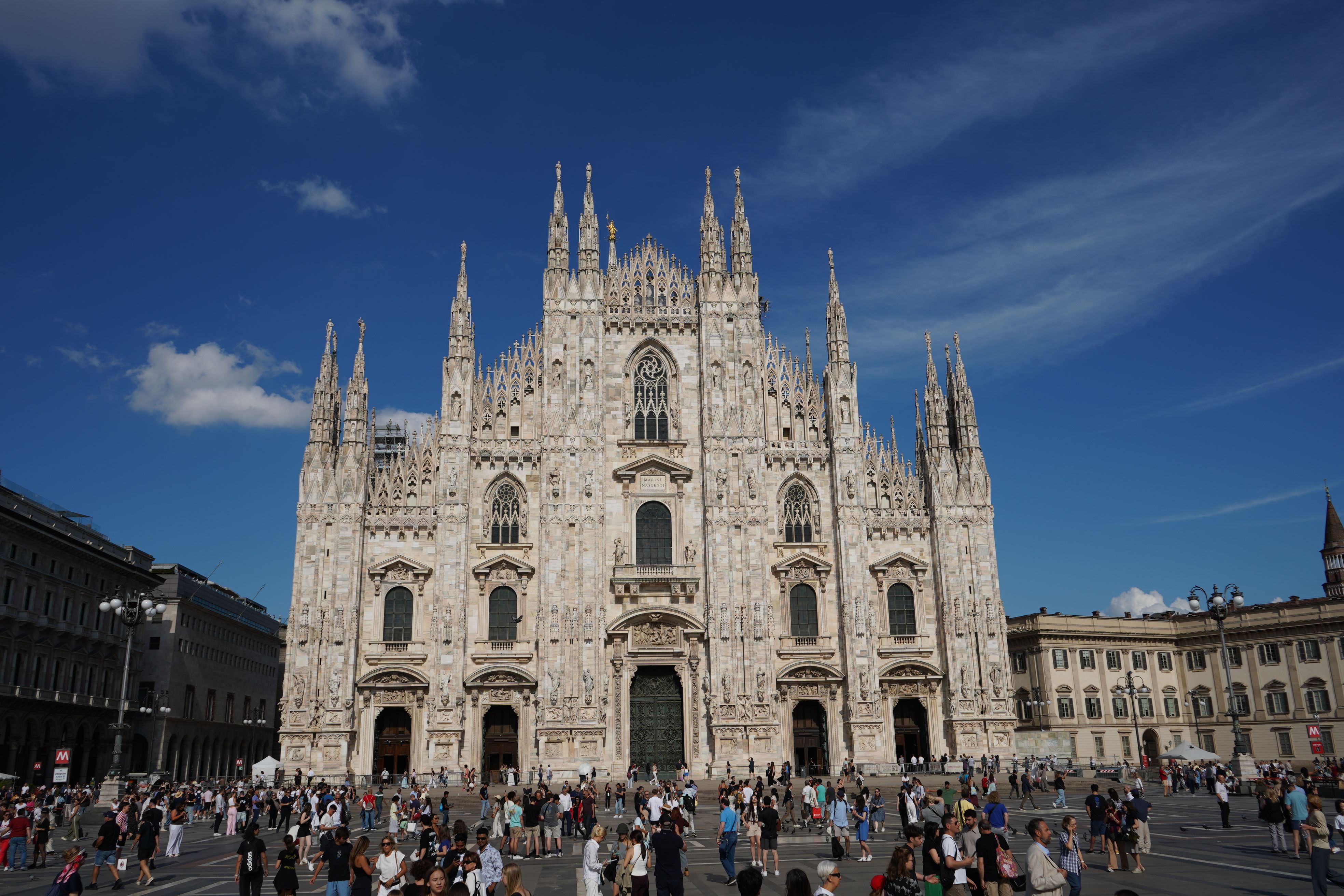
Ten Days in Catania: Etna, Baroque Sicily & the Ionian Coast
A ten-day base in Catania's lava-stone heart, paired with Mount Etna, Taormina, Syracuse, and the baroque hill towns of the southeast.
10 days in Catania
Catania is Sicily's second city, built and rebuilt from the black lava of the volcano that looms over it. Founded by Greek colonists in 729 BC, leveled by the 1693 earthquake, and resurrected in a confident baroque style under architect Giovanni Battista Vaccarini, it wears its volcanic history openly: the cathedral, the palaces, and even the cobbles are cut from Etna's stone.
This is a working, lived-in city, loud and theatrical, with one of Italy's great street-food cultures and a fish market (La Pescheria) that has roared every morning for centuries. Composer Vincenzo Bellini was born here, the espresso comes with almond granita and brioche, and the arancini are pointed (in honor of the volcano) rather than round. Catania also makes an ideal base: Etna, Taormina, Syracuse, and the baroque Val di Noto all sit within an easy day's reach.
Practically, the historic center is walkable and best explored on foot; trains and the AST/Interbus coaches handle day trips, though renting a car for a day or two opens up Etna's flanks and the wine roads. The climate is warm and dry from May into October, with searing midsummer heat; spring and early autumn are ideal. Pack sturdy shoes for lava terrain, carry small cash for markets and street food, and keep an eye on your bag in crowded market lanes.
Arrival, Piazza Duomo & First Tastes of Catania
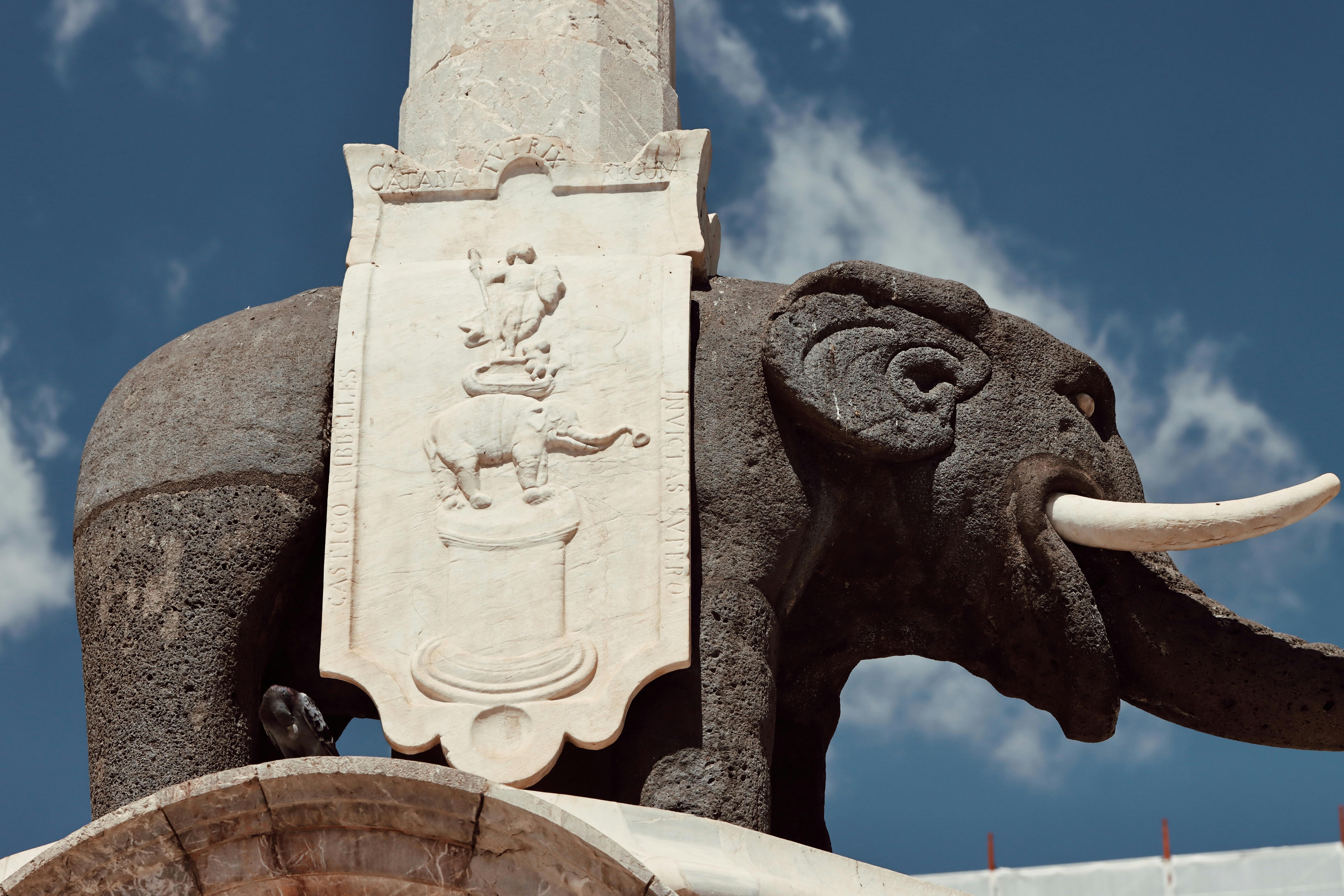
The iconic Fountain of the Elephant, a historic monument in Catania, Sicily, Italy. · Photo by Efrem Efre on PexelsDrop your bags and orient yourself on Piazza del Duomo, the city's baroque living room. The black-lava elephant fountain (the Liotru) is Catania's mascot, and the surrounding palazzi set the tone for the days ahead.
Catania's central square, framed by the cathedral, the town hall, and Vaccarini's lava-and-marble buildings. The 18th-century elephant fountain at its heart, carved from volcanic basalt, is the symbol of the city. Free to wander and a perfect first stroll.
The cathedral dedicated to Catania's patron saint, rebuilt after the 1693 quake, holds the tomb of composer Vincenzo Bellini. Step inside for the cool nave and Norman-era apses that survived the disaster. Entry is free, with modest hours around midday closures.
Ease into the rhythm with an aperitivo and a slow walk up Via Etnea as the facades glow gold and Etna catches the last light.
The grand straight-shot boulevard that runs from the Duomo toward the volcano, lined with shops, cafes, and baroque churches. Join the early-evening passeggiata as locals stroll and window-shop. The Etna views at the top of the street are the city's signature.
A buzzy aperitivo spot on Piazza Scammacca with outdoor tables and generous spritz-and-snack platters. A relaxed place to people-watch on your first night. Expect around 8-10 euros for a drink with nibbles.
Start as you mean to go on, with Catanese classics and a glass of Etna red.
A beloved old-school trattoria where the late Mamma Rosanna's recipes live on, famous for pasta alla Norma (fried eggplant, ricotta salata, tomato, basil), the dish born in this city. Cash-friendly, no-frills, deeply authentic. Book ahead as it is small and popular.
A characterful spot mixing antiques, Sicilian small producers, and refined takes on local cooking near Piazza Currò. Great for a first deep dive into island flavors and Etna wines. Mid-range pricing, lively atmosphere.

The Fish Market, Castello Ursino & Baroque Streets
Castello Ursino · Luca Aless / CC BY-SA 4.0Begin the Sicilian way: a granita with a soft brioche col tuppo, or a proper espresso standing at the bar.
A historic pasticceria on Piazza Duomo for almond or pistachio granita with brioche, plus excellent cannoli filled to order. Grab a table outside for prime square views. Around 3-5 euros for granita and brioche.
Open since 1897 across from the Bellini Gardens, Savia is a Catania institution for arancini, cornetti, and granita. Locals queue here before work. A reliable, classic morning stop.
Dive into A Piscaria, the morning fish market behind the Duomo, where vendors shout prices over glistening swordfish and silver sardines. It is the loudest, most cinematic corner of the city.
Catania's centuries-old fish market sprawls through the lanes off Piazza Duomo, with stalls of tuna, prawns, sea urchins, and Etna produce. It runs roughly from dawn until early afternoon, Monday to Saturday, busiest before 10am. Free to browse; come hungry and keep your bag close.
A sunken Roman amphitheater at Piazza Stesicoro, partly excavated below today's street level, hints at the ancient city beneath the baroque one. Quick to see and free to view from above. A good leg-stretch up Via Etnea.
Eat where the market eats: grilled fish or a simple seafood plate within steps of the stalls.
A modern street-food counter on Piazza Alonzo di Benedetto frying market-fresh fish and seafood to order in paper cones. Fast, casual, and excellent value at around 8-12 euros. Perfect between market stalls.
Trade fish for fortifications and baroque grandeur, exploring the lava-black castle and the UNESCO-listed church street.
A squat 13th-century Swabian castle built for Frederick II, once on the shore until the 1669 lava flow pushed the sea back. It now houses the Museo Civico's art and archaeology. Admission is around 6 euros; closed some Mondays, so check ahead.
A short, theatrical street stacked with baroque churches and the arch of San Benedetto, part of the UNESCO-listed late baroque towns of the Val di Noto. Beautiful in the low afternoon light. Free to walk; some churches charge a small entry.
Settle in for a refined Sicilian dinner away from the market crowds.
A playful gourmet-burger and Sicilian-comfort-food spot (the name spells 'food' phonetically) using island producers, with everything written in Sicilian dialect. Fun, casual, and good for sharing. Mid-range and family-friendly.
A long-running seafood favorite near the port with hearty pastas, grilled catch, and warm service. Generous portions and a festive feel. Plan on 30-40 euros per person.

Mount Etna: Craters, Lava Caves & Summit Views
Mount Etna · BenAveling / CC BY-SA 4.0Fuel up early with a quick espresso and pastry before heading up the volcano, where temperatures drop sharply with altitude.
A dependable early-opening cafe on Piazza Duomo for espresso, cornetti, and a takeaway granita. Convenient before a morning departure. A couple of euros for coffee and pastry.
Devote the day to Europe's most active volcano. Drive or join a tour up to Rifugio Sapienza (around 1,900m), ride the cable car and 4x4s toward the summit zone, and explore older craters, lava caves, and otherworldly black terrain. Bring layers, closed shoes, sunscreen, and water; the summit is cold and windy even in summer.
The main southern gateway to Etna at about 1,900m, with the cable car climbing toward 2,500m and guided 4x4 trips continuing higher when conditions allow. The combined cable car, bus, and guide ticket runs roughly 65-75 euros; the cable car alone is less. Check live volcanic-activity and weather updates before going.
A cluster of dormant craters right by Rifugio Sapienza that you can walk around for free, with sweeping views and easy footing. Ideal if you would rather not pay for the summit ascent. Wear sturdy shoes for the loose ash.
Guided hikes explore Etna's lava tubes and older flows on the quieter northern and lower slopes, often combined with forest trails. A guide is strongly recommended for caves and higher routes. Half-day options pair well with a vineyard stop.
Come down hungry for mountain cooking and Etna wine, either on the slopes or back in town.
A cult wine-and-pizza spot on Etna's north flank with a deep list of small-producer Etna bottles and excellent sourdough pizza. Worth the detour if you are touring the wine roads. Reserve, as it fills with insiders.
Back in Catania beside the fish market, this osteria turns the day's catch into superb pastas and crudo. A satisfying seafood reward after a day of black rock. Mid-to-upper pricing; book ahead.

Taormina, the Greek Theatre & Castelmola
Greek Theatre of Syracuse · fotovideomike from Italia (Michele Ponzio, @michele_ponzio) / CC BY-SA 2.0Grab a quick breakfast before catching the morning train or bus up the coast to Taormina.
A fast, classic Catanese start with arancini and cornetti before your trip north. Open early and right on Via Etnea. A couple of euros gets you fueled.
Ride up to the cliff-top resort town that has drawn writers and royalty for two centuries. The headline is one of the most spectacularly sited theaters in the ancient world.
A Greek theater rebuilt by the Romans, with Etna and the sea framed perfectly through its ruined stage. Admission is around 10-14 euros, and it opens by mid-morning. Go early to beat tour groups for the famous photo.
Taormina's pedestrian spine, lined with boutiques, gelato bars, and the terrace of Piazza IX Aprile with its checkerboard floor and panoramic outlook. Free to wander, best before the midday crush. A lovely stroll between sights.
Eat with a view, then decide between the beach below or the village above.
A long-standing, fairly priced trattoria off the main drag serving honest Sicilian pasta and seafood, a relief from Taormina's tourist markups. Friendly and busy with regulars. Around 25-30 euros per person.
Taormina's most famous granita stop, where you build your own combinations (almond, pistachio, lemon, coffee) with brioche. Skip a heavy lunch and graze here instead. A few euros and always worth the short wait.
Choose between sea level and summit: the turquoise cove of Isola Bella, or the eyrie village of Castelmola above town.
A tiny nature-reserve island linked to a pebble beach by a sandbar, reached from town by cable car (around 3 euros each way). Swim, snorkel, or just admire the cove from above. Busy in summer, so arrive early afternoon.
A miniature village crowning the ridge above Taormina, with castle ruins, almond-wine bars, and arguably the best panorama in the region. Reachable by local bus or a steep walk. Free to roam; sunset views are superb.
Stay for a sunset dinner in Taormina or head back to Catania; trains run into the evening.
A chef-driven Taormina osteria championing Sicilian producers and the namesake red wine, with daily market-led dishes. Intimate and excellent. Upper-mid pricing; reserve ahead.
If you train back, this no-nonsense Catania trattoria serves generous pastas and grilled fish at fair prices. A comfortable end to a day of travel. Cash-friendly and local.

Syracuse: Ortigia Island & the Greek City
Syracuse, Sicily · I FRATELLI ANGELO e GIORGIO BONOMO from Pomezia, ROMA, ITALIA / AttributionA swift coffee before the easy train or drive south to Syracuse, once the greatest city of the Greek world.
A handy central cafe for a fast espresso and pastry before the southbound train. Quick and unfussy. A couple of euros.
Explore Ortigia, the island heart of Syracuse, where Greek temple columns are embedded in a baroque cathedral and the sea is never out of sight.
A cathedral built directly into the 5th-century BC Temple of Athena, its Doric columns still visible in the walls, fronting one of Italy's loveliest piazzas. Small entry fee around 3-5 euros. The square alone is worth the trip.
A vivid morning market near the Temple of Apollo, piled with citrus, cheese, olives, and seafood, plus famous panini counters. Browse, sample, and assemble a picnic. Mornings only, Monday to Saturday.
Eat seafood by the water or build a legendary market sandwich.
A theatrical market deli where the Borderi family build enormous, overstuffed sandwiches to order amid much showmanship. Expect a queue and a sandwich big enough to share. Around 10 euros and unforgettable.
A quirky, antique-filled trattoria in Ortigia with strong seafood and vegetarian dishes. Atmospheric and well-loved. Mid-range pricing.
Cross to the mainland for the Neapolis archaeological park, home to a vast Greek theater and the cave called the Ear of Dionysius.
Syracuse's great Greek theater (still used for summer classical drama), the Roman amphitheater, and the echoing Ear of Dionysius limestone cave. Admission is around 13-17 euros. Allow two hours and bring a hat; there is little shade.
A freshwater spring beside the sea where papyrus grows, wrapped in Greek myth, with a breezy promenade for a late stroll. Free and lovely at golden hour. A relaxed alternative to the archaeological park.
Dine on Ortigia before the evening train, or back in Catania.
A tiny Ortigia favorite famous for fresh handmade pasta (the prawn ravioli is a standout). Small, so reserve or arrive early. Mid-range and consistently excellent.
A more upscale option on the Duomo square for special-occasion seafood with a front-row view of the cathedral. Higher prices, memorable setting. Booking advised.
Etna Wine Country & Hill Towns
Mount Etna · BenAveling / CC BY-SA 4.0A relaxed breakfast before a slower day among the vineyards and lava-stone villages on Etna's northern slopes.
A respected pastry stop for granita, ricotta-filled treats, and strong coffee to start a touring day. Local and reliable. A few euros.
Head into the Etna DOC wine zone, where vines grow in black volcanic soil at altitude and old bush-trained nerello vines produce some of Italy's most distinctive reds. A car or guided tour is best today.
The string of villages along the SP89 forms the heart of Etna's revival, with cellars open for tastings amid the vines. Book visits ahead; many estates require reservations. Tastings typically run 20-40 euros with snacks.
Several acclaimed wineries on the north flank offer tours of their lava-terraced vineyards and barrel cellars followed by guided tastings of Etna Rosso and Bianco. Designate a driver or join an organized tour. Stunning views over the Alcantara valley.
Lunch among the vines or in a medieval village built from black stone.
The Solicchiata wine bar and pizzeria is the natural midday hub of the Etna wine road, pairing top small-producer bottles with blistered sourdough pizza. Casual and beloved by winemakers. Reserve in season.
A Randazzo institution for mountain cooking: porcini, wild greens, grilled meats, and house pastas. Hearty and excellent value. A satisfying inland lunch.
Wander the lava-built medieval towns that ring the volcano, among the best-preserved on the island.
The closest town to Etna's summit, built almost entirely from black lava stone, with a brooding cathedral and quiet medieval lanes. Atmospheric and uncrowded. Free to explore on foot.
A hilltop village crowned by a Norman castle (the Castello di Lauria), with sweeping valley views and a tangle of stepped streets. A scenic stop on the wine route. Park below and walk up.
Return to Catania for a relaxed dinner in town.
A cozy Catania trattoria with a wood-fired grill and Sicilian comfort cooking, good after a day on the mountain. Warm and unpretentious. Mid-range pricing.
If you would rather keep it light, return to this Piazza Scammacca spot for a wine-and-cheese aperitivo dinner. Relaxed and central. Around 15-20 euros.

Baroque Val di Noto: Noto, Modica & Ragusa Ibla
1693 Sicily earthquake · Beric Dondarrion / CC BY-SA 4.0An early start fuels a longer day exploring the golden baroque towns of the southeast, rebuilt in dazzling unison after the 1693 quake.
A quick, central espresso-and-cornetto stop before hitting the road south. Efficient and local. A couple of euros.
Begin in Noto, the showpiece of Sicilian baroque, where honey-colored stone glows along a single ceremonial main street. A car or organized tour makes the three-town loop feasible in a day.
A UNESCO-listed town built as a unified baroque stage set, with a grand cathedral, sweeping staircases, and balconied palazzi. Stroll the Corso and climb to a rooftop terrace for the full panorama. Free to wander; small fees for some terraces and the cathedral.
Pause in Modica, the chocolate town stacked dramatically across a gorge.
Sicily's oldest chocolate maker (since 1880) produces grainy, Aztec-style cold-worked chocolate in flavors like cinnamon and chili. Sample at the counter and pick up gifts. A delicious, inexpensive stop.
A welcoming Modica osteria for traditional Iblean cooking, from ravioli to slow-cooked pork, at fair prices. A proper sit-down lunch between towns. Around 25 euros per person.
Finish in Ragusa Ibla, the older lower town tumbling across a ridge, crowned by a magnificent domed church.
A labyrinth of baroque lanes climbing to Gagliardi's theatrical San Giorgio cathedral, with the Giardino Ibleo gardens at its edge for sea-and-valley views. Free to explore; allow a couple of unhurried hours. Wear comfortable shoes for the steps.
Dine in Ragusa before the drive back, or return to Catania for a late table.
A reliable Ibla trattoria for Ragusan classics like scacce (stuffed flatbreads) and ricotta-rich pastas. Honest and good value. A fitting end to a baroque day.
If you head straight back, this market-side osteria delivers excellent late seafood. Comfortable and central. Reserve ahead.

The Cyclops Coast: Aci Castello, Aci Trezza & Acireale
Aci Trezza · Wilson44691 / CC0A leisurely seaside-bound morning along the Riviera dei Ciclopi, the lava-rock coast just north of the city, easily reached by local train or bus.
One more granita-and-brioche breakfast on the square before heading up the coast. Sit outside and watch the city wake. Around 4-5 euros.
Start at Aci Castello, where a Norman castle of black lava rises straight from the sea, then continue to Aci Trezza and the jagged offshore stacks of myth.
A dramatic 11th-century castle built on a basalt crag over the water, with a tiny museum and superb coastal views. Small entry fee around 4 euros. The terrace photos are the draw.
The cluster of basalt sea stacks said to be the boulders the blinded Cyclops hurled at Odysseus, just offshore from Aci Trezza's harbor. Walk the waterfront or take a short boat trip around them. Free to admire; boat tours a few euros.
Lunch is unmissably about seafood in these fishing villages.
An Aci Trezza seafront restaurant named for Verga's novel set here, serving the day's catch, sea-urchin pasta, and grilled fish with a harbor view. Mid-range and dependable. A classic coast lunch.
A well-regarded Aci Trezza spot for crudo, spaghetti ai ricci, and fresh fish, popular with locals on weekends. Book for a terrace table. Around 30-40 euros per person.
Head inland and uphill to Acireale, a baroque town famous for its churches and Sicily's most flamboyant Carnival, or simply swim off the lava rocks.
An elegant baroque town with an ornate cathedral, the Basilica di San Sebastiano, and graceful piazzas, quieter than Catania. Free to wander; lovely cafe culture. Famous for its February Carnival floats.
A nature reserve where a wooded lava cliff drops to a tiny fishing hamlet reachable by a steep stepped path (the Chazzette). A rewarding short hike with sea views. Free; wear proper shoes.
Return to Catania for dinner in the buzzing nightlife quarter around Piazza Teatro Massimo.
A modern Catania trattoria reworking Sicilian classics with care, near the Bellini theater. Polished but relaxed. Mid-to-upper pricing; reserve in the evening.
A homey spot for traditional Catanese dishes like pasta alla Norma and slow-cooked meats, popular with families. Generous and good value. A comforting end to a coast day.

Slow Catania: Monasteries, Markets & the Sea
Monastery of San Nicolò l'Arena · Nicolò Arena / CC BY-SA 4.0A final unhurried Sicilian breakfast, lingering over coffee with no train to catch.
Return to this 1897 classic for a last arancino or a perfect granita. A fitting morning ritual. A few euros.
A pretty pasticceria for cassata, cannoli, and marzipan fruit with your espresso, ideal for edible souvenirs too. Charming and central. Inexpensive treats.
See the city's grandest interior, the colossal Benedictine monastery now part of the university, one of Europe's largest.
A UNESCO-listed baroque monastery of staggering scale, with cloisters, frescoed halls, and excavations of the Roman and lava layers beneath. Guided tours run regularly for around 10 euros. A highlight that many visitors miss.
The adjoining unfinished church, Sicily's largest, with a stark facade of bare columns and a meridian line set into the floor. Climb to the roof on certain tours for city-and-Etna views. Modest entry fee.
A last street-food crawl or a sit-down farewell to Catanese classics.
A local favorite for fried Catanese snacks: arancini, cartocciata, and crispy panzerotti. Cheap, fast, and authentic. A couple of euros per piece.
If you skipped it on night one, the city's famous pasta alla Norma and rich timballo make a memorable midday meal. Small and traditional; arrive early or book. Cash-friendly.
Spend the warm hours by the water, either on the city's long sandy beach or among the lava coves north of the center.
A tiny black-sand cove and old fishing harbor right in the city, framed by lava boulders and colorful boats. Good for a dip and a sunset aperitivo. Free and atmospheric.
Toast the trip with a sunset drink before a final special dinner.
The terrace bar atop the Via Etnea hotel offers cocktails with Etna and rooftop views as the city lights come up. A fine spot for a farewell drink. Around 10-12 euros a cocktail.
A standout final dinner, from refined Sicilian tasting menus to a lively neighborhood table.
A fittingly Sicilian farewell of heritage recipes, island wines, and antique-shop atmosphere. Reserve a table for your last night. Mid-to-upper pricing.
For a splurge, this Michelin-starred Catania restaurant offers refined, produce-led Sicilian tasting menus in an elegant room. Book well ahead. The grand finale option.

Last Morning & Departure
Angelo Litrico · Carlo Bavagnoli / Public domainA final espresso and granita, plus any last pastries to take home.
One last granita with brioche on Piazza Duomo, watching the city start its day. A perfect send-off. A few euros.
Pick up boxed cannoli, marzipan fruit, or pistachio treats for the journey. Beautifully packaged and very Sicilian. Affordable gifts.
Squeeze in a final stroll and any souvenir shopping along Via Etnea before heading to the airport.
A last walk up the boulevard, perhaps through the Bellini public gardens for one more Etna view. Relaxed and free. A gentle wind-down before travel.
If your flight is later, one more loop of the morning fish market makes a vivid farewell to the city. Free and full of life. Keep your valuables secure in the crowd.
A quick early lunch or street-food bite before the short trip to Fontanarossa airport (10-15 minutes by taxi or the Alibus shuttle).
A fast paper-cone of fried seafood near the market makes a fitting last taste of Catania. Quick and inexpensive at around 8-12 euros. Easy before heading to the airport.
Grab a couple of arancini for the road if you are short on time. Cheap, beloved, and portable. A classic Catanese goodbye.
Pick your base
Base yourself in the historic center around Via Etnea, Piazza Duomo, and the university quarter (Via Crociferi): you can walk to the markets, the cathedral, restaurants, and the main bus and train links for day trips. For a quieter, more residential feel with good restaurants, the area around Via Gemmellaro and Piazza Carlo Alberto works well, while sea-minded travelers may prefer the San Giovanni Li Cuti or Ognina coast a short ride north.
A polished four-star right on Via Etnea with a rooftop bar looking toward Etna and the sea. Central, reliable, and a short walk from Piazza Duomo and the markets.
A design-minded mid-range hotel steps from Piazza Duomo and the fish market, with bright rooms and helpful staff. Excellent value for the location.
A warm, well-run guesthouse on baroque Via Crociferi in the university quarter, with characterful rooms and a leafy courtyard. A great-value pick for walkable nights out.
An art-filled boutique hotel inside a restored palazzo overlooking Piazza Mazzini, each room themed on a Sicilian myth. Stylish and central, near the Pescheria.
A self-catering apartment near Via Etnea gives families and groups room to spread out, a kitchen for market hauls, and a base within walking distance of the sights.
Good to know
How many days do you need in Catania?
Two days is enough to cover Catania's own sights (Piazza Duomo, the fish market, Castello Ursino, and the baroque streets), but a stay of 7 to 10 days lets you use the city as a base for Mount Etna, Taormina, Syracuse, the Cyclops coast, and the baroque Val di Noto towns without rushing.
What is the best area to stay in Catania for first-time visitors?
The historic center around Via Etnea, Piazza Duomo, and Via Crociferi is best for first-timers, putting you within walking distance of the markets, restaurants, and the train and bus links for day trips. Sea-loving travelers may prefer the San Giovanni Li Cuti or Ognina coast just north of the center.
Is Catania a good base for day trips in Sicily?
Yes. Catania sits within easy reach of Mount Etna, Taormina (about an hour by train), Syracuse and Ortigia (about 1 hour 20 minutes by train), the Cyclops coast villages, and the baroque towns of Noto, Modica, and Ragusa, making it one of the best bases in eastern Sicily.
What is the best time to visit Catania?
Late April through June and September to October offer warm, dry weather ideal for both the city and Etna, with fewer crowds than peak summer. July and August are hot and busy, while winter is mild and quiet but can bring rain and snow on the volcano.
How do you get around Catania and to Mount Etna?
Catania's center is walkable, and regional trains and Interbus/AST coaches connect it to Taormina, Syracuse, and other towns. For Mount Etna and the wine roads, the easiest options are a guided tour or a rental car, since public transport up the volcano is limited; the AST bus to Rifugio Sapienza runs only once or twice daily.
Is Catania expensive?
Catania is one of Italy's more affordable cities. Street food like arancini and seafood cones costs just a few euros, a sit-down trattoria meal runs roughly 25 to 40 euros per person, and central mid-range hotels are good value compared with Taormina or mainland Italy.
Ten days in Catania let you settle into one characterful base while reaching the very best of eastern Sicily: the smoking summit of Etna, the cliff-top theater of Taormina, Greek Syracuse, and the golden baroque of Noto and Ragusa, all between long, delicious meals. You will leave with ash on your boots, almond granita on your mind, and a real feel for the volcanic island the locals call home. Buon viaggio, and save room for one last cannolo.