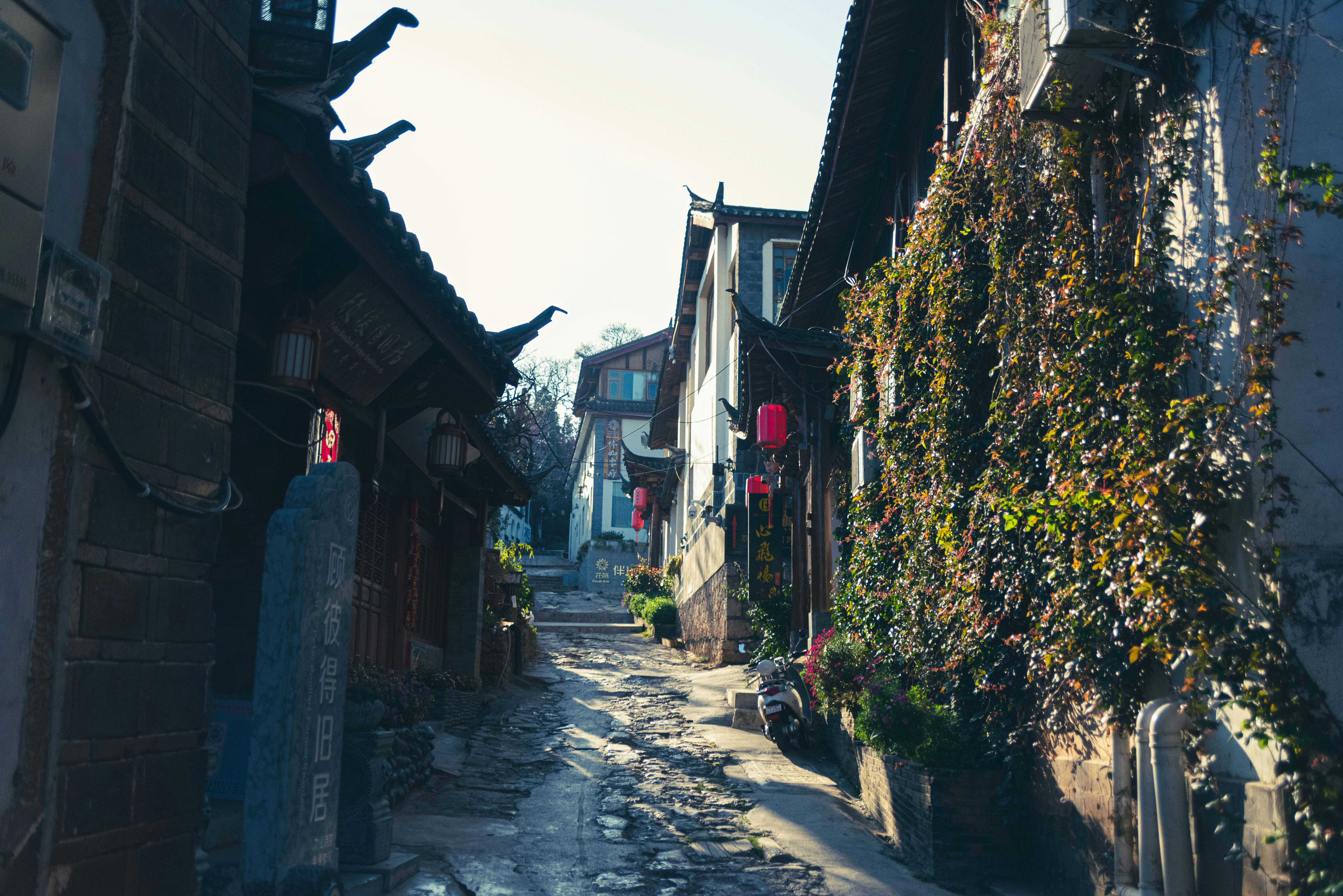
Sichuan in Depth: 21 Days from Chengdu's Teahouses to Jiuzhaigou's Lakes
Three unhurried weeks built around giant pandas, fiery hotpot, Tibetan-fringe valleys, and a sacred Buddhist mountain, all anchored by China's most easygoing megacity.
Sichuan sits in a fertile basin ringed by mountains, a place the ancients called the Land of Abundance, and Chengdu has been its capital for more than two thousand years. The city invented an entire culture of slowness: lidded-cup tea, mahjong under the plane trees, and a cuisine that married the numbing Sichuan peppercorn to imported chiles to create the flavor known as mala. It is also the global headquarters of panda affection, home to the breeding base that has helped pull the species back from the brink.
Three weeks lets you do what most visitors can't: pair the city's teahouses and food with the wild edges of the province. North of Chengdu, the Tibetan-Qiang borderlands hold Jiuzhaigou's turquoise lakes and Huanglong's terraced travertine pools, set among 3,000-meter peaks. To the south rises Mount Emei, one of China's four sacred Buddhist mountains, and at its foot the Leshan Giant Buddha, carved into a river cliff over 1,200 years ago and still the largest stone Buddha on earth.
Practically, Chengdu is the hub for everything: a high-speed rail network fans out south, and flights reach the northern valleys in about an hour. Late August into late September is a smart window, with summer greenery giving way to early autumn color and lower fares than peak holidays. Bring a translation app, set up Alipay or WeChat Pay before arrival (cash and foreign cards are awkward almost everywhere), and pack layers, because a sweaty Chengdu afternoon and a cold Golden Summit dawn can happen within the same week.
At a Glance
1
Days 1-9 (9 nights)Chengdu
2
Days 10-15 (6 nights)Jiuzhaigou Valley
3
Days 16-21 (6 nights)Mount Emei & Leshan
Chengdu
Chengdu rewards travelers who refuse to rush. Mornings belong to teahouses and panda nurseries, afternoons to lacquered old lanes and museums of staggering antiquity, and evenings to bubbling hotpot and the theatrical thrill of bian lian, Sichuan opera's face-changing art. It is large and modern, yet famously relaxed, and after nine nights you'll understand why locals say once you arrive, you never want to leave.
Getting there by planeFly into Chengdu Tianfu (TFU) or Shuangliu (CTU). For the cheapest mid-August to late-September fares, set fare alerts 6-8 weeks out, favor midweek departures, and compare both airports; metro lines link each to the city in 45-60 minutes.View on Trip.com
Ease into Chengdu's slow rhythm with a classic breakfast or a proper coffee, depending on your mood.
Long Chao Shou (Chunxi Road)
Jinjiang
A century-old institution for chao shou (Sichuan wontons) in clear or chili broth, plus a sampler tray of small snacks. Cheap, busy, and a true local morning ritual.
Let's Grind Coffee
Jinjiang
One of Chengdu's better third-wave roasters for a flat white before a day of walking, with friendly baristas used to visitors. A calm contrast to the teahouse scene.
Morning
Start where Chengdu locals do: People's Park, sipping covered-cup tea while the city plays mahjong around you.
Heming Teahouse, People's Park Google
4.0 · 51 reviews · Qingyang
The city's most beloved outdoor teahouse, where bottomless green tea comes with optional ear-cleaning and the gentle theater of retirees at leisure. Wander the park's lake, bonsai garden, and poignant 1911 railway monument afterward.
Try the dishes that made Sichuan famous, at the source.
Chen Mapo Tofu (original branch) Google
3.8 · 24 reviews · Qingyang
Birthplace of mapo tofu, served the way it was conceived: silky bean curd in a fierce, numbing chili-and-peppercorn sauce. Order it with rice and a cooling vegetable side.
A dependable spot for Sichuan home cooking like twice-cooked pork and fish-fragrant eggplant if you want range beyond a single signature dish. Generous portions at modest prices.
Spend the afternoon in the restored old quarters, layering history, tea, and street snacks.
Kuanzhai Alley (Wide and Narrow Lanes) Google
Qingyang
Three parallel Qing-era lanes of grey-brick courtyards now full of teahouses, craft shops, and snack stalls. Touristy but genuinely handsome, and a fine place to graze on dan dan noodles and san da pao.
China's most important Three Kingdoms memorial temple sits beside Jinli, a reconstructed folk street of red lanterns, teahouses, and food stalls. Pair the museum with an evening drift through Jinli's lanes.
No first night in Chengdu is complete without hotpot, the city's communal, chili-slicked ritual.
Shu Jiu Xiang Hotpot Google
4.5 · 17 reviews · Jinjiang
A lively, dependable chain beloved by locals for its mala broth and fresh ingredients; ask for a split yuanyang pot if you want a mild side. Expect a wait at peak hours and embrace the spice.
Another local favorite with a rich beef-tallow broth and slick service, good for first-timers who want the full numbing-spicy experience. Order tripe, beef, lotus root, and a sesame dipping sauce.
Good to know · Set up Alipay or WeChat Pay (both now link foreign cards) before you travel; most shops, taxis, and ticket counters in Chengdu are effectively cashless. (before departure) · Check your visa or visa-free transit eligibility for China carefully; rules shift, and your route and length of stay affect which option applies. (1-2 months ahead)
Grab a quick bite early; the pandas are worth beating the crowds for.
Hotel breakfast or a baozi stall
Chenghua
Keep it fast today. A few steamed buns and warm soy milk from any neighborhood stall will fuel an early start to the panda base, which opens around 7:30am.
Morning
Meet Sichuan's most famous residents at their liveliest, in the cool of the morning when they actually eat and play.
Chengdu Research Base of Giant Panda Breeding Google
4.6 · 3,080 reviews · Chenghua
A sprawling, bamboo-filled park 18km north of the center where giant and red pandas munch and tumble. Go right at opening and head to the nursery enclosures first, before tour groups arrive and the bears nap.
A door-to-door private option with an English-speaking guide who handles tickets and timing and explains the breeding program; the smoothest way to do the base if you'd rather not navigate solo. Some versions add the quieter Dujiangyan center.
Get hands-on with Sichuan flavor, or dig into the city's deep past.
Chengdu Cooking Class with Local Market Visit
Qingyang
A four-hour class that starts in a spice market and ends with you cooking mapo tofu and kung pao chicken to take home in your skills. Consistently rated among the best food experiences in the city.
Built over a 3,000-year-old Bronze Age settlement, home to the gold Sun and Immortal Birds disc that is now Chengdu's civic emblem. A quieter, profoundly atmospheric alternative for a hot afternoon.
Sichuan opera's face-changing is genuinely jaw-dropping; it remains the city's classic night out.
Sichuan Opera at Shufeng Yayun Teahouse
Qingyang
A 90-minute variety show of bian lian (lightning-fast mask changes), fire-spitting, hand-shadow puppetry, and music inside a traditional teahouse. Pre-booking secures a seat and you can pay extra for an ear-cleaning or tea service.
Eat your way across the city the local way, with a guide who knows the back lanes.
Tuktuk Food Tour Through Chengdu's Local Eats
Jinjiang
A small-group evening crawl by private tuktuk to off-tourist-track stalls and family joints, with unlimited beer and soda and an English-speaking guide. A fun, low-stress way to taste a dozen Sichuan specialties in one night.
If you skip the tour, the Yulin district is wall-to-wall with chuan chuan (skewer hotpot) and grilled-skewer joints buzzing until late. Point, grab a basket, and pay by the stick.
Good to know · Giant Panda Breeding Base entry is timed and real-name registered with daily caps; reserve your slot a few days ahead and go for the earliest entry, when pandas are most active. (book 2-5 days ahead) · The most popular cooking classes and opera shows sell out in high season; reserve a day or two in advance to lock in your preferred date. (1-3 days ahead)
Day 7-9
Ancient Engineering, Sacred Peaks & Bronze-Age Masks
Two outstanding day trips sit within easy reach of Chengdu; spread them across these days and keep one for a slower city day.
Dujiangyan Irrigation System & Mount Qingcheng
Dujiangyan
A UNESCO-listed waterworks built around 256 BC that still tames the Min River, paired with the misty Taoist temples and forest trails of Mount Qingcheng. A guided day trip handles the train or driving logistics and admissions in one go.
Home to the eerie, otherworldly bronze masks and towering figures of a lost civilization unearthed nearby, recently rehoused in a spectacular new museum. Roughly an hour from Chengdu and unlike anything else in China; reserve entry online in advance.
Bank a relaxed city afternoon between the bigger excursions.
Sichuan Museum & Du Fu Thatched Cottage Google
4.4 · 15 reviews · Qingyang
Pair the free, excellent Sichuan Museum with the garden retreat where Tang poet Du Fu wrote some of his greatest verse. A leafy, low-key half day in the Qingyang district.
Stroll the slick Sino-Western lanes of Taikoo Li around the restored Daci Temple and snap the giant panda sculpture clambering up the IFS mall, a favorite Chengdu photo. Good for coffee, shopping, and people-watching.
Round out your Chengdu run with regional specialties beyond hotpot.
Yu Zhi Lan or a Sichuan banquet house Google
4.5 · 970 reviews · Qingyang
For a refined send-off, book ahead at one of the city's celebrated tasting kitchens; for a livelier and cheaper night, any bustling jiachang cai (home-style) restaurant delivers boiled fish, gong bao chicken, and dry-fried beans. Either way, end with a sweet eight-treasure rice.
Good to know · Sanxingdui Museum uses timed, real-name online tickets that sell out on weekends and holidays; book on the official platform several days ahead. (book 3-7 days ahead)
Where to Stay
First-timers do best around Chunxi Road and Taikoo Li (Jinjiang District) for shopping, metro access, and nightlife, or near Wenshu Monastery for a quieter, more atmospheric old-town feel. The Tianfu Square axis puts you central to everything, while the Kuanzhai Alley and People's Park area is leafy and walkable.
Buddhazen Hotel
boutique Google
4.7 · 80 reviews
A serene courtyard hotel beside Wenshu Monastery, with Zen-styled rooms and a vegetarian restaurant; superb mid-range value in the most atmospheric corner of old Chengdu.
Reliable, well-priced rooms from a familiar chain with strong English-language service and easy metro links, ideal if you want predictability between your day trips.
A clean, social hostel a short walk from Kuanzhai Alley with private rooms as well as dorms, a good choice for budget travelers who still want a central base.
Spacious serviced apartments with kitchenettes and laundry above a major mall and metro interchange, practical for families or anyone settling in for a long stay.
Chengdu's signature design hotel, wrapped around a restored Qing-dynasty courtyard at Taikoo Li; the one splurge worth considering for a celebratory night or two.
If Chengdu is all warmth and chili, Jiuzhaigou is cool, clear, and almost unreal. This Y-shaped valley on the eastern rim of the Tibetan Plateau holds a chain of lakes so vividly blue-green they look digitally enhanced, fed by snowmelt and stained by mineral deposits and travertine. Add the terraced golden pools of nearby Huanglong, prayer flags fluttering over Tibetan villages, and forested peaks above 4,000 meters, and you have one of China's most beautiful landscapes, well worth the trip north.
Getting there by planeFly Chengdu to Jiuzhai Huanglong Airport (~1 hour, roughly $80-160 one way depending on date), then transfer about 90 minutes to the valley; a scenic but long 8-10 hour bus is the budget alternative. The airport sits at 3,400m, so take the first day gently.View on Trip.com
Use your arrival day to acclimatize gently to the altitude before the valley's big day.
Fly north and settle in
Zhangzha
Land at Jiuzhai Huanglong Airport, transfer to your hotel near the gate, and keep activity light: hydrate, eat well, and avoid alcohol while your body adjusts to the elevation.
All day
Jiuzhaigou itself deserves a full, early day; the valley's shuttle buses link the highlights along its three forks.
Jiuzhaigou Valley loop Google
4.7 · 1,132 reviews · Jiuzhaigou
Ride the eco-shuttle to the top and work your way down on foot via boardwalks: Long Lake and Five-Color Pond on the Zechawa fork, then the jaw-dropping Five Flower Lake, Pearl Shoal Waterfall, and Nuorilang Falls. The water's clarity and color are the stars; aim for morning light and pack layers and rain protection.
Many guesthouses in Pengfeng village serve family-style meals of yak meat, barley, hotpot, and butter tea. Warming, filling, and a window into Tibetan-Qiang borderland cooking.
Good to know · Jiuzhaigou caps daily visitors and uses timed, real-name (passport) tickets that sell out in peak season; book on the official reservation site as early as you can and bring the passport you booked with. (book 1-2 weeks ahead) · The valley and airport sit at 2,000-3,400m; ascend gently, stay hydrated, and watch for altitude symptoms, especially on your first day north. (on arrival)
Huanglong's travertine terraces are the region's other marvel; the cable car spares your lungs the steepest climb.
Huanglong Scenic Area Google
4.6 · 500 reviews · Songpan
A valley of tiered, mineral-rich pools that glow gold, turquoise, and emerald, culminating at the Five-Colored Pool below an ancient temple near 3,550m. Take the cable car up and walk down; carry water and a light oxygen canister if you're altitude-sensitive.
Use a flexible day for the quieter corners of the borderlands or a buffer against weather.
Munigou (Zharu) Valley & Erdaohai Google
4.4 · 50 reviews · Songpan
A peaceful alternative valley with the tall Zhaga Waterfall and a calcified lake, far less crowded than Jiuzhaigou. Ideal if you want forest walks without the throngs.
A walled Tang-dynasty garrison town on the old tea-horse road, with restored gates, a covered bridge, and outfitters offering short horse treks into the surrounding meadows. A good cultural counterpoint to all the scenery.
Several venues near the Jiuzhaigou gate stage lively evening shows of Tibetan and Qiang music, dance, and costume over dinner. Touristy but a fun, warming send-off from the valley.
Good to know · Huanglong's high point nears 3,550m and weather turns fast; bring warm and waterproof layers even in late summer, and consider the cable car to reduce exertion. (on arrival) · Mountain roads in the region can close briefly after heavy late-summer rain; keep your return travel flexible and confirm flights the day before. (day before)
Where to Stay
Base yourself in the cluster of hotels and Tibetan guesthouses just outside the Jiuzhaigou main gate (around Zhangzha town and Pengfeng village) so you can be first in line at opening. Higher-end resorts line the approach road, while family-run guesthouses offer the warmest welcome and home cooking.
Howard Johnson Tibetan Resort Jiuzhaigou
midrange Google
4.1 · 116 reviews
Comfortable, Tibetan-styled rooms close to the park entrance with reliable service and heating, a solid mid-range anchor for early starts.
A large international resort near the gate with spacious rooms, multiple restaurants, and the predictability families and groups appreciate after a long travel day.
A warm family-run guesthouse in a Tibetan village above the valley, known for home-cooked meals and genuine hospitality; book directly and well ahead as rooms are few.
Back in the warm basin to the south, two of Sichuan's grandest sights stand side by side. Leshan's Giant Buddha, 71 meters of serene stone carved into a river confluence in the 8th century, is so vast that pilgrims once described it as a mountain that is a Buddha. A short hop away rises Mount Emei, a sacred Buddhist peak laced with monasteries, cloud seas, mischievous monkeys, and a Golden Summit that floats above the weather at over 3,000 meters. Together they make a fitting, contemplative finale.
Getting there by trainFly Jiuzhai Huanglong back to Chengdu (~1 hour), then take a high-speed train from Chengdu toward Leshan/Emeishan (about 1.5 hours, roughly $12-18). The two sights are only ~30 minutes apart by road.View on Trip.com
Travel south and give yourself a full window for the Buddha, which deserves an unhurried visit.
Leshan Giant Buddha Scenic Area Google
4.6 · 2,543 reviews · Leshan
Approach by river boat first for the classic full-figure view, then join the cliffside staircase that winds down past the Buddha's enormous feet at the meeting of three rivers. Go early to beat both heat and the long descent queue.
If you prefer to fold Leshan into a single guided outing rather than overnight, this option pairs the Buddha with the riverside Huanglongxi old town and handles all transport. A convenient alternative for tighter schedules.
Famous across Sichuan for bobo chicken (skewers in chili broth), tian shao bai, and sweet-skin duck. Graze the Zhang公桥 (Zhanggongqiao) food street for a local-style feast.
Good to know · The staircase down to the Leshan Buddha's feet backs up badly midday; arrive at opening or take the boat view to avoid hours in line. (go at opening)
Day 18-20
Sacred Mount Emei: Monasteries to the Golden Summit
Begin among the lower temples and forest trails before heading up the mountain.
Baoguo Temple, Wannian Temple & Qingyin Pavilion Google
4.3 · 224 reviews · Mount Emei
Start at the grand Baoguo Temple, then ride the shuttle to Wannian, home to a 1,000-year-old bronze Samantabhadra elephant, and walk the streams and pools around Qingyin Pavilion. A beautiful, less strenuous way to feel the mountain's sacred character.
Climb toward the clouds, taking the shuttle and cable car to spare your legs the multi-day staircase.
Golden Summit (Jinding), 3,079m Google
3.9 · 10 reviews · Mount Emei
Bus to Leidongping, then cable car to the summit and its gleaming gilded Samantabhadra statue, often floating above a sea of cloud. Bring warm layers; it can be near freezing while Leshan bakes below.
Stay high for the famous dawn, or descend to comfort.
Sunrise stay near the Golden Summit
Mount Emei
Overnight at the summit hotel to catch sunrise and, if luck holds, the cloud sea and 'Buddha's halo' optical phenomenon. A bucket-list dawn for those who don't mind spartan rooms.
Hot springs at the base
Mount Emei
Prefer comfort? Descend and soak tired legs in the thermal baths around Baoguo before a hearty mountain dinner. The classic post-hike reward.
Good to know · Mount Emei's macaques can be aggressive near food; keep snacks and bags zipped away and avoid feeding or teasing them. (on the mountain) · The Golden Summit is over 3,000m and far colder than the basin; pack a warm jacket, gloves, and rain protection even in summer. (pack ahead)
Catch the bullet train from Emeishan back to Chengdu (about 1.5 hours) to connect with your departure, allowing a comfortable buffer to the airport. Book a daytime train to keep things relaxed.
If you have an evening in Chengdu before flying, send yourself off properly.
One last bowl of dan dan noodles Google
4.4 · 28 reviews · Chengdu
Near Chengdu's airports and downtown alike, a final plate of dan dan noodles or a quick skewer hotpot is the right full stop. Toast the trip with a cold Snow beer.
Split this leg between Leshan city (near the Buddha and the riverfront) and the Baoguo Temple area at Mount Emei's base, with one optional night near the Golden Summit for sunrise. The Baoguo cluster is the natural staging point for the mountain, with hot springs, restaurants, and shuttle access.
Emeishan Hongzhushan Hotel
midrange Google
4.5 · 25 reviews
A historic garden hotel in forest at the mountain's base near Baoguo Temple, with on-site hot springs; characterful and well located for an early ascent.
A simple mountaintop hotel near the Golden Summit, worth a night if you want to be in place for the famous sunrise and cloud sea without a pre-dawn climb. Book ahead and expect basic comforts at altitude.
Family-run guesthouses cluster around Baoguo Temple at the mountain foot, offering clean budget rooms and home cooking close to the bus station and cable-car shuttles.
Three weeks gives Sichuan room to breathe: lazy teahouse mornings and panda nurseries in Chengdu, the unreal blues of Jiuzhaigou and Huanglong, and the pilgrim trails of Mount Emei above the Leshan Buddha. You'll eat extraordinarily well, travel by bullet train and mountain cable car, and see a side of China most visitors miss. Come hungry, pack layers, and let the Land of Abundance set the pace.
Frequently Asked Questions
How many days do you need in Chengdu?
Three to four full days covers Chengdu's core: the giant panda base, the old lanes of Kuanzhai and Jinli, People's Park teahouses, a Sichuan opera show, and a cooking class or food tour. With more time, easy day trips to Dujiangyan, Mount Qingcheng, and the Sanxingdui Museum justify a longer stay, which is why this itinerary bases there for nine nights.
Is 21 days too long for Sichuan?
Not at all. Sichuan is large and varied, and three weeks lets you pair Chengdu's food and culture with the northern lake country of Jiuzhaigou and Huanglong and the sacred southern peak of Mount Emei, all without rushing. If you only had a week, you would have to choose between the north and the south.
What is the best time to visit Jiuzhaigou?
Mid-September through October is the showcase season, when autumn color sets the lakes ablaze, but late summer is lush, green, and less crowded with lower fares. The valley uses daily visitor caps and timed, passport-linked tickets year-round, so book online in advance whenever you go.
How do you get from Chengdu to Jiuzhaigou?
The fastest way is a one-hour flight from Chengdu to Jiuzhai Huanglong Airport, followed by a roughly 90-minute road transfer to the valley. A long-distance bus (8-10 hours) is the budget alternative; note the airport sits at about 3,400m, so allow time to acclimatize.
Is Chengdu expensive for travelers?
Chengdu is good value by big-city standards. Street food and noodle shops cost a few dollars, hotpot and sit-down meals are inexpensive, and the metro and ride-hailing are cheap; the bigger costs are domestic flights to Jiuzhaigou and scenic-area entry tickets. Set up Alipay or WeChat Pay, as most places no longer take cash or foreign cards easily.
Do you need to book panda base tickets in advance?
Yes. The Chengdu Research Base of Giant Panda Breeding uses timed, real-name tickets with daily caps that sell out in peak periods, so reserve a few days ahead and choose the earliest entry slot, when the pandas are most active and the crowds are thinnest.