Seoul in 5 Days: Palaces, the DMZ, and Late-Night Street Food
A local-savvy itinerary through royal palaces, hanok lanes, the world's most fortified border, and Seoul's best night markets, all built around an afternoon arrival.
5 days in Seoul
Seoul is a city of layers, where 600-year-old palace gates open onto glass towers and the smell of grilling pork drifts past temple incense. Founded as the capital of the Joseon Dynasty in 1394, it has grown into a metropolis of nearly 10 million that runs on world-class subways, 24-hour street food, and an obsession with doing everything well, from skincare to fried chicken.
The headline sights cluster usefully: the grand palaces and hanok (traditional house) districts sit in the historic north around Jongno, while shopping, nightlife, and youth culture fan out through Myeongdong, Hongdae, and Gangnam. A short bus ride north lies the Demilitarized Zone, the tense 4-kilometer-wide buffer with North Korea and one of the most compelling day trips in Asia.
Getting around is genuinely easy: buy a rechargeable T-money card at any convenience store and the clean, English-signed subway will take you almost anywhere for around 1,400-1,600 won a ride. Spring (April-May) and autumn (October) bring the best weather; summer is hot and humid with a July rainy season, and winter is cold but crisp. English is limited outside tourist zones, but translation apps, cash for markets, and a little patience go a long way.
Arrival, Insadong Lanes & First Korean BBQ
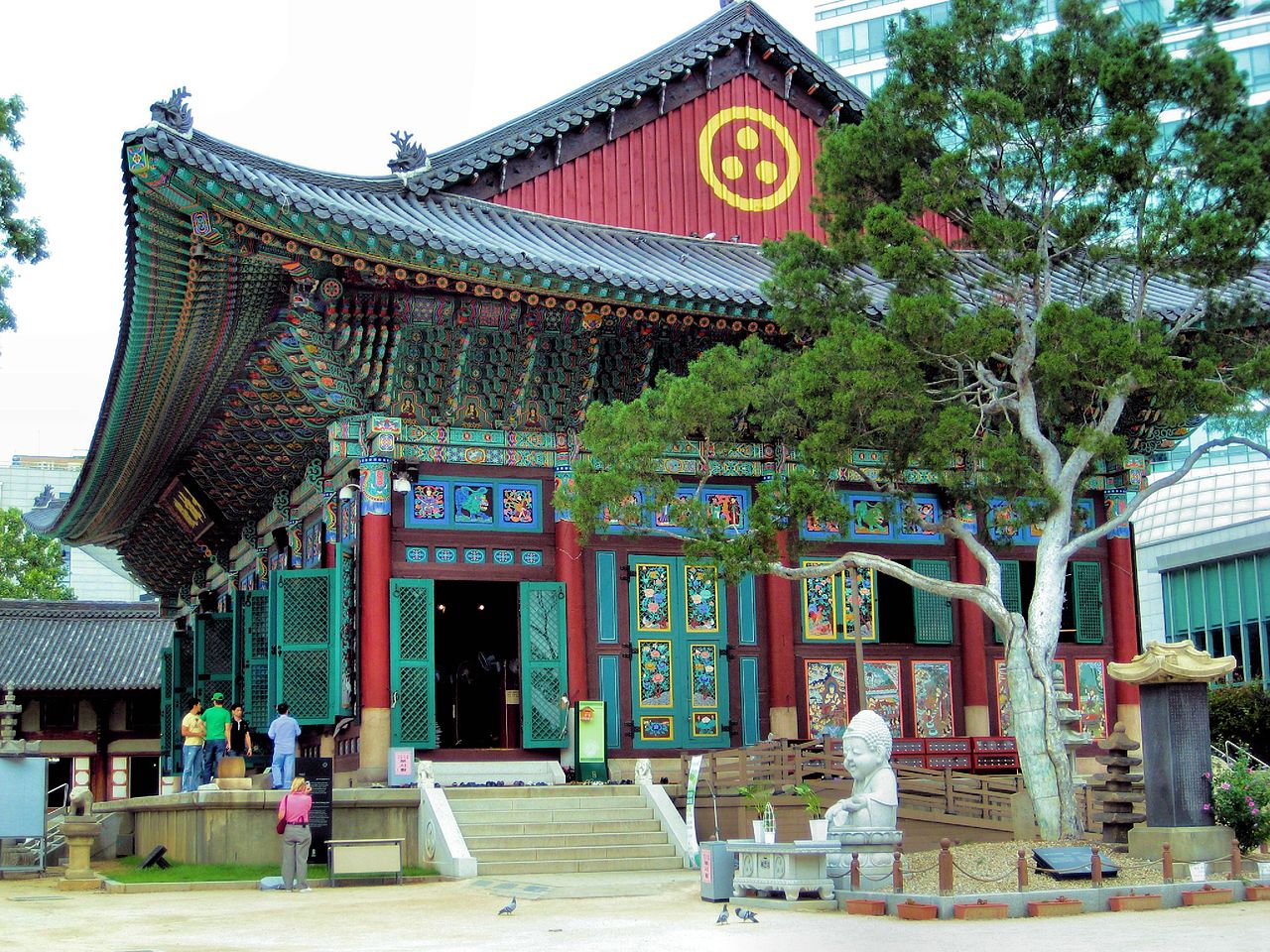
Jogyesa · Francisco Anzola / CC BY 2.0Drop your bags and ease into Seoul in Insadong, the walkable arts-and-crafts quarter where the main street and its side alleys are full of tea houses, galleries, and traditional shops. It is a gentle, jet-lag-friendly introduction to the old city.
Stroll the pedestrian spine of Insadong, then spiral up Ssamziegil, a clever multi-level complex of indie craft and design stalls. Pick up hand-made paper, ceramics, or a soft-serve in a fish-shaped cone, and duck into the quiet side lanes for traditional tea houses.
The head temple of Korean Jogye Buddhism sits a couple of minutes from Insadong, with a vast main hall and ancient trees. Free to enter, it is especially atmospheric when hung with lotus lanterns, and a calm counterpoint to the shopping streets.
Walk down to Cheonggyecheon, the restored stream that cuts through downtown, for an easy early-evening stroll as the lights come on.
A 10.9-kilometer daylighted stream sunk below street level, lined with stepping stones and floodlit at night. Start near Cheonggye Plaza and walk as far as you like; it is free, flat, and a favorite local cool-down spot.
No first night in Seoul is complete without Korean BBQ, grilled at your table with a spread of free side dishes (banchan).
A polished, reliable Myeongdong BBQ house known for marinated galbi and premium pork, with English menus and staff who help with the grilling. Expect roughly 20,000-35,000 won per person for a generous meal; good for a fuss-free introduction.
A beloved old-school galbi joint near Gangnam/Nonhyeon famous for its thick, well-marbled cuts and bustling, no-frills energy. Cash-friendly and packed with locals; come hungry and let the staff grill.

Royal Palaces, Bukchon Hanok Village & Namsan Sunset
Gyeongbokgung · 서울관광 아카이브 / KOGL Type 1Fuel up near Gwanghwamun before the palace crowds arrive. Seoul takes its coffee seriously, and you can also find a proper sit-down Korean breakfast nearby.
One of Seoul's most respected roasters, set in a renovated hanok with a seal mascot and excellent espresso and pastries. A short walk toward the palaces; arrive early for a seat.
A stunning cafe built inside a restored hanok courtyard near Anguk Station, hugely popular for its pandoro and minimalist pastries. Beautiful but busy; great for a coffee-and-photo start before Gyeongbokgung.
Spend the morning at Gyeongbokgung, the grandest of Seoul's five royal palaces, and time your visit to the changing of the royal guard ceremony.
The 1395 main palace of the Joseon Dynasty, with the throne hall and the photogenic Gyeonghoeru pavilion over a lotus pond. Admission is about 3,000 won (free if you wear hanbok, rented nearby), it is closed Tuesdays, and the changing of the guard runs at the main gate around 10:00 and 14:00.
On the Gyeongbokgung grounds and free to enter, this museum walks you through Korean daily life, seasons, and rituals. A worthwhile, air-conditioned add-on if the weather turns.
Eat where palace-goers and office workers do, just east of the grounds in the lanes around Bukchon and Samcheong-dong.
Seoul's most famous ginseng chicken soup (samgyetang), served in a rambling hanok a few minutes west of the palace. A whole young chicken stuffed with rice, ginseng, and jujube for around 20,000 won; expect a queue at peak lunch.
A long-running spot for hand-torn dough soup (sujebi) and savory pancakes in the pretty Samcheong-dong street. Comforting, inexpensive, and ideally placed between the palace and Bukchon.
Climb into Bukchon Hanok Village, a hillside neighborhood of restored traditional homes between Gyeongbokgung and Changdeokgung, then consider the loveliest palace garden in the city.
A living neighborhood of tiled-roof hanok on steep lanes with sweeping views back over the old city. It is free to wander, but residents actually live here, so keep noise down (signs and quiet hours are enforced). The classic photo spot is the stepped Bukchon-ro 11-gil.
A UNESCO-listed palace whose rear Huwon garden, visited only by timed guided tour, is the most serene spot in central Seoul. Palace entry is about 3,000 won plus roughly 5,000 won for the garden tour; book the English garden slot on arrival as they fill up, and note it is closed Mondays.
Head up Namsan for sunset at N Seoul Tower, the landmark on the wooded mountain in the middle of the city.
Ride the Namsan cable car or walk up to the base, where city views unfold around the tower and the famous wall of love locks. The observatory costs roughly 21,000 won; sunset and the hour after, when the city lights flare, are the prize.
Come down for dinner in Myeongdong or Namdaemun, both lively after dark and easy from Namsan.
A Myeongdong institution serving just a handful of dishes, above all kalguksu (knife-cut noodle soup) and steaming mandu dumplings, for around 10,000 won. Fast, cheap, and consistently packed.
After dinner (or instead of it), graze the Myeongdong food carts: tornado potatoes, grilled lobster cheese, egg bread (gyeran-ppang), and tteokbokki. The carts fire up in the evening and run late; bring small cash.
The DMZ: Korea's Divided Border
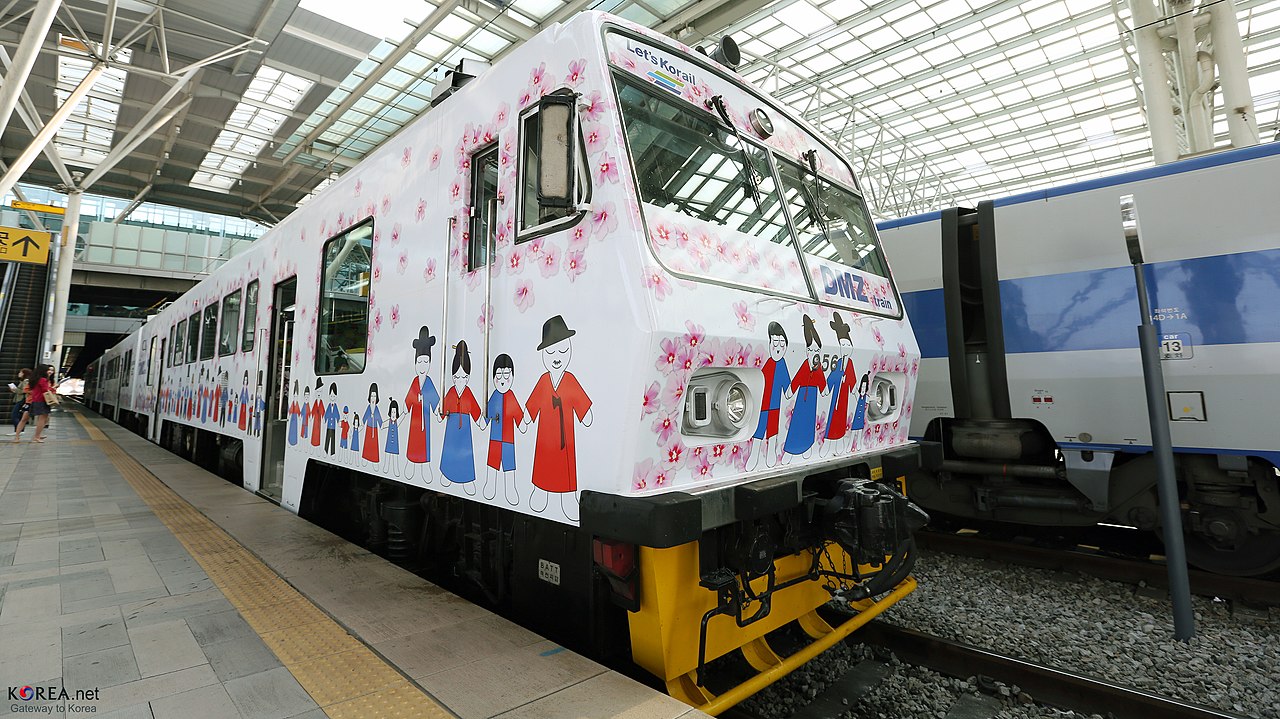
DMZ Train · Korea.net / Korean Culture and Information Service (Jeon Han) / CC BY-SA 2.0Give a full day to the Demilitarized Zone, the heavily guarded border with North Korea about an hour north of the city. Tours run with a guide and bus (independent access is largely restricted), bring your passport, and usually cover the 3rd Infiltration Tunnel, Dora Observatory looking into the North, and Imjingak peace park. This is the most memorable half-to-full day in any Seoul trip; book ahead.
A consistently top-rated DMZ tour that pairs the standard sites (3rd Tunnel, Dora Observatory, Imjingak) with a North Korea Experience Center and, on many departures, a defector Q&A that brings the history to life. From around $50; runs roughly half a day with optional add-ons. Bring your passport.
Seoul's most-reviewed DMZ tour, a no-shopping itinerary covering the key border sites plus a suspension bridge and JSA museum experience. From about $50, with thousands of strong reviews; a safe, well-organized choice for first-timers.
An award-winning, well-priced option centered on Imjingak peace park, the Freedom Bridge, Dora Observatory, and the 3rd Tunnel. From around $45; reliable guides and a smooth half-day format that leaves your evening free.
Back in the city by late afternoon or early evening, reward yourself with hearty Korean comfort food. Most DMZ tours drop you near central Seoul.
Seoul's most famous food market, packed with stalls slinging bindaetteok (mung-bean pancakes), mayak ('addictive') gimbap, and live octopus. Sit at a counter, point, and eat for a few thousand won a plate; the energy peaks in the evening. A great hands-on dinner after a heavy history day.
A revered old-Seoul spot for naengmyeon (cold buckwheat noodles) and mung-bean pancakes, the kind of place serious eaters detour for. Simple, time-worn, and deeply satisfying; around 12,000-15,000 won a bowl.

Markets, Modern Seoul & Hongdae Nightlife
Dongdaemun Design Plaza · Eugene Lim / CC-BY-2.0Start with specialty coffee in Euljiro or Seongsu, the old industrial districts turned cafe playgrounds.
The original Onion, set in a raw concrete former factory in 'Brooklyn of Seoul' Seongsu. Excellent bread, the signature pandoro dusted in sugar, and serious coffee; arrive early to beat the crowds.
A tiny, atmospheric Euljiro roaster hidden up a worn staircase, beloved for its hand-drip and vintage interior. A true local favorite for a quiet, well-made cup.
Dive into a market morning. Either go deep on food culture with a guided market tour, or explore the design-forward side of the city around Dongdaemun.
Let a local guide lead you stall to stall through Gwangjang for bindaetteok, gimbap, soju, and dishes you would never order alone, with everything included. From around $73; a fun, filling way to understand Korean market eating. Great mid-morning before the lunch rush.
Zaha Hadid's flowing silver landmark anchors Dongdaemun's design and shopping district, with rotating exhibitions and the LED 'rose garden' outside. Free to walk around; the surrounding malls run nearly around the clock.
Eat near Dongdaemun or head toward Hongdae for the afternoon, grabbing a casual Korean lunch en route.
The standard-bearer for dakhanmari, a whole-chicken hot pot you cook at the table with noodles and a punchy dipping sauce, in the alley behind Dongdaemun. Around 25,000-30,000 won feeds two; communal, steamy, and excellent.
If you move to Hongdae, graze the student-priced street food: hotteok (sweet syrup pancakes), tteokbokki, and Korean corn dogs. Cheap, fast, and full of the area's youthful buzz.
Choose your flavor of modern Seoul: the indie energy of Hongdae and Yeonnam-dong, or the polished avenues and views of Gangnam.
The university quarter is all street performers, record shops, character stores, and cafes, spilling west into leafy Yeonnam-dong along the old railway park (Gyeongui Line Forest). Ideal for aimless wandering and people-watching.
Gangnam's vast underground mall is home to the Instagram-famous Byeolmadang Library, a soaring two-story atrium of bookshelves. Free to enter, with the COEX Aquarium and SMTOWN K-pop store next door; a fun rainy-day base.
Hongdae comes alive after dark with buskers, bars, and late dessert cafes. Stake out a spot to watch the street shows.
On the main playground and pedestrian streets, dance crews and singers draw big evening crowds, especially on weekends. Free, high-energy, and quintessentially Seoul; easy to combine with a bar crawl afterward.
Round out the day with the city's two great casual obsessions: fried chicken with beer, or sizzling pork belly.
Korean fried chicken and beer ('chimaek') is the perfect Hongdae dinner; go for half-and-half (fried plus soy-garlic or yangnyeom sauce). Expect around 20,000 won for chicken plus draft beer, with a buzzy, group-friendly vibe.
Plenty of bustling grill houses serve samgyeopsal (pork belly) you cook and wrap in lettuce with garlic and ssamjang. Affordable, social, and a great-value blowout at roughly 14,000-18,000 won per person.

Slow Morning, Last Bites & Departure
Ikseon-dong · 오모군 / CC BY 3.0Spend your last morning in Ikseon-dong, a pocket of restored hanok turned into the city's most charming cluster of cafes and brunch spots, an easy stroll from Insadong.
Wander the narrow lanes and pick a courtyard cafe for a relaxed coffee and pastry; standouts come and go, but the alley itself is the draw. Photogenic, central, and close to Jongno-3-ga station for the airport run.
If you have a flight to catch, a simple gimbap and tteok (rice cake) from a local shop or convenience store makes an easy on-the-go breakfast. Fresh, cheap (around 3,000-5,000 won), and surprisingly good.
Squeeze in one last light activity before heading to the airport, depending on your departure time.
Stock up on Korean skincare and beauty at a flagship Olive Young, or grab souvenirs and snacks (honey butter chips, gim, instant ramyeon) in Myeongdong. Efficient and close to subway lines toward the airport rail link.
If you want a final calm sight, Deoksugung near City Hall is small, central, and uniquely blends Korean halls with Western-style buildings. Entry is about 1,000 won (closed Mondays), and the tree-lined stone-wall road beside it is a lovely short stroll.
Have one final memorable Korean meal near the city center before transferring to Incheon or Gimpo. Allow about 60-70 minutes to ICN via the AREX train from Seoul Station.
A dependable spot for Jeonju-style bibimbap, the colorful rice bowl mixed with vegetables, egg, and gochujang, with branches near Insadong and Myeongdong. Around 12,000-15,000 won, light enough before a flight.
If you missed it earlier, the kalguksu noodle soup and mandu here make a fast, satisfying farewell lunch close to the airport rail. Around 10,000 won and quick to get in and out.
Pick your base
For first-timers, base in Myeongdong or Jongno (Insadong/Gwanghwamun): both are central, packed with food, and within walking distance or a short subway ride of the palaces. Hongdae suits younger travelers wanting nightlife and indie cafes, while Gangnam and adjacent Jamsil (near Lotte World) are polished, modern, and great for shoppers and families. Anywhere within a few minutes of a subway station works beautifully given how good the metro is.
A reliable, large full-service hotel in Jamsil connected directly to Lotte World theme park, an aquarium, and a major mall, with Seokchon Lake outside. Excellent for families and shoppers, and right on subway Line 2.
A clean, design-forward mid-budget hotel near Dongdaemun's all-night shopping and markets, handy for late-night food crawls. Good value with modern rooms and easy subway access.
A friendly, well-rated budget hostel in the Hongdae/university area, ideal for solo travelers who want cheap beds and a sociable, nightlife-adjacent location. Private and dorm rooms available.
Seoul's iconic grande-dame hotel on a wooded hillside near Namsan, with a famous outdoor pool, top-tier dining, and immaculate service. The splurge choice if you want classic Korean luxury.
Good to know
How many days do you need in Seoul?
Four to five full days is the sweet spot for first-time visitors: enough to see the major palaces and neighborhoods, eat your way through the markets, and still fit a full-day trip to the DMZ. With more time you can add day trips to places like Nami Island or the coast.
What is the best area to stay in Seoul for first-time visitors?
Myeongdong and Jongno (around Insadong and Gwanghwamun) are the easiest bases, central to the palaces, food, and subway lines. Hongdae suits younger travelers wanting nightlife, while Gangnam and Jamsil are polished and good for families and shoppers.
Do you need to book a DMZ tour in advance?
Yes. Independent access to the DMZ is largely restricted, so nearly everyone visits on a guided tour, and the best-rated ones sell out days ahead, especially in spring and autumn. Bring your passport, as it is required to enter the border area, and note tours do not run on certain holidays and Mondays.
What is the best time of year to visit Seoul?
Spring (April to May) and autumn (late September to October) offer the most comfortable weather, with cherry blossoms in spring and foliage in fall. Summers are hot and humid with a July rainy season, while winters are cold but dry and good for fewer crowds.
How do you get around Seoul?
The subway is clean, cheap, and signposted in English, with most rides costing around 1,400-1,600 won. Buy a rechargeable T-money card at any convenience store to tap onto subways, buses, and even taxis; the AREX train links Incheon Airport to the city in about an hour.
Is Seoul expensive to visit?
Seoul is more affordable than Tokyo, Singapore, or most Western capitals. Street food and casual meals run a few thousand to around 15,000 won, palace entries are roughly 1,000-3,000 won, and excellent mid-range hotels are widely available, though Western-style coffee and nicer restaurants can add up.
Five days is enough to fall for Seoul: palace mornings and hanok lanes, a sobering day at the DMZ, market food crawls, and late nights of BBQ, chicken, and neon. With a T-money card in your pocket and an appetite to match, you will leave already planning the next visit. Annyeong, Seoul, until next time.