
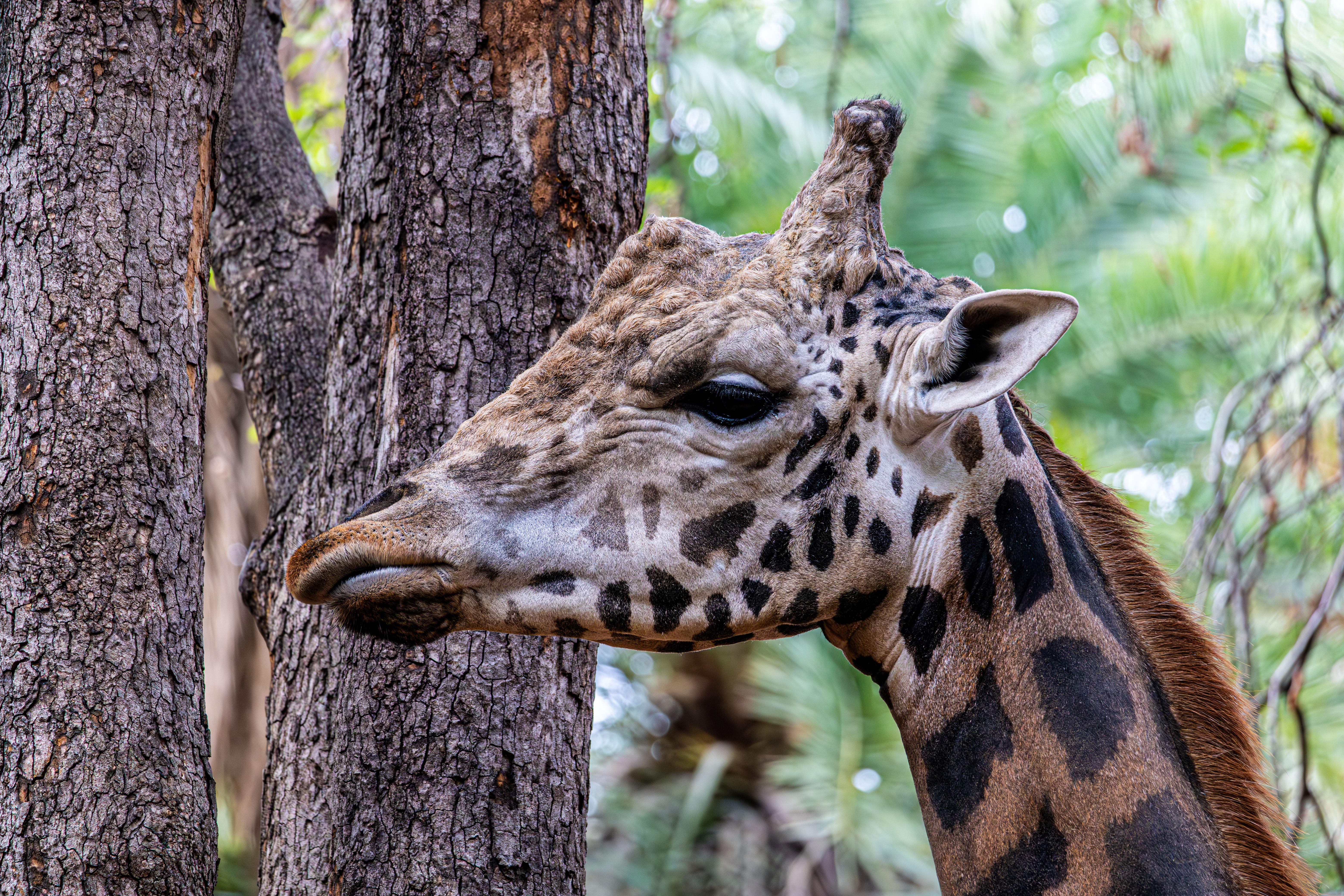
Close-up of a giraffe in the forest, showcasing its unique spots and features.
Nairobi, Maasai Mara5 daysUpdated June 30, 2026

Savanna Safari: 5 Days Across Kenya's Great Plains

From Nairobi's wildlife on the city's edge to the open grasslands of the Maasai Mara, this five-day journey delivers Africa's classic savanna at its most cinematic.

The savanna is the landscape we picture when we close our eyes and think of Africa: golden grass running to the horizon, flat-topped acacias, and the slow drama of predator and prey. Kenya invented the modern safari (the word itself is Swahili for 'journey'), and its grasslands remain the gold standard. This five-day route keeps things focused: a night in Nairobi to land softly, then three full days in the Maasai Mara, the northern extension of the Serengeti ecosystem and arguably the richest big-game terrain on the planet.

Expect lions draped over kopjes, elephant herds crossing the plains, cheetahs scanning from termite mounds, and, in season, the wildebeest migration churning along the Mara River. Beyond the wildlife, the Mara is Maasai country, and a visit to a manyatta (homestead) adds human depth to the spectacle. Distances are large and roads are rough, so most travelers fly the short hop from Nairobi rather than endure a five-hour drive.

Practical notes: Kenya requires an approved electronic travel authorization before arrival, and a yellow fever certificate is often requested. Malaria is present, so prophylaxis is advised. The long dry season (late June through October) is prime game-viewing and overlaps with the migration's arrival; pack neutral-colored layers, a hat, sunscreen, binoculars, and a good camera. The currency is the Kenyan shilling, though lodges quote in US dollars and cards are widely accepted at higher-end properties.

Nairobi

Kenya's capital is the only major city on earth with a national park on its doorstep, where lions and rhinos roam against a skyline of high-rises. Most safaris begin here, and even a single afternoon and evening reward you: you can hand-feed endangered giraffes, stand among orphaned elephants, and tuck into a legendary meat feast before flying west to the plains. Use Nairobi to shake off the long-haul flight, swap city shoes for safari boots, and ease into the rhythm of the bush.

Getting there by planeFly into Jomo Kenyatta International Airport (NBO); most intercontinental flights land in the afternoon or evening. The drive to Karen or Langata is roughly 45-75 minutes depending on traffic; arrange an airport pickup through your hotel or safari operator.View on Kiwi.com
Touchdown in Nairobi: Giraffes, Karen & a Carnivore Feast
Day 1
Touchdown in Nairobi: Giraffes, Karen & a Carnivore Feast
Giraffe Centre · Samwalton9 / CC BY 4.0
Afternoon
After clearing immigration and checking in, head straight for Nairobi's most charming wildlife encounter before the afternoon light fades. Both options sit in the green Karen-Langata belt, 15-20 minutes apart.
Giraffe Centre Google
4.6 · 17,625 reviews · Langata
A conservation center for the endangered Rothschild's giraffe where you climb a raised platform and hand-feed them pellets at eye level, often getting a slobbery lick in the bargain. Admission is around 1,500 KES (about $12) for non-residents and it's typically open until 5pm, so aim to arrive by mid-afternoon. Easygoing, fun, and a perfect jet-lag antidote.
Karen Blixen Museum Google
4.5 · 3,585 reviews · Karen
The former farmhouse of the 'Out of Africa' author, set amid gardens at the foot of the Ngong Hills. A guided walk through the preserved rooms takes under an hour and grounds you in the region's coffee-farm history; entry is roughly 1,200 KES for non-residents.
Evening
Ease into the slower pace with a sundowner. Nairobi's afternoon light over the plains is worth lingering for before dinner.
Sundowner on the Ole Sereni park-view deck
Langata
If you're staying along Langata Road, a cold Tusker beer on a terrace overlooking Nairobi National Park is a fitting first toast, with the chance of spotting giraffe or zebra on the grass below as the sky turns orange.
Dinner
Your first Kenyan dinner should be memorable. Choose between the city's most famous meat extravaganza and a refined garden bistro.
Carnivore Restaurant Google
4.5 · 12,637 reviews · Langata
Nairobi's legendary 'beast of a feast,' where waiters carve roasted meats (sausages, chicken, ribs, and sometimes more exotic cuts) tableside from Maasai swords until you lower the white flag. The set price runs roughly 3,500-4,500 KES per person and includes endless sides. Touristy, yes, but a genuine Nairobi institution and great fun on night one.
Talisman Restaurant Google
4.6 · 3,994 reviews · Karen
Closed Mondays
A beloved Karen garden restaurant blending Kenyan, Mediterranean, and Asian flavors; the feta-coriander samosas and slow-cooked lamb are local favorites. Relaxed, candlelit, and a calmer alternative to Carnivore, with mains around 1,800-2,800 KES.
Good to know · Kenya requires an approved Electronic Travel Authorization (eTA) before boarding; apply online several days ahead via the official government portal. (apply at least a week ahead) · A yellow fever vaccination certificate may be requested on entry, and antimalarial prophylaxis is recommended for the Mara. Consult a travel clinic well before departure. (4-6 weeks ahead) · The David Sheldrick Wildlife Trust elephant orphanage opens to the public for just one hour daily (around 11am) by pre-booked timed slot; if you want to visit, build it into a morning rather than an afternoon arrival. View on Viator

Where to Stay

For a first night before flying to the Mara, the leafy Karen and Langata suburbs put you near the Giraffe Centre and elephant orphanage and away from downtown traffic. If you have an early connection or just want to watch wildlife from your balcony, properties along Langata Road bordering Nairobi National Park are ideal. Westlands and the city center suit travelers who want restaurants and nightlife within reach.

Ole Sereni Hotel

midrange Google
4.5 · 8,649 reviews

Perched on the edge of Nairobi National Park along Mombasa Road, with rooms and a pool deck overlooking the savanna where giraffes and zebra graze. Convenient for the airport and a comfortable, reliable base for your first night.

Eka Hotel Nairobi

budget Google
4.5 · 6,681 reviews

A solid, well-run value pick on Mombasa Road with a good restaurant and easy airport access. A practical choice if you want comfort without the safari-lodge price tag before heading to the Mara.

House of Waine

boutique Google
4.6 · 277 reviews

An intimate, art-filled boutique hotel in Karen, walking-friendly to the suburb's gardens and minutes from the Giraffe Centre. Personal service and a quiet garden setting make it a lovely soft landing.

Hemingways Nairobi

luxury Google
4.7 · 3,202 reviews

A colonial-style grande dame in Karen with butler service, Ngong Hills views, and a celebrated restaurant. The splurge choice if you want to bookend your safari in style.

Maasai Mara

The Maasai Mara is Kenya's safari crown jewel: about 1,500 square kilometers of rolling grassland, riverine forest, and acacia-dotted plains that flow seamlessly into Tanzania's Serengeti. Lion densities here are among the highest in Africa, leopards haunt the river thickets, and from roughly July the wildebeest migration thunders in, with dramatic river crossings that draw photographers from around the world. This is also Maasai land, and the red-robed herders and their cattle are woven into the landscape as surely as the wildlife.

Getting there by planeFly from Nairobi's Wilson Airport to one of the Mara airstrips (Keekorok, Olkiombo, or Mara Serena) in about 45 minutes; round-trip fares run roughly $250-380 and most camps include the airstrip transfer. Driving is possible (5-6 hours on rough roads) but the flight is far easier and adds game time.View on Kiwi.com
To the Plains: First Game Drive in the Mara
Day 2
To the Plains: First Game Drive in the Mara
Breakfast
Breakfast early at your Nairobi hotel before the short transfer to Wilson Airport for the bush flight west.
Hotel breakfast and Kenyan coffee
Fuel up with eggs, fresh tropical fruit, and a pot of Kenya AA coffee, the country's prized high-altitude bean. Keep your luggage soft-sided and light, as bush flights enforce strict weight limits (usually 15kg in soft bags).
Morning
Transfer to Wilson Airport for the scenic 45-minute flight to a Mara airstrip, where your camp's guide meets you. The descent over the escarpment and onto the grassland is your first jolt of the savanna's scale.
Wilson Airport to Mara airstrip flight
Light aircraft (Safarilink and AirKenya operate the route) hop from Nairobi to airstrips like Olkiombo or Keekorok in under an hour, often with a short stop or two. Window seats on the left side offer the best plains views on arrival.
Lunch
Arrive at camp in time for lunch and a settling-in pause during the heat of the day, when wildlife rests in the shade.
Lunch at camp Google
5.0 · 81 reviews
Most Mara camps serve a relaxed buffet or plated lunch overlooking the bush or river. Use the early afternoon to unpack, nap, and meet your guide before the day's main event.
Afternoon
Head out for your first game drive as the light softens and animals stir. Even a few hours can deliver lions, elephants, and giraffes against the endless grass.
Afternoon game drive
Your guide tracks the reserve's residents in an open 4x4: expect to encounter elephant breeding herds, towering giraffes, buffalo, and very possibly a lion pride dozing in the open. Stand for photos as the golden hour paints the plains. Park or conservancy fees (roughly $100-200 per person per day) are usually billed by your camp.
Evening
Cap the drive with a savanna sundowner, a safari ritual worth savoring.
Bush sundowner
Many guides pull up on a rise as the sun drops, setting out drinks and snacks while you watch the sky burn orange over the acacias. A gin and tonic or a Tusker in hand, with the sounds of the bush rising, is the quintessential safari moment.
Dinner
Dinner under the stars or in the mess tent, often with the distant whoop of hyenas as a soundtrack.
Dinner at camp Google
4.4 · 16 reviews
Camps typically serve three-course dinners using fresh produce flown in or grown locally, sometimes around a campfire. Conversation with your guide and fellow guests over wine is part of the experience; you'll be escorted back to your tent by a Maasai askari (guard) after dark.
Good to know · Bush flights enforce strict luggage limits, usually 15kg total in soft-sided bags. Pack light and leave hard suitcases in Nairobi storage if needed. (plan before departure) · Mara reserve and conservancy entry fees (roughly $100-200 per person per day) are charged on top of camp rates; confirm whether your booking includes them. (confirm at booking)
Full Day in the Mara: Big Cats & the Open Grassland
Day 3
Full Day in the Mara: Big Cats & the Open Grassland
Breakfast
Predawn coffee before the best game-viewing hour of the day. The savanna is coolest and most active at first light.
Early coffee and rusks
Camps lay out hot coffee, tea, and biscuits before the morning drive, often by lantern light. Bundle up; the open vehicle is genuinely cold until the sun climbs.
Morning
A long sunrise game drive is the heart of any Mara day, when lions finish their hunts and cheetahs use the soft light to move. Many camps include a full-English bush breakfast laid out on the plains.
Sunrise game drive and bush breakfast
Roll out before dawn to find big cats active in the cool air: this is your best chance at lions on a kill, cheetahs scanning from termite mounds, or a leopard slipping into the riverine trees. Around mid-morning your guide sets up breakfast in the open, with eggs and coffee served beside the vehicle while zebras graze nearby.
Hot-air balloon safari over the Mara
For a splurge, drift silently over the plains at dawn in a hot-air balloon, watching herds scatter beneath you, then land to a champagne bush breakfast. Flights run roughly $450-550 per person and last about an hour aloft; they book out fast in peak season and must be reserved in advance through your camp.
Lunch
Return to camp for lunch and a siesta through the hot, quiet middle of the day.
Lunch and rest at camp Google
4.7 · 385 reviews
Refuel and recharge in the shade; the wildlife does the same. Use the downtime for a swim, a massage if your camp offers one, or simply your binoculars from a viewing deck.
Afternoon
Head back out as temperatures drop, focusing on whatever your guide has been tracking, perhaps following a pride or scanning the river for hippos and crocodiles.
Afternoon game drive
The afternoon often brings elephants to water and predators stirring for the evening hunt. Ask your guide to make for the Mara or Talek river, where pods of hippos wallow and enormous crocodiles bask on the banks.
Evening
Another sundowner, this time with the day's sightings to relive.
Sundowner on the plains
Toast the day from a scenic overlook as the light goes golden and the nightjars begin to call. If you're in a conservancy, your guide may continue into a short night drive to spot nocturnal species like genets, bush babies, and hunting hyenas.
Dinner
Dinner back at camp, perhaps a special bush dinner if your lodge arranges one.
Bush dinner or campfire meal Google
4.8 · 248 reviews
Some camps surprise guests with a lantern-lit dinner out in the bush, complete with Maasai song and a roaring fire. Otherwise, a hearty dinner in camp caps a full day, with the night alive with frogs, hyenas, and the occasional roar of a lion carrying across the plains.
Good to know · Hot-air balloon safaris over the Mara sell out in peak migration season and require advance booking, often through your camp; reserve as soon as your dates are set. (book 2-4 weeks ahead) View on Viator
Maasai Culture & the Migration Corridor
Day 4
Maasai Culture & the Migration Corridor
Breakfast
Coffee at first light before another early start, the rhythm of the bush now familiar.
Dawn coffee at camp
A quick hot drink and a biscuit before heading out. By day three your eyes are trained and you'll spot game your first-day self would have missed.
Morning
Dedicate the morning to a longer drive toward the Mara River, the stage for the migration's famous crossings (typically July through October), pausing for a cultural visit to a Maasai homestead.
Maasai village (manyatta) visit
Talek area
A guided visit to a Maasai homestead introduces you to the semi-nomadic herders who share this land with the wildlife: the adumu jumping dance, fire-making, and a look inside a mud-and-dung house. Fees (around $20-30 per person) support the community; go with an open mind and ask before photographing people.
Mara River crossing watch
From roughly July, columns of wildebeest and zebra mass on the riverbanks before plunging across crocodile-filled waters, the single most dramatic spectacle on the African calendar. Crossings are unpredictable, so patience pays; even outside migration season the river teems with hippos, crocodiles, and birdlife.
Lunch
Either picnic in the field to maximize game time or return to camp for a proper meal.
Bush picnic lunch Google
4.7 · 3,500 reviews
If the action is far from camp, your guide can pack a picnic so you stay out among the herds rather than backtracking. Eating under an acacia with vultures circling overhead is its own kind of memorable.
Lunch back at camp Google
4.7 · 385 reviews
Prefer comfort? Return for a cooked lunch and a midday break before the final afternoon drive.
Afternoon
Your last full afternoon on the plains. Tell your guide your wish list, whether it's a leopard, a cheetah hunt, or simply more time with the elephants.
Final afternoon game drive
Use this drive to chase down any missing sightings and to simply soak in the savanna at its best light. Photographers should ask for low-angle positioning as the sun drops and the dust turns gold.
Evening
A farewell sundowner to mark your final evening in the Mara.
Farewell sundowner
Raise a glass to the plains one more time. With luck, a distant lion's roar or a herd silhouetted on the ridge sends you off properly.
Dinner
A final dinner under the vast African sky.
Last dinner at camp Google
4.7 · 385 reviews
Share the day's highlights with your guide and fellow travelers over a hearty meal. Settle any tips and tabs tonight, and confirm your morning flight time and pickup before turning in.
Last Light on the Savanna & Flight Home
Day 5
Last Light on the Savanna & Flight Home
Breakfast
One last early coffee, savoring the cool dawn air of the savanna before you leave it behind.
Sunrise coffee
A quiet final cup as the camp wakes and the birds start up. Have your bags packed and ready for the transfer before you head out.
Morning
Squeeze in a short final game drive en route to the airstrip, then catch the late-morning flight back to Nairobi to connect with your onward journey.
Morning game drive to the airstrip
Many camps route your transfer as a last game drive, so you may spot a final lion or elephant before reaching the airstrip. Soak it in; the plains have a way of staying with you.
Mara airstrip to Nairobi flight
Light aircraft depart the Mara through the morning and reach Wilson Airport in roughly 45-60 minutes. Build in a generous buffer (most operators advise arriving JKIA at least three hours before an international departure, plus the cross-city transfer from Wilson).
Lunch
If your international flight leaves in the evening, grab a relaxed lunch near Wilson Airport or in Nairobi before transferring to JKIA.
Lunch near Wilson Airport Google
4.8 · 2,131 reviews
The cafe at Wilson or a quick stop in Karen (Talisman or a coffee at Java House) bridges the gap before your transfer to Jomo Kenyatta International. Confirm transfer timing in advance, as midday Nairobi traffic can be heavy.
Good to know · Allow a wide connection window on departure day: the Mara flight plus the cross-Nairobi transfer from Wilson to Jomo Kenyatta can take several hours, and traffic is unpredictable. Aim to be at JKIA at least three hours before an international flight. (plan on departure day)

Where to Stay

Inside the national reserve you're closest to the year-round game and river crossings but pay higher fees; the surrounding community conservancies (Mara North, Naboisho, Olare Motorogi) offer lower vehicle density, night drives, and walking safaris. Tented camps along the Mara and Talek rivers (the Governors' area, Talek gate) put you in the thick of the action, while higher conservancies trade some convenience for exclusivity. Pick a camp with a strong guiding reputation, since your guide makes or breaks a safari.

Sarova Mara Game Camp

midrange Google
4.7 · 2,038 reviews

A long-established tented camp inside the reserve near Sekenani gate, with comfortable en-suite tents, a pool, and reliable game drives. A dependable mid-range choice with strong access to the central plains.

Mara Serena Safari Lodge

midrange Google
4.6 · 1,522 reviews

Perched on a hill in the reserve's western Mara Triangle, overlooking a stretch of river famous for crossings, with sweeping views from the pool and bar. Excellent value for its location at the heart of the migration corridor.

Basecamp Maasai Mara

family friendly Google
4.4 · 322 reviews

An eco-conscious, Maasai-partnered camp by the Talek river with spacious tents, a tree-house viewing platform, and strong community ties for village visits. Welcoming to families and travelers who want a lighter footprint.

Governors' Camp

luxury Google
4.8 · 379 reviews

The classic Mara safari camp, set in riverine forest along the Mara River with elephants and hippos often wandering past the tents. Superb guiding and prime location make it a benchmark splurge.

Angama Mara

luxury Google
4.7 · 336 reviews

A design-forward lodge cantilevered above the Oloololo escarpment with glass-fronted tents and the 'Out of Africa' view across the plains. The ultimate Mara indulgence if budget allows.

In five days you'll go from feeding giraffes on Nairobi's edge to watching lions wake on the open Mara, with the savanna's full cast of characters in between. It's a short trip by safari standards but a complete one, hitting Kenya's wildlife at its richest. Come home with a memory card full of golden-hour images and the kind of stories that only the plains can write.

Frequently asked questions

How many days do you need for a Maasai Mara safari?
Three nights in the Maasai Mara is the sweet spot, giving you two to three full days of game drives to find the big cats, elephants, and (in season) the migration. With a night in Nairobi on either end, five days makes a satisfying, well-paced safari without feeling rushed.
What is the best time to visit the Maasai Mara?
The long dry season from late June through October offers the best game viewing, with thinner vegetation, easier animal spotting, and the wildebeest migration typically present from July to October. The short rains (November) and long rains (March-May) bring lush scenery and fewer crowds but muddier roads and more dispersed wildlife.
Should you fly or drive from Nairobi to the Maasai Mara?
Flying is strongly recommended: a light-aircraft hop from Nairobi's Wilson Airport reaches the Mara airstrips in about 45 minutes for roughly $250-380 round trip, versus a bumpy five- to six-hour drive each way. Flying preserves precious game-viewing time and spares you the rough final stretch of road.
Is a Kenya safari expensive?
Safaris are a premium experience: mid-range tented camps typically run $250-500 per person per night including meals and game drives, while luxury lodges climb well above that, and park or conservancy fees add roughly $100-200 per person per day. Budget-conscious travelers can save with camps in the shoulder season and group departures, but a quality Mara safari is rarely a low-cost trip.
Do you need vaccinations or a visa for Kenya?
Most visitors must obtain an approved Electronic Travel Authorization (eTA) online before arrival, and a yellow fever certificate is often requested depending on your travel history. Antimalarial prophylaxis is recommended for the Mara, so consult a travel clinic four to six weeks before departure.
What is the best area to stay in the Maasai Mara for first-time visitors?
First-timers chasing the migration and river crossings do well inside the national reserve near the Mara and Talek rivers, where the big game concentrates. Travelers who prefer fewer vehicles, night drives, and walking safaris should consider the surrounding community conservancies such as Mara North, Naboisho, or Olare Motorogi, which limit crowds at a slightly higher cost.

Make this trip yours

Save it to your free account so it's waiting on your phone while you travel, and pull up a PDF that works even when you're offline.

Ready to book your stay?

Hotels
Homes

Traveling somewhere else?

Generate a custom itinerary