Santa Cruz de Tenerife in 4 Days: Beaches, Old Towns & Canarian Nightlife
A local-minded long weekend in Tenerife's capital, from the golden sands of Las Teresitas to laurel forests, market lunches, and late-night terraces on Calle La Noria.
4 days in Santa Cruz de Tenerife
Santa Cruz de Tenerife is the working, lived-in capital of the largest Canary Island, a port city where cargo cranes, palm-lined ramblas, and Oscar Niemeyer-style architecture share the same skyline beneath the volcanic Anaga mountains. Founded after the Spanish conquest in 1494 and long a strategic Atlantic harbor (it famously repelled Admiral Nelson in 1797, who lost his arm in the attempt), the city today feels more Canarian than touristy, with its life centered on plazas, markets, and terrace bars rather than resort strips.
This is a place to live like a local: order a barraquito coffee, eat papas arrugadas with mojo, and time your visit around the second-biggest carnival on earth (February). The golden-sand beach at Las Teresitas, the UNESCO old town of La Laguna, and the primeval laurel forests of the Anaga Biosphere Reserve are all within a short bus or car ride, while Mount Teide, Spain's highest peak, looms on the horizon for the ambitious.
Getting here is easy: two airports serve the island (Tenerife North is 15 minutes from the city, Tenerife South about an hour), and the compact center is walkable, backed by the cheap and reliable TITSA guagua (bus) network and a single tram line to La Laguna. Spring through autumn brings warm, dry days in the low-to-mid 20s Celsius; the trade winds keep it comfortable, and prices sit below mainland Spanish resort levels, making a mid-range budget stretch nicely.
Arrival, Plaza de Espana & the Old Quarter
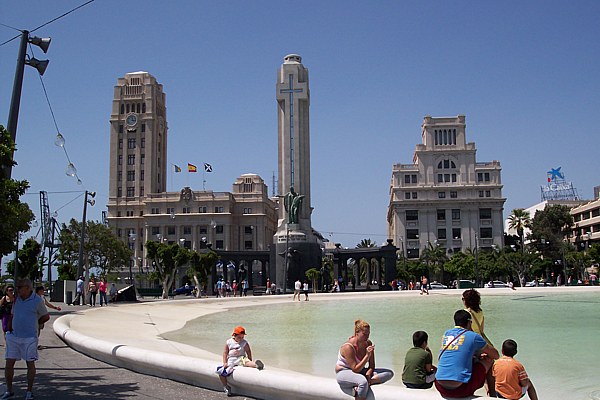
Plaza de España (Santa Cruz de Tenerife) · Enrique Castrillo Núñez / CC BY-SA 2.5 esDrop your bags and get oriented on foot around the harbor and the historic core, an easy, flat stroll that takes in the city's signature landmarks in a couple of hours.
Start at the city's grand seafront square, built over the old San Cristobal castle, with its huge circular reflecting pool and fountain. It is free, central, and the natural hub of Santa Cruz; the tourist office here has maps and bus info if you need them.
Wander the pedestrianized main shopping street up to Plaza de la Candelaria, lined with shops, ice cream stands, and street musicians. It is the best place to feel the city's everyday rhythm and pick up any beach or sun-hat supplies.
The city's oldest church, with a distinctive six-story bell tower you can spot across the old town. Slip inside to see the Santa Cruz de la Conquista, the cross that gave the city its name; entry is a couple of euros for the tower if it is open.
Ease into your first Canarian evening with a sundowner near the water before the old-town bars fill up.
Walk out to Santiago Calatrava's sail-like white auditorium, the city's architectural icon, and catch the light shift on the Atlantic behind it. The promenade here is a favorite local evening stroll; there is nothing to pay to admire it from outside.
This shaded plaza with its old ficus trees is ringed by casual terraces perfect for a first tinto or Dorada beer. A relaxed, local-leaning spot to plan the days ahead.
Dinner your first night should be classic Canarian: papas arrugadas with red and green mojo, fresh fish, and local wine.
A long-standing, unfussy Canarian tasca beloved by locals for grilled meats, cheeses, and honest home cooking at gentle prices. Come hungry and share plates; it fills with a Santa Cruz crowd rather than tourists.
A well-regarded seafood-focused kitchen out toward San Andres for beautifully cooked local fish and market produce. A step up in price and worth it if you want a memorable first dinner; reserve ahead on weekends.
If you fancy something lighter, this waterfront spot near the Auditorio is one of the island's best Japanese kitchens, drawing on the fresh local catch. Higher end but a good change of pace from Canarian classics.
Santa Cruz nightlife concentrates in the old-town lanes, buzzing loudest Thursday to Saturday from around midnight.
The city's most atmospheric bar street: a narrow lane of restored colonial houses turned into back-to-back bars and terraces. Bar-hop with the local after-dinner crowd; drinks are cheap and the mood is easygoing.

Las Teresitas Beach, San Andres Seafood & a Boat Trip
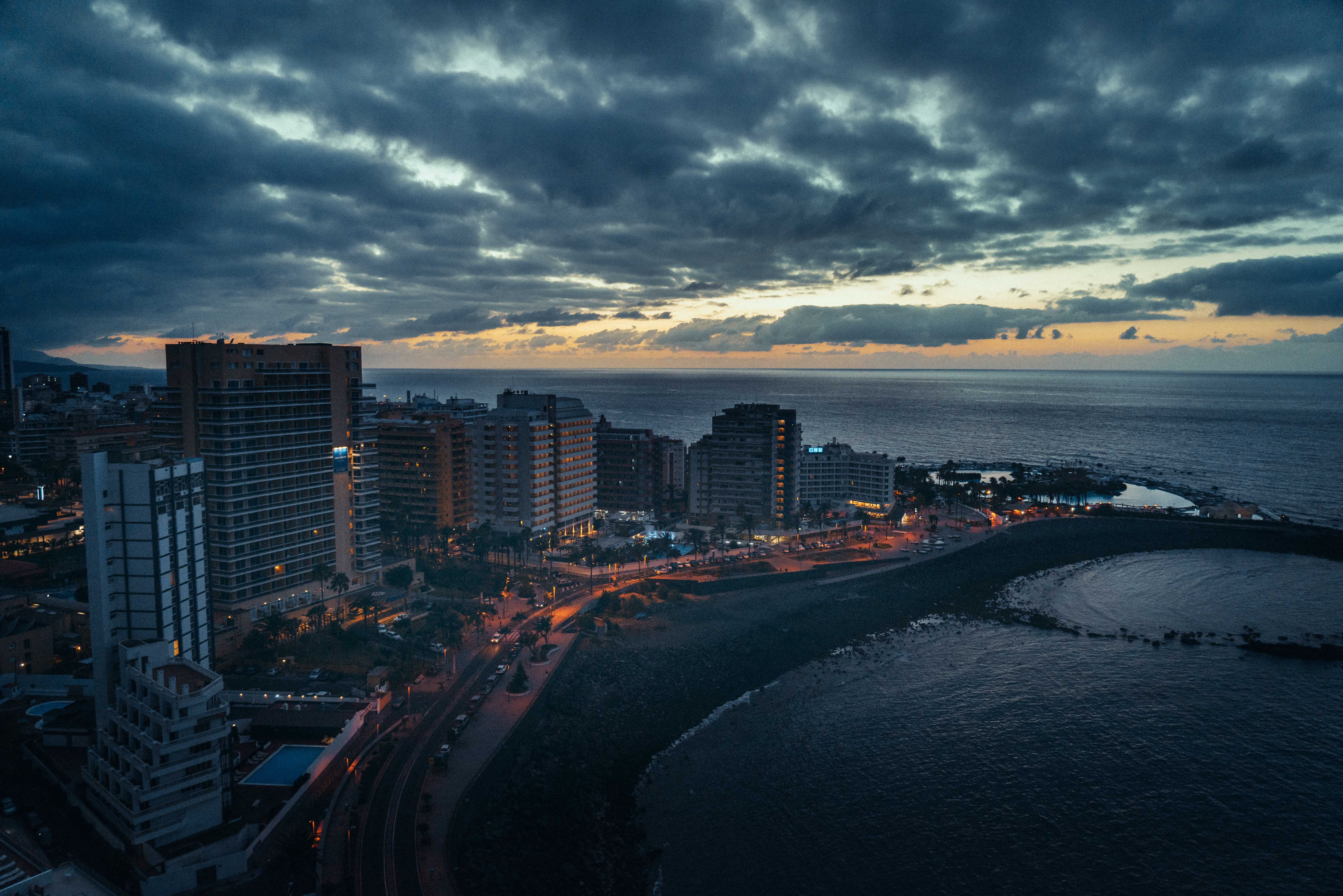
Santa Cruz de Tenerife · Photograph by Mike Peel (www.mikepeel.net). / CC BY-SA 4.0Fuel up the Canarian way with a strong coffee and something fresh from a local bakery before the beach.
Order a barraquito, the layered Canarian coffee with condensed milk, liqueur, cinnamon, and lemon peel, at any neighborhood cafeteria near your hotel. It is the local morning ritual and costs around 2 euros.
The 1940s covered market is a joy in the morning: grab a coffee and a fresh pastry, browse stalls of tropical fruit, cheese, and fish, and watch the city shop. Free to enter and liveliest before noon.
Head to Playa de Las Teresitas, the golden-sand crescent that is the city's pride, a 10-15 minute drive or a straightforward bus ride from downtown.
This palm-backed golden beach was created with sand imported from the Sahara and protected by a breakwater, giving calm, family-friendly water ideal for swimming. It is free, has showers and loungers for rent, and the mountains of Anaga rise dramatically behind it. Take TITSA bus 910 or 245 from the Intercambiador, about 20 minutes.
The fishing village of San Andres, right beside the beach, is the classic spot for a long seafood lunch.
A friendly village favorite for Canarian fish stews, limpets (lapas), and grilled catch a short walk from the sand. Casual, good value, and popular with locals on weekends.
With boating on your list, spend the afternoon on the water. The best whale-and-dolphin sailing is off the south and west coasts, but you can also charter or join a trip from the local marinas; alternatively, linger at the beach.
Book a half-day catamaran or sailing charter from the central marina for a coastal cruise with swim stops. Small operators here run shared and private trips; prices vary, so confirm the route and whether snacks and drinks are included when you reserve.
Tenerife's waters between the island and La Gomera are home to resident pilot whales and dolphins, best seen on trips from Los Cristianos, Costa Adeje, or Los Gigantes (about an hour's drive south). Choose a Blue Boat eco-certified operator; a 2-3 hour trip runs roughly 30-45 euros.
If you would rather not travel, simply stay on the golden sand: swim in the sheltered water, rent a lounger, and watch the light change over the Anaga cliffs. The most relaxed way to spend a Canarian afternoon.
Back in the city, keep things local and lively.
A characterful old-town tasca crammed with wine bottles and Canarian character, good for cheese, croquetas, and grilled fish with a proper local wine list. Cozy and popular, so arrive early or book.
Several small kitchens along and around La Noria do modern Canarian tapas that slide neatly into a night out. Graze a few plates and stay for the bar scene that follows.
La Laguna's Old Town & the Anaga Forests
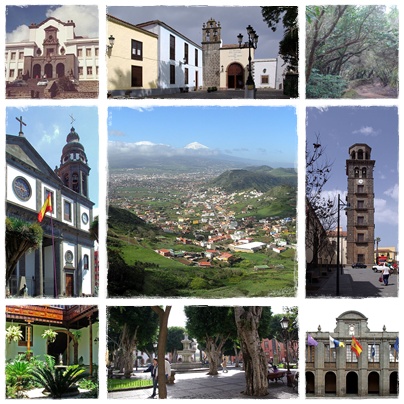
San Cristóbal de La Laguna · La_Laguna.jpg: Jens Steckert La_Laguna_BW_1.JPG: Berthold Werner UniversityLaLaguna.JPG: Edub La_Laguna_BW_10.JPG: Berthold Werner LagunaCatedral01.jpg: Koppchen LagunaMontanez02.jpg: Koppchen Monte_las_Mercedes-Llano_el_Loro.jpg: Noemi M. M. LagunaCabildo01.jpg: Koppchen derivative work: Martely (talk) / CC BY-SA 3.0Ride the tram uphill to La Laguna, the island's former capital and a UNESCO World Heritage colonial town, and start with coffee among its pastel streets.
The single tram line links central Santa Cruz to La Laguna in about 35-40 minutes for roughly 1.50 euros, a scenic, stress-free ride uphill. Buy a ten-trip bono or tap contactless.
Settle at a terrace on La Laguna's central square, framed by the town hall and convent, for coffee and a pastry. A gentle way to begin before the old-town churches open.
Explore La Laguna on foot: its grid of colorful 16th-century mansions and churches is the template that later planned cities across the Americas copied.
Stroll this handsome street past wooden-balconied Canarian houses and inner courtyards, several open to visitors. The whole old town is compact and free to wander.
See the neo-Gothic cathedral and climb (or admire) the Concepcion church tower for views over the tiled rooftops. Modest entry fees apply at each; both anchor the UNESCO center.
La Laguna is a university town with excellent, affordable eating; grab lunch before heading into the mountains.
A busy local tasca doing generous Canarian plates and daily specials at student-friendly prices. Great for a quick, authentic sit-down between sightseeing.
The town market has stalls and counters serving fresh, cheap bites, from grilled fish to tapas. A local way to eat well without lingering long.
Head into the Anaga Rural Park, a UNESCO Biosphere Reserve of ancient laurel forest, knife-edge ridges, and hidden hamlets right above the city. A rental car or the park bus makes this easy.
This visitor-center viewpoint is the gateway to Anaga's misty laurisilva forest; the short Sendero de los Sentidos loop is an easy, well-marked walk among moss-draped trees. Free entry, with a small cafe and maps at the center.
Drive the winding road down to the cliff-side village of Taganana for wild Atlantic views and black-sand coves. The scenery is some of the most dramatic on the island; allow time for the twisty roads.
Back in Santa Cruz, reward the day with a relaxed local dinner.
A historic old-town restaurant in a rambling townhouse, serving traditional Canarian dishes like ropa vieja and fresh fish in a warm, characterful setting. A local institution that stays reasonably priced; booking helps at weekends.
A small, friendly spot for well-executed Canarian tapas and wines by the glass. Good for a lower-key evening if your legs are tired from the forest.

Parks, Market Mornings & Farewell
Province of Santa Cruz de Tenerife · TUBS / CC BY-SA 3.0Spend your last morning at an easy local pace with coffee and a final wander through the city's greenest corner.
The largest city-center park in the Canaries is a lush maze of subtropical plants, sculptures, and a famous flower clock, free and open daily. A peaceful spot for a morning coffee from the kiosk cafe.
Take a final barraquito or cortado at a neighborhood cafe near the Rambla. It is the local sign-off, and a fitting one before the airport.
Pick one last sight depending on your departure time and taste, all near the center.
Return to the covered market to buy mojo, gofio, palm honey, or local cheese to take home; mornings are best for atmosphere and stalls. Free to browse and easy to reach on foot.
A botanical garden of palms built on a reclaimed landfill hill by the sea, with sweeping ocean views and shaded paths. Entry is around 6 euros; allow about an hour if you have time before your flight.
A striking contemporary art center by Herzog & de Meuron housing the Oscar Dominguez collection and photography shows. A cool, quick culture stop; check current exhibition times before you go.
Have an early, relaxed lunch near the center before heading to the airport (Tenerife North is only about 15-20 minutes away).
A rustic, no-frills local favorite for hearty Canarian plates and grilled meats at friendly prices. A satisfying last taste of the island's home cooking.
Grab a light, quick meal or tapas on a central plaza terrace where you can watch the city one final time. Convenient and unhurried before you collect your bags.
Pick your base
Base yourself in the city center between Plaza de Espana and Parque Garcia Sanabria: you will be walking distance from the market, the main shopping street (Calle Castillo), the old-town bars, and the tram to La Laguna. The area around Avenida de Anaga and the Rambla is quieter and leafy, while anything near Plaza de Espana puts you closest to the nightlife and the waterfront.
A sleek, well-run modern hotel near Avenida Tres de Mayo and the Auditorio, with a rooftop area and easy access to the waterfront. Reliable comfort at a fair mid-range rate, and a short walk to the tram and old town.
Central good-value choice steps from Calle Castillo and Plaza del Principe, putting the market, shops, and bars on your doorstep. Simple, clean rooms that leave more of your budget for seafood and boat trips.
A design-forward hotel run partly as a hospitality training school, set on a quieter hillside with skyline views and unusually attentive service. A characterful, calm base a short taxi from the center.
The city's iconic five-star grande dame, a 1950s landmark with subtropical gardens, a pool, and a spa near Parque Garcia Sanabria. The splurge pick if you want old-school elegance in the heart of town.
For families or groups, a self-catering apartment near Parque Garcia Sanabria or the Rambla offers kitchen space, laundry, and room to spread out at lower per-person cost. Handy for beach days and market shopping.
Good to know
How many days do you need in Santa Cruz de Tenerife?
Three to four days is ideal for the city itself plus its best day trips. That gives you time for the center, Las Teresitas beach, La Laguna's old town, and the Anaga forests, with an optional excursion to Mount Teide if you want to add a fifth day.
What is the best area to stay in Santa Cruz de Tenerife for first-time visitors?
Stay in the city center between Plaza de Espana and Parque Garcia Sanabria. You will be within walking distance of the market, the main shopping street, the old-town bars, and the tram to La Laguna, with easy bus links to Las Teresitas and the airports.
What is the best time to visit Tenerife?
Tenerife is a year-round destination with mild temperatures, but spring and autumn offer warm, dry, less crowded conditions in the low-to-mid 20s Celsius. February is spectacular for Carnival but books out early and costs more; summer is busiest and hottest.
How do you get around Santa Cruz de Tenerife without a car?
The center is walkable, and the TITSA guagua (bus) network plus a single tram line to La Laguna cover most needs cheaply, with a ten-trip bono card saving money. For the winding Anaga mountains and Mount Teide, however, renting a car is far more practical than relying on infrequent buses.
Is Santa Cruz de Tenerife expensive?
It is generally more affordable than mainland Spanish resort areas and the tourist south of the island. Local tascas serve full meals for modest prices, buses and the tram are cheap, and many highlights like Las Teresitas beach, the parks, and the markets are free.
Can you see whales and dolphins from Santa Cruz de Tenerife?
Yes, though the main whale and dolphin watching trips leave from the south and west coasts (Los Cristianos, Costa Adeje, and Los Gigantes), about an hour's drive away, where resident pilot whales and dolphins live year-round. You can also arrange coastal sailing or catamaran charters directly from the city's marina.
In four days Santa Cruz de Tenerife gives you the full Canarian mix: a golden beach and fresh-off-the-boat seafood, a UNESCO colonial town, cloud forests in the Anaga mountains, time on the water, and late nights on Calle La Noria, all at a pace and price that favor living like a local. It is a capital that rarely tries to impress tourists, which is exactly why it charms them. Come hungry, ride the tram, and let the trade winds set the tempo.