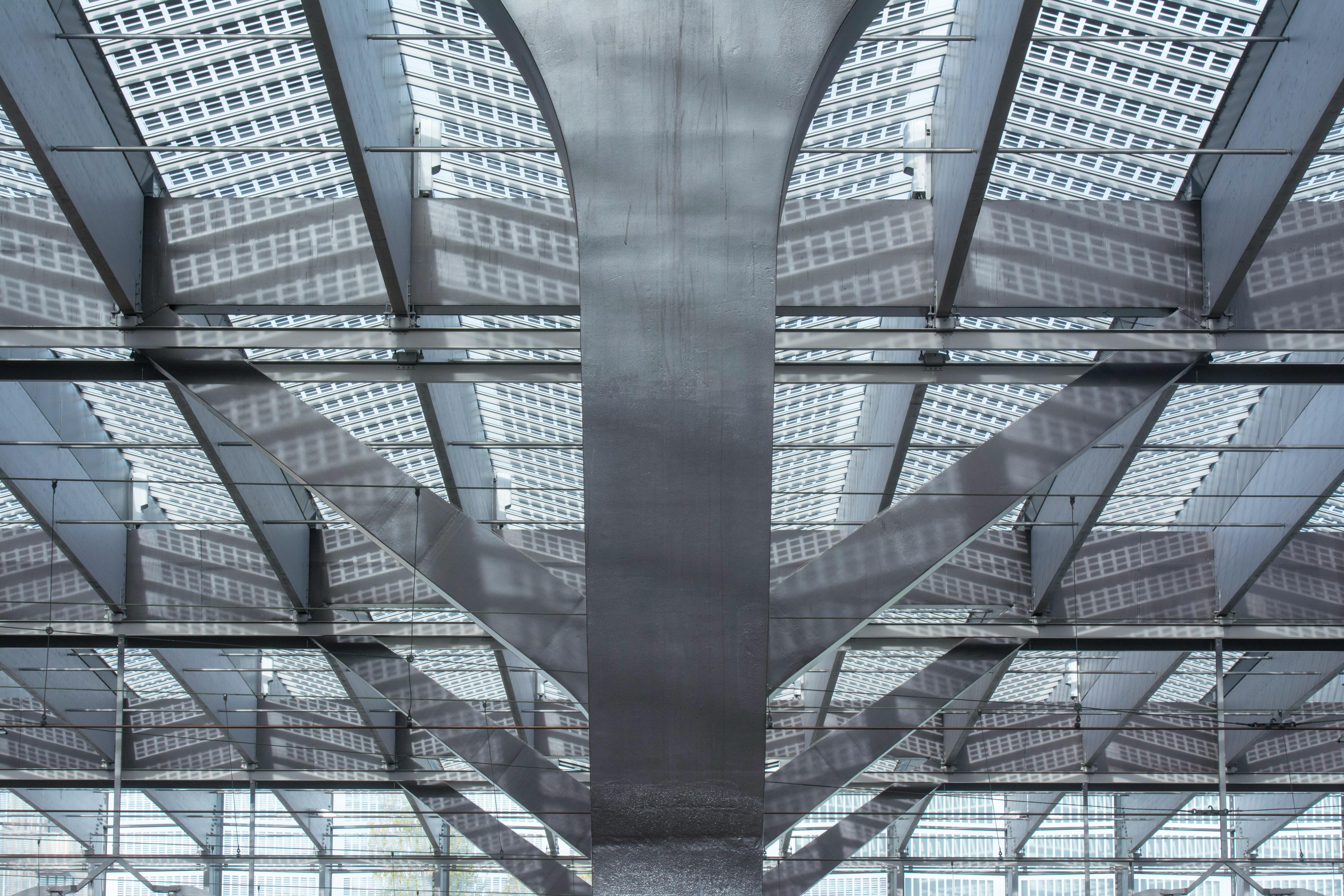
Rotterdam in Six Days: Bold Architecture, Windmills & Waterfront South Holland
A local-savvy 6-day itinerary through the Netherlands' most daring city, from Cube Houses and the Markthal to Kinderdijk's windmills and the porcelain streets of Delft.
6 days in Rotterdam
Rotterdam is the Netherlands' great architectural laboratory, a port city rebuilt from the rubble of a single devastating day in May 1940 into a skyline unlike anywhere else in Europe. Where Amsterdam preserved its canal-ring past, Rotterdam looked forward, giving free rein to architects who dreamed up tilted Cube Houses, a horseshoe-shaped food market painted with a giant fresco, and a mirror-clad museum depot you can climb.
Home to Europe's largest seaport and one of its most diverse populations, Rotterdam mixes maritime grit with genuine culinary energy: Cape Verdean and Surinamese kitchens, third-wave coffee bars, and the country's best rooftop scene. It is compact, walkable, and endlessly bikeable, and its position in South Holland puts UNESCO windmills, Delft's blue-and-white lanes, and The Hague's museums all within a 20-40 minute train ride.
Practically speaking, Rotterdam is easy: trains from Schiphol take about 25 minutes, the metro and tram network is excellent, and an OVpay tap with a contactless card covers everything. Late spring through early autumn brings the best weather and long daylight; pack a rain layer year-round. Six days is enough to know the city well and still sample the wider region.

Arrival, the Markthal & Cube Houses
Market Hall (Rotterdam) · Exmpletree / CC BY-SA 3.0Drop your bags and dive straight into Rotterdam's most photographed corner, all within a five-minute walk of Blaak station.
A vast horseshoe-shaped market hall opened in 2014, its arch lined with apartments and its interior ceiling covered by 'Horn of Plenty,' the largest artwork in the Netherlands. Wander the 96 food stalls for cheese, olives, fresh stroopwafels, and Surinamese roti; entry is free and it is open daily (roughly 10am-8pm).
Piet Blom's 1984 tilted yellow cubes are Rotterdam's quirkiest icon, a 'forest' of homes turned 45 degrees. Peek inside the show cube (around 5 EUR) to see how anyone actually lives at that angle, then photograph the ensemble from the Blaak overpass.
Ease into the city with a first drink along its most sociable street, a short stroll from the center.
Rotterdam's liveliest strip of bars, galleries, and terraces, ideal for an aperitif and people-watching. Grab a Dutch craft beer or a natural wine and settle into the buzz as the evening builds.
A relaxed first dinner in the center, keeping it local and unfussy after travel.
A bright, plant-forward kitchen in the center with generous salads, bowls, and comfort plates, easy after a flight. Fresh, reasonably priced, and welcoming to all diets.
A refined seafood spot on the Maas waterfront for those wanting to celebrate arrival, known for impeccably fresh fish and river views. Book a window table; mains land in the mid-to-upper price range.
A jazz-loving neighborhood bar near the station serving excellent burgers and small plates in an easygoing room. A low-key, wallet-friendly choice with live music some nights.

Architecture, Harbour & the Erasmus Bridge
Erasmusbrug · Martin Falbisoner / CC BY-SA 4.0Start with proper Rotterdam coffee before a big day on foot and water.
A well-loved local roaster with a calm, wood-lined room and seriously good flat whites. A favorite morning ritual for design-district regulars.
A cult roaster tucked under the railway arches in the north, drawing coffee obsessives for single-origin pours. Worth the short detour if you take your beans seriously.
Get your bearings with a guided walk that decodes how a bombed city rebuilt itself into an architecture showcase.
A small-group walk with a local guide through the rebuilt center, WWII memory, and modern landmarks over 2-3 hours. The best possible orientation on day two, with near-perfect reviews.
A 2-hour walk led by a local architect covering Central Station, the Lijnbaan, and the Markthal, with insider design detail. Ideal if you want depth on the buildings themselves.
Refuel near the water before heading out onto the Maas.
A converted warehouse on Katendrecht packed with local makers: craft beer, cheese, charcuterie, and fresh bread, with picnic tables and river views. Graze across stalls and eat outside when the sun cooperates.
Casual waterfront delis and cafes line the Rijnhaven near the harbour departure points, perfect for a quick sandwich or broodje before boarding. Keep it light so you can enjoy the cruise.
See the port that made the city, then cross its signature bridge on foot.
A cruise through Europe's largest working port, gliding past cranes, dry docks, and the historic SS Rotterdam. At around 22 EUR it is one of the city's best-value experiences and the clearest way to grasp its maritime scale.
Cross the 802-meter cable-stayed 'Swan,' Rotterdam's defining 1996 bridge, on foot for skyline views in both directions. Time it near golden hour for the best light on the Wilhelminapier towers.
Toast the skyline from a rooftop or the water's edge.
A rooftop cafe-bar and garden atop the Schieblock with sweeping central views, popular for sunset drinks. Reserve ahead in summer for a terrace table.
Dine on Kop van Zuid with the bridge lit up across the river.
The grand cafe inside the former Holland America Line HQ, serving oysters, steaks, and classic brasserie fare beneath original 1901 ceilings. Take the little yellow water taxi over for the full arrival-by-sea effect.
A circular-economy restaurant in a former tropical swimming pool with an inventive, sustainability-driven menu and river views. Creative plates in a genuinely unusual setting.
Kinderdijk Windmills & UNESCO South Holland
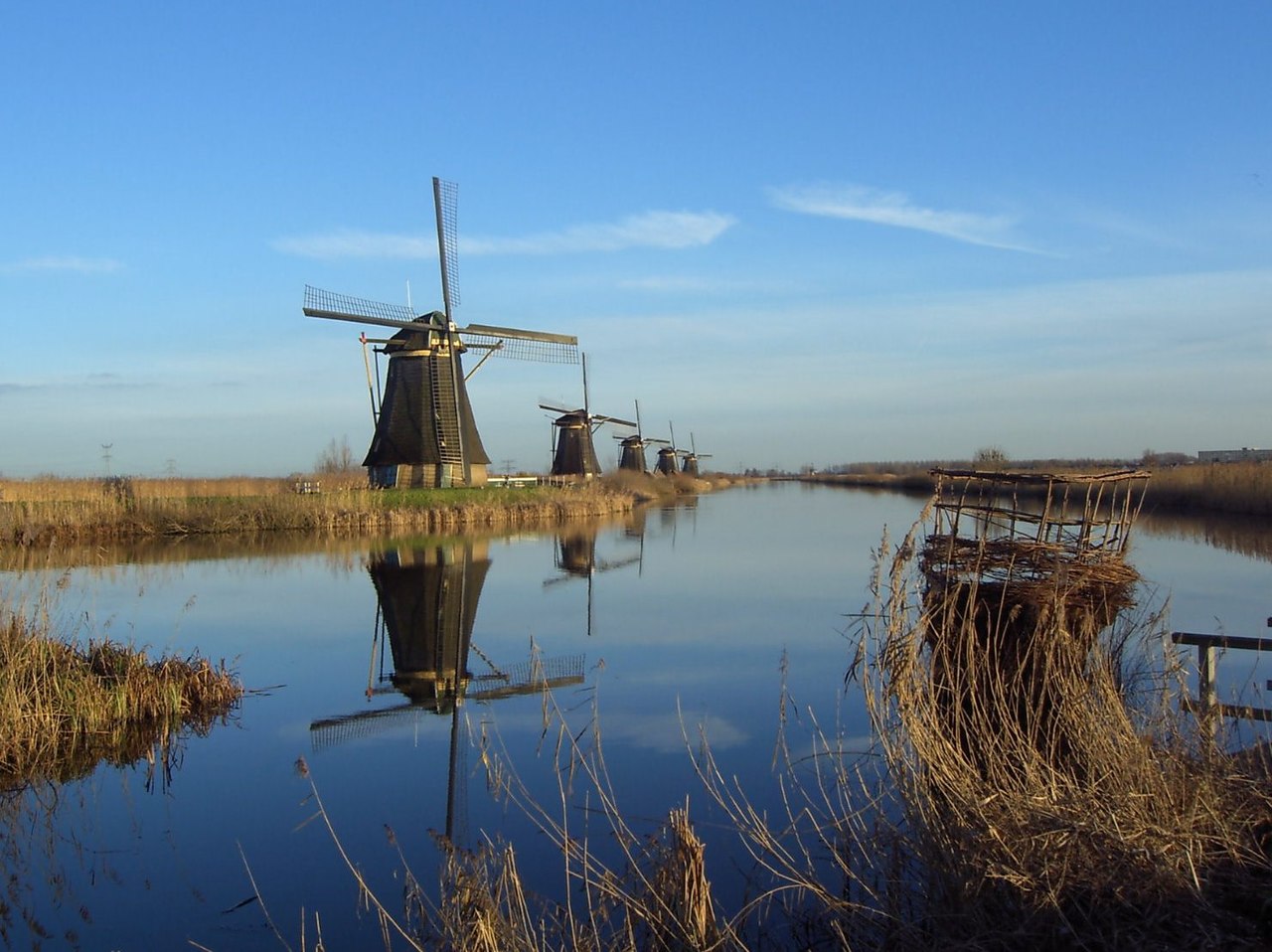
Kinderdijk · Lucas Hirschegger / CC BY-SA 3.0Grab an early coffee and something to carry out before a half-day in the polders.
A friendly specialty spot for a strong morning cup and a pastry to go. Quick and reliable before you head to the waterbus dock.
Spend the day among the 19 preserved 18th-century windmills of Kinderdijk, a UNESCO World Heritage Site and one of the most quintessentially Dutch landscapes in the country. Reach it independently by Waterbus (about 30-45 minutes from Erasmusbrug via line 202/20, roughly 5 EUR) or take a door-to-door private tour.
The 19 windmills, built around 1740 to drain the polder, line a network of canals you can walk or cycle; site admission with mill interiors and boat rides runs about 18-20 EUR. Arriving by Waterbus from the Erasmus Bridge is scenic, cheap, and flexible, letting you stay as long as you like.
A private, guided escape with door-to-door transport for a smooth, narrated visit to the windmill network. Ideal if you prefer not to juggle boats and tickets, especially with family or limited time.
A cycling loop through the windmill scenery for a local-landscape perspective, with a drink and a regional pastry included. A relaxed, active way to cover the polders beyond the main path.
Back in the city, settle into a warm, characterful dinner.
A beloved waterside institution near the Veerhaven famous for its giant homemade meatballs (gehaktballen) and unpretentious atmosphere. A comforting, deeply local end to a rural day.

Day Trip to Delft & The Hague
Delft · Zairon / CC BY-SA 4.0A quick coffee near Rotterdam Centraal before a short train hop north.
Grab a takeaway flat white in the soaring station hall, itself a piece of architecture worth a look. Trains to Delft leave every few minutes.
Start in Delft, the porcelain town where Vermeer painted, just 12-15 minutes by train (about 4 EUR).
Wander canal-lined lanes to the Markt, framed by the Gothic Nieuwe Kerk (climb its tower for views) and the Renaissance city hall. This is one of the Netherlands' prettiest historic centers and the birthplace of Delftware blue pottery.
The last original 17th-century Delftware factory, where you can watch painters hand-decorate the famous blue-and-white ceramics; admission is around 15 EUR. A satisfying look at a living craft.
Eat on a Delft canal terrace before continuing to The Hague.
A cheerful lunch cafe near the center known for hearty sandwiches, soups, and cakes. Reliable, fresh, and easy on the wallet.
An award-winning canal-side spot celebrated for its uitsmijter and generous broodjes, with a barge terrace on the water. A classic Delft lunch.
Ride on to The Hague, seat of Dutch government (about 15 minutes by train), for world-class art and, in summer, the beach.
A jewel-box museum holding Vermeer's 'Girl with a Pearl Earring' and Rembrandt masterworks in an intimate 17th-century mansion; admission is around 17-19 EUR and timed tickets are wise. One of Europe's most rewarding small galleries.
The Netherlands' best-known seaside resort, with a long sandy beach, a pier, and boardwalk cafes, a 15-minute tram from the center. Ideal on a warm July afternoon for a swim or a stroll.
Dine in The Hague before the short ride back, or return to Rotterdam first.
A bustling harbor fishmonger-restaurant serving impeccably fresh North Sea fish and Dutch shrimp overlooking the boats. Come for kibbeling and a plate of sole with your feet near the water.
Back in Rotterdam, this fine-dining room at the foot of the Erasmus Bridge offers a polished tasting menu with skyline views if you want to end the day in style. Reserve ahead.

Museums, the Depot & Rotterdam Food
Museum Boijmans Van Beuningen · Davidh820 / CC BY-SA 4.0A leisurely breakfast before an art-filled morning in Museumpark.
A relaxed cafe near Witte de Withstraat for good coffee, eggs, and fresh bread. A comfortable place to plan the day.
A spacious grand cafe famous citywide for its apple pie, also excellent for a full breakfast. Airy and popular with locals on weekend mornings.
Head into Museumpark for the mirrored bowl that changed how museums store their art.
The world's first fully accessible art storage facility, a mirror-clad bowl you climb through past 150,000 works, topped by a rooftop forest and restaurant; entry is around 20 EUR and the reflective exterior alone is a photo magnet. Book a timed slot for the best experience.
A Rem Koolhaas-designed gallery running bold rotating exhibitions across art, design, and photography, with no permanent collection so there is always something new. Around 16 EUR and easy to combine with the Depot.
Combine lunch with a deep-dive into the city's diverse food culture.
Seven stops of local specialties led by a knowledgeable guide, from herring and cheese to Cape Verdean and Surinamese bites, doubling as a moving lunch. A delicious, story-rich way to spend the midday.
If you skip the tour, this seasonal bistro focuses on local Dutch produce with a short, sharp lunch menu. Fresh, unfussy, and central.
See the harbor's old face and, optionally, take in the city from above.
An engaging museum on Rotterdam's seafaring life with an open-air harbor of historic ships and cranes you can board; admission around 17.50 EUR. Great for understanding how the port shaped everything.
A 185-meter observation tower with a rotating cabin for the widest panorama of the city and port; tickets are about 17 EUR. Go on a clear afternoon for views to the sea.
A final Rotterdam sundowner with a view.
Stroll the Wilhelminapier under Koolhaas's towers and grab a drink with the river and bridge as backdrop. A fitting last-evening panorama.
Go out on a high note with two of the city's most distinctive kitchens.
Rotterdam's ambitious Michelin-level table for a celebratory tasting menu of inventive, technically precise cooking. Book well ahead for a special final dinner.
A no-menu, produce-driven restaurant in a former station building in the north, prized by locals for its daily-changing set dinners. Relaxed, seasonal, and genuinely creative.
A stylish rooftop restaurant on Katendrecht with vegetable-forward plates and skyline views over the Maas. A memorable, design-led send-off.

Slow Morning & Departure
Rotterdam · Rob Oo / CC BY 2.0One last proper Rotterdam breakfast before you pack up.
A social-enterprise roastery and cafe serving excellent coffee for a good cause. A meaningful, tasty final cup.
A popular brunch spot with hearty egg dishes, pancakes, and strong coffee. Arrive early on your last morning to beat the queue.
Spend your final free hours on something calm and green before heading to the station.
A lake and woodland on the city's east edge with two historic windmills and lakeside paths, easily reached by tram in about 15 minutes. A peaceful last walk or bike ride away from the concrete.
Return to the Markthal for last-minute stroopwafels, cheese, or Dutch souvenirs to carry home. Everything is under one roof, five minutes from Blaak station.
A quick, satisfying bite near the station before catching your train to Schiphol.
A Rotterdam institution for classic Dutch fries with mayo or satay sauce, quick and portable. A fittingly local last taste before departure.
Grab a fresh haring 'Hollandse Nieuwe' or a warm broodje from a market stall for a five-minute Dutch farewell. Trains to Schiphol run every 15-30 minutes and take about 25-40 minutes.
Pick your base
Base yourself in the Centrum near the Markthal and Blaak for walkable access to the main sights and the metro. Kop van Zuid, across the Erasmus Bridge, offers waterfront hotels and skyline views, while the Witte de Withstraat / Museumpark area is best for nightlife, galleries, and cafes.
A design-forward, tech-friendly hotel steps from the Markthal and Blaak station, with mood-lit rooms and a lively 24-hour lounge. Excellent value and unbeatable for sightseeing on foot.
The former headquarters of the Holland America Line on Kop van Zuid, with period rooms and harbor views from the water taxi dock. A characterful, storied choice with a famous cafe downstairs.
A striking hostel built right inside the Cube Houses complex, offering private and dorm rooms at friendly prices. You literally sleep inside one of the city's icons.
Self-catering apartments near the Markthal and Museumpark suit families and longer stays, with kitchens and laundry and easy tram access. A practical base for groups.
A curved glass tower on the Wilhelminapier by architect Rem Koolhaas, with panoramic river-and-skyline rooms and a design-hotel buzz. The splurge pick for architecture lovers.
Good to know
How many days do you need in Rotterdam?
Two to three days covers Rotterdam's core sights, but five to six days lets you add day trips to Kinderdijk's windmills, Delft, and The Hague without rushing. Six days is a comfortable amount of time to know the city well and still explore South Holland.
What is the best area to stay in Rotterdam for first-time visitors?
The Centrum around the Markthal and Blaak is ideal for first-timers, putting the Cube Houses, main museums, and metro within walking distance. Kop van Zuid offers waterfront hotels with skyline views, while the Witte de Withstraat area is best for nightlife and galleries.
How do you get from Amsterdam Schiphol Airport to Rotterdam?
Direct trains run from Schiphol to Rotterdam Centraal in about 25-40 minutes, costing roughly 15-17 EUR, with the fastest high-speed service taking just 26 minutes. Tap in and out with a contactless card using OVpay; no separate ticket is needed.
Is Rotterdam worth visiting compared to Amsterdam?
Yes, Rotterdam offers a completely different experience, trading canal-ring history for bold modern architecture, a huge working port, and one of the country's most diverse food scenes. It is less crowded, more affordable in places, and a strong base for exploring the rest of South Holland.
What is the best time to visit Rotterdam?
Late spring through early autumn (May to September) brings the warmest weather, long daylight, and lively rooftop and festival seasons. Summer is busiest for day trips like Kinderdijk, so book timed museum tickets ahead, and pack a rain layer any time of year.
Can you visit Kinderdijk, Delft, and The Hague as day trips from Rotterdam?
Yes, all three are easy day trips. Kinderdijk is about 30-45 minutes by Waterbus, Delft is 12-15 minutes by train, and The Hague is around 20-25 minutes, so you can even combine Delft and The Hague in a single day.
Six days gives you the full sweep of Rotterdam: its daring skyline and market halls, the working port that built it, and the windmills, porcelain, and museums of the wider South Holland region. You will leave understanding why this rebuilt city has become the Netherlands' most forward-looking, and with a stroopwafel or two for the road. Safe travels, and enjoy every bold angle of it.