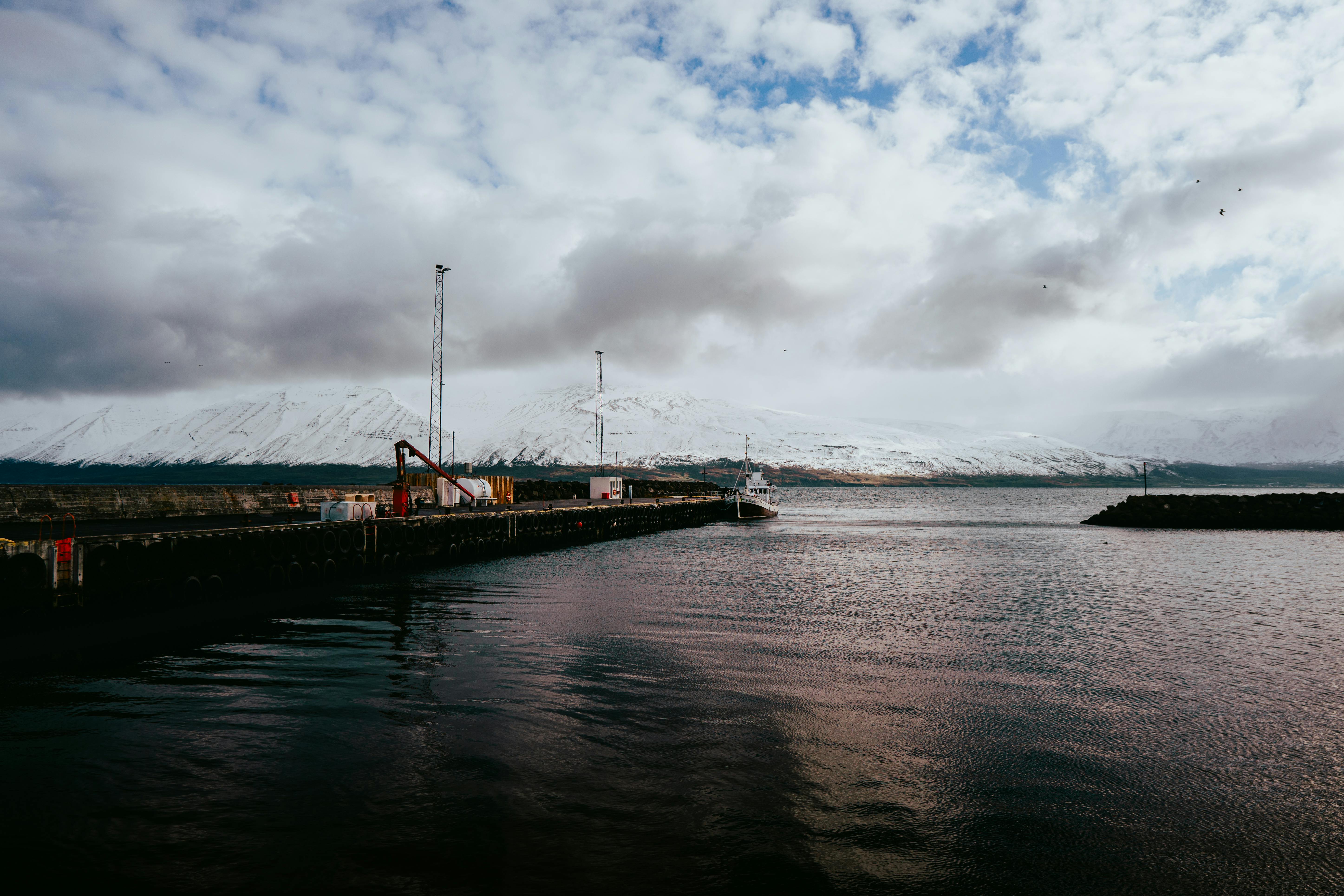
Reykjanes Unbound: 6 Days on Iceland's Volcanic Southern Peninsula
Base yourself in Reykjanesbær and explore the raw geothermal edge of Iceland, from steaming vents and continental rifts to lighthouse cliffs and dark-sky auroras, all within a short drive of Keflavik Airport.
6 days in Reykjanesbær
Most travelers race straight from Keflavik Airport to Reykjavik and never notice they have landed on one of the most geologically restless corners of Europe. The Reykjanes Peninsula is where the Mid-Atlantic Ridge climbs out of the sea, so the North American and Eurasian plates literally pull apart across the landscape. The whole peninsula is a UNESCO Global Geopark of lava fields, steaming vents, black-sand cliffs, and, since 2021, a run of Fagradalsfjall-area eruptions that have made it Iceland's most-watched volcanic zone.
Reykjanesbær, the town wrapped around Keflavik and Njarðvík harbors, is your base. It is Iceland's fourth-largest urban area, birthplace of the country's rock-and-roll scene and its best-loved coffee roaster, Kaffitar, and it sits within a 15 to 45 minute drive of nearly every headline sight on the peninsula. A rental car is the way to do this trip; public buses exist but are sparse, and the geopark's finest moments are on gravel spurs and clifftop pullouts.
October brings short, dramatic days (roughly nine to ten hours of light), temperatures around 3 to 8 degrees Celsius, brisk Atlantic wind, and frequent showers, so waterproof shells, warm layers, sturdy shoes, and a windproof hat are essential. The upside is real: thinning summer crowds, low autumn light that flatters the lava, and genuinely good aurora odds on clear nights. Keep an eye on safetravel.is for weather and any volcanic updates, and build flexibility into your plans.

Arrival, Keflavik Harbor & the Black-Beach Giantess
Keflavík · APK / CC BY 4.0Land, collect your rental car, and settle into Reykjanesbær before the early autumn dusk. Shake off the flight with a walk along the harbor and the town's easygoing black-beach path.
A cluster of restored harborfront warehouses holding Reykjanesbær's cultural museums, including Grimur Karlsson's remarkable collection of handmade model ships. Admission is inexpensive (around 1,000-1,500 ISK) and it is a warm, easy first stop close to your hotel.
A free, family-friendly cave along the Black Beach walking path where a giant animatronic troll named Skessa 'lives,' drawn from Icelandic folklore. It is a quick, fun stop and the surrounding clifftop path gives a first taste of the peninsula's Atlantic drama.
Ease into Icelandic time with a low-key harbor stroll, and if the sky is clear and dark, keep an eye north for your first possible aurora of the trip.
The paved path around the marina and old town is a gentle way to stretch your legs and watch the light fade over the boats. In October the sky darkens by around 6 to 7 pm, so this doubles as an early northern-lights vantage point away from bright streets.
If you booked Hotel Berg, its rooftop geothermal tubs overlooking the harbor are the perfect antidote to a travel day. Even non-guests should note how central Reykjanesbær makes soaking, dining, and stargazing an easy evening loop.
Keflavik's harbor is the town's dining heart, strong on seafood pulled from the waters just outside.
A long-running harborside favorite known for its langoustine soup, fresh fish, and lamb, with big windows over the marina. Mains land in the mid-range for Iceland (roughly 3,500-5,500 ISK), and the cozy room is a welcoming first-night choice.
A relaxed bistro-bar on Hafnargata with burgers, pizzas, and Icelandic comfort plates, plus local beers on tap. A good-value, lively option when you want something less formal.
Reykjanes Geopark: Rift Bridge, Gunnuhver & Lighthouse Cliffs
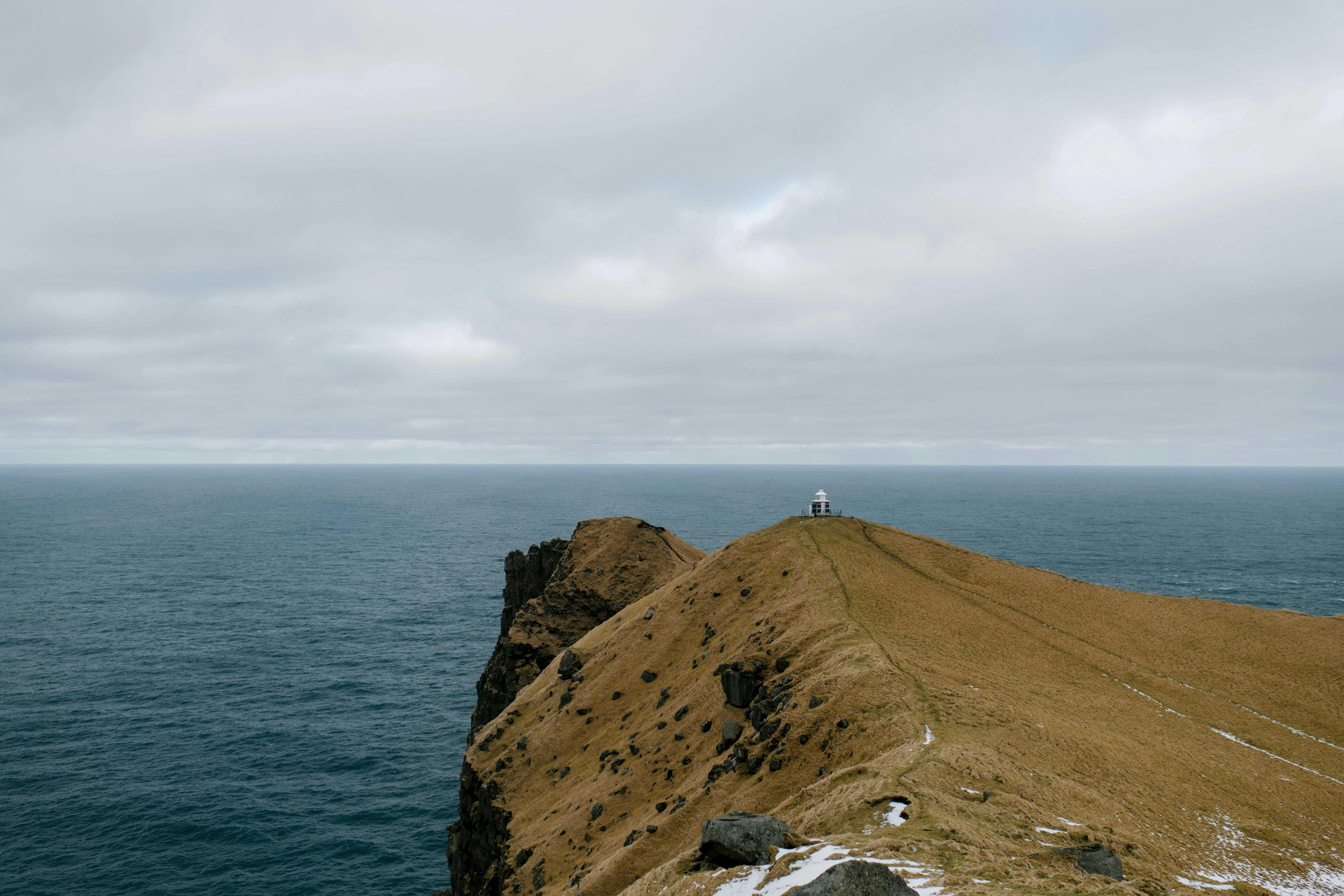
Majestic Icelandic cliff with lighthouse on the edge, overlooking the vast ocean under a cloudy sky. · Photo by Julia Volk on PexelsFuel up in town before heading to the peninsula's wild western tip. Coffee culture runs deep here: Kaffitar, one of Iceland's pioneering roasters, was founded in Reykjanesbær.
The homegrown roaster's Keflavik cafe pours reliably excellent coffee and pastries in a bright, casual space. A fitting first stop given the brand's local roots.
A classic Icelandic bakery for fresh bread, kleinur (twisted doughnuts), and cardamom buns to grab before a day in the field. An affordable way to breakfast and stock snacks for the road.
Drive southwest into the heart of the geopark (about 25 to 30 minutes) to stand between two continents and watch the earth steam.
A footbridge spanning a sandy rift between the North American and Eurasian tectonic plates, with interpretive signs and a symbolic 'passport' stamp nearby. It is free, quick, and a genuinely striking way to grasp the peninsula's geology.
Iceland's largest mud pool and a field of hissing, sulfur-stained steam vents named after a vengeful ghost of folklore. Boardwalks let you get close; hold onto hats in the wind and keep to the paths, as the ground is scalding.
Dining is scarce at the peninsula's tip, so plan a picnic or loop back toward town. A packed lunch from the morning bakery works beautifully at a clifftop pullout.
Spread out your bakery haul with a view of the lighthouse and crashing surf. In October, bring a thermos of coffee; the wind is relentless but the scenery is unbeatable and free.
Back in Keflavik, this relaxed spot serves soups, sandwiches, and mains at fair prices if you prefer a warm sit-down midday. A comfortable regroup point before the afternoon coast.
Follow the coast to Iceland's oldest lighthouse and a pair of dramatic seafront wonders shaped by the North Atlantic.
Reykjanesviti, Iceland's oldest lighthouse (1878), crowns a hill above the Valahnukamol sea cliffs, where basalt columns and pounding waves make for spectacular, free wandering. Watch for seabirds and keep well back from wet, slippery edges in autumn swells.
A natural, wave-carved pool set in black lava with a safe viewing platform, best when Atlantic breakers explode against the rocks. It is a short, free stop and photogenic in low autumn light; do not climb down to the pool itself.
Return to Keflavik for a hearty evening meal after a long day in the elements.
A locally loved pizzeria turning out generous, well-priced pies, a budget-friendly way to refuel. Casual and reliably tasty after a day outdoors.
If you skipped it on night one, the harborside seafood here is worth a return, especially the fish of the day and langoustine soup. Comfortable and central.

Geothermal Waters & Lava-Field Wandering
2023–2025 Sundhnúkur eruptions · Halldór Björnsson / Icelandic Meteorological Office / AttributionA relaxed start before a half-day of soaking. Grab coffee and something warm close to your hotel.
Return to the local roaster for a proper flat white and a slice before your spa morning. Quick and dependable.
Give yourself over to Iceland's signature ritual: a long soak in mineral-rich geothermal water surrounded by lava. Book a timed entry in advance.
The peninsula's famous milky-blue geothermal spa sits about 20 minutes from Keflavik, with silica mud masks, an in-water bar, and steamy lava surroundings. Entry is timed and pre-booked (comfort tickets typically from around 9,900 ISK), and a morning slot means fewer crowds; confirm the current status before you go, as the area occasionally closes for volcanic activity.
If the Blue Lagoon is closed or booked out, this oceanfront geothermal lagoon about 40 minutes away in Kopavogur has an infinity edge facing the sea and a seven-step spa ritual. A polished, slightly pricier alternative worth reserving ahead.
Eat where you soak or on the way back, keeping the pace easy.
The lagoon's casual cafe does soups, sandwiches, and salads, an easy on-site refuel without leaving your robe far behind. Portions are fair for the setting.
Back in Keflavik, this retro American-style diner serves burgers, shakes, and fries that hit the spot after a spa morning. Fun, casual, and budget-friendly.
Stretch your legs among the peninsula's young lava. Access to active volcanic zones changes with conditions, so choose an open, safe walk and check safetravel.is first.
A modest hill near the geothermal fields with trails and views over the lava plains and coast, good for an hour or two of walking in daylight. Confirm current access and closures, as this area lies near recent eruption sites.
If weather turns or volcanic zones are closed, duck indoors: the Rock 'n' Roll Museum of Iceland (Rokksafn) at Hljomaholl traces the country's pop history with interactive exhibits (admission around 2,000 ISK). A cozy, all-weather backup.
A calm evening back at base, with an early night ideal if aurora forecasts look promising.
Return for pub-style plates, craft beer, and an unfussy atmosphere on Hafnargata. Easy and central after a full day.
For a quick, cheap Icelandic classic, grab a lamb sub or hot dog and be back out under the stars fast. The frugal traveler's friend.
Krysuvik Geothermal, Kleifarvatn & the Southern Coast
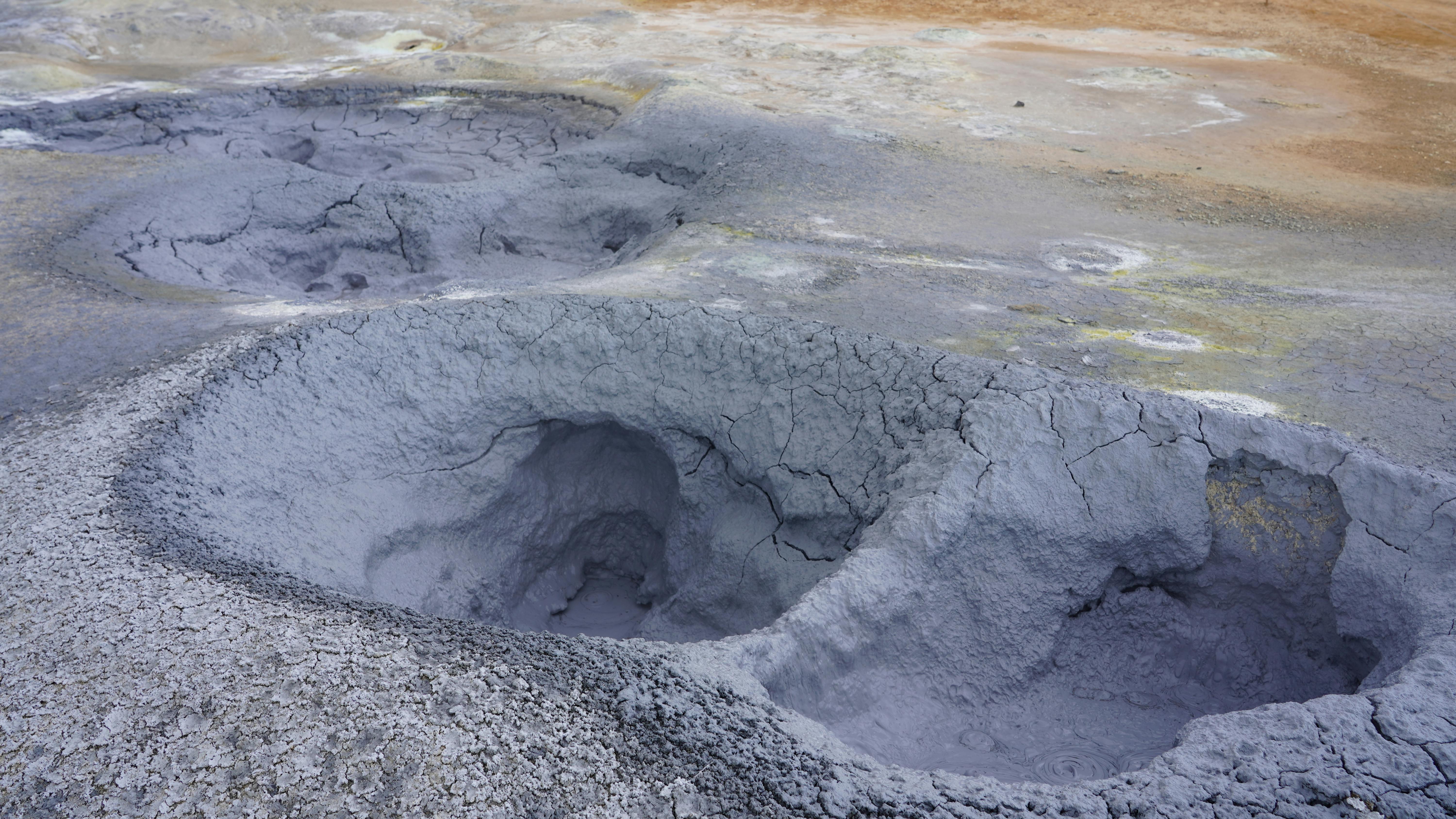
Stunning aerial shot of geothermal hot springs in Iceland, showcasing unique geological formations. · Photo by X1ntao ZHOU on PexelsGrab breakfast and coffee to go; today is a scenic loop across the peninsula's volcanic interior and its wilder southern shore.
Stock up on pastries, sandwiches, and coffee for a day with few dining options en route. An affordable, practical start.
Drive across the peninsula (about 40 minutes) to one of Iceland's most accessible geothermal fields, all boiling mud, fumaroles, and ochre-and-emerald earth.
A free boardwalk winds past bubbling mud pots and steaming, sulfur-yellow vents in a valley streaked orange and green. It is safe, well-marked, and one of the peninsula's most colorful stops, especially vivid under moody autumn skies.
A striking green volcanic crater lake just up the road from Seltun, an easy roadside look with a short viewpoint. Its color comes from geothermal minerals and algae.
There is little to no dining out here, so make it a scenic picnic by the water or a tailgate lunch from your car.
Kleifarvatn is a deep, brooding lake ringed by black volcanic sand and hills, hauntingly beautiful in October light. Find a sheltered pullout, eat your bakery lunch, and soak in the stillness.
Follow the rough coastal roads to sea cliffs and lonely lava ruins that feel a world away from the airport.
Dramatic bird cliffs plunging into the Atlantic, reached by a gravel spur and a short walk, with big views and crashing surf. Tread carefully near the edges and check that the track is passable for your car.
The atmospheric ruins of an old fishing station scattered across a lava field by the sea, wrapped in ghost stories. A free, evocative wander for those who like history and solitude.
Head back to Reykjanesbær for a warming dinner after the exposed coast.
Fresh fish and langoustine soup by the marina are a fine reward for a day out on the gravel roads. Cozy and central.
A relaxed room with soups, mains, and a good drinks list, easy after a long drive. Fair prices for the area.
Lighthouses, Fishing Villages & Viking Heritage
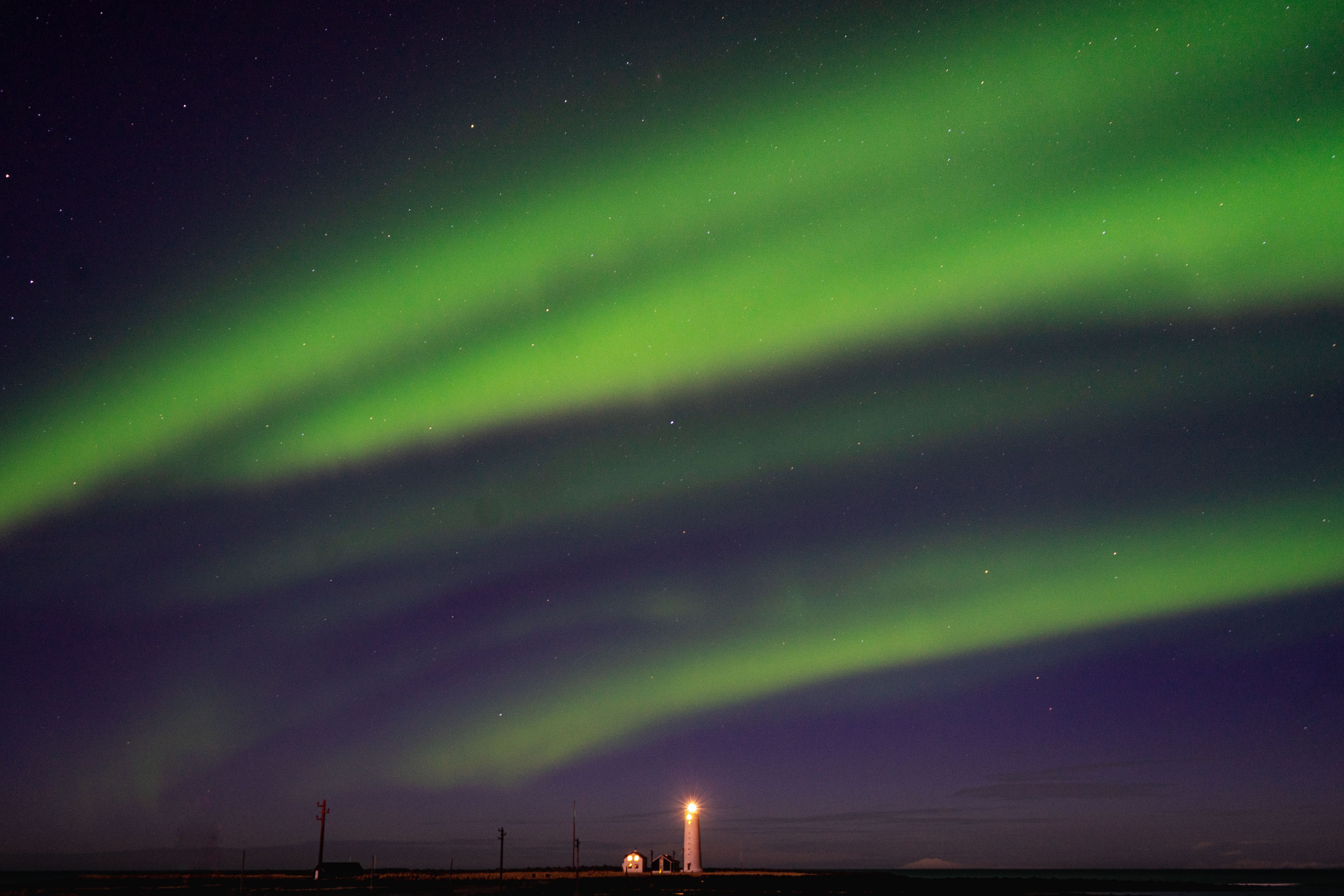
Stunning aurora borealis over Grótta lighthouse in Seltjarnarnes, Iceland. · Photo by Björn Austmar Þórsson on PexelsA gentler day exploring the peninsula's northern rim and Reykjanesbær's cultural side. Start with coffee in town.
One more visit to the local roaster for a strong coffee and a bun before a day of lighthouses and museums. Warm and welcoming.
Drive 15 to 20 minutes to Gardur, where two lighthouses guard a windswept point beloved by birders and photographers.
Two lighthouses, old (1897) and tall (1944), stand at the peninsula's northwest tip beside a small folk museum, with sweeping ocean views and frequent seabirds and seals offshore. It is free to roam, and the exposed point is thrilling in autumn wind.
A beautiful 1887 stone church near Sandgerdi, hand-built from local basalt, sitting quietly amid coastal meadows. A short, free stop with a strong sense of place.
Loop back toward Keflavik or Sandgerdi for a warm midday meal.
Soups and sandwiches in a comfortable central setting make an easy lunch between sights. Reasonably priced for Iceland.
Burgers and shakes in a retro diner mood, a budget-friendly crowd-pleaser. Good for families.
Dive into local heritage with two of Reykjanesbær's most distinctive museums, both indoors and ideal if the weather turns.
A glass-walled museum built around Islendingur, a full-size replica Viking ship that sailed to America in 2000, plus exhibits on Norse settlement and a reconstructed turf farmstead nearby. Admission is around 1,500 ISK and it is a genuinely engaging hour or two.
A restored 19th-century turf-and-stone fishing croft on the coast near Viking World, showing how ordinary Icelanders lived and worked the sea. A quick, atmospheric outdoor stop, free to view from outside.
With clear skies, dedicate the evening to aurora hunting; the peninsula's dark coastal points are excellent.
Drive back out to a dark point away from town lights, bundle up, and watch the northern sky. October frequently delivers, and having your own car means you can chase the clearest patch of sky.
A satisfying dinner in town, perhaps your favorite of the week.
End your fuller exploring days with harborside seafood and a view of the boats. A dependable Keflavik classic.
Casual plates and local beer for a lively last-evening feel. Central and easygoing.
A Slow Morning & Farewell to Reykjanes
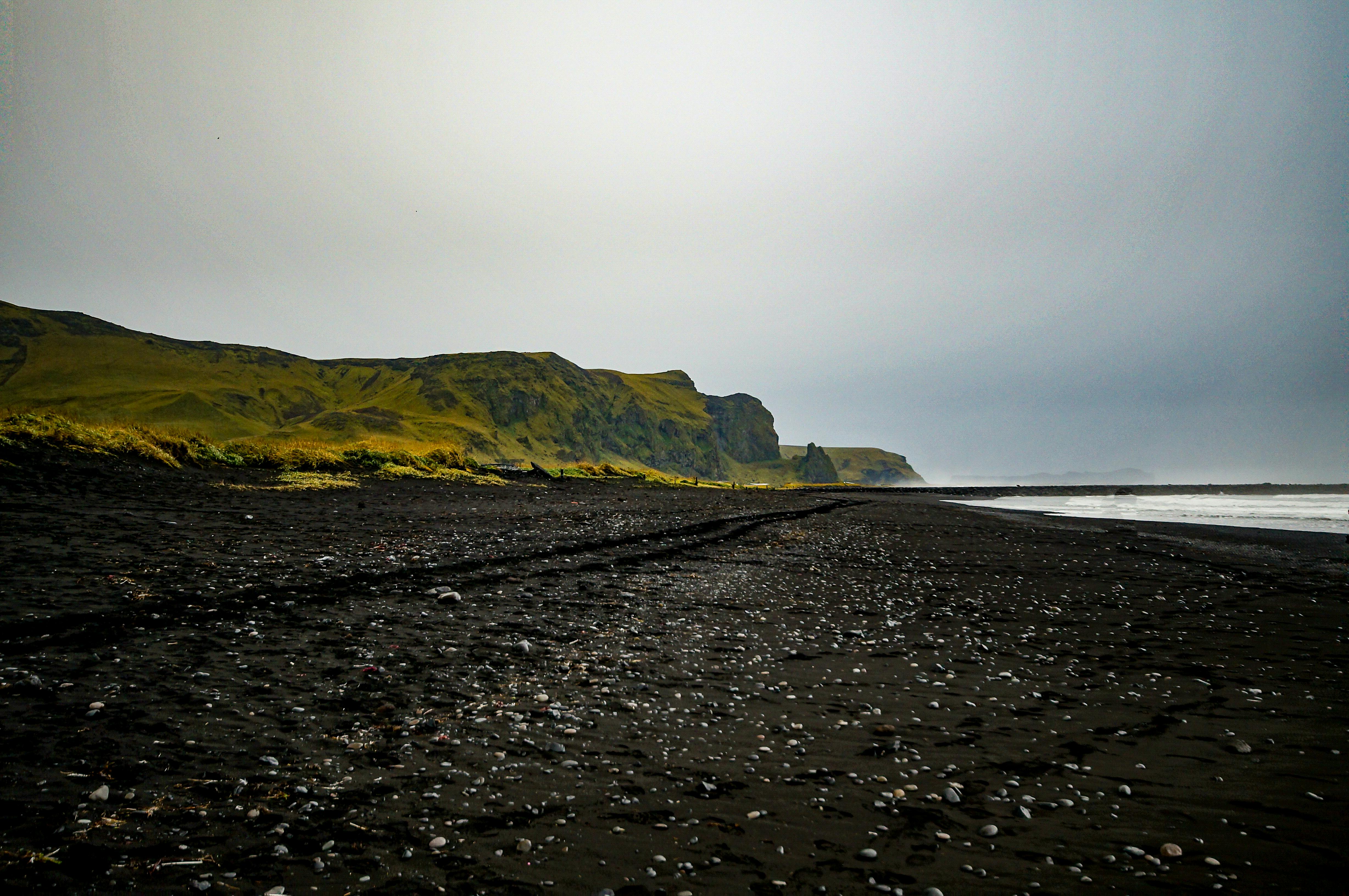
Explore this stunning black sand beach with dramatic cliffs under a moody sky, perfect for adventure seekers. · Photo by Amelie Lachapelle on PexelsEnjoy an unhurried final morning before your flight. Keep it close to town so you are not rushing to the airport.
One last cup from the roaster that started in this town, plus a pastry for the road. A fitting send-off.
Fresh bread and cardamom buns make a low-cost, satisfying farewell breakfast. Grab extra for the plane.
Take a last, short walk along the harbor and black-beach path to fix the peninsula in memory before heading to KEF, just minutes away.
The coastal walk past Skessa's cave and the marina is a gentle, scenic goodbye, easy to fit in before checkout. Watch the surf and, if lucky, spot eiders bobbing offshore.
If you missed it earlier, Rokksafn at Hljomaholl is a fun, compact indoor stop (around 2,000 ISK) and only minutes from the airport. A good rainy-morning option before you fly.
Grab an early, easy lunch, then return the car and head to the terminal; KEF is only 5 to 10 minutes from town.
A quick soup or sandwich in the center before you drive to the airport. Convenient and unfussy.
Pick your base
Base yourself in central Keflavik along Hafnargata and the marina, where you can walk to restaurants, cafes, museums, and the black-beach path. It is about 5 to 10 minutes from the airport and a short drive to every peninsula sight, so it is the most practical hub for this trip. Njarðvík, just south, is a quieter residential alternative with easy Route 41 access.
A well-run boutique hotel right on the marina with rooftop geothermal hot tubs looking over the harbor, a short walk from Keflavik's restaurants. The soak after a windy day of sightseeing is worth the price alone.
A dependable, centrally located hotel near the harbor with spacious rooms, a spa, and generous breakfast, popular with travelers who want comfort close to the airport. Good mid-range value and a solid base for day trips.
A friendly, well-reviewed budget guesthouse with private and shared-bath rooms minutes from the airport and town center. A smart pick for keeping costs down without sacrificing convenience.
Self-catering apartments in central Keflavik give families and small groups room to spread out, plus a kitchen, which stretches the budget given Iceland's restaurant prices. Look for units near Hafnargata for walkable dining.
Good to know
How many days do you need on the Reykjanes Peninsula?
Three to four days covers the headline sights, but five to six days lets you slow down, add coastal drives and museums, build in weather flexibility, and give yourself multiple aurora nights in autumn and winter. The peninsula is compact, so you can base in one town the whole time.
What is the best area to stay in Reykjanesbaer for first-time visitors?
Central Keflavik around Hafnargata and the marina is the most convenient base, with restaurants, cafes, and museums within walking distance and every peninsula sight a short drive away. It is also just 5 to 10 minutes from Keflavik International Airport.
Is the Reykjanes Peninsula worth visiting, or should you just go to Reykjavik?
It is well worth it on its own: the peninsula is a UNESCO Global Geopark with the Bridge Between Continents, Gunnuhver and Seltun geothermal fields, dramatic lighthouse cliffs, and recent volcanic landscapes, all with far fewer crowds than the capital. Reykjavik is only about 45 minutes away if you want a day trip.
What is the weather like on the Reykjanes Peninsula in October?
Expect roughly 3 to 8 degrees Celsius, strong Atlantic wind, frequent rain, and about nine to ten hours of daylight. Pack waterproof and windproof layers, warm base layers, a hat and gloves, and sturdy shoes, and plan outdoor sightseeing for daylight hours.
Can you see the northern lights from Reykjanesbaer?
Yes. From roughly late September through March you have a real chance on clear, dark nights, and the peninsula's dark coastal points near Gardskagi and Stekkjarkot make good viewing spots. Check the Icelandic Met Office aurora forecast and get away from town lighting.
Do you need a car to explore the Reykjanes Peninsula?
A rental car is strongly recommended. Public buses are limited and infrequent, while most geopark sights sit along rural spur roads, so having your own vehicle lets you reach lighthouses, geothermal fields, and dark-sky spots on your own schedule.
In six days on the Reykjanes Peninsula you will stand between two continents, soak in geothermal blue, walk beneath lighthouses battered by the North Atlantic, and (with a little luck) watch the aurora ripple over black-sand shores, all from an easygoing home base minutes from your flight. It is Iceland at its most elemental and least crowded, especially in crisp October light. Pack your warmest layers, keep an eye on the skies and safetravel.is, and let the peninsula's raw geology set the pace.