
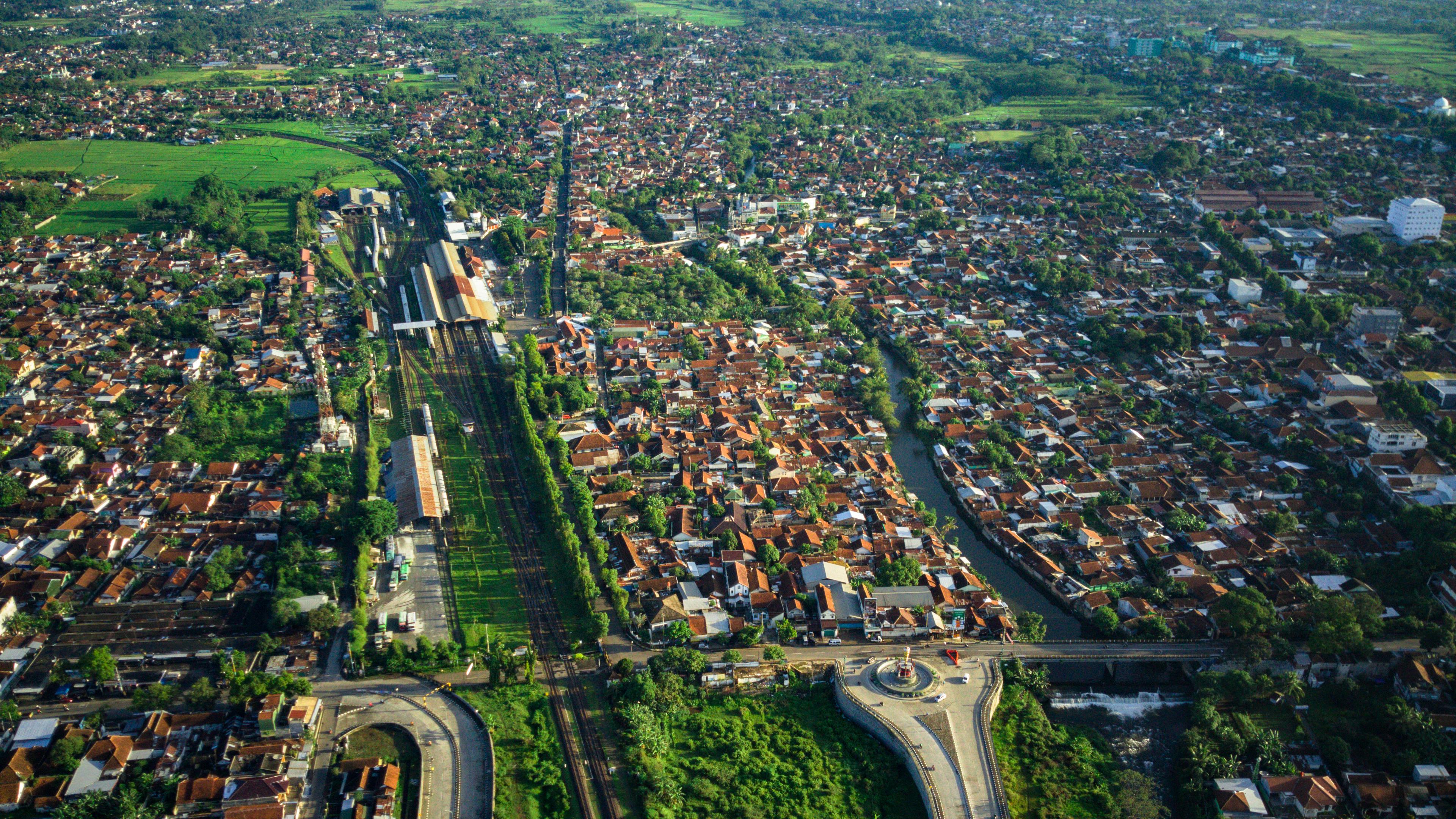
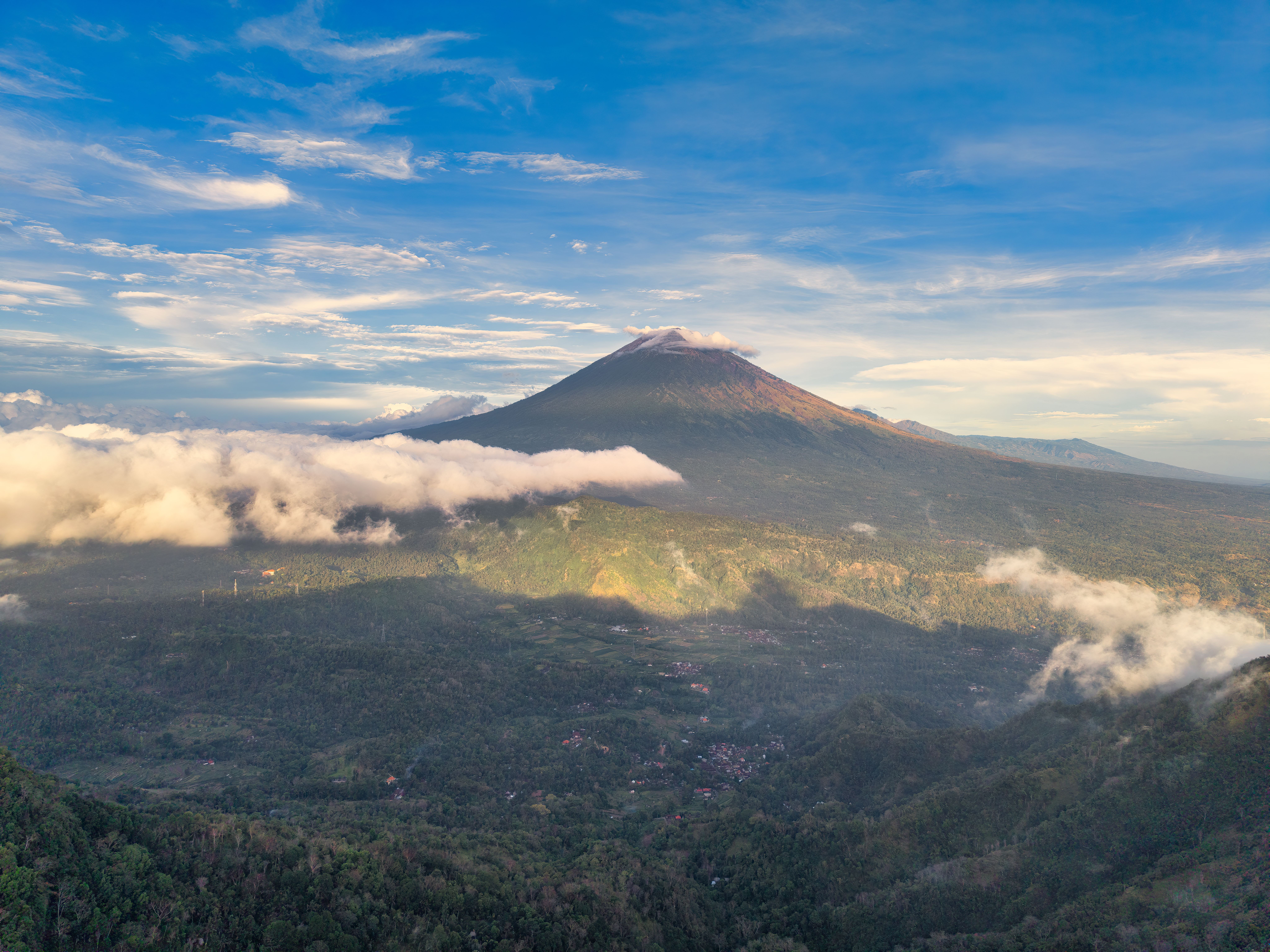
Purwokerto is the easygoing capital of the Banyumas region, spread across the southern skirt of Mount Slamet, Java's second-highest volcano. It rarely makes the front page of Indonesia guidebooks, and that is exactly its appeal: a student city with a big appetite, an old-fashioned town square, and cool green valleys just a short drive uphill. This is also where BRI, one of the country's largest banks, was founded in 1895, and where the beloved snack tempe mendoan (barely-fried, still-floppy fermented soy in a herby batter) is said to have been born.
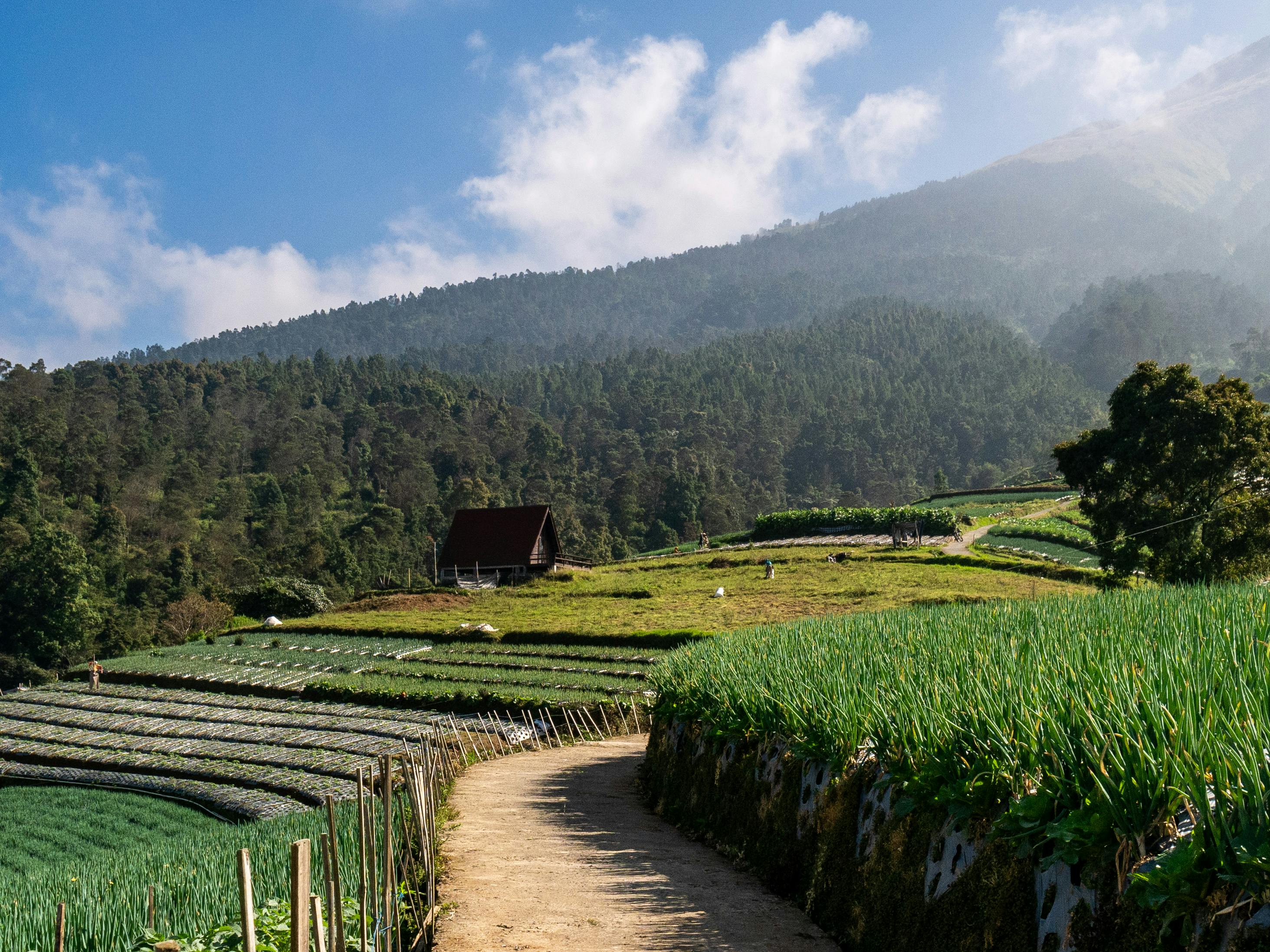
The Banyumas people speak their own down-to-earth dialect of Javanese called Ngapak, blunt and funny where courtly Yogyakarta Javanese is soft and layered, and that plain-spoken warmth carries into the food and the welcome. Expect deeply local eating: sroto Sokaraja (soto brightened with peanut sauce and crackers), sate kelinci (rabbit satay) up in the hills, getuk goreng (fried cassava sweets) sold by the box in Sokaraja, and durian in season. Days are warm and humid in town, noticeably cooler and often misty around Baturaden and higher still on the Dieng Plateau, so pack a light layer.
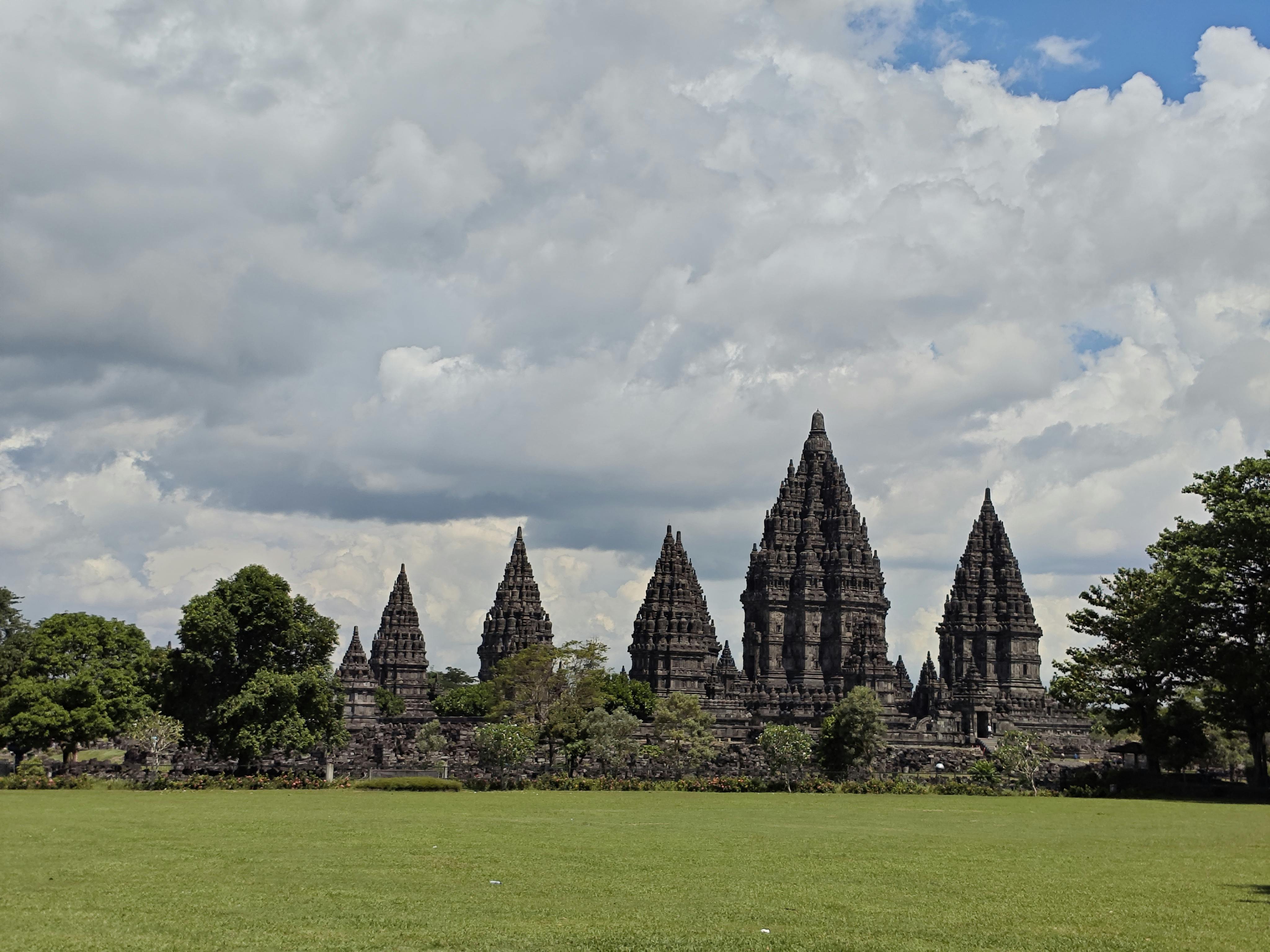
Getting here is easiest by train: Purwokerto sits on the main Jakarta-Surabaya line, roughly 5 hours from Jakarta and about 3.5 hours from Yogyakarta, and the station is central. Around town, ride-hailing apps (Gojek and Grab) are cheap and everywhere, but for the waterfalls, Dieng, and the temple day you will want a hired car with driver. The best months are the drier stretch from May to September, when Slamet's summit is more likely to show itself and mountain roads are less slippery.
Think of Purwokerto as basecamp for Banyumas. The town itself is compact and friendly, built around a leafy alun-alun (main square) and a lively student cafe scene, but the real draw is what surrounds it: the hot-spring resort town of Baturaden and its botanical garden, a ring of tall forest waterfalls, the surreal volcanic highlands of Dieng within day-trip reach, and Sokaraja's sugar-and-spice food trail on the eastern edge of the city. Slow down, eat constantly, and let Mount Slamet set the pace.




Where to Stay
Base yourself in central Purwokerto near Jalan Jenderal Sudirman, the alun-alun, and GOR Satria for the best mix of restaurants, cafes, malls, and quick access to the train station and highways out to the waterfalls and Dieng. If you would rather wake up in cool mountain air, spend a night or two in Baturaden, about 30-45 minutes uphill, where hot-spring resorts sit right at the forest edge; it is quieter and cooler but further from the city's food and nightlife.
Java Heritage Hotel Purwokerto
midrange GoogleA polished 4-star hotel on Jalan Jenderal Sudirman with a colonial-Javanese design, rooftop pool, and one of the town's better breakfast spreads. Central for the alun-alun, malls, and dinner, and an easy pickup point for day trips.
Aston Imperium Purwokerto
midrange GoogleA reliable, well-run business hotel near GOR Satria with a pool, gym, and good on-site dining, walkable to cafes and the Rita SuperMall. A safe, comfortable pick for first-timers who want everything close.
Luminor Hotel Purwokerto by Dafam
budget GoogleBright, modern rooms at a friendly price in a central location off Jalan Sudirman. Strong value for travelers who plan to spend most of the day out at waterfalls and markets.
The Onsen Resort Baturraden
boutique GoogleA hot-spring resort set into the cool forest above Baturaden, with hinoki-style soaking tubs and mountain views. Ideal if you want to swap city noise for mist and birdsong for a night or two.
Baturaden Villa Rental (via Vrbo)
family friendly GoogleFor families or groups, a private villa in the Baturaden hills gives you a kitchen, garden, and cool nights close to the botanical garden and waterfalls. Good for longer, slower stays.
Purwokerto rewards travelers who slow down: a week here means misty waterfalls on Mount Slamet's slopes, steaming hot springs, the surreal Dieng highlands, a temple day within reach of Yogyakarta, and more mendoan, sroto, and getuk goreng than you thought possible. It is one of the last corners of Central Java where you can eat superbly, wander freely, and rarely see another foreign face. Come hungry, pack a light jacket for the hills, and let Banyumas set your pace.