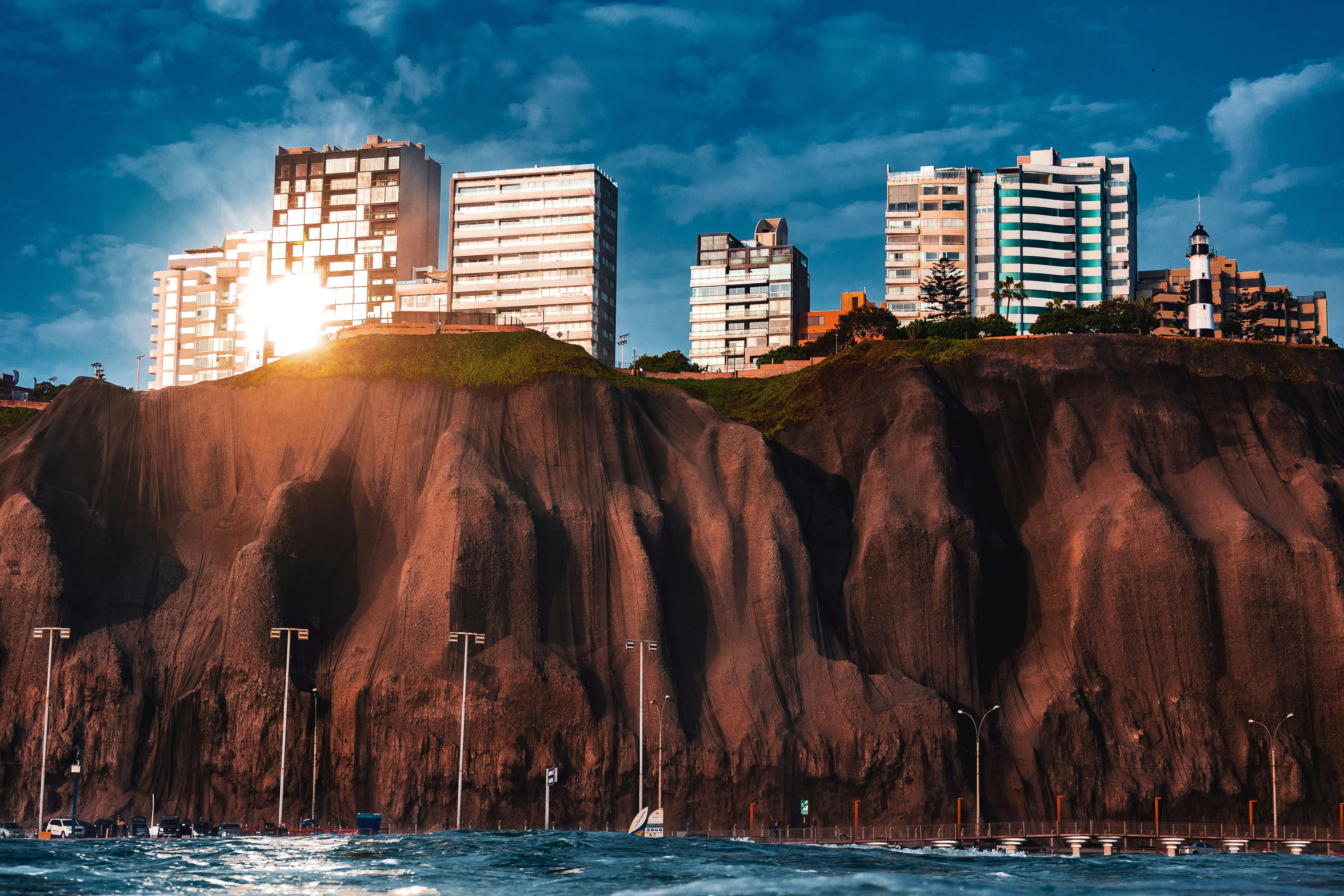
Peru in 17 Days: Lima, the Southern Desert, Arequipa, Lake Titicaca, Cusco & Machu Picchu
A grand loop through Peru's greatest hits, from Lima's ceviche counters and the Pacific desert to Arequipa's white-stone streets, the islands of Lake Titicaca, and the Inca heartland around Cusco.
17 days in Lima + 3 more
Peru packs three worlds into one country: a fog-wrapped Pacific coast, the high Andes, and the edge of the Amazon. Lima, founded by Francisco Pizarro in 1535 as the City of Kings, is today one of the planet's great food capitals, home to restaurants regularly ranked among the world's best. Head south and inland and you climb from sea level to the 3,400-meter cobbles of Cusco, capital of the Inca empire, and eventually to Machu Picchu, the 15th-century citadel rediscovered by the outside world in 1911.
This loop is built for a traveler who wants the full sweep in a little over two weeks: Lima's ceviche and colonial plazas, the dune-and-vineyard desert around Paracas and Huacachina, the volcano-ringed white city of Arequipa with Colca Canyon's condors, the reed islands of Lake Titicaca, and the Inca heartland of Cusco, the Sacred Valley and Machu Picchu. Domestic flights and comfortable tourist buses stitch it together, so you rarely lose more than half a day to transit.
Practical notes: altitude is the thing to respect, since Cusco, Puno and Arequipa all sit high, so build in easy first days, drink coca tea and hydrate. The dry season (roughly May to September) brings the clearest skies and is peak season, so book Machu Picchu entry, trains and top Lima restaurants well ahead. Carry small soles in cash for markets and taxis, and expect Peruvian cuisine, from cebiche and lomo saltado to alpaca and river trout, to be a highlight in its own right.

Arrival in Lima & the Miraflores Clifftops
Love Park, Lima · Quado678 / CC BY 3.0Ease into Peru with a slow walk along the Miraflores Malecon, the clifftop park chain looking out over the Pacific. It is the perfect flat, low-key first afternoon after a flight.
A ribbon of clifftop gardens running above the ocean, anchored by the Parque del Amor with its Gaudi-style mosaic benches and the giant kissing-couple sculpture. Paragliders launch off the cliffs here on clear afternoons; it is free and a gentle way to shake off the flight.
A remarkably preserved adobe pyramid from the Lima culture (around 400 AD) rising in the middle of a residential Miraflores block. A guided walk (around 20 soles) takes about 45 minutes; late afternoon light is best.
Watch the sunset over the water, then settle into your first pisco sour as the fog rolls in.
The small lighthouse and lawn on the Malecon is a favorite sunset perch, with locals, dog-walkers and paragliders overhead. Bring a light jacket; the coastal breeze picks up after dark.
Keep the first night close and easy in Miraflores, where the ceviche is bright and the pisco sours are cold.
Gaston Acurio's buzzing open-air cebicheria, widely considered one of Lima's best places to understand ceviche and tiradito. Lunch is the classic slot but dinner is served too; expect a wait and no reservations for small groups. Around 90-140 soles per person.
If you just want something fast and delicious, this beloved local chain does roast pork and chicken sandwiches with hand-cut fries and fresh juices, right by Kennedy Park. A meal runs about 25-35 soles.

Colonial Lima & the Historic Center
Plaza Mayor, Lima · Murray Foubister / CC BY-SA 2.0Fuel up in Miraflores before heading downtown. The city's specialty-coffee scene has grown fast, and a good breakfast sets you up for a walking day.
A homegrown specialty roaster pouring Peruvian single-origins, with a relaxed patio in Miraflores. Great flat whites and a genuine local coffee crowd rather than a tourist scene.
Lima's best-known artisan bakery, with sourdough, proper espresso, yogurt and eggs. Arrive early on weekends; it fills up. Breakfast around 30-45 soles.
Spend the morning in the UNESCO-listed historic center, a compact grid of gilded churches, balconied mansions and Peru's founding plaza. A guided walk makes sense of the layers.
A small-group walk through the Plaza Mayor, Lima Cathedral (Pizarro's tomb) and the Monastery of San Francisco with its bone-lined catacombs. An efficient, well-reviewed way to cover the center with context in a few hours.
A canary-yellow Baroque church famous for its underground catacombs holding the bones of an estimated 25,000 people, plus a beautiful library. Entry with a guided tour is about 20 soles; photography is limited in the crypts.
Break for a downtown lunch that doubles as a history lesson in Lima's Chinese-Peruvian (chifa) and criollo traditions.
A Lima institution in Barrio Chino serving classic chifa, the Cantonese-Peruvian fusion that shaped the city's cooking. The dim sum and arroz chaufa are the move; around 45-70 soles per person.
A century-old bar-restaurant across from the Government Palace, all wood and mirrors, known for its butifarra ham sandwiches and old-Lima atmosphere. A relaxed sit-down after the walking tour.
Return toward the coast for one of Latin America's finest small museums, best in the afternoon when tour groups thin out.
A former viceroy's mansion draped in bougainvillea housing 5,000 years of pre-Columbian art, gold and a famous erotic-ceramics gallery. Admission is around 45 soles and it stays open late; the on-site cafe overlooking the gardens is lovely.
This is your night for Lima's headline dining if you planned ahead, or a superb alternative if you did not.
Virgilio Martinez's tasting-menu temple has topped the World's 50 Best Restaurants list, journeying through Peru's ecosystems by altitude. Reserve months in advance; expect a multi-hour, splurge-level experience in Barranco.
Mitsuharu Tsumura's Nikkei flagship, another perennial World's 50 Best entry blending Japanese technique with Amazonian and coastal Peruvian ingredients. Book well ahead; the tasting menu is the star.
For a soulful, no-reservations-needed alternative, this Barranco taberna serves generous criollo home cooking (think oxtail, causa and enormous portions) in a lively room. Around 70-110 soles per person.

Pacific Desert Day Trip: Paracas & Huacachina
Ica, Peru · Diego Delso / CC BY-SA 4.0Trade the city for the desert on a long but rewarding day south along the coast. You will boat out to wildlife-packed islands, taste pisco at an old vineyard, and sandboard the dunes around a palm-fringed oasis. It is an early start and a late return, so pack water and sunscreen.
A well-run day trip combining a Ballestas Islands boat cruise (sea lions, Humboldt penguins and the Candelabra geoglyph), a pisco and wine tasting in Ica, and dune buggies plus sandboarding at the Huacachina oasis. Great value at around $55; it is a full 15-hour-plus day given the drive each way.
A more comfortable version aboard Peru Hop's large luxury buses, with a sunset pisco toast over the dunes and the highest review volume of any operator on this route. A good upgrade if you want more legroom and polish for the long day.
You will get back to Miraflores late and tired. Keep dinner simple and close, or grab a sandwich near your hotel.
Open late and quick, this Kennedy Park favorite is ideal for a post-trip roast-pork sandwich and a chicha morada. Around 25-35 soles.

Fly to Arequipa: White City Wanderings
Monastery of Santa Catalina de Siena, Arequipa · Hans Brian Brandsberg Berg / CC BY 2.0Catch a morning flight from Lima and land in Arequipa by midday. The city sits at about 2,300 meters, a gentle step up that helps your body prepare for the higher Andes to come.
A short domestic hop of under two hours. Grab a window seat on the left for volcano views on approach. From the airport it is a 20-30 minute taxi to the center (around 25-35 soles).
Start with the dish Arequipa is proudest of, in one of its historic picanterias.
A legendary Arequipa picanteria run by the same family for generations, famed for rocoto relleno, chupe de camarones (river-prawn chowder) and enormous portions with local chicha. Lunch is the traditional time; around 45-80 soles per person.
Gaston Acurio's regional restaurant showcasing refined Arequipeno cooking in an upstairs dining room near the plaza. A slightly polished take on local classics; around 70-120 soles.
Dive into the Monastery of Santa Catalina, a city within the city, then let the sillar streets and squares unfold on foot.
A vast 1579 convent that operated in near-total seclusion for centuries, its lanes painted cobalt and terracotta like a small Spanish village. Admission is around 45 soles; allow 1.5-2 hours and consider a guide to bring the cloistered nuns' stories to life.
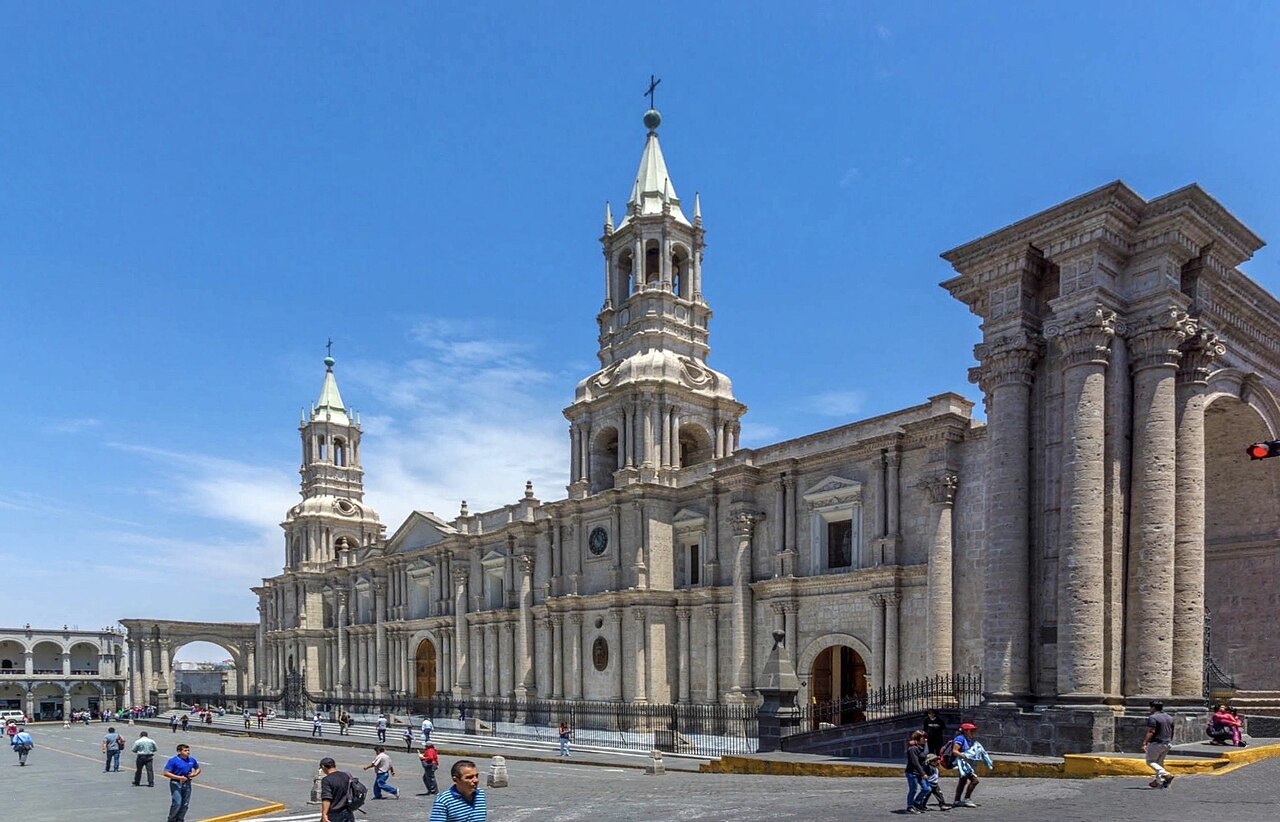
One of Peru's grandest cathedrals lines an entire side of the arcaded main square. Free to wander the plaza; a small museum tour climbs to the bell towers for volcano views.
Head across the river to Yanahuara for the classic Arequipa sunset over the volcanoes.
A sillar-arched mirador framing El Misti volcano, especially good in late-afternoon light. The surrounding neighborhood of white lanes and a pretty church is worth a stroll.
Round out the day at one of the city's best-loved kitchens.
Set in a two-story sillar building, known for meats (alpaca, beef, ostrich) served on sizzling volcanic-stone platters. Reliable, atmospheric and popular; around 60-100 soles per person.
A refined spot on a colonial street doing Andean and novoandino dishes in an elegant room. A good choice for a quieter dinner; around 60-110 soles.

Colca Canyon & the Flight of the Condors
Colca Canyon · world-wide-gifts.com / CC BY-SA 2.0It is a very early start to reach Cruz del Condor, where Andean condors with three-meter wingspans ride the morning thermals out of one of the world's deepest canyons. The route climbs over a 4,900-meter pass (watch the altitude) past vicunas and terraced valleys and Andean villages.
A long but spectacular day (typically 3am departure, evening return) to Cruz del Condor for condor-watching, with stops at high-altitude viewpoints, terraced Colca valley villages like Chivay and Yanque, and often the Patapampa pass. Book locally or online; many travelers instead do a two-day version with an overnight in Chivay to slow the pace and add the hot springs.
Back in Arequipa after a big day, keep it comforting and close to your hotel.
A cozy cafe inside the Alliance Francaise serving savory and sweet crepes, soups and good coffee, ideal when you want something light after the long drive. Around 30-50 soles.
An Italian-Arequipeno restaurant tucked against the Santa Catalina walls, with hearty pastas and a warm room. A satisfying, relaxed dinner; around 55-95 soles.
Markets, Mummies & Arequipa at Ease
Basilica Cathedral of Arequipa · DocSlyper / CC BY-SA 2.0Slow down after the canyon with a proper Arequipa breakfast and coffee near the plaza.
A specialty coffee bar pouring southern-Peruvian beans, good for a focused flat white and a light breakfast. A local, unhurried spot.
A creative vegan-friendly cafe with generous breakfasts, juices and fresh baking, a nice change of pace. Around 25-40 soles.
Get a feel for daily Arequipa in its bustling central market, then meet the city's most famous resident, a 500-year-old Inca ice mummy.
A cast-iron 1800s market hall (its design attributed to the Eiffel workshop) piled with fruit, cheeses, juices and rows of dried goods. Order a fresh-fruit juice from the emolienteras and browse the stalls; free to enter.
Home to Juanita, the remarkably preserved frozen mummy of an Inca girl sacrificed on nearby Mount Ampato around 1450 and discovered in 1995. The guided visit (around 40 soles) is compact and genuinely moving; note she is sometimes rotated out for conservation.
One last Arequipeno lunch before you leave the volcanoes behind.
A garden picanteria in Yanahuara open since 1897, a lovely place to try adobo, cuy or chupe under the trees. Weekend lunches are a local tradition; around 50-90 soles.
Use the afternoon for last wanders and gifts, or a rooftop pisco with a volcano view. You have a morning bus to Puno tomorrow.
Elegant sillar cloisters beside the Jesuit church, now home to boutiques selling baby-alpaca knits and local crafts. A pleasant, shaded place to shop.
For a deeper cut, visit the sillar route on the city's edge to see how the volcanic stone is quarried and carved. A quieter, local-flavored afternoon.
An early, easy dinner sets you up for tomorrow's overland leg to Lake Titicaca.
If you missed it earlier, this is a strong farewell to Arequipa's regional cooking, with rocoto relleno and adobo done well. Around 70-120 soles.

Across the Altiplano to Lake Titicaca
Sillustani · Diego Delso / CC BY-SA 4.0Board a morning bus from Arequipa and climb onto the altiplano, a vast high plain grazed by alpaca and dotted with adobe villages. Sit back and watch Peru change.
A comfortable 5-6 hour tourist coach with reclining seats; Cruz del Sur and similar lines run daylight departures. Have water, snacks and layers, since it gets cold and high fast.
Grab a light lunch in Puno once you have checked in; keep it modest while you adjust to nearly 3,800 meters.
A dependable upstairs restaurant on the Plaza de Armas doing lake trout, quinoa dishes and a salad bar, with plaza views. Around 40-70 soles.
A cozy spot known for Andean classics and evening folk-dance shows; good for an easy first meal. Around 40-65 soles.
If you are feeling strong, take a short excursion to a hilltop necropolis above a second lake; if the altitude has you tired, rest and stroll the plaza instead.
Pre-Inca Colla stone burial towers (chullpas) on a peninsula above Lake Umayo, about 45 minutes from Puno. A half-day tour (around 40-60 soles) delivers big altiplano views; the site sits high, so go slow.
For a low-key afternoon, see the Baroque cathedral on the plaza and, if you have energy, climb (or taxi) to the condor viewpoint over the bay. Take it slowly to acclimatize.
Warm up with a hearty highland dinner before an early lake start tomorrow.
A French-Peruvian bistro popular for cozy ambiance, alpaca, trout and warming soups, a comfort after a cold day. Around 45-80 soles.
Reliable trout and quinoa dishes on the plaza if you would rather not wander far in the cold night air. Around 40-70 soles.

Floating Islands of the Uros & Taquile
Lake Titicaca · European Space Agency / AttributionAn early breakfast at your hotel before the boats leave; the lake is calmest and most photogenic in the morning.
Most Puno hotels include breakfast with coca tea, eggs and bread; it is worth eating well before a full day on the water. Then it is a short taxi to the port.
Spend the day out on Lake Titicaca visiting the reed-built Uros islands and, further out, the weaving island of Taquile. The light, the deep-blue water and the Bolivian peaks on the horizon are unforgettable.
A shared boat day (roughly 8-9 hours) stopping first at the Uros floating islands, where families explain how they build and live on woven totora reeds, then continuing to Taquile for a walk among terraces and a trout lunch amid its famous textile tradition. Book through your hotel or a Puno agency for around 70-110 soles; slower private and homestay options exist too.
A relaxed final dinner in Puno before an early departure to Cusco tomorrow.
A good farewell to the lake with grilled trout and quinoa risotto on the plaza. Around 40-70 soles.
A historic house serving traditional Puno fare in a warm, wood-beamed room. Around 45-80 soles.

Overland to Cusco: Andean Capital
Plaza de Armas (Cusco) · FrederickCusco / CC BY-SA 4.0An early breakfast in Puno, then onto the bus for a scenic day crossing into the Cusco region.
Eat well before the long ride. The tourist-route bus typically includes a buffet lunch stop, but pack water and snacks regardless.
The journey to Cusco is a highlight in itself if you take the tourist route, threading over the 4,335-meter La Raya pass past Inca temples and Andean baroque churches. You will arrive in Cusco in the late afternoon.
The classic Inca Express or Turismo Mer route stops at Pukara, the Temple of Wiracocha at Raqchi, the La Raya pass and the frescoed 'Sistine Chapel of the Andes' at Andahuaylillas, with lunch included (around $50-70). It turns a transfer into a full sightseeing day.
Check in, then take a slow first stroll around the floodlit Plaza de Armas. Keep it gentle tonight; you are back near 3,400 meters.
Cusco's heart, framed by the cathedral and the Church of La Compania and ringed by arcaded balconies, glowing at night. Free to wander; a good spot to get your bearings.
Ease in with a warm, welcoming first Cusco dinner near the plaza.
A beloved upstairs restaurant and tapas bar in a colonial courtyard on Triunfo, mixing Andean ingredients with Mediterranean flair. Reserve for a table or grab tapas at the bar; around 60-110 soles.
A friendly, casual spot near the plaza doing generous lomo saltado, quinoa bowls and craft drinks. Around 40-75 soles.

High-Andes Day: Rainbow Mountain
Vinicunca · Diego Aldrin Abanto Ricce / CC BY-SA 4.0With a day of altitude behind you, take on Rainbow Mountain (Vinicunca), whose mineral-striped ridge sits above 5,000 meters in the Vilcanota range. It is a demanding but unforgettable hike; go slowly, and consider the optional Red Valley detour for far fewer crowds.
An early-morning group excursion with transport, breakfast, lunch and a guide, hiking roughly 3km each way to the striped ridge (horses available). Superb value and hugely popular; the optional Red Valley add-on is well worth it. Around $24.
A small-group alternative with a later 8am departure designed to reach the summit after the big morning waves have left. A calmer, more comfortable option for a premium; around $79.
A gentler-scenery alternative if Rainbow Mountain's crowds put you off: a hike to a turquoise glacial lake beneath Salkantay. Similar altitude and effort, dazzling color. Around $24.
You will return to Cusco in the afternoon; refuel with something hearty and restorative.
A courtyard restaurant in San Blas famous for clay-oven roasts and, for the adventurous, cuy (guinea pig). Cozy fire-warmed rooms make it ideal after a cold hike; around 55-100 soles.
A well-loved vegan restaurant with a set-menu lunch and creative plant-based dinners, a nice reset for tired bodies. Around 35-65 soles.

Into the Sacred Valley
Ollantaytambo · FLASHPACKER TRAVELGUIDE / CC BY-SA 2.0Descend into the warmer, greener Sacred Valley of the Incas, a string of markets, terraces and fortress-temples along the Urubamba River. Sleeping in the valley tonight (lower than Cusco) helps with altitude and positions you for the train to Machu Picchu.
A well-paced small-group day hitting Pisac's ruins and market, the surreal salt terraces of Maras, the concentric agricultural circles of Moray, and the towering fortress of Ollantaytambo, with lunch. Ask to be dropped in Ollantaytambo rather than returning to Cusco so you are set for the morning train. Around $139.
Settle into Ollantaytambo, a living Inca town of original stone lanes and water channels, and enjoy an early valley dinner.
The only town in Peru still laid out on its original Inca grid, with narrow canals running down cobbled streets beneath the fortress. A magical place to wander at dusk.
A farm-to-table restaurant on Ollantaytambo's plaza focused on native potatoes, corn and Andean ingredients, with local craft chicha. A thoughtful valley dinner; around 55-95 soles.
The Train to Machu Picchu Pueblo
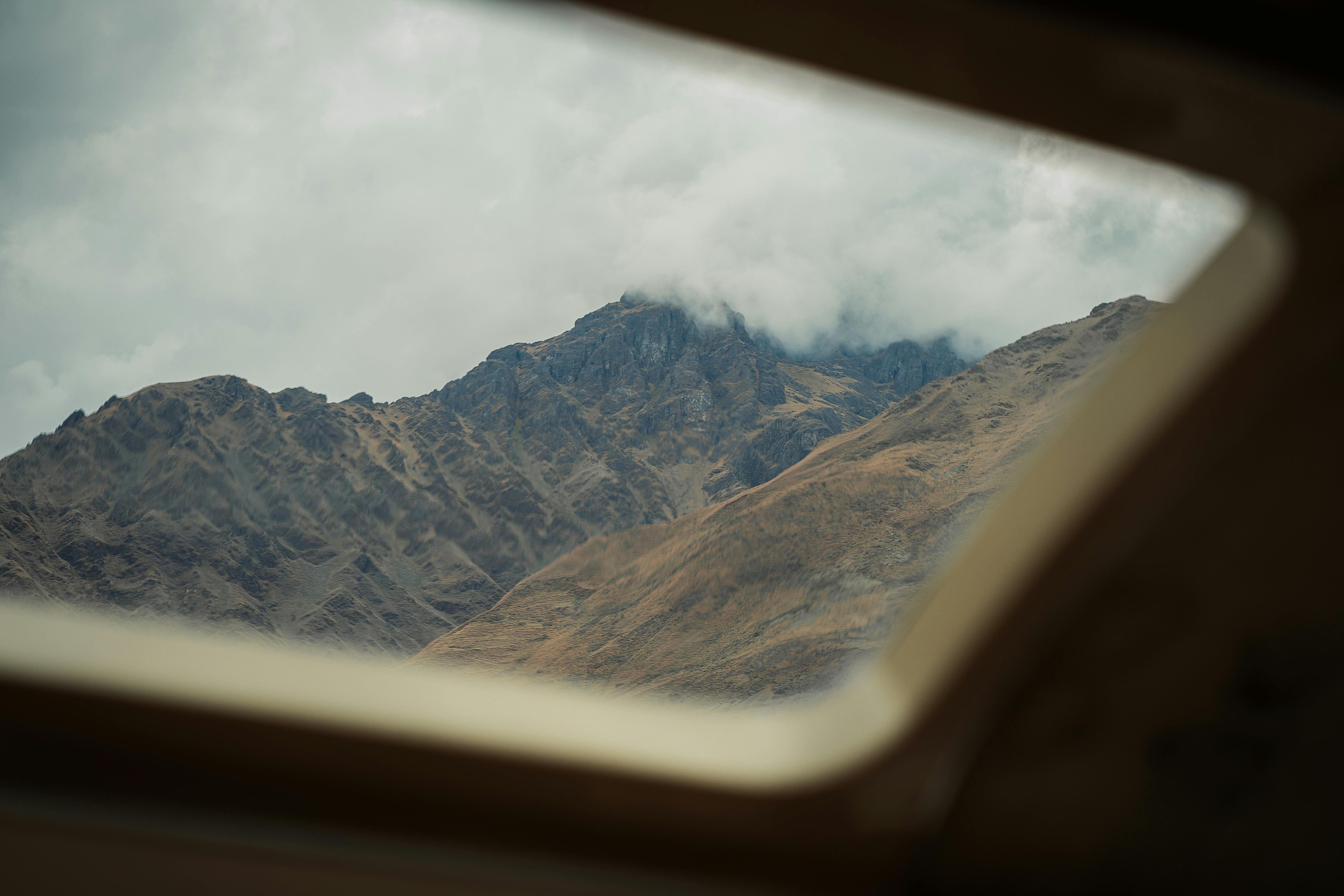
Breathtaking mountain landscape of the Andes visible through a window in Cusco, Peru. · Photo by Jair Romero on PexelsA relaxed morning in the valley: sleep in a little, then explore the Ollantaytambo fortress before the crowds if you skipped it yesterday.
A steep terraced temple-fortress where the Incas famously repelled the Spanish; the massive rose-granite blocks at the top were hauled from a quarry across the valley. Included in the Cusco tourist ticket; go early for the best light and fewest people.
Board the train down the Urubamba gorge to Aguas Calientes, the town at the foot of Machu Picchu. The scenery tightens into cloud forest as you descend.
PeruRail's Vistadome (or Inca Rail's 360) glass-roofed carriages make the roughly 1.5-2 hour ride a highlight, following the river beneath towering peaks. Book a specific afternoon departure to match your itinerary; from around $70 one way.
Check into your Aguas Calientes hotel and take it easy, soaking tired legs before an early start.
Aguas Calientes has plenty of tourist-priced restaurants; look for spots serving fresh trout and pizza near the plaza. Keep it early so you are rested for sunrise.
An early dinner sets you up for a dawn ascent to the citadel.
A long-running, quirky French-Peruvian restaurant in Aguas Calientes known for its three-course menu and warm welcome, a cut above most in town. Around 60-100 soles; reserve ahead.

Machu Picchu at Sunrise
Huayna Picchu · Allard Schmidt (The Netherlands) / Public domainA very early breakfast, then the first buses up the switchbacks to the citadel to beat the day-trippers arriving from Cusco.
Most Aguas Calientes hotels lay out an early breakfast; grab coffee and pastries, then queue for the 25-30 minute shuttle bus up (around $24 round trip). The first buses roll before dawn.
This is the moment the whole trip builds toward: Machu Picchu emerging from the morning mist. Follow your assigned circuit with a guide to understand the temples, terraces and astronomy of the 15th-century estate.
A UNESCO World Heritage Site and one of the New Seven Wonders, best explored with a guide (hired at the gate or pre-booked) along your ticketed circuit. If you reserved the add-on, climb Huayna Picchu or Machu Picchu Mountain for aerial views; otherwise the classic guard-house viewpoint delivers the postcard. Entry from around 152 soles plus guide.
If you prefer everything arranged end to end (train, bus, entry and guide) rather than piecing it together, this full-day package is a well-reviewed option. Note it is designed as a Cusco day trip; here it can anchor your citadel morning. From around $395.
Come down to Aguas Calientes for a late lunch before the train back up the valley.
A riverside spot for Peruvian classics and local craft beer, a relaxed place to toast the morning. Around 45-80 soles.
Take the train and transfer back toward Cusco, arriving in the evening. It is a long travel afternoon but an easy one after the early start.
Ride the train from Aguas Calientes to Ollantaytambo, then a shared or private van completes the roughly 1.5-2 hour drive to Cusco. Most packages include the transfer; total travel time is around 4-5 hours.
Back in Cusco, celebrate with one of the city's standout dinners.
Acurio's Cusco outpost on the Plaza Regocijo serves elevated regional cooking (alpaca, cuy, river trout) in a handsome upstairs room. A fitting celebration; around 70-130 soles.
Meats and seafood grilled to order on hot volcanic stones at your table, a fun, high-energy dinner near the plaza. Around 60-110 soles.

Cusco's Streets, Markets & Kitchens
Cusco · tomscoffin / CC BY 2.0A slower morning back in Cusco, with some of the city's best coffee to start.
A specialty cafe roasting Peruvian beans, with a sunny terrace and excellent breakfasts near the plaza. A local favorite for a proper flat white.
A cozy San Blas cafe with good espresso, cakes and a laid-back vibe, ideal before exploring the artisan quarter. Around 15-30 soles.
See the Inca and colonial layers of the city center, from the golden temple of the sun to the tight streets of San Blas.
The Inca empire's holiest temple, once sheathed in gold, with the Santo Domingo convent built directly atop its flawless stonework. The best single lesson in how Spain built over the Inca world; entry around 20 soles.
Climb the cobbled lanes of the artisan quarter past workshops and viewpoints, pausing at the famous twelve-angled Inca stone on Hatunrumiyoc. Great for photos and craft shopping; free to wander.
Turn the afternoon into an edible souvenir with a market tour and hands-on cooking class, one of Cusco's most enjoyable experiences.
Start at San Pedro market tasting exotic fruits, then cook three Peruvian courses and mix two cocktails (including a pisco sour) with a local chef. Fun, tasty and highly rated; around $65.
If you would rather explore solo, Cusco's main market is a riot of fruit juices, cheeses, breads and textiles under a 1920s iron roof. Grab a fresh juice and browse; free to enter.
You may be full from the cooking class; if not, keep dinner relaxed in the center.
Worth a return for its tapas bar if you did not get a full table before, buzzy and consistently excellent. Around 60-110 soles.
A rooftop restaurant with a strong Andean tasting menu and one of the best pisco selections in town, with plaza views. Around 70-120 soles.

Sacsayhuaman & a Free Day in Cusco
Sacsayhuamán · Diego Delso / CC BY-SA 4.0An unhurried breakfast; today is flexible, a buffer for weather, rest or anything you missed.
A friendly San Blas cafe (a social enterprise) with good coffee, bagels and pancakes, and a relaxed morning crowd. Around 20-35 soles.
Walk or taxi up to the great Inca fortress on the hill above Cusco, with its colossal interlocking stones and city views.
A monumental Inca ceremonial complex above the city, built from zigzagging stone blocks so large and precisely fitted that a knife blade cannot slip between them. Included on the Cusco tourist ticket; allow 1.5-2 hours and combine with nearby Qenqo. It is uphill, so pace yourself.
A leisurely lunch back in town before final souvenir shopping.
A farm-to-table restaurant sourcing from its own Sacred Valley plot, strong on fresh, healthy Andean dishes. Around 50-90 soles.
A relaxed, family-run spot for wood-fired pizza, craft beer and salads when you want something simple and satisfying. Around 40-70 soles.
Use the afternoon for alpaca knits and crafts, a museum, or simply people-watching on the plaza. If you crave one more adventure, this is a good day to have banked the Humantay Lake option.
A nonprofit showcasing and selling authentic handwoven Andean textiles, with weavers demonstrating on-site. The best place to buy quality pieces and understand the craft.
A beautifully curated pre-Columbian art museum in a colonial mansion on Plaza de las Nazarenas, with a lovely courtyard cafe. Around 20 soles; a calm, cultured afternoon.
A memorable farewell to the Andes before flying back to Lima tomorrow.
A glass-box restaurant in the museum courtyard serving refined Peruvian tasting fare in a striking setting. A special-occasion dinner; around 120-200 soles.
A warm, festive courtyard in San Blas for a final round of clay-oven roasts, alpaca and local music. Around 55-100 soles.

Back to the Coast: Barranco & Lima's Table
Bridge of Sighs (Lima) · Ibrehaut (Ivan Brehaut L.) / CC BY-SA 4.0Fly from Cusco to Lima in the morning and drop your bags in Miraflores. You are back at sea level, so breathing feels wonderfully easy again.
A short, scenic flight over the Andes to the coast. From the airport, allow 40-60 minutes to Miraflores depending on traffic.
Head straight for the ceviche you have been dreaming about since the mountains.
Come at lunch, its prime time, for peak-fresh ceviche, tiradito and a cold pisco sour in the open-air dining room. No dinner-style reservations for small groups, so arrive early; around 90-140 soles.
A beloved, unpretentious Barranco cevicheria plastered with soccer memorabilia, serving heaping seafood plates to a local crowd. Cash-friendly and characterful; around 50-90 soles.
Spend your last full afternoon in bohemian Barranco, Lima's most photogenic quarter of murals, galleries and sea-facing lanes.
Stroll the wooden Puente de los Suspiros and the cobbled ravine path down toward the ocean, past street art and cafes. Free and lovely in late-afternoon light.
The fashion photographer's museum in a restored Barranco mansion, with rotating exhibitions and his iconic portraits. A quick, stylish culture stop; around 35 soles.
Make your final night a proper deep dive into Peruvian flavors on a guided Barranco crawl.
An evening walk through Barranco tasting up to 14 Peruvian dishes, fruits and drinks with local hosts, from anticuchos to pisco. A delicious, festive way to cap the trip and one of the city's top-rated experiences. Around $99.
If you skip the food tour, treat yourself to one last standout Lima dinner.
Renzo Garibaldi's butcher-restaurant is a carnivore's pilgrimage, with house-aged cuts and charcuterie in La Molina (and a Barranco outpost). Book ahead; around 100-180 soles.
A soulful Barranco taberna piling plates high with criollo home cooking, ideal for a hearty final night. Around 70-110 soles.
Last Morning in Lima & Departure
Love Park, Lima · Quado678 / CC BY 3.0A final relaxed breakfast and coffee near the cliffs before you head to the airport.
A charming corner cafe in Miraflores with excellent coffee and pastries for a last unhurried morning. Around 20-35 soles.
One more chicharron sandwich and fresh juice by Kennedy Park before you go. Fast and delicious; around 25-35 soles.
Squeeze in a last walk along the ocean and any final gift shopping before checking out.
A last stroll along the clifftop and through cat-filled Kennedy Park, with craft stalls in the evenings but plenty of shops open by day. A gentle sea-air send-off.
Pick up quality alpaca goods, chocolate and pisco for gifts at the clifftop shops before departure. Easy and central.
One last coastal lunch, timed so you can reach the airport with plenty of margin for your flight home.
A popular, well-priced seafood restaurant with generous ceviche and seafood rice, great for a final Lima meal. Around 45-80 soles; then head to the airport.
If time is tight, grab empanadas or a set menu at a Miraflores cafe and make for Jorge Chavez, allowing at least three hours before an international departure.
Pick your base
Base yourself in Miraflores, the safe, walkable clifftop district with the best concentration of hotels, cafes and ocean views. Barranco, just south, is the bohemian, artsy choice with the liveliest nightlife and street art, while San Isidro is the leafy, upscale business district between the two.
A reliable, well-located tower a short walk from Larcomar and the Malecon clifftop path, with big rooms and a rooftop restaurant. Strong value for a full-service international hotel in the heart of Miraflores.
A social, design-forward hostel-hotel mixing dorms with private rooms, a cafe and coworking space, popular with younger travelers. Walkable to Kennedy Park and the Miraflores restaurant scene.
A glass tower right on the Miraflores cliff above the Pacific, with an indoor pool, big rooms and direct access to the Larcomar mall. An easy, comfortable pick for families landing after a long flight.
Lima's landmark luxury address, with a glass rooftop pool overlooking the ocean and superb service. A splurge worth it for the view and the location at the quieter southern end of Miraflores.
A restored 19th-century mansion, once the national mint, a block from the Plaza de Armas, with sillar arches and a good restaurant. Comfortable, central and full of character.
An 18th-century colonial house near San Lazaro with thick sillar walls, vaulted rooms and a sunny courtyard cafe. Quiet, atmospheric and good value.
A lively, sociable hostel with dorms and privates, a bar and an easy backpacker crowd, walkable to the plaza. Best for solo travelers wanting to meet people.
A design hotel carved into a 16th-century sillar complex steps from the plaza, blending original stone with sleek modern rooms. The city's standout splurge.
A comfortable, well-run hotel a block from the main square with heating, good breakfast and helpful staff, exactly what you want at altitude. Central and reliable.
A lakeside hotel with its own small pier and lake views, a step up in comfort with heated rooms. A good base if you want to be on the water rather than in town.
A clean, friendly hostel with warm showers and a sociable common area, walkable to the center. Solid value for the altiplano.
An all-inclusive design lodge on a private peninsula with floor-to-ceiling lake views and guided excursions included. Isolated and serene; the region's premier splurge.
A colonial house wrapped around a glass-roofed courtyard just off the Plaza de Armas, blending heritage rooms with reliable modern comforts. Central, warm and easy.
A grand 16th-century mansion facing Qorikancha, with rich rooms, a spa and one of Cusco's best hotel restaurants. The most polished stay in the center.
A colorful, sociable hostel in a colonial building near the plaza, with dorms, privates and a lively bar. A backpacker favorite for meeting people.
A former 1592 monastery near the plaza, all cloisters, colonial art and (optional) oxygen-enriched rooms to help with altitude. A landmark stay dripping with history.
For your Aguas Calientes night: an Andean cloud-forest resort of casitas set in gardens beside the river, with orchids, birdlife and a spa. The nicest place to sleep near Machu Picchu.
A comfortable, well-located Aguas Calientes hotel with a spa and river views, an easy walk to the bus stop for the citadel. A solid mid-range base for the overnight.
A friendly, eco-minded hostel in Aguas Calientes for travelers watching the budget before the early climb to the ruins. Simple, clean and central.
An easy, familiar choice for the last night, walkable to the Malecon and a straightforward run to the airport. Reliable comfort to wrap up the trip.
A social, well-located hostel-hotel if you want to keep the final night light on the wallet, close to Kennedy Park. Good for meeting other travelers on their way out.
End on a high with the rooftop pool and ocean views at Lima's landmark luxury hotel, a memorable send-off. At the quiet southern end of Miraflores.
Good to know
How many days do you need to see Peru's highlights?
Two weeks to 17 days is ideal for a first trip that combines Lima, the southern desert, Arequipa and Colca Canyon, Lake Titicaca, and the Cusco region with Machu Picchu. In 10-12 days you can still do Lima, Cusco, the Sacred Valley and Machu Picchu comfortably, but adding Arequipa and Titicaca is what makes 16-17 days worthwhile.
What is the best time of year to visit Peru?
The dry season from roughly May to September offers the clearest skies in the Andes and is the best window for Machu Picchu, the Sacred Valley and treks, though it is also the busiest and coldest at night. The wet season (December to March) is greener and quieter but brings afternoon rain, and the Inca Trail closes each February for maintenance.
How do you handle the altitude in Cusco and Puno?
Cusco sits around 3,400 meters and Puno around 3,800, so ascend gradually, take it easy your first day, drink lots of water and coca tea, and limit alcohol at first. Many travelers ask their doctor about acetazolamide before the trip; spending early nights in the lower Sacred Valley also helps before tackling Machu Picchu.
Do you need to book Machu Picchu tickets in advance?
Yes. Entry is capped daily and sold by timed circuit, and popular slots (especially with the Huayna Picchu or Machu Picchu Mountain climbs) sell out weeks or months ahead in high season. Buy through the official government platform or a reputable operator, and reserve your train to Aguas Calientes at the same time.
What is the best area to stay in Lima for first-time visitors?
Miraflores is the top choice for first-timers: safe, walkable, and full of hotels, restaurants and clifftop ocean views, with easy airport access. Barranco next door is the bohemian, artsy alternative with the best nightlife, while San Isidro is the quieter, upscale district in between.
Is Peru expensive to travel in?
Peru is generally affordable by international standards, with excellent street food and set-menu lunches for a few dollars and comfortable mid-range hotels widely available. The bigger costs are domestic flights, Machu Picchu trains and entry, and world-famous restaurants in Lima, so budgeting extra for those pushes an otherwise good-value trip higher.
In 17 days you will have traced Peru from the Pacific to the high Andes and back: Lima's world-class kitchens, the desert oasis of Huacachina, Arequipa's white-stone streets and condor-filled canyon, the reed islands of Lake Titicaca, and the Inca wonders of Cusco, the Sacred Valley and Machu Picchu. It is an ambitious loop, but a well-paced one that respects the altitude and saves the best for the middle. Come hungry, acclimatize slowly, and let Peru's landscapes and flavors do the rest.