Peru in 10 Days: Lima Ceviche, Cusco Heights & Machu Picchu
An adventurous, food-forward loop through Peru's coast and Andes, from Lima's ceviche counters to the cloud-wrapped ramparts of Machu Picchu and the painted slopes of Rainbow Mountain.
Peru packs three countries into one: a desert coast where the Pacific feeds the world's most celebrated ceviche, a spine of Andes stacked with Inca stonework, and the green lip of the Amazon beyond. This route threads the two that anchor most first visits, cosmopolitan Lima and ancient Cusco, then climbs to Machu Picchu and a pair of jaw-dropping day hikes. It is built for travelers who like to walk, eat, and dig into a place rather than skim it.
A quick history helps the stones make sense. Cusco was the navel of the Inca empire until the Spanish arrival in 1533, which is why colonial churches sit directly on Inca foundations of mortarless, earthquake-proof granite. Machu Picchu, built around 1450 and never found by the conquistadors, sat largely unknown to the outside world until 1911. Lima, founded by Pizarro in 1535 as the City of Kings, became the seat of Spanish South America, and its layered past now fuels a kitchen ranked among the planet's best.
Late June and early July land squarely in the Andean dry season, the most reliable window for clear Machu Picchu mornings and open trekking trails. Expect bright, sunny days around 18-20C in Cusco but cold nights that can dip near freezing, so pack real layers, a warm jacket, sun protection, and a light rain shell just in case. This is peak season, so book Machu Picchu entry, trains, and marquee restaurants well ahead, and give yourself a day or two in Cusco (3,400m) to acclimatize before any hard hiking.
Lima
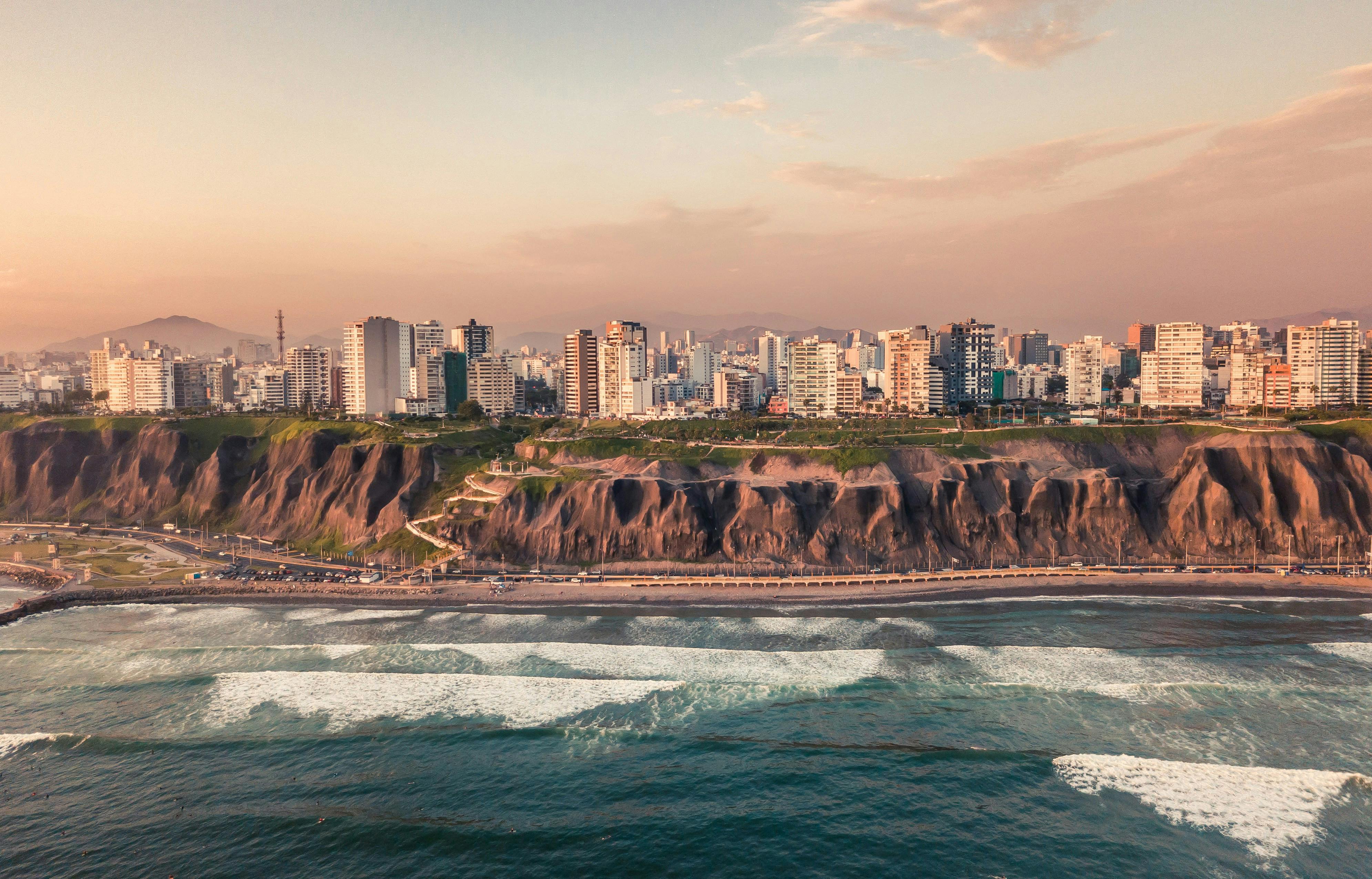
Lima gets unfairly skipped, and that is a mistake for any food lover. The capital's Miraflores and Barranco districts ride a cliff line above the Pacific, with paragliders overhead, surfers below, and some of the best eating in the Americas in between. Spend two days here to shake off the flight, fill up on ceviche and anticuchos, and ease into Peruvian rhythms before you head for altitude.
Getting there by planeFly into Jorge Chavez International Airport (LIM); it is roughly 40-60 minutes by taxi or rideshare to Miraflores depending on traffic, around S/60-80 (about $16-22).View on Kiwi.com
Day 1
Arrival in Lima: Miraflores Cliffs & First Ceviche
Drop your bags and walk straight to the coast to reset your body clock with sea air and big Pacific views. The Miraflores Malecon is a green cliff-top promenade made for an easy, jet-lagged stroll.
Malecon de Miraflores & Parque del Amor Google
4.5 · 30,699 reviews · Miraflores
A string of clifftop parks running above the ocean, anchored by the Parque del Amor and its Gaudi-style mosaic benches and the giant kissing-couple sculpture. Paragliders launch from here on windy afternoons, and the sunset over the Pacific is the city's signature view. Free, and an easy 10-15 minute walk from most Miraflores hotels.
A pre-Inca adobe pyramid rising improbably out of a residential Miraflores block, built by the Lima culture around 500 AD. Quick guided visits run day and evening; even just seeing it lit at night from the surrounding streets is striking. Entry is about S/15.
Ease into the evening around leafy Parque Kennedy, the social heart of Miraflores, where locals gather and the city's famous cats lounge in the gardens.
Parque Kennedy & Larcomar Google
4.5 · 51,800 reviews · Miraflores
Parque Kennedy buzzes with food carts, artists, and the resident cat colony, while Larcomar is a cliff-carved mall with terraces hanging over the surf. Grab a picarones (squash-and-sweet-potato doughnut) from a park vendor and watch the light fade. Both are free to wander.
Your first Peruvian dinner should be ceviche, the dish Lima does better than anywhere. Pick a temple of the genre or a homier criollo kitchen depending on your budget and mood.
La Mar Cebicheria Google
4.6 · 8,494 reviews · Miraflores
Gaston Acurio's flagship cevicheria and a rite of passage, known for impeccably fresh tiradito, leche de tigre shots, and a buzzing, no-reservations lunch-into-dinner energy. Mains run roughly S/60-90; go a touch early to beat the wait. The pisco sours are first-rate.
A beloved Barranco taberna serving generous, old-school Lima home cooking: tacu tacu, slow-cooked stews, and a famous cau cau. Portions are huge and meant to share, with mains around S/45-70. Order the causa and the seco de asado.
A long-running, unpretentious Barranco institution covered in football pennants and dishing out big, well-priced ceviche platters. A great low-key first night that feels local, with plates around S/35-55.
Start with serious Peruvian coffee. The country grows superb high-altitude beans, and Lima's third-wave cafes finally do them justice.
Origen Tostadores de Cafe
Miraflores
A specialty roaster pulling some of the best espresso in Miraflores, with single-origin Peruvian beans and a calm, design-led room. Good toasts and pastries if you want a light breakfast before sightseeing.
Tostaduria Bisetti
Barranco
Barranco's pioneering roastery in a handsome corner house, beloved for carefully sourced Peruvian coffee and an arty crowd. A fine first stop if you are basing in Barranco.
Morning
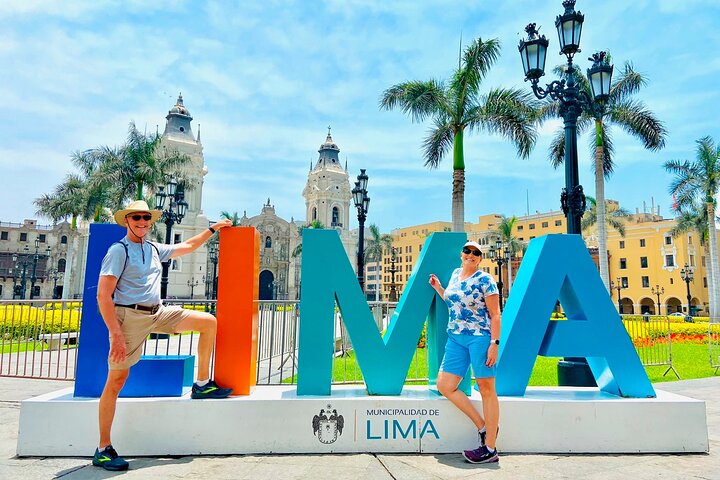
Head to the UNESCO-listed historic center, the colonial City of Kings, with its grand plaza, gilded churches, and eerie catacombs. A walking tour is the most efficient way to read the layers.
Lima Half-Day City Walking Tour
Centro Historico
A small-group walk through the Plaza de Armas, Lima Cathedral, and the Monastery of San Francisco with its bone-lined catacombs, led by guides who unpack the city's colonial history. A practical way to cover the center in a few hours without logistics headaches.
If you prefer to roam solo, the Plaza Mayor anchors the colonial core, ringed by the cathedral and the yellow Government Palace (noon changing of the guard). The 17th-century San Francisco monastery's catacombs hold the bones of an estimated 25,000 people; entry is about S/20.
Back toward the coast, refuel with a proper seafood lunch before the afternoon in Barranco.
El Mercado Google
4.6 · 2,696 reviews · Miraflores
Closed Mondays
Chef Rafael Osterling's breezy, market-style seafood spot in Miraflores, packed with locals for ceviche, causas, and grilled catch of the day. Lunch is the move; mains run roughly S/55-90.
A legendary Barranco street-food stall grilling skewers of marinated beef heart (anticuchos), Peru's great smoky street snack, served with potato and choclo. Cheap, smoky, and authentic at around S/15-25 a plate; cash only and evenings are busiest.
Spend the afternoon in Barranco, Lima's bohemian quarter of pastel mansions, murals, and the romantic Bridge of Sighs, then go deep on the food with a tasting tour.
Lima Ultimate Peruvian Food Tour
Barranco
A small-group crawl through bohemian Barranco sampling up to 14 Peruvian flavors, from ceviche and anticuchos to exotic fruits and pisco, with local hosts explaining each. It doubles as an early dinner and is one of the highest-rated food experiences in the city.
Prefer hands-on to a tasting walk? This class starts at a local market sourcing ingredients, then teaches you to make ceviche and a main plus a pisco sour. A great fit if cooking is high on your list and a fun alternative to the food tour.
Barranco's most photogenic corner: the wooden Puente de los Suspiros, the mural-lined Bajada de Banos walkway down to the sea, and the MATE museum of Mario Testino. Free to wander, with plenty of cafe stops along the way.
If your afternoon tour or class left you full, keep dinner light with a pisco sour at sunset. Otherwise, treat yourself on Lima's last night.
Ayahuasca Resto Bar Google
4.5 · 5,981 reviews · Barranco
A theatrical bar inside a restored Barranco mansion, ideal for cocktails and Peruvian small plates under chandeliers and crumbling frescoes. Order a passion-fruit pisco sour and a few causas; lively and atmospheric.
Virgilio Martinez's globally lauded tasting-menu restaurant, organized by Peruvian ecosystems and altitudes, repeatedly ranked among the world's best. A genuine splurge (tasting menus well over S/900 with pairings) that books out weeks ahead, but a bucket-list meal if the budget stretches once.
Good to know · World-ranked Lima tasting-menu restaurants like Central and Maido release tables weeks in advance and sell out fast in peak season; reserve as soon as your dates are set if you want one. (book 4-8 weeks ahead)View on Viator
Where to Stay
Base in Miraflores for safety, walkability, ocean-front parks, and easy airport transfers, or in artsy Barranco if you want bohemian streets, street art, and the best bar scene. Both connect easily by taxi or rideshare, and both put you minutes from the coast.
Hilton Lima Miraflores
midrange Google
4.7 · 5,750 reviews
A reliable, well-located high-rise a block from the Larcomar cliff-top mall and the Malecon, with sea views from upper floors. Easy walking to restaurants and the coast, and a smooth choice for a first night in Peru.
A social, design-minded spot with private rooms and dorms, a co-working lounge, and a young international crowd. Walkable to Parque Kennedy and good value for Miraflores.
A polished tower right above Larcomar with a pool, big rooms, and front-row Pacific sunsets. Comfortable and predictable for families or anyone wanting a soft landing.
Lima's iconic splurge, a clifftop landmark with a rooftop pool gazing over the ocean and impeccable service. Worth it if you want one memorable night before the Andes.
Cusco is the oldest continuously inhabited city in the Americas and the former capital of the Inca empire, a place where polished Inca walls hold up baroque churches and the air sits thin at 3,400 meters. Its San Blas lanes, San Pedro market, and plaza cafes reward slow wandering, which is exactly what your body needs on arrival. Treat the first two days as gentle acclimatization with a city tour and a cooking class before you tackle the valley and the high hikes.
Getting there by planeFly Lima to Cusco (LIM-CUZ), a scenic 1 hour 20 minute flight over the Andes; book a morning departure for the calmest air and clearest views. One-way fares typically run $60-130, and the airport is about 15 minutes from the center.View on Trip.com
Day 3
Fly to Cusco: Easy Acclimatization in the Inca Capital
Take an early Lima flight and land in Cusco mid-morning. The golden rule of day one at altitude: go slow, drink water, and skip alcohol and heavy meals.
Coca tea at your hotel
Centro Historico
Most Cusco hotels keep a pot of mate de coca in the lobby, the traditional Andean remedy for soroche (altitude sickness). Sip a cup on arrival, rest for an hour, and let your body adjust before heading out. Free and genuinely helpful.
Afternoon
Keep the first afternoon flat and unhurried. Wander the Plaza de Armas and admire the Inca-into-colonial layering without committing to anything strenuous.
Plaza de Armas & Cusco Cathedral Google
4.8 · 80,542 reviews · Centro Historico
Cusco's monumental main square is ringed by arcades and two great churches; the cathedral (entry about S/40) holds a famous Last Supper canvas featuring roasted cuy. Find a balcony cafe, order something warm, and watch the square at an easy pace.
The artisan quarter climbs gently above the plaza on cobbled lanes lined with workshops, galleries, and a small viewpoint over the city's red roofs. Go slowly given the altitude; it is the most atmospheric corner of Cusco for a low-key first walk.
Cusco has a surprisingly strong specialty-coffee scene fueled by beans from the nearby high jungle. Duck into one to warm up as the afternoon cools.
Three Monkeys Coffee
Centro Historico
A cozy, well-regarded cafe roasting Peruvian beans, with a sunny courtyard and excellent flat whites. A reliable spot to rest your legs near the center.
Qura Coffee
Centro Historico
A small specialty bar taking its sourcing seriously, with single-origin pour-overs from Cusco-region farms. Good for a quiet recharge away from the plaza crowds.
Dinner
Keep your first Andean dinner light and warming; soups are your friend at altitude. Both picks are central and gentle on a still-adjusting stomach.
Morena Peruvian Kitchen Google
4.7 · 3,915 reviews · Centro Historico
A modern, friendly kitchen just off the plaza doing polished versions of Peruvian classics and good vegetarian options, with mains around S/40-60. Easygoing and a smart first-night choice.
A relaxed, family-run spot beloved for wood-fired pizzas, craft beer, and hearty soups in a casual room. Comforting and affordable at around S/30-50 a plate, perfect when you want something simple.
Good to know · Cusco sits at 3,400m and altitude sickness is common on arrival. Spend your first day resting, hydrate well, go easy on food and alcohol, and consider coca tea or acetazolamide (consult a doctor before travel). (plan before arrival)
A fuller breakfast today, since you have a city tour ahead. Fuel up with eggs, fruit, and a proper coffee.
L'Atelier Cafe Concept
San Blas
A charming San Blas cafe-bistro with garden seating, good breakfasts, and well-pulled espresso. A pleasant place to plan the day before the uphill ruins.
Cafe Dwasa
Centro Historico
A laid-back local favorite for big breakfasts and reliable coffee at fair prices, popular with travelers gearing up for a day out. Generous portions to set you up for walking.
Morning
Now that you have a day under your belt, tackle the Inca ruins ringing the city. A half-day tour links the big four sites with the context that makes them sing.
Cusco City Tour: Four Ruins Half-Day
Cusco
A guided half-day hitting the colossal zigzag fortress of Sacsayhuaman, the carved shrine of Qenko, Puca Pucara, and Tambomachay, plus the Qoricancha sun temple. The massive, perfectly fitted stones of Sacsayhuaman are the highlight and far better with a guide explaining how they were built. A boleto turistico or site tickets are usually required; confirm what is included.
If you would rather explore solo, the Qoricancha is the Inca empire's most sacred temple, its flawless granite walls now cradling a Dominican convent. The contrast of curved Inca masonry under colonial arches is the single best stone story in Cusco; entry about S/15.
Eat light at midday so you have appetite for what you cook later. Grab something quick and local near the center.
San Pedro Market food stalls Google
4.6 · 1,413 reviews · Centro Historico
Cusco's central market is a riot of fruit juices, cheeses, breads, and cheap set lunches at the comedor stalls. A fresh juice and an empanada here is the local move, and it sets up your afternoon class nicely. A few soles only.
A standout plant-based restaurant with a great-value set lunch (menu del dia) that even committed carnivores rave about. Light, fresh, and easy on the stomach at altitude; around S/30-45.
Lean into your love of cooking and markets with a hands-on class that starts among the stalls of San Pedro and ends with a meal you made yourself.
Peruvian Cooking Class, Cocktails & Market Tour
Centro Historico
Begins at San Pedro Market tasting exotic fruits and learning local ingredients, then you cook three Peruvian courses and mix two cocktails including a pisco sour. One of Cusco's top-rated experiences and a perfect fit for a foodie who wants to live like a local. Doubles as your dinner.
Your cooking class likely covers dinner, but if you skip the class or finish hungry, here are two Cusco classics for a real Andean plate.
Pachapapa Google
4.7 · 7,129 reviews · San Blas
A handsome San Blas courtyard restaurant famous for traditional Andean dishes, including whole roast cuy (guinea pig) ordered ahead and lamb cooked in a clay oven. Atmospheric and a fine place to try regional specialties; mains around S/45-70.
Gaston Acurio's regional restaurant overlooking the plaza, spotlighting Cusco ingredients like alpaca, trout, and Andean grains in refined plates. A reliable, slightly upscale taste of Cusco cuisine; mains around S/55-85.
Stay in or just off the Plaza de Armas for walkable access to restaurants and sights, or in the bohemian, slightly steeper San Blas quarter for artisan studios and viewpoints. Light packers will appreciate that almost everything in the center is within a 10-15 minute walk, though the altitude makes the hills feel longer.
Novotel Cusco
midrange Google
4.5 · 1,367 reviews
A dependable mid-range choice steps from the Plaza de Armas, blending a colonial courtyard with a modern wing and (helpfully) oxygen-enriched rooms for the altitude. Comfortable, central, and well-priced.
A lively, well-run hostel in a colonial mansion with private rooms and dorms, a sociable bar, and a young traveler crowd. Great value and a good place to find hiking buddies.
Another social hostel right on the Plaza Regocijo with private rooms, a busy events calendar, and helpful tour desk. Ideal if living-like-a-backpacker and meeting people matters more than quiet.
A 16th-century mansion facing the Qoricancha sun temple, with grand stonework, a spa, and oxygen on request. The standout splurge if you want history and comfort in one address.
The Sacred Valley of the Urubamba unspools northwest of Cusco at a kinder altitude, a green ribbon of Inca terraces, salt pans, and market towns that leads to the river-cut gateway of Machu Picchu. You will trace it by road and rail, sleeping in Aguas Calientes (Machu Picchu Pueblo) so you can reach the citadel as the morning mist lifts. This is the heart of the trip, and the early start is worth every minute.
Getting there by trainFrom the Sacred Valley, board the train at Ollantaytambo for the roughly 1.5-2 hour ride along the Urubamba to Aguas Calientes; Vistadome and Expedition classes run several daily departures. Combined with the morning Sacred Valley drive, expect a full travel day.View on Viator
Day 5
Sacred Valley: Terraces, Salt Pans & the Train to Machu Picchu
Spend the day descending into the Sacred Valley, lower and warmer than Cusco, visiting Inca terracing and Andean markets before catching the late-afternoon train onward. Carry your Machu Picchu overnight bag and leave the rest at your Cusco hotel.
Ultimate Full-Day Sacred Valley Tour
Sacred Valley
A guided loop through the valley's greatest hits: the agricultural-experiment terraces of Moray, the cascading Maras salt pans worked since Inca times, the hilltop ruins and market of Pisac, and the fortress town of Ollantaytambo. Many versions end at Ollantaytambo so you can connect to the Machu Picchu train; confirm yours does. A smart, crowd-beating way to see the valley.
Prefer one booking that handles the valley, the train, the Aguas Calientes night, and the citadel guide together? This two-day package bundles days 5 and 6 with logistics sorted end to end. Convenient if you would rather not piece the transport together yourself.
Arrive in Aguas Calientes by early evening, check in, and eat well before an early start. The town runs on tourism, but a few kitchens stand out.
Indio Feliz Google
4.6 · 1,943 reviews · Aguas Calientes
A quirky, long-running French-Peruvian restaurant decked out like a ship's cabin, famous for its great-value three-course menu and ginger trout. The most reliable dinner in town; mains around S/45-65, and reservations help in peak season.
A riverside spot pairing Andean dishes like alpaca and trout with Peruvian craft beer. Casual, friendly, and good for an early, hearty pre-Machu Picchu meal at around S/40-60.
Good to know · Machu Picchu uses timed entry with a strict daily cap, and dry-season slots (June-July) regularly sell out weeks ahead. Buy tickets in advance via the official Ministry of Culture site or a tour operator, and choose a circuit when booking. (book 4-8 weeks ahead)View on Viator · Trains to Aguas Calientes (PeruRail and Inca Rail from Ollantaytambo) also fill in high season and there is no road in. Reserve your round-trip train at the same time as your entry ticket. (book 4-6 weeks ahead)View on Viator · If a multi-day trek appeals, the Classic 4-Day Inca Trail requires a permit that sells out months ahead and is closed entirely each February for maintenance. Plan early if you want to walk in rather than take the train. (book 4-6 months ahead)View on Viator
Beat the crowds with a pre-dawn start. Grab a quick coffee and pastry, then queue for one of the first buses up the switchbacks to the citadel gate.
Early bus to the citadel
Aguas Calientes
The shuttle buses begin around 5:30am from the town's main road and climb 25 minutes to the entrance; first light over the ruins is the payoff. Buy bus tickets the day before to avoid the dawn line, and bring your passport, which is checked at the gate.
Morning
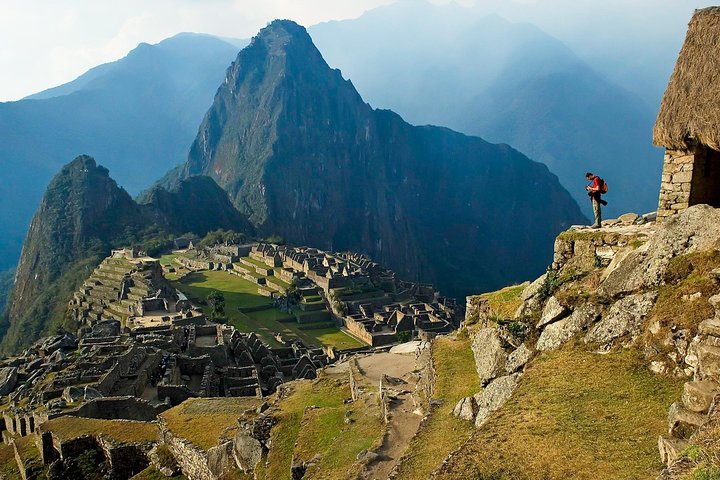
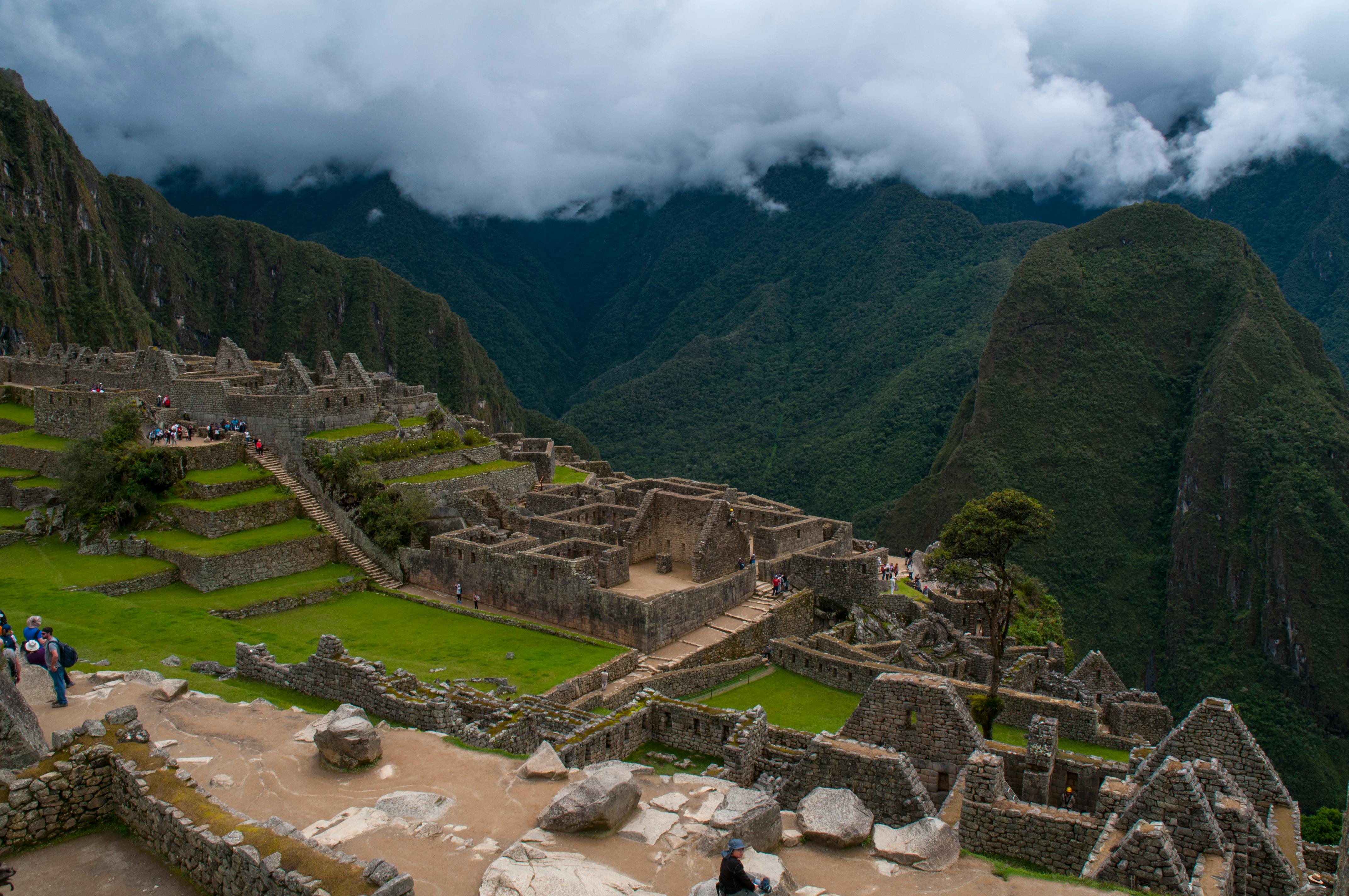
This is the trip's centerpiece: the 15th-century royal estate of Machu Picchu, draped over a ridge between sugarloaf peaks above the Urubamba gorge. A guide brings the temples, terraces, and astronomy to life.
Machu Picchu Full-Day Guided Tour from Cusco
Machu Picchu
A fully arranged Machu Picchu experience with train, bus, entrance, and an expert guide who walks you through the Temple of the Sun, the Intihuatana stone, and the agricultural terraces along a set circuit. Ideal if you want the day handled rather than juggling tickets and timings yourself.
With a pre-booked timed ticket you can explore your assigned circuit at your own pace; the classic upper terrace delivers the postcard view, and a Sun Gate or Inca Bridge add-on stretches the legs. Hire a guide at the gate if you did not book one. Follow the one-way routes and allow 2-3 hours inside.
Back down in Aguas Calientes, refuel before the train. Keep it relaxed; you have a long, scenic ride ahead.
The Tree House Restaurant Google
4.6 · 497 reviews · Aguas Calientes
A warm, woody upstairs dining room doing careful Andean-fusion plates and good trout, a cut above the town's tourist-strip norm. A pleasant last valley meal; mains around S/45-70.
Take an afternoon train back up the valley to Ollantaytambo, then transfer by road to Cusco, arriving in the evening. Watch the gorge scenery slide by from the panoramic windows.
Train to Ollantaytambo & transfer to Cusco
Sacred Valley
The return rail journey runs about 1.5-2 hours to Ollantaytambo, where a shared van or private car covers the final roughly 2 hours to Cusco. Total door-to-door is around 4 hours, so settle in. If you booked a package, this transfer is included.
Dinner
Back in Cusco, reward the early start with a memorable plaza-side dinner.
Cicciolina Google
4.6 · 2,484 reviews · Centro Historico
A perennial Cusco favorite on a second-floor balcony, mixing Andean ingredients with Mediterranean technique; the tapas bar is great for a relaxed late arrival. Lively and consistently excellent; mains around S/55-85.
Perched in San Blas with arguably the best view in Cusco over the lit-up city, ideal for a celebratory cocktail and plates. Book a window table at sunset; mains around S/45-70.
Overnight in Aguas Calientes (officially Machu Picchu Pueblo), the small town directly below the ruins and the launch point for the first buses up. Staying here rather than rushing a same-day round trip from Cusco gives you the magical early-morning citadel before the day-trippers arrive.
Casa del Sol Machupicchu Boutique Hotel
boutique Google
4.4 · 533 reviews
A comfortable riverside boutique hotel in the center of Aguas Calientes with a small spa and warm service, an easy walk to the bus stop for the citadel. The best-balanced mid-range pick in town.
A friendly, eco-minded hostel with private rooms and dorms, popular with independent trekkers and great value in a pricey town. Good for keeping costs down before the early citadel start.
Whitewashed casitas spread across a cloud-forest garden with resident orchids and Andean spectacled bears, plus its own birdwatching trails. The iconic splurge in Aguas Calientes if you want nature and indulgence at the foot of the mountain.
Back in Cusco, the second half of the trip is built for adventure and slow living: two high-altitude day hikes for the legs and lungs, balanced by a relaxed day among San Blas studios, chocolate workshops, and pisco bars. This is where you bank the kind of memories, painted peaks and salt-bright lakes, that make Peru linger long after you leave.
Getting there by carReturn from Aguas Calientes is by train to Ollantaytambo and road to Cusco (arriving the evening of day 6); from there you remain Cusco-based for the high-altitude hikes, each reached by a 2-3 hour pre-dawn drive included in the tours.
An early alarm and a long drive deliver one of Peru's most surreal sights: the mineral-striped ridge of Vinicunca at around 5,000 meters. With two acclimatization days banked, you are far better placed for the thin air than most arrivals.
Rainbow Mountain Beat-the-Crowd Small Group
Vinicunca
A small-group trip that deliberately times its climb to dodge the dawn crush, with a roughly 1.5 hour hike to the viewpoint and an optional detour into the Red Valley. Horses are available for part of the ascent if the altitude bites. Dress in real layers; it can be near freezing and windy at the top even in sunshine.
Rainbow Mountain Full Day with Optional Red Valley
Vinicunca
A well-priced classic group option to Vinicunca with the chance to add the crimson-hued Red Valley next door, a quieter and equally photogenic landscape. A budget-friendly way to reach the painted mountains; expect an early start and a high-altitude walk.
After a long day at altitude, keep dinner hearty but unfussy near your hotel.
Organika Google
4.8 · 4,707 reviews · San Blas
A farm-to-table spot sourcing from its own Sacred Valley garden, with nourishing soups, trout, and Andean grains that hit the spot after a hike. Wholesome and reasonably priced at around S/40-60.
A cozy, well-priced local kitchen doing comforting Peruvian classics and lomo saltado without the plaza markup. A relaxed, fill-the-tank choice at around S/30-50.
A deliberately slow morning to let your legs recover. Start with the best coffee in town and a leisurely breakfast.
Qura Coffee
Centro Historico
Cusco's specialty-coffee standout, brewing single-origin beans from the region's high-jungle farms with real care. Order a pour-over and ease into the day.
Three Monkeys Coffee
Centro Historico
A relaxed cafe with a sunlit courtyard, good breakfasts, and consistently excellent espresso. A pleasant place to linger over a second cup.
Morning
Wander San Blas at a human pace, ducking into artisan studios and a hands-on chocolate workshop using Peruvian cacao.
San Blas artisan studios & viewpoint Google
4.7 · 397 reviews · San Blas
The steep lanes above the plaza are dotted with weavers, ceramicists, and painters' workshops, plus the San Blas mirador for a sweeping rooftop view. Buy directly from makers and you support the craft tradition; an easy, atmospheric morning on foot.
A central chocolate workshop where you roast, grind, and mold your own bars from Peruvian cacao, a fun, hands-on hour that fits the foodie brief. Walk-in tastings are free; the bean-to-bar workshop runs around S/70-90 and is great if you like making things.
Lunch
A long, social lunch is very much the local way. Pick a market table or a sunny plaza terrace.
Mercado San Pedro comedor Google
4.3 · 44,846 reviews · Centro Historico
Return to the market for a proper menu del dia at a comedor stall: soup, a main, and a fresh juice for a handful of soles. The most authentic, wallet-friendly lunch in Cusco and pure local life.
If you want a longer sit-down, this San Blas courtyard does a relaxed midday meal of Andean specialties under the sun. Try the stuffed rocoto or quinoa soup; mains around S/40-65.
Lean into Peru's national spirit with a pisco tasting, the perfect low-key, indulgent counterpoint to yesterday's altitude.
Museo del Pisco
Centro Historico
Part bar, part tasting room, this lively spot runs guided pisco flights explaining the grape varieties and regions, plus expertly mixed pisco sours and chilcanos. A genuinely fun, educational way to spend an afternoon; tastings from around S/40. Live music many evenings.
Cusco textile & market browsing Google
4.6 · 427 reviews · Centro Historico
Closed Sundays
Prefer shopping to sipping? The Centro de Textiles Tradicionales del Cusco showcases authentic Andean weaving with fair prices for the artisans, and nearby San Blas shops sell quality alpaca. A good way to pick up meaningful souvenirs.
Tonight, treat yourself to one of Cusco's best tables, since tomorrow brings another early hike or a relaxed final-day choice.
Chicha por Gaston Acurio Google
4.4 · 3,344 reviews · Centro Historico
Acurio's love letter to Cusco cooking, from alpaca tenderloin to river trout and Andean corn, in a handsome plaza-view room. A polished, regionally rooted dinner; mains around S/55-85.
Consistently one of Cusco's most loved restaurants, with an excellent tapas bar and inventive Andean-Mediterranean mains. Arrive early for the bar if you have not reserved a table; mains around S/55-85.
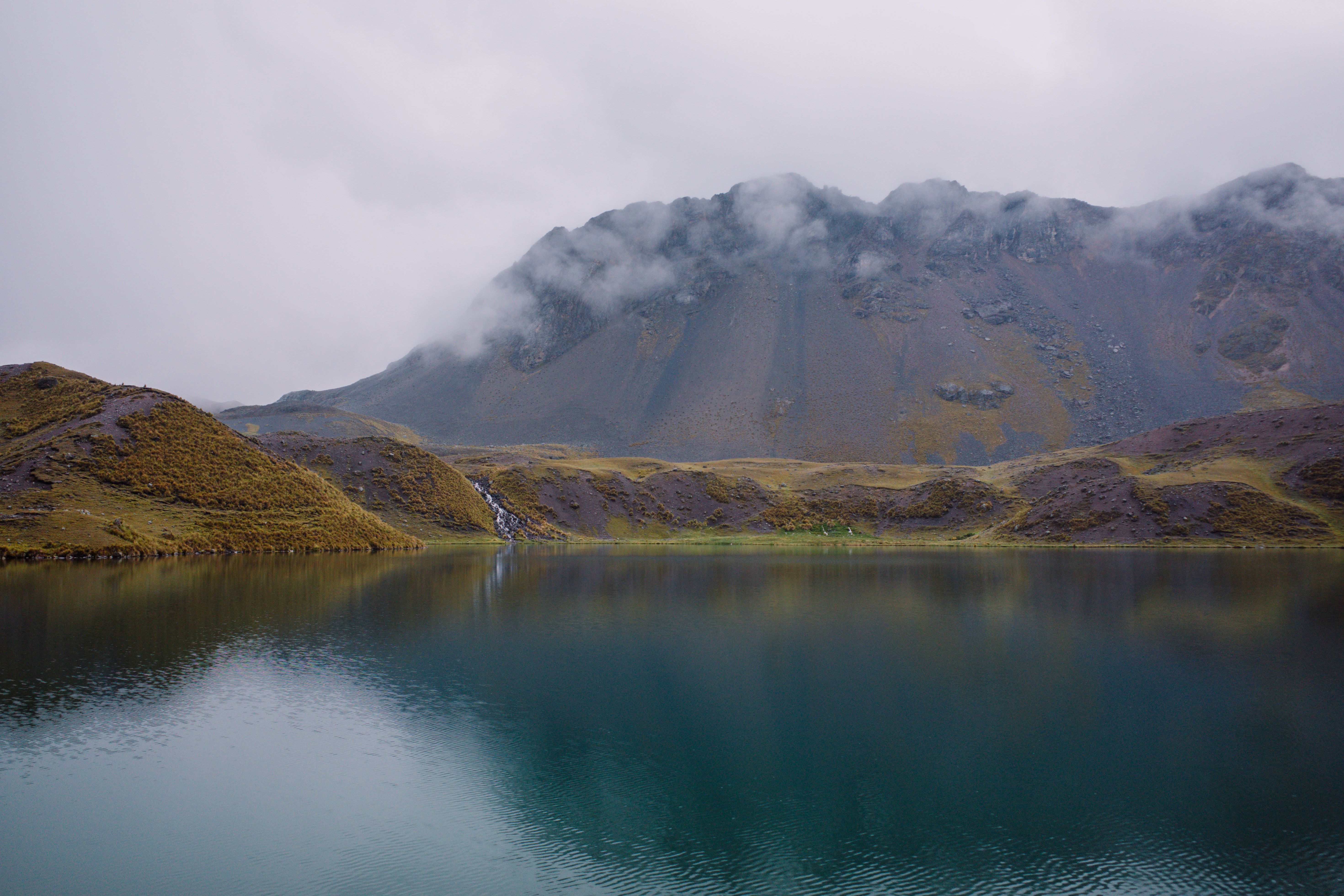
Majestic mountains and serene lake in Pajchanta, Peru, showcasing tranquil natural beauty. · Photo by K on Pexels
All day
One last adventure: the climb to Humantay Lake, a glacier-fed turquoise lagoon ringed by snow peaks at around 4,200 meters. The roughly hour-long uphill hike is steep but short, and the color of the water is unreal in the dry-season light.
Humantay Lake Full-Day Tour from Cusco
Soraypampa
An early departure drives you to the Salkantay trailhead for a 1-1.5 hour ascent to the lake beneath Humantay's glaciers, with breakfast and lunch usually included. Horses can ease the climb, and the payoff at the top is among the best in the region. Pack layers, sun protection, and water.
If two hikes is plenty, swap this for a gentle final day: linger over coffee, revisit San Blas, browse markets, and pack at leisure. A relaxed alternative that respects tired legs and the altitude before tomorrow's flight.
Dinner
Your last Andean night calls for a proper send-off. Toast the trip with a pisco sour and a memorable meal.
Limbus Resto Bar Google
4.4 · 6,803 reviews · San Blas
The San Blas perch with the city lights at your feet, ideal for a celebratory final dinner and cocktails. Reserve a window table at dusk; mains around S/45-70.
A serene glass-box restaurant in the courtyard of the Pre-Columbian Art Museum, serving refined Peruvian tasting plates in a calm setting. A special-occasion choice for the last night; mains around S/70-110.

High angle of shabby tile roofs of old buildings and Plaza De Armas with national flags and church in Cusco Peru · Photo by Julia Volk on Pexels
Breakfast
Squeeze in one final Cusco coffee and a slow breakfast near the plaza before heading to the airport. Most travelers fly Cusco to Lima in the morning to connect with afternoon or evening international departures.
L'Atelier Cafe Concept
San Blas
A relaxed San Blas cafe for a last good espresso, fresh juice, and eggs with a view of the waking city. A gentle place to say goodbye to the Andes.
Cafe Dwasa
Centro Historico
Generous, well-priced breakfasts close to the center, handy if you want to eat well before the transfer. Quick, friendly, and reliable.
Morning
Allow buffer time for the airport, especially in peak season when lines build. A final plaza stroll is the perfect coda before you go.
Plaza de Armas farewell walk Google
4.7 · 1,197 reviews · Centro Historico
Take a last loop around the arcaded square and the Qoricancha walls, picking up any final alpaca or chocolate souvenirs from the surrounding shops. Then transfer to Cusco's airport (about 15 minutes from the center) for your flight to Lima.
The morning CUZ-LIM hop takes about 1 hour 20 minutes; aim to land with a comfortable cushion before any international connection at Jorge Chavez. Book a mid-morning departure so you are not rushing breakfast.
Good to know · Domestic Cusco-Lima flights can see weather and schedule shifts, so leave a generous layover (ideally 3+ hours) before any international flight home, and never plan to fly out of Cusco and connect the same evening on a tight margin. (plan when booking flights)
Where to Stay
Stay put in your Cusco base from earlier in the trip; the center remains the most convenient launchpad for the very early hiking departures and the easiest place to wind down between them. No need to change hotels.
In ten days you will have eaten your way through Lima's cliff-top cevicherias, slept beside the Urubamba below Machu Picchu, and stood on painted ridges at 5,000 meters with the Andes rolling out around you. It is an adventurous, food-driven loop that balances marquee sights with cooking classes, coffee bars, and slow local mornings. Book the big-ticket pieces early, respect the altitude, and Peru will give you a trip you talk about for years.
Frequently asked questions
How many days do you need in Peru to see Lima and Machu Picchu?
Ten days is a comfortable amount of time to combine Lima, Cusco, the Sacred Valley, and Machu Picchu without rushing, while still leaving room for a couple of high-altitude day hikes. A tighter trip of 6-7 days can cover the essentials, but you sacrifice acclimatization buffer and the slower local experiences that make the trip memorable.
What is the best area to stay in Cusco for first-time visitors?
Most first-timers base around the Plaza de Armas for walkable access to restaurants, sights, and tour departures, or in the artsy San Blas quarter just uphill for craft studios and city views. Both are central and safe, though Cusco's altitude makes the steeper San Blas lanes feel more strenuous than they look.
Do you need to acclimatize before visiting Machu Picchu and Cusco?
Yes. Cusco sits at about 3,400m and altitude sickness is common, so it is wise to spend your first day or two taking it easy, hydrating, and avoiding alcohol before any strenuous hiking. Starting your trip in Lima at sea level and saving the high day hikes for later in the itinerary, as this plan does, gives your body time to adjust.
Is late June and early July a good time to visit Peru?
It is one of the best windows for the Andes, falling in the dry season with sunny days, clear Machu Picchu mornings, and reliable trekking conditions. It is also peak season, so expect cold nights near freezing in Cusco, larger crowds, and the need to book Machu Picchu tickets, trains, and top restaurants well in advance.
How do you get from Lima to Cusco and on to Machu Picchu?
Fly from Lima to Cusco in about 1 hour 20 minutes rather than enduring the long bus ride. From Cusco, you reach Machu Picchu by road through the Sacred Valley to Ollantaytambo, then a 1.5-2 hour train to Aguas Calientes, followed by a short shuttle bus up to the citadel; there is no road directly to Machu Picchu.
Is Peru expensive to travel in?
Peru is relatively affordable by international standards, with excellent street food and set lunches for a few dollars and comfortable mid-range hotels widely available. The notable exceptions are Machu Picchu entry, trains, and guided treks, which are pricey and account for a large share of most budgets, so plan those costs in advance.