Patagonia in 9 Days: The End of the World, Fitz Roy & Perito Moreno
From the king-crab tables of Ushuaia to the granite spires of El Chalten and the thundering blue wall of the Perito Moreno Glacier, this is the classic Argentine Patagonia loop done right.
9 days in Ushuaia + 2 more
Patagonia is less a place than a feeling: wind, distance, and light that seems to come from everywhere at once. Argentina's slice of it runs from Ushuaia, the world's southernmost city wedged between the Beagle Channel and the snowbound Martial range, north to the Southern Patagonian Ice Field, where glaciers the size of cities calve into milky lakes. This 9-day loop strings together the three towns that anchor a first trip: Ushuaia for the end of the world, El Chalten for Argentina's best day-hiking, and El Calafate for the unmissable Perito Moreno Glacier.
Each town has its own character. Ushuaia is a working port that smells of sea and woodsmoke, famous for king crab and as the launch point for Antarctic voyages. El Chalten, founded only in 1985, exists almost entirely for trekkers and sits at the foot of Cerro Fitz Roy, whose jagged silhouette inspired the Patagonia clothing logo. El Calafate is the gateway to Los Glaciares National Park and the staging post for the glacier that draws everyone south.
Practical notes: distances are huge, so this itinerary uses one short domestic flight (Ushuaia to El Calafate) and one bus leg. Pack layers and a real windbreaker; even summer days (December to March, the best window) swing from sun to sleet within an hour. Trails and tours are well organized, the Argentine peso favors visitors using cards or US dollars, and English is widely spoken in tour offices. Book glacier cruises, marquee flights, and the better restaurants ahead, especially in high season.

Arrival at the End of the World
Ushuaia · Deensel / CC BY 2.0Drop your bags and shake off the flight with an easy orientation walk along the port. The waterfront and the parallel Avenida San Martin pack in viewpoints, the famous painted Fin del Mundo signs, and tour offices where you can confirm the next two days.
A short, steepish 20-30 minute climb from downtown to a wooden platform with the postcard view: red rooftops, the port, and the Beagle Channel framed by mountains. Go in late-afternoon light for the best photos. Free.
The old end-of-the-world prison, now a sprawling museum of maritime history, Antarctic exploration, and the convicts who built early Ushuaia. Allow 1.5-2 hours; admission is around $15. A good rainy-arrival backup.
There is only one way to start in Ushuaia: centolla, the giant southern king crab. Several institutions do it well, from white-tablecloth to no-frills.
Ushuaia's most celebrated kitchen, turning Fuegian ingredients (crab, black hake, lamb, native berries) into refined, modern plates. Intimate and popular, so reserve ahead. Expect a special-occasion bill.
A characterful old house plastered in vintage newspaper, serving generous king-crab dishes and grilled fish with channel views. Atmospheric and reliably good; mid-to-high range.
A no-frills local favorite for fresh, fairly priced seafood and crab without the tourist markup. Casual, busy, and honest. Cash preferred.

Tierra del Fuego National Park & the End of the World Train
Tierra del Fuego National Park · CC BY-SA 2.0Fuel up before heading west to the park. Ushuaia has a small but serious cafe scene for flat whites and medialunas.
A beloved old general-store-turned-cafe with a French bakery, strong coffee, and shelves of Patagonian curiosities. Great croissants and a warm, woody room on the waterfront end of San Martin.
A local chain doing dependable espresso, sandwiches, and pastries with several central locations. Quick and easy before an early pickup.
Spend the day in Tierra del Fuego National Park, the only Argentine national park where the Andes meet the ocean. Pair it with a ride on the End of the World Train, the narrow-gauge line that once carried prisoners to fell timber, now chugging through the Pico Valley with commentary.
A small-group guided tour combining the train ride with the park's highlights: Ensenada Bay, Lago Roca, Lapataia Bay, and the end of Ruta 3 where the Pan-American Highway finishes. Includes short scenic walks and strategic photo stops, led by local naturalists. Park entry and train extra on some options.
A fuller version that bundles the train ticket and guided park circuit into one price, with scenic forest, sea, and mountain walks and the prison-train history retold along Ruta 3. Good if you'd rather not juggle separate tickets.
Back in town, swap seafood for Patagonian lamb, slow-grilled the local way.
A bright dining room overlooking the channel, known for lamb, fresh pastas, and king-crab gratin. Reliable cooking and a great window seat at sunset. Mid-range; reserve in season.
A long-running waterfront classic for traditional Fuegian seafood and crab in a homey, old-school setting. Less trendy, very dependable.

Sailing the Beagle Channel
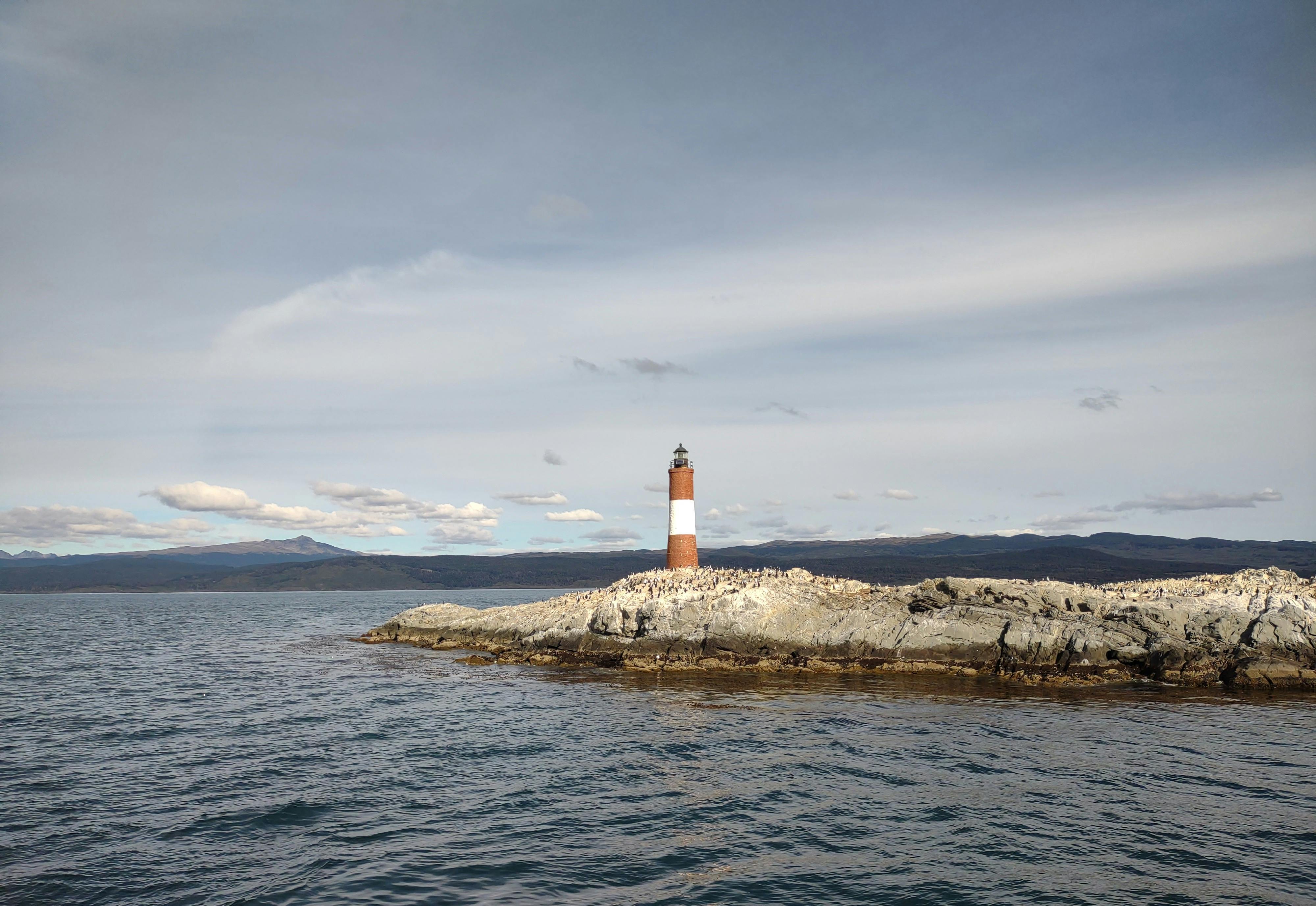
Les Eclaireurs Lighthouse · Liam Quinn from Canada / CC BY-SA 2.0An easy morning before an afternoon on the water. Grab pastries and a proper coffee in the center.
Corner cafe on San Martin with good espresso, fresh medialunas, and quick service. Perfect for a relaxed start.
Return for the bakery if you loved it on day two; the hot chocolate and pain au chocolat are a treat on a cold morning.
Use the morning for the things you can't do from a tour bus: the small downtown museums, souvenir shopping for Fuegian wool and chocolate, or a short stroll to photograph the colorful port.
A compact museum on indigenous Yamana culture, early settlers, and regional natural history. An hour well spent and an easy walk from any downtown hotel. Around $10.
If the weather is kind, walk the eastern waterfront and the small lagoons for mountain-and-channel views, or browse the chocolate shops (Laguna Negra is a local fixture) for the boat ride.
Eat light and early before boarding; the channel can be choppy.
A casual modern spot for sandwiches, bowls, and craft beer, good for a quick, unfussy lunch before the afternoon sail.
Set in one of the oldest houses in town, serving regional lamb, empanadas, and shareable picadas. A cozy, atmospheric midday option.
Cruise the Beagle Channel, the marine heart of the region. Boats pass islands crowded with sea lions and cormorants, the photogenic Les Eclaireurs Lighthouse, and on many trips a small island for a guided mini-trek.
A small-group sail (max around 25) to the sea-lion and bird colonies and the lighthouse, with a landing for a guided walk on an island, English- and Spanish-speaking guides aboard. About 4 hours and the best blend of wildlife and stretching your legs.
Your last Ushuaia night calls for one final crab feast or a glass of Patagonian wine.
An upmarket tasting-menu restaurant on the hillside with channel views, prized for impeccable king crab and seafood. Reserve ahead; a memorable send-off.
If you skipped it on night one, this is the standout creative kitchen in town. Book early.

Into the Mountains: Travel Day & First Trails
Fitz Roy · Lionel Terray / CC0An early coffee in Ushuaia before your flight north. Keep it quick; you have a travel day ahead.
Open early for coffee and pastries to go before the airport transfer. Convenient and central.
After the flight to El Calafate and the bus north, you'll roll into El Chalten by late afternoon as Fitz Roy looms over the rooftops. Stretch your legs on one of the short, signposted trails that start in town, no guide needed.
An easy 1-2 hour loop from the national park ranger station at the edge of town, climbing to two viewpoints over the Rio de las Vueltas valley, the steppe, and (wind permitting) condors riding the thermals. Free and a perfect first-evening leg-stretcher.
A flat, pretty walk or short drive to a 20-meter waterfall framed by lenga forest, about 4 km north of town. Gentle and scenic if you arrive with energy to spare.
Carb-load for tomorrow's big hike. El Chalten punches well above its size for food and craft beer.
A cozy, candlelit spot famous for hearty Patagonian stews, lamb, and local craft beer. Small and popular; arrive early or reserve.
The town's classic brewpub, pouring its own bock and pale ale alongside locro and huge bowls of pasta. Casual, warm, and perfect after a travel day.
Laguna de los Tres & the Fitz Roy Massif
Fitz Roy · Lionel Terray / CC0Start early; the full Fitz Roy hike is a long day and the summit is clearest in the morning. Grab coffee and load up on bakery carbs.
A warm bakery-cafe on the main street with strong coffee, fresh medialunas, and sandwiches you can pack for the trail. Opens early for hikers.
Quick espresso and baked goods to fuel up; pick up extra empanadas or sandwiches from a panaderia for the summit lunch.
The headline hike: Laguna de los Tres, the up-close view of Fitz Roy. It's roughly 20-22 km round trip (7-9 hours) from town, ending with a punishing final kilometer that climbs steeply to a glacial lagoon directly beneath the spires. No guide or permit needed, but go prepared for sudden weather.
Self-guided from the northern trailhead at the end of town: forest, the Capri and Poincenot viewpoints, then the brutal but unforgettable final ascent to the lagoon under Fitz Roy. Bring layers, water, and lunch; there are no services on the trail. Turn around early if the weather closes in.
Prefer company and logistics handled? This guided full-day option from the El Calafate corridor combines orientation, hiking, and exploration with a permanent guide, ideal for photographers and first-timers who want context on the geology and history.
You earned a big plate and a cold beer. Keep it close to your bed; legs will be tired.
Excellent fresh, stuffed pastas (the name says it all) in a snug dining room. A satisfying reward after a long trail day. Reserve in high season.
A small wine bar with an outstanding Argentine list, cheese and charcuterie boards, and a relaxed vibe. Perfect for a quieter, lower-effort evening.

Laguna Torre, Rafting & a Slower Pace
Cerro Torre · Davide Brighenti / CC BY 2.5A gentler morning after yesterday's effort. Linger over coffee before choosing between another classic trail or something on the water.
A toasty cafe known for hot chocolate, cakes, and the story of local climbing legends on its walls. A comforting morning stop.
Return for reliable espresso and fresh pastries before heading out.
Choose your final mountain morning: the milder Laguna Torre hike for views of the impossibly sharp Cerro Torre, or trade trails for the river.
An easier 18 km round trip (about 6 hours) on gentler grades to a glacial lagoon facing Cerro Torre, often with small icebergs floating in it. The flattest of the big-name hikes and gorgeous on a clear morning. Self-guided and free.
Swap boots for a paddle on the Rio de las Vueltas, which runs from calm, scenic stretches into livelier rapids beneath the peaks. A fun, adrenaline-flecked half-day and a different angle on the valley.
Refuel back in town with something quick and good.
A colorful, casual local spot for big portions of milanesa, empanadas, and home cooking at fair prices. Good value after a morning out.
Central and reliable for burgers, sandwiches, and pasta, with quick service. Easy if you're short on time.
Take it easy on your last El Chalten afternoon: browse outdoor shops, walk the riverside, or visit the small visitor center for the region's climbing and natural history.
Wander the gravel streets, photograph Fitz Roy from the bridge over the Rio Fitz Roy, and pick up Patagonian souvenirs. A relaxed afternoon to let your legs recover.
A final El Chalten supper, with one more pour of Patagonian beer or Malbec.
If you missed it earlier, come for the slow-cooked lamb and warming stews. Snug and beloved; book ahead.
Toast the mountains with a house bock and a bowl of locro at the town's classic brewpub.

Back to El Calafate: Lakeshore & Glacier Museum
El Calafate · Deensel / CC BY 2.0A relaxed coffee in El Chalten before the morning bus south.
One last hot chocolate or coffee and a slice of cake before you leave the mountains.
Arrive in El Calafate around midday and settle in. Use the afternoon for the town's excellent glacier museum or the lakeshore bird reserve, both easy on tired legs.
A genuinely good modern museum about the Patagonian ice fields and climate, with the novelty Glacio Bar carved entirely from ice. About 6 km from town with a free shuttle from the center; allow 2 hours. Admission roughly $20.
A flat lakeshore wetland walk on the edge of town, good for flamingos, ibis, and upland geese, with Lago Argentino as a backdrop. A peaceful 1-2 hour loop for a small entry fee.
El Calafate is steak country. Tonight, lean into Patagonian lamb roasted on the cross or a proper parrilla.
The town's most famous parrilla, near the bridge into the center, beloved for spit-roasted lamb and generous grilled platters. Busy and atmospheric; reserve ahead.
A hillside grill with lake views and excellent lamb and beef. A slightly calmer, view-blessed alternative to the central spots.
An intimate restaurant in an old pioneer house serving refined regional cooking and homemade pasta. A good choice for a quieter, special meal.

Perito Moreno Glacier
Perito Moreno Glacier · Fernando / CC BY-SA 4.0Eat early; the glacier is about 80 km from town and morning light on the ice is superb. Grab a coffee on the main avenue before pickup.
A book-lined cafe-bar on the main avenue, good for an early espresso and a pastry before heading out. Relaxed and local.
A popular bakery-cafe for medialunas, sandwiches, and coffee to go. Handy for a quick fuel-up before the glacier transfer.
The grand finale: the Perito Moreno Glacier in Los Glaciares National Park. Spend hours on the multi-level steel balconies watching and listening for calving, then optionally get out on the lake for a closer look at the ice wall. The park entry fee for foreign visitors is paid on arrival (around $30-45; bring local currency or card).
Top-rated full-day trip pairing the balcony walkways with a boat that sails close to the towering south face of the glacier. The lake-level perspective on the calving wall is the highlight; expert or self-guided options on the walkways.
A well-priced full-day classic from El Calafate: round-trip transfer, hours on the boardwalks, and an optional boat safari add-on. A straightforward way to see the glacier if you don't want extras.
For a bigger day on the water, this premium cruise across Lago Argentino visits the Upsala and Spegazzini glaciers plus hanging glaciers, with the option to disembark at the Perito Moreno balconies. The most complete glacier-viewing experience, with onboard dining.
Your last Patagonian night. Toast the trip with Argentine wine and a final great meal in town.
A homey, much-loved restaurant serving comforting Argentine home cooking (chicken pot pie, hearty stews) in a warm room with lake views. Vegetarian-friendly and excellent value; reserve, as it's small and popular.
A contemporary bistro doing creative takes on regional ingredients and a smart wine list. A polished, lower-key finale.
Specialists in disco-cooked dishes (Argentina's plow-disc skillet) loaded with meat and vegetables, in a cozy setting. Fun and filling for a last supper.
Last Morning & Departure
El Calafate · Deensel / CC BY 2.0A leisurely final breakfast and one more good coffee before you pack up. El Calafate's airport is about 20 minutes from town, so there's time for a slow morning.
Return to the book-bar for a relaxed last coffee and medialunas on the main avenue.
A dependable bakery for a final round of pastries and good coffee before heading to the airport.
Use your last couple of hours for souvenirs and a final lake view before the transfer. Calafate berry jam, Patagonian wool, and local chocolate make good gifts.
Stroll the main street for woolen goods, leather, calafate-berry preserves, and chocolate. Tradition says anyone who eats the calafate berry returns to Patagonia, so buy the jam.
A short walk to the Lago Argentino shore for a final look at the turquoise water and distant peaks before the airport run. Calm and free.
Grab a quick early lunch near the center before your transfer to Comandante Armando Tola International Airport for the flight home or onward to Buenos Aires.
A cheerful cafe known for crepes, sandwiches, and fresh juices, light and quick before a flight. Family-friendly and central.
A craft-beer taproom with good burgers and snacks for a casual final bite if your flight is later in the day.
Pick your base
Base yourself in or just above the downtown grid (San Martin and Maipu streets) for walkable restaurants, tour offices, and the waterfront. For views and quiet, the hillside hotels above town (toward Arakur and Las Hayas) trade walkability for sweeping channel panoramas; you'll want taxis at night.
A reliable, well-located waterfront hotel right on Maipu, steps from the port and the main restaurant strip. Many rooms face the Beagle Channel, and the central location means you can walk to every tour office.
A handsome wood-and-stone resort on the Bahia Cauquen shoreline a few minutes west of town, with a spa, channel-facing rooms, and a strong restaurant. A calm retreat after long trail days.
A friendly, well-run hostel one block from the main street with private rooms and dorms, a sociable kitchen, and staff who help arrange tours. The best-value bed in the center.
Ushuaia's iconic splurge, perched on Cerro Alarken with floor-to-ceiling channel views, indoor-outdoor heated pools, and a private nature reserve. Worth it for one memorable night if the budget allows.
A comfortable wood-and-stone hotel with a small spa, sauna, and mountain views, an easy walk from the main street. A warm landing after windy trail days.
A friendly, modern hotel on the main avenue named for the climber, with bright rooms and Fitz Roy views from the upper floors. Central and dependable.
The long-running backpacker hub on the main street with private rooms and dorms, a busy cafe, and the bus stop right outside. Sociable and central.
Self-catering cabins are ideal for families or groups, with kitchens for packing trail lunches and space to dry gear. Several sit within a few blocks of the trailheads.
A modern hotel on a rise just outside the center with huge windows over Lago Argentino, a small pool, and a good breakfast. Free shuttles into town make the location easy.
A welcoming Patagonian-style hotel a couple of blocks from the main avenue, with warm rooms, a sauna, and a solid restaurant. Excellent central value.
A hilltop hostel with knockout lake views, private rooms and dorms, and a sociable common area with a fireplace. Great value and a free downtown shuttle.
A polished lakeside hotel near the bird-rich Laguna Nimez reserve, with spacious suites, an indoor pool, and panoramic lounge. A comfortable upper-tier base for the glacier finale.
Good to know
How many days do you need for Patagonia?
For a first trip covering the highlights of Argentine Patagonia, plan on 8 to 10 days. That allows roughly three days each in Ushuaia, El Chalten, and El Calafate, plus the travel time between them, without rushing the marquee hikes and glacier visits. Adding Chilean Torres del Paine comfortably pushes a trip to two weeks.
What is the best time to visit Patagonia?
The prime season is the southern summer, roughly December through March, when days are long, trails are snow-free, and most boat tours run. November and April are quieter shoulder months with fewer crowds but cooler, less stable weather. Winter (June to August) sees many trekking services in El Chalten close, though Ushuaia stays active for skiing and winter tours.
How do you get between Ushuaia, El Chalten, and El Calafate?
Ushuaia and El Calafate are linked by short domestic flights (about 1 hour 20 minutes); there is no practical road shortcut between them. El Chalten has no airport, so you reach it by bus or shuttle from El Calafate, about a 3-hour drive each way. Booking the Ushuaia-El Calafate flight in advance is wise in high season.
Do you need a guide to hike Fitz Roy in El Chalten?
No. El Chalten's main trails, including Laguna de los Tres (the Fitz Roy viewpoint) and Laguna Torre, are well-marked, free, and start right in town, so most travelers hike them independently. Guides are optional and useful mainly for glacier treks, ice climbing, or those wanting extra context and logistics. Always carry layers, water, and food, as weather changes fast and there are no services on the trails.
Is the Perito Moreno Glacier worth it, and how do you visit?
Yes, it is one of the few advancing glaciers you can see calving up close, and it consistently lives up to its reputation. From El Calafate it's about an 80 km drive into Los Glaciares National Park, where a network of steel boardwalks lets you watch the ice wall for hours; many visitors add a boat trip for a lake-level view. Foreign visitors pay a park entry fee on arrival, separate from any tour cost.
Is Patagonia expensive to travel in?
Patagonia is one of the pricier parts of South America because of its remoteness: domestic flights, tours, and hotels in the gateway towns cost more than in northern Argentina. You can manage costs by staying in hostels or cabins, self-catering trail lunches, and doing the free self-guided hikes around El Chalten. National park entry fees and glacier cruises are the main fixed expenses to budget for.
In nine days you'll have stood at the literal end of the world in Ushuaia, hiked beneath the smoking granite of Fitz Roy, and watched skyscraper-sized ice crash into Lago Argentino at Perito Moreno: the three faces of Argentine Patagonia in one tight, well-paced loop. It's a trip of long horizons and sudden weather, hearty lamb and king crab, and scenery that resets your sense of scale. Eat the calafate berry on your last morning so you're guaranteed to come back, because one visit is never quite enough.