New Zealand in 10 Days: Auckland, Rotorua & Queenstown
From Auckland's harbour to Rotorua's geysers and Queenstown's fiords, this 10-day route threads together the very best of both islands at a comfortable pace.
10 days in Auckland + 2 more
New Zealand packs an astonishing range of landscapes into a country roughly the size of the United Kingdom: subtropical harbours in the north, steaming geothermal valleys in the volcanic heart of the North Island, and glacier-carved fiords and alpine lakes down south. The Maori, who navigated here from Polynesia some 700 years ago, named the land Aotearoa, 'the land of the long white cloud,' and their living culture still shapes everything from place names to the warm welcome you'll receive.
This route balances the country's two famous islands without rushing. You'll start in cosmopolitan Auckland, drive south through Hobbit country to Rotorua's bubbling mud and Maori villages, then fly to Queenstown, the adrenaline-and-scenery capital of the South Island, using it as a base for Milford Sound, Glenorchy, and Central Otago's wine country.
Practical notes: New Zealand drives on the left, distances take longer than the map suggests, and domestic flights (Air New Zealand and Jetstar) are the smart way to cross between islands. June falls in the Southern Hemisphere winter, so expect crisp, short days, snow on the Southern Alps, and excellent value; pack warm layers and a rain shell, especially for Fiordland. The local coffee culture is world-class, the tap water is safe, and tipping is not expected.

Arrival in Auckland & the Waterfront
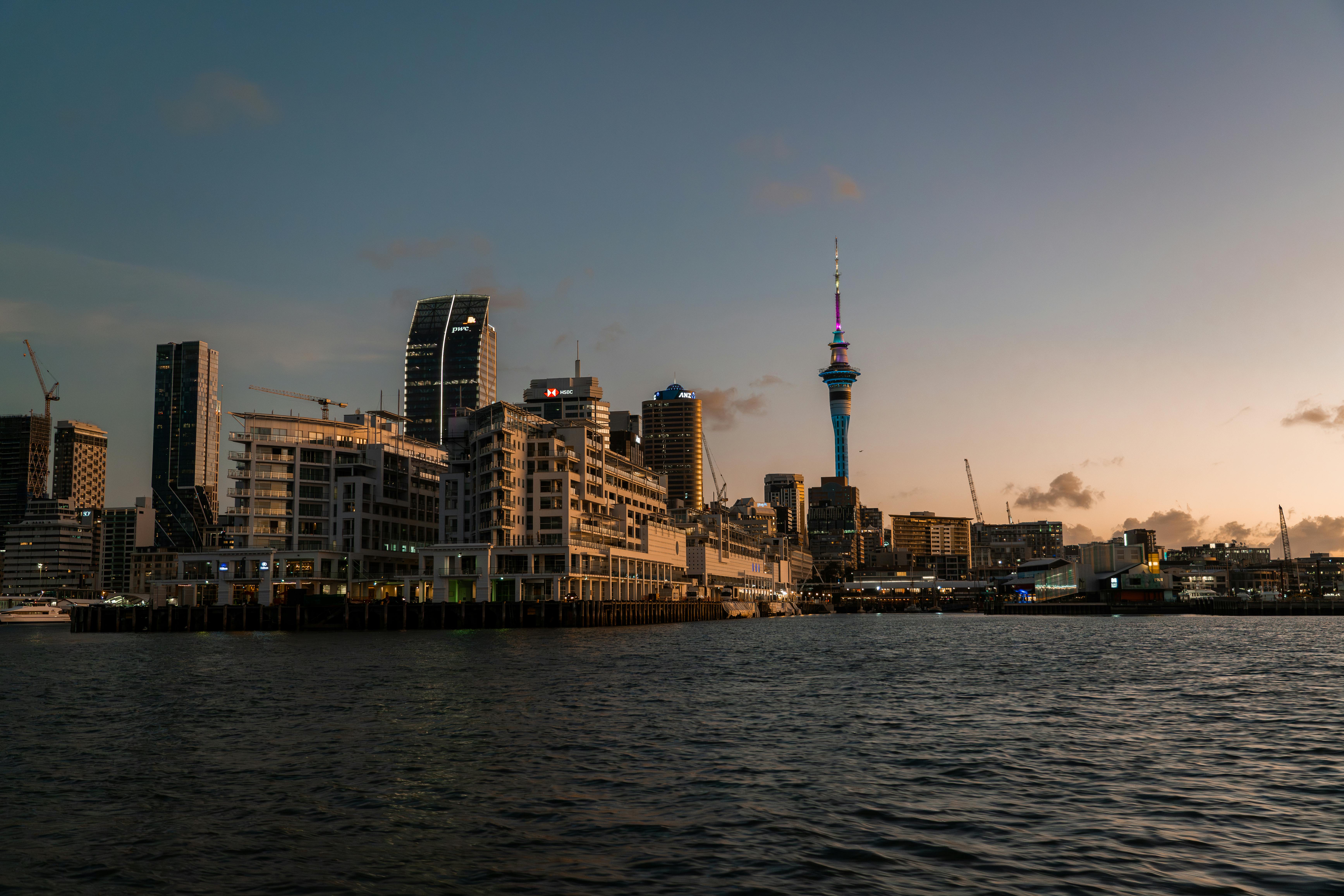
Sky Tower (Auckland) · QFSE Media / CC BY-SA 3.0 nzEase into New Zealand time with a gentle waterfront afternoon. Drop your bags, then orient yourself with skyline views and a stroll along the harbour.
At 328 metres, this is the tallest structure in the Southern Hemisphere, and the observation decks give a 360-degree view to the volcanic cones and the Hauraki Gulf islands you'll explore tomorrow. General admission is around NZ$42; the glass-floor panels are a fun jolt for the jet-lagged. Open late, so it doubles as an evening option if clouds roll in.
A flat, easy loop past the superyachts and America's Cup bases, crossing the Wynyard pedestrian bridge to a strip of waterside bars and the maritime feel of the quarter. Free, scenic, and the perfect way to reset your body clock with fresh sea air.
Settle in with a drink overlooking the water as the city lights come on.
A lively rooftop brewpub on the Viaduct with house beers, harbour views, and even an indoor mini-bowling alley. An unfussy spot to toast your arrival without straying far from downtown hotels.
Keep the first night close and high-quality, near the waterfront.
A handsome Britomart institution with a bakery up front and a buzzing Italian-leaning dining room behind, known for handmade pasta and wood-fired dishes. Expect mains around NZ$36-48; book ahead on weekends.
An award-winning modern Indian basement restaurant from chef Sid Sahrawat, bold and refined in equal measure. A memorable, slightly special first dinner; mains roughly NZ$34-42.

Museums, Volcanic Views & the Hauraki Gulf
Auckland War Memorial Museum · Iswzo / CC BY-SA 4.0New Zealand invented the flat white (or so Aucklanders will insist), so start with a proper one.
Wood-fired, hand-rolled Montreal-style bagels in the City Works Depot, ideal for a fast, satisfying breakfast. Grab a smoked salmon or egg bagel with a coffee for under NZ$20.
A buzzy New York-style diner from chef Al Brown serving big breakfasts, bottomless filter coffee, and excellent pancakes. Hearty and reliable just below the Sky Tower.
Dive into the country's history and Maori and Pacific treasures before you head into the regions.
Set on a hill in the green Auckland Domain, this is the country's standout museum, with a world-class Maori and Pacific collection including a carved meeting house and a 25-metre war canoe. Entry is about NZ$28 for international visitors; the daily cultural performance (around NZ$30) is a strong primer for Rotorua.
Refuel in leafy Parnell or back near the water.
Ponsonby Central is a covered food hall of small eateries (pizza, dumplings, tacos, a wine bar) where everyone in the group can pick their own thing. Casual, affordable, and a window into Auckland's foodie side.
Get out on or across the water; the Hauraki Gulf is Auckland's playground.
A half-day eco-cruise from Viaduct Harbour into the Hauraki Gulf Marine Park looking for dolphins, whales, and seabirds, with marine scientists onboard. A genuine wildlife outing minutes from the city; whale and dolphin sightings are common year-round.
A 12-minute ferry from downtown delivers you to the Victorian seaside village of Devonport, where you can climb the old volcanic cone of Mount Victoria for a sweeping skyline view. Return ferry is about NZ$15; pair it with a wander past the heritage shops and a coffee.
Spend your last Auckland evening in buzzy Ponsonby.
Fiery, fragrant northern Thai (Isaan) cooking that pulls a crowd; order the sticky rice, larb, and anything with the house chili. Sharing plates run roughly NZ$20-34.
A short hop across the bridge in Northcote, this beloved bistro is one of Auckland's most consistent fine-bistro experiences, famous for its cheese souffle. Worth the trip; book ahead.

South to Hobbiton & Rotorua
Hobbiton Movie Set · Harsh.gavhane / CC BY-SA 4.0Grab a quick coffee and breakfast before collecting your rental car (or shuttle) for the drive south.
The roastery cafe of one of New Zealand's most respected coffee names, perfect for a takeaway flat white and a pastry before hitting the road. Minimalist, fast, and excellent.
Drive about two hours south into the Waikato to the Shire. The 12-acre set near Matamata was kept intact after filming, and it is every bit as whimsical as the films.
A guided two-hour walk through the rolling green set with its 44 hobbit holes, the Mill, and the double-arched bridge, finishing with a drink at the Green Dragon Inn. Buy your timed ticket in advance from Shires Rest near Matamata; this is the best option if you are driving yourself south. Roughly a 2-hour drive from Auckland.
Eat in the farming town of Matamata before the final hour to Rotorua.
A relaxed Matamata mainstay for burgers, big salads, and brunch plates after your Shire walk. Casual and dependable, with most plates under NZ$28.
Arrive in Rotorua, where the air carries a faint sulphur tang from the geothermal fields. Stretch your legs around the lake or a thermal park.
The Tudor-style Rotorua Museum building (Tudor exterior worth a photo) sits in manicured gardens with steaming vents and bowling greens, beside Lake Rotorua. A pleasant, free arrival stroll to get your bearings.
Tonight is the heart of the Rotorua experience: a Maori cultural evening with song, storytelling, and a traditional hangi feast cooked underground.
A three-hour evening in a forest village with performance, ceremony, and a seasonal hangi dinner, regularly rated among New Zealand's best cultural experiences. Immersive and beautifully produced; includes transfers from central Rotorua. Book ahead as evenings sell out.
A warm, family-run evening combining a warrior canoe paddling down a spring-fed stream, cultural performance, hangi dinner, and a short glowworm walk. A slightly more affordable, intimate alternative that also includes transfers and dinner.
Rotorua's Geothermal Wonderland
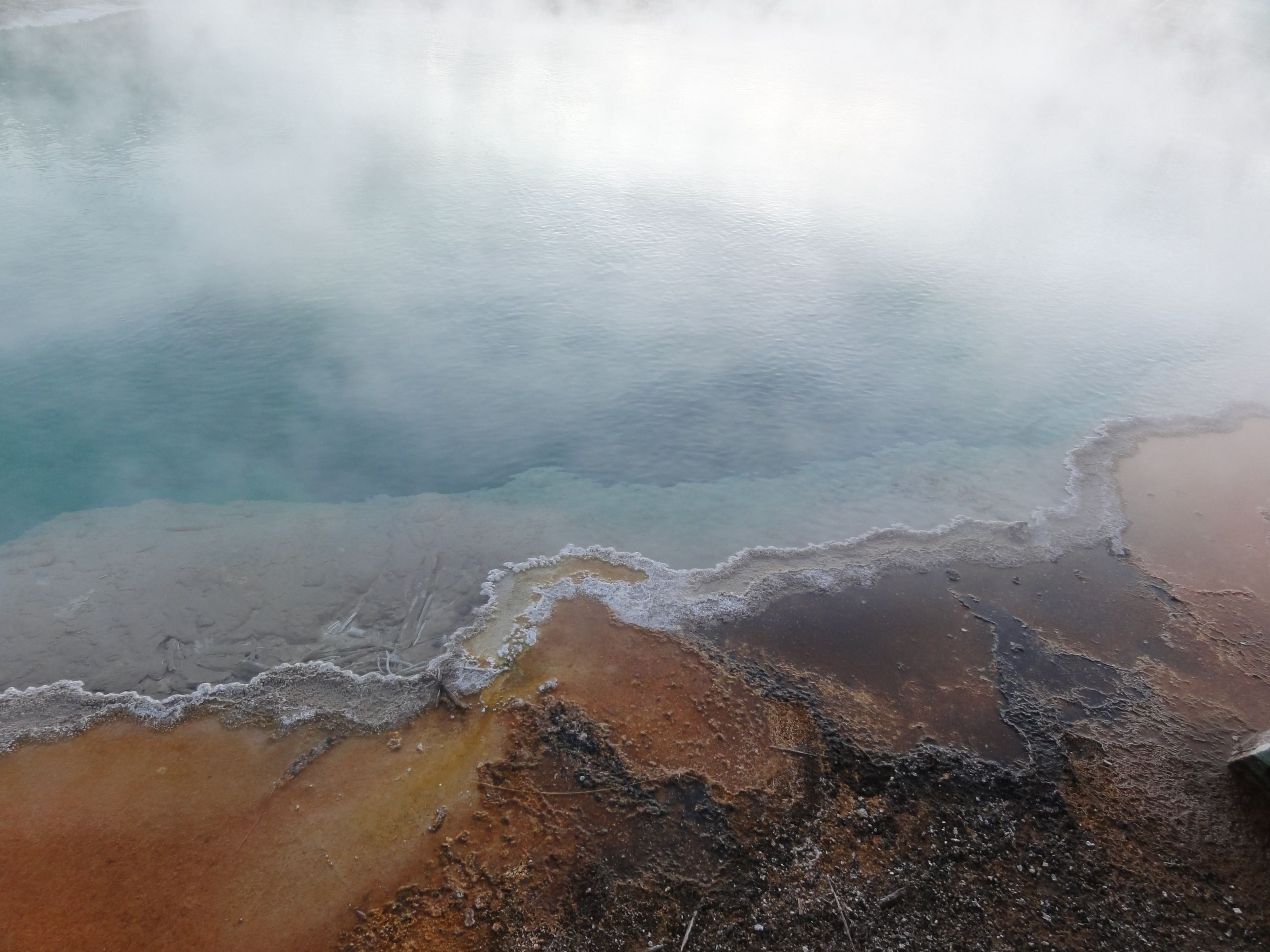
A mesmerizing view of a steaming geothermal pool in Yellowstone National Park, USA. · Photo by Prashant Sasnoor on PexelsCaffeinate before a day of geysers and hot springs.
A friendly lakeside-adjacent cafe popular with locals for strong coffee and big breakfasts. A good, central start before driving out to the thermal parks.
A quirky cafe and craft-beer store about 20 minutes north by the Kaituna River, great if you want a scenic morning detour with excellent baking and coffee.
See Rotorua's surreal geothermal landscapes up close, where the earth hisses, bubbles, and glows in unnatural colours.
The most photogenic of the thermal parks, home to the vividly orange-rimmed Champagne Pool and the lurid green Devil's Bath, about 30 minutes south of town. Entry is around NZ$40; the nearby Lady Knox Geyser erupts daily at 10:15am. Allow 1.5-2 hours on the boardwalks.
Closer to town, this is where you'll see the famous Pohutu Geyser blast up to 30 metres, plus a Maori arts and crafts institute and a kiwi house. A strong choice if you prefer culture and geysers combined; entry from about NZ$70.
Grab a relaxed lunch back in town.
A popular Eat Streat restaurant doing shared plates with a Mediterranean and Asian lean, good for a leisurely midday meal. Most small plates run NZ$18-28.
Choose your own adventure: forest treetops and downhill thrills, or a soak in mineral hot pools.
A network of suspension bridges strung high among towering California redwoods, magical by day and lantern-lit at night (the Nightlights walk). Day tickets are around NZ$40; the surrounding forest also has excellent walking and mountain-bike trails.
Ride the gondola up Mount Ngongotaha for lake views, then race back down on the famous wheeled luge tracks. A fun, family-friendly outing; gondola-and-luge combos start around NZ$60.
Soak in geothermal mineral pools right on the edge of Lake Rotorua, with adults-only lake-view pools that are blissful on a cool June afternoon. Entry from roughly NZ$35; a perfect, low-key way to unwind.
Dine along Eat Streat, the covered, geothermally heated dining strip in the centre of town.
A modern, produce-driven restaurant and wine bar known for its share plates and good local wine list. Relaxed but polished; mains around NZ$34-42.
A small, cheerful Latin American cantina with generous plates and excellent margaritas, a fun change of pace. Mains roughly NZ$28-36; book ahead as it's tiny.

Fly South to Queenstown
Queenstown, New Zealand · Bernard Spragg. NZ from Christchurch, New Zealand / CC0A final North Island coffee before the airport run.
A big, busy Rotorua cafe and deli with a glass cabinet full of baking and a solid cooked breakfast. Easy and quick before you head to the airport.
Travel day. Fly from the North Island down to Queenstown, with the Southern Alps unfurling beneath you on approach, one of the most scenic landings in the world.
Most routes from Rotorua connect through Auckland or Christchurch to Queenstown (ZQN), totalling roughly 3.5-5 hours including the layover. Book early for the best fares and try for a window seat on the left for alpine views on descent.
Land in Queenstown, drop your bags, and ride above the town for your first jaw-dropping look at Lake Wakatipu and The Remarkables.
The steep gondola climbs to Bob's Peak for the postcard view over the lake and mountains, with a luge track and walking trails at the top. Gondola fares start around NZ$59; go in late afternoon to catch the light change over the water.
Wander the compact lakefront downtown as the mountains glow at dusk.
Stroll the waterfront from the town pier into the peninsula of Queenstown Gardens, a flat, free loop with frame-worthy views of the Remarkables. A gentle way to settle into mountain time.
Queenstown's most famous casual rite of passage, plus a sit-down alternative.
The legendary burger joint that locals and travelers happily queue for; the Ferg Deluxe and the lamb-based Sweet Bambi are favourites, with burgers around NZ$15-20. Lines are part of the experience, but they move; grab a Fergbaker pastry next door while you wait.
An intimate, candlelit upstairs restaurant and bar tucked off a laneway, ideal if you'd rather start Queenstown with something refined. Known for game, steak, and a cosy fireplace; book ahead.
Milford Sound: Fiordland's Masterpiece
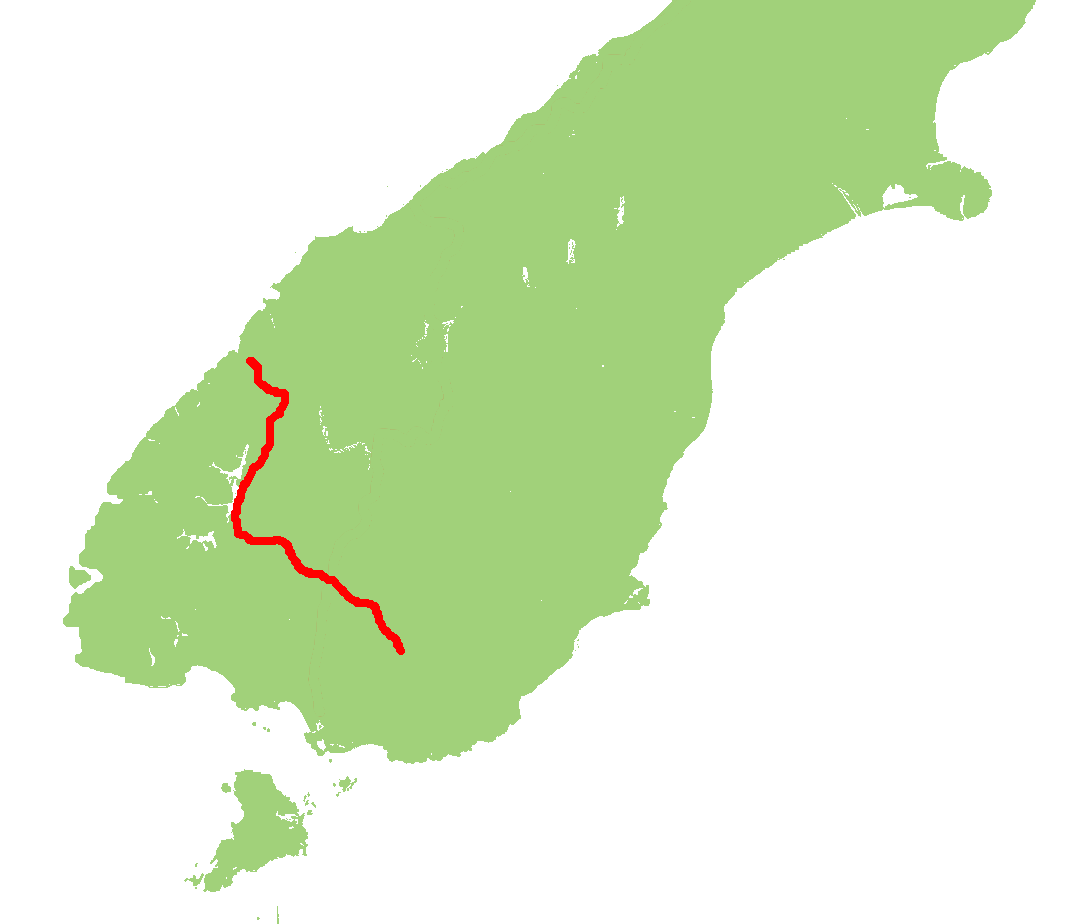
State Highway 94 (New Zealand) · Grutness / CC BY-SA 3.0Give a full day to Milford Sound, the jewel of Fiordland and arguably New Zealand's single most spectacular sight. The road in (via the Homer Tunnel) is half the show, threading past mirror lakes, waterfalls, and beech forest before the fiord opens up beneath Mitre Peak. A guided coach-and-cruise day is the stress-free way to do it, since the drive is long and the scenery deserves your full attention.
A small-group day with a boutique cruise on the fiord and a picnic lunch, allowing far more time at the windows and viewpoints than the big coaches. Expect a long but richly rewarding day (around 12-13 hours) with photo stops at Eglinton Valley, Mirror Lakes, and the Chasm. The standout option for comfort and value.
For those short on patience for the road, fly over the Southern Alps to Milford, cruise the fiord, then fly back, all in a fraction of the time. Pricey (from around NZ$750) and weather-dependent, but the aerial views of glaciers and razorback ridges are unforgettable.
Queenstown Adrenaline & Lake Views
Queenstown, New Zealand · Bernard Spragg. NZ from Christchurch, New Zealand / CC0Fuel up at one of Queenstown's excellent brunch cafes.
A perennially busy lakefront cafe with a glass cabinet of baking, big cooked breakfasts, and lake views. Arrive early to beat the queue.
A light, airy cafe on the way up to the gondola, doing health-leaning brunches and seriously good coffee. A calmer alternative to the lakefront crowds.
Queenstown is the self-styled adventure capital of the world; pick your thrill.
A blast through the narrow Shotover Canyon at speed, skimming inches from sheer rock walls with the signature 360-degree spins. About 25 minutes of pure adrenaline, just 10 minutes from town; from roughly NZ$165.
A tandem skydive over the lakes and mountains, with jumps from up to 15,000 feet and a long, scenic canopy ride down. Weather-dependent and unforgettable; from around NZ$300 plus altitude add-ons.
A gentler thrill: a series of ziplines through the forest from the gondola summit, with knowledgeable guides and panoramic views. A great middle-ground option for families or the height-curious; from about NZ$159.
Refuel in town after the morning's excitement.
A relaxed all-day eatery with generous brunch and lunch plates, good coffee, and a sunny deck. Welcoming and well-priced for Queenstown, with most plates NZ$18-28.
Trade speed for serenity with a classic cruise on Lake Wakatipu.
A relaxed 90-minute cruise across the lake with commentary on the Remarkables, Cecil and Walter Peaks, and the lakeside mansions. Excellent value at around NZ$75 and a lovely way to rest your legs.
One of Queenstown's best dinners, with a lakefront-town setting.
Acclaimed chef Josh Emett's relaxed fine-dining room celebrating South Island produce, from Fiordland venison to Bluff oysters in season. Smart but unstuffy; mains around NZ$42-52 and worth booking.
A moody, popular lakeside restaurant known for big steaks, game, and a deep wine list. A celebratory choice with a buzzy bar; reserve ahead, especially for a window table.

Glenorchy & Middle-earth Landscapes
Glenorchy, New Zealand · Pseudopanax at English Wikipedia / Public domainGrab coffee and something to go before the scenic drive north.
The bakery sibling of Fergburger, open early for pies, pastries, and coffee that are ideal road-trip fuel. The pork belly roll and the doughnuts are local legends.
The road from Queenstown to Glenorchy hugs the lake for 45 minutes and is regularly called one of the world's most beautiful drives, opening into the wild valleys that doubled for Middle-earth.
A guided half-day to Glenorchy and the Mount Aspiring fringes, visiting filming locations like Isengard and the forests of Lothlorien with props and storytelling along the way. Ideal if you'd rather not drive and want the film context; small-group and highly rated.
If you have a car, drive the lakeside road to the tiny settlement of Glenorchy, photograph the much-loved red Glenorchy Wharf shed, and continue toward Paradise and the start of the Routeburn Track. Free and flexible; allow half a day round trip.
Eat in Glenorchy or back near town.
A charming country store and adjoining cafe serving toasties, baking, and good coffee in the heart of the village. A relaxed stop before the drive back.
Back in Queenstown, slow down and enjoy the town itself.
The leafy peninsula park has lakeside walking paths, a rose garden, and a free disc-golf course beloved by locals. A laid-back way to spend a couple of mountain-air hours.
Private cedar-lined hot tubs with retractable windows framing the Shotover River canyon, about 10 minutes from town. A blissful afternoon soak, especially in winter; book a time slot in advance.
A relaxed, local-favourite evening.
A waterfront share-plate restaurant in an old stone building, doing everything from market fish to slow-cooked lamb. Lively and reliable, with a great deck for an early-evening drink.
Arrowtown, Wine Country & Walter Peak
Queenstown, New Zealand · Bernard Spragg. NZ from Christchurch, New Zealand / CC0A leisurely start before exploring Central Otago.
A storybook cottage cafe in Arrowtown famous for its sticky buns and excellent coffee. Arrive early for a seat in the garden; it's a 20-minute drive from Queenstown.
Wander Arrowtown, a beautifully preserved 1860s gold-rush town of stone cottages and tree-lined streets, with a poignant Chinese miners' settlement by the river.
Stroll the heritage main street, pan for gold along the Arrow River, and visit the small but excellent Lakes District Museum (entry around NZ$12) for the gold-rush story. Compact and walkable, with great cafes and shops.
Lunch in the Gibbston Valley, the heart of Central Otago's celebrated Pinot Noir country.
A flagship winery with a restaurant, cheesery, and New Zealand's largest wine cave, set among the vines about 25 minutes from Queenstown. Do a tasting and a long lunch; the Pinot Noir is the star.
A relaxed cellar-door and bistro pouring flights from several boutique Gibbston producers in one spot, with a sunny courtyard. A great-value way to sample the valley without driving between estates.
Cross the lake to a working high-country farm for a quintessential Southern Alps experience.
Sail across Lake Wakatipu aboard the vintage steamship TSS Earnslaw to Walter Peak High Country Farm for a farm demonstration (sheep shearing and working dogs) and a gourmet barbecue. A leisurely, scenic half-day; can be done as a lunch or dinner sailing.
A final South Island dinner, casual or special.
A snug stone-walled pizza and pasta institution with a roaring fire, a Queenstown classic since the 1970s. Hearty, affordable, and atmospheric; expect to share a table on busy nights.
A polished steakhouse for a celebratory last night, with premium New Zealand beef and a strong wine list. Book ahead and arrive hungry.
Final Queenstown Morning & Departure
Queenstown, New Zealand · Bernard Spragg. NZ from Christchurch, New Zealand / CC0One last great Queenstown coffee with a lake view.
A bright, calm spot for a final unhurried brunch and flat white before checkout. Easy to combine with a stroll on the way down to the lake.
Squeeze in a last walk and any souvenir shopping before heading to the airport, which sits just 10-15 minutes from downtown.
Take a final stroll along the waterfront, pick up merino or manuka-honey souvenirs in the central laneways, and snap the Remarkables one more time. The airport is a short 10-15 minute drive from the centre.
Grab an early lunch or a famous pie to go on your way to the airport.
A last Fergburger or Fergbaker pie makes an excellent departure-day meal that you can eat at the lakefront or take to the gate. Quick, iconic, and satisfying before the flight home.
Pick your base
Base yourself in the City Centre, specifically Britomart and the Viaduct Harbour, where you can walk to the waterfront, restaurants, ferries, and the Sky Tower. Ponsonby and Newmarket are good slightly quieter alternatives with strong cafe and dining scenes a short ride from the core.
A stylish, sustainably built hotel in the heart of the Britomart dining and shopping precinct, steps from the waterfront and ferry terminal. The location is ideal for a short, walkable first stay.
Spacious apartment-style rooms right on the Viaduct, surrounded by waterfront bars and restaurants. A practical, comfortable pick for couples or families wanting a kitchenette.
Smart, good-value rooms in the Newmarket shopping district, a quick ride from downtown and handy for cafes and the train. A reliable middle option away from the busiest streets.
A well-run, modern lodge with both dorms and private rooms on bustling Karangahape Road. Clean, social, and easy on the wallet for travelers watching their budget.
A comfortable, reliable hotel with family rooms and parking a little south of the centre near the motorway, handy if you are picking up a rental car for the drive south.
Auckland's polished waterfront splurge, with harbour-view rooms, a spa, and excellent dining right on the Viaduct. Worth it if you want to start the trip in style.
A stylish boutique hotel a short walk from Eat Streat, with a heated pool and excellent breakfasts. One of the most characterful mid-range stays in town.
A comfortable, well-located hotel right across from the lakefront and Government Gardens, with its own mineral pools. A solid, central choice for a two-night stay.
A dependable hotel near the Whakarewarewa geothermal area and Te Puia, with family rooms and a pool. Good for travelers with kids who want space and parking.
A clean, friendly hostel close to the centre with dorms and private rooms, plus a hot tub. A sociable, affordable base for younger travelers.
A stone-and-timber lodge-style hotel in Fernhill with lake and mountain views, a pool, and a free town shuttle. Comfortable and good value for a multi-night base.
A flexible mix of lodge rooms, apartments, and dorms set in the trees a short uphill walk from town. A long-standing, well-priced choice for budget-minded travelers and groups.
A modern, central pod-and-private-room hostel steps from the lakefront, sociable and spotless. Ideal for solo travelers and anyone prioritising location over space.
An iconic, intimate lakefront hotel with plush suites and a celebrated bar, right on Queenstown's waterfront. The town's signature splurge if you want to end the trip in style.
Good to know
How many days do you need in New Zealand?
Ten days is enough to see the highlights of both islands at a comfortable pace if you focus, as this itinerary does, on Auckland, Rotorua, and Queenstown. To add the likes of Wellington, the glaciers, or Abel Tasman, plan for two to three weeks; New Zealand is larger and slower to travel than it looks on a map.
What is the best time of year to visit New Zealand?
Summer (December to February) brings the warmest, longest days and is peak season, while autumn (March to May) offers stable weather and fewer crowds. June, when this itinerary is set, is winter: crisp, quieter, and great value, with snow on the Southern Alps and ski season starting around Queenstown, though days are short and Fiordland can be wet.
Do you need to rent a car to travel New Zealand?
A car is the most flexible way to explore, especially for the Auckland-to-Rotorua leg via Hobbiton and for day trips around Queenstown. Between the islands and over long distances, short domestic flights save a lot of time, and in Queenstown many top experiences include hotel pickup, so you can manage without a car there if you prefer.
How do you get from the North Island to the South Island?
Most travelers fly, with frequent domestic services on Air New Zealand and Jetstar between hubs like Auckland and Queenstown taking under two hours. There is also the scenic Interislander ferry between Wellington and Picton (about 3.5 hours), but for a Rotorua-to-Queenstown hop, flying is by far the fastest option.
Is Queenstown worth visiting in winter?
Yes. Winter is one of the best times for Queenstown: the Remarkables and Coronet Peak open for skiing, the lakeside town has a lively seasonal buzz, and clear cold days are superb for Milford Sound and scenic flights. Just book weather-dependent activities with a buffer day and pack warm, waterproof layers.
Is New Zealand expensive to travel?
New Zealand is moderately expensive, comparable to Western Europe, with adventure activities and guided tours being the biggest costs (Milford Sound day trips and skydives run well over NZ$200). You can manage the budget by mixing hostels and motels, self-catering some meals, and choosing a few signature experiences rather than everything; tipping is not expected, which helps.
In ten days you'll have traced New Zealand from Auckland's harbour cafes to Rotorua's steaming earth and Maori traditions, then south to Queenstown for Milford Sound, alpine thrills, and Central Otago wine. It's a route that mixes culture, scenery, and adventure without ever feeling rushed. Pack layers, book the big-ticket tours early, and leave room to simply stare at the mountains; Aotearoa rewards travelers who slow down just enough to take it all in.