Monsoon Temples & Canyon Falls: A Relaxed 3 Days in Chhatarpur (Khajuraho)
Sandstone temples carved a thousand years ago, a roaring granite canyon, and slow rooftop dinners: an unhurried long weekend built around Khajuraho, the crown of Chhatarpur district.
3 days in Khajuraho
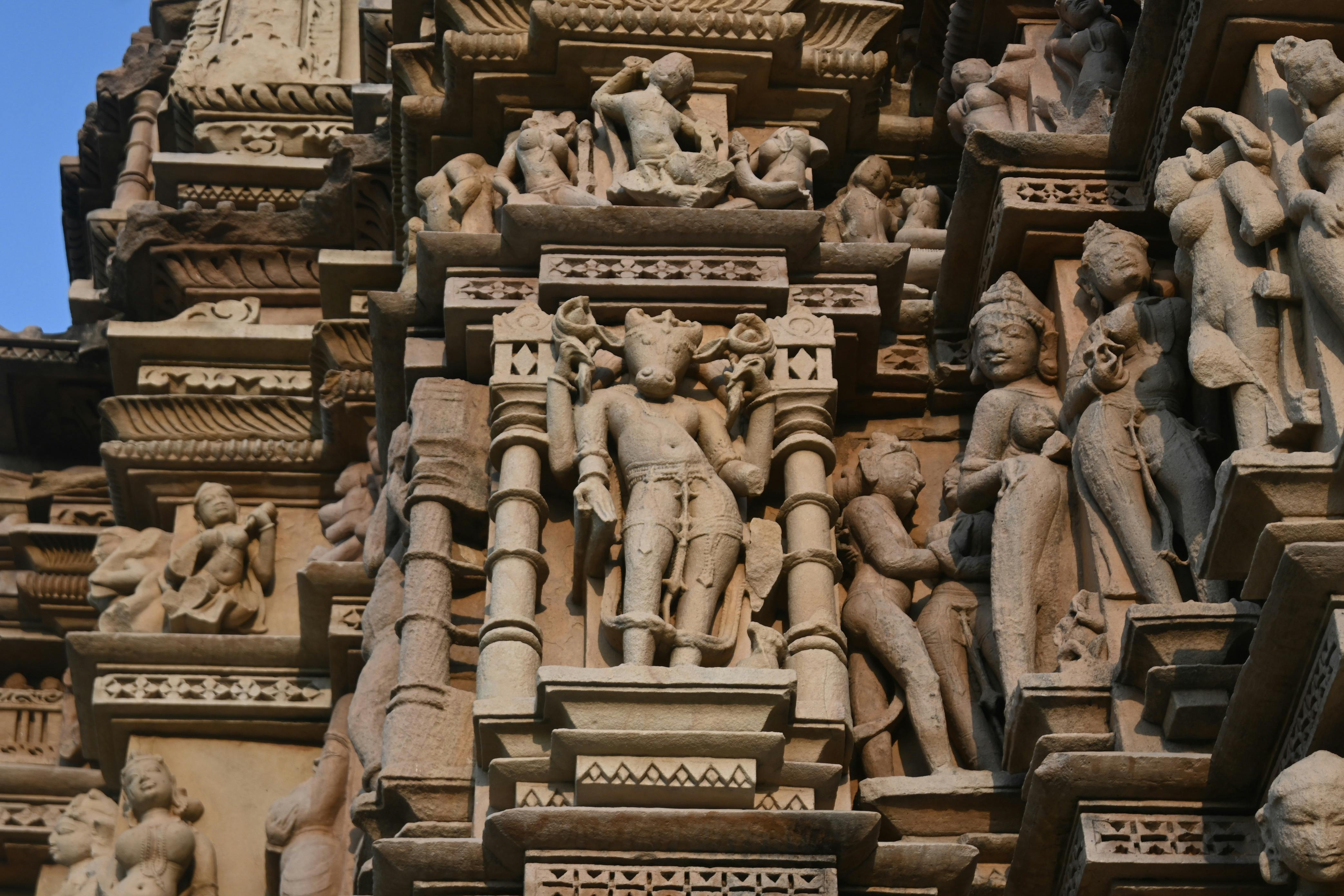
Chhatarpur district in northern Madhya Pradesh is best known for one extraordinary place: Khajuraho, where the Chandela dynasty raised a spectacular cluster of sandstone temples between roughly 950 and 1050 CE. Of the 85 or so temples once built, about 25 survive, and their intricate carvings of gods, dancers, musicians, and famously frank scenes of daily life earned the site a UNESCO World Heritage listing in 1986. Rediscovered by a British surveyor in 1838 after centuries half-swallowed by forest, they remain some of the finest medieval temple art in India.
Beyond the temples, the district rewards slow exploration. The Ken River carves the dramatic Raneh Falls canyon out of colored granite just north of town, gharial crocodiles bask in the Ken Gharial Sanctuary, and neighboring Panna National Park draws wildlife lovers in cooler months. Khajuraho itself is a compact, walkable town with a small airport, a good train station, and a relaxed pace that suits a weekend of temple-gazing and rooftop dinners.
Visiting in July means the monsoon: expect warm, humid days around 28-34C, dramatic skies, and short heavy downpours rather than all-day rain. The upside is a green landscape and waterfalls at their fullest; the trade-off is that Panna's core safari zones are closed for the season. Crowds are thin and prices soft, so it is an easy, affordable time to travel. Pack light cotton clothing, a compact umbrella or rain shell, good sandals with grip, sunscreen, and mosquito repellent, and carry cash since smaller vendors may not take cards.
Arrival & the Western Group of Temples
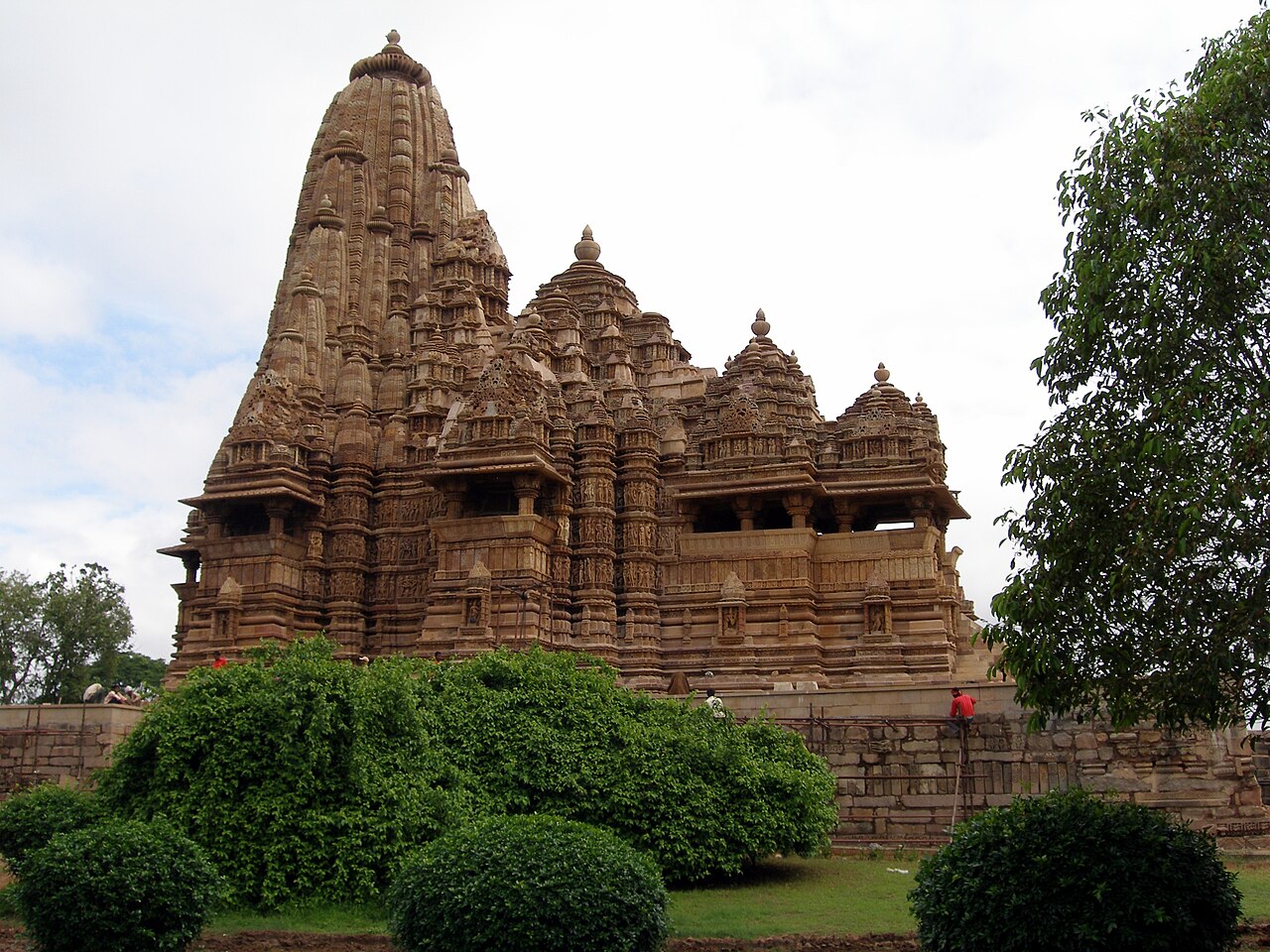
Kandariya Mahadeva Temple · China Crisis / CC BY-SA 3.0Settle in, then walk straight to the main event. The Western Group of Temples is the largest and finest cluster, and late afternoon light softens the sandstone and lengthens the shadows across the carvings.
The showpiece of Khajuraho, a landscaped enclosure holding the towering Kandariya Mahadeva, Lakshmana, and Vishvanatha temples among others, all covered in extraordinarily detailed carving. Entry is about 40 rupees for Indian nationals and 600 rupees for foreign visitors, open roughly sunrise to sunset. Hire a licensed guide at the gate (around 700-1000 rupees) to decode the mythology and symbolism, or wander slowly on your own.
A small, cool, well-curated museum near the Western Group holding sculptures rescued from the temple site, a good primer if you arrive with energy to spare. Included with the Western Group ticket in most cases; note it is closed on Fridays. A relaxed, shaded stop out of the midday heat.
Stay right where you are for the sound-and-light show, which lights up the Western Group after dark and narrates the Chandela story in Amitabh Bachchan's baritone.
A 50-minute show projected across the illuminated Western Group temples, with an English-language sitting usually first in the evening followed by a Hindi one. Tickets run roughly 200-700 rupees depending on category. A relaxed, seated way to end the first day; check the day's start times at the gate as they shift slightly by season.
Khajuraho's compact restaurant strip near the temples serves everything from Indian thalis to surprisingly good wood-fired pizza, most with breezy rooftops.
A Khajuraho institution running for decades directly opposite the Western Group, with a leafy courtyard and terrace looking toward the temples. The menu spans Indian, Continental, and Italian; come for a relaxed dinner and a cold drink after the show. Mid-range prices, reliably good.
An Italian-leaning rooftop known for wood-fired pizza, fresh pasta, and homemade bread, run with real care. A welcome change of pace and good value for the quality. Great for a laid-back first night.

Eastern & Southern Temples, then the Ken River Canyon
Raneh Falls · Syedzohaibullah / CC BY-SA 3.0Ease into the day with coffee and a proper breakfast before the temples and the drive out to the canyon.
A dependable, budget-friendly spot for South Indian breakfast: crisp dosas, idli, and filter coffee that actually tastes like filter coffee. A good fuel stop before a full day. Simple, clean, and quick.
A tiny rooftop perch with direct views of the Western Group, ideal for eggs, toast, and coffee while the temples catch the morning light. Come for the view and the calm; food is straightforward and cheap. Arrive early to claim the best table.
Explore the quieter Eastern and Southern groups, where living Jain temples and elegant Hindu shrines sit among village lanes with almost no crowds in monsoon.
A cluster including the active Parshvanatha and Adinatha Jain temples plus Hindu shrines like Brahma and Vamana, set amid the old village. The carving here is exquisite and the atmosphere far more peaceful than the Western Group. Entry to the Jain complex is free (donations welcome); dress modestly and remove shoes.
Two outlying temples a short rickshaw ride south, notably Duladeo with its dancing figures and Chaturbhuja with a striking 2.7-meter Vishnu image, the only major Khajuraho temple with no erotic carving. Rarely busy and rewarding for the detail. A quick, satisfying add-on if you have time.
Head back toward the center for a relaxed lunch before the afternoon excursion.
A friendly, no-frills kitchen turning out generous North Indian thalis, paneer dishes, and dal at gentle prices. Fast, tasty, and easy on the budget. A good pre-excursion refuel.
Worth a return for its shaded courtyard and broad menu if you want a calmer, sit-down midday meal. The garden setting stays cool even in July. Order a fresh lime soda and a thali.
Drive about 20 km north to the Ken River, where the monsoon turns Raneh Falls into a thundering show through a canyon of pink, red, and grey granite. This is the season's standout natural sight.
A dramatic gorge where the Ken River drops through walls of colored crystalline granite, at its most powerful during the July rains. It sits within the Ken Gharial Sanctuary; a modest entry and vehicle fee applies (roughly 250 rupees for foreigners plus small vehicle charges), and viewing is from marked points with a guide during high water. Allow 2-3 hours including the 40-minute drive each way, and mind slippery rocks after rain.
On the same ticket and route, this stretch of the Ken River protects gharial and mugger crocodiles that bask on the banks; a short guided walk or jeep from the gate reaches the river viewpoint. A calm, wild counterpoint to the temples. Bring binoculars if you have them.
Back in town, reward the day with a leisurely rooftop dinner.
After dark the multi-level rooftop looks onto the floodlit Western Group, making a simple curry-and-naan dinner feel special. Prices are low and the setting is the draw. Go for the top terrace.
If you fancy pizza and pasta again after a long day, this rooftop delivers consistently and unwinds you nicely. Pair it with the tiramisu. Relaxed service, no rush.

Slow Morning, Village Lanes & Departure
Chausath Yogini Temple, Mitaoli · Suyash Dwivedi / CC BY-SA 4.0A gentle final morning starts with unhurried coffee before a last easy sight and some souvenir browsing.
A calm garden breakfast of eggs, fruit, and good coffee opposite the temples, a fitting way to bookend the trip. Take your time; the terrace is at its coolest early. Reliable and central.
One more round of dosa and filter coffee if you want something quick and cheap before checkout. Efficient and satisfying. Easy on both time and budget.
Squeeze in one last, low-key sight and a wander through the market for handicrafts before heading to the airport or station.
The oldest surviving temple at Khajuraho (roughly late 9th century), built of granite and dedicated to 64 yoginis, set on a low rise a short walk from the Western Group. It is free, atmospheric, and almost always empty, a quiet contrast to the grander shrines. A 20-30 minute stop with a nice outlook.
The lanes around the Western Group are lined with stalls selling stone carvings, brassware, textiles, and Panna's semi-precious stones. Browse for a souvenir and practice friendly bargaining; monsoon means fewer shoppers and better deals. Keep small cash handy.
Have an early, easy lunch near the temples, then transfer the short distance to Khajuraho Airport or the railway station for departure.
A quick, well-priced thali or paneer dish before you go, close to the center so you are not rushed. Good value and fast service. A fitting final Chhatarpur meal.
If you prefer a lighter send-off, grab a pizza or salad on the rooftop before the short ride to the airport (about 15 minutes) or station. Relaxed and dependable to the end.
Pick your base
Base yourself near the Western Group of Temples in central Khajuraho. Everything you'll want is within a short walk or a cheap 5-10 minute auto-rickshaw ride, including restaurants, the main temples, and the market. The area just west and south of the temple complex has the best concentration of hotels across every budget.
A reliable, comfortable full-service hotel with a pool, garden, and restaurant, roughly a 5-minute drive from the Western Group. A solid mid-range pick with air conditioning that is very welcome in July humidity.
An established hotel with a large pool and gardens set near the temple complex, popular with families and tour groups. Dependable rooms and dining make it an easy, central base.
A well-run, good-value hotel with clean air-conditioned rooms and a rooftop, walkable to the temples and restaurants. A smart choice for travelers watching their spend without sacrificing comfort.
A friendly hostel with dorms and private rooms, a social rooftop, and easygoing staff who help arrange rides to Raneh Falls. Great for solo travelers and budget-minded couples who want to meet others.
The town's landmark luxury address, with polished service, a spa, and rooms that genuinely look onto the Western Group temples. Worth it if you want one splurge night with a view of the shikharas.
Good to know
How many days do you need in Khajuraho and Chhatarpur?
Two full days plus arrival and departure, which is exactly this 3-day plan, is enough to see the Western, Eastern, and Southern temple groups, the museum, and a half-day trip to Raneh Falls and the Ken Gharial Sanctuary at a relaxed pace. Add a fourth day only if you want to visit Panna National Park, which is worthwhile in the cooler dry season.
Is Panna National Park open during the monsoon in July?
No. Panna National Park's core safari zones close for the monsoon, typically from around July 1 until roughly October, so July visitors cannot do the classic tiger safari. Raneh Falls and the Ken Gharial Sanctuary near Khajuraho stay open and are actually at their most dramatic in the rains.
What is the best time to visit Khajuraho?
October to March offers the most comfortable weather, cool and dry, and coincides with Panna's safari season and the Khajuraho Dance Festival in February. July brings monsoon rains, lush scenery, powerful waterfalls, few crowds, and lower prices, but hot, humid days and closed national park safaris.
How do you get to Chhatarpur and Khajuraho?
Fly into Khajuraho Airport (HJR), which has direct flights from Delhi and Varanasi and sits about 5 km from the temples, or arrive by train at Khajuraho station on routes from Delhi and Jhansi. Within town, temples are walkable and auto-rickshaws cover longer hops and the drive to Raneh Falls cheaply.
Is Khajuraho expensive to visit?
No, it is one of India's more affordable heritage destinations. Temple entry is about 40 rupees for Indians and 600 rupees for foreigners, meals at local restaurants are inexpensive, and comfortable mid-range hotels are reasonably priced, especially in the low monsoon season.
What should you pack for Khajuraho in July?
Bring lightweight breathable cotton clothing, a compact umbrella or rain shell for sudden downpours, sandals or shoes with good grip for wet temple grounds and canyon rocks, strong sunscreen, a hat, mosquito repellent, and enough cash since smaller vendors and some sights may not accept cards.
Three unhurried days in Chhatarpur pack in a thousand years of Chandela artistry, a granite canyon in full monsoon roar, and the easy rhythm of a small temple town. With thin crowds, soft prices, and rain-fed greenery, July rewards a relaxed traveler willing to plan around the heat and the odd downpour. Come for the carvings, stay for the slow rooftop dinners, and leave with a real sense of central India.