
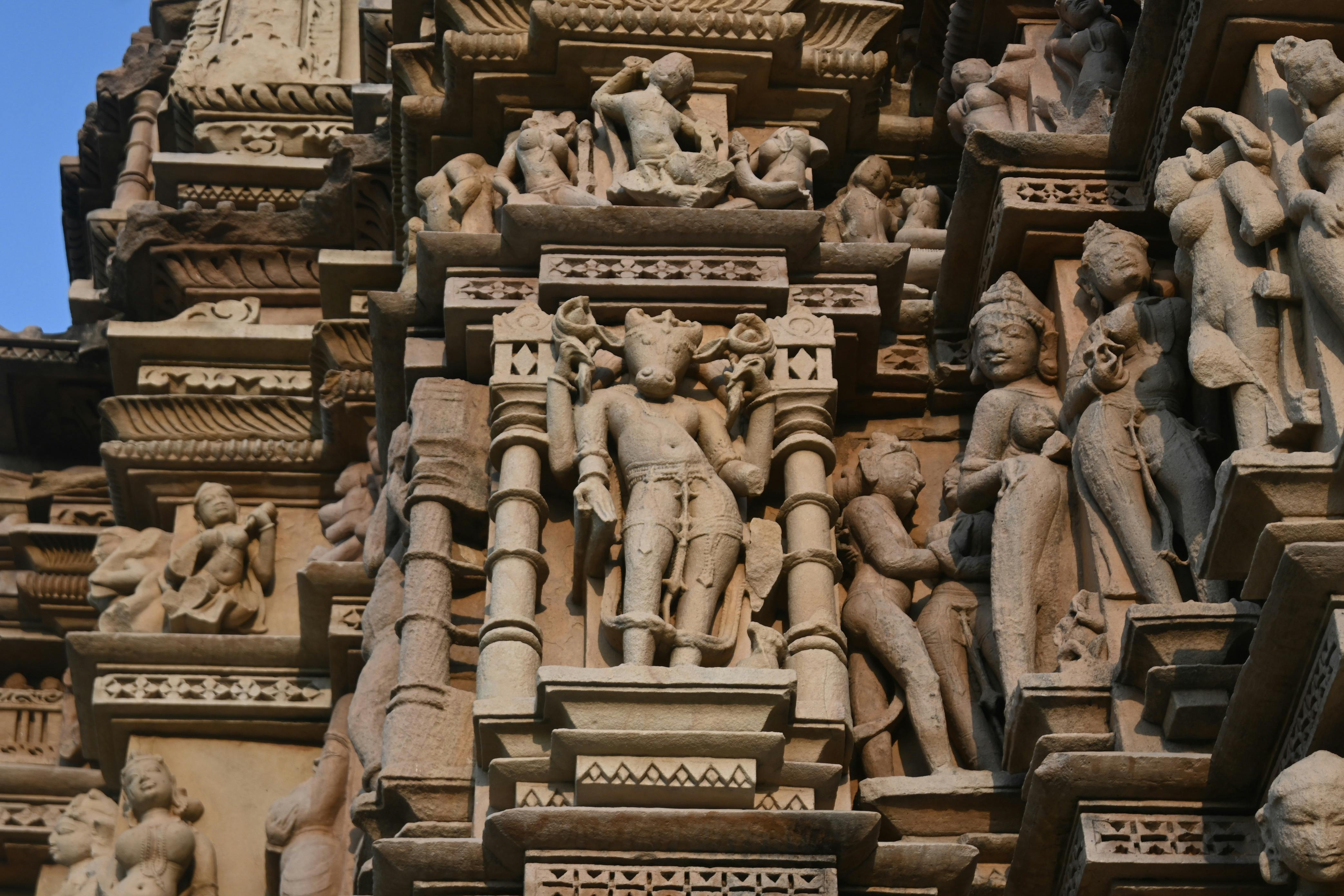
Chhatarpur district in northern Madhya Pradesh is best known for one extraordinary place: Khajuraho, where the Chandela dynasty raised a spectacular cluster of sandstone temples between roughly 950 and 1050 CE. Of the 85 or so temples once built, about 25 survive, and their intricate carvings of gods, dancers, musicians, and famously frank scenes of daily life earned the site a UNESCO World Heritage listing in 1986. Rediscovered by a British surveyor in 1838 after centuries half-swallowed by forest, they remain some of the finest medieval temple art in India.
Beyond the temples, the district rewards slow exploration. The Ken River carves the dramatic Raneh Falls canyon out of colored granite just north of town, gharial crocodiles bask in the Ken Gharial Sanctuary, and neighboring Panna National Park draws wildlife lovers in cooler months. Khajuraho itself is a compact, walkable town with a small airport, a good train station, and a relaxed pace that suits a weekend of temple-gazing and rooftop dinners.
Visiting in July means the monsoon: expect warm, humid days around 28-34C, dramatic skies, and short heavy downpours rather than all-day rain. The upside is a green landscape and waterfalls at their fullest; the trade-off is that Panna's core safari zones are closed for the season. Crowds are thin and prices soft, so it is an easy, affordable time to travel. Pack light cotton clothing, a compact umbrella or rain shell, good sandals with grip, sunscreen, and mosquito repellent, and carry cash since smaller vendors may not take cards.
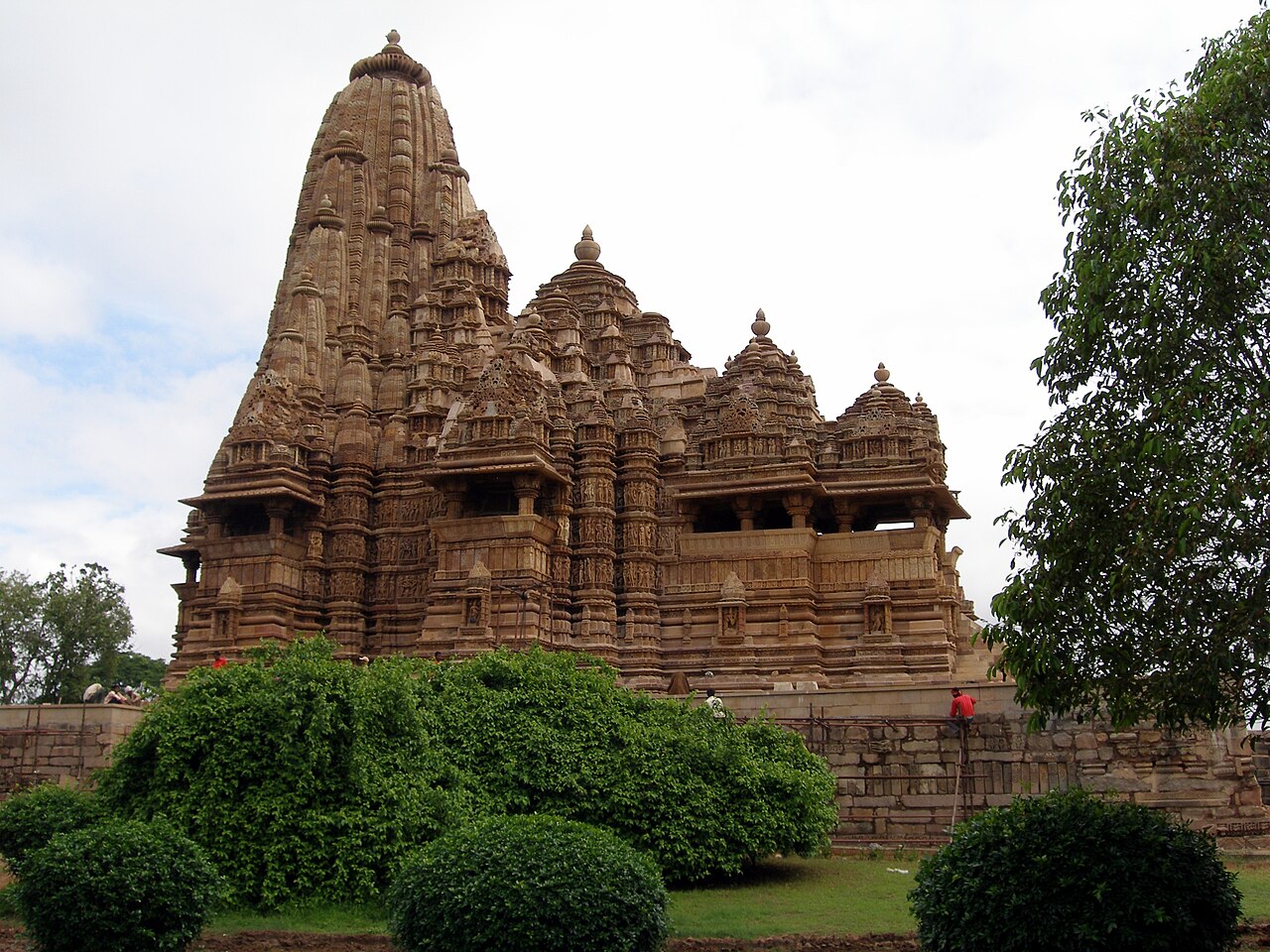
Khajuraho is the beating heart of Chhatarpur tourism: a small, unhurried town where world-class temple art sits a short auto-rickshaw ride from waterfalls, riverside sanctuaries, and quiet village lanes. The star is the Western Group of Temples, a manicured garden dotted with soaring shikharas and thousands of carved figures, but the Eastern and Southern groups, a good museum, and the Ken River canyon round out a genuinely varied few days. In monsoon it is lush and largely tourist-free, ideal for a relaxing pace.


Where to Stay
Base yourself near the Western Group of Temples in central Khajuraho. Everything you'll want is within a short walk or a cheap 5-10 minute auto-rickshaw ride, including restaurants, the main temples, and the market. The area just west and south of the temple complex has the best concentration of hotels across every budget.
Ramada by Wyndham Khajuraho
midrange GoogleA reliable, comfortable full-service hotel with a pool, garden, and restaurant, roughly a 5-minute drive from the Western Group. A solid mid-range pick with air conditioning that is very welcome in July humidity.
Radisson Jass Hotel Khajuraho
midrange GoogleAn established hotel with a large pool and gardens set near the temple complex, popular with families and tour groups. Dependable rooms and dining make it an easy, central base.
Hotel Isabel Palace
budget GoogleA well-run, good-value hotel with clean air-conditioned rooms and a rooftop, walkable to the temples and restaurants. A smart choice for travelers watching their spend without sacrificing comfort.
Zostel Khajuraho
unique GoogleA friendly hostel with dorms and private rooms, a social rooftop, and easygoing staff who help arrange rides to Raneh Falls. Great for solo travelers and budget-minded couples who want to meet others.
The Lalit Temple View Khajuraho
luxury GoogleThe town's landmark luxury address, with polished service, a spa, and rooms that genuinely look onto the Western Group temples. Worth it if you want one splurge night with a view of the shikharas.
Three unhurried days in Chhatarpur pack in a thousand years of Chandela artistry, a granite canyon in full monsoon roar, and the easy rhythm of a small temple town. With thin crowds, soft prices, and rain-fed greenery, July rewards a relaxed traveler willing to plan around the heat and the odd downpour. Come for the carvings, stay for the slow rooftop dinners, and leave with a real sense of central India.