Mallorca in Six Days: Palma's Old Town to the Tramuntana Coast
A relaxed but full week splitting time between Palma's golden cathedral and old town and the mountain-and-sea calm of Port de Soller, with vineyard villages, sea caves, and the island's best beaches in between.
6 days in Palma de Mallorca, Port de Soller
Mallorca, the largest of Spain's Balearic Islands, has been prized since the Romans landed in 123 BC, and its layers show everywhere: Moorish baths and street names, a Gothic cathedral begun in 1229 after the Christian conquest, and grand Modernista townhouses from the early 1900s citrus boom. The capital, Palma, anchors the south; the jagged Serra de Tramuntana, a UNESCO World Heritage cultural landscape, walls off the dramatic northwest coast.
Beyond the beaches that built its reputation, the island rewards curiosity: terraced olive groves climbing into the mountains, Chopin's winter retreat at Valldemossa, sea caves with underground lakes near the east coast, and a food culture of sobrassada sausage, ensaimada pastries, and just-landed seafood. The vintage wooden train from Palma to Soller, running since 1912, is a destination in itself.
Practically, late June means warm, dry days (typically 28-31C), busy beaches, and lively evenings, so book key restaurants and the cathedral ahead. A rental car is the most flexible way to reach mountain villages and quiet coves, though Palma is best on foot and the Soller train and tram cover that corridor without driving. English is widely spoken in tourist areas, the euro is the currency, and the island is compact: nowhere is more than about 90 minutes' drive from Palma.

Arrival in Palma: La Seu Cathedral and the Old Town at Golden Hour
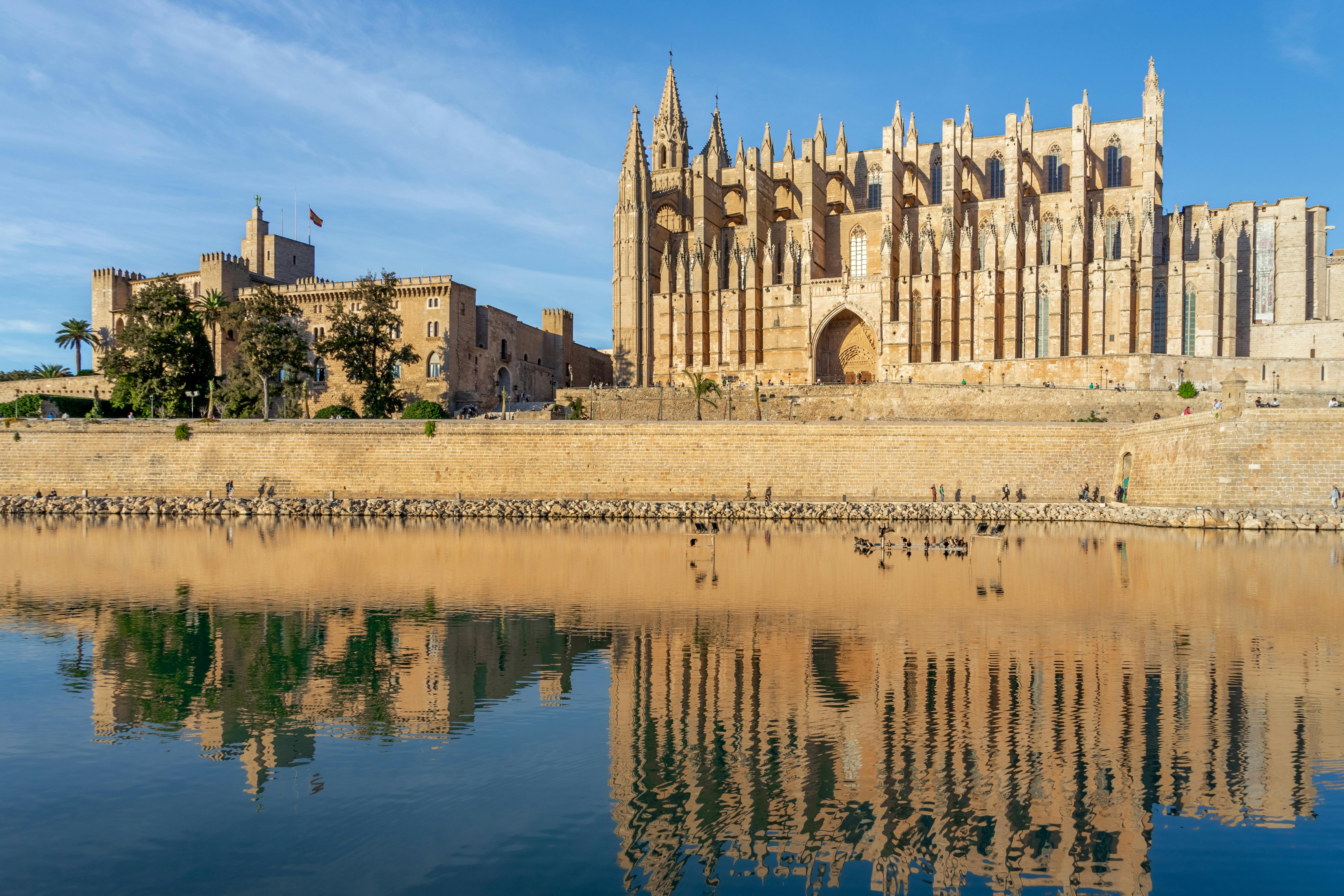
Palma Cathedral · Thomas Wolf, www.foto-tw.de / CC BY-SA 3.0 deDrop your bags and walk straight into the heart of the old town. Palma's best introduction is its skyline-defining cathedral and the maze of lanes around it, both made for an unhurried first afternoon.
Palma's vast seafront Gothic cathedral, begun in 1229, with a rose window among the largest in the world and a sanctuary reworked by Gaudi. Admission is around 10 euros and it is open to visitors Monday to Friday and Saturday mornings, but closed to tourists on Sundays, so time your visit accordingly. The light through the stained glass is at its most dramatic in the morning, but the exterior and adjacent Parc de la Mar are glorious in late-afternoon sun.
One of the few surviving traces of Moorish Madina Mayurqa, a small 10th-12th century bathhouse with a domed, star-pierced ceiling set in a quiet garden. Entry is only a few euros and it makes a peaceful, shaded stop a short walk from the cathedral.
Ease into island time with a wander through the old town's patios and a drink as the stone walls glow.
Stroll the leafy Born boulevard and the arcaded Placa Major, the old town's social spine, lined with cafe terraces and street musicians. It is the easiest way to get your bearings and feel Palma's evening rhythm.
A characterful spot on Placa de la Llotja for a vermouth or gin and tonic before dinner, with tables spilling onto the square by the old merchants' exchange. Good for people-watching and a relaxed first toast.
Mallorca's tapas culture is the perfect welcome meal. Start with classic island bites in the atmospheric lanes near the Llotja.
A beloved, no-frills tapas institution near the Born, famous for generous, well-priced plates of patatas bravas, croquetas, and grilled prawns. Expect a buzz and possibly a short wait; it is a local favorite for good reason.
A lively, tile-walled tapas bar by the Llotja serving Spanish classics like jamon, tortilla, and seafood, with a sister terrace nearby. Arrive early or book, as it fills with locals and visitors alike.
Old Palma Deep Dive: Markets, Bellver Castle, and Modernista Mansions
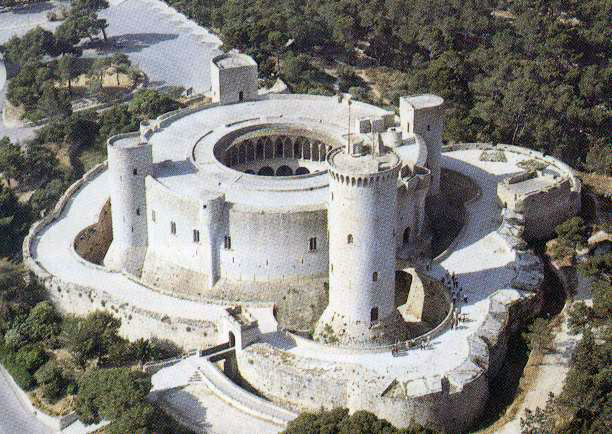
Bellver Castle · Poniol60 / Public domainBegin like a local with strong coffee and an ensaimada, the coiled, sugar-dusted pastry that is Mallorca's signature.
An ornate Modernista bakery on Placa Weyler with a famous painted facade, beloved for its ensaimadas and cocas. Grab one warm with a cafe con leche and admire the woodwork.
A historic chocolateria dating to 1700, serving thick hot chocolate, ensaimadas, and almond ice cream beneath chandeliers. A genuinely old-world Palma ritual.
Dive into the old town's living heart: a bustling produce market and the hidden courtyards that define Palma's architecture.
Palma's main covered market, a riot of Iberian ham, island cheeses, olives, and a seafood hall where you can have your pick cooked on the spot. Go mid-morning to browse, snack, and watch the city shop.
Palma is famous for its grand private courtyards (patis), glimpsed through wrought-iron gates along Carrer de Can Savella and Carrer de la Portella. A self-guided wander past Can Vivot and others reveals the city's aristocratic past for free.
Refuel near the market with hearty Mallorcan plates before heading uphill.
A warm, family-run restaurant prized by locals for traditional island cooking like arroz brut and slow-cooked meats at fair prices. Worth the short walk out of the tourist core.
Several market bars let you eat just-bought seafood and tapas at the counter, an authentic and affordable lunch. Casual, fast, and full of flavor.
Trade the lanes for sweeping views at Mallorca's most unusual castle, then cool off by the sea.
A rare circular 14th-century Gothic castle on a pine-clad hill above the city, with a courtyard ringed by arcades and panoramic views over Palma Bay. Admission is around 4 euros; reach it by a uphill walk, taxi, or bus 50. Allow about 90 minutes including the views.
A modern and contemporary art museum built into Palma's Renaissance sea walls, with terraces overlooking the marina. A cool, cultural alternative to the castle if you prefer art and shade.
Cross into Santa Catalina, Palma's most characterful neighborhood, for golden-hour drinks.
The old fishermen's quarter is now a grid of buzzing plazas and bars centered on its market. Grab a terrace table on Placa de la Navegacio for a glass of local wine as the area comes alive.
Santa Catalina is Palma's dining hotspot, ranging from market-driven small plates to elevated Mallorcan cooking.
A stylish, always-busy spot with a fishing-shack vibe, serving creative Mediterranean sharing plates and seafood. Book ahead; it is one of Santa Catalina's most popular tables.
A long-running Galician restaurant known for octopus, seafood, and Albarino wine, a comforting and generous choice. Reliable quality and a loyal local following.
East Coast Day Trip: Sea Caves and a Dip in a Hidden Cove
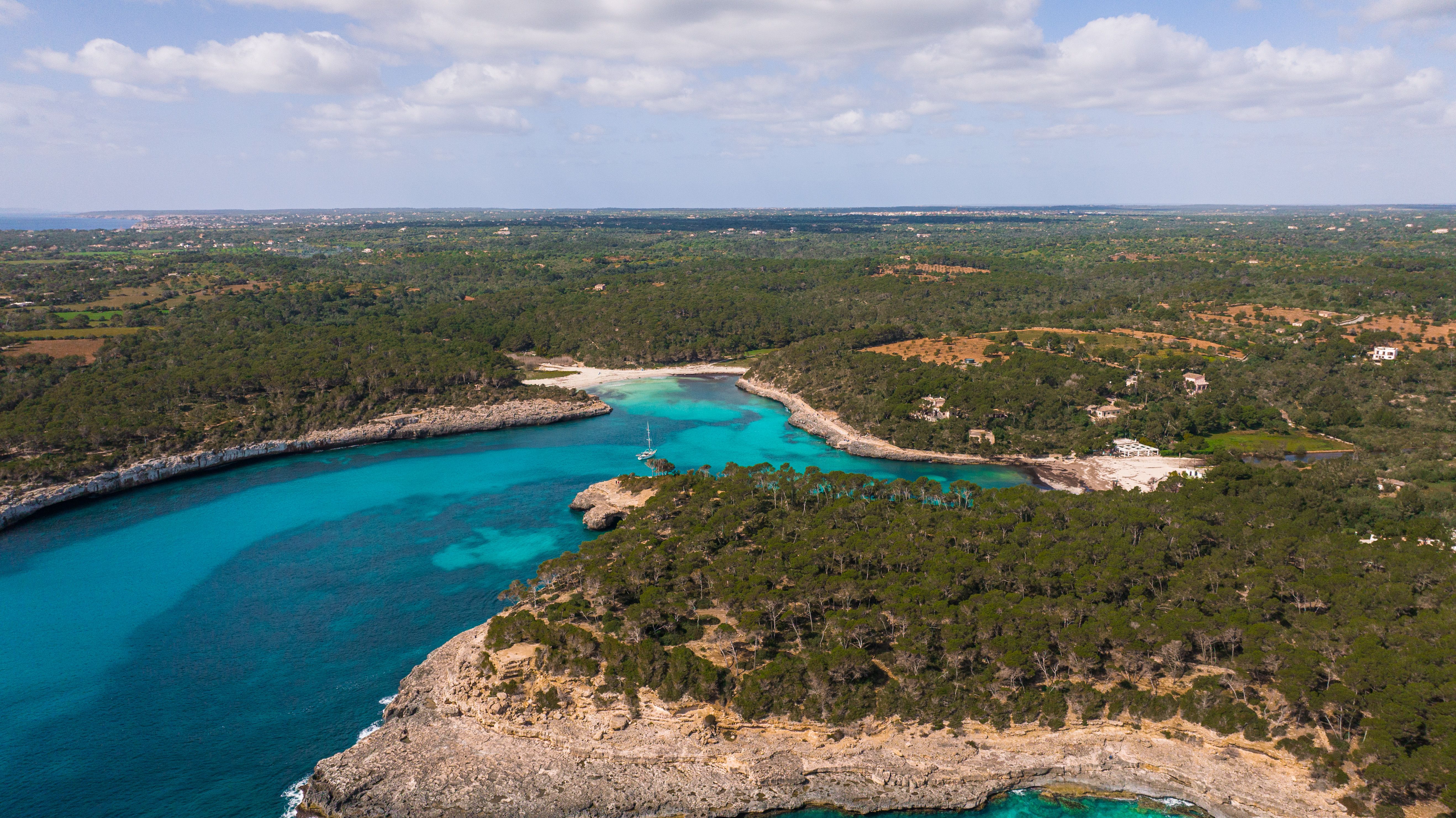
A breathtaking aerial view of Mallorca's cliff-lined coastline and turquoise waters. · Photo by Mike Art 🎥 Visual Creator | Photography and Video 📸 on PexelsFuel up early for the drive east; you will want to beat the midday crowds at the caves.
A bright cafe near the center with excellent coffee, fresh pastries, and proper breakfast plates. A good grab-and-go or sit-down start before hitting the road.
A specialty roaster pouring some of Palma's best espresso and filter coffee for serious caffeine seekers. Small, friendly, and focused on quality beans.
Drive about an hour to Porto Cristo to explore one of Spain's most famous cave systems, ending at a vast underground lake.
A spectacular network of illuminated caverns ending at Lake Martel, one of the largest underground lakes in the world, where a short live classical music concert is performed on boats. Tickets are around 16 euros and timed; book online, as slots sell out in summer. Allow about an hour for the guided route.
A quieter alternative cave system nearby, known for its tree-like rock formations and its own underground lake with a small concert. A good choice if Drach is fully booked.
Eat by the water in Porto Cristo's harbor before an afternoon swim.
A long-standing harborside restaurant in Porto Cristo serving fresh fish, paella, and Mediterranean classics with marina views. Relaxed and family-friendly.
A well-regarded spot for rice dishes and the day's catch right by the port. Book a terrace table in high season.
Spend the hottest hours at one of the east coast's beautiful coves, then drive back toward Palma.
An unspoiled, undeveloped cove of turquoise water reached by a 20-25 minute walk through pine and farmland, which keeps the crowds thinner. Bring water, shade, and your own snacks; there are no facilities. The walk is worth it for the wild beauty.
An easy-access sandy cove with calm water, sunbeds, and beach bars, ideal if you want amenities and a simple swim. Family-friendly and just a short drive from the caves.
Back in Palma, head to the Llotja or old town for a relaxed evening meal.
An atmospheric old-town restaurant with a pretty courtyard, serving updated Mediterranean dishes and good wine. A lovely setting after a day on the road.
A stylish, market-led spot in Santa Catalina with confident Mediterranean plates and a buzzy crowd. Reserve ahead on weekends.

Serra de Tramuntana: Valldemossa and Deia
Valldemossa · No machine-readable author provided. Kork~commonswiki assumed (based on copyright claims). / Public domainGrab a quick coffee in Palma before the scenic 30-minute drive up into the mountains.
A dependable, elegant cafe chain born in Palma, good for a fast, quality coffee and pastry before departure. Tables on the Born make for a pleasant start.
Climb into the Serra de Tramuntana to Valldemossa, a postcard village of stone houses and the monastery where Chopin and George Sand wintered in 1838-39.
The former Carthusian monastery where composer Frederic Chopin and writer George Sand spent a famous winter, now housing his piano, manuscripts, and pharmacy. Combined-ticket entry is around 10-12 euros, and short piano recitals run through the day. The cobbled village around it is made for slow wandering.
Valldemossa's signature potato bun is best fresh and warm here, paired with hot chocolate. A delicious mid-morning village ritual.
Drive the cliff-hugging road to Deia, the artists' village clinging to the mountainside, for lunch with a view.
A relaxed, long-loved Deia institution for tapas, sandwiches, and drinks with a bohemian crowd. Easygoing and reasonably priced for this upscale village.
A refined family-run spot serving Mallorcan cuisine with mountain views, a more sit-down option in Deia. Book ahead in summer.
Spend the afternoon between Deia's lanes and a swim at its dramatic rocky cove.
A small pebble-and-rock cove at the foot of a steep walk or short drive from the village, with clear water and two rustic beach restaurants. The setting beneath the cliffs is unforgettable; arrive early as parking is limited.
A clifftop former estate of Archduke Ludwig Salvator with gardens, a marble belvedere, and views over the Na Foradada rock peninsula. A short, scenic stop on the road back toward Valldemossa.
Return to Palma and toast your mountain day on the seafront.
Palma's harborfront promenade is ideal for an evening walk past yachts and palm trees, with the cathedral lit up behind you. Several terraces make easy stops for a sundowner.
For your last Palma dinner, choose between refined Mallorcan cooking and lively waterfront seafood.
Palma's Michelin-starred flagship from chef Marc Fosh, serving inventive Mediterranean tasting menus in a serene former convent. A special-occasion meal; reserve well ahead.
A classic seafood house perched over the fishing port, known for fresh fish, paella, and bay views. A relaxed, quintessentially Palma choice.
Vintage Train to Soller and the Bay of Port de Soller
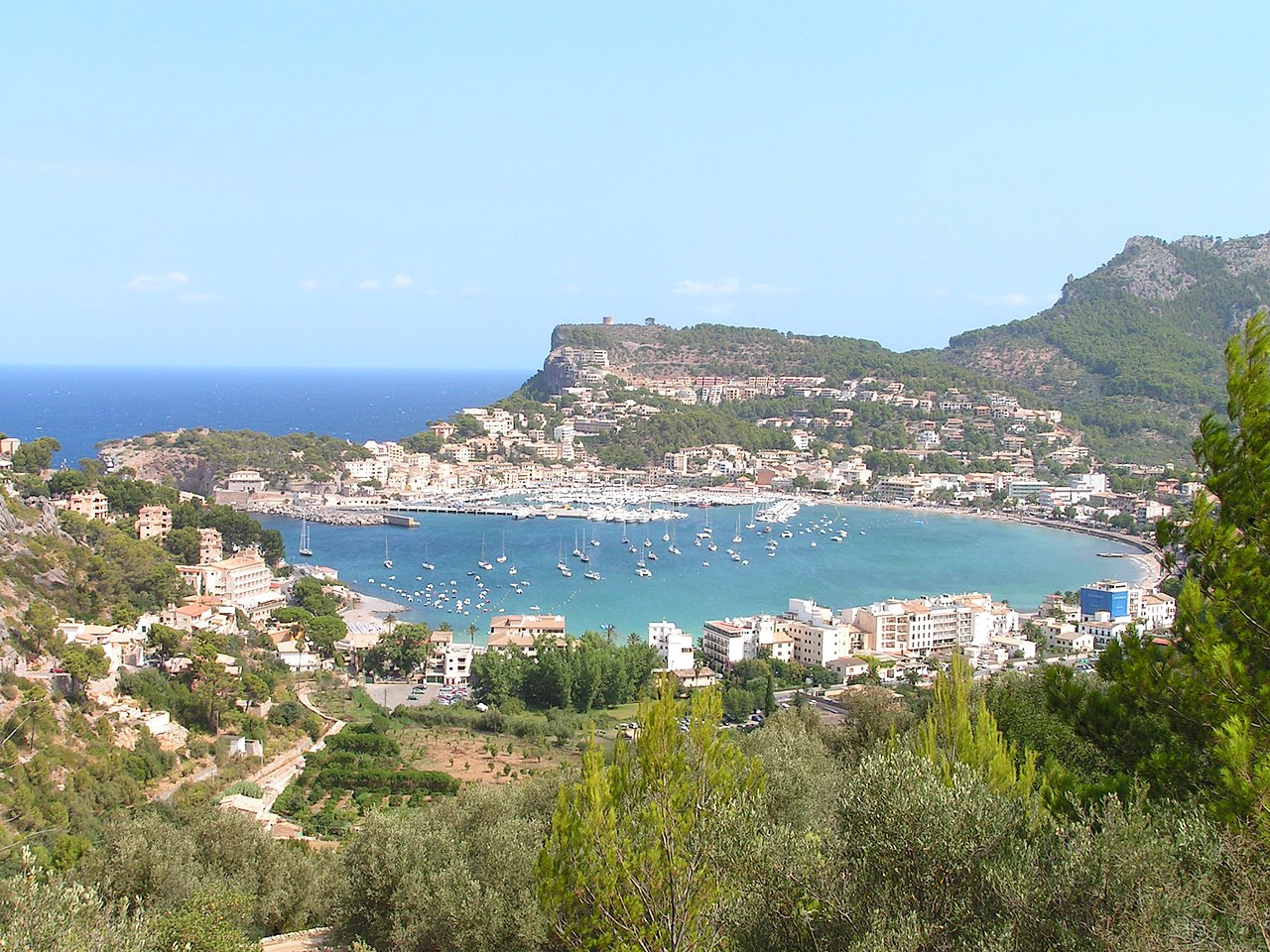
Port de Sóller · BuzzWoof / Public domainHave an early coffee near Palma's Placa d'Espanya so you can catch a morning train and enjoy the journey unhurried.
Grab a quick cafe con leche and pastry at one of the cafes around Placa d'Espanya before boarding. The vintage station itself is worth a few minutes' look.
Ride the historic train through tunnels and over viaducts into the Soller valley, then explore the elegant little town before heading to the coast.
The 1912 narrow-gauge railway climbs through 13 tunnels and across the Tramuntana with orchard and mountain views, terminating in Soller after about an hour. It is a destination in itself; sit on the right side leaving Palma for the best valley views. Single tickets run roughly 18-25 euros.
Soller's main square is anchored by the Modernista church of Sant Bartomeu, designed by a Gaudi disciple, with cafe terraces beneath plane trees. The vintage wooden tram rattles right through it on its way to the port.
Eat in Soller town before riding the tram down to the sea, or carry on to the port first.
A refined yet welcoming restaurant in Soller serving modern Mallorcan dishes with local produce and a pretty courtyard. A lovely sit-down lunch.
The town's small market and surrounding cafes offer local cheeses, tapas, and fresh orange juice from the valley's famous groves. Casual and good value.
Take the open-sided tram down to Port de Soller and spend the afternoon on the bay.
The historic orange tram trundles about 3 km from Soller town to the seafront in roughly 15-20 minutes, passing gardens and orchards. It drops you right at the promenade and beach.
The port's best swimming beach, a sandy stretch on the quieter southwest side of the bay with calm water and a lineup of beach bars. Ideal for an afternoon swim and sunbathe.
Climb to the old lighthouse for one of Mallorca's finest sunsets over the bay.
A short, scenic walk or drive up to the headland lighthouse rewards you with sweeping views back over the horseshoe bay as the sun drops. Bring decent shoes for the path. There is a bar near the Faro for a sunset drink.
Dine on the catch of the day right beside the water.
Perched on the cliff by the lighthouse with panoramic bay views, this seafood-focused restaurant is the romantic sunset choice. Book a terrace table ahead.
A long-established family seafood restaurant on the Platja d'en Repic promenade, known for fresh fish and rice dishes. A reliable, well-loved local table.

A Slow Morning by the Bay and Departure
Calvià · Rafael Ortega Díaz / Public domainTake a final unhurried breakfast looking out over the water before you pack up.
Several seafront cafes serve coffee, fresh juice, and pastries with a full view of the bay and bobbing boats. The perfect spot to linger over your last island morning.
A relaxed waterfront restaurant and bar good for a leisurely breakfast or brunch right on the promenade. Comfortable seating and a pretty setting.
Squeeze in one last swim or a gentle stroll before transferring back toward Palma and the airport.
Walk the curving seafront one more time and take a last dip off Platja d'en Repic, where the water is calm in the morning. A fitting, low-key farewell to the island.
If driving back to the airport with time to spare, these Moorish-rooted gardens just outside Soller offer shaded terraces, fountains, and citrus groves. A peaceful last stop before the road south.
Have an early, easy lunch before heading to the airport; allow about 40-50 minutes by car from Soller to PMI plus check-in time.
Keep it simple with a salad, bocadillo, or grilled fish at a seafront terrace before your transfer. Time your meal so you reach Palma Airport at least two hours before your flight.
Pick your base
Base yourself in the old town (Casc Antic) or the adjacent Santa Catalina district. The old town puts you steps from the cathedral, museums, and the best tapas lanes, while Santa Catalina is the foodie and nightlife quarter, full of restaurants and a beloved produce market. Both are walkable to the seafront Paseo Maritimo.
A polished boutique hotel inside a restored old-town mansion, a few minutes' walk from La Seu, with a small rooftop terrace and spa. Excellent location for exploring on foot.
A reliable, great-value city hotel on the edge of the old town with two pools, including a rooftop one with cathedral views. Walkable to Santa Catalina and the seafront.
A friendly, leafy budget guesthouse with a garden bar near Santa Catalina, popular for its value and relaxed feel. A short walk to the market and restaurants.
Self-catering apartments in the historic center give families and groups more space, a kitchen, and a base near the cathedral and markets. Good for longer stays.
A 19th-century mansion turned design hotel on a quiet old-town square, with a rooftop pool and acclaimed dining. The splurge pick if you want iconic Palma elegance.
A retro-cool seafront hotel right on the bay with a pool, spa, and restaurant, steps from the tram stop. One of the most appealing mid-range bases in the port.
A simple, friendly hotel on the seafront promenade with bay-view rooms and good value for the location. Ideal if you want to be by the water without the splurge.
Self-catering villas and houses set among the orange groves around Soller offer space, kitchens, and often a private pool. A relaxed, scenic option for families and groups.
A design-forward adults-friendly hotel above the bay with sea views, a pool, and a buzzy restaurant scene. The stylish splurge for the port.
Good to know
How many days do you need in Mallorca?
Five to seven days is ideal for a first visit, enough to enjoy Palma, take a couple of day trips into the Serra de Tramuntana and to the coast, and still have beach time. Six days lets you split your stay between the capital and a quieter coastal base like Port de Soller without feeling rushed.
What is the best area to stay in Palma for first-time visitors?
The old town (Casc Antic) is best for first-timers, putting you within walking distance of La Seu cathedral, markets, museums, and tapas bars. The adjacent Santa Catalina district is a great alternative for food and nightlife, with its produce market and a dense cluster of restaurants.
Do you need a car in Mallorca?
A rental car is the easiest way to reach mountain villages, sea caves, and the best hidden coves, especially on day trips from Palma. However, Palma itself is best explored on foot, and the historic Soller train and tram cover that corridor without driving, so you could rent a car only for the touring days.
What is the best time to visit Mallorca?
May, June, and September offer warm weather, swimmable seas, and fewer crowds than the July-August peak. Late June, the timing of this itinerary, brings reliably hot, dry days around 28-31C, busy beaches, and long evenings, so book key restaurants, the cathedral, and the Soller train ahead.
Is the Soller train worth it?
Yes. The 1912 vintage wooden train from Palma to Soller is a scenic experience in itself, climbing through 13 tunnels and across viaducts with orchard and mountain views in about an hour. Pairing it with the open-sided tram down to Port de Soller makes for one of the island's most memorable journeys.
Is Mallorca expensive?
Mallorca spans all budgets: you can eat well at market stalls and tapas bars for modest prices, while seafront restaurants and design hotels cost considerably more. Visiting in late June means peak-season prices for accommodation and car rental, so booking early helps keep costs down.
In six days you will have tasted the best of Mallorca: Palma's golden cathedral and tapas lanes, the sea caves and quiet coves of the east, the storybook mountain villages of Valldemossa and Deia, and the slow, sunlit calm of Port de Soller reached by vintage train. It is an island that rewards both energy and idleness, and this route balances the two. Come hungry, pack good walking shoes, and leave time to simply sit by the water.