Malawi in 8 Days: Lake of Stars, Highland Plateaus & the Warm Heart of Africa
A one-way southern sweep from Lilongwe's markets to the clear water of Cape Maclear and the misty Zomba Plateau, ending in colonial-era Blantyre.
8 days in Lilongwe + 2 more
Malawi earned its nickname, the Warm Heart of Africa, the honest way: through people who greet strangers like neighbors. Wedged between Zambia, Tanzania, and Mozambique, this slender country is dominated by Lake Malawi, a freshwater inland sea some 580 km long that holds more fish species than any lake on Earth. David Livingstone charted these shores in the 1860s, and the lake still anchors daily life, from dawn fishermen to the famous Lake of Stars, when lantern-lit boats mirror the night sky.
This route runs north to south and downhill in feel: the busy markets of capital Lilongwe, the gin-clear coves and granite islands of Cape Maclear, the cool montane forests of the Zomba Plateau, and finally Blantyre, the country's oldest town and its commercial hub. Distances look modest on a map but roads are slow, so most travelers hire a driver-guide or self-drive a sturdy vehicle and budget generous transfer times.
Practical notes: the kwacha is largely a cash economy, so carry small bills and expect patchy card acceptance outside top hotels. Malaria is present year-round and Lake Malawi carries bilharzia, both easily managed with sensible precautions. The dry season (May to October) brings sunny days and the best lake visibility, while the green months after November are lush, warm, and quieter.

Arrival in Lilongwe & Old Town First Impressions
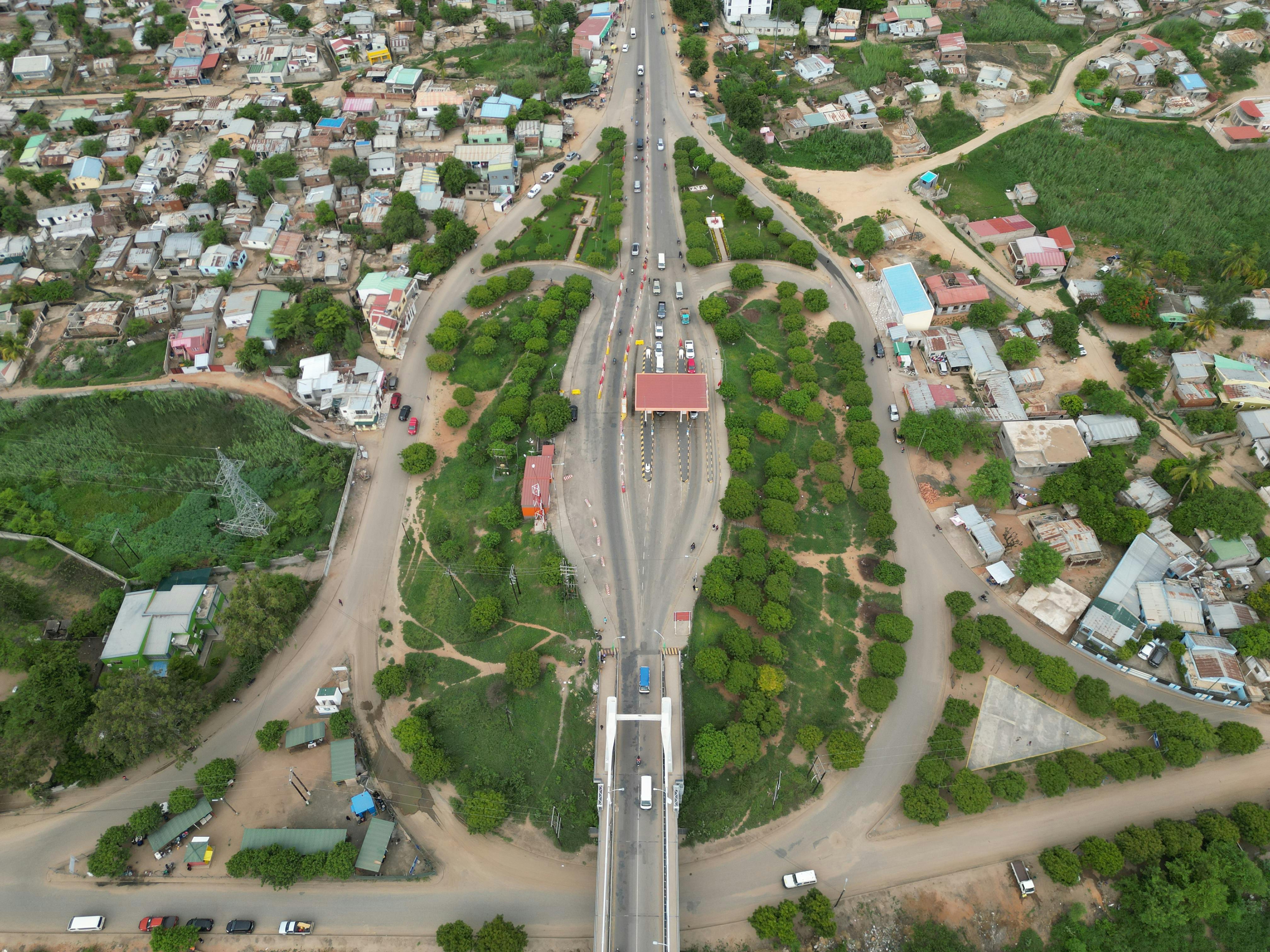
Lilongwe · Felixfeld / CC BY-SA 3.0Land, settle in, and take a gentle orientation walk to adjust to the pace. Change a little money into kwacha for tips and market snacks before anything else.
Malawi's only accredited wildlife sanctuary and rehabilitation center, set in riverine forest in the heart of Old Town, home to rescued lions, leopards, monkeys, and pangolins. The shaded nature trails take 60-90 minutes and entry is modest (around $10-15 for visitors). An easy, meaningful first stop within the city.
A sprawling, sensory produce-and-everything market along the river, the best quick immersion in everyday Lilongwe. Go with your driver or guide, keep valuables tucked away, and buy a bag of fresh fruit to taste. Lively and authentic rather than polished.
Find a relaxed garden bar to watch the light fade on your first Malawian evening.
A poolside terrace in Area 43 pouring cold Kuche Kuche and Malawi Gin, a calm spot to ease off travel legs. Good cocktails and a steady expat-and-traveler crowd.
Keep the first night simple and close to base with reliable, well-regarded kitchens.
A long-running Italian favorite in Old Town (Old Town Mall) turning out wood-fired pizza and fresh pasta, a reliable comfort meal after a flight. Casual, busy, and reasonably priced.
A well-loved spot for fragrant Indian and Malawian dishes with a leafy terrace setting. Try the curries with fresh chambo if available; mains are mid-range by local standards.

Markets, Crafts & the Two Faces of the Capital
Kamuzu Mausoleum · Malawiana / Public domainFuel up with proper coffee and a sit-down breakfast before a full day exploring.
A garden-centre cafe in Old Town with shaded tables among nursery plants, good cooked breakfasts, and Malawian-grown coffee. A calm, green start to the day.
Farm-to-table breakfasts using the lodge's own produce, with eggs, fresh bread, and excellent juices in a quiet garden. Worth the short drive for the setting.
See both halves of Lilongwe with a local guide, from the markets of Old Town to the monuments of Capital City. A guided tour smooths the logistics and adds real context.
A privately guided full-day loop through Lilongwe's markets, craft stalls, food halls, and landmark sites led by knowledgeable local guides who handle transport and translation. The easiest way to understand the city in a single day and support a local operator.
A culture-focused guided tour weaving through authentic craft cooperatives and the food market, with strong emphasis on Malawian traditions and daily life. A good alternative if you want a deeper cultural angle.
Break for a relaxed lunch between market visits.
A reliable grill in Capital City with steaks, burgers, and salads in air-conditioned comfort, handy if your morning ends near the embassy district. Dependable midrange quality.
A bright cafe and craft shop combo serving light meals, wraps, and good coffee, with local handicrafts to browse. Popular lunch stop with a relaxed vibe.
Spend the afternoon on Malawi's history and crafts, then stock up on anything you need for the lake.
The striking mausoleum of founding president Hastings Kamuzu Banda anchors Capital City's monumental district, a quick photo-and-context stop. Pair it with a drive past the modern Parliament building.
Lilongwe's best one-stop craft shops for carvings, baskets, chitenje fabric, and contemporary Malawian art, with fixed prices and quality goods. Ideal for souvenirs before you head rural.
Round off your capital stay with one of Lilongwe's better dinner tables.
A long-standing Lebanese-and-grill favorite known for generous mezze, shawarma, and seafood platters. Lively, good value, and a local institution.
A candlelit garden dining room serving a daily-changing menu built on the lodge's organic farm produce. A peaceful, slightly special send-off before the drive to the lake.

Down to the Lake & First Swim at Chembe Beach
Lake Malawi · National Aeronautics and Space Administration (NASA) / Public domainEat well in Lilongwe before the long lake transfer, and grab water and snacks for the road.
Have a full breakfast at your Lilongwe lodge, then stop at a Shoprite or Chipiku in town to load up on water, fruit, and snacks; roadside options thin out past Salima. A practical start to a driving day.
Hit the road early for the southeast run to the lake, watching the landscape open into baobab country and roadside markets.
The 4.5-5 hour drive runs via Salima and Monkey Bay before dropping into the national park; the road is mostly paved but slow near the end. Break the trip at the lakeshore town of Salima for a leg-stretch and a first glimpse of the water.
Arrive hungry and eat with your toes near the sand.
A relaxed beachfront kitchen in Chembe known for fresh chambo (the lake's signature fish), burgers, and cold drinks under shade. A perfect first lakeside meal.
Do nothing in particular: swim, settle in, and let the lake set the pace.
Wade straight in from your lodge for your first swim, or borrow a mask to spot cichlids around the rocky points. The water is warm and shallow for a long way out, ideal for easing in. Most beachfront lodges manage bilharzia risk, but rinse and towel-dry promptly as a precaution.
Watch the lake's famous sunset, when the water turns molten and fishing boats slide out for the night.
Pull a chair onto the sand with a Malawi Gin and tonic as the sun drops behind Domwe Island. Later, the lamps of night fishermen create the Lake of Stars effect that gives Malawi its poetry.
Keep it barefoot and local your first night on the lake.
Simple village grills serve grilled chambo, rice, nsima (the maize staple), and greens at very gentle prices, often with the catch chosen that afternoon. Eat where the smoke smells best.
A dependable beach bar-restaurant with wood-fired pizza, curries, and fresh fish, plus a sociable bar if you fancy company. Reliable and easygoing.

Islands, Snorkeling & Fish Eagles on the Lake
Cape Maclear · Hans Hillewaert / CC BY-SA 4.0Light, early breakfast before a day on the water.
Most lodges serve eggs, fruit, and good filter coffee on the sand; eat early to make the most of calm morning water before the afternoon breeze picks up.
Spend the day on a classic Lake Malawi boat safari to the offshore islands: snorkeling among cichlids, watching a guide hand-feed African fish eagles, and picnicking on a deserted beach.
A half- or full-day boat excursion (arranged through any Chembe lodge, typically $25-45 per person plus park fees) crosses to Thumbi West and Domwe islands for the park's best snorkeling, where clouds of electric-blue cichlids swarm the rocks. Guides stage the famous fish-eagle feeding, where eagles swoop to snatch fish from the surface, and you picnic on an empty beach. Bring reef shoes, sun protection, and a dry bag.
For a more active option, sea kayaks from Cape Maclear let you paddle the sheltered channel to Domwe Island, snorkel the coves, and return at leisure. Good for confident paddlers wanting quiet water away from motorboats.
Reward a sun-soaked day with a proper lakeside meal.
Come back for the chambo done well, plus salads and cold beer, with tables steps from the water. A friendly, consistent kitchen.
A slightly more refined beachfront menu spanning fresh fish, curries, and pasta, with attentive service. A comfortable mid-range dinner.
Village Life, Malawian Cooking & a Slow Lake Day
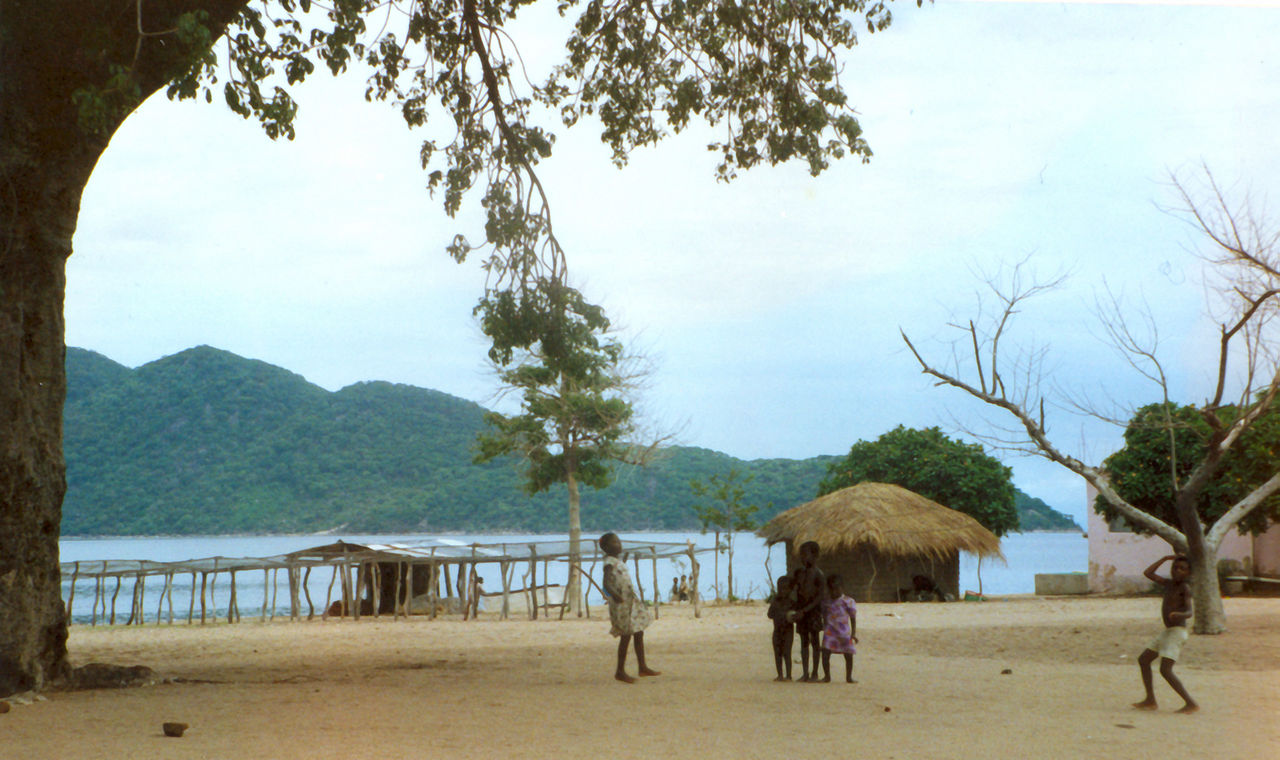
Lake Malawi National Park · Kevin Walsh from Oxford, England / CC BY 2.0Ease into your last full lake day with no rush.
Linger over Malawian coffee and fresh bread on the beach, watching dugout canoes set out. A gentle morning is part of the point here.
Get under the skin of Chembe village, either through its food or a guided walk among the fishing community.
A hands-on class in Cape Maclear where a local chef teaches you to make nsima, relishes, and grilled chambo while sharing daily life in Chembe, ending in a shared meal. Excellent value at around $25 and one of the most authentic, sociable experiences on the lake.
A guided stroll through the village takes in the old Scottish mission church, a primary school, and the bustling fish-drying racks, with proceeds often supporting local projects. A grounding look at everyday Cape Maclear.
Eat what you cooked, or grab a light bite on the beach.
If you took the class, lunch is the meal you prepared, eaten together with your hosts. Otherwise, a beachfront lodge salad and fresh juice keeps it light before an afternoon swim.
Squeeze the last out of the lake: paddle, snorkel, or simply read in a hammock.
Borrow a kayak or SUP from your lodge and glide along the shoreline as the light softens, with the granite islands glowing pink. Calm late-afternoon water makes this the prettiest time to be out.
A short walk or paddle from Chembe, Otter Point is a rocky promontory teeming with cichlids and a reliable spot for an easy final snorkel. Watch for rock hyrax basking on the boulders.
Toast your lake days with one last beachside dinner under the stars.
Settle in for grilled fish and a cold Green (Carlsberg's Malawian lager) with sand underfoot. Linger for the night-fishing lights before an early start south.

Over the Zomba Plateau to Blantyre
Malawi · Original: Unknown author Vector: Achim1999 / Public domainEarly breakfast on the lake before the climb into the highlands.
Take an early breakfast and pack water and layers; the plateau is markedly cooler than the lake. Aim to be on the road by 8am to reach Zomba with time to hike.
Drive south and up to the Zomba Plateau, a montane tableland of pine forest, trout streams, and dramatic escarpment edges.
The roughly 2.5-3 hour drive climbs from the lakeshore to Zomba town, then up a winding forest road to the plateau (around 1,800 m). The temperature drop and switchback views announce that you have left the lake behind.
Eat with one of Malawi's grandest views before or after your walk.
The plateau's clifftop inn serves lunch on a terrace that falls away to the plains far below, often with locally caught trout on the menu. The view alone justifies the stop.
Stretch your legs on the plateau, then drop down for the final hour to Blantyre.
A guided plateau hike to viewpoints like Emperor's View and Queen's View, past waterfalls and pine forest, pitched to suit a wide range of fitness levels and genuinely scenic. Going with a local guide adds safety and natural-history context on a plateau where trails can be confusing. Roughly $160 for a private outing.
After the hike, descend to Zomba town and continue about 1 hour (65 km) on good road to Blantyre. Arrive in time to clean up before dinner.
Settle into Blantyre with a relaxed first dinner.
Blantyre's best-known steakhouse, with quality cuts, seafood, and a proper wine list in a polished setting. A comfortable, dependable first night in town.
A leafy garden restaurant pouring craft drinks alongside pizza, grills, and Malawian dishes, popular with locals and expats. Relaxed and good value.

Blantyre's History, Markets & Mission Heritage
St Michael and All Angels Church, Blantyre · AndrewDressel (talk) / CC BY-SA 3.0Start with Blantyre's surprisingly good cafe scene.
Central Blantyre has reliable cafes for espresso, fresh pastries, and cooked breakfasts to set up a day on foot. Fuel up before the museums and markets get busy.
Dig into Blantyre's layered history with a guided city tour covering its missionary roots, markets, and art.
A 4-hour guided city tour hitting the Lacavana Art Gallery, the buzzing Blantyre Market, historic Mandala House, and the Chichiri Museum, with a local guide adding Chichewa culture and context. A highly rated, efficient way to see the city's highlights. Around $100.
An alternative guided tour taking in Mandala House, craft markets, and the cooler heights of the Michiru hills for city views and storytelling. A good pick if you want a scenic, less market-heavy angle.
Break for lunch at Malawi's oldest building, now a cultural hub.
Set in the 1882 Mandala House, the oldest building in Malawi, the garden cafe serves light lunches amid an art gallery and the Society of Malawi archive. History, art, and a quiet courtyard in one stop.
Visit Blantyre's architectural showpiece and pick up final crafts.
An astonishing brick basilica built in 1888-1891 by Scottish missionaries with no formal architectural training, all soaring arches and domes. One of Malawi's most remarkable buildings and free to visit (a small donation is welcome).
Toast the trip's end over a sundowner.
Catch the lights come up over Blantyre from a hotel terrace with a Malawi Gin. A calm way to wind down before your last dinner.
Mark the final evening with one of Blantyre's better tables.
A genuine Italian trattoria long regarded as one of Blantyre's best restaurants, with homemade pasta and an Italian owner-chef. Book ahead on weekends; it stays popular.
A relaxed garden setting for grills, fresh fish, and Malawian flavors if you want something lower-key. Friendly and consistent.

Last Morning in Blantyre & Departure
Malawi University of Business and Applied Sciences · Malcolm Manners from Lakeland FL, USA / CC BY 2.0A leisurely final breakfast before heading to the airport.
Enjoy a relaxed breakfast at your hotel and repack at an easy pace. Confirm your transfer time in advance, as Blantyre traffic can slow the airport run.
Squeeze in one last errand or sight close to the center before checkout.
Pick up any remaining gifts, Malawian coffee, or chitenje fabric from central shops, or revisit St Michael's if you skipped it. Keep it close to your hotel to avoid a rush.
Grab an early, light lunch, then transfer to the airport for your flight home.
A cafe sandwich or salad in the center sets you up for travel before the 20-30 minute drive to Chileka International Airport (BLZ) for regional connections, or transfer onward to Lilongwe if flying internationally from there. Allow generous time for check-in.
Pick your base
Old Town (Area 3) puts you near markets, restaurants, and the Wildlife Centre and is the most convenient base. The greener Capital City and Area 43 hold quieter boutique stays and good restaurants, handy if you prefer calm over bustle.
A design-led boutique hotel in leafy Area 43 with a poolside bar, strong restaurant, and reliable Wi-Fi, popular with returning regional travelers. A polished, well-run base that feels a notch above its price.
A dependable full-service hotel in Capital City with a big pool, gym, and several restaurants, well placed for the embassy district. A safe, comfortable midrange pick with consistent service.
A tranquil farm lodge on the city's edge surrounded by gardens and woodland, with its own organic produce feeding the kitchen (it famously hosted Madonna). Great for a quiet, green first night close to the airport.
A relaxed lodge and campsite with a pool and good-value rooms on the city outskirts, friendly to families and overlanders alike. Solid value with help arranging onward transfers.
Robin Pope Safaris' flagship lake lodge, with hillside villas, a stunning infinity pool, and its own sailing dhow, set in the national park just south of Cape Maclear. The splurge address on this coast, ideal for a romantic finale to lake days.
Eight solar-powered safari tents on a tiny uninhabited granite island, reached by a 45-minute boat ride, with snorkeling and kayaking straight off the rocks. Wonderfully remote and eco-minded; book well ahead as it is small.
A comfortable beachfront lodge in the middle of Chembe with bright en-suite rooms, a good restaurant, and an easy launch point for boat trips. A solid mid-range base in the village action.
A friendly beachfront lodge with chalets, a pool, and a popular bar-restaurant right on the sand, well set up for families and groups. Good value and a sociable, easygoing atmosphere.
Blantyre's historic hotel (parts date to 1922), refurbished under the Marriott Protea brand, central and walkable with a good restaurant and pool. The most reliable, well-located midrange base in town.
A long-established city hotel on a rise with bay-window views over Blantyre, a pool, and several restaurants. Central and comfortable with dependable service.
A lodge and small game reserve on Blantyre's edge with a pool, spacious grounds, and resident antelope and zebra, good for families wanting room to roam. A relaxed green retreat near the city.
A friendly budget lodge on a hill with garden chalets, valley views, and helpful staff, a short drive from the center. Great value with a backpacker-meets-guesthouse feel.
Good to know
How many days do you need in Malawi?
Eight days is enough to combine the capital Lilongwe, several nights on Lake Malawi at Cape Maclear, and the highland scenery around Zomba and Blantyre. With less than a week you would need to focus on the lake alone, since road transfers between regions are slow.
What is the best time to visit Malawi and Lake Malawi?
The dry season from May to October brings sunny, mild days and the clearest lake water, making it ideal for snorkeling and hiking. The green season from November to April is warmer, lush, and quieter but can bring afternoon rains, while the lake stays warm enough to swim year-round.
How do you get around Malawi?
Most visitors hire a private driver-guide or self-drive a high-clearance vehicle, as public minibuses are crowded and slow. Distances look short on a map but roads are winding and journeys take longer than expected, so budget generous transfer times, and note that domestic flights between Lilongwe and Blantyre can save hours.
Is it safe to swim in Lake Malawi?
Lake Malawi is generally safe and wonderful for swimming, though there is a low risk of bilharzia (schistosomiasis); islands and clear, moving water are lowest-risk. Many travelers take a single dose of praziquantel a few weeks after their trip as a precaution and avoid stagnant reedy shallows.
What is the best area to stay in Cape Maclear for first-time visitors?
Staying right on Chembe Beach gives the easiest access to swimming, boat trips, and village life, with options from backpacker lodges to comfortable beach lodges. For a more secluded splurge, the small island camps on Mumbo or Domwe offer solar-powered seclusion a short boat ride offshore.
Is Malawi expensive to visit?
Malawi is one of Africa's more affordable destinations, with inexpensive local meals and modest lodge rates, though imported goods, fuel, and top-end safari lodges cost more. It runs largely on cash, so carry kwacha in small denominations because card acceptance is limited outside major hotels.
In eight days this route distills the best of Malawi: a friendly capital to find your feet, days of clear-water snorkeling and island picnics on the Lake of Stars, a bracing highland hike, and a town steeped in missionary history. It is an honest, unhurried country where the welcome is as memorable as the scenery. Pack light, carry kwacha, slow down, and let the Warm Heart of Africa do the rest.