
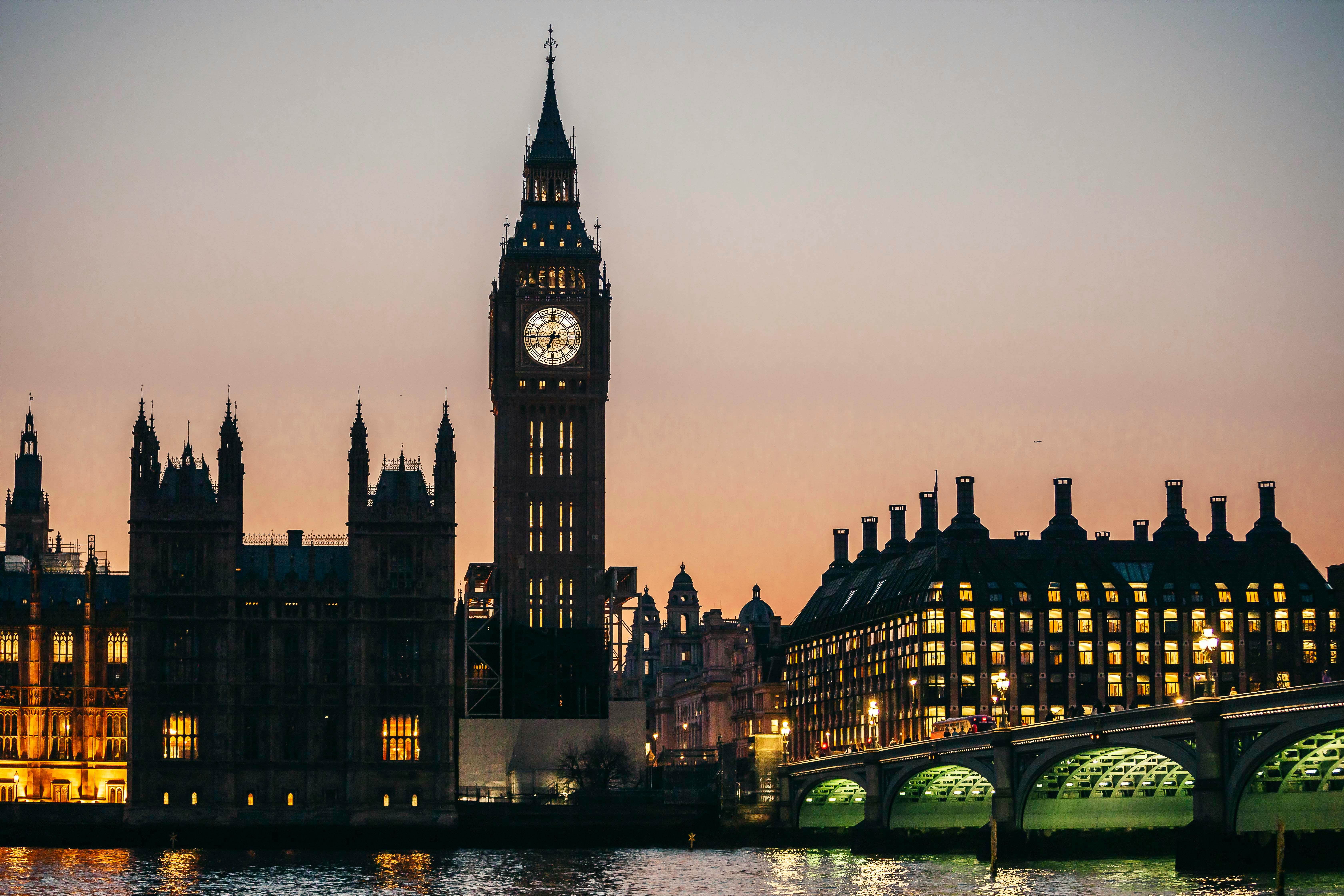
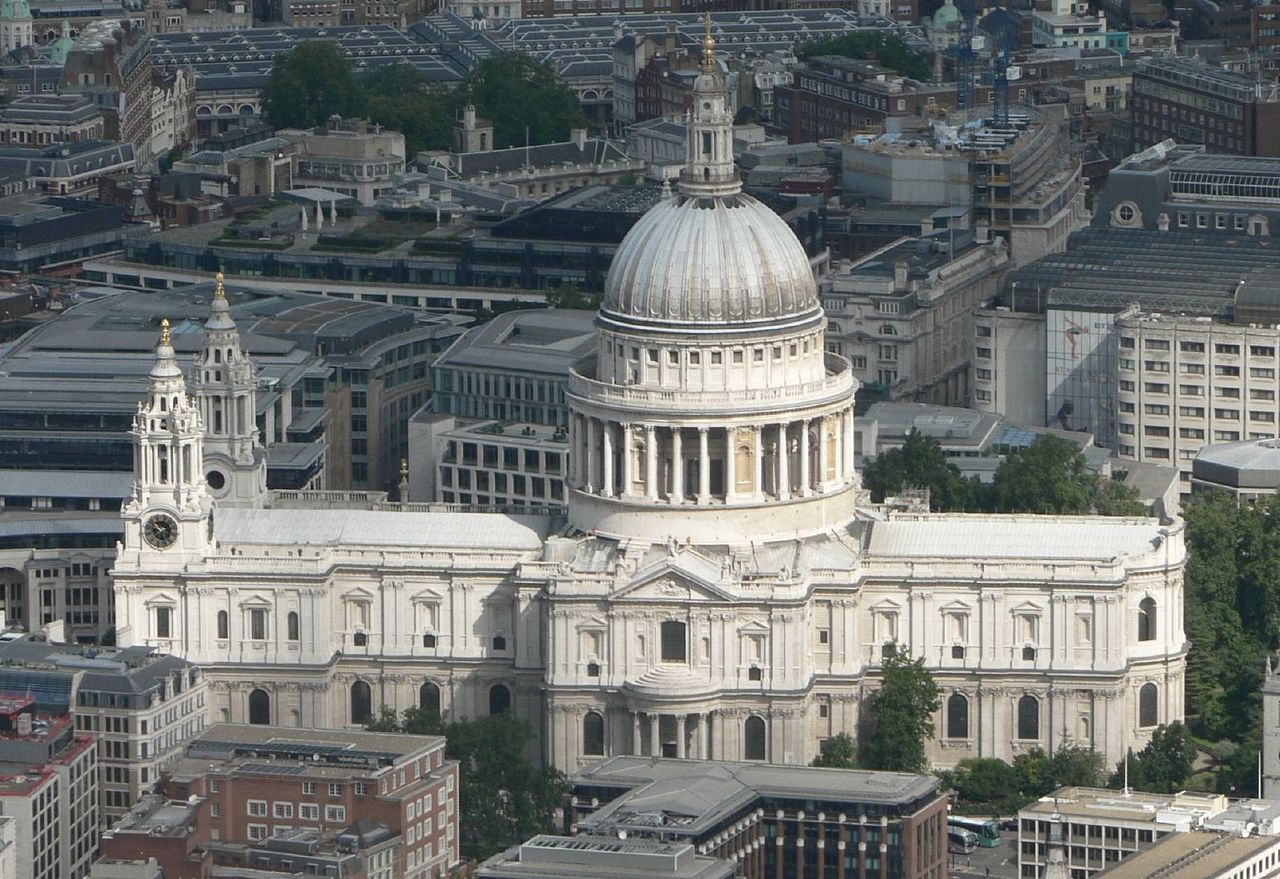
London wears its two thousand years lightly. Founded by the Romans as Londinium around AD 47, it has been a Saxon trading post, a medieval walled city, the capital of a global empire, and today one of the most international cities on earth, where more than 300 languages are spoken on a single Tube network. The result is a place where a Norman castle, a Wren cathedral, and a glass skyscraper share the same skyline.
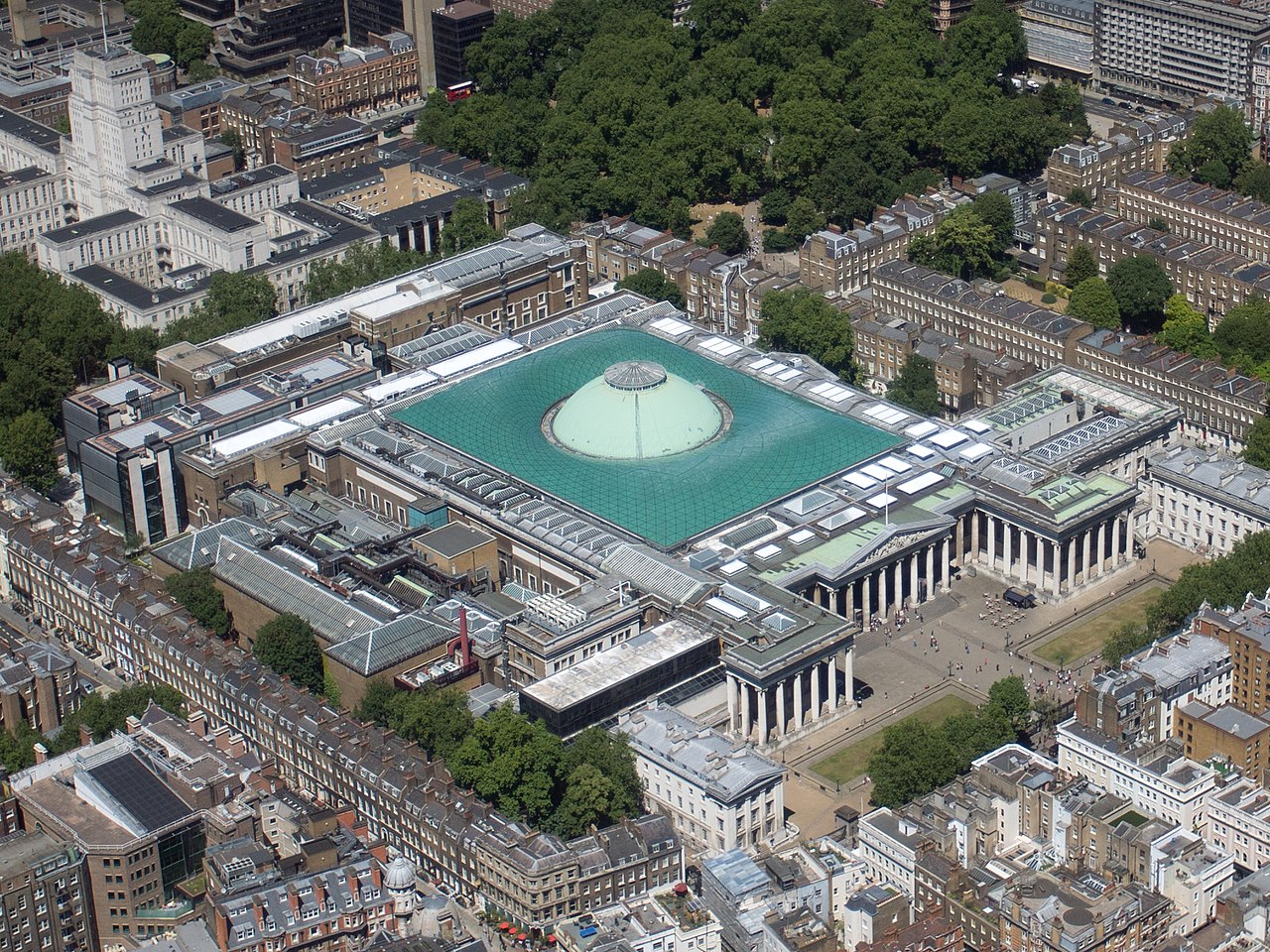
The headline sights live up to the hype: the Crown Jewels at the Tower, the Rosetta Stone at the British Museum, the daily theater of the King's Guard at Buckingham Palace, and a West End that rivals Broadway. But the real pleasure is in the neighborhoods, from Borough Market's stalls and Soho's restaurants to the antique lanes of Notting Hill and the maritime grandeur of Greenwich.
Getting around is easy: use a contactless card or phone to tap in and out on the Tube, buses, and Overground (there is a daily fare cap, so you never overpay). Pack for changeable weather in any season, carry a light rain layer, and book the big-ticket sights and any West End show in advance. Many major museums are free, which keeps a London week surprisingly good value if you plan the paid highlights.
England's capital is a city of villages stitched together by the Thames, each with its own character: political Westminster, financial City, bohemian Soho, museum-rich Kensington, and market-loving Southwark. Seven days is enough to see the landmark sights at a civilized pace while still leaving time to wander, linger over long lunches, and catch a show. This plan keeps walking sensible, groups attractions by area, and mixes the must-sees with the places locals actually frequent.




Where to Stay
For a first visit, base yourself centrally so you can walk to sights and roll home after a show. Covent Garden and Soho put you in the middle of the West End and dining. Westminster and St James's are handsome and steps from the big monuments. South Bank and Southwark trade some polish for river views, Borough Market, and easy Tube links. Bloomsbury is quieter, leafy, and next to the British Museum, while South Kensington suits museum-lovers and families.
The Z Hotel Piccadilly
midrange GoogleA smart, compact-room hotel a two-minute walk from Piccadilly Circus, ideal for theater nights and easy Tube access. Great value for such a central Soho-edge location, with free wine and cheese in the evenings.
The Resident Covent Garden
midrange GooglePolished, well-run rooms with kitchenettes on the quiet edge of Covent Garden, minutes from the Opera House and Seven Dials. A reliable mid-range pick for couples who want to walk everywhere.
Premier Inn London County Hall
budget GoogleDependable, family-friendly, and remarkably well located beside the London Eye with some Thames-facing rooms. Consistent quality at a fair price makes this a strong value base on the South Bank.
South Kensington apartment (VRBO)
family friendlyRenting a flat near the Natural History Museum gives families room to spread out, a kitchen for breakfasts, and quick access to Hyde Park and three free museums. Good for longer stays or groups.
The Savoy
luxury GoogleLondon's most storied grand hotel, on the Strand overlooking the Thames, with the Art Deco American Bar and Savoy Grill under one roof. The iconic splurge if you want a slice of London legend.
Seven days gives you London's greatest hits without the forced march: the Tower and the Crown Jewels, the British Museum and the National Gallery, royal Westminster and Buckingham Palace, and a day downriver in Greenwich, all wrapped around long market lunches, a West End show, and evenings in Soho and Notting Hill. Tap through the city on contactless, book the timed-entry sights early, and leave room to simply wander, because London rewards the curious. You will leave already planning your return.