
Live Like a Local: A 13-Day Madrid Itinerary on a Shoestring
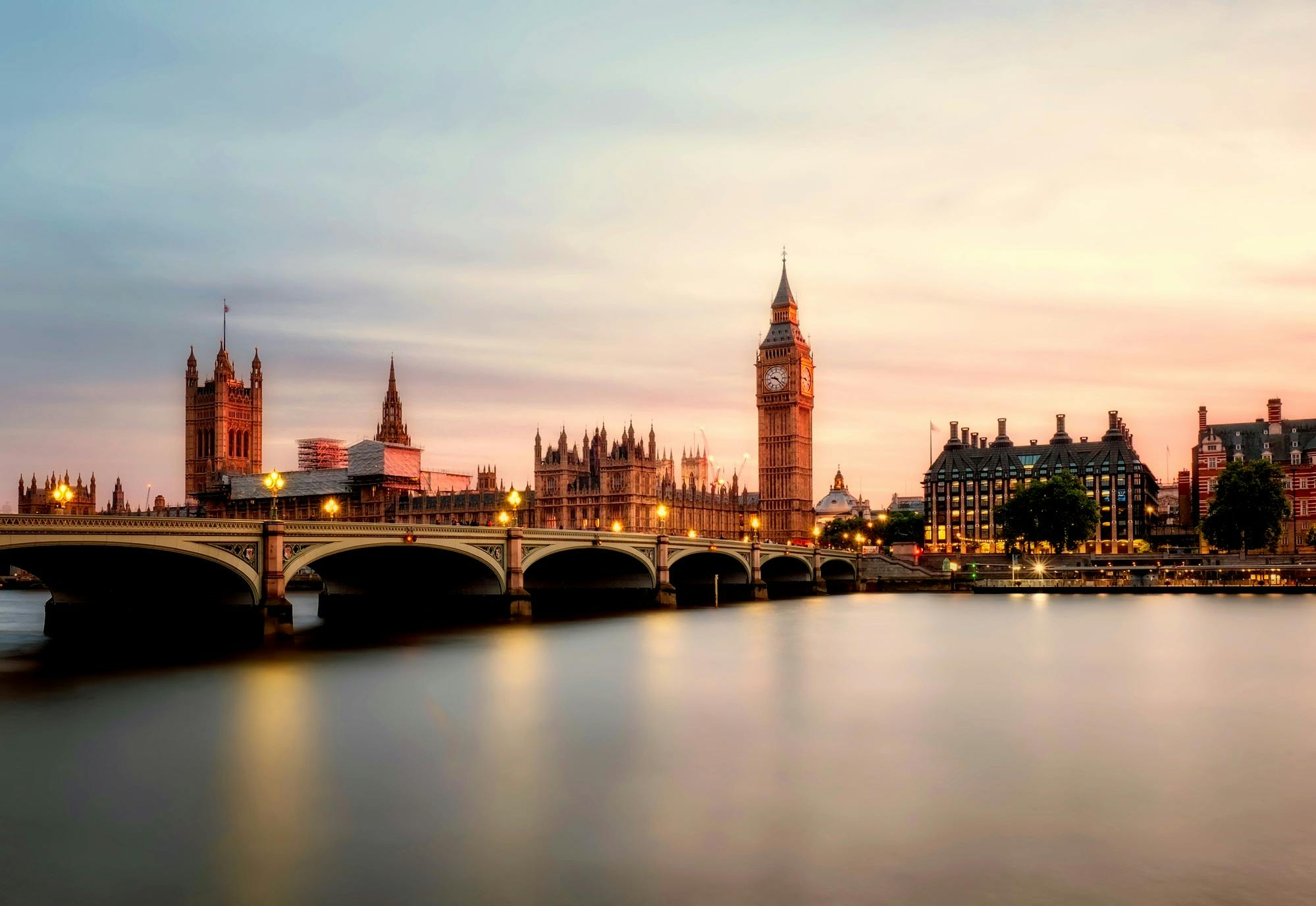
Madrid is a city of plazas and late sunsets, where mornings start with tostadas and end with a leisurely paseo. Founded as a royal seat in the 16th century, it blends the Habsburg old town with grand Bourbon boulevards and art-rich museums. The result is a capital that’s cultured but casual, social yet wonderfully affordable.
Over 13 days you can truly live like a madrileño: picnic in Retiro, sip vermouth in La Latina, browse El Rastro flea market, and catch a pure flamenco show after dusk. Spend afternoons in world-class collections—the Prado, Reina Sofía, and Thyssen—timed to free-entry hours, then eat your way through menus del día, neighborhood tabernas, and markets.
Practical notes: Madrid’s Metro is fast and inexpensive, and walking is a joy. Museums offer daily free-entry windows (e.g., Prado evenings; Reina Sofía late evenings and midday Sundays—confirm times close to your date). Expect late dining (locals eat dinner after 9 pm), modest tipping (spare change), and a wealth of safe, lively neighborhoods to explore on foot.
Madrid
Arriving and getting around (budget-focused): If you’re flying within Europe, compare fares on Omio; from outside Europe, check Trip.com and Kiwi.com. From Madrid-Barajas (MAD), the Metro (Line 8) reaches the center in ~30–40 minutes (around €5–€6 including the airport supplement). The Exprés Aeropuerto bus runs 24/7 to Cibeles/Atocha in ~40 minutes for about €5. A 10-journey Metro/bus ticket is roughly €12–€13 for Zone A (great value for a 13-day stay).
Coming by train/bus: High-speed trains connect major Spanish cities: Barcelona–Madrid in ~2.5–3 hours; Seville–Madrid in ~2.5 hours. Search schedules and deals on Omio (trains) or Omio (buses). Expect advance fares from ~€25–€60 on popular routes.
Where to stay (neighborhoods + budget picks): For a local vibe on a tight budget, base yourself in La Latina (Sundays spill into tapas on Cava Baja), Lavapiés (street art, global eats), or Malasaña (vintage shops, third-wave coffee). Browse apartments on VRBO Madrid or deals on Hotels.com Madrid. Excellent budget stays: Room007 Ventura Hostel (social, central) and Hostal Persal (value rooms near Plaza Mayor). Midrange: Novotel Madrid Center, Melia Madrid Princesa. Splurge-worthy classics if you treat yourself: The Westin Palace, Madrid or Gran Meliá Palacio de los Duques.
Days 1–3: Settle into Centro, La Latina, and Retiro
Start with a gentle orientation: Puerta del Sol’s bear-and-strawberry statue, the arcaded Plaza Mayor, and a classic churros-and-chocolate stop at 19th‑century Chocolatería San Ginés. Loop to the Royal Palace and Almudena Cathedral; linger in the free Sabatini Gardens for sunset photos of palace facades without spending a euro.
Picnic your way through El Retiro: rowboats on the Estanque, the glass-and-iron Palacio de Cristal (often hosting free installations), and shaded lawns perfect for a siesta. The nearby “Art Walk” beckons, but keep your museum energy for free hours later in the week.
- Breakfasts: La Mallorquina (Sol) for a warm napolitana; Misión Café (Conde Duque) for specialty coffee and sourdough toasts.
- Lunches: Taberna El Sur (Huertas; reliable menú del día under ~€14); Bar La Campana (Plaza Mayor) for a crisp bocadillo de calamares (~€4–6).
- Dinners: Cava Baja in La Latina—try La Perejila (andaluz plates), Casa Lucas (creative tapas), or the more affordable Los Huevos de Lucio for hearty huevos rotos.
- Drinks: Order a “vermut de grifo” (vermouth on tap) at Bodega de la Ardosa or El Anciano Rey de los Vinos.
Days 4–6: Lavapiés flavor, museum gems, and Madrid Río
Explore Lavapiés’ murals around Embajadores and snack through Mercado de San Fernando (stalls selling empanadas, oysters, and “buy by the book” secondhand shelves). Walk the landscaped Madrid Río to Matadero Madrid, a cultural complex with free exhibits and weekend activity; it’s a local favorite for people‑watching.
Time your art visits to free-entry slots: the Prado typically opens free in the early evening (plan 60–120 minutes), and Reina Sofía’s late-evening and Sunday midday windows are perfect for Picasso’s Guernica. On another afternoon, pop into the Sorolla Museum (free some late-week hours) for sunlit Valencia beaches painted into a serene mansion.
- Coffee: Hola Coffee (Lavapiés) and Toma Café (Malasaña) for expertly roasted beans.
- Budget global eats: Lavapiés does Ethiopian (injera platters), Indian thalis, and Moroccan couscous; Vallehermoso Market offers affordable counter dining—look for Kitchen 154’s bold flavors.
Optional bookable experience (art lovers):
Prado Museum Guided Tour with Skip-the-Line Ticket — a focused 90-minute walk through Velázquez, Goya, and more, ideal if you want expert context before returning on a free evening hour.

Days 7–9: Malasaña and Chueca, bikes and rooftops
Drift through Malasaña’s vintage racks (Flamingos Vintage Kilo, El Templo de Susu) and street art. Cross into stylish Chueca for plazas lined with terrazas and some of the city’s best bakeries and gelato. As dusk falls, head to the park by the Templo de Debod for one of Madrid’s classic sunset viewpoints over Casa de Campo.
Ride more, spend less: e-bikes via the city system (BiciMAD) are cheap pay‑as‑you‑go and great for flat itineraries like Gran Vía to Retiro. For a social overview, a guided bike tour hits key sights with local stories.
Optional bookable experience (budget-friendly and active):
Madrid Highlights Bike Tour — a relaxed ride covering plazas, parks, and photo stops so you can map out your favorite corners for deeper exploration later.

- Daytime bites: La Casa del Abuelo (garlic shrimp; share a ration), Las Bravas (potatoes with their signature salsa), or Casa Revuelta (salt cod morsels) for classic, inexpensive tapas.
- Rooftops: Circulo de Bellas Artes’ terrace has a small entry fee and a big skyline payoff—go right before golden hour.
- Night: For authentic tablao vibes without dinner add‑ons, choose a pure flamenco show.
Optional bookable experience (culture):
Essential Flamenco: Pure Flamenco Show in the Heart of Madrid — intimate, music‑first, and easy on the wallet compared to dinner shows.

Days 10–11: Classic day trips — Toledo and Segovia
Toledo’s labyrinth lanes and synagogues reveal the “city of three cultures”; Segovia stuns with a Roman aqueduct and fairytale Alcázar. Both are easy, affordable DIY trips—or bundle both in a one‑day tour if you want maximum coverage.
- DIY Toledo: High‑speed trains from Atocha in ~35 minutes (advance fares often ~€14–€25) via Omio, or buses in ~1 hour for ~€6–€10 via Omio.
- DIY Segovia: AVE trains from Chamartín to Segovia‑Guiomar in ~30 minutes (~€12–€25), then a 15‑minute bus to the old town; or direct buses from Moncloa in ~1h20 for about €8–€10.
Optional bookable experience (two-in-one value):
Toledo & Segovia Tour with Cathedral and Alcazar Tickets & Lunch — award‑winning, time‑efficient, and often cheaper than buying multiple separate entries and transfers last‑minute.

Days 12–13: Chamberí, Salamanca window‑shopping, and Casa de Campo
Discover Chamberí’s Andén 0 (the decommissioned “ghost” metro station museum; free but limited hours) and snack through Mercado de Chamberí’s counters. In Salamanca, window‑shop along Serrano and pop into small plazas for an espresso pause.
Spend your final afternoon in Casa de Campo, the city’s giant green lung: walk lakeside paths or bring a picnic for skyline views back toward the Royal Palace. If you’re a football fan on a budget, time a Rayo Vallecano home match in Vallecas—local atmosphere and cheaper seats than Bernabéu.
- Souvenirs that last: handmade espadrilles from Casa Hernanz (near Plaza Mayor), violet candies from La Violeta (Sol), or sherry education at La Venencia (cash‑only, no‑photos; respect the rules).
- Final bites: Juana La Loca (splurge‑worthy tortilla; go early for bar seats), El Cisne Azul (mushroom specialties; share plates), or cheap and cheerful 100‑year‑old Casa Labra (cod croquetas by the counter).
Bookable add‑ons you might like
Prefer an overview on wheels at the start? Or an easy airport ride if you arrive late?
- Madrid Highlights Bike Tour (see above for details).
- Prado Museum Guided Tour with Skip-the-Line Ticket (pairs well with free evening re‑entry).
- Essential Flamenco: Pure Flamenco Show (intimate, authentic).
Money-saving tips to live like a local
- Time museum visits to free hours (Prado evenings; Reina Sofía late evenings and midday Sundays; Thyssen’s permanent collection often free on Monday afternoons).
- Eat the menú del día (weekday set lunch, typically €11–€15 with bread and drink). Share raciones at tapas bars; stand at the bar for faster, often cheaper service.
- Use a 10‑trip Metro/bus ticket and walk the rest—Madrid’s center is compact. For bikes, use the city e‑bike system for short hops.
- El Rastro runs Sundays and holidays (roughly 9 am–3 pm). Go early, then continue to vermouth and tapas in La Latina like a true madrileño.
Airport transfer (optional): Public transport is cheapest, but if you land very late or with lots of luggage, a prebooked ride helps. Consider Madrid Barajas Airport Private Transfer To Madrid City as a backup option.
One more art-forward option:
Prado Museum Madrid Guided Tour with Skip the Line Ticket — combine this with a self-guided lap during the free window to double your art time for the same ticket.

Summary: Thirteen days in Madrid means unhurried mornings, market lunches, museum masterpieces, park picnics, and nights of flamenco and friends. With savvy timing and neighborhood know‑how, you’ll spend more time living the city and less time (and money) in lines—just as locals do.