
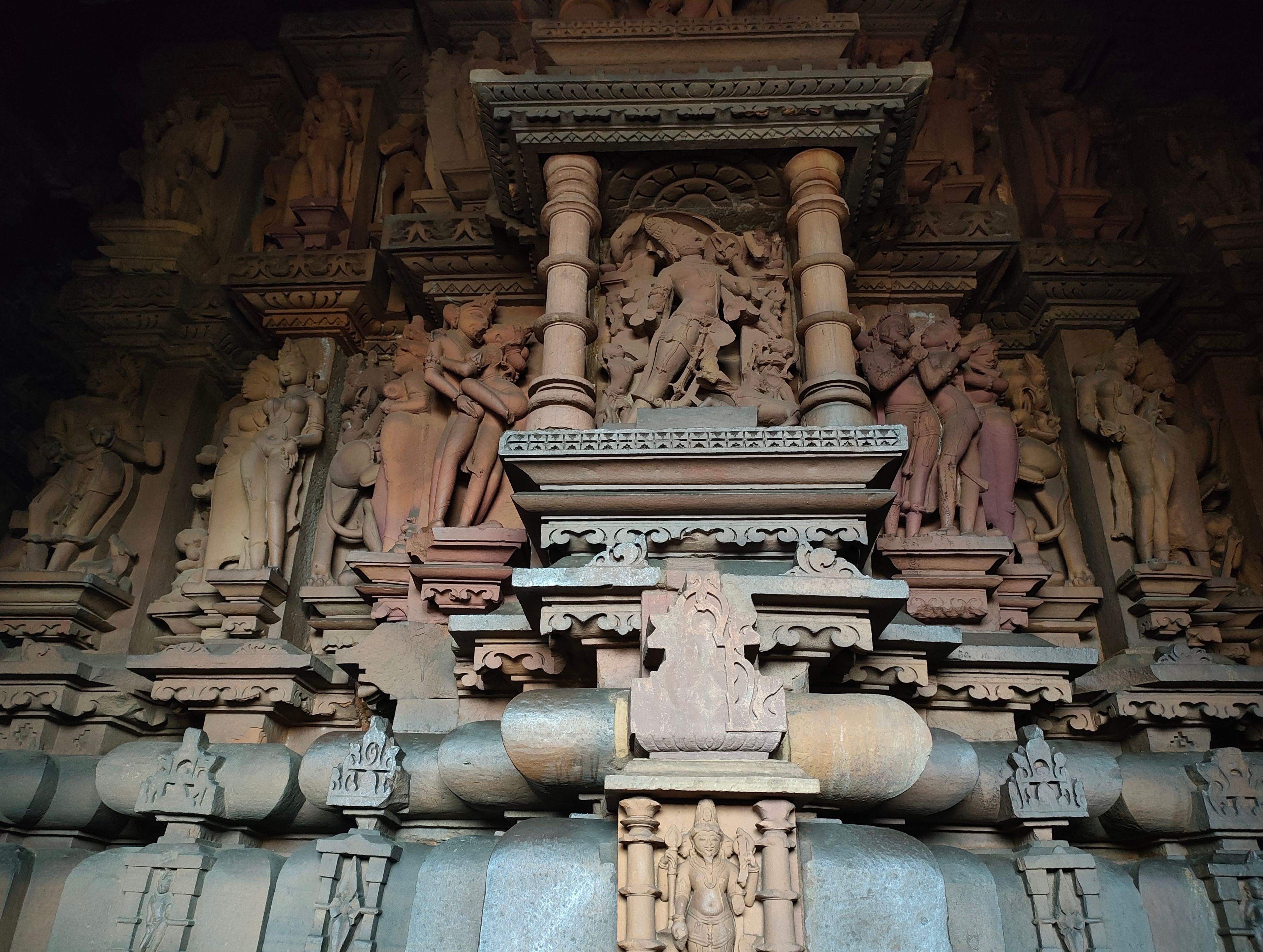
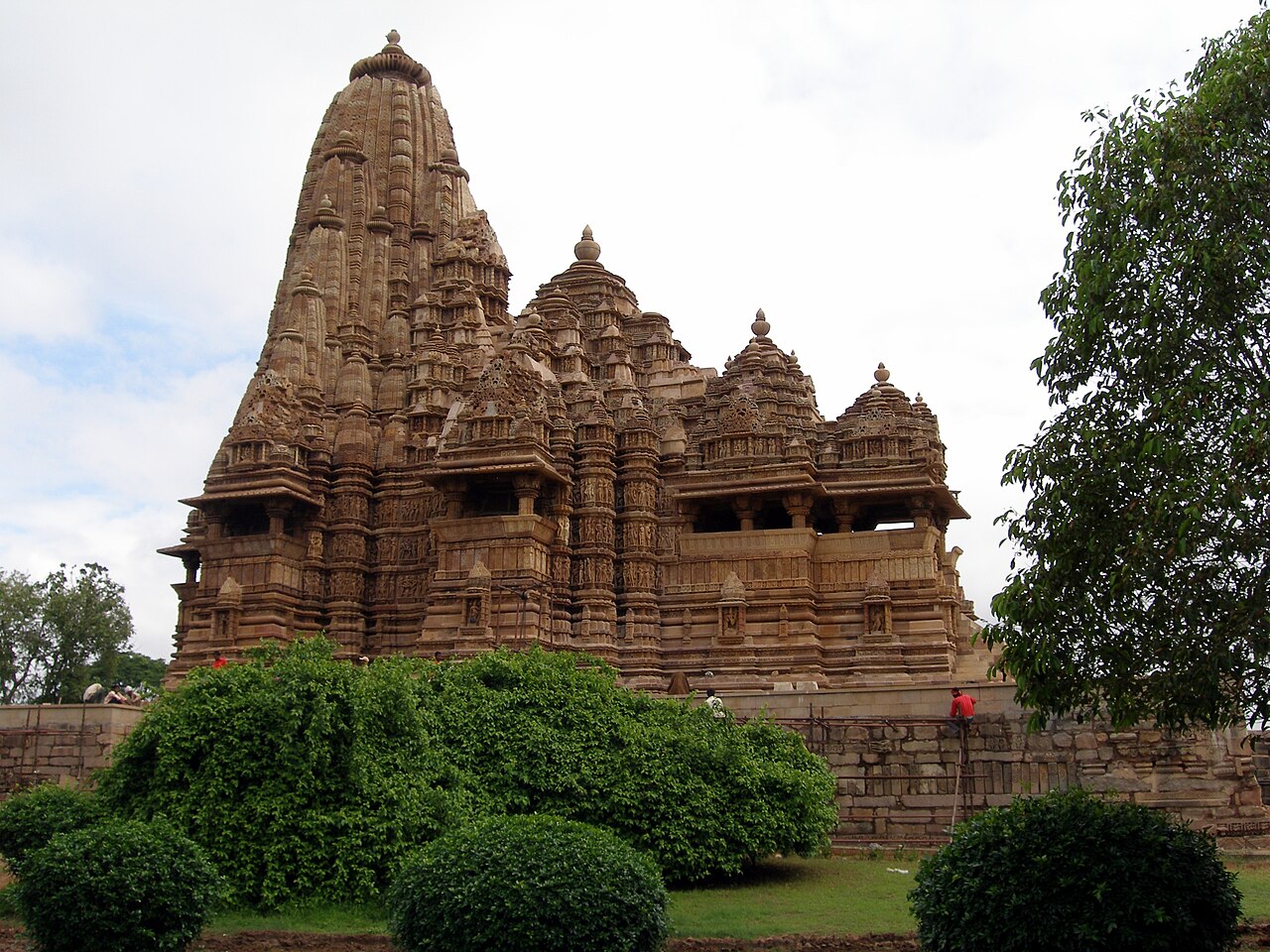
Chhatarpur district in the Bundelkhand region of northern Madhya Pradesh is best known for one extraordinary place: Khajuraho, whose sandstone temples were raised by the Chandela dynasty between roughly 950 and 1050 CE. Rediscovered by a British engineer in 1838 after centuries half-swallowed by jungle, the surviving temples earned UNESCO World Heritage status in 1986 and remain famous for their virtuoso carving, including the sensuous sculptures that give Khajuraho its worldwide reputation.
Beyond the temples, the district rewards curiosity. A short drive delivers you to Raneh Falls, a canyon of pink, red and grey volcanic rock cut by the Ken River, and to Panna National Park, one of central India's success stories for tiger conservation. The food is comforting Bundelkhandi and North Indian fare, with a surprising cluster of traveler-friendly cafes serving wood-fired pizza and filter coffee within a stone's throw of the ruins.
Practically speaking, Khajuraho has its own airport (HJR) with seasonal flights from Delhi and Varanasi, plus a railway station on the Delhi-Mumbai grid. The compact temple town is walkable and easily managed on foot, by e-rickshaw, or with a hired car for out-of-town excursions. The comfortable season runs October to March; summers before the monsoon are punishingly hot, so plan early starts and shaded midday breaks if you visit late in spring.
Khajuraho is the crown jewel of Chhatarpur district and one of the great set pieces of Indian art. Its temples cluster in three groups across a tidy, low-rise town where cows amble past souvenir stalls and the loudest sound is often birdsong. You come for the astonishing stone carving, the golden light on honey-colored spires at dawn and dusk, and the easy access to wild landscapes just beyond the temple gardens.


Where to Stay
Base yourself near the Western Group of Temples in the main tourist area: everything from budget guesthouses to five-star resorts sits within a 5-15 minute walk of the entrance, along with the best cafes and the light-and-sound show. Staying central means you can walk to sunrise at the temples and back for breakfast, and keep a hired car only for day trips to Raneh Falls and Panna.
Ramada by Wyndham Khajuraho
midrange GoogleA reliable, comfortable full-service hotel with a large pool and garden, a short drive or walk from the Western Group. A dependable mid-range pick for travelers who want consistent standards and a proper breakfast buffet.
Radisson Jass Hotel Khajuraho
midrange GoogleA long-established hotel on a rise near the temples, with a pool, spacious rooms and good views over the town. Solid value for its category and popular with tour groups for its central location.
Hotel Isabel Palace
boutique GoogleA characterful, well-run smaller hotel with a rooftop, garden and warm service, close to the Western Group. A favorite of independent travelers who want personality without a resort price tag.
Zostel Khajuraho
budget GoogleA cheerful, clean backpacker hostel with dorms and private rooms, a social rooftop and easy walking access to the temples. Great value for solo travelers and anyone watching the budget.
The Lalit Temple View Khajuraho
luxury GoogleThe town's standout splurge: a low-slung luxury property with direct views toward the Western Group, a lovely pool, spa and refined dining. Book it if you want a memorable stay right beside the temples.
Three days is enough to see Khajuraho properly: the incomparable Western, Eastern and Southern temple groups, an evening light show, a plunge into the Raneh Falls canyon, and a taste of the wild at Panna National Park. Chhatarpur packs world-class art and untamed landscapes into a compact, walkable base. Come for the carvings, stay for the light on the sandstone, and leave with a fuller picture of medieval India than most travelers ever get.