
Kerala in 21 Days: Kochi, Munnar & Thiruvananthapuram Backwaters, Tea Hills and Malabar Heritage
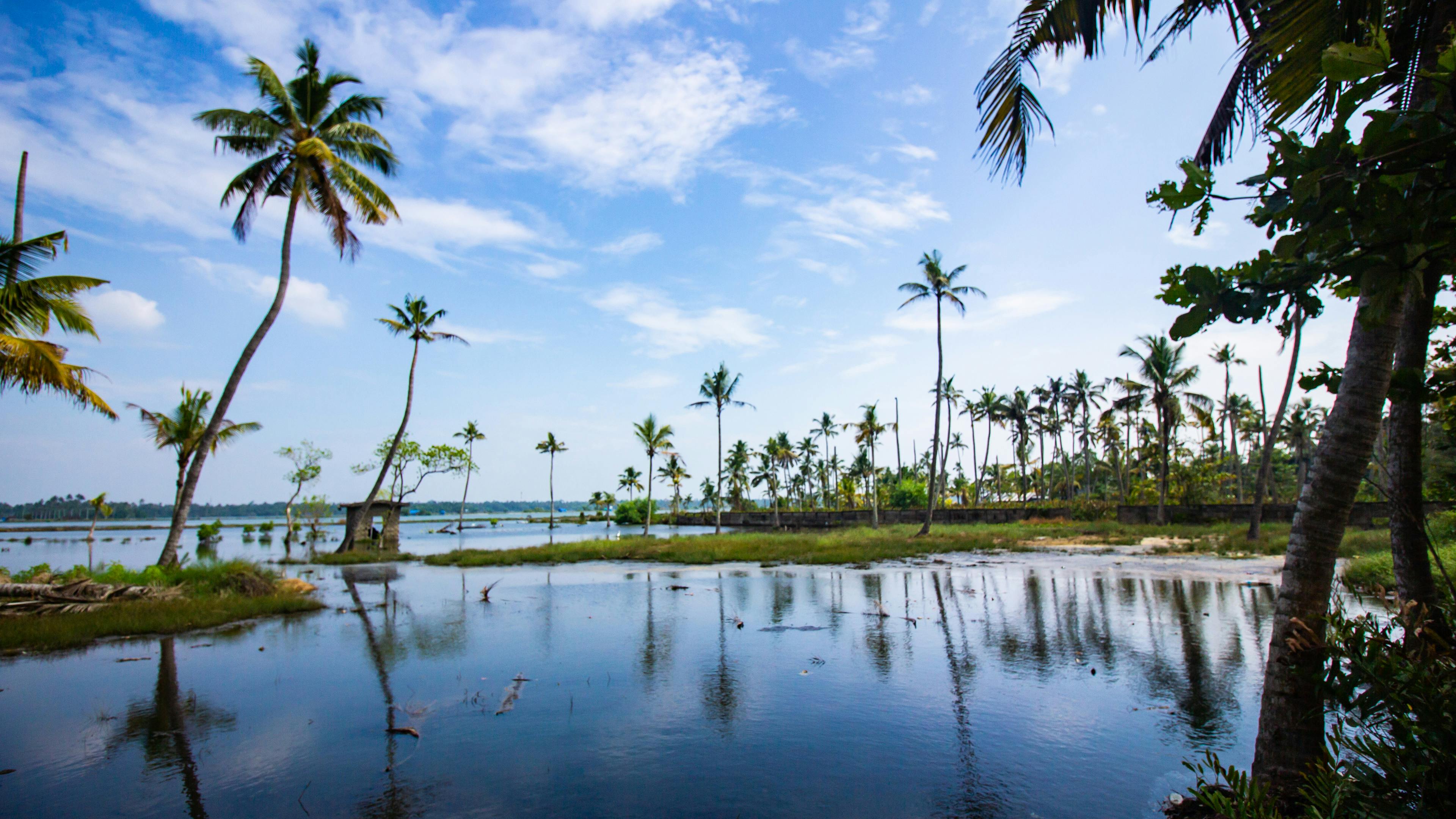
Kerala has long stood apart in the Indian imagination: a narrow green ribbon between the Arabian Sea and the Western Ghats, shaped by monsoon rains, maritime trade, and a remarkable mix of Hindu, Muslim, Christian, and Jewish histories. For centuries, Arab merchants, Chinese traders, Portuguese navigators, Dutch merchants, and the British all left their marks here, especially in old port towns such as Kochi.
What makes Kerala especially satisfying over 21 days is its range. In one trip you can watch Chinese fishing nets lift over the sea at Fort Kochi, drift through backwater canals shaded by coconut palms, climb into cool tea country in Munnar, and finish with temple culture, art, and beaches around Thiruvananthapuram. It is a state where daily life often feels cinematic: spice warehouses, kathakali makeup rituals, banana-leaf meals, and rain-washed hills appearing through morning mist.
Practically speaking, Kerala is one of India’s more approachable long-trip destinations thanks to good road connections, strong tourism infrastructure, and a celebrated food culture. March travel is usually hot and more humid on the coast, cooler in the hills, so light cotton clothing, sun protection, modest attire for temples, and flexible midday pacing are wise. Seafood lovers, vegetarians, coffee drinkers, and serious breakfast people will all do very well here.
Kochi
Kochi is the ideal beginning for a Kerala itinerary because the city teaches you how to read the state. Fort Kochi, Mattancherry, Ernakulam, old synagogues, Portuguese churches, spice markets, and harbor views all reveal Kerala as a meeting point rather than a single-note destination.
This is a city best enjoyed in layers rather than speed. Mornings are for walking heritage lanes before the heat rises, afternoons for museums or long lunches, and evenings for seafood, waterfront promenades, and cultural performances.
Getting to Kochi: Search flights on Trip.com flights or Kiwi.com. Kochi International Airport to Fort Kochi usually takes about 1.5-2 hours by car depending on traffic, and taxi fares are commonly in the roughly $12-$22 range.
Where to stay: Browse apartments and heritage homes on VRBO Kochi or hotel options on Hotels.com Kochi. Fort Kochi is best for atmosphere and walkability; Ernakulam suits travelers who want broader hotel inventory and easier business-style transport.
Days 1-7: Fort Kochi, Mattancherry, backwaters and village life
Begin with Fort Kochi’s signature sights: the Chinese fishing nets at sunset, St. Francis Church, and Santa Cruz Basilica. St. Francis is especially notable because it is among the oldest European churches in India and once held Vasco da Gama’s remains before they were moved to Lisbon, a detail that gives the place unusual historical gravity.
Spend one unhurried morning in Mattancherry. The Paradesi Synagogue, Jew Town antique lanes, and the nearby Mattancherry Palace together tell the story of Cochin’s Jewish, royal, and trading past; the area still smells faintly of cardamom, timber, old paper, and pepper from the spice godowns.
For coffee and breakfast, make time for Kashi Art Café, where the leafy courtyard and rotating art displays make it more than a café stop; it is one of Fort Kochi’s long-standing social salons. Loafers Corner Café is good for coffee and people-watching, while French Toast is a dependable choice for eggs, pancakes, and a slower start before sightseeing.
For lunch, try Kayees Rahmathulla Café in Mattancherry for its celebrated biryani and old-school local reputation; the place is beloved because it still feels rooted in the mercantile Kochi of another era. For a more polished lunch in Fort Kochi, Oceanos is an excellent pick for fresh seafood prepared with Mediterranean touches, especially if you want a break from very spicy meals without sacrificing quality.
Dinner in Kochi should include at least one seafood-focused evening. Ginger House Restaurant offers a striking heritage setting and solid Kerala flavors, while Fort House Restaurant is memorable for waterfront views and refined fish preparations; both work well for a first or second-night dinner when you want atmosphere with your meal.
If you want something deeply local, seek out a Kerala sadya lunch on a banana leaf, particularly if you find it being served in a traditional restaurant or as part of a cultural experience. The appeal is not only the food but the structure of the meal itself: rice with a sequence of pickles, curries, thoran, sambar, rasam, pappadam, and payasam, which together function almost like edible anthropology.
Set aside one evening for kathakali or a classical arts performance in Fort Kochi. Watching the makeup preparation beforehand is half the pleasure, because kathakali is as much about codified gesture, costume, and face-paint symbolism as it is about dance.
- Recommended activity: Best of kochi ! A private tour in kochi with a local guide !

Best of kochi ! A private tour in kochi with a local guide ! on Viator This is a smart early-trip choice because it orients you to Fort Kochi and Mattancherry with local context rather than surface-level sightseeing. It is especially useful for understanding the layered colonial and trading history before you explore independently.
- Recommended activity: Kochi Tuk-Tuk Sightseeing Tour with Cruise Ship Pickup

Kochi Tuk-Tuk Sightseeing Tour with Cruise Ship Pickup on Viator A tuk-tuk tour suits Kochi beautifully because the city reveals itself in quick transitions: church to bazaar, harbor to lane, market to mural. It is also simply fun, and gives you a more intimate street-level feel than a larger vehicle.
- Recommended activity: Cochin: Backwater Village Eco Boat Cruise with Lunch
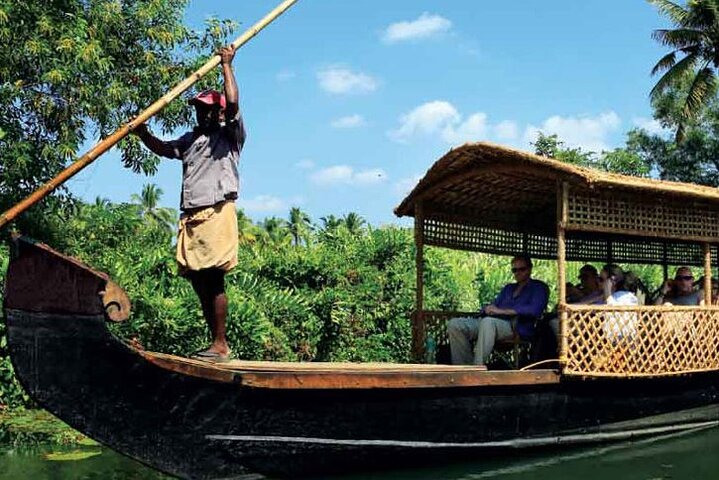
Cochin: Backwater Village Eco Boat Cruise with Lunch on Viator This offers a quieter, more village-oriented backwater experience than the grander houseboat format. It is ideal if you want to see daily life along the canals and enjoy a traditional lunch without committing to an overnight cruise.
- Recommended activity: Jasmin Villa Homestay Cookery Class

Jasmin Villa Homestay Cookery Class on Viator Few activities improve the rest of your trip more than learning the food early on. Once you understand the building blocks of Kerala cooking—coconut, curry leaves, black pepper, tamarind, mustard seeds—you will read every menu with sharper pleasure.
With a week in Kochi, you can also afford a deeper side trip. Kumbalangi village is worth considering for coir-making, canoe scenes, and a less theatrical version of Kerala’s much-advertised village life; it gives helpful contrast to Fort Kochi’s cosmopolitan edge.
If you prefer nature, Athirappilly Waterfalls makes a rewarding long day. Often called the “Niagara of South India,” it is not subtle, but the scale of the falls and the forested setting are impressive, especially if you want a break from churches, museums, and urban wandering.
- Optional extra: Athirapally Waterfalls Tour. Private Day Tour.
- Optional extra: Kumbalangi Village Sightseeing Tour
Because this is a longer Kerala itinerary, I would strongly recommend one overnight backwaters experience from Kochi rather than trying to base the entire trip in Alappuzha. It gives you the romance of the canals and houseboats without requiring a fourth destination stop.
- Best overnight splurge: Kochi Private Tour: Overnight Alleppey Backwaters Houseboat Cruise

Kochi Private Tour: Overnight Alleppey Backwaters Houseboat Cruise on Viator
Munnar
Munnar feels like Kerala exhaling upward into the mountains. After the humid coast, its tea estates, cool mornings, eucalyptus-scented roads, and rolling slopes arrive almost as a tonal reset.
Historically, Munnar developed as a hill station and tea-growing region under British influence, and that plantation legacy still shapes the landscape. Yet the appeal is not simply colonial nostalgia; it is the vastness of the scenery, the shifting light across tea gardens, and the sense that a walk here can be as memorable as any monument.
Travel from Kochi to Munnar: Leave in the morning by private car or hired transfer; the drive typically takes 4.5-6 hours depending on traffic and mountain-road conditions. Search flights and transport starting points via Trip.com flights and broader rail options on Trip.com trains. A private road transfer is usually the most practical choice and often falls around $35-$80 depending on vehicle type.
Where to stay: Browse villas, plantation-style stays, and apartments on VRBO Munnar or hotels on Hotels.com Munnar. Stays slightly outside the main town are often quieter and more scenic, which matters in Munnar more than central convenience.
Days 8-14: Tea country, viewpoints, soft adventure and wildlife
Use your first days in Munnar to settle into the rhythm of the hills. That means early starts for viewpoints, long breakfasts with mountain air, and a willingness to leave empty space in the day for weather, tea breaks, and the simple pleasure of watching fog move across the plantations.
The tea museum and factory visits provide useful historical grounding, but the real delight is seeing the geometry of the plantations in person. A guided walk with tea pluckers or local experts helps decode what you are seeing: the pruning patterns, the difference in leaf grades, and the labor behind the postcard beauty.
For breakfast and café stops, Saravana Bhavan is a reliable pick for South Indian staples such as idli, dosa, pongal, and strong filter coffee. Rapsy Restaurant is better known for hearty local meals than café ambiance, but it is dependable and popular for good reason, especially when you want filling food before a day on the road.
For lunch, try Hotel Sri Nivas for straightforward vegetarian Kerala and Tamil-style dishes that travelers often overlook in favor of more scenic venues. For a longer lunch with a view, choose a resort restaurant overlooking the hills; in Munnar the setting often matters as much as the menu, particularly on a misty afternoon.
Dinner can lean local and comforting. Silver Spoon is a practical choice with broad appeal, while Guru’s Restaurant is worth considering for Kerala flavors and tandoor options when your group wants variety. In the hills, dinners are often simpler than on the coast, so prioritize warm food, mountain views, and an earlier evening.
Do not skip a proper Kerala breakfast in Munnar. Appam with stew, puttu with kadala curry, and idiyappam are especially rewarding in cooler weather, when the softness of the breads and the richness of coconut-based curries become even more satisfying.
- Recommended activity: Munnar Tea Trail Tour with Factory Experience ( By Munnar Info)

Munnar Tea Trail Tour with Factory Experience ( By Munnar Info) on Viator This is one of the most sensible experiences to book in Munnar because tea is not background scenery here; it is the region’s defining culture and economy. A guided tea trail turns beautiful hills into a legible landscape.
- Recommended activity: Wild Elephant Anakulam & Waterfalls Tour(munnar valley Trekking)

Wild Elephant Anakulam & Waterfalls Tour(munnar valley Trekking) on Viator This adds a wilder counterpoint to the cultivated tea slopes. The possibility of seeing elephants in their natural environment gives the trip genuine excitement, and the waterfalls keep the day scenic even if wildlife sightings vary.
- Recommended activity: Thattekad Bird Watching Tour

Thattekad Bird Watching Tour on Viator For travelers who enjoy natural history, Thattekad is one of Kerala’s serious birding destinations. Even non-specialists tend to enjoy the sanctuary because the forest itself is lovely and the guiding often sharpens your eye for the smaller dramas of the landscape.
Build in time for classic Munnar viewpoints such as Top Station, Echo Point, and tea garden drives, but do not measure the stay only by checklists. Some of the best memories here come from a roadside chai stall, a misty bend in the road, or a late-afternoon walk between silver oaks and tea bushes with no formal destination at all.
If you are interested in photography, Munnar rewards patience more than marathon sightseeing. Light changes quickly, and the same valley can look theatrical at sunrise, flat at noon, and haunting again after 4 p.m.
Thiruvananthapuram
Thiruvananthapuram, often called Trivandrum, closes the trip on a different register: scholarly, ritual-rich, coastal, and grounded in Travancore history. It is less performative than some Indian capitals and all the more appealing for it.
This is where you feel Kerala’s classical culture most distinctly. Temples, palaces, museums, murals, and nearby beaches create a finale that is quieter than Kochi and less dramatic than Munnar, yet deeply memorable.
Travel from Munnar to Thiruvananthapuram: The overland drive usually takes about 8-10 hours, so for comfort, consider breaking the journey with an early departure and a long lunch stop, or drive back toward Kochi for a short flight onward if schedules align. Search options on Trip.com flights, Trip.com trains, or Kiwi.com. If traveling by private car only, expect roughly $90-$160 depending on routing and vehicle.
Where to stay: Explore holiday rentals on VRBO Thiruvananthapuram or hotels on Hotels.com Thiruvananthapuram. Stay in the city for museums and temple access, or nearer Kovalam if you want an easier beach-oriented finish.
Days 15-21: Temples, museums, palace history and beach time
Begin with the Sree Padmanabhaswamy Temple area, one of the great sacred and architectural landmarks of South India. Non-Hindu entry rules for the temple interior remain restrictive, so many travelers focus on admiring the exterior, the atmosphere around the temple streets, and nearby heritage sites; modest dress is essential in this part of the city.
Then turn to the Kuthiramalika Palace Museum and Napier Museum complex for a fuller understanding of Travancore patronage, regional art, ivory, bronzes, temple objects, and royal aesthetics. These visits deepen the trip because they show Kerala not only as a landscape destination but as a civilization with distinct visual and political traditions.
For breakfast, seek out South Indian institutions serving crisp dosa, vada, and filter coffee; places such as Indian Coffee House remain memorable for their distinctive spiral architecture, old-world service style, and democratic local following. Mothers Veg Plaza is another reliable stop for a satisfying vegetarian breakfast or lunch rooted in Kerala flavors.
For lunch and dinner, Villa Maya is one of the city’s standout addresses when you want setting as well as substance; it occupies a historic property and handles Kerala cuisine with unusual finesse. For seafood, local coastal restaurants around Kovalam and Vizhinjam can be excellent choices, especially if you want grilled catch-of-the-day, prawns, and fish curry with sea views rather than formality.
Use at least one day for Kovalam. Lighthouse Beach is the obvious draw, but the pleasure lies in alternating between sea breeze, seafood lunches, and a long, unhurried shoreline walk rather than trying to “do” the beach as a checklist item.
If you want a more contemplative coastal outing, add Poovar or Varkala as a day trip depending on your pace and appetite for road time. Varkala’s cliff-backed beach scene is visually striking, while Poovar offers river-meets-sea scenery and gentler backwater moods.
Do not overlook the city’s evening food culture. This is a good place to sample appam with stew, meen pollichathu, tapioca with fish curry, and banana-based desserts, all of which bring the journey back to the central Kerala themes of coconut, spice, and coastline.
- Independent local gems to prioritize:
- Kuthiramalika Palace Museum for Travancore woodwork and courtly history.
- Napier Museum and Sri Chitra Art Gallery for regional art, Raja Ravi Varma works, and a richer understanding of Kerala aesthetics.
- Kovalam Beach for a slow final stretch of the itinerary, especially late afternoon into sunset.
- Local vegetarian meals at Mothers Veg Plaza and classic coffee-house breakfasts at Indian Coffee House.
Practical pacing notes for the full 21-day Kerala trip
This route works because it moves from coast to highlands to southern capital without asking you to change hotels constantly. Kochi carries the heritage and backwater portion, Munnar gives altitude and nature, and Thiruvananthapuram delivers a cultured coastal finale.
Use mornings for heavy sightseeing, keep afternoons flexible in hotter areas, and book major road transfers with early departures. Kerala rewards slower travel, and this itinerary is strongest when you leave room for long meals, weather shifts, serendipitous stops, and recovery time between the state’s very different landscapes.
Over 21 days, you will not merely sample Kerala; you will begin to understand its internal contrasts. That is the real pleasure of this journey: spice port and synagogue, tea slope and elephant path, palace museum and temple street, all tied together by remarkable food and the persistent presence of water.
In the end, this Kerala itinerary offers a rare kind of completeness without feeling rushed. It is a trip of history, backwaters, tea estates, beaches, and deeply local meals—one you can follow faithfully or use as a beautifully structured guide for discovering South India at a human pace.