Kenya Unfiltered: A 15-Day Safari, Rift Valley & Indian Ocean Adventure
From Nairobi's wildlife on the city's doorstep to Kilimanjaro's elephants, the Mara's migration, Rift Valley lakes, and the warm reefs of Diani, this is Kenya at full tilt for the adventurous traveler.
15 days in Nairobi + 4 more
Kenya is where the safari was born, and it still does it better than almost anywhere. The country packs snow-dusted equatorial peaks, the Great Rift Valley's soda lakes, the legendary plains of the Maasai Mara, and a coral coast washed by the warm Indian Ocean into a single, navigable circuit. Nairobi, the only capital on earth with a national park inside its limits, makes a fitting front door.
Late September into early October is one of the sweetest windows to travel. It is the tail of the long dry season, so wildlife clusters around shrinking water, the Maasai Mara is still hosting the wildebeest migration with river crossings on the cards, and the short rains have not yet arrived. Days are warm and bright; safari mornings and evenings are genuinely chilly, so layers matter.
Getting around is a mix of road transfers in 4x4 safari vehicles and short, inexpensive light-aircraft hops that save whole days. English and Swahili are both official languages, the food runs from fragrant Swahili biryani to fire-grilled nyama choma, and the unit of currency is the Kenyan shilling (cards work in cities and lodges, cash for markets and tips). Apply for your electronic travel authorization before you fly, sort malaria precautions with your doctor, and pack neutral colors, a fleece, sun protection, and binoculars.

Touchdown in Nairobi
Nairobi National Park · flightlog / CC BY 2.0Land, clear immigration, and settle into your Karen or Milimani base. Keep the first afternoon gentle while jet lag and altitude (Nairobi sits around 1,795 m) sort themselves out.
Drop your bags, take a slow lap of the gardens, and sit by the pool with a Tusker lager. The hotel can confirm your safari transfers and any pending tour bookings while you relax.
If you arrive with energy to spare, the former farmhouse of the 'Out of Africa' author sits in gardens at the foot of the Ngong Hills, about 20 minutes from Karen hotels. Entry is roughly KES 1,200 for non-residents and the grounds are a calm introduction to the city's colonial history.
Ease into Kenyan flavors close to base rather than venturing far on night one.
A Karen institution in a garden cottage, blending Kenyan, Asian, and Mediterranean plates; the feta-and-coriander samosas are near-legendary. Relaxed, candlelit, and ideal for a first night; mains run roughly KES 1,500-2,800.
Dine on the lawns of a historic coffee farm with hearty grills and Swahili dishes. The setting is leafy and unhurried, a soft landing after a long flight.

Lions at Dawn, Elephants and Giraffes by Lunch
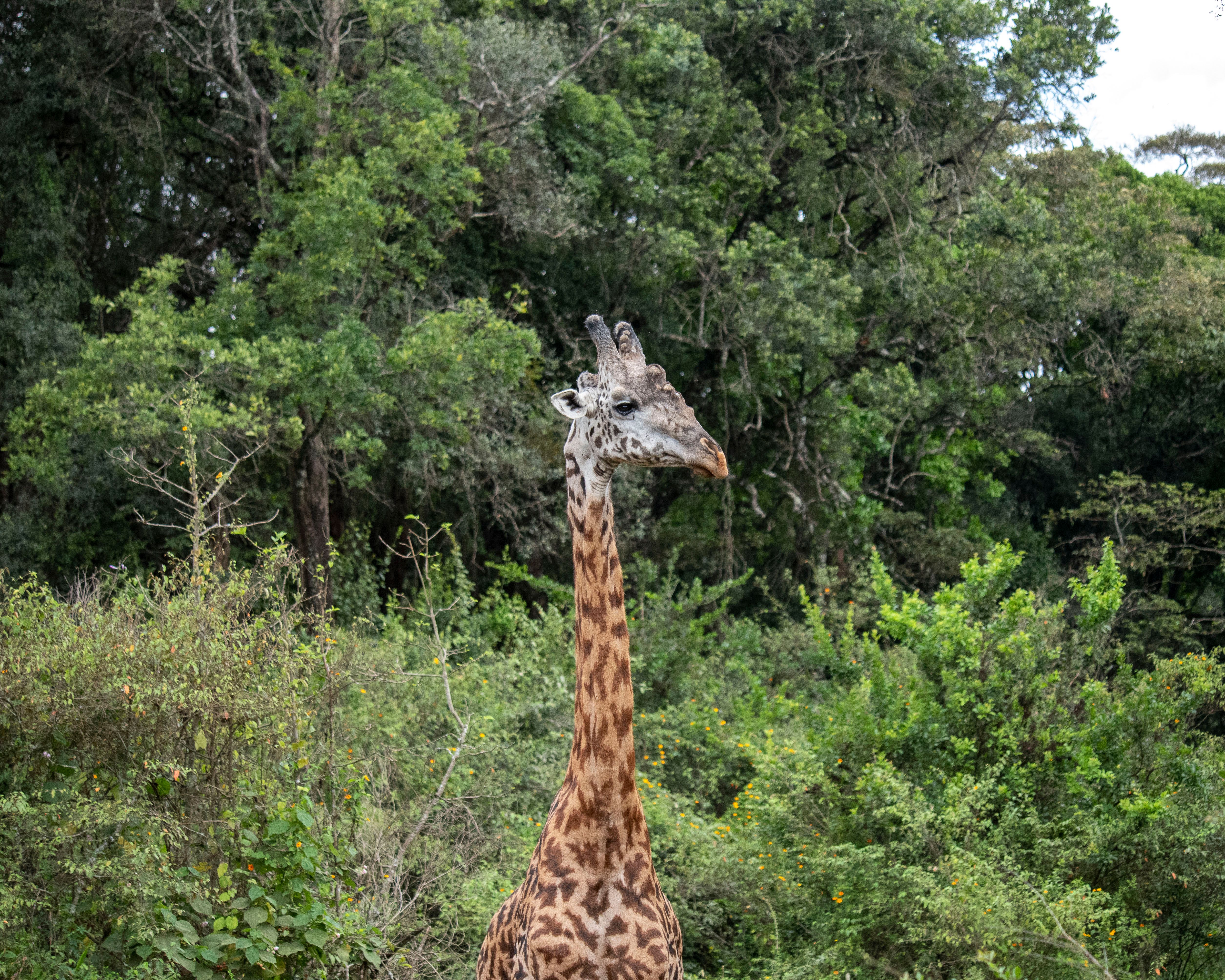
Rothschild's giraffe · Bernard DUPONT from FRANCE / CC BY-SA 2.0Grab fuel before an early game drive; the park gates are best hit at opening when animals are active.
Kenya's beloved homegrown chain pours proper local-bean coffee and does a quick, reliable breakfast of eggs, mandazi, or pancakes. Open early, perfect for a pre-safari grab-and-go.
Most Nairobi hotels open breakfast by 6:30am; eat fast and roll out so you reach Nairobi National Park's gate near dawn for the best light and sightings.
Spend the morning on the world's only national park bordering a capital city, with rhino, lion, giraffe, and buffalo set against the skyline.
A 4x4 morning drive through open plains where black rhino, lions, and giraffes graze with high-rises behind them. Park entry runs about $43 for non-residents; this guided half-day option includes pickup and a knowledgeable driver-guide.
Refuel near Karen between the park and the afternoon's animal encounters.
A modern mall with lakeside seating and quick, varied options from grills to Indian to salads, handy and air-conditioned between activities.
Farm-to-table plates with produce from its own garden; a fresher, slower sit-down lunch if you have the time. Mains roughly KES 1,400-2,500.
Meet two of Nairobi's most loved conservation stars, ideally combined into one easy circuit. Note the elephant orphanage's strict viewing window.
Visit the Sheldrick Wildlife Trust to watch orphaned elephants (public viewing is a single hour, 11am-12pm) and then the Giraffe Centre to hand-feed endangered Rothschild's giraffes from a raised platform. This combined tour handles the timing and transfers between the two.
If you prefer to go independently, the Giraffe Centre alone charges about KES 1,500 for non-residents and stays open through the afternoon; it is a 10-minute hop from most Karen hotels.
Lean into the carnivore capital reputation, or keep it mellow if jet lag lingers.
Nairobi's famous 'beast of a feast': skewers of grilled meats carved tableside until you lower the paper flag. Touristy but genuinely fun and very Kenyan; expect roughly KES 3,500-4,500 a head.
A local legend for whole fried tilapia with ugali and greens, beloved by Nairobians. Casual, affordable, and authentically Kenyan.

South to Kilimanjaro Country
Mount Kilimanjaro · Sergey Pesterev / CC BY-SA 4.0Fuel up and check out early; it is a half-day drive and you want to reach camp with time for an evening drive.
Eat a full breakfast at your Nairobi hotel and aim to be on the road by 7-7:30am to beat city traffic onto the Mombasa highway.
The drive south is part of the adventure, rolling through Maasai rangeland with Kilimanjaro growing on the horizon. A two-day Amboseli safari package is the simplest way to fold transfers, park fees, and game drives into one price.
A well-reviewed overnight package from Nairobi including a sunset game drive on arrival and a full morning drive the next day, when the elephants and mountain views are at their best. Transfers, park entry, and meals are bundled, which suits a mid-range budget; from about $160.
Arrive, drop bags, and head straight into the park for the golden hour, when elephant herds drift across the marsh.
The hour before dusk delivers Amboseli's signature scene: elephants backlit against Kilimanjaro. Bring a fleece, as the open vehicle gets cold once the sun drops. Amboseli non-resident park fees run about $60 per day in peak season (often included in packages).
Camp dinners under big skies, usually a buffet of grilled meats, stews, and fresh vegetables.
Most Amboseli lodges and camps are full-board; expect a generous buffet and a cold Tusker, with the Milky Way overhead once the generators dim. No need to venture out.
Elephants, Big Cats and the Roof of Africa
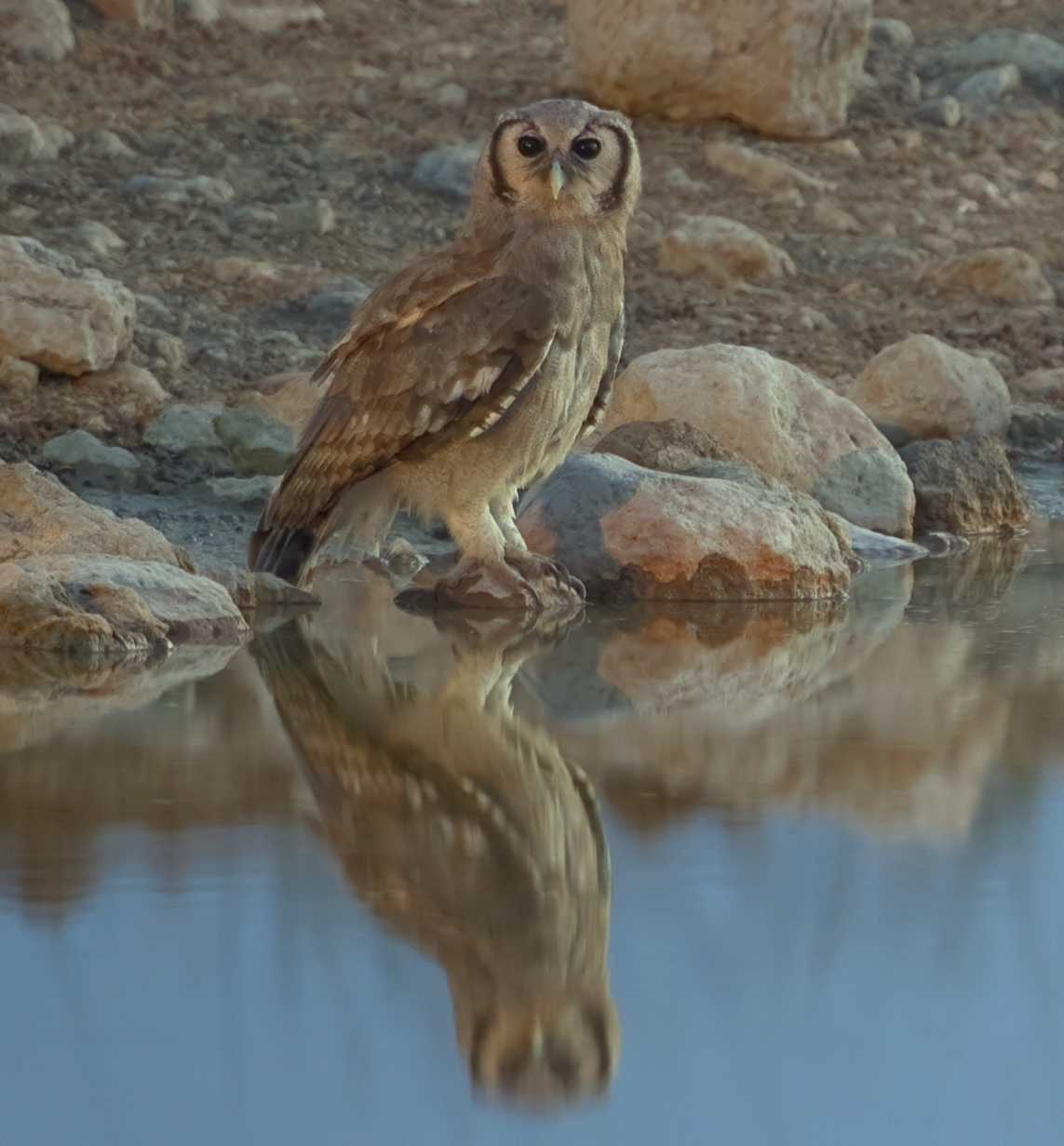
Verreaux's eagle-owl · Yathin S Krishnappa / CC BY-SA 3.0Coffee before first light; the clearest Kilimanjaro views and the most active animals come at dawn.
Camps set out coffee, tea, and biscuits before the early drive. Grab a cup, layer up, and head out as the gates open around 6:30am for the day's best mountain reveal.
A long morning game drive across Amboseli's marshes and dust pans, climbing Observation Hill for the panorama.
Track elephant families, look for cheetah and lion on the plains, and stop at Observation Hill, the one place you can leave the vehicle, for a sweeping view over the swamps to Kilimanjaro. Carry water and sun protection; the equatorial sun is fierce despite the cool start.
Return to camp for lunch and a midday break while the light flattens and animals rest.
Use the hot middle of the day for a buffet lunch, a dip in the pool, and a rest before the afternoon. Midday is when Kilimanjaro usually vanishes behind cloud anyway.
Trade the vehicle for people: a visit to a Maasai community adds depth to the adventure and supports local livelihoods.
Many camps arrange visits to a nearby Maasai manyatta, where you learn about pastoral life, jumping dances, and beadwork. Agree the fee in advance (commonly around $20-30 per person) and buy crafts directly from the women if you want to give back.
Prefer more wildlife? A late-afternoon drive often produces the day's best cat sightings as predators stir, plus another shot at the mountain glowing at sunset.
A last Amboseli dinner under the stars before tomorrow's Rift Valley transfer.
Wind down with a hearty full-board dinner and an early night; the next leg to Lake Naivasha is a long, scenic drive.
Up the Rift Valley to Lake Naivasha
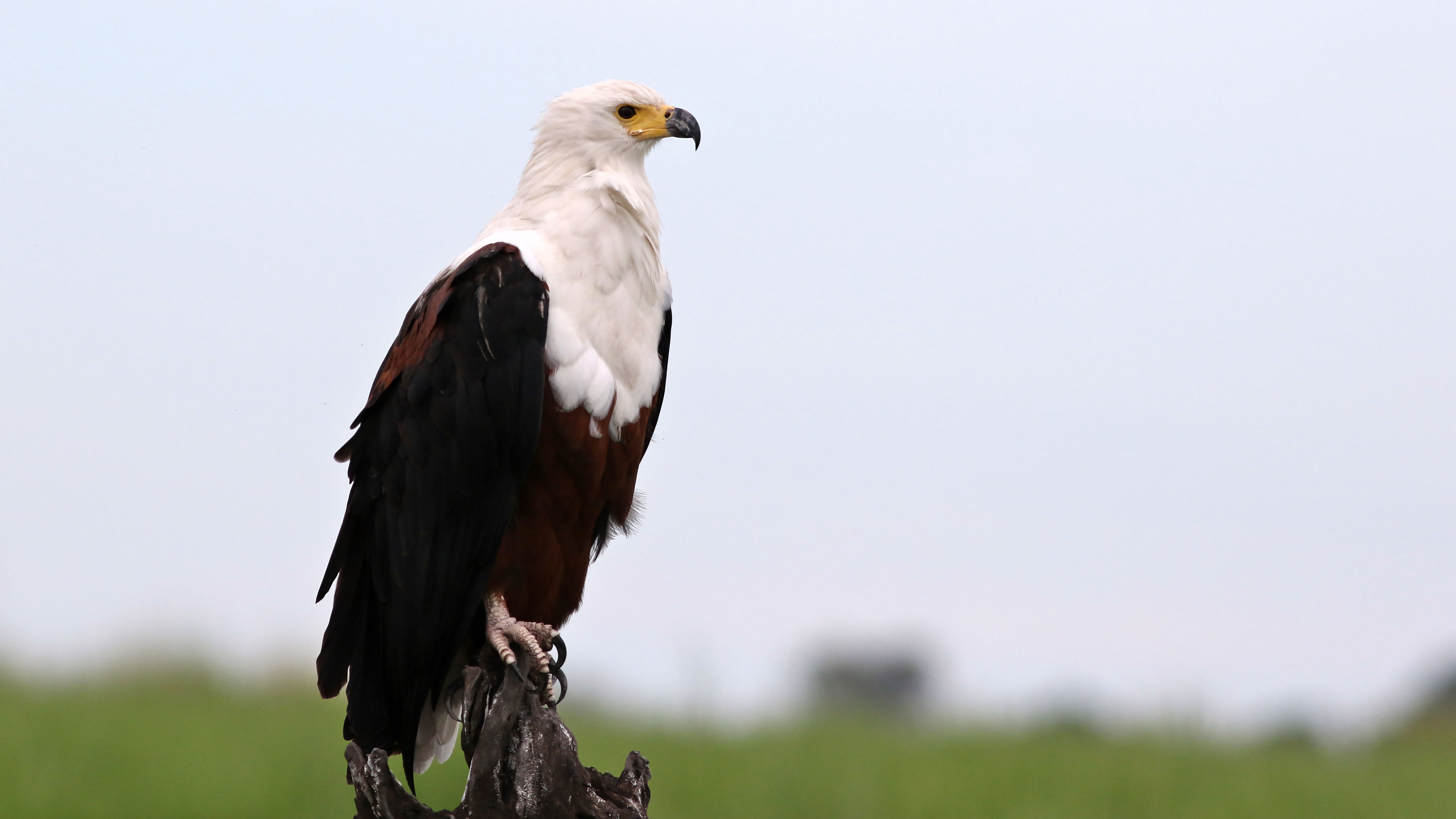
Majestic African Fish Eagle perched, Chobe National Park, Botswana. · Photo by Derek Keats on PexelsEarly breakfast in Amboseli before the long northbound transfer.
Fuel up at the camp buffet and set off early; the drive back past Nairobi and up the escarpment takes most of the day, with a lunch stop en route.
Break the drive at the classic Rift Valley viewpoints above Naivasha.
The curio-and-cafe stops along the escarpment offer simple meals and a jaw-dropping panorama across the valley floor to extinct volcano Mount Longonot. A quick samosa-and-chai stop with a million-dollar view.
Arrive lakeside and get straight onto the water for hippos and birdlife.
A late-afternoon boat ride glides among hippos, pelicans, and fish eagles that dive on cue for the boatmen; roughly KES 4,000-6,000 per boat for an hour. Golden light on the fever-tree shoreline makes this prime camera time.
A short boat hop reaches a private sanctuary with no predators, so you can walk on foot among giraffe, zebra, and wildebeest. Entry is about $30 for non-residents; a refreshingly active way to end the travel day.
Lakeside dinner with hippos grunting in the dark beyond the lawn.
Most Naivasha lodges serve hearty buffets or set menus; ask the staff about the resident hippos that emerge to graze after dark and keep to the lit paths.

Cycling Hell's Gate and Flamingos at Nakuru
Hell's Gate National Park · Ninara from Helsinki, Finland / CC BY 2.0Quick breakfast before a morning of pedaling; this is the adventurous highlight of the Rift Valley leg.
Eat well and go early to beat the midday heat in Hell's Gate, which has little shade. Bring water, sunscreen, and closed shoes for the gorge walk.
Hell's Gate is one of very few Kenyan parks where you can explore by bicycle and on foot, threading between towering cliffs and grazing wildlife.
Rent a mountain bike at the gate (around KES 1,000-1,500) and ride past zebra, giraffe, and buffalo to Fischer's Tower and the dramatic Ol Njorowa Gorge, where a local guide leads you through narrow red-rock canyons that inspired scenes in 'The Lion King.' Park entry is about $26 for non-residents. The most exhilarating few hours of the inland trip.
Refuel back near the lake before driving up to Nakuru.
Return to your lodge for a quick lunch, or ask for a packed picnic so you can push on toward Lake Nakuru, about an hour's drive north, without losing afternoon light.
Lake Nakuru National Park rewards an afternoon drive with flamingos, pelicans, and one of Kenya's best chances at seeing rhino.
A fenced rhino sanctuary, Nakuru reliably shows both black and white rhino, plus Rothschild's giraffe, lion, and pink-rimmed shores of flamingos and pelicans. Non-resident entry is about $60 per day; Baboon Cliff offers the classic lake overlook.
If you would rather have the whole Naivasha-Nakuru-Mara stretch handled as one guided package, this budget joining safari bundles transfers, park fees, and camps across all three; a cost-effective fit for the adventurous mid-range traveler.
Back to Naivasha for a final Rift Valley night.
Toast a full day's adventuring with dinner lakeside; the Mara, and the migration, await in the morning.

Into the Mara
Maasai Mara · Danijel Mihajlovic / CC BY-SA 4.0Early breakfast and a prompt start for the bumpy ride to the plains.
Eat well, top up water, and set off; the road into the Mara is long and rough, so an early departure gets you to camp for lunch and an afternoon drive.
Reach camp and settle in over lunch before the first game drive.
Camps near Talek and Sekenani gates serve a welcome lunch; use the break to meet your guide and plan the next three days around the migration's current position.
First taste of the Mara on an afternoon game drive as the heat eases and predators stir.
Roll out across the plains in search of lion, elephant, and the great wildebeest herds. The Mara's openness makes for superb sightings; your guide will radio for any crossings building at the river. Reserve fees are roughly $100-200 per day for non-residents in peak season, usually built into camp rates or safari packages.
First night in canvas, with the plains alive in the dark.
Gather round the fire for sundowners, then a full-board dinner; listen for hyena and lion calling across the grass as you turn in.
Full Day on the Plains
Maasai Mara · Danijel Mihajlovic / CC BY-SA 4.0Pre-dawn coffee for the day's best light and most active predators.
Wrap up warm against the cold morning, grab coffee and biscuits at the mess tent, and head out as the sun rises over the escarpment.
A full-day game drive with a packed picnic lets you reach the Mara River, where crossings can happen any time, and follow whatever the day delivers.
Drive deep into the reserve to the river, where hundreds of wildebeest may mass before plunging across past waiting crocodiles. Between crossings you will likely find cheetah on termite mounds, lion prides, and elephant. A picnic lunch under an acacia keeps you out where the action is.
For a splurge, a dawn balloon flight drifts silently over the herds and ends with a champagne bush breakfast, typically $450-550 per person. Book the night before through your camp; it is the Mara's most memorable indulgence.
Trade stories of the day's sightings over dinner.
Many camps lay on a bush dinner or barbecue; the Southern Hemisphere sky here is staggering once the lamps go down.

Big Cats and the Maasai
Maasai people · CC BY-SA 3.0One more early start for the cats.
Layer up for the chilly dawn and head out; mornings are prime time for lion, leopard, and cheetah before the heat sends them into the shade.
A final morning game drive to fill any gaps on your wish list.
Ask your guide to target whatever you have not yet seen well, whether that is leopard in the riverine forest, a cheetah hunt, or rhino. The Mara's predator density makes last-morning surprises common.
Back to camp for lunch and a midday rest.
Refuel and relax through the hot hours; this afternoon leans cultural rather than wildlife-focused.
Spend time with the Maasai, the people who have shared these plains with the wildlife for centuries.
A guided visit to a local Maasai homestead reveals the adumu jumping dance, fire-making, and cattle-centered pastoral life; entry fees (around KES 2,000-3,000) directly support the community. Buy beadwork straight from the makers.
Alternatively, head out for a last drive ending with sundowners on a rise overlooking the plains, gin-and-tonic in hand as the sky turns molten.
A farewell dinner to the savanna before the coast.
Toast the safari leg of your trip; tomorrow you swap dust and acacias for white sand and warm sea.
Savanna to Sand
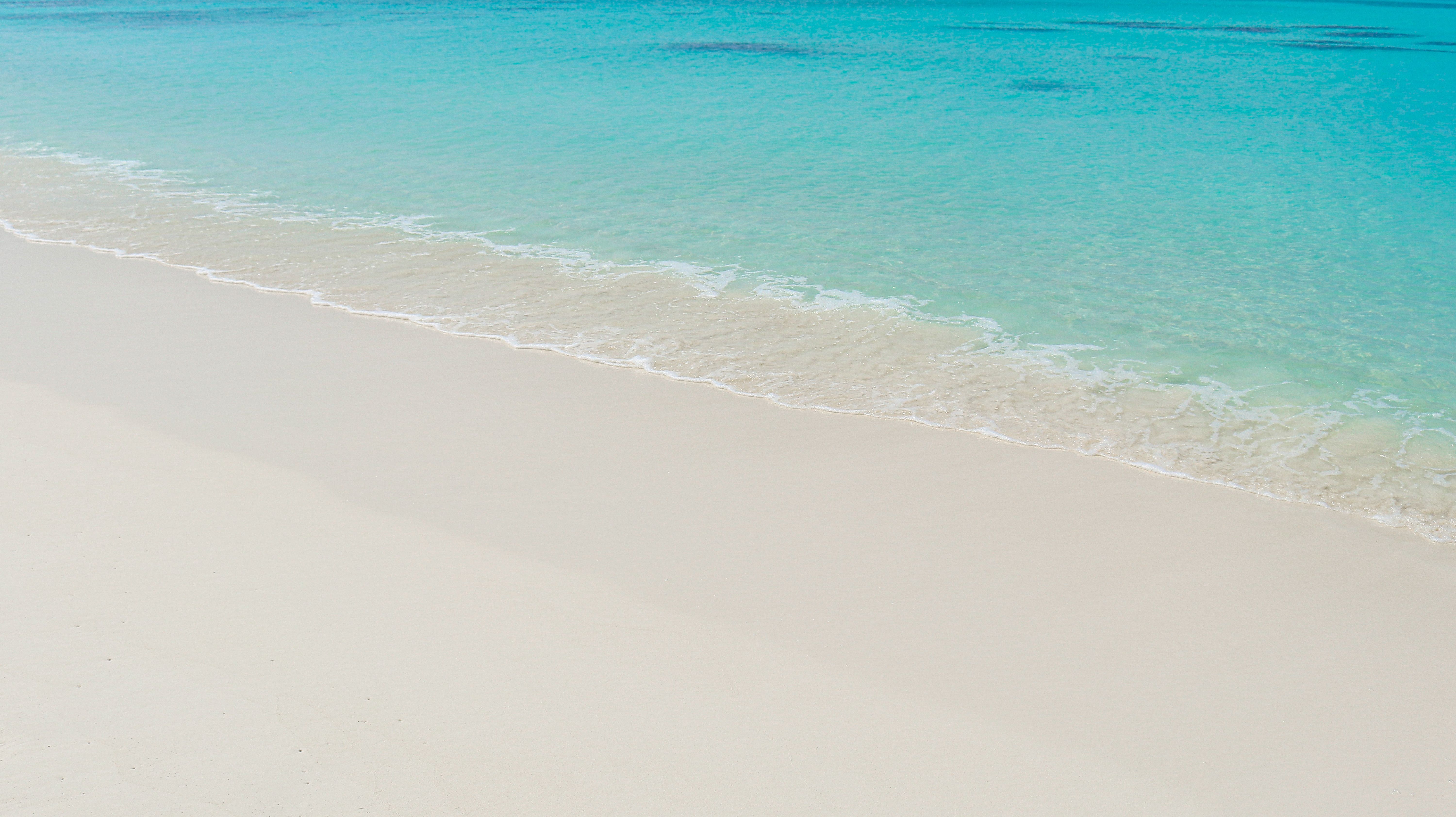
Pristine white sand beach and turquoise waters in the Maldives, exuding tranquility and paradise vibes. · Photo by Hussain Naushad on PexelsA last Mara sunrise and breakfast before the airstrip transfer.
Enjoy a final bush breakfast, then transfer to the Mara airstrip for your light-aircraft flight via Nairobi to the coast. Watch the landscape shift from plains to palms beneath you.
Land at Ukunda, check in, and head straight for the lagoon.
Diani's reef-protected water is warm and calm at high tide, ideal for a first swim. Lay claim to a lounger, feel the safari dust wash off, and let coast time set in.
Sundowners by the sea to mark the change of pace.
Both sit right on the sand and are Diani institutions for a beach cocktail as the sky pinks over the Indian Ocean. Forty Thieves is the livelier, more local-favorite of the two.
Dig into the south coast's Swahili seafood.
Dine by candlelight inside a natural coral cave open to the stars, a Diani classic known for fresh seafood and lobster; book ahead and dress smart-casual. A memorable splurge night.
Relaxed beachfront dining with wood-fired pizza, grilled catch of the day, and sushi; a reliable, mid-priced choice right on the sand.
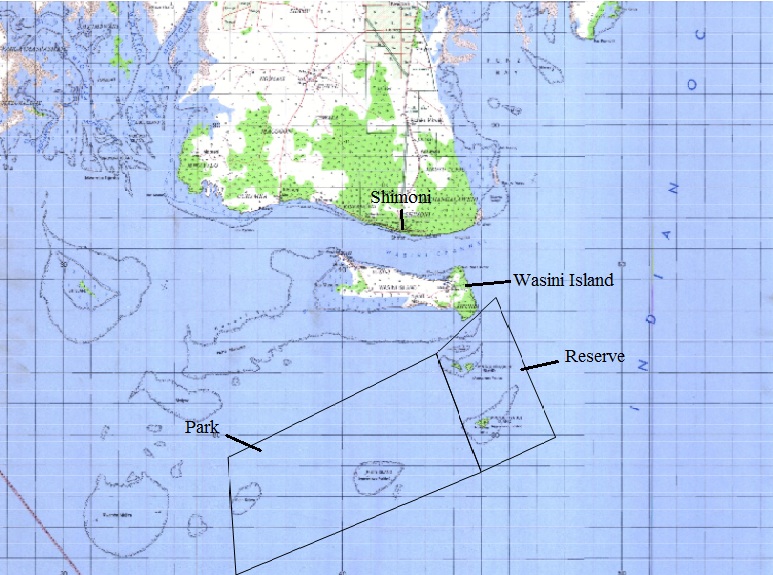
Wasini Island and Kisite Marine Park
Wasini Island · Nealoveselectricity / CC BY-SA 3.0Early start for the day's marine adventure south of Diani.
Wasini tours pick up early (around 6:30-7am) for the drive to Shimoni, so grab a fast breakfast or a packed one from your resort.
The standout coastal excursion: a traditional dhow sail to the coral gardens of Kisite-Mpunguti Marine Park, with snorkeling, dolphins, and a Swahili seafood feast on Wasini Island.
Sail by dhow into one of Kenya's best-protected reefs to snorkel over coral and reef fish, often spotting bottlenose dolphins en route, then feast on grilled fish, crab, and coconut rice on Wasini Island. Small groups, gear included, from about $126; the highlight of any south-coast stay.
Keep dinner easy after a long, sun-soaked day on the water.
A friendly Italian-Kenyan spot on Diani Beach Road doing fresh pasta, seafood, and wood-fired pizza; relaxed and well-priced when you are pleasantly worn out.
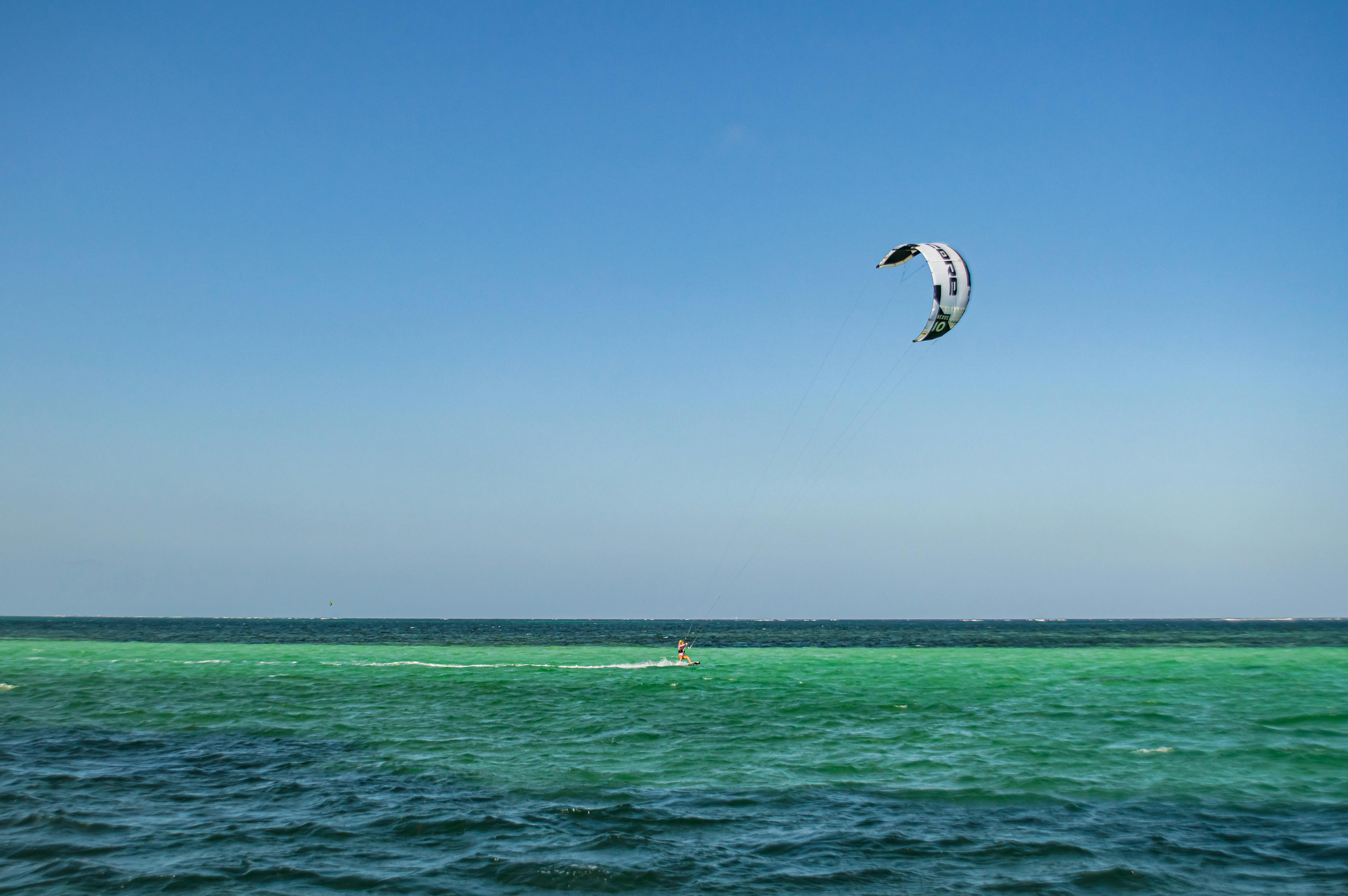
Reef Dives, Kites and Colobus Monkeys
Exciting kitesurfing at scenic Diani Beach, Kenya, under a clear blue sky. · Photo by imsogabriel Stock on PexelsA leisurely coffee before choosing your adventure.
Linger over good coast coffee and fresh fruit before deciding between time on (or under) the water and a gentler morning.
Diani is one of East Africa's top spots for diving and kitesurfing; pick your thrill.
Diani's PADI dive centers run reef and wreck dives with turtles, rays, and abundant fish; a single dive runs roughly $50-70, or try a beginner's discover-scuba session. Conditions in this season are generally clear and calm.
The wide, flat lagoon and steady winds make Diani a prime kite spot; schools offer beginner lessons by the hour. An exhilarating way to spend a coastal morning for the adventurous traveler.
Beachside lunch between activities.
Burgers, fresh fish, and cold beers with your toes near the sand; the social hub of Diani's beach and great for a casual lunch.
A short, worthwhile cause: meet Diani's endangered primates.
This small sanctuary protects the rare Angolan colobus monkeys that live in Diani's coastal forest; a guided visit (around KES 1,000) explains their work and the canopy bridges that keep monkeys off the road. Quick, educational, and family-friendly.
Prefer to do nothing? Walk the tide line south toward Galu, where the sand is widest and the crowds thin, then swim as the heat eases.
Swahili flavors tonight.
For coastal Swahili dishes like coconut fish curry and biryani, the resort restaurants and local kitchens along Diani Beach Road deliver fragrant, spice-led cooking. Ask your hotel for tonight's best-reviewed table.
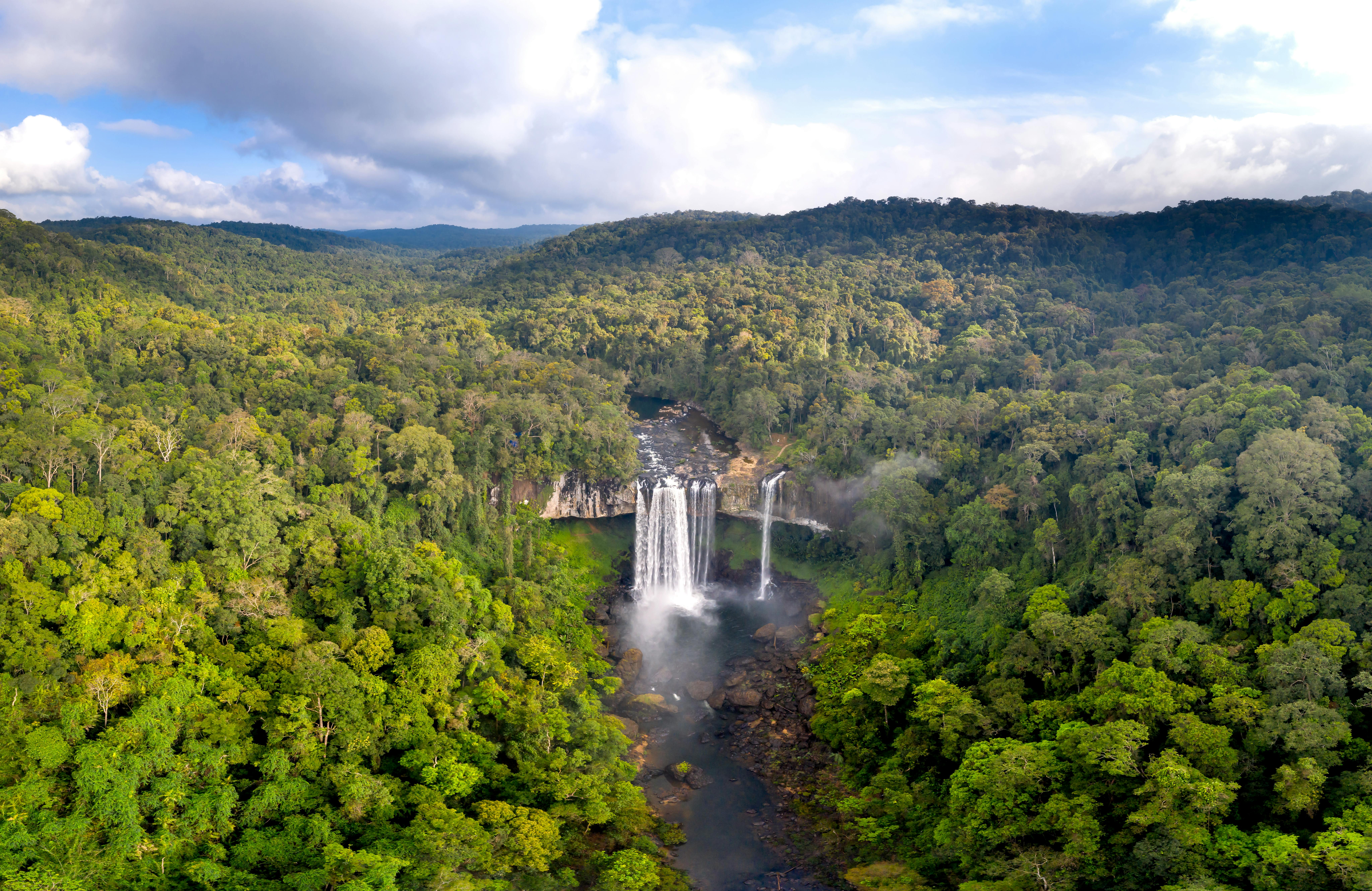
A Slow Day on the South Coast
Stunning aerial shot of a lush forest waterfall in Vietnam's Kon Chu Rang nature reserve. · Photo by Quang Nguyen Vinh on PexelsNo alarm today; ease into your last full coastal day.
Take a long breakfast by the sea and decide whether today is for total rest or one more adventure inland.
Choose between pure beach time and a final wildlife fix in the coastal hills.
Just inland, these forested hills hold elephants and the rare sable antelope, with a walk to Sheldrick Falls for a swim in a forest pool. A half-day 4x4 trip (around $60-90 plus park fees) is a green, cooler counterpoint to the beach.
Or simply do nothing well: swim, read, take a dhow sunset cruise later, and let the trip's pace fully wind down.
Fresh seafood by the water.
Beachfront tables and an excellent seafood and sushi menu; a relaxed, upscale-ish lunch on the sand.
A final coastal afternoon, ideally on the water.
Sail the lagoon on a traditional dhow as the sun sets behind the palms, drink in hand; a fitting, gentle close to the adventure. Many operators run shared cruises from around $30-40.
A farewell coast dinner before heading back to Nairobi tomorrow.
Right on the sand at Almanara, with elegant plates and a romantic setting for a last night by the ocean. Book a table near the water.
If you saved the cave for your finale, this is the night; the coral-cave setting and seafood make a fittingly dramatic last coastal meal.

Back to the Capital
Upper Hill, Nairobi · Daniel Case / CC BY-SA 4.0A final coast breakfast before flying back to Nairobi.
Enjoy one last morning by the ocean, then transfer to Ukunda airstrip for the short flight to Nairobi. Confirm your onward times the night before.
Land in Nairobi and use the afternoon for souvenirs and any sight you missed.
This roving open-air market (different location each day of the week) is the best place for beadwork, soapstone carvings, kikoi cloth, and gifts; haggle good-naturedly and start at about half the asking price.
If you want one more cultural stop, the national museum covers Kenya's prehistory (including famous early-human fossils), ethnography, and art; entry is around KES 1,200 for non-residents.
A last Kenyan meal to end the trip on a high.
If you skipped it on arrival, the all-you-can-eat meat feast is a fittingly festive farewell to Kenya. Reserve ahead and pace yourself.
A beloved garden restaurant in Westlands with a wide, polished menu and warm service; a calmer, refined choice for a last dinner. Booking advised.
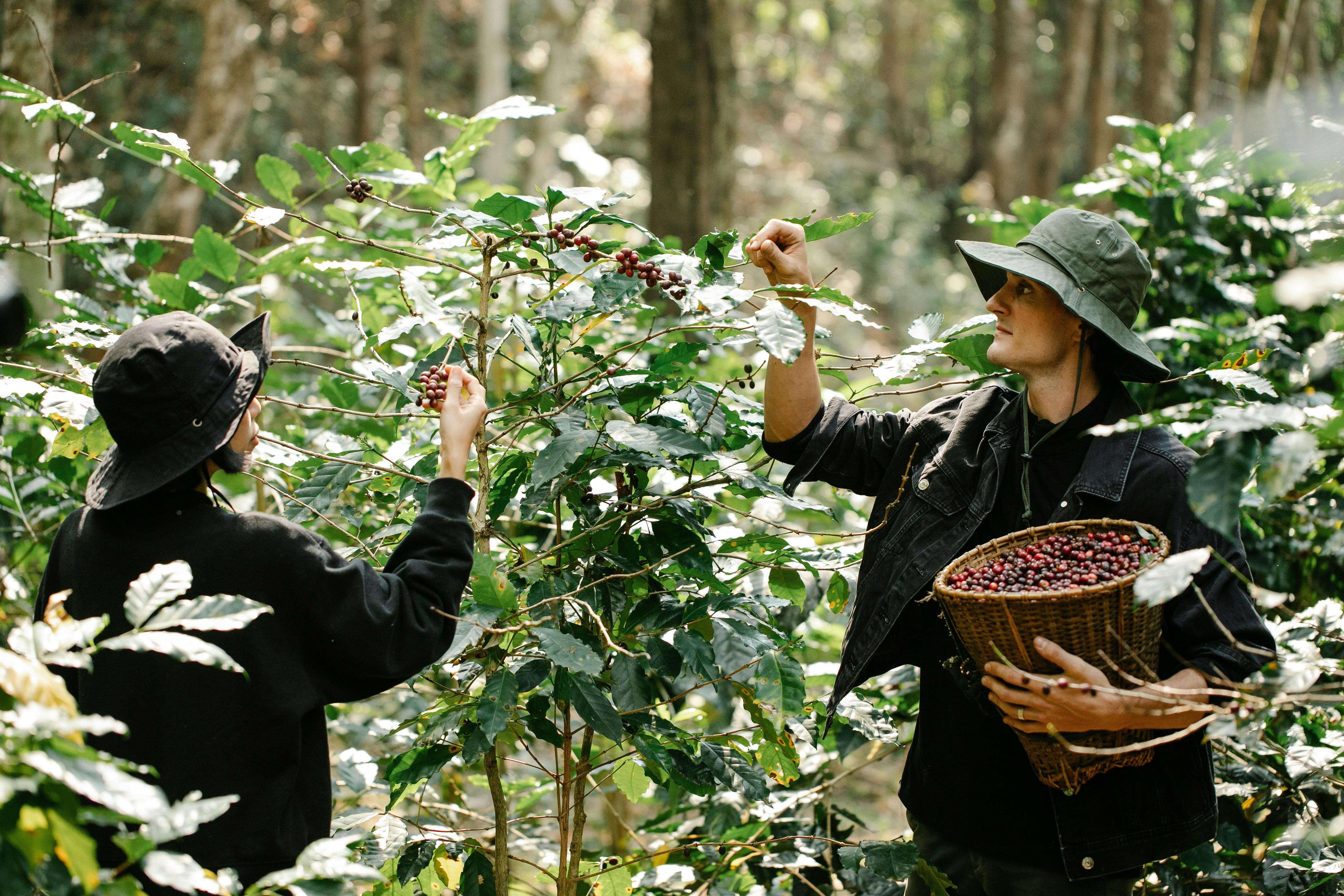
Farewell to Kenya
Young multiethnic male and female farmers in casual clothes and hats collecting red coffee berries from green bush in garden · Photo by Michael Burrows on PexelsA relaxed final morning over Kenyan coffee, one of the country's great exports.
Toast the trip with a flat white made from single-origin Kenyan beans; Connect (Lavington) roasts its own, while Java House is everywhere and reliable. Pick up bags of beans as edible souvenirs.
A short, easy outing before you head to the airport, depending on flight time.
Both in Karen, these are calm, fixed-price spots for quality crafts and the famous handmade Kazuri ceramic beads (made by a women's cooperative), perfect for last gifts without the market haggling.
Prefer not to rush? Linger over breakfast, repack, and head to JKIA with plenty of buffer for traffic and security.
A final bite near the airport corridor before check-in.
Grab a relaxed lunch at your hotel or a cafe along the way, then transfer to Jomo Kenyatta International Airport for your onward flight home. Kwaheri, Kenya.
Pick your base
Base yourself in the leafy, secure suburbs southwest of the center: Karen and Langata put you close to the Giraffe Centre and elephant orphanage and on the right side of town for airport-free safari departures, while Westlands and Kilimani are handy for restaurants and nightlife. First-timers who want calm and gardens should lean toward Karen or the Hurlingham/Milimani belt.
A long-running garden hotel on Bishops Road in quiet Milimani, walkable to restaurants and a reliable, good-value mid-range base with leafy grounds and a pool.
A solid, centrally located four-star on Kenyatta Avenue's quieter end, with a pool, gardens, and easy access to the city; dependable for a first or last night in town.
A clean, modern value pick with comfortable rooms and friendly service, good for travelers who want to keep accommodation costs down without sacrificing safety.
Nairobi's iconic plantation-style splurge in Karen, with butlers, fine dining, and views toward the Ngong Hills; worth it for one memorable night if the budget stretches.
A large, well-run tented camp just outside the park gate with comfortable canvas rooms, a pool, and Kilimanjaro views at breakfast; arguably the best value full-board base in Amboseli.
Affordable tented accommodation inside the park itself, so game drives start at your doorstep; simple but comfortable and great for keeping costs in check.
A classic lodge in the heart of the park with grassy grounds where elephants wander past, spacious rooms, and a pool; an easy, comfortable choice for families.
A polished lakeside resort near Naivasha town with gardens, a big pool, and a spa; comfortable mid-range value and a relaxing base after the drive.
Spacious lakeshore grounds where waterbuck and the occasional hippo graze the lawns, with family rooms and a pool; a dependable choice on Moi South Lake Road close to Hell's Gate.
A laid-back lakeside spot popular with overlanders and backpackers offering bandas, camping, and a buzzy bar-restaurant; the best-value, most sociable base on the lake.
An award-winning eco-camp on the Talek River beside the reserve, with comfortable tents, strong community and conservation ties, and excellent guiding; a standout mid-range choice that punches above its price.
A long-established lodge near the Oloolaimutia gate with solid rooms, a pool, and big buffets; reliable and family-friendly with easy reserve access.
Perched on the Oloololo Escarpment with the view from the 'Out of Africa' picnic scene, this is one of Africa's most celebrated lodges; a once-in-a-lifetime splurge if the budget allows a single grand night.
A relaxed beachfront resort right on the sand with pools, several restaurants, and good half-board value; a comfortable, well-located mid-range base in central Diani.
A larger landscaped resort on a bluff above a beautiful beach, with multiple pools, a spa, and a kids' club; great for families and those wanting full-service comfort.
A friendly, good-value guesthouse steps from the sand with a popular kite school and beach bar; the budget-savvy, adventurous choice in Diani.
A small, stylish boutique hotel on the beach with personal service and elegant rooms; a romantic upscale option without the scale of the big resorts.
A calm garden hotel in Milimani that is easy to reach from the airport and walkable to dinner, a comfortable place to repack and rest before departure.
Central and reliable, with a pool and gardens; convenient for a final-night base and last-minute city errands.
Good to know
Is 15 days enough to see Kenya's highlights?
Fifteen days is an excellent length that lets you combine three or four classic safari areas with the coast without rushing. This itinerary covers Nairobi, Amboseli, the Rift Valley lakes, the Maasai Mara, and Diani Beach with two to four nights in each, which is enough to enjoy the wildlife and still have beach days at the end.
What is the best time of year to go on safari in Kenya?
The long dry season from late June to October is generally the best time for game viewing, as animals gather around water and vegetation is thin. Late September into early October is especially good because the wildebeest migration is usually still in the Maasai Mara and the short rains have not yet begun.
How do you get between Kenya's safari parks and the coast?
Most travelers use a mix of 4x4 road transfers between nearby parks and short light-aircraft flights for longer hops, such as from the Maasai Mara to Nairobi and on to Diani. Flying saves whole days but has tight luggage limits (often 15kg in soft bags), so pack accordingly and book domestic flights in advance during high season.
Where should first-time visitors stay in Nairobi?
The leafy southwestern suburbs of Karen and Langata are popular with first-timers because they are quiet, secure, and close to the Giraffe Centre and elephant orphanage. The Milimani and Westlands areas are also good bases with easy access to restaurants and the city center.
Will I see the Great Migration in late September or early October?
There is a strong chance, as the wildebeest migration is typically in the Maasai Mara from July through October, with dramatic Mara River crossings possible during that window. Crossings are unpredictable, so stay at least two to three nights at a camp near the river to maximize your odds.
Is Kenya expensive to visit?
Kenya can be done across a wide range of budgets. Park entry fees and quality safari lodges are the biggest costs (Maasai Mara reserve fees alone run roughly $100-200 per day in peak season), but joining group safaris, staying in mid-range tented camps, and eating at local restaurants keeps a trip affordable for a mid-range traveler.
In 15 days you will have traced Kenya at its most thrilling: dawn game drives beneath Kilimanjaro, the migration thundering across the Mara, bicycles among zebra in the Rift Valley, and warm reefs off a palm-lined coast. It is an ambitious, active loop that rewards the adventurous traveler with the full sweep of the country, mountain to ocean. Pack your binoculars, your fleece, and your sense of wonder; Kenya delivers on all of it.