
Jeju Island in 7 Days: Volcano Peaks, Waterfalls, and Coastal Cafés
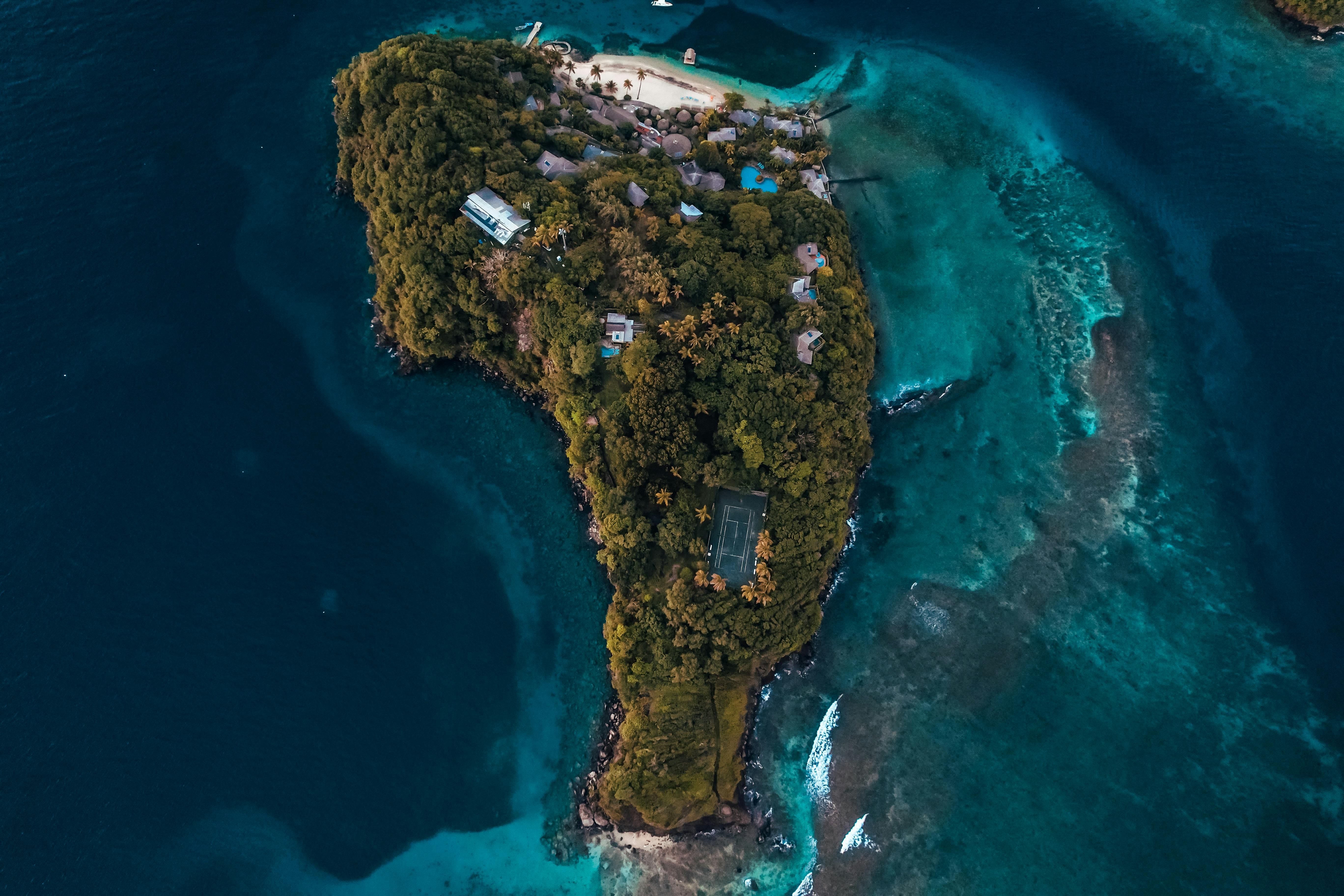
Welcome to Jeju-do, Korea’s volcanic paradise born of fire and wind. The island holds UNESCO World Natural Heritage status for its lava tubes, shield volcano, and craters—most famously Manjanggul, Hallasan, and Seongsan Ilchulbong. Jeju’s stone guardians (dol hareubang) stand watch across the landscape, while tangerine groves perfume the air.
Culture here runs deep: meet the haenyeo, intrepid women divers recognized by UNESCO for their free-diving tradition, and taste their harvest in simple seaside kitchens. From emerald coves at Hyeopjae to the cliff-battered south around Jungmun and Sanbangsan, Jeju is a compact island with big contrasts—wild coasts, tea fields, camellia gardens, and one of Asia’s clearest night skies.
Practical notes: Jeju has no trains; most travelers rent a car (international driving permit required) or use the efficient bus network and taxis. Domestic flights from Seoul or Busan take ~1 hour. Summers are humid with possible typhoons (Jul–Sep); winters are brisk and windy—pack layers for Hallasan. Book Hallasan summit trail slots in advance; carry cash for small eateries and markets.
Jeju City
Jeju City is your lively northern base: markets piled with citrus, a waterfront promenade, and easy access to the west and east coasts. Eat gogi-guksu (pork noodle soup) for breakfast like a local, then chase sea views along Aewol’s café-lined Handam Coastal Walk and out to Hyeopjae’s turquoise lagoon.
- Top sights nearby: Aewol Handam Coastal Walk, Hyeopjae & Geumneung Beaches, Hallim Park’s botanical caves, Osulloc Tea Museum, Manjanggul Lava Tube, Hamdeok Beach, Seongsan Ilchulbong (for sunrise), Udo Island day trip.
- Essential eats: Jeju black pork (charcoal-grilled), abalone stew/porridge, gogi-guksu, peanut ice cream on Udo, green-tea desserts at Osulloc.
- Fun fact: The island’s three abundances—wind, stone, and women—shape everything from architecture to cuisine.
Where to stay: Search stays in Jeju City on VRBO or Jeju City on Hotels.com for beachfront apartments in Aewol, boutique hotels near Tapdong, or family suites downtown.
How to get here: Fly into Jeju (CJU) from Seoul/Gimpo (about 1 hr, often $35–$110 roundtrip) or Busan (50–60 min). Compare fares on Trip.com or Kiwi.com. From the airport, it’s a 10–15 min taxi to central Jeju City (~6,000–12,000 KRW).
Day 1: Arrival, Market Grazing, and Black Pork Street
Afternoon: Land in Jeju, drop bags, and stroll Dongmun Traditional Market. Nibble tangerine chocolates, hallabong juice, fish cakes, and hotteok. Coffee at nearby kiosks keeps jet lag at bay.
Evening: Feast on charcoal-grilled Jeju black pork at Donsadon (buttery marbling; thick cuts seared over real charcoal) or Heukdonga (reliable chain with attentive grill service). Order kimchi jjigae and grilled mushrooms on the side. Walk the Tapdong seafront promenade for sea breeze and night views.
Day 2: West Coast Loop — Aewol, Hyeopjae, Hallim, Tea Fields
Morning: Slurp a local favorite at Ollae Guksu—gogi-guksu with tender pork, chives, and rich broth. Drive or bus to Aewol Handam Coastal Walk for an easy stone path above black-lava coves. Coffee with a view at Bomnal Café or “Aewol The Sunset.”
Afternoon: Swim or sun at Hyeopjae Beach; then wander Hallim Park (botanical gardens, lava caves; ~15,000 KRW). Lunch at a nearby Haenyeo’s House (Haenyeo-eui Jip) for abalone hotpot and sea urchin rice. Continue to Osulloc Tea Museum for a short tea exhibit and green-tea roll cake (free museum; desserts 6,000–9,000 KRW).
Evening: Back in Jeju City, sample seasonal brews at the Jeju Beer Brewery Taproom (tasting flights; west side) or a downtown taproom. Dinner round two of black pork at Heukdonga if you missed it, or go casual with seafood pancake and makgeolli at a local pojangmacha (food tent).
Day 3: Seongsan Sunrise, Udo Island, and Manjanggul Lava Tube
Morning: Pre-dawn drive (or bus) to Seongsan Ilchulbong for sunrise over the tuff cone (entry ~5,000 KRW; 20–30 min stair climb). Breakfast nearby with abalone porridge at a local spot around Seongsan Port—simple, restorative, and classic Jeju.
Afternoon: Ferry to Udo Island (15 min; boats every 15–30 min; check last ferry, usually ~5–6 pm seasonally). Rent an e-bike and loop to Seobinbaeksa Beach (coralline sands), snack on Udo peanut ice cream, and try spicy mulhoe (chilled raw fish soup) for lunch. Return to the mainland and stop at Manjanggul Lava Tube (2,000 KRW; 1 km accessible section; cool 11–13°C year-round—bring a layer).
Evening: Back in Jeju City, warm up with Ujin Haejangguk—order momguk (seaweed and pork broth) or spicy hangover soup. If you still have energy, catch sunset at Hamdeok Beach on the way in and grab a quick espresso at a beachfront café.
Seogwipo
Seogwipo, the island’s southern city, leans dramatic: sea cliffs, rope bridges, and waterfalls plunging toward the Pacific. It’s the best base for Hallasan’s western trails and the Jungmun coast’s geological showpieces—Jusangjeolli basalt columns and Yongmeori’s wave-carved ledges.
- Top sights: Cheonjiyeon and Jeongbang Falls, Saeyeongyo Bridge to Saeseom, Jusangjeolli Cliff, Yongmeori Coast & Sanbangsan, Camellia Hill, Soesokkak Estuary, Hallasan (Yeongsil/Eorimok trails), Jungmun beaches.
- Essential eats: Galchi-jorim (braised hairtail), grilled rockfish sets, seafood hotpot, more black pork, and market snacks at Seogwipo Maeil Olle Market.
- Good to know: Coast paths can close in high surf. Check tide/conditions for Yongmeori before you go.
Where to stay: Search stays in Seogwipo on VRBO or Seogwipo on Hotels.com, from ocean-view pensions near Soesokkak to full-service resorts in Jungmun.
Day 4: Transfer South, Folk Village Heritage, and Double Waterfalls
Morning: Travel from Jeju City to Seogwipo: drive ~1–1.5 hours via Route 97, or take an intercity bus (~1.5 hours; ~2,000–3,300 KRW). En route, wander Seongeup Folk Village to see thatch-roofed homes, basalt walls, and traditional grain storages.
Afternoon: Check in, then visit Cheonjiyeon Falls (lit path, shy eels in the stream) and Jeongbang Waterfall—one of Asia’s few waterfalls dropping directly to the sea (each ~2,000–5,000 KRW). Coffee with a harbor view near Saeyeongyo Bridge.
Evening: Dinner at Negeori Sikdang for galchi-jorim—braised hairtail simmered in chili, radish, and soy until silky. Post-dinner stroll across Saeyeongyo to Saeseom for lights twinkling over the harbor.
Day 5: Hallasan National Park — Yeongsil or Eorimok Trail
Morning: Early start for Hallasan. Choose Yeongsil (spectacular rock pillars) or Eorimok (steadier climb). Hike to Witse Oreum meadow and back (3–5 hours, moderate). Bring water, sun protection, and microspikes in winter. Note: Summit trails (Seongpanak/Gwaneumsa) require advance reservations; Yeongsil/Eorimok may cap entries on peak days.
Afternoon: Late lunch back in town—try Gogi Guksu 1950 for pork noodles, seaweed rice balls, and icy barley tea. Recover with a coastal amble at the Hwangwooji tide pools near Seogwipo for a sunset dip.
Evening: Grill night at Dombedon (Seogwipo branch): thick-cut Jeju black pork, perilla leaves, and ssamjang. Toast with a local lager or tangerine-ade.
Day 6: Jungmun Coast — Basalt Columns, Camellias, and Sea Cliffs
Morning: Head to Jusangjeolli Cliff (2,000 KRW) to see hexagonal basalt cooled into giant organ pipes by ancient lava flows meeting the sea. Coffee at Terarosa Coffee Jeju Jungmun—excellent roasts, airy space.
Afternoon: Wander Camellia Hill (seasonal blooms; ~8,000–10,000 KRW) and, weather/tide permitting, trace the ledges of Yongmeori Coast under Sanbangsan (entry ~2,000 KRW). If seas are rough, swap in Cheonjeyeon Falls or the shore-hugging Olle Trail sections.
Evening: Dinner at acclaimed Gozip Dol Wooluck—go for the grilled rockfish set: soup, side dishes, and fish grilled to crisp-skinned perfection. Cap the night with a walk along Jungmun Beach.
Day 7: Soesokkak Estuary and Departure
Morning: Kayak or clear canoe at Soesokkak (about 10,000–20,000 KRW; calm jade estuary backed by pines). Coffee and pastry at a nearby café, or return to Terarosa if you fancy one last pour-over.
Afternoon: Quick lunch—Gogi Guksu 1950 works well if you skipped it after Hallasan—then pack up. To the airport: drive 1–1.5 hours, or take Airport Bus 600 from Jungmun/Seogwipo to CJU (~1 hr 15 min; ~6,000–6,500 KRW). Check flights on Trip.com or Kiwi.com.
Evening: Departure day—if you have time, grab Jeju mandarins and omegi tteok (mugwort rice cakes) at Seogwipo Maeil Olle Market as edible souvenirs.
Insider tips: Reserve Hallasan summit trails well ahead (Seongpanak/Gwaneumsa). Check Udo ferry and Yongmeori Coast closures due to weather/tide. Expect card payments almost everywhere, but carry small cash for rural parking and market bites. Car rentals run ~$40–70/day; buses are frequent on trunk routes (T-money accepted).
Ready to book your stays? Explore VRBO Jeju City, Hotels.com Jeju City, VRBO Seogwipo, and Hotels.com Seogwipo. For flights, compare routes and prices on Trip.com or Kiwi.com.
Trip wrap-up: In seven days you’ll summit lava-born ridges, stand inside a cooled magma river, watch daybreak from a crater, and taste the island in every bowl of noodles and bite of abalone. Jeju’s mix of geology, tradition, and ocean air lingers long after your flight home—an island that invites both adventure and ease.