
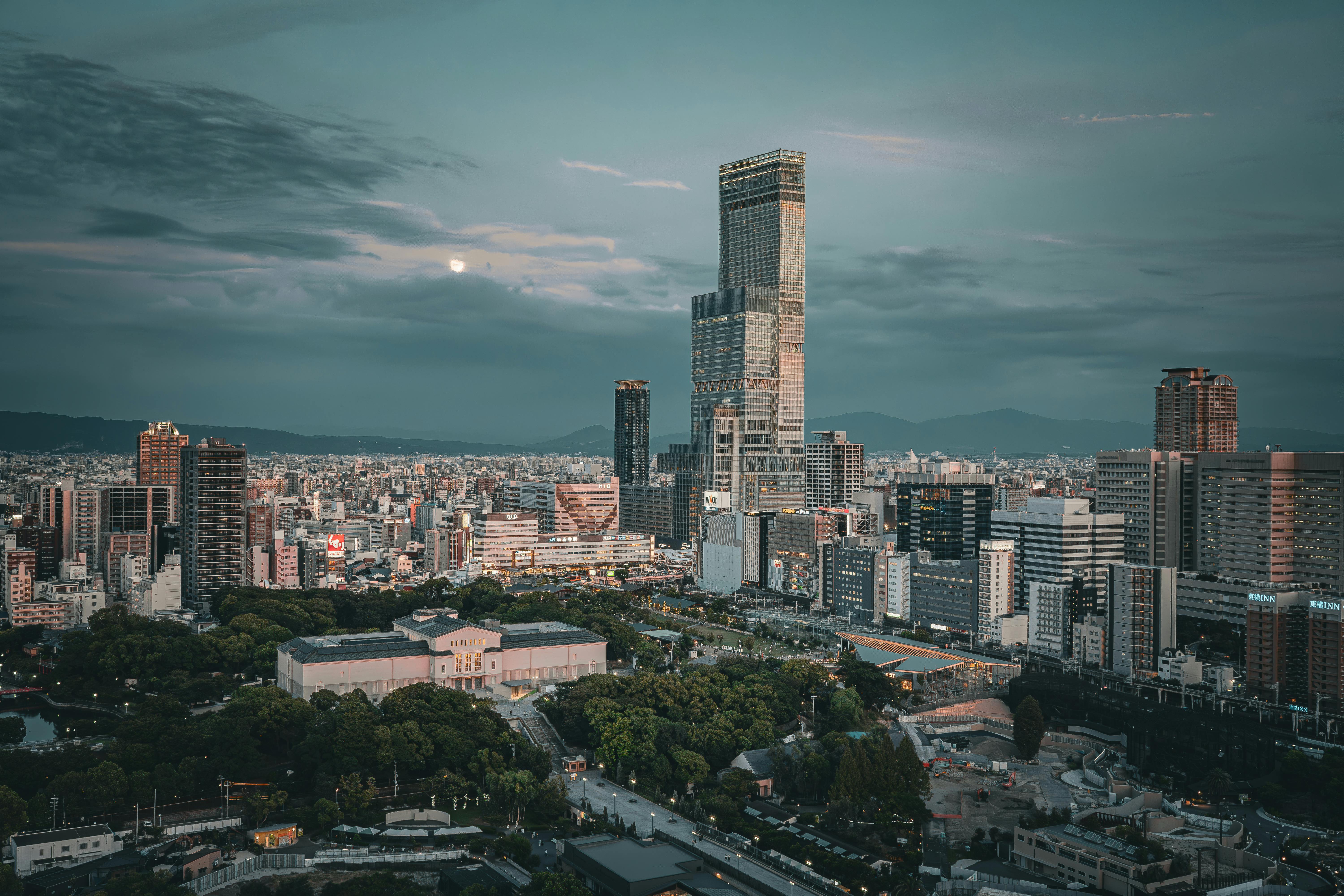
Japan rewards the curious. Over 1,000 years ago, Kyoto was the imperial heart; Edo (today’s Tokyo) rose from a castle town to the world’s largest metropolis; and Osaka powered trade and cuisine, earning its nickname “the nation’s kitchen.” In two weeks you can taste regional flavors, walk centuries-old streets, and ride the lightning-fast Shinkansen between modern marvels and ancient quiet.
Expect exquisite contrasts: lantern-lit alleys beside gleaming towers; kaiseki artistry next to sizzling yakitori; Zen gardens a train stop away from arcades and anime. Spring brings cherry blossoms, summer festivals light the evenings, autumn ignites maples, and winter steams with onsen comfort. Cash is useful alongside cards; load an IC card (Suica/ICOCA) for trains, subways, and convenience stores.
Food is half the journey. Tokyo experiments with everything from Michelin sushi to creative ramen; Kyoto whispers of tofu, matcha, and kaiseki; Osaka shouts takoyaki, okonomiyaki, and kushikatsu. Polite queues, punctual trains, and quiet voices are part of daily life—join in and Japan opens even wider.
Tokyo
Tokyo is an ever-evolving tapestry: Shinto shrines in ancient forests, fashion in Harajuku, izakaya alleys in Shinjuku, and pop culture in Akihabara. It began as Edo in the 1600s, and its grid of neighborhoods still feels like a hundred villages stitched together.
- Top highlights: Meiji Shrine and Yoyogi Park, Asakusa’s Senso-ji, Shibuya Crossing, Ginza boutiques, teamLab Borderless (Azabudai Hills), Tokyo Skytree views, Tsukiji outer market snacking.
- Local flavor: Ramen (try yuzu-shio at Afuri), conveyor-belt sushi for fun, yakitori lanes like Omoide Yokocho, and kissaten coffee culture.
- Fun fact: The Shibuya Scramble sees well over a thousand pedestrians each light cycle at peak hours—organized chaos since the 1930s tram days.
Stay in Tokyo (choose by vibe):
- Luxury near the Imperial Palace: The Peninsula Tokyo or The Ritz-Carlton, Tokyo; ultra-serene design: Aman Tokyo.
- Mid-range Shinjuku convenience: Hotel Gracery Shinjuku, Keio Plaza Hotel Tokyo, or Hotel Sunroute Plaza Shinjuku.
- Family near Disney: Hilton Tokyo Bay. Browse more stays on Hotels.com Tokyo or apartments on VRBO Tokyo.
Arriving/Getting around: Search flights to HND/NRT on Trip.com flights or Kiwi.com. Within Tokyo, subways are fastest; budget ~¥170–¥320 per ride or cap with day passes; taxis are safe but pricier.
Days 1–5: Neon, heritage, and a Mt. Fuji day
Day 1–2: Classic Tokyo — Walk Asakusa’s Nakamise to Senso-ji for incense and fortune slips; ferry or subway to Odaiba for bay views. Evenings in Shinjuku: panoramic sunset at the Tokyo Metropolitan Government Building, then izakaya tastings in Omoide Yokocho (grilled chicken skewers, draft beer, sake).
Day 3: Art & fashion — Meiji Shrine’s forest path, then Harajuku/Omotesando for street style and modern architecture. Coffee at Blue Bottle in Omotesando or Koffee Mameya for beans education. Explore Shibuya Sky for twilight cityscapes before ramen at Ichiran (private booths, tonkotsu richness) or Afuri (lighter yuzu broth).
Day 4: teamLab & sumo or Skytree — Immerse in interactive digital art at teamLab Borderless (Azabudai). Afternoon shopping in Ginza’s depato food halls; evening experience below.
- 1-Day Tokyo Bus Tour — hits Meiji Shrine, Skytree, Asakusa, and more in comfort.

1-Day Tokyo Bus Tour on Viator - Tokyo Shinjuku Sumo Show & Experience — up-close rituals, photos, and a primer on Japan’s national sport.

Tokyo Shinjuku Sumo Show & Experience with Photo on Viator
Day 5: Mt. Fuji & Hakone day trip — Lakeside viewpoints, volcanic landscapes, and optional onsen footbaths.
- Mt Fuji and Hakone 1-Day Bus Tour (return by Bullet Train) — efficient circuit with 5th Station (weather permitting) and Hakone cruising.

Mt Fuji and Hakone 1-Day Bus Tour Return by Bullet Train on Viator
Eat & drink: Breakfast pancakes at A Happy Pancake (Omotesando) or melon-pan ice cream at Asakusa Kagetsudo. Sushi without a splurge at Uogashi Nihon-Ichi (standing sushi). Tonkatsu at Maisen (butter-soft cutlets). Nightcaps in Golden Gai’s tiny theme bars or craft beer at Baird Harajuku.
Morning of Day 6 — Tokyo → Kyoto: Take the Tokaido Shinkansen Nozomi (~2 hr 15 min; ~¥14,000/$95–$110) to Kyoto Station. Reserve seats in advance via Trip.com trains. Consider forwarding luggage (takkyubin; ~¥2,000–¥3,000 per suitcase) and carry an overnight bag.
Kyoto
Kyoto is the keeper of tradition—1,600 temples, 400 shrines, and lanes where tea houses glow at dusk. Yet it’s also a living city of artisans, student cyclists, and seasonal cuisine that celebrates subtlety.
- Top highlights: Fushimi Inari’s 10,000 torii, Kiyomizu-dera’s hilltop veranda, Kinkaku-ji (Golden Pavilion), Arashiyama’s bamboo grove, Gion’s geiko culture, Nishiki Market.
- Local flavor: Kaiseki, matcha sweets, tofu specialties (yudofu), obanzai (Kyoto home-style dishes).
- Fun fact: Kyoto’s grid was modeled on the Chinese capital of Chang’an over 1,200 years ago.
Stay in Kyoto:
- Luxury riverside refinement: The Ritz-Carlton, Kyoto.
- Reliable mid-range: Kyoto Tokyu Hotel or Hotel M's Plus Shijo Omiya.
- Design on a budget: Piece Hostel Sanjo or Kyoto Brighton Hotel. Browse more on Hotels.com Kyoto or apartments via VRBO Kyoto.
Days 6–10: Temples, tea, bamboo, and Nara
Day 6: Southern Kyoto & Fushimi — Start at Fushimi Inari before 8 a.m. for quiet torii paths. Lunch on vermillion terrace soba or in Fushimi’s sake district—tour a brewery and taste junmai. Evening stroll along the Kamogawa River and Pontocho Alley; dinner on seasonal kaiseki (try Kikunoi for a splurge) or obanzai at a cozy bistro.
Day 7: Higashiyama heritage — Walk from Kiyomizu-dera down Sannenzaka/Ninenzaka’s preserved lanes to Yasaka Shrine. Sweets stop: warabi-mochi or matcha parfait at Kagizen Yoshifusa. Sunset at Kodai-ji’s gardens; dinner on duck soba or tempura near Gion.
Day 8: Arashiyama & artisan Kyoto — Bamboo grove at dawn, Tenryu-ji temple garden, river views from Togetsukyo Bridge. Coffee at % Arabica Arashiyama; optional boat ride or monkey park hike. Afternoon textile shopping in Nishijin; evening sento/onsen soak.
- PERFECT KYOTO 1-Day Bus Tour — efficient hits of Kiyomizu-dera, Fushimi Inari, and Kinkaku-ji in one curated day.

PERFECT KYOTO 1-Day Bus Tour on Viator - Kyoto Must-see Spots & Nara Park One Day Tour — ideal if you want a guided Kyoto overview plus time with Nara’s bowing deer.

From Kyoto / Osaka: Kyoto Must-see Spots & Nara Park One Day Tour on Viator
Day 9: Nara day trip — 45 min by Kintetsu or JR. Visit Todai-ji’s Great Buddha, Kasuga Taisha’s lantern paths, and Nara Park. Go early to beat crowds.
- Nara Early Morning Tour — photos at golden hour, main sites before tour buses arrive.

Nara Early Morning Tour (Kyoto or Osaka Departure Available) on Viator
Day 10: Markets & tea — Taste Kyoto at Nishiki Market: soy doughnuts, pickles (tsukemono), yuba tofu. Afternoon tea ceremony (learn whisking matcha and etiquette); sunset along Philosopher’s Path in season.
Kyoto eats: Breakfast at Vermillion (espresso near Fushimi Inari) or Weekenders Coffee. Lunch at Menya Inoichi (refined shio ramen) or yudofu near Nanzen-ji. Dinner ideas: kaiseki at Kikunoi or Giro Giro, tofu kaiseki at Tousuiro, or izakaya small plates with local sake in Kiyamachi.
Morning of Day 11 — Kyoto → Osaka: Quick hop by JR Special Rapid (~30 min; ~¥570) to Osaka Station, or Shinkansen to Shin-Osaka (~15 min; ~¥1,420). Check schedules and book as needed via Trip.com trains.
Osaka
Osaka is kinetic, candid, and delicious. Merchants shaped its spirit, Dotonbori lit up its canals, and today it’s Japan’s boldest food city—where “kuidaore” (eat till you drop) is a proud local motto.
- Top highlights: Osaka Castle, Dotonbori’s neon and canal cruises, Shinsekai’s retro arcades, Umeda Sky Building, Kuromon Market, Universal Studios Japan.
- Local flavor: Takoyaki, okonomiyaki, kushikatsu, and hearty udon. Standing bars (tachinomi) and friendly shouty kitchens add to the fun.
- Fun fact: Osaka was once “Tenka no daidokoro”—the kitchen of the realm—thanks to its vital rice and cargo trade.
Stay in Osaka:
- On Midosuji’s upscale boulevard: The St. Regis Osaka.
- Steps from Namba Station: Swissotel Nankai Osaka or Hotel Sunroute Osaka Namba.
- For Universal Studios access: Hotel Universal Port or family-sized Universal Bay Condominium. Budget basic: Hotel Taiyo. See more on Hotels.com Osaka or apartments via VRBO Osaka.
Days 11–14: Street food, castles, and a Hiroshima day trip
Day 11: Dotonbori & Namba — Start with Osaka Castle (museum and park; budget ~¥600). Move to Kuromon Market for tuna skewers, sea urchin, and wagyu bites. At dusk, cruise the Dotonbori canal, then dive into takoyaki at Wanaka and okonomiyaki at Mizuno or Ajinoya in Ura-Namba.
- Ultimate Osaka Walking Tour: Castle, Dotonbori & Hidden Gems — history meets tasty detours.
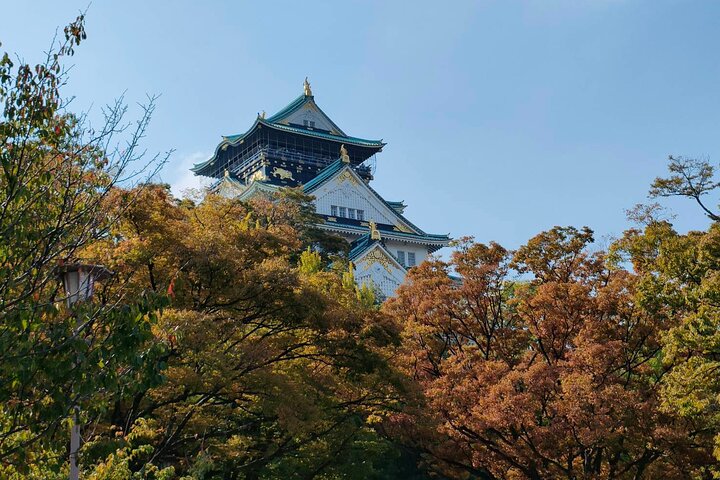
Ultimate Osaka Walking Tour: Castle, Dotonbori & Hidden Gems on Viator
Day 12: Shinsekai & sumo culture — Retro arcades under Tsutenkaku Tower, then kushikatsu (deep-fried skewers) at Daruma. Evening experience below:
- Osaka Sumo Experience with Live Show — rituals, rules, and audience challenges for an interactive night.

Osaka Sumo Experience with Live Show and Audience Challenge on Viator
Day 13: Hiroshima & Miyajima day trip — From Shin-Osaka, the Shinkansen to Hiroshima takes ~1 hr 30 min on Nozomi (~¥10,000–¥11,500 one-way). See the Peace Memorial Park/Museum, then ferry to Miyajima for Itsukushima Shrine and maple-leaf cakes.
- Hiroshima & Miyajima by Bullet Train from Osaka — streamlined logistics with expert guidance.

Hiroshima & Miyajima by Bullet Train from Osaka on Viator
Day 14: Markets, coffee, and last bites — Souvenir hunt in Shinsaibashi-suji Arcade. Coffee at Lilo Coffee Roasters or Mel Coffee Roasters. Udon at Tsurutontan (giant bowls) or wagyu yakiniku at Matsusakagyu Yakiniku M. Toast your trip at a tachinomi bar in Hozenji Yokocho’s lantern-lit lane.
- Osaka Food Tour: 13 Dishes at 5 Local Eateries — Netflix-featured guides take you where locals eat.

Osaka Food Tour: 13 Dishes at 5 Local Eateries on Viator
Osaka eats: Breakfast pastries at City Bakery (Umeda) or kissaten toast-and-egg sets. Lunch on sushi at Endo at the fish market (go early). Don’t miss negiyaki (scallion pancakes) and cheese-filled takoyaki in Americamura. Craft beer at Minoh Beer’s tap spots or cocktails with a view at Umeda Sky’s surrounds.
Departing: From Osaka, fly out of KIX (Kansai International). Compare fares on Trip.com flights or Kiwi.com. The Haruka Limited Express reaches KIX from Osaka/Umeda in ~1 hr.
Practical tips
- Rail: Nozomi Shinkansen is fastest between cities; reserve during peak seasons. For frequent intercity rides, compare pass options versus individual tickets.
- Money: ATMs at 7-Eleven and post offices accept foreign cards. Many small eateries are cash-preferred.
- Etiquette: Queue lines, quiet phones, no eating on local trains (Shinkansen is fine). Shoes off in tatami rooms.
- Seasonal notes: Sakura (late Mar–early Apr) and momiji (Nov) are peak; book hotels and tours early.
In two weeks you’ll trace Japan’s story from Edo’s ambition to Kyoto’s ritual and Osaka’s appetite—temples at dawn, neon at night, and tastes you’ll reminisce about for years. With fast trains, smart planning, and a few guided experiences, this itinerary balances depth and delight. Bookmark it—Japan rewards return visits.