India's Golden Triangle in 8 Days: Delhi, the Taj Mahal & Jaipur
A week and a day tracing Mughal forts, marble mausoleums, and pink-hued palaces across North India's most storied cities.
8 days in Delhi, Jaipur
India's Golden Triangle links three of the subcontinent's great cities in a loop that has anchored first-time visits for generations. Delhi layers eight centuries of empire, from the Sultanate ruins of Qutub Minar to the wide colonial avenues the British laid out in the 1910s. Agra holds the Taj Mahal, the white-marble tomb Shah Jahan raised for his wife in the 1600s and still the most photographed building on earth. Jaipur, founded in 1727 and painted pink for a royal visit in 1876, closes the circuit with hilltop forts and a walled bazaar city.
This version bases you in two cities rather than three, so you unpack less and see more: four nights in Delhi (including a fast-train day trip to see the Taj), then three nights in Jaipur. Getting around is easy enough with a mix of the excellent Delhi Metro, prepaid app cabs (Uber and Ola work in both cities), and the odd auto-rickshaw for short hops. Trains between the cities are comfortable and punctual if you book ahead.
Come prepared for intensity in the best sense: crowded lanes, incense and diesel, saffron and cardamom, and hospitality that runs deep. The food alone justifies the trip, from Old Delhi's Mughlai kebabs to Jaipur's fiery Rajasthani laal maas and sweet-shop classics. October to March is the comfortable season; a July visit means monsoon warmth and humidity, so plan sightseeing for mornings, carry water, and keep an umbrella handy.

Arrival & First Taste of New Delhi
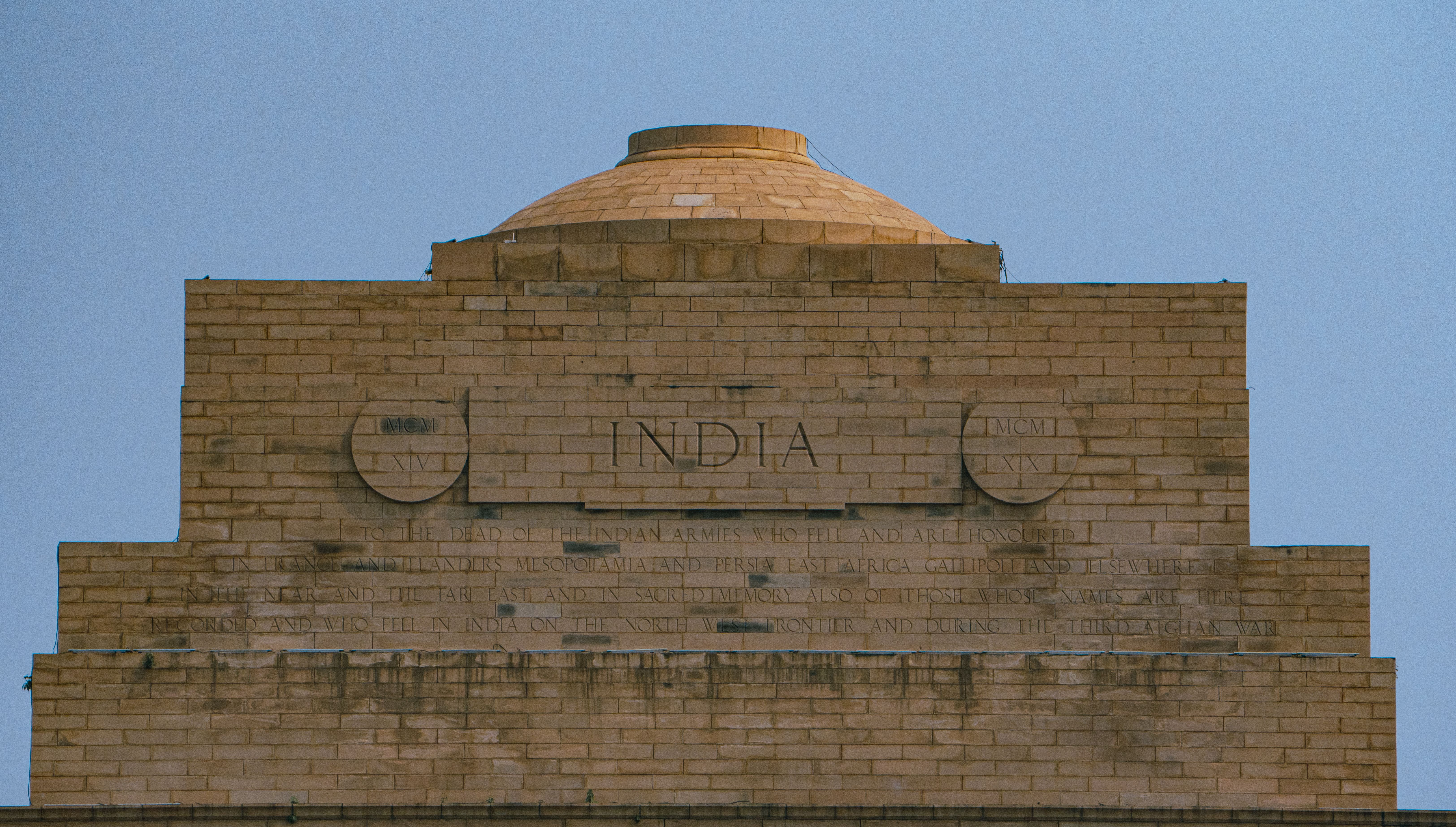
India Gate · Quintin Soloviev / CC BY 4.0Land, drop your bags, and ease in gently with the open, monumental side of the city. Lutyens' New Delhi is grand and walkable in patches, and a slow first afternoon beats over-ambition after a long flight.
The 42-meter war memorial arch anchors a ceremonial boulevard that leads to the presidential palace. It is free, open around the clock, and best in late afternoon light when families gather on the lawns. An easy, low-effort introduction to the imperial capital.
This 1570 Mughal garden-tomb was the template for the Taj Mahal, with a red-sandstone dome set in formal charbagh gardens. Entry is roughly 600 rupees for foreign visitors and it is open daily; go 90 minutes before sunset for soft light and thinner crowds. A calm, beautiful first monument.
Wander the colonnaded circles of Connaught Place, the commercial heart the British built in the 1930s, now full of shops, bars, and street snacks.
Stroll the Georgian arcades of CP and people-watch from Central Park in the middle. Free and lively after dark, with buskers and families. A gentle way to shake off jet lag.
Start with comforting, high-quality Indian cooking close to the center so you can turn in early.
A dependable South Indian institution near Connaught Place doing crisp dosas, fluffy idlis, and thalis at gentle prices (mains roughly 200-400 rupees). Vegetarian, fast, and easy on a tired stomach.
If you just want a good flat white and a light bite after the flight, this Indian specialty roaster has an outlet near CP with reliable espresso and cakes. A soft landing before an early night.

Old Delhi: Red Fort, Jama Masjid & Chandni Chowk
Red Fort · PerSona77 / CC BY-SA 3.0Fuel up centrally before diving into the density of the old city. Get an early start to beat both heat and crowds.
A long-running Delhi roaster serving proper filter coffee and breakfast plates. A solid, unfussy morning stop before heading north.
A beloved Delhi cafe for hearty Western-style breakfasts and famous milkshakes if you want something familiar before a big day. Portions are generous.
Give the morning to the Mughal capital of Shahjahanabad. Take the metro to Lal Qila or Chandni Chowk station to skip the traffic.
Shah Jahan's vast 17th-century sandstone fortress was the seat of Mughal power and is where the prime minister addresses the nation each Independence Day. Foreign entry is around 600 rupees; it is closed Mondays, so time your visit accordingly. Allow two hours for the halls and gardens inside.
India's largest mosque, completed in 1656, holds 25,000 worshippers in its red-and-white courtyard. Entry is free (small camera fee), and climbing the southern minaret rewards you with the best rooftop view over Old Delhi. Dress modestly and avoid prayer times.
Eat where Old Delhi has eaten for over a century, right by the mosque.
Founded in 1913 in a lane off Jama Masjid, Karim's is the definitive Old Delhi Mughlai kitchen: mutton burra, seekh kebabs, and rich korma mopped up with fresh roghni naan. Cramped, chaotic, and delicious, with most dishes 200-500 rupees.
A narrow Chandni Chowk lane where cooks have fried stuffed parathas since the 1870s. Order a few varieties (aloo, paneer, the offbeat ones) with pickles for a cheap, purely vegetarian feast.
Plunge into Chandni Chowk, the great market spine of Old Delhi, ideally on foot or by cycle-rickshaw for the full sensory overload.
A cycle-rickshaw ride through the spice, wedding-finery, and silver lanes is a rite of passage; agree a fare (roughly 150-250 rupees) before setting off. Stop at the Sisganj Gurudwara and the wholesale spice market of Khari Baoli. Sensory, crowded, unforgettable.
If the old-city crush is enough, retreat to this serene white-and-gold Sikh temple with its holy tank. Cover your head, remove shoes, and visit the langar kitchen that feeds thousands daily for free. Deeply moving and open to all.
Trade the crowds for something calmer back near the center.
A comfortable, rustic-themed Punjabi spot for tandoori platters and rich gravies if you want table service and air-conditioning. Reliable mid-range North Indian cooking.

Sultanate Ruins & Modern Marvels of South Delhi
Qutb Minar · Wasir kasab / CC BY 4.0A relaxed start before heading south to Delhi's oldest and quietest monuments.
Excellent single-origin Indian coffee and pastries to set up the day. Handy if you are heading toward South Delhi.
Khan Market cafes do a leisurely brunch of eggs, bakes, and good coffee. A civilized prelude to sightseeing.
Head to the Qutub complex, the site of Delhi's first Islamic city, best seen before midday heat.
The 73-meter fluted victory tower dates to 1193 and is the tallest brick minaret in the world, ringed by carved ruins and the rust-resistant Iron Pillar. Foreign entry is around 600 rupees and it opens daily from morning. An hour or so covers the complex.
Adjacent to Qutub, this free, rambling park hides tombs, stepwells, and a summer palace among the trees. Quiet and atmospheric if you want to escape crowds. Wear decent shoes for uneven paths.
Refuel in the buzzy Hauz Khas or Saket area before the afternoon.
A temple-styled South Indian favorite in Hauz Khas Village serving generous, inexpensive dosas and thalis on banana leaf. Fast and very good value.
Breezy, light coastal-Indian plates in Hauz Khas Village if you want something fresher and more relaxed. Nice for a slower midday break.
Balance ancient stone with 20th-century landmarks and a little greenery.
The Baha'i House of Worship, opened in 1986, unfolds like a marble lotus with 27 petals and is free to enter for silent reflection. It is closed Mondays and lines can be long, so arrive early afternoon. Striking from every angle.
A 14th-century madrasa and tomb overlook a royal reservoir, with a green park alongside for a stroll. Free and photogenic, especially near sunset. Pairs well with the village cafes.
Round off with either a Delhi icon or a memorable splurge, depending on your budget.
Repeatedly ranked among Asia's best, this rustic-luxe restaurant is famous for tandoori meats and the legendary slow-cooked Dal Bukhara. Expensive by Delhi standards and booking is essential, but a bucket-list meal.
For something casual and cheap, this Khan Market institution wraps tender tikka and kebabs in warm rumali roti. Grab a roll and eat on the go for a few hundred rupees.

Day Trip to Agra & the Taj Mahal
Mumtaz Mahal · Unknown authorUnknown author / Public domainAn early train morning: grab coffee at New Delhi station or on board. The fast trains to Agra leave around dawn, so travel light with just water, sunblock, and your passport for ticketing.
The fastest trains reach Agra Cantt in about 100 minutes, with morning departures from Hazrat Nizamuddin or New Delhi and returns in the evening. Chair-car fares run roughly 750-1,500 rupees each way including a snack. Book well ahead, as these sell out.
See the Taj Mahal early, when the marble glows and the crush is thinnest. Hire a licensed guide at the gate or pre-book one for the history.
Shah Jahan's marble mausoleum for Mumtaz Mahal, finished around 1653, is even more astonishing in person, its inlay and symmetry flawless. Foreign tickets run about 1,300 rupees (including the mausoleum plinth) and it is closed Fridays, so this day trip must fall Saturday-Thursday. Go at opening for the softest light.
Eat near the monuments before the second stop.
A well-regarded Agra restaurant for rich North Indian and Mughlai dishes in comfortable, cool surrounds. A safe, satisfying midday choice between sights.
For a special lunch, this refined restaurant serves Mughal-inspired cuisine near the Taj; reserve ahead. A splurge, but memorable.
Add Agra's mighty fort before your evening train, then head back to Delhi.
The red-sandstone Mughal fort where Shah Jahan was later imprisoned offers palaces, audience halls, and a hazy view back toward the Taj. Foreign entry is around 650 rupees and it opens daily. Ninety minutes is enough.
If you would rather end with the Taj at golden hour, this riverside garden directly across the Yamuna frames it beautifully at sunset. Small entry fee, uncrowded, and a lovely last look before the train home.
You will likely eat late back in Delhi; keep it simple and close to your hotel.
Premium trains serve a hot meal en route, so you may not need much on arrival. Otherwise, a light dinner at your hotel or a CP favorite caps a long, rewarding day.

Train to Jaipur & the Old Pink City
City Palace, Jaipur · Jakub Hałun / CC BY-SA 4.0Grab coffee before the morning train from Delhi; you will arrive in Jaipur around midday.
Eat a proper breakfast at your Delhi hotel before checkout, then travel light. Premium trains also serve tea and a snack on board.
Arrive, check in, and eat in the Old City before an afternoon of sights.
A Johari Bazaar institution since 1954, LMB does pure-vegetarian Rajasthani thalis and a dizzying counter of sweets like paneer ghewar. Old-school, spotless, and quintessentially Jaipur.
Famous for pyaaz kachori and Rajasthani snacks if you want something fast and cheap on arrival. A local breakfast-and-sweets legend.
Dive into the planned heart of the Pink City, all within walking distance of each other.
Still partly home to the royal family, this palace complex layers Rajput and Mughal design across courtyards, an armory, and textile galleries. General foreign entry runs around 700 rupees; it opens daily. Allow a couple of hours, more if you add the royal apartments.
Jai Singh II's UNESCO-listed observatory (completed 1734) is a surreal collection of giant masonry instruments, including the world's largest stone sundial. Foreign entry is around 200 rupees. A guide really helps the astronomy make sense.
Catch the Old City's most famous facade at golden hour, then browse the bazaars.
The five-story 'Palace of Winds' from 1799, with its 953 honeycomb windows, glows pink-orange in late light; the classic photo is from the cafe across the street. Entry inside is about 200 rupees for foreigners if you want the view from behind the screens.
Jaipur's Old City markets sell block-printed textiles, juttis, lac bangles, and gemstones. Prices are negotiable, so haggle gently. A fun, colorful evening wander.
Try a Jaipur rooftop or a beloved local kitchen for your first Rajasthani dinner.
Atop Hotel Pearl Palace, this quirky, good-value rooftop serves solid Indian dishes with fort views and a relaxed vibe. Popular, so go a touch early.
A Jaipur mainstay near MI Road famous for slow-cooked meats and the fiery Rajasthani laal maas. Rustic and reliably delicious.

Amber Fort & the Hilltop Forts
Amber, India · Roshanrajverma / CC BY-SA 4.0Start early to reach Amber before the heat and tour buses.
Jaipur's best specialty coffee, with well-pulled espresso and breakfast plates. A great pre-fort fuel stop.
An airy organic cafe attached to the block-print brand, doing fresh salads, sandwiches, and good coffee. Calm and healthy start to the day.
Devote the morning to Amber (Amer) Fort, the honey-and-ochre palace-fortress just outside the city.
The 16th-17th century hilltop palace of the Kachwaha rulers layers courtyards, the mirror-work Sheesh Mahal, and sweeping views over Maota Lake. Foreign entry is around 550 rupees; it opens daily from morning. Walk up the ramp (please skip the elephant rides) and allow two hours.
A photogenic 16th-century stepwell of symmetrical crisscross staircases, a short hop from Amber Fort. Free and quick, and a lovely contrast to the palace above.
Eat near the fort, with one standout heritage option.
An opulent restaurant inside Amber Fort itself serving royal Rajasthani thalis in gilded rooms. A splurge, but a memorable one, right where you are.
A relaxed spot near the fort for Indian and Continental dishes at everyday prices. Easy and convenient between sights.
Circle back past the lake palace and up to a ridge fort for the city's best panorama.
The 18th-century 'Water Palace' appears to float on Man Sagar Lake; you view it from the promenade rather than entering. A quick, scenic photo stop on the way back to town. Free.
Perched on the Aravalli ridge, this fort delivers the definitive sunset view over the whole pink city, plus a small stepped palace to explore. Foreign entry is around 200 rupees. Time it for late afternoon.
Come down for a memorable Jaipur dinner, from courtyard fine dining to lively local flavor.
A courtyard restaurant known for authentic Rajasthani specialties like laal maas and gatte ki sabzi in a heritage setting. Comfortable and consistently good.
A hip rooftop tea-and-food cafe over Central Park, great for chai, chaat, and light dinners with a young crowd. Casual and fun.
Crafts, Temples & a Slower Jaipur
Galtaji · Sharvarism / CC BY-SA 4.0A gentler day to shop, see craft, and slow down. Ease into it with good coffee.
Worth a return for the best brew in town and a proper breakfast. Set up the day before the crafts and temples.
See a side of Jaipur beyond the marquee monuments, from a hillside temple to living craft traditions.
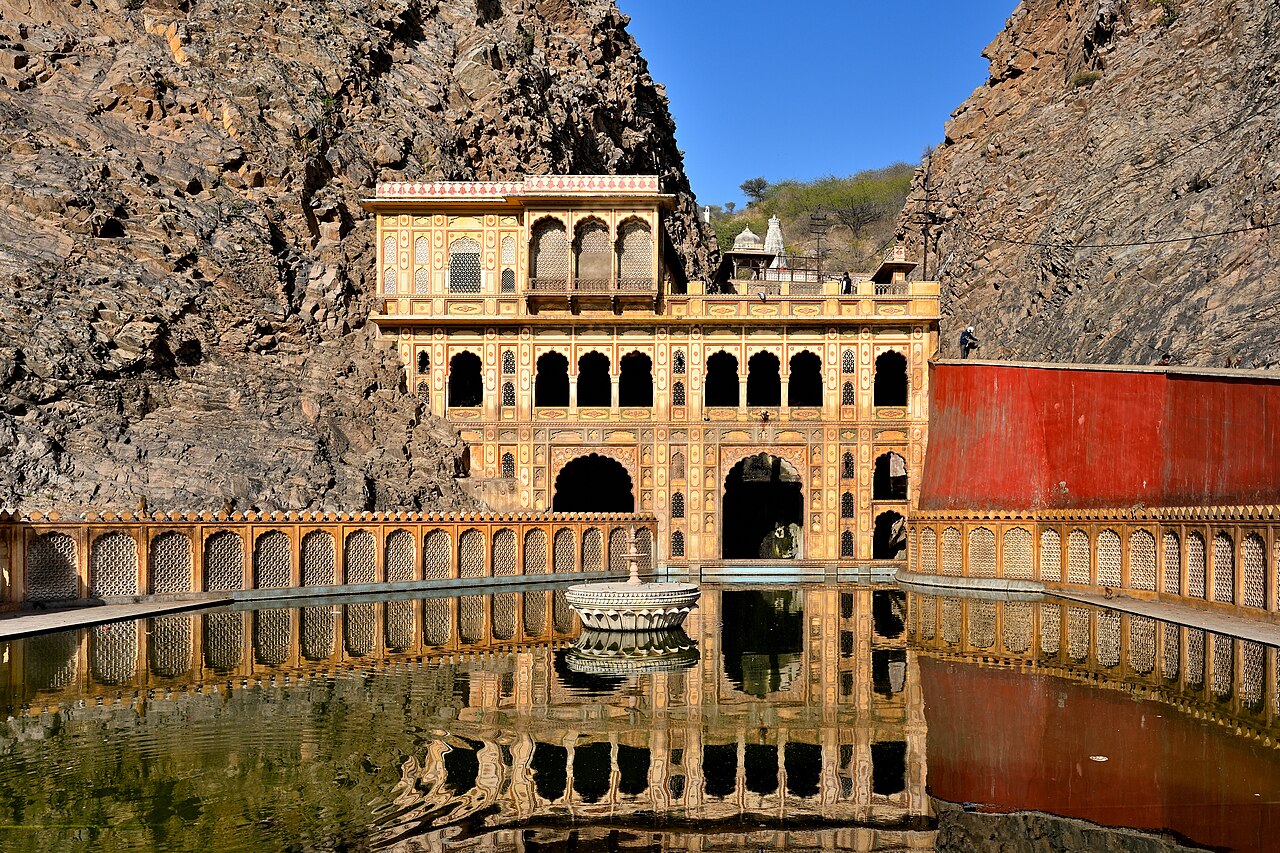
A dramatic temple complex tucked into a gorge east of the city, with sacred water tanks fed by springs and troops of macaques. Small donation entry; go early for cooler air and soft light. Watch your belongings around the monkeys.
A beautifully restored haveli in Amer dedicated to block-printed textiles, with live demonstrations and a shop. Entry is modest and it is closed Mondays. A calm, illuminating stop for craft lovers.
Refuel with vegetarian Rajasthani classics or something lighter.
For a true taste of Rajasthan, seek out a dal-baati-churma thali at a local vegetarian house. Filling, inexpensive, and regional to the core.
If you visited the museum's parent brand in town, its organic cafe is a light, healthy option of salads and sandwiches. A welcome break from rich food.
Shop with intent for Jaipur's signature crafts, or dip into a museum.
Rajasthan's oldest museum sits in a grand Indo-Saracenic building (1887) full of textiles, arms, and miniatures; it is even more striking floodlit at night. Foreign entry is around 300 rupees. Worth an hour.
Hunt for genuine block-printed cloth, blue pottery, and gemstones at trusted shops around MI Road and the bazaars. Ask to see the workshop where you can. Buy what you love; you likely won't be back soon.
Enjoy a final Jaipur evening, from a cultural show to a rooftop sundowner.
A recreated Rajasthani village on the city's edge with folk dance, puppets, camel rides, and an all-you-can-eat thali. Touristy but genuinely fun, especially for families. Budget a full evening and a fixed entry-plus-dinner fee.
For a stylish evening drink instead, Bar Palladio's blue-and-white Italian-Rajput fantasy setting is a lovely spot to toast the trip. Reserve ahead on weekends.
A last proper Rajasthani meal, matched to your evening choice.
Dine like royalty in a former palace banquet hall on refined Indian cuisine. A splendid final-night splurge; book a table.
A classic MI Road restaurant running since 1949, dependable for North Indian, Mughlai, and Chinese in cool comfort. A safe, satisfying send-off.

Farewell Jaipur & Departure
Hawa Mahal · Chainwit. / CC BY-SA 4.0A relaxed final morning before you head to the airport or station. Jaipur has direct flights and fast trains back to Delhi if you are connecting onward.
One last cup of masala chai over Central Park is a fitting goodbye. Light bites available if you want breakfast.
If your flight is early, a leisurely hotel breakfast keeps things simple before checkout.
Squeeze in one last small pleasure close to the center, keeping it easy before departure.
A gentle walk in Jaipur's green spaces or a final loop through a nearby bazaar for last souvenirs. Low-key and flexible around your departure time.
Pick up any block-print or blue-pottery pieces you eyed earlier. Keep an eye on the clock and pre-book your airport or station cab.
Grab a final bite before transferring out; Jaipur Airport (JAI) is about 30-40 minutes from the center, and the station is closer.
A last easy Rajasthani or North Indian meal before you go. Allow buffer time for traffic to the airport or station.
If connecting through Delhi, the fast train takes 4-5 hours and flights about an hour. Book in advance for the best fares and seats.
Pick your base
Connaught Place and the surrounding central district put you within a short metro or cab ride of both Old and New Delhi and offer the widest range of hotels. Aerocity is convenient for late arrivals and early flights but soulless; Old Delhi's heritage havelis are atmospheric but noisy. For a first visit, base yourself centrally around Connaught Place or Janpath.
A polished full-service hotel a short walk from Connaught Place, with a rooftop pool and easy metro access. Reliable comfort in the geographic center of the city.
A cheerful, spotless budget hotel just off Connaught Place with bright rooms and helpful staff. Excellent value for a central base.
Spacious rooms, a garden pool, and multiple restaurants near Bangla Sahib make this an easy pick for families. Central location with room to spread out.
A painstakingly restored 19th-century haveli deep in Old Delhi, with carved balconies and a rooftop restaurant overlooking Jama Masjid. Atmospheric, though the lanes around it are busy day and night.
A 1930s landmark on Janpath hung with colonial-era art, all high ceilings and palm courts. The one splurge worth it for its history and afternoon tea.
A genuine 19th-century haveli with frescoed rooms, courtyards, and a garden pool near MI Road. Heritage character at a fair price, popular enough to book ahead.
A long-time backpacker and value favorite in Bani Park with characterful rooms and the excellent Peacock rooftop restaurant on site. Superb bang for your rupee.
A comfortable modern hotel overlooking the Jal Mahal lake, with a big pool and gardens that suit families. A short drive from both forts and the Old City.
A ravishing restored mansion on the edge of the Old City, with painted suites, courtyards, and a stunning pool. A romantic, atmospheric choice.
The former residence of Jaipur's maharajas, now a Taj palace hotel of peacock gardens, marble corridors, and royal service. The definitive Jaipur splurge if you have one big night in you.
Good to know
How many days do you need for India's Golden Triangle?
Most travelers find 6 to 8 days ideal for Delhi, Agra, and Jaipur. Eight days, as in this itinerary, gives four nights in Delhi (including a Taj Mahal day trip to Agra) and three nights in Jaipur without feeling rushed.
What is the best area to stay in Delhi for first-time visitors?
Connaught Place and the surrounding central district are the easiest base for first-timers, with a wide range of hotels, restaurants, and quick metro or cab access to both Old and New Delhi. Aerocity near the airport suits late arrivals but lacks atmosphere.
Can you visit the Taj Mahal as a day trip from Delhi?
Yes. Fast trains such as the Gatimaan Express, Vande Bharat, and Shatabdi reach Agra in about 100 minutes each way, making a day trip comfortable. Note that the Taj Mahal is closed every Friday, so plan any other day of the week.
What is the best time to visit the Golden Triangle?
October to March offers the most comfortable, dry weather for sightseeing, though it is also peak season. April to June is very hot, and July to September brings monsoon rains and humidity, so plan outdoor visits for early mornings during those months.
How do you get around Delhi and Jaipur?
Delhi has an extensive, cheap, and efficient metro plus app cabs (Uber and Ola) and auto-rickshaws for short hops. Jaipur relies more on app cabs and auto-rickshaws; agree fares in advance for autos, and consider hiring a car with driver for the fort-hopping day around Amber.
Is 8 days enough for Delhi and Jaipur?
Eight days is comfortable for a first visit covering Delhi, a Taj Mahal day trip, and Jaipur, letting you see the major monuments while leaving time for markets and food. If you want to add cities like Udaipur or Ranthambore for tigers, you would need at least a few more days.
In eight days you will have traced the full arc of North India's greatest hits: the imperial sweep of Delhi, the marble perfection of the Taj Mahal, and the painted forts and bazaars of Jaipur. Two well-chosen bases keep the pace humane while a fast train handles the miles. Go hungry, haggle with a smile, and let the color and clamor pull you in.