
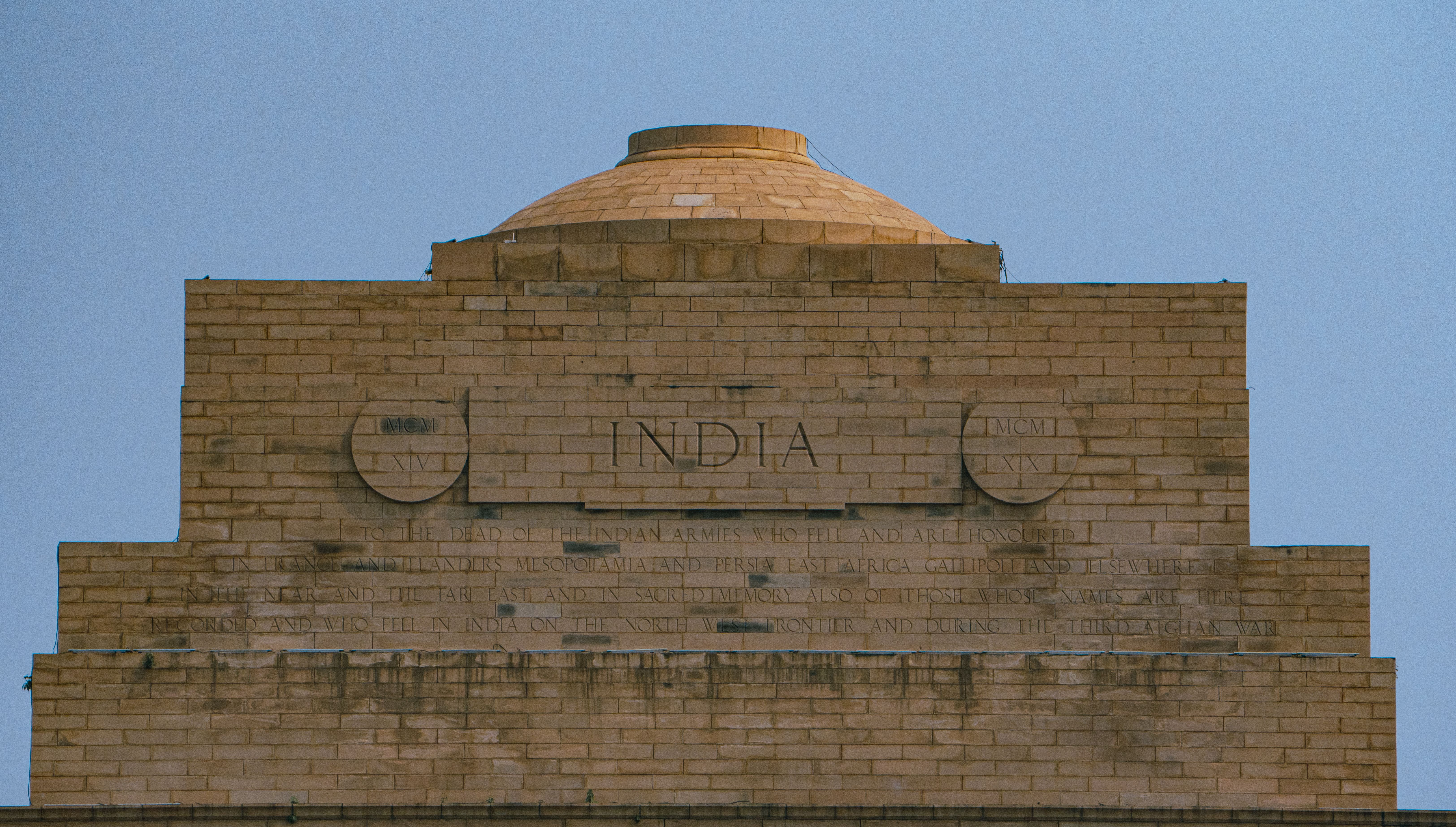
India's Golden Triangle links three of the subcontinent's great cities in a loop that has anchored first-time visits for generations. Delhi layers eight centuries of empire, from the Sultanate ruins of Qutub Minar to the wide colonial avenues the British laid out in the 1910s. Agra holds the Taj Mahal, the white-marble tomb Shah Jahan raised for his wife in the 1600s and still the most photographed building on earth. Jaipur, founded in 1727 and painted pink for a royal visit in 1876, closes the circuit with hilltop forts and a walled bazaar city.
This version bases you in two cities rather than three, so you unpack less and see more: four nights in Delhi (including a fast-train day trip to see the Taj), then three nights in Jaipur. Getting around is easy enough with a mix of the excellent Delhi Metro, prepaid app cabs (Uber and Ola work in both cities), and the odd auto-rickshaw for short hops. Trains between the cities are comfortable and punctual if you book ahead.
Come prepared for intensity in the best sense: crowded lanes, incense and diesel, saffron and cardamom, and hospitality that runs deep. The food alone justifies the trip, from Old Delhi's Mughlai kebabs to Jaipur's fiery Rajasthani laal maas and sweet-shop classics. October to March is the comfortable season; a July visit means monsoon warmth and humidity, so plan sightseeing for mornings, carry water, and keep an umbrella handy.
Delhi
Delhi is really several cities stacked on one another, and half the pleasure is feeling the eras shift as you move: the tangle of Old Delhi around the Red Fort and Jama Masjid, the imperial geometry of Lutyens' New Delhi, and the ruin-dotted greenery of the south. It is loud, layered, and endlessly rewarding, with some of the country's best eating packed into its lanes and markets. Give it a few days and it stops feeling overwhelming and starts feeling like the beating heart of the north.


Where to Stay
Connaught Place and the surrounding central district put you within a short metro or cab ride of both Old and New Delhi and offer the widest range of hotels. Aerocity is convenient for late arrivals and early flights but soulless; Old Delhi's heritage havelis are atmospheric but noisy. For a first visit, base yourself centrally around Connaught Place or Janpath.
The LaLiT New Delhi
midrange GoogleA polished full-service hotel a short walk from Connaught Place, with a rooftop pool and easy metro access. Reliable comfort in the geographic center of the city.
Bloomrooms @ Janpath
budget GoogleA cheerful, spotless budget hotel just off Connaught Place with bright rooms and helpful staff. Excellent value for a central base.
The Metropolitan Hotel & Spa
family friendly GoogleSpacious rooms, a garden pool, and multiple restaurants near Bangla Sahib make this an easy pick for families. Central location with room to spread out.
Haveli Dharampura
boutique GoogleA painstakingly restored 19th-century haveli deep in Old Delhi, with carved balconies and a rooftop restaurant overlooking Jama Masjid. Atmospheric, though the lanes around it are busy day and night.
The Imperial New Delhi
luxury GoogleA 1930s landmark on Janpath hung with colonial-era art, all high ceilings and palm courts. The one splurge worth it for its history and afternoon tea.
Jaipur
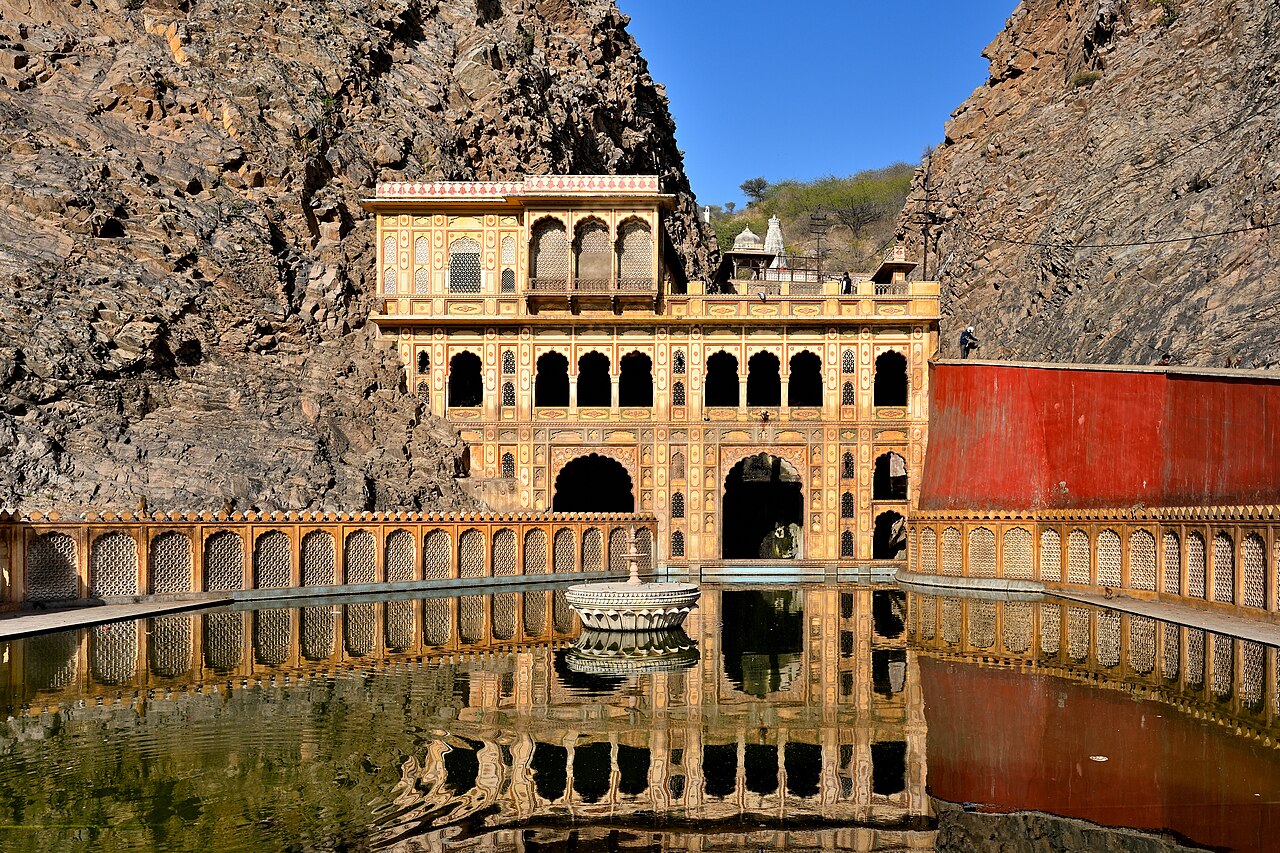
Jaipur is Rajasthan at full color: a walled city painted terracotta-pink, crowned by honey-toned hilltop forts, and stitched together by bazaars selling block-printed cloth, blue pottery, and gemstones. Founded in 1727 by Maharaja Sawai Jai Singh II, it was one of India's first planned cities, laid out on a grid around grand palaces and an open-air observatory. It rewards both monument-hunters and shoppers, and the food, sweet, buttery, and unapologetically rich, is a highlight in its own right.



Where to Stay
For first-timers, the area around MI Road and Civil Lines offers heritage hotels, restaurants, and quick access to both the Old City and the forts. Bani Park has excellent-value guesthouses, while the Old City itself puts you inside the bazaars but with more noise. Many of Jaipur's best stays are converted havelis and palaces spread across the center.
Alsisar Haveli
midrange GoogleA genuine 19th-century haveli with frescoed rooms, courtyards, and a garden pool near MI Road. Heritage character at a fair price, popular enough to book ahead.
Hotel Pearl Palace
budget GoogleA long-time backpacker and value favorite in Bani Park with characterful rooms and the excellent Peacock rooftop restaurant on site. Superb bang for your rupee.
Trident Jaipur
family friendly GoogleA comfortable modern hotel overlooking the Jal Mahal lake, with a big pool and gardens that suit families. A short drive from both forts and the Old City.
Samode Haveli
boutique GoogleA ravishing restored mansion on the edge of the Old City, with painted suites, courtyards, and a stunning pool. A romantic, atmospheric choice.
Rambagh Palace
luxury GoogleThe former residence of Jaipur's maharajas, now a Taj palace hotel of peacock gardens, marble corridors, and royal service. The definitive Jaipur splurge if you have one big night in you.
In eight days you will have traced the full arc of North India's greatest hits: the imperial sweep of Delhi, the marble perfection of the Taj Mahal, and the painted forts and bazaars of Jaipur. Two well-chosen bases keep the pace humane while a fast train handles the miles. Go hungry, haggle with a smile, and let the color and clamor pull you in.