Iceland in 12 Days: A Content Creator's Ring Road for Cinematic Footage
A filmmaker-friendly loop through Reykjavik, the South Coast waterfalls, Snaefellsnes, and the Reykjanes lava fields, timed for July's endless golden hour and packed with the gear and software you actually need.
12 days in Reykjavik + 3 more
Few countries reward a camera the way Iceland does. In a single day you can film a waterfall you can walk behind, a beach of jet-black sand, a geyser firing on cue every few minutes, and a glacier lagoon drifting with blue icebergs, all under a sun that in July barely sets. Settlement here dates to Norse seafarers around 874 AD, and the landscape still looks freshly made because geologically it is: Iceland straddles the Mid-Atlantic Ridge, where the North American and Eurasian plates pull apart and volcanoes routinely rewrite the map.
This 12-day loop is built specifically for people who want to come home with footage worth editing. It concentrates on the highest-yield regions for video: Reykjavik and the Golden Circle, the waterfall-and-glacier corridor of the South Coast, the compact scenic overload of the Snaefellsnes Peninsula, and the raw lava fields of Reykjanes near the airport. Distances are kept sensible so you spend time shooting rather than white-knuckling six-hour drives.
Practical notes: rent a car (a 4x4 is wise even in summer for gravel roads and wind), fuel and food are expensive so budget generously, and download offline maps because signal drops in the highlands. July means near-24-hour daylight and long, low golden light, but it also means no northern lights (the sky never gets dark enough). Weather flips fast, so check vedur.is and safetravel.is daily and always secure your tripod and drone against the wind.

Arrival, Gear Check & Reykjavik's Rooftops
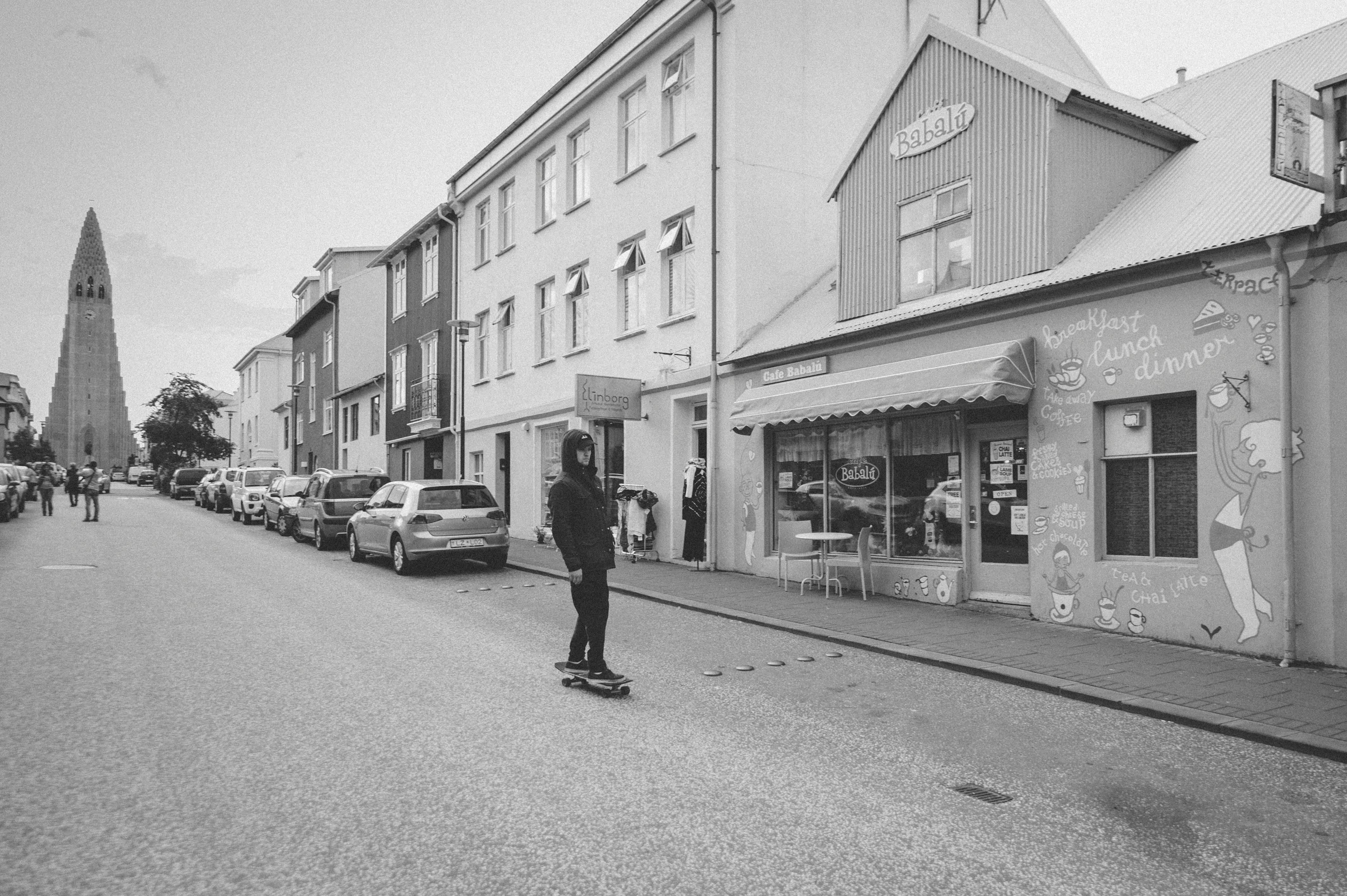
Hallgrímskirkja · Steinninn / CC BY 4.0Since you are here to shoot, set your kit up on day one so you are ready when the light turns. A lightweight mirrorless body (Sony A7 IV, Canon R6 II, or similar) plus a fast wide zoom covers most Iceland scenes; add a variable ND filter (essential for silky waterfalls in bright July light), a sturdy tripod that can handle wind, a gimbal (DJI RS 3/RS 4), and a compact drone (a sub-250g DJI Mini keeps you within lighter regulations). Cold and wind drain batteries fast, so pack doubles. For editing on the road, DaVinci Resolve is free and superb for color grading, Adobe Premiere Pro and Final Cut Pro are the pro standards, and CapCut is quickest for vertical social cuts; license music through Epidemic Sound or Artlist to stay copyright-safe.
Format cards, update firmware, calibrate your gimbal, and confirm your drone is registered before you leave the city. Iceland's landscapes are unforgiving of forgotten filters or dead batteries, and shops for spares thin out fast once you leave Reykjavik. Photo and video gear is available at Beco and SM Ljosmyndavorur downtown if you need last-minute accessories.
Ease into the day with the city's two must-film icons, a ten-minute walk apart. Both reward a wide lens and, if regulations allow away from the flight path, a careful drone orbit.
The 74.5-meter concrete church is Reykjavik's signature silhouette, its facade modeled on basalt columns. Ride the elevator to the tower (around ISK 1,500, roughly $11) for a color-drenched overhead of the tin rooftops, best in the long late-day light. The interior's clean lines and organ make good B-roll on a rainy hour.
A steel Viking-ship sculpture on the waterfront path, catching light off Faxafloi bay with Mount Esja behind it. It is a classic golden-hour tripod shot and, in July, that light stretches for hours. Free and always open.
First night, keep it easy and very Icelandic. Two options at different price points, both walkable from downtown.
A cozy, budget-friendly spot famous for lamb soup and creamy fisherman's stew served in a bread bowl, with free refills. Filling, photogenic, and forgiving on the wallet in an expensive country (mains around ISK 2,500-3,500).
An upscale grill turning out beautifully plated Icelandic lamb, langoustine, and inventive tasting menus in a warm, low-lit room. A splurge (mains from ~ISK 5,500) but a reliable, memorable first-night dinner; reserve ahead.

The Golden Circle: Rift Valley, Geyser & Gullfoss
Gullfoss · Nickspix / CC BY-SA 4.0Caffeinate and grab pastries before the ~40-minute drive out to Thingvellir. Both picks are downtown institutions.
The city's most respected roaster, with vinyl on the turntable and expertly pulled espresso. Come early for a flat white and a slice before you hit the road.
A tiny, graffiti-walled bakery famous for its gooey cinnamon rolls and sourdough. The rolls are a genuinely good hood-of-the-car breakfast for a shoot day.
Drive the classic Golden Circle loop. Start at Thingvellir, where you can literally film the gap between two continents.
A UNESCO site in the rift valley where the North American and Eurasian plates split, ringed by dramatic lava cliffs and the Almannagja gorge. Walk the fissure path for cinematic tracking shots and film the crystalline Silfra fissure from above. Parking is ISK 750; note drones are restricted inside the national park.
Refuel mid-loop near Geysir, where the options are limited but decent.
A convenient buffet-and-soup stop right across from the geothermal field, with a big bakery and shop. Nothing gourmet, but a warm, quick refuel steps from Strokkur.
Two of Iceland's most reliable set-piece shots back to back, both under a 10-minute drive apart.
The Great Geysir gave the world the word, but its neighbor Strokkur is the performer, erupting 15-20 meters every 6-10 minutes. Set up on a tripod, pre-focus, and shoot slow-motion bursts; the predictability makes it a rare guaranteed dynamic shot. Free entry.
The Golden Falls thunder in two tiers into a rugged canyon, often throwing rainbows in afternoon light. Walk both the upper viewpoint and the lower path for varied angles; a rain cover for your camera is smart near the spray. Free.
Back in Reykjavik, celebrate the first big shoot day with seafood or a lively bistro.
A cellar restaurant with a global-Icelandic seafood menu and a warm, romantic room. Excellent for arctic char and langoustine; reserve ahead (mains from ~ISK 5,000).
A relaxed, friendly gastropub with hearty Icelandic plates, good beer, and fair prices for the city. A dependable, unfussy option after a long day.

Reykjavik Deep Dive: Perlan, Street Art & the Harbor
Harpa (concert hall) · Ivan Sabljak, arkitekt: Hennings Larsens in Denmark / CC-BY-SA-3.0A slower morning to gather city footage. Start with a proper sit-down breakfast.
A fourth-generation artisan bakery on Laugavegur with excellent sourdough, croissants, and a full breakfast plate. Beautiful light through the front windows for a table shot.
A cozy, long-running two-floor cafe on the main street, good for a quiet flat white and people-watching B-roll of Laugavegur.
Capture Reykjavik's design landmarks and a panoramic overview from the hilltop dome.
A glass dome on a hill housing an immersive Wonders of Iceland exhibit, a real indoor ice cave, and a planetarium aurora film (useful since July skies stay too bright for real northern lights). The 360-degree observation deck gives the best city-and-mountains panorama; tickets around ISK 5,990.
A honeycomb of colored glass by artist Olafur Eliasson on the waterfront, mesmerizing to film both outside and from within as light plays through the panels. Free to wander; go handheld or with a gimbal for the geometric interiors.
Iconic, cheap, and quick, then more harbor exploring.
The legendary red hot-dog stand by the harbor, serving lamb-based pylsur since 1937 (order 'eina med ollu', one with everything). A must-film Reykjavik ritual for under ISK 700.
A converted warehouse food hall on the old harbor with everything from fish and chips to ramen and Icelandic tapas. Good for groups who want variety and industrial-chic backdrops.
Hunt down the city's murals and browse for footage-worthy details before the road trip proper begins.
The lanes around Laugavegur, Hverfisgata, and Grandi are covered in large-scale murals by Icelandic and international artists, refreshed often. Shoot a walking sequence with your gimbal; the color pops beautifully against grey skies.
Summer trips into Faxafloi bay regularly spot minke whales, humpbacks, dolphins, and puffins, with the coastline and Snaefellsjokull as a backdrop. A 3-3.5 hour tour runs roughly ISK 11,000-13,000; a stabilized lens or gimbal helps on the water.
A memorable last Reykjavik dinner before you head south. Choose adventurous or classic.
Iceland's first Michelin-starred restaurant, serving a New Nordic tasting menu of foraged and local ingredients. A special-occasion meal that books out weeks ahead; reserve as early as you can.
Refined takes on old Icelandic recipes (its cod's-head dish is a signature) in a snug harbor-district room. Adventurous but approachable, and a great story for your food footage.

Drive South: Two Iconic Waterfalls to Vik
Route 1 (Iceland) · Fredddie / Public domainFuel up in Reykjavik before checking out and pointing the car east.
Grab cinnamon rolls and coffee to go for the drive. Fast, delicious, and easy to eat at a scenic pull-off.
The first great shot of the day is a waterfall you can film from behind.
A slender 60-meter fall with a footpath that loops behind the curtain of water, an unbeatable backlit shot when the sun sits low. Wear waterproofs and bring a lens cloth and rain cover; parking is ISK 900. Walk a few minutes west to the hidden Gljufrabui canyon fall for a bonus scene.
Stop near Skogar, the midpoint, for a hot meal before the afternoon shoot.
A well-loved food truck near Skogafoss serving loaded fish and chips and lamb, ideal to eat with the waterfall in view. A quick, satisfying road-trip lunch when open in summer.
A sit-down option steps from the falls, with soups, burgers, and Icelandic mains. Reliable when you want to dry off and warm up.
The region's most powerful waterfall, then continue to Vik. Both are prime drone-free filming (Skogafoss is a national protected area, so shoot from the ground and the stair viewpoint).
A 25-meter-wide, 60-meter-high wall of water you can approach until the spray soaks you, frequently arching a rainbow midday. Climb the 527-step staircase for a top-down angle over the falls and the coastal plain. Free.
A short detour up a gravel road reaches this accessible outlet glacier, blue-and-black with ash. Book a guided glacier walk (from ~ISK 12,000, crampons provided) for close-up ice footage, or film the tongue from the marked path. Never walk on glacier ice without a guide.
Settle into Vik and eat well; the village has a couple of genuinely good spots.
A warm hilltop restaurant with Icelandic lamb, seafood, and surprisingly good Asian-inflected dishes, plus views over Vik. The most consistent dinner in town; worth booking in summer.
Vik's microbrewery and burger joint, casual and lively, with craft beer brewed on site. A fun, unfussy end to a long driving day.

Black Sand, Basalt Columns & Sea Cliffs
Reynisfjara · Strwiki2017 / CC BY-SA 4.0Start early to beat the tour buses to the beach; the low morning light on black sand is exceptional.
A beloved coffee bus in Vik run by a local family, serving proper espresso and a friendly vibe. A great before-shoot stop and a charming subject in its own right.
Iceland's most famous beach, best filmed early before crowds. Respect the barriers.
A dramatic stretch of jet-black sand backed by a cathedral of hexagonal basalt columns and the Reynisdrangar sea stacks offshore. Endlessly filmable, but the sneaker waves here are genuinely deadly: never turn your back on the sea and stay well up the beach. Free; go at low tide if you can.
Back in Vik for a relaxed midday meal.
A cozy cafe-restaurant in a historic house serving pizzas, soups, and Icelandic plates. A comfortable, moderately priced spot to regroup.
Trade the beach for the clifftop promontory just west, then the puffin colonies (present through August).
A rocky headland with a giant sea arch, a lighthouse, and puffins nesting on the cliffs in summer, plus long views over the black coastline. The upper and lower areas each give distinct compositions; note the access road can be rough (a higher-clearance car helps). Free.
Vik's red-roofed church on the hill frames beautifully against the sea stacks and lupine fields in July. An easy stroll up from the village delivers a postcard establishing shot for your edit.
Another good Vik dinner, or a self-catered night if your base has a kitchen.
A snug spot specializing in hearty soups served in bread bowls, perfect after a windy day on the coast. Comforting and easy on the budget.
If you enjoyed it on arrival, its lamb and seafood plates reward a second visit; the hillside views are best in the endless evening light.
Full-Day Run to Jokulsarlon Glacier Lagoon
Route 1 (Iceland) · Fredddie / Public domainThis is the biggest single day of the South Coast, so start early with coffee to go.
Grab espresso and a snack from Vik's coffee bus before the roughly two-hour drive east to the glacier lagoon.
Drive east on Route 1 (about 190 km, 2-2.5 hours each way) to the crown jewel of the South Coast, filming icebergs and glaciers all day, with a stop at Skaftafell on the way. Leave early to get soft light and thin crowds at the lagoon.
A surreal lake where the Breidamerkurjokull glacier calves electric-blue icebergs that drift toward the sea, often with seals bobbing between them. Film from the shore, or book an amphibious or Zodiac boat tour (from ~ISK 6,500) to get among the ice. Note this sits within Vatnajokull National Park, where drones are prohibited.
Directly across the road from the lagoon, chunks of glassy ice wash up and glitter on black sand like scattered diamonds. It is one of Iceland's most striking macro-and-wide subjects; shoot low with the waves for motion. Free.
A worthwhile stop en route, with the Svartifoss waterfall framed by black basalt columns (about a 45-minute walk each way) and views of the Skaftafellsjokull glacier tongue. A great leg-stretch and extra footage between Vik and the lagoon.
Eat on the road back or once you return to Vik; the drive west takes about two hours.
A convenient stop roughly midway back, serving pizza, lamb, and fish in a relaxed dining room. Handy if you want to eat before the final stretch to Vik.
Back in Vik, this brewpub's burgers and house beer are a satisfying reward after a long day of driving and filming.
Transfer West & South-Coast Snaefellsnes
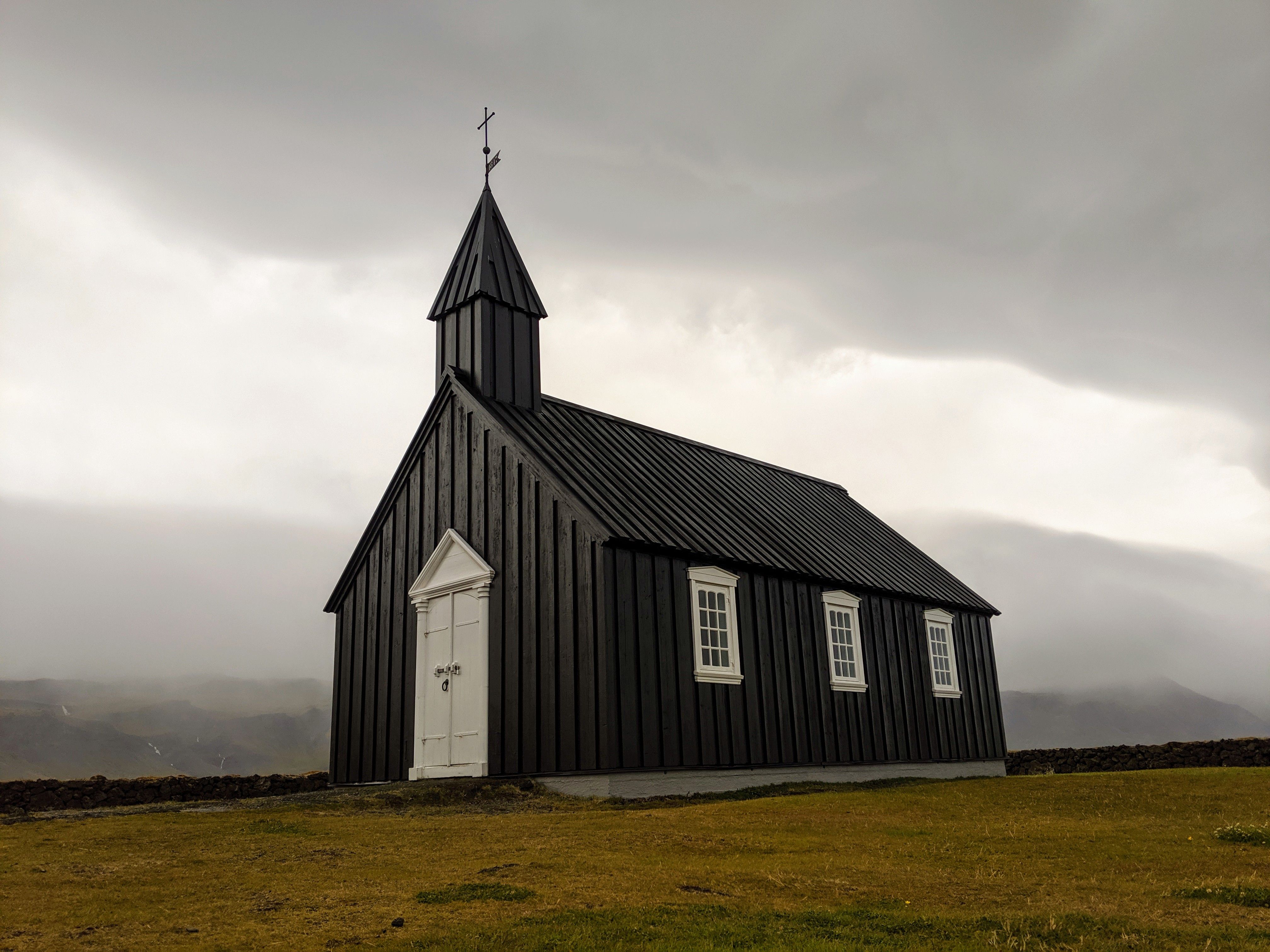
Dramatic shot of the iconic Budir Black Church against a moody sky in Iceland. · Photo by Alexander Klimov on PexelsCoffee and a road breakfast in Vik before the long drive west.
One last espresso from Vik's coffee bus to power the transfer day.
Break the drive in Borgarnes, the natural midpoint before the peninsula.
A well-regarded buffet-and-a-la-carte restaurant inside Borgarnes's Viking-history museum, in an old warehouse by the water. A relaxed, quality lunch stop with a soup buffet and Icelandic mains.
A bakery-cafe with harbor views (it appeared in the film The Secret Life of Walter Mitty) serving sandwiches, soups, and pastries. Quick, casual, and scenic.
Enter the peninsula along its dramatic south coast, hitting a run of quick, varied stops.
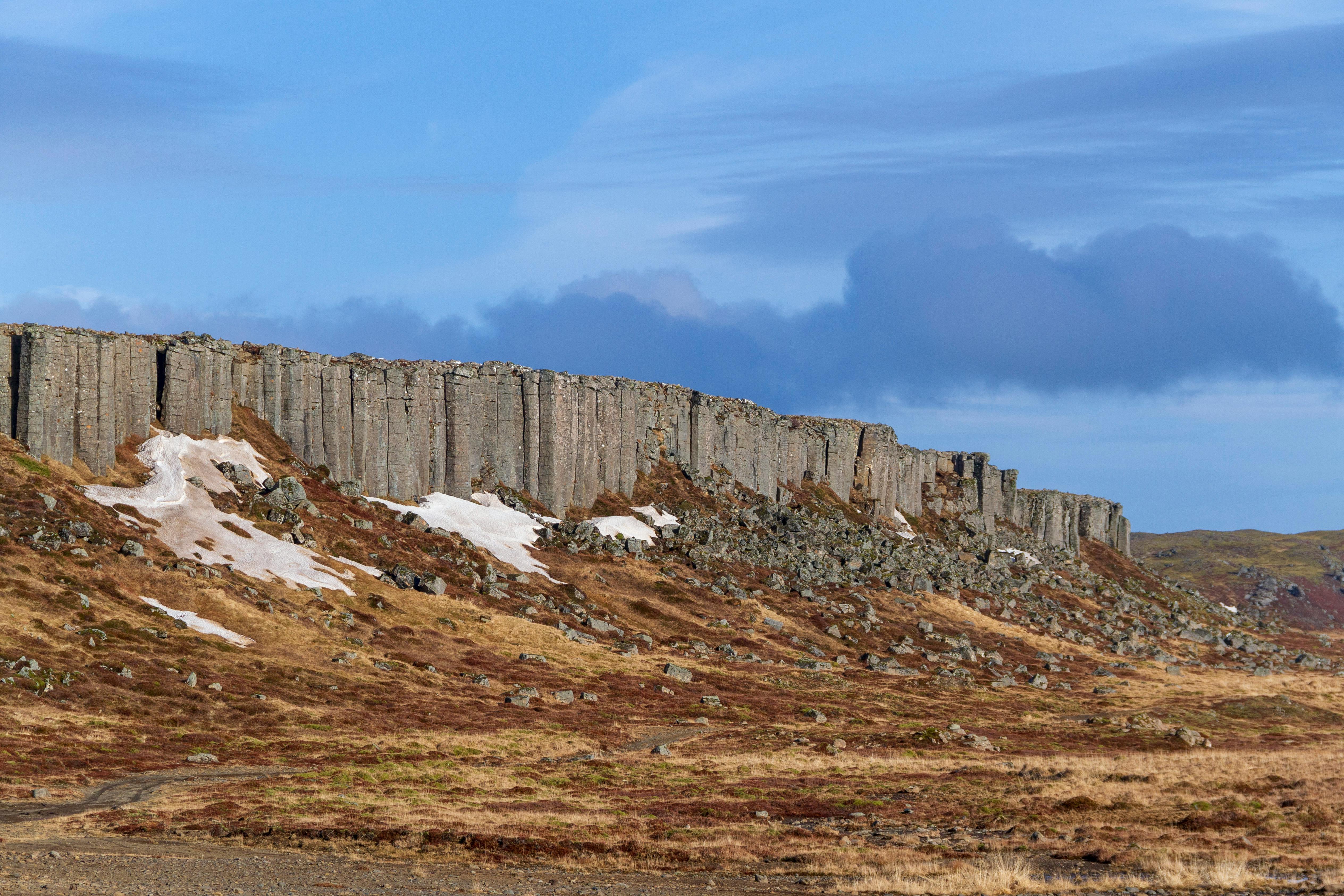
A striking wall of near-perfect hexagonal basalt columns marching along the roadside, ideal for symmetry and scale shots. A short gravel spur off Route 54; free.
A lone black timber church in a vast lava field with the Snaefellsjokull glacier beyond, one of Iceland's most photographed structures. The isolation makes for powerful wide and drone compositions (drone allowed here, outside the national park); free.
A golden-sand beach where a seal colony hauls out on the rocks, most reliably at low tide in summer. Bring a longer lens for wildlife footage; free.
Arrive at your north-coast base and eat well.
One of the best restaurants in West Iceland, a harbor-front house in Grundarfjordur serving beautifully presented local seafood with a Kirkjufell view. Reserve ahead; it is worth building your evening around.
A charming two-story restaurant in Stykkisholmur's old center known for blue mussels and Icelandic lamb. Warm, characterful, and reliably good.

The Snaefellsnes Loop: Kirkjufell to Land's End
Grundarfjörður · Svenskbygderna / CC BY-SA 4.0Shoot the peninsula's signature mountain early, then coffee.
The arrowhead peak reflected above a tiered waterfall is Iceland's most-filmed scene (and a Game of Thrones location). Arrive early for still water and quiet; a small parking fee applies. In July, the light stays gorgeous even at odd hours.
A cozy village cafe for coffee and a warm pastry after the morning shoot at the mountain a few minutes away.
Drive west toward the tip of the peninsula and Snaefellsjokull National Park.
A tidy red volcanic crater with a metal staircase to the rim and views across the lava fields to the sea. A quick climb for a strong overhead-of-the-landscape shot; free. Note this is inside the national park, so no drones.
A cove of smooth black pebbles reached through a lava passage, scattered with the rusted remains of a shipwreck and famous lifting stones fishermen used to test their strength. Dramatic rock formations make it a standout film location; free.
Eat near the western villages before the afternoon cliffs.
A simple, welcoming cafe in the fishing town of Olafsvik serving soups, fish, and burgers. A practical refuel between the national park and the south-coast cliffs.
Finish with the peninsula's spectacular sea-cliff coastline near Arnarstapi and Hellnar.
A roughly 2.5 km clifftop path linking two old fishing hamlets, passing the Gatklettur stone arch, blowholes, and swirling seabird colonies. It is one of Iceland's most filmable short walks; shoot the arch at an angle that catches the surge. Free.
Twin volcanic sea stacks rising from the cliffs, best in raking afternoon light with waves crashing below. A short walk from the roadside viewpoint; free.
Return to base for dinner along the north coast.
A harbor-side restaurant in Stykkisholmur celebrated for fresh blue mussels and the day's catch, with water views. A memorable seafood evening; book in summer.
Grundarfjordur's harbor hotel serves excellent local fish in a relaxed room, handy if you want to be near Kirkjufell for a late-light reshoot.

Stykkisholmur, Islands & the Slow North Coast
Stykkishólmur · Bjarki S / CC0A gentler day to gather town footage and detail shots. Start in Stykkisholmur's pretty old center.
Grab coffee and fresh bread among the colorful old houses of the harbor town, a relaxed setting for lifestyle and establishing shots.
Climb the little lighthouse island for a panorama, then get out on the fjord.
A short causeway walk from Stykkisholmur harbor leads up a basalt islet topped by an orange lighthouse, with sweeping views over the town and the island-dotted Breidafjordur. A quick, high-value viewpoint; free.
Boat trips from Stykkisholmur weave among countless small islands teeming with seabirds and pull a net for shellfish tasted on deck. Great for water-level footage and wildlife; roughly ISK 12,000 for a couple of hours.
A relaxed lunch in town before an afternoon of loose ends.
Return for its mussels and lamb in a lovely old house, or try its lighter lunch plates. A dependable, atmospheric choice.
Chase whatever the light and weather favor, or dig into local culture and quirk.
A family farm where you can learn how Iceland's notorious fermented shark (hakarl) is made, and taste a cube if you dare. A fun, food-culture story for your channel; entry around ISK 1,500.
If clouds cleared, use July's long evening light for a second, better pass at Kirkjufell and its waterfall, this time knowing your compositions. The mountain rewards patience with the weather.
A final Snaefellsnes dinner before the return to Reykjavik tomorrow.
If you missed it on arrival, make the reservation now; the harbor-front seafood tasting with a Kirkjufell backdrop is the peninsula's best meal.
Stykkisholmur's waterside seafood favorite is an easy, excellent choice if you are based in town.
Return Drive & Reykjanes Lava Fields
Stunning view of a basalt rock formation in Iceland on a sunny day, accentuated by clear blue skies. · Photo by Nadja Pr on PexelsCoffee in Stykkisholmur before the drive south, or on the road in Borgarnes.
If you break the drive in Borgarnes, this harbor-view bakery is a pleasant morning stop for pastries and coffee.
After reaching the Reykjavik area, head onto the Reykjanes Peninsula (a UNESCO Global Geopark) to film its otherworldly geothermal terrain.
A footbridge spanning a sandy rift between the North American and Eurasian plates, a literal walk from one continent to another. A fun, symbolic shot for the trip's finale; free.
Iceland's largest mud pool roars with steam beside boardwalks, with the country's oldest lighthouse on the cliffs nearby. Excellent for atmospheric, steam-filled footage; free. Stay on the paths, as the ground is scalding.
A vivid field of bubbling mud pots and sulphur-stained, ochre-and-turquoise earth crossed by boardwalks. One of the most colorful, close-up geothermal subjects on the peninsula; free.
Back in the city, ease into your penultimate night.
A polished return to one of Reykjavik's best grills for a celebratory near-final dinner of Icelandic lamb and seafood. Reserve ahead.
A beloved seafood restaurant known for its pan-served fish dishes, warm and reasonably priced for the quality. A local favorite worth a table.

Blue Lagoon Soak & Editing Day
2023–2025 Sundhnúkur eruptions · Halldór Björnsson / Icelandic Meteorological Office / AttributionA relaxed morning; you have earned it after nine days of driving and shooting.
One last excellent flat white in the capital before a spa day. Bring a laptop and start logging your best clips.
Soak in geothermal water, the perfect wind-down (leave the camera in a locker or shoot only where permitted, as electronics and silica-rich water do not mix).
Iceland's famous milky-blue geothermal spa set in a black lava field, about 20 minutes from the airport. Pre-book timed entry (from around ISK 9,900), which regularly sells out in summer; a silica mask and swim-up bar are included in most packages. Confirm it is open given regional volcanic activity.
A stylish, more central alternative just outside Reykjavik with a 70-meter infinity edge overlooking the ocean and a seven-step ritual. Easier to combine with a city day; tickets from around ISK 12,990, booking recommended.
Casual lunch back in town.
Return to the harbor food hall for a relaxed, varied lunch and a final round of city B-roll around Grandi's murals and boats.
Turn your hotel or a cafe into an edit suite and rough-cut the trip while it is fresh, or pick up last souvenirs.
Back up everything to two drives first, then assemble a selects timeline in DaVinci Resolve, Premiere Pro, or Final Cut, and cut a quick vertical teaser in CapCut for social. Doing this on location means you can reshoot tomorrow if you spot a gap. License music from Epidemic Sound or Artlist before you publish.
The main street is lined with Icelandic wool (lopapeysa sweaters), design shops, and record stores, all good for closing lifestyle shots. Farmers Market and Geysir are reliable for quality Icelandic design.
A farewell dinner in the capital.
A handsome brasserie in a former pharmacy serving Icelandic small plates and cocktails in a buzzy central room. A stylish send-off; reserve ahead.
If you want to end where you started, a final bread bowl of lamb soup is a fittingly cozy, budget-friendly farewell.
Last Morning & Departure
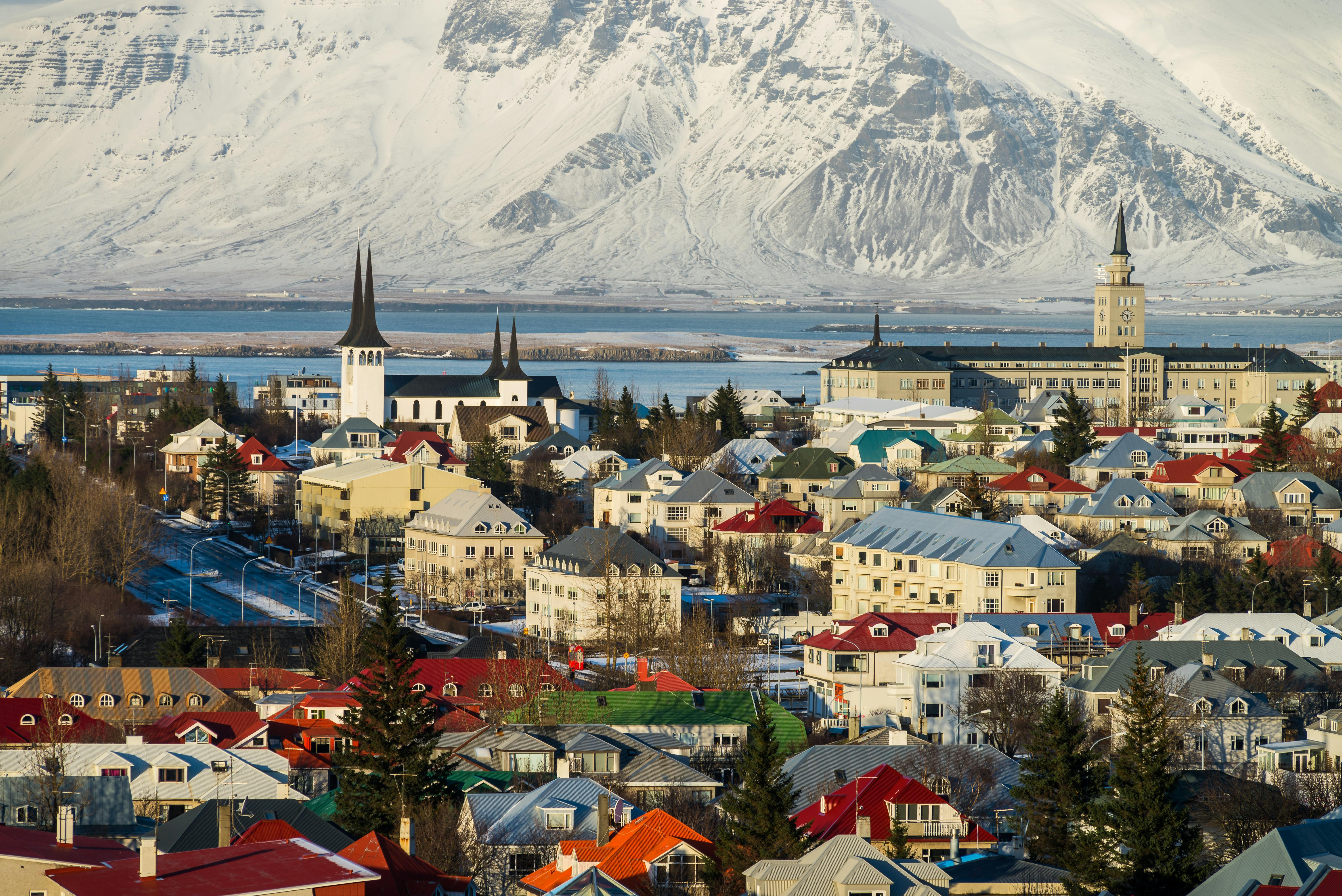
Aerial view of Reykjavik, Iceland with colorful rooftops and snowy mountains in the background. · Photo by Magic K on PexelsA final Reykjavik breakfast before returning the car and heading to Keflavik (about 45-50 minutes to the airport).
Close the trip with excellent pastries and a proper breakfast plate on Laugavegur. Easy to fit before checkout and the airport run.
Grab a last cinnamon roll and coffee to go if you have an earlier flight and want to eat en route.
One short, camera-friendly stop before you leave, if time allows.
A final walk along the waterfront path for any establishing shots you still want, with Mount Esja across the bay. Keep it loose so you reach Keflavik at least 2.5-3 hours before an international flight.
Grab a quick bite near the airport before checking in, then fly home with a full memory card.
A harbor-side restaurant in Keflavik town for a last plate of Icelandic fish soup near the airport, or eat inside the modern terminal after security. Either way, back up your footage one more time before boarding.
Pick your base
Base yourself around 101 Reykjavik (the downtown postal code), specifically near Laugavegur and the old harbor. Everything worth filming in the city is a walk away, restaurants and coffee are dense, and you can leave the car parked. Families and longer-stay creators may prefer serviced apartments a few blocks off the main drag for quiet and a kitchen.
Spacious apartment-style rooms right beside the parliament and Austurvollur square, a two-minute walk to Laugavegur. Great value for the location, with room to spread out gear and charge batteries.
A 1930s art deco landmark on the central square, all polished lines and quiet luxury. A characterful pick for creators who want a smart backdrop and a central location.
A converted biscuit factory near the waterfront with private rooms and dorms, a lively bar, and harbor views. The best-value central base, popular with a young, creative crowd.
Full serviced apartments with kitchens and laundry, ideal for families or crews on a longer stay who need space, self-catering, and a quiet night before early drives.
The city's design-forward splurge on the harbor beside Harpa, with a sleek bar and rooftop views. Only worth it if you want a genuinely iconic, camera-ready hotel.
A modern, comfortable hotel in Vik village with a restaurant and easy parking, walkable to the church viewpoint. The most polished mainstream base in town.
A reliable, well-located hotel in the heart of Vik with an on-site restaurant, good for early starts to Reynisfjara before the tour buses. Solid value for the area.
A friendly, well-run hostel with private and shared rooms in the village center. The best-value bed in Vik for creators watching their krona.
A larger hotel on a ridge just west of Vik with sweeping views over the coast and black-sand plain, plus a big dining room. Space and parking make it easy for families and gear-heavy crews.
A comfortable hotel on a rise above Stykkisholmur harbor with wide bay views and an on-site restaurant. A convenient, dependable base for the north-coast loop.
A friendly, family-run hotel right on Grundarfjordur harbor, a two-minute drive from Kirkjufell, with a well-regarded seafood restaurant. Perfect for dawn or midnight-sun shoots of the mountain.
A characterful hostel and cultural space in a former fish factory near Hellissandur, with private and shared rooms. The best-value creative base on the peninsula's western tip.
An isolated, atmospheric hotel beside the famous black Budakirkja church on the south coast, with a lauded restaurant and lava-field-and-glacier views. A splurge-worthy, deeply photogenic stay if you want a standout location.
Self-catering apartments and houses in and around Stykkisholmur give families and crews room to spread out, cook, and do laundry between shoots. Book a place near the old harbor for the best light and walkability.
An easy, comfortable central return for your final nights, with apartment-style rooms in the heart of 101 Reykjavik. Walk to farewell dinners and last-minute shopping.
A cozy hotel in the lava fields near the Blue Lagoon and about 20 minutes from Keflavik airport, with a restaurant and geothermal views. Ideal if you want to soak and sleep before an early flight. (Confirm status, as nearby volcanic activity has periodically affected the area.)
A practical, comfortable airport-adjacent hotel with family rooms and a shuttle, perfect for crews with an early departure and lots of gear to repack.
A budget-friendly, sociable central base for your last nights if you would rather spend on gear than rooms, with private options available.
Good to know
How many days do you need to film Iceland well?
Ten to twelve days lets you cover the highest-yield regions for video (the Golden Circle, South Coast, Snaefellsnes, and Reykjanes) at a pace that leaves room for weather delays and reshoots. A shorter 5-7 day trip works if you focus only on Reykjavik, the Golden Circle, and the South Coast; a full Ring Road loop with the North and East realistically wants 10-14 days.
What is the best time of year to visit Iceland for photography and video?
June through August offers near-24-hour daylight and hours-long golden light, easy road access, puffins, and green landscapes, but no northern lights because the sky never gets dark. For auroras and ice caves, visit September through March instead, accepting shorter days and tougher driving conditions.
Can you fly a drone in Iceland, and where is it banned?
Yes, but you must register as a drone operator and follow strict rules. Drones are banned in national parks such as Thingvellir, Vatnajokull (including Jokulsarlon and Skaftafell), and Snaefellsjokull, and near crowded sites and nesting-bird cliffs; you can fly in many open areas like the lava fields near Budir, but always check local signage first.
What is the best area to stay in Reykjavik for first-time visitors?
Stay in the 101 postal code, the compact downtown around Laugavegur and the Old Harbor. Nearly everything worth seeing in the city is within walking distance, restaurants and cafes are dense, and you can leave your rental car parked until you head out on the Ring Road.
Is Iceland expensive, and how should I budget?
Yes, Iceland is one of the world's pricier destinations, especially for food, fuel, and rental cars in summer. Expect roughly $25-40 for a casual meal, $70-120+ per day for a 4x4 in July, and high accommodation rates; save by self-catering some meals, staying in guesthouses or hostels, and booking cars and rooms months ahead.
Do you need a 4x4 to drive Iceland's South Coast and Snaefellsnes in summer?
For the Ring Road, South Coast, and Snaefellsnes loop, a standard car is technically fine in summer because the main roads are paved, but a 4x4 is strongly recommended for stability in high winds, gravel spur roads to sights like Dyrholaey, and peace of mind. A 4x4 is mandatory only for F-roads into the highlands, which this itinerary does not require.
Twelve days is the sweet spot for filming Iceland without exhausting yourself: enough time to nail the Golden Circle, the South Coast's waterfalls and glacier lagoon, the wild variety of Snaefellsnes, and the lava fields of Reykjanes, all in July's endless golden light. Come with a variable ND filter, a wind-proof tripod, a registered drone, and plenty of storage, edit in DaVinci Resolve or Premiere with licensed music, and you will fly home with a reel that does this improbable island justice. Drive carefully, respect the barriers and the weather, and let the landscape do the heavy lifting.