Guadalajara in 3 Days: Mariachi, Murals & the Tequila Trail
A fast but full long weekend in Jalisco's capital, from Orozco's cathedral-scale murals to agave country and the coolest cantinas in Colonia Americana.
3 days in Guadalajara
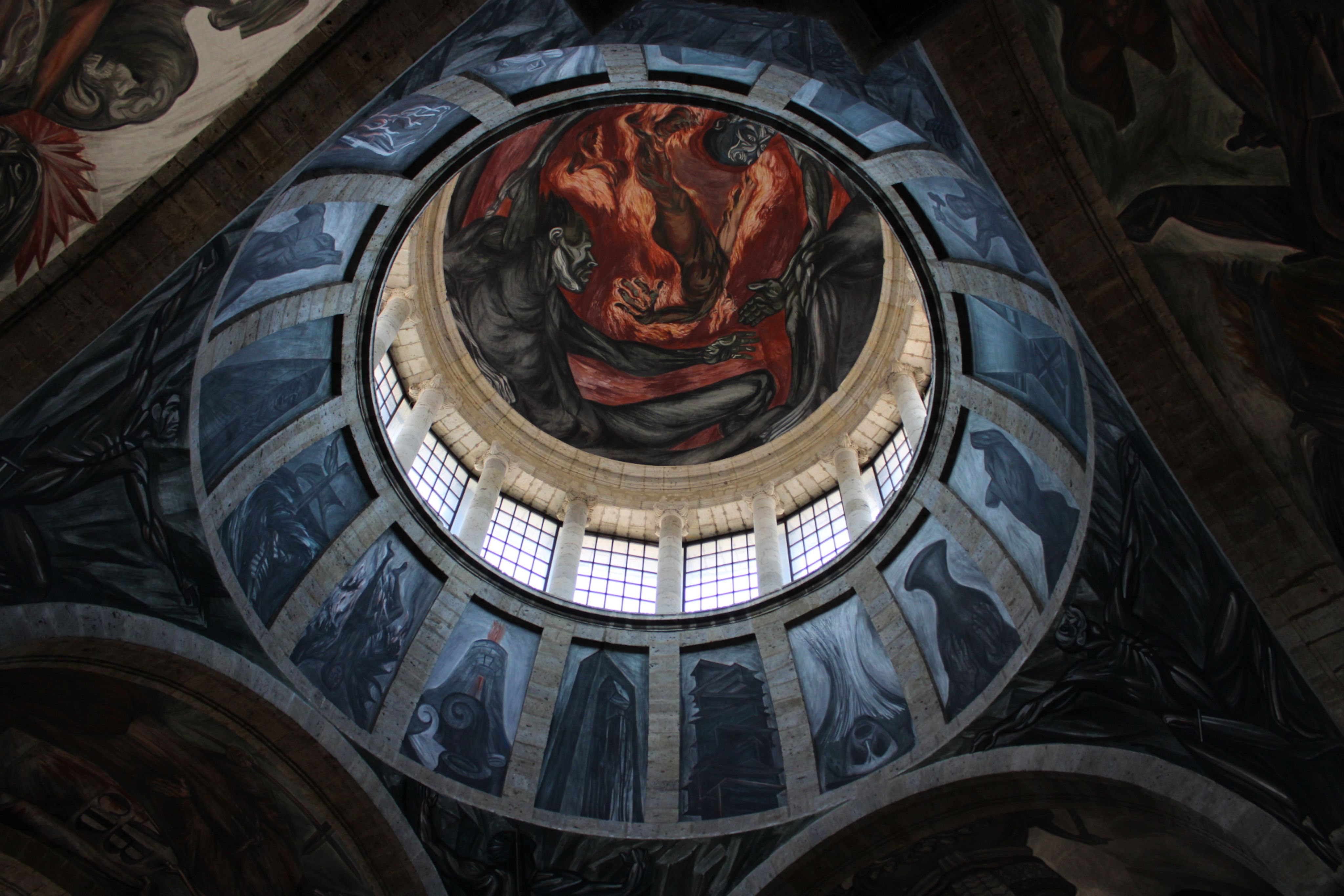
Guadalajara is where a lot of what the world thinks of as "Mexican" was actually born: mariachi music, the wide-brimmed charro, and tequila itself, distilled from blue agave in the fields just west of town. Jalisco's capital is Mexico's second-largest city, but its historic core still feels walkable and grand, anchored by a twin-spired cathedral and the domed Hospicio Cabanas, whose ceiling holds Jose Clemente Orozco's ferocious 'Man of Fire' murals.
The city has quietly become one of Latin America's most talked-about weekends. Colonia Americana, the leafy grid of early-1900s mansions south of the center, was named one of the world's coolest neighborhoods, and its cafes, mezcalerias and design shops back that up. Beyond the murals and cantinas, the real draw is proximity: agave country, Lake Chapala and the potter's town of Tlaquepaque are all short hops away.
Getting around is easy. Uber and Didi are cheap and ubiquitous, the airport sits about 30-40 minutes southeast of downtown, and the walkable center plus a modern light-rail line cover most needs. Come for the food as much as the sights: carne en su jugo, birria, and the drowned-in-salsa torta ahogada are Guadalajara originals. Spring and fall bring the kindest weather; the summer rainy season (roughly June to September) delivers warm afternoons and dramatic evening storms.

Arrival & the Historic Center: Cathedral, Orozco's Murals & Mariachi
Guadalajara Cathedral · Isacdaavid / CC BY-SA 4.0Drop your bags and head straight for the monumental core, which is compact and easy to walk. Start at the cathedral and let the surrounding plazas pull you toward the city's masterpiece murals.
The city's twin-spired cathedral (begun in 1571) presides over a ring of leafy plazas. Step inside for the soaring nave, then relax on Plaza de Armas by the ornate French-made bandstand. Free to enter; the surrounding squares are the beating heart of downtown.
A UNESCO World Heritage former hospice whose central chapel ceiling holds Jose Clemente Orozco's staggering 'Man of Fire' murals. Lie back on the benches to take in one of the great works of 20th-century Mexican art. Admission is around 90-100 MXN; closed Mondays.
A short stroll from the cathedral, the neoclassical Teatro Degollado (1866) is worth a look for its columned facade, while the nearby Rotonda's columns honor Jalisco's notable figures. Easy add-ons that string together the plazas in a single walk.
As the light softens, choose between the old-school romance of the mariachi square or the buzzing cafe-lined avenues of Colonia Americana, where much of the city's nightlife now lives.
The birthplace of the mariachi tradition, where bands still play for tips beside Mercado San Juan de Dios. Grab a beer or a tequila at a plaza-side table and request a song. Go while it is lively in the early evening rather than late at night.
The tree-shaded median of Avenida Chapultepec fills with strollers, street food and pop-up stalls, especially on weekend evenings. It is the spine of Colonia Americana and a fine place to feel the city's contemporary pulse before dinner.
Ease into Guadalajara's food scene with a first-night classic. Go traditional and beloved, or trend-forward in Colonia Americana.
A downtown institution since 1942 for hearty Jalisco home cooking. Order the torta ahogada (a pork sandwich drowned in tomato-chile salsa) or a molcajete. Expect a line and cash-friendly, comforting portions.
Chef Paco Ruano's celebrated fine-dining room regularly lands on Latin America's Best Restaurants lists, with refined takes on regional ingredients. Book ahead and plan for a splurge; the tasting menu is the way to go.
A small, acclaimed restaurant built around native corn and masa, grinding its own heirloom maize for tacos and tostadas. Intimate, ingredient-driven and a favorite among Guadalajara's food crowd; reserve for dinner.

The Tequila Trail: Agave Country & UNESCO Distilleries
Tequila, Jalisco · Gabriel Saldana / CC BY-SA 2.0Fuel up early in Colonia Americana before your pickup. The neighborhood has some of the best coffee in the city, plus proper sit-down breakfasts.
A serious specialty roaster pouring bright single-origin espresso and pour-overs in a minimalist Americana space. The pick for coffee purists who want a quick, excellent cup before a day out.
A stylish cafe by day (and mezcaleria by night) with good espresso and a relaxed patio. Handy for a laid-back breakfast coffee in the heart of Lafayette.
A local favorite for a full Mexican breakfast: chilaquiles, molletes and creative egg dishes in a cheerful setting. Come early on weekends to beat the wait if you want a proper sit-down meal before your tour.
Give the day to the region's signature experience: the road west into the blue-agave heartland, a UNESCO World Heritage landscape of volcanic fields and old haciendas. A guided tour handles the driving so you can taste freely.
A top-rated, well-priced day trip along the Tequila route with a traditional distillery visit and more than nine premium tastings, plus the agave fields and the town of Tequila itself. A great all-round introduction; runs roughly 8-9 hours from Guadalajara.
A more festive version of the route, mixing distillery culture with cantaritos (citrus-and-tequila cocktails served in clay cups) and a group that feels like a day out with friends. Best if you want the party energy alongside the history.
A scenic culture-and-nature day pairing the pre-Hispanic circular pyramids of Guachimontones with agave fields and a tequila tasting. A rewarding alternative for travelers who want history and landscapes, not just distilleries.
Back in the city, keep it easygoing after a day of tastings with an iconic Guadalajara dish or a relaxed Americana table.
Home of carne en su jugo, a brothy beef-and-bacon bowl topped with beans, onion and cilantro, and famous for near-instant service (it once held a Guinness record). A quick, satisfying and very local dinner in Santa Tere.
A lively, garden-set restaurant and bar in Colonia Americana serving contemporary Mexican plates and good cocktails. A comfortable spot to wind down within walking distance of many hotels.
If you still have energy, Guadalajara after dark is a treat, from masked wrestling to mezcal bars.
Join a local guide for a rowdy, adults-only night of masked wrestling with commentary and a few tequila shots. Fights typically run on set nights, so confirm the schedule; it is one of the most fun, unpretentious evenings in town.
Cap the night at a Lafayette mezcaleria such as Paramo, sipping smoky agave spirits among a stylish local crowd. A mellow, grown-up way to end a big day.

Tlaquepaque Artisans & a Farewell Lunch
Tlaquepaque · Antonio Renteria Navarro / CC BY-SA 3.0Start your last morning slowly with a good coffee or an easy breakfast before heading to the artisan town of Tlaquepaque, about 20-30 minutes from the center.
A dependable specialty spot for a well-pulled espresso or flat white to kick off the day. Quick and quality-focused, ideal before you set out.
A neighborhood cafe-bakery good for pastries, eggs and coffee in a relaxed setting. A fuss-free breakfast if you want something more substantial before the morning out.
Spend your final morning in San Pedro Tlaquepaque, a pedestrian-friendly enclave famous for pottery, blown glass and folk art. It is browsable, photogenic and perfect for last souvenirs.
Tlaquepaque's car-free main street is lined with ceramics workshops, glassblowers and design shops, plus colorful facades at every turn. Duck into the galleries for handmade pieces you will not find in the malls.
A small free museum showcasing Jalisco's ceramic traditions inside a historic house. A quick, worthwhile stop to understand the craft you have been admiring in the shops.
Have a leisurely farewell lunch in Tlaquepaque, then head to the airport (roughly 20-30 minutes away) with time to spare.
A beautiful courtyard restaurant in a restored mansion serving polished Mexican classics. A relaxed, atmospheric place for a final meal amid Tlaquepaque's color and greenery.
Said to be one of the largest cantinas in Latin America, this ring of eateries around a central bandstand is the place to hear roving mariachi over antojitos and a last tequila. Come for the atmosphere as much as the food.
Pick your base
Colonia Americana (Lafayette) is the best all-round base: walkable, safe, packed with cafes, restaurants and bars, and a short ride from the historic center. The Centro Historico puts you steps from the cathedral and museums but quiets down at night. Providencia and Chapultepec are calmer and leafier, good for a more residential feel while staying close to the action.
A stylish Grupo Habita hotel in a restored 1940s mansion in the heart of Colonia Americana, with a rooftop pool and bar. Walkable to the neighborhood's best coffee, dining and nightlife.
A handsomely restored colonial building a couple of blocks from the cathedral and Teatro Degollado, with a pretty courtyard. Ideal if you want to walk to the historic sights.
A reliable high-rise on Avenida Lopez Mateos near Chapultepec, with roomy family rooms, a pool and easy parking. A comfortable, well-located pick for groups or families.
A clean, dependable budget hotel a short walk from the cathedral, with breakfast included. Great value when you plan to spend your days out exploring.
Guadalajara's design-forward splurge, a sleek property in Lafayette with an art collection, spa and rooftop pool. The city's most polished stay if you want to treat yourself.
For families or longer stays, a private apartment in Lafayette or Providencia offers space, a kitchen and a residential feel steps from cafes and parks.
Good to know
How many days do you need in Guadalajara?
Three days is a solid long weekend: one for the historic center, one for a Tequila-route day trip, and one for Tlaquepaque or Lake Chapala. Add a fourth or fifth day if you want to slow down, explore more neighborhoods, or add a full day at Lake Chapala and Ajijic.
What is the best area to stay in Guadalajara for first-time visitors?
Colonia Americana (Lafayette) is the best base for most first-timers, with walkable cafes, restaurants and nightlife and a short ride to the historic center. The Centro Historico is ideal if you want to be steps from the cathedral and museums, while Providencia and Chapultepec are quieter, leafier options.
Is a day trip to Tequila worth it from Guadalajara?
Yes. The town of Tequila and the surrounding blue-agave fields form a UNESCO World Heritage landscape, and a guided day trip lets you tour a distillery and taste freely without worrying about driving. Tours run about 8-9 hours and typically include the agave fields, a distillery visit and multiple tastings.
What food is Guadalajara known for?
Guadalajara is the home of the torta ahogada (a pork sandwich drowned in tomato-chile salsa), carne en su jugo (a brothy beef-and-bacon bowl), and birria. It is also the birthplace of tequila and mariachi, so a meal here often comes with both.
What is the best time to visit Guadalajara?
Spring (roughly March to May) and fall (October to November) bring warm, mostly dry days and are the most comfortable times to visit. The summer rainy season from June to September is still pleasant, with warm afternoons and short evening storms, and generally fewer crowds.
How do you get around Guadalajara?
Uber and Didi are cheap, plentiful and the easiest way to move around, including to the airport and Tlaquepaque. The historic center is walkable, and a modern light-rail line connects key areas, though most short-stay travelers rely mainly on rideshare.
Three days is enough to fall for Guadalajara: the murals and mariachi of the historic center, a full day among the agave fields on the Tequila route, and a final morning of pottery and courtyard lunches in Tlaquepaque. It is a city that mixes deep tradition with a genuinely exciting modern food-and-drink scene, and it will send you home with a suitcase heavier by at least a few bottles of tequila.