Germany's North: 8 Days from Hamburg's Harbor to the Dunes of Sylt
A week pairing Hamburg's red-brick canals and harbor energy with the windswept beaches of Sylt, Germany's most stylish island escape.
8 days in Hamburg, Sylt
Germany's north runs on water. Hamburg, a free imperial Hanseatic city for centuries, still ships its identity through one of Europe's busiest ports, a maze of canals (the city claims more bridges than Venice and Amsterdam combined), and the UNESCO-listed warehouse district of Speicherstadt. It is brick, brass, and brackish air, a place that has rebuilt itself repeatedly and now wears a wave-shaped concert hall as its crown.
Three hours north by rail, the island of Sylt floats off the Danish border at the tip of the German Wadden Sea. Reached by a causeway across tidal flats, it has long been the summer address of well-heeled Germans, drawn by 40 kilometers of white-sand beach, thatched Frisian cottages, and a coastline of red cliffs and shifting dunes. It is at once a nature reserve and a place to be seen eating fresh oysters in the wind.
Practically, this is an easy trip to run by train: fly into Hamburg, explore on foot and by the excellent U-Bahn and S-Bahn, then ride a single direct train onto Sylt (cars cross by shuttle train only). Summer is peak season for both, with long daylight and warm-ish North Sea swims, but it also means booking beds well ahead. Pack a windbreaker even in July; the coast stays brisk.

Arrival, the Harbor, and a First Taste of the Elbe
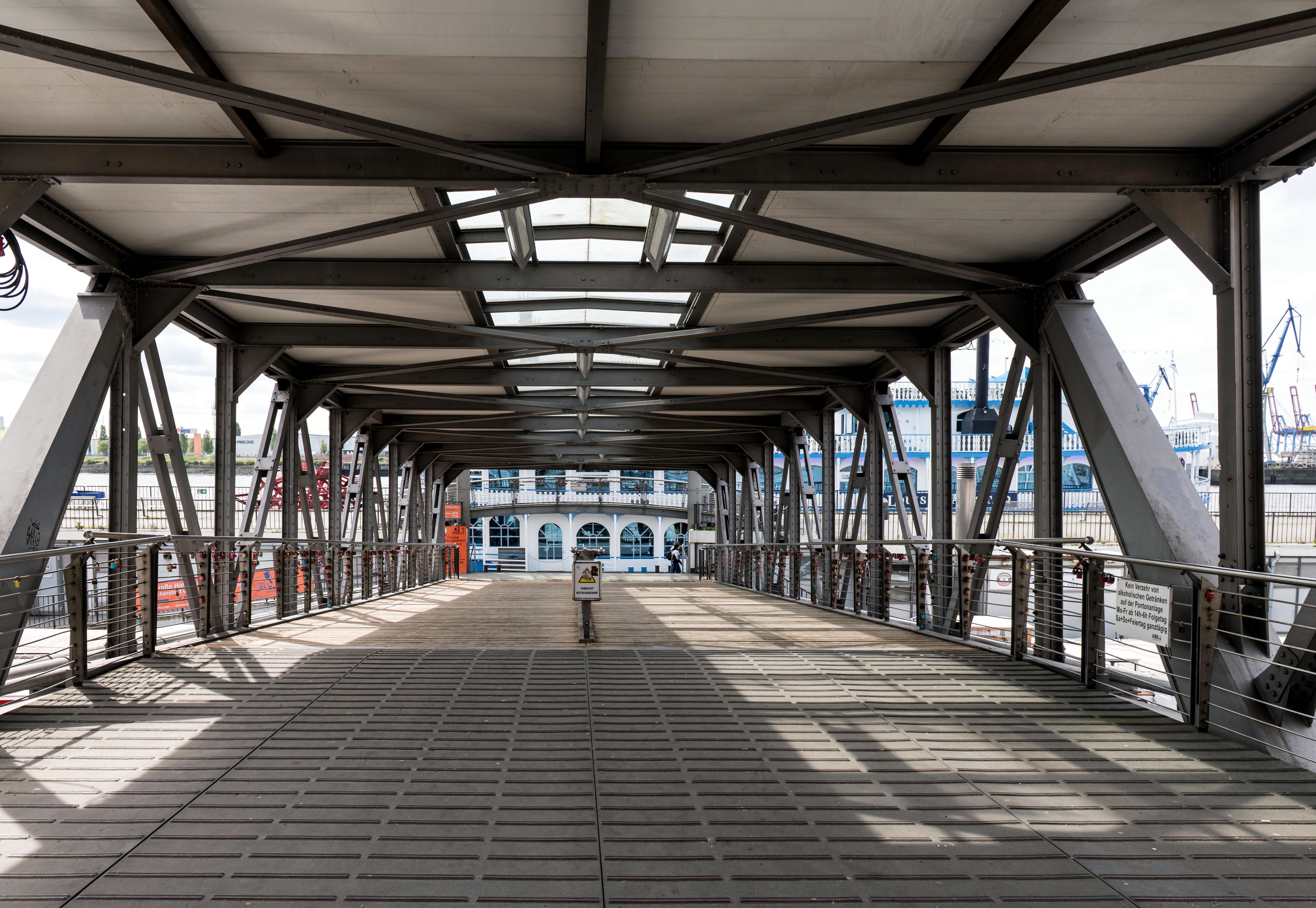
Hamburg · Dietmar Rabich / CC BY-SA 4.0Drop your bags and head straight for the water. The Landungsbrücken piers are Hamburg's front porch onto the working port, all gangways, gulls, and ferry horns.
The historic floating piers where you can watch container ships, tugs, and ferries work the Elbe. Walk the boardwalk, climb to the old harbormaster's tower for the view, and get oriented to the river that defines the city.
A genius local hack: ride the regular HVV public ferry (covered by a normal transit ticket, around 3.80 euros) from Landungsbrücken to Finkenwerder for an unguided harbor cruise. You pass the docks, dry-docks, and Elbphilharmonie at a fraction of a tour-boat price.
As the light softens, wander up into St. Pauli to feel the city shift gears from harbor to nightlife.
Hamburg's famous mile of neon, theaters, and bars. Even if you skip the late-night scene, an early-evening walk past the Beatles-Platz (where the band cut their teeth) and the variety theaters captures the district's swagger.
Keep the first night easy and classic, with northern German seafood or hearty harbor fare.
A Hamburg institution since 1981 with Elbe views, white tablecloths, and pristine fish; the matjes herring and fried plaice are benchmarks. Smart but unstuffy, and a fine welcome to northern cooking. Mains roughly 25-40 euros.
A tiny, leaning brick canteen from 1925 serving honest Hamburg home cooking like Labskaus and Pannfisch. Quirky, atmospheric, and affordable, near Speicherstadt. Mains around 14-22 euros.
Speicherstadt, HafenCity, and the Elbphilharmonie
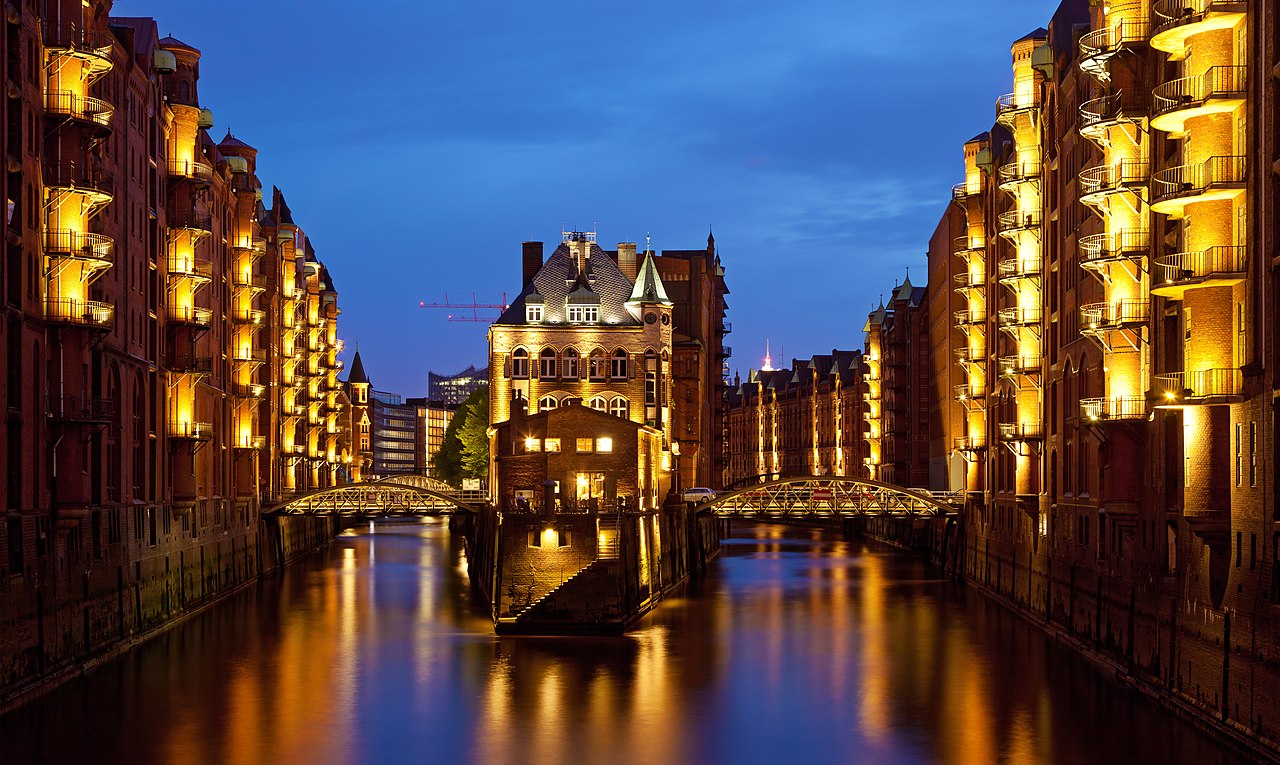
Speicherstadt · Thomas Wolf, www.foto-tw.de / CC BY-SA 3.0Fuel up near the canals before a day among the brick warehouses.
A respected Hamburg roaster pouring serious espresso and pour-overs alongside fresh pastries. A good caffeine standard-setter to start the day.
Coffee roasted on-site inside a historic Speicherstadt warehouse, with breakfast plates and harbor-roast history on the walls. Atmospheric and right where your morning begins.
Spend the morning in the UNESCO-listed Speicherstadt, the world's largest unified warehouse complex, built on oak piles over the water from the 1880s.
Wander the canal-side lanes between gabled red-brick warehouses, crossing the photogenic bridges around the Wasserschloss tea house. Early light and reflections here are the city's signature image.
The world's largest model railway, an astonishing, genuinely joyful miniature world of airports, alps, and tiny cities. Hugely popular: tickets (around 23 euros) sell out, so reserve a timed slot online in advance.
Eat near HafenCity, the modern district rising on former dockland.
A bright brasserie at the foot of the Elbphilharmonie serving northern French-German dishes and a quick bistro menu. Convenient for an afternoon at the concert hall. Lunch mains around 18-28 euros.
Waterside Euro-Asian plates and sushi with a buzzy HafenCity terrace. Good for a lighter, stylish midday meal.
Give the afternoon to Hamburg's architectural landmark, the wave-roofed Elbphilharmonie that crowns an old cocoa warehouse.
Ride the long curved escalator to the public Plaza at 37 meters for a free 360-degree wrap-around of harbor and city. Entry to the Plaza is free but capacity-controlled; grab a timed ticket on the day or reserve ahead online for a small fee.
Stay in the HafenCity/Speicherstadt area for dinner with a view.
Refined modern northern German cooking inside a warehouse loft above the canals. A lovely, special-feeling dinner without going formal; tasting and a la carte options. Mains around 28-40 euros.
Seasonal, locally sourced plates in a relaxed HafenCity dining room, popular with in-the-know Hamburgers. Reserve ahead on weekends.
The Alster Lakes, the Old Town, and St. Pauli Nights
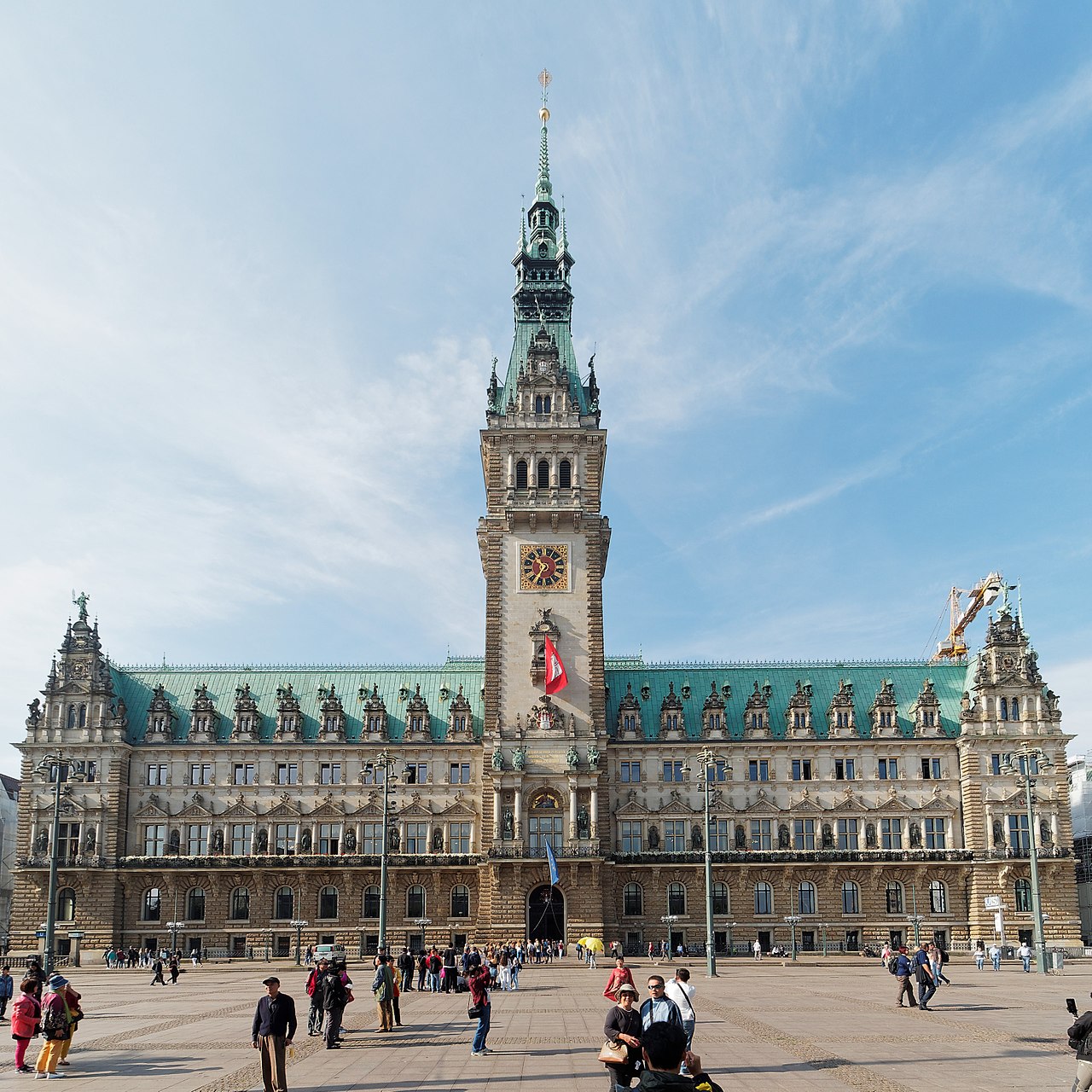
Hamburg City Hall · Arnoldius / CC BY-SA 4.0Begin near the Alster, the pair of lakes at the city's green heart.
A glittering Belle Epoque brasserie near the Rathaus serving French breakfasts under tiled ceilings. Order the eggs and a croissant and soak up the room. Expect around 12-18 euros for breakfast.
A classic Hamburg café for cake and coffee near the Binnenalster, good for a quick, unfussy start.
Walk the lakes and the dignified old town, the political and commercial core of the Hanseatic city.
Stroll the elegant Jungfernstieg promenade along the inner Alster, with fountains, white sails, and grand facades. The benchmark Hamburg waterside walk in the center.
The neo-Renaissance city hall from 1897 is a statement of Hanseatic wealth, with 647 rooms behind a richly carved sandstone front. Guided interior tours run frequently for a few euros; the arcaded courtyard is free to admire.
Lunch in the lively Schanzenviertel, Hamburg's most creative quarter.
A craft-beer hall in a former animal market with a brewery, wood-fired pretzels, and hearty plates. Great for a relaxed midday meal and a local Ratsherrn beer.
Chef Tim Mälzer's bustling brick-vaulted restaurant, strong on grilled meats and seasonal sides. Book ahead; the deli next door does quicker lunches.
Choose art or maritime history, both world-class in Hamburg.
One of Germany's great art museums, spanning medieval altarpieces to Caspar David Friedrich's Romantic icons and modern works. Allow two hours; admission around 16 euros, closed Mondays.
Nine decks of seafaring history in a restored Speicherstadt warehouse, from model ships to navigation and naval art. A rich pick for harbor-city context; admission around 15 euros.
Dinner in or near St. Pauli before the district comes alive.
On the 23rd floor of the Tanzende Türme on the Reeperbahn, with panoramic city-and-harbor views and grill-focused cooking. Worth it for the sunset; reserve a window table. Mains around 28-45 euros.
A long-running, reliably excellent neighborhood restaurant on the edge of St. Pauli with inventive seasonal menus and fair prices. A local favorite for a proper dinner.
Sample the nightlife the Reeperbahn is famous for, at whatever volume suits you.
For music lovers, St. Pauli's small clubs and the legendary Golden Pudel keep Hamburg's gritty live-music tradition alive. Even a couple of bars on the Hamburger Berg side-street give you the flavor without the tourist crush.
Blankenese, the Elbe Beach, and a Slow Last Hamburg Day
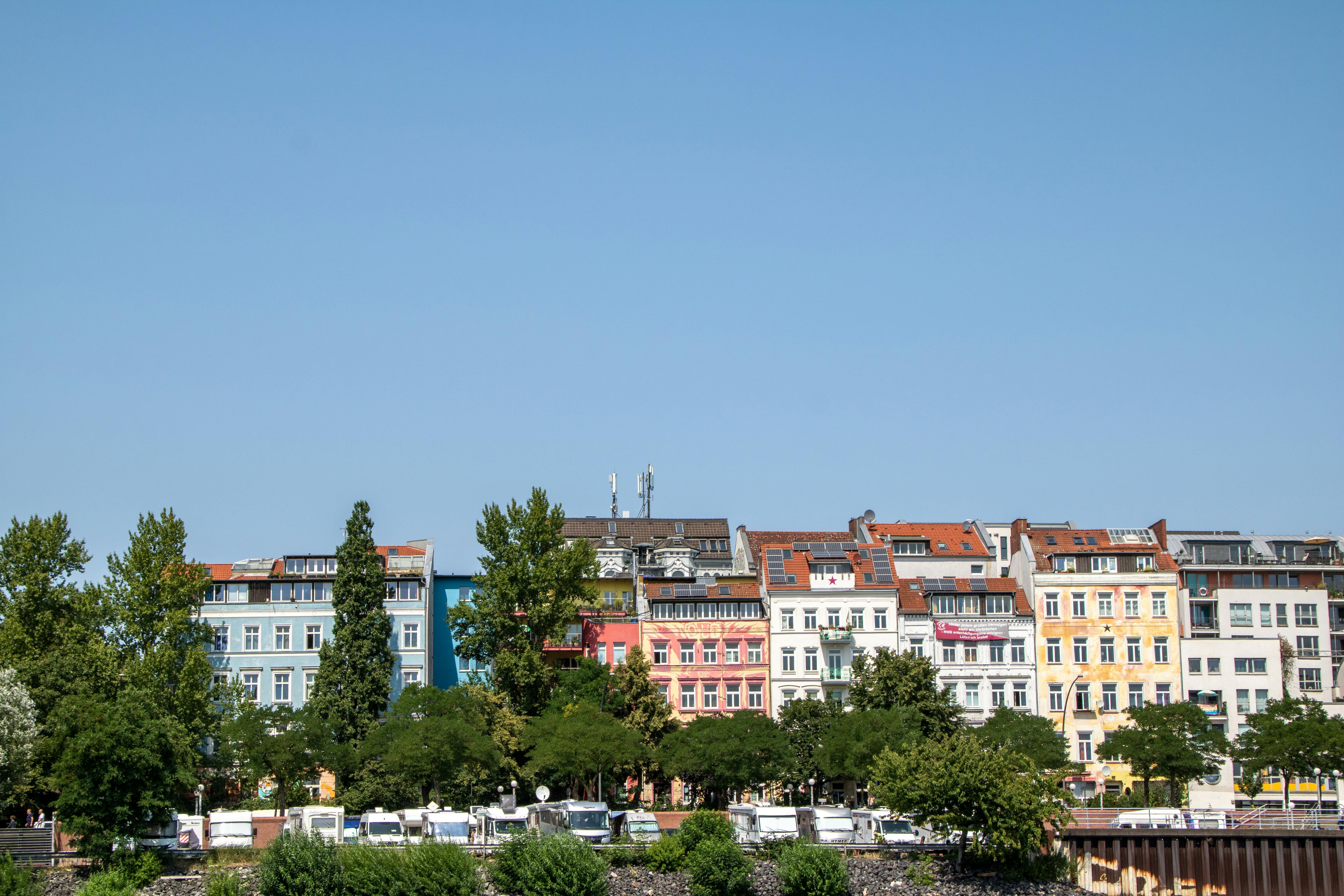
Charming row of colorful buildings under a clear blue sky in Hamburg, Germany. · Photo by Frank Rietsch on PexelsStart gently before heading downriver to Hamburg's prettiest villages.
A whimsical patisserie in the Schanze known for nostalgic cakes and good coffee. Grab breakfast and a treat for the river walk.
A small specialty roaster doing some of the city's best espresso, ideal if you want one excellent cup before the day.
Ride downriver to Blankenese, a hillside of villas, gardens, and twisting staircases above the Elbe.
A labyrinth of nearly 5,000 steps threading between cottages and gardens down to the river, with views over the water at every turn. Take the S-Bahn out (about 25 minutes) and wander down to the beach.
A genuine sandy river beach where you can sit with a coffee and watch giant container ships pass surprisingly close. The string of beach and the old captains' houses along the Strandweg are pure Hamburg.
Eat by the water before turning back toward town.
The original Elbe-beach kiosk-bar at Övelgönne, where Hamburgers gather for a Franzbrötchen, a cold beer, and a burger with their toes near the sand. Casual, beloved, and weather-dependent.
A traditional Blankenese house serving northern German classics and fish with river views. A more sit-down option after the staircase walk.
Use the afternoon for a final Hamburg pleasure depending on the day.
The city's central park, with botanical greenhouses, a Japanese garden, and (in summer) free afternoon water-light shows on the lake. A relaxing close to your Hamburg days; entry is free.
A classic 50-minute Alster lake cruise glides past villa-lined shores and under low bridges into the canals. An easy, pretty way to rest your feet; tickets around 20 euros.
Last Hamburg dinner: go for the city's signature fish or a final harbor view.
A cozy, long-standing spot serving Pannfisch, Labskaus, and other Hamburg classics done well. A fitting, unfussy farewell to northern cooking. Mains around 18-26 euros.
If you want one more harbor sunset, the restaurants near the Überseebrücke pair fresh fish with river views. Reserve a terrace table in good weather.

Onto the Island: Westerland Beach and Promenade
Westerland, Germany · User Magnus Manske on de.wikipedia / Public domainHave a relaxed Hamburg breakfast near the station before your mid-morning train, since you'll spend three scenic hours crossing to the island.
A dependable spot at the main station for a quick coffee and pastry to take on the train. Practical for an on-time departure.
Arrive in Westerland, check in, and head straight for the sand; the beach promenade is a two-minute walk from much of town.
The island's main beach runs for kilometers of pale sand backed by a promenade, the giant Brandenburger Strand, and the curious sculpture installations. Rent a Strandkorb (the hooded wicker beach chair) for a few hours and settle in. Chairs run about 12-15 euros a day.
Walk north along the dune-backed shore toward the quieter beaches; the bracing North Sea air is the whole point of Sylt. Pack a windbreaker even on warm days.
Ease into island eating with fresh North Sea seafood in town.
The island's famous fish-counter chain began on Sylt; the Westerland branch is reliable for fresh fish sandwiches, fried plaice, and a cold beer. Casual and quintessentially Sylt. Plates around 12-22 euros.
A relaxed nautical-themed restaurant doing well-priced fish and regional dishes near the center. A good first-night sit-down without the resort markups.

The Wild North: List, the Ellenbogen, and Kampen's Red Cliff
Kampen (Sylt) · Molgreen / CC BY-SA 4.0Grab a quick island breakfast before heading to the far north tip.
A famous, eccentric garden cafe in a former bunker complex, known for huge slabs of cake and copper-pot coffee among pines and dunes. A Sylt institution worth the detour, morning or afternoon.
Ride the bus or drive north to List, Germany's northernmost village, and the wild Ellenbogen peninsula.
A narrow finger of dunes and grass reaching toward Denmark, with two lighthouses, sweeping beaches, and grazing sheep. The most elemental landscape on Sylt; a small toll applies if you drive in.
List's working harbor is the place for the freshest oysters and a look at the wandering dunes nearby. Catch a small boat or simply walk the shore.
Lunch in List is all about shellfish straight from the flats.
The original Gosch fish shack right on List harbor, the spot for a no-frills seafood plate with the boats bobbing alongside. Loud, fast, and fresh.
Germany's only oyster farm sits in List, raising the prized Sylter Royal. Slurp them at the farm shop overlooking the Wadden Sea; about 2-3 euros per oyster.
Work south to Kampen for the island's signature cliff and dune scenery.
A glowing band of reddish-brown moraine cliff above the sea at Kampen, especially dramatic in late-afternoon light. Walk the clifftop path and down to the wide beach below.
Climb the wooden steps up Sylt's highest dune (about 52 meters) for a 360-degree panorama across the island, sea, and Wadden flats. A short, rewarding stop near Kampen.
Dine in chic Kampen or back in Westerland.
A cliffside Kampen restaurant with sweeping sea views and well-executed fish and regional dishes. Time it for sunset over the water; reserve ahead. Mains around 26-40 euros.
The dining room of a grand Westerland hotel, a refined choice for classic Sylt cooking and seafood if you want a more formal evening. Booking advised.
The Calm South: Keitum, the Wadden Sea, and Hörnum
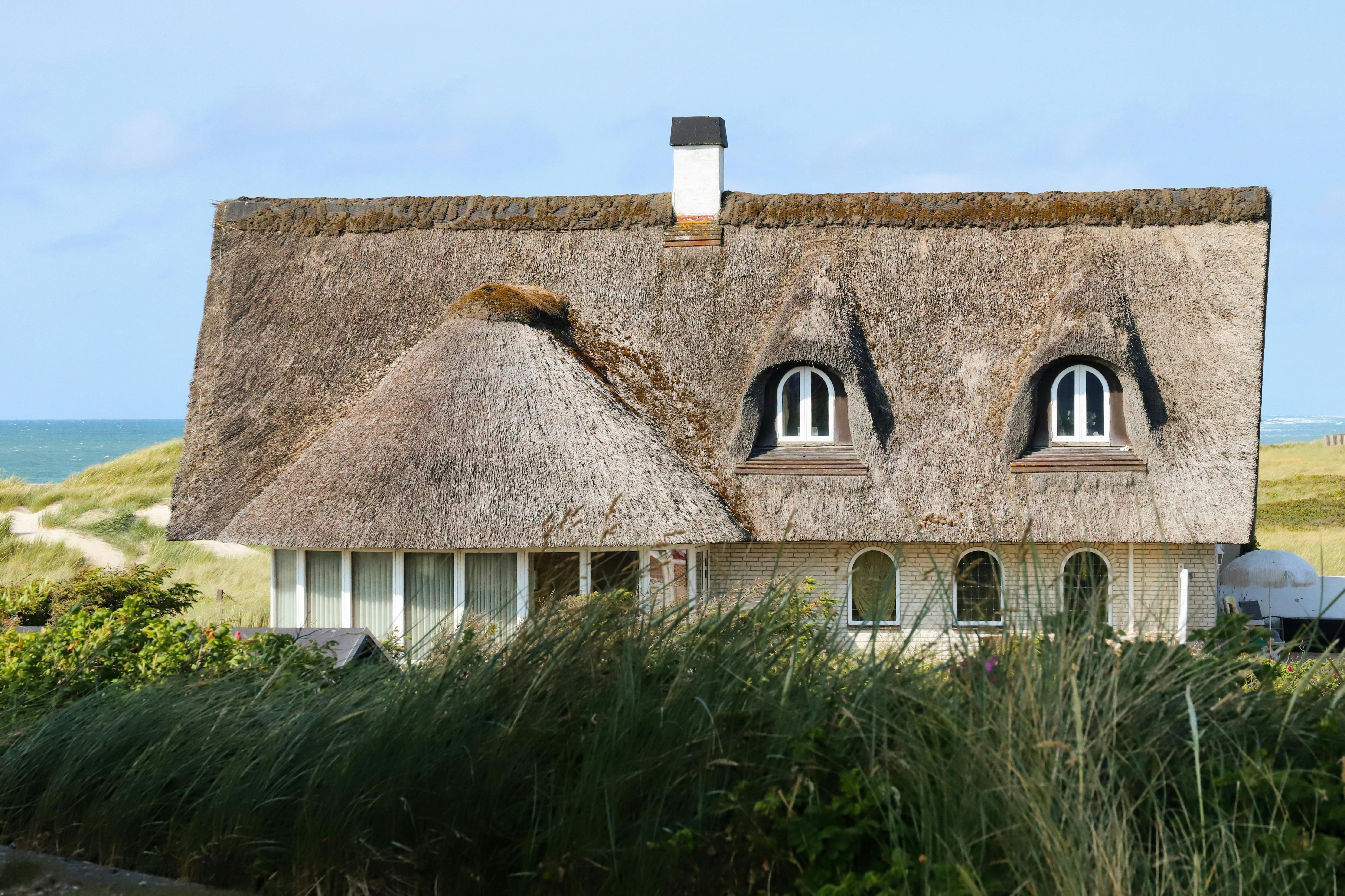
A picturesque thatched roof cottage near the sea, surrounded by dunes and greenery. · Photo by Christina & Peter on PexelsSlow morning before exploring the gentler Wadden side of the island.
Keitum's lanes hide cozy cafes among captains' houses and rose gardens; pick one for coffee and a Friesentorte (a layered cream-and-plum cake). The village is the island's prettiest morning stroll.
Explore Keitum, the green, sheltered old capital of Sylt, then step onto the mudflats.
Thatched Frisian cottages, ancient lime trees, and the 12th-century St. Severin church sit above the calm Wadden shore. The most genteel, historic corner of Sylt, far from the surf.
The UNESCO-listed Wadden Sea reveals miles of tidal flats at low tide; a guided Wattwanderung lets you walk out barefoot among lugworms and crabs with a naturalist. Always go with a guide and check the tide times.
Lunch on the quieter southern stretch of the island.
Traditional Frisian cooking in a snug thatched setting, with lamb from the salt marshes and fresh fish. A homey, regional lunch.
Sylt's legendary dune beach shack, a cult institution with a famous wine cellar, grilled fish, and currywurst served in the sand. Pricey and always busy; reserve well ahead for the full experience.
Head to Hörnum at the island's southern tip for dunes, the lighthouse, and seal-spotting waters.
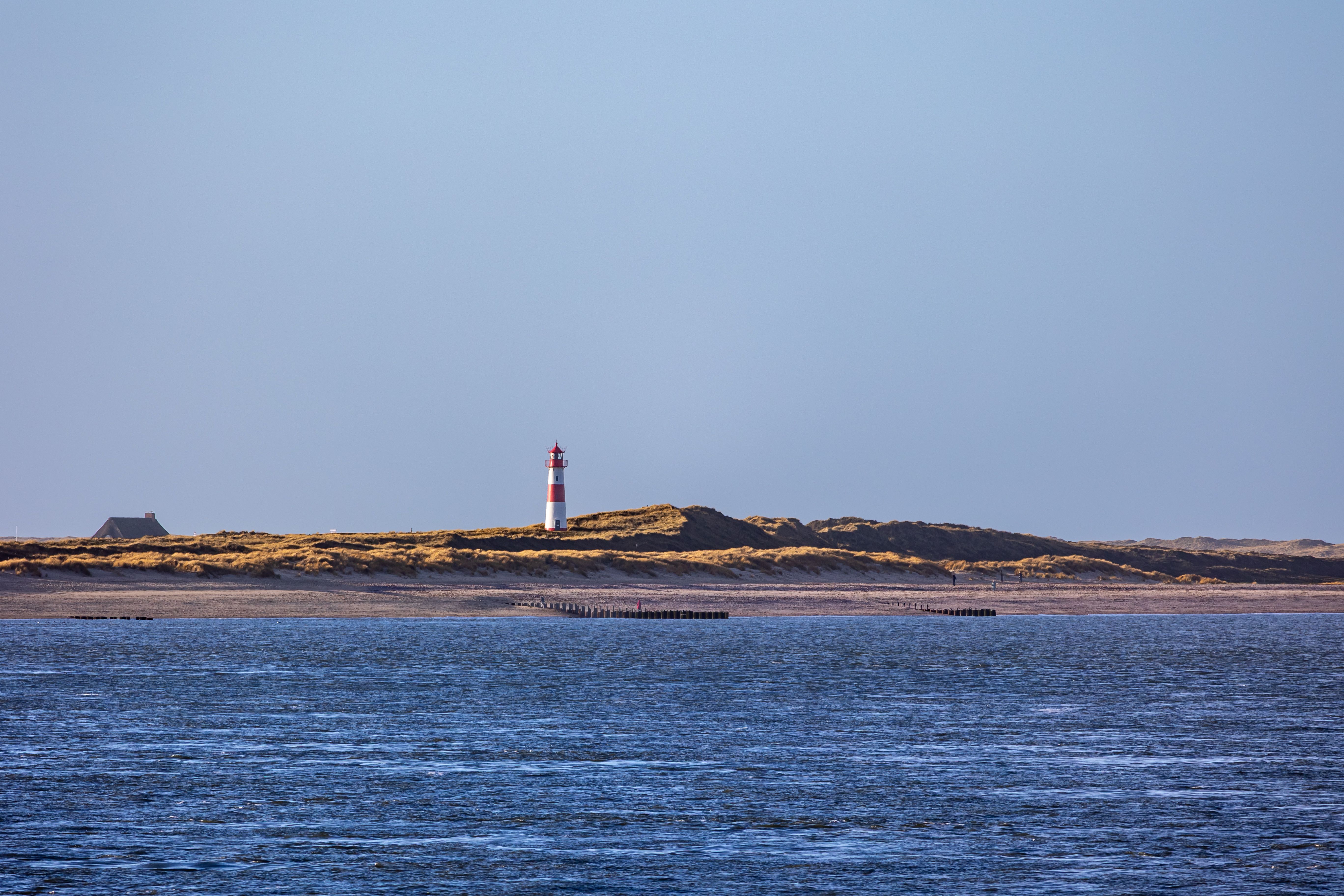
A shifting spit of dunes and beach at Sylt's southern point, with the striped Hörnum lighthouse and big skies. A peaceful, elemental end-of-island walk.
Boats leave Hörnum harbor for trips to the sandbanks where harbor seals haul out, sometimes continuing toward the Halligen islets. A lovely couple of hours on the water; bring a windproof layer.
Last island dinner, with a sunset-over-the-Wadden mood.
For a memorable final night, the fine-dining room at Severin's in Keitum pairs elevated regional cooking with island calm. Smart and special; book ahead. Tasting menus at the higher end.
A breezy beach-bar-restaurant on the dunes for a relaxed last evening of fish, drinks, and a North Sea sunset. Casual and scenic.
A Final Walk on the Sand, Then Homeward
Scenic view of a lighthouse on Sylt Island with sandy beach and calm sea. · Photo by Joerg Mangelsen on PexelsTake one last island breakfast and a final lungful of sea air before the journey back.
A local Sylt bakery for fresh rolls, a Franzbrötchen, and good coffee to start the morning. Easy and authentic near the center of Westerland.
Walk the Westerland promenade one more time for a last look at the surf before you pack up. Mornings are quiet and the light is soft over the water.
Squeeze in a final, simple island pleasure close to the station.
Rent a hooded beach chair for an hour and just watch the North Sea, the quintessential, unhurried Sylt goodbye. Then it's a short walk to Westerland station.
Grab a quick bite before catching the direct train back across the causeway toward Hamburg and your onward flight.
Pick up a fresh fish sandwich for the train, a fittingly Sylt last meal as the Hindenburgdamm slips past the windows. The Hamburg train takes about 3 hours; allow connection time for your flight.
Pick your base
For first-time visitors, base yourself in HafenCity or the Neustadt/Altstadt core: you'll walk to Speicherstadt, the Elbphilharmonie, the Rathaus, and the Alster lakes. St. Georg, near the main station, is well connected and good value, with the city's best Middle Eastern food. St. Pauli and the Schanze suit night owls who want bars and music on the doorstep.
A design-led hotel themed around a sailor's home port, steps from the harbor and a short walk to Speicherstadt. Lively bar, sauna, and free bike loans make it a fun, well-located base.
A literary-minded little hotel near the Alster and St. Georg, with rooms spread across colorful houses and a leafy garden. Warm, personal, and walkable to the station and lakes.
A 1950s-styled, good-value hotel in the Altstadt with a relaxed lobby pantry and easy reach to the Rathaus and Mönckebergstraße shopping. Comfortable rooms without the harbor-view premium.
Roomy apartments with kitchens and a pool right on the edge of Speicherstadt, ideal for families who want space and self-catering. Walkable to Miniatur Wunderland and the harbor.
Built into the Elbphilharmonie itself, with harbor-facing rooms beneath the famous glass wave. A genuine splurge for the address and the view, with direct access to the building's public plaza.
A friendly, well-run hotel in central Westerland, walkable to the beach promenade and the train station. A comfortable, sensible base for exploring the island without a car.
A resort-style village of apartments and family amenities near Rantum/Tinnum, with space, pools, and self-catering. A strong pick for families or longer island stays.
Sylt's marquee five-star, a thatched-roof resort in genteel Keitum with a large spa, Frisian-chic interiors, and refined dining. The island splurge, on the quieter Wadden side.
A stylish, design-forward small hotel in Westerland with a relaxed beach-house feel and easy access to town and sand. A good middle ground between value and polish.
Good to know
How many days do you need for Hamburg and Sylt together?
About a week works well: four days gives Hamburg time for its harbor, Speicherstadt, the Elbphilharmonie, and a downriver trip to Blankenese, while three nights on Sylt lets you see both the wild north (List and Kampen) and the calmer Wadden Sea south around Keitum and Hörnum. With less time, prioritize one or the other rather than rushing both.
What is the best way to get from Hamburg to Sylt?
Take a direct train from Hamburg to Westerland on Sylt, which takes about three hours and crosses the Hindenburgdamm causeway over the tidal flats. Cars cannot drive onto the island; they must be loaded onto the Sylt Shuttle auto-train, so most visitors travel car-free by regular train.
What is the best time to visit Sylt?
June through September is the warmest and liveliest, with the best chance for beach days, though the North Sea stays brisk and windy year-round. These months are also the busiest and priciest, so book accommodation two to three months ahead; late spring and early autumn are quieter with still-pleasant walking weather.
Do you need a car on Sylt?
No. Sylt has a north-south train line and a comprehensive island bus network linking Westerland, List, Kampen, Keitum, and Hörnum, so you can reach the beaches, cliffs, and villages without driving. Basing yourself in Westerland near the station keeps you best connected.
What is the best area to stay in Hamburg for first-time visitors?
HafenCity and the central Altstadt/Neustadt are ideal for first-timers, putting Speicherstadt, the Elbphilharmonie, the Rathaus, and the Alster lakes within walking distance. St. Georg near the main station is a well-connected, better-value alternative, while St. Pauli and the Schanze suit travelers who want nightlife on the doorstep.
Is Sylt expensive?
Sylt is one of Germany's pricier destinations, especially in peak summer, with high-season hotel rates, premium restaurants in Kampen and Rantum, and famous spots like Sansibar commanding a premium. You can keep costs down by basing in Westerland, eating at Gosch fish counters and bakeries, renting beach chairs by the day, and traveling around by bus.
This week gives you the two faces of Germany's north: Hamburg's brick-and-water grandeur, harbor energy, and world-class music, then the wide skies, dunes, and seafood of Sylt. Move between them by a single scenic train, eat your way along the coast, and you'll leave understanding why Hamburgers and Sylt regulars are so loyal to their corner of the country. Pack a windbreaker, book the big-ticket sights and summer beds ahead, and let the sea set the pace.