
Gdańsk on a Shoestring: A 2-Day Baltic City Break in Pomerania
Two days along the Motława River, from amber-lined lanes and Hanseatic facades to the shipyard where Solidarity changed history, all on a tight budget.
Last updated June 24, 2026

Gdańsk has spent a thousand years as a crossroads, a wealthy Hanseatic port where Polish, German, Dutch, and Flemish hands shaped its tall gabled houses and gilded gateways. Twice almost erased (most brutally in 1945), the Main Town was painstakingly rebuilt brick by brick, so the storybook lanes you walk today are both very old and remarkably young.

This is also where the 20th century turned: in the Lenin Shipyard, electrician Lech Wałęsa and the Solidarity movement lit the spark that helped bring down communism across Eastern Europe. Add the amber trade (Gdańsk still calls itself the world's amber capital), a working waterfront, and proximity to Baltic beaches, and you have a city that rewards even a short, frugal visit.

Practical notes: the historic core is compact and flat, so you will walk almost everywhere, with cheap, frequent trams and the SKM commuter train filling any gaps. Food is a budget traveler's dream here thanks to surviving milk bars (bar mleczny) serving pierogi and soup for a few złoty. Late spring through early autumn is the sweet spot; June days are long and mild, ideal for riverside strolling.

Few European cities pack as much drama into so few streets as Gdańsk. In a single afternoon you can trail your fingers along amber stalls on Mariacka Street, crane your neck at the largest brick church in the world, and stand where the Cold War began to thaw. It is photogenic, walkable, and genuinely affordable, which makes it a perfect quick escape.

Getting there by planeFly into Gdańsk Lech Wałęsa Airport (GDN), then take SKM/PKM commuter train or bus 210 to the center in about 30-40 minutes for a few złoty; a taxi is roughly 60-80 PLN.View on Kiwi.com
Arrival, the Royal Way & the Motława Waterfront
Day 1
Arrival, the Royal Way & the Motława Waterfront
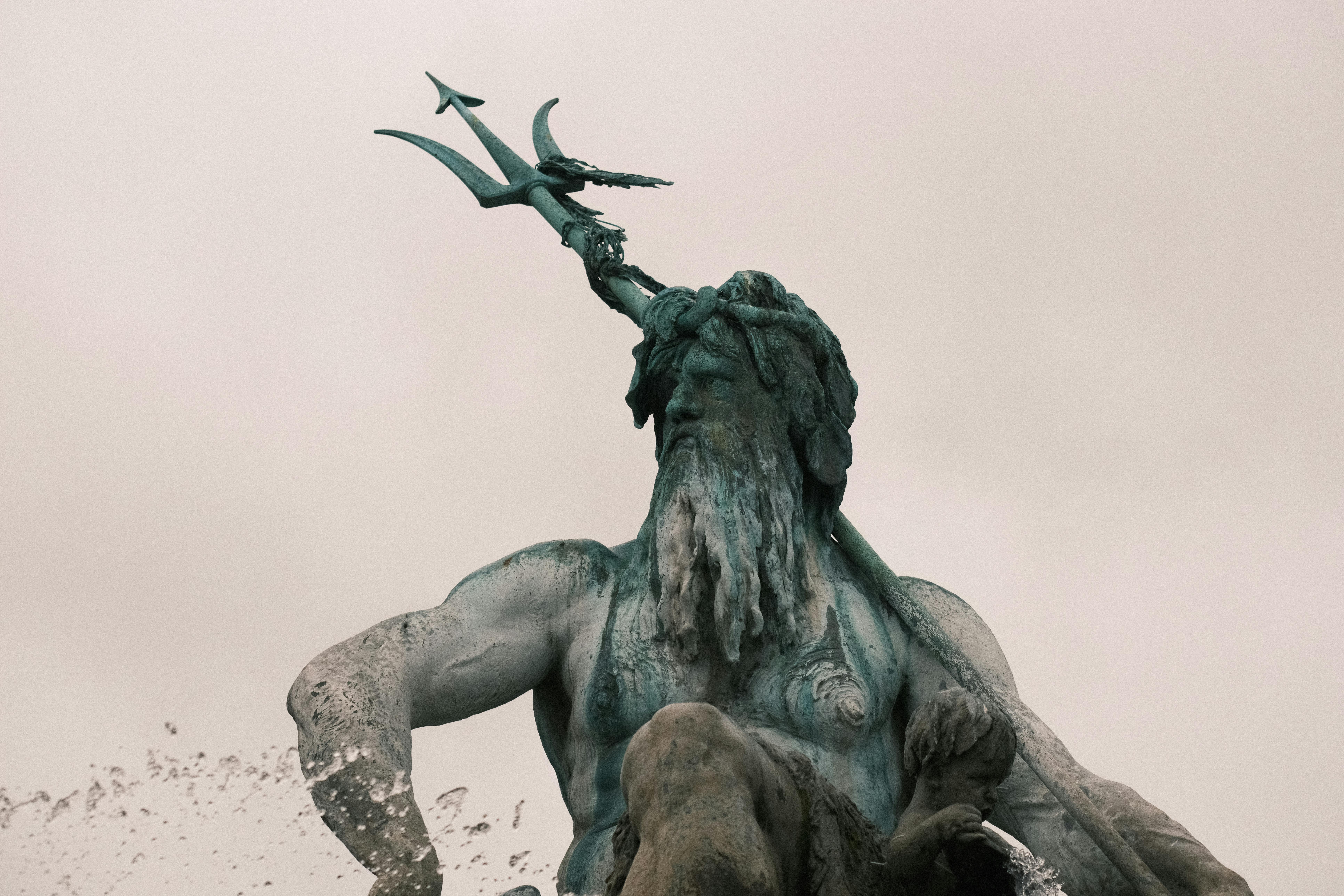
Neptune's Fountain, Gdańsk · Diego Delso / CC BY-SA 3.0
Afternoon
Drop your bags and walk straight into the rebuilt heart of the Main Town. The Royal Way (Długa and Długi Targ) is a parade of merchant facades that costs nothing to stroll, and the side lanes hide the real magic.
Długi Targ (Long Market) and the Neptune Fountain Google
4.8 · 42,842 reviews · Główne Miasto
The grand pedestrian spine of Gdańsk, lined with pastel gabled townhouses and anchored by the bronze Neptune Fountain, symbol of the city's sea-trading past. Wander through the Golden Gate at one end and out toward the river at the other; it is entirely free and at its prettiest in late-afternoon light.
Mariacka Street Google
4.9 · 745 reviews · Główne Miasto
Gdańsk's most atmospheric lane, with stone terraces, gargoyle waterspouts, and amber jewelers spilling out of cellar workshops. Browsing the amber stalls is free and fascinating even if you buy nothing; this is the world's amber capital, after all.
St. Mary's Church (Bazylika Mariacka) Google
4.7 · 20,245 reviews · Główne Miasto
The largest brick church in the world, a cavernous whitewashed Gothic hall that can hold 25,000 people. Entry to the nave is by small donation, and the tower climb (over 400 steps) costs only a few złoty for a sweeping rooftop panorama, the best cheap view in town.
Evening
Head to the Motława embankment as the day softens. The riverfront promenade is the city's living room, and the medieval crane is its mascot.
The Crane (Żuraw) and Długie Pobrzeże promenade Google
4.8 · 1,512 reviews · Główne Miasto
Stroll the riverside boardwalk past the towering wooden Crane, a 15th-century port loading device and the symbol of Gdańsk. Cross the footbridge to Granary Island for the postcard view back at the gabled waterfront, all free and lovely at dusk.
Ołowianka Island viewpoint Google
4.7 · 182 reviews · Ołowianka
A short walk or footbridge hop across the river delivers the classic skyline shot of the Crane and old town reflected in the water. Bring a cheap drink from a shop and watch the lights come on; costs nothing.
Dinner
Eat like a thrifty local at a milk bar, the surviving cafeteria institution where soup and pierogi cost a pittance and taste like home cooking.
Bar Mleczny Neptun Google
3.4 · 3,341 reviews · Główne Miasto
A classic milk bar on Długa with cheerful tile and old-school trays, serving żurek (sour rye soup), potato pancakes, and plates of pierogi for just a few złoty. Order at the counter, point if your Polish is shaky, and eat well for next to nothing.
Bar Turystyczny Google
4.4 · 9,605 reviews · Stare Miasto
A beloved budget canteen near the Old Town serving heaping, homestyle Polish plates at rock-bottom prices. Filling, fast, and authentically frugal, exactly what a tight budget calls for.
Pierogarnia Mandu Centrum Google
4.8 · 16,646 reviews · Główne Miasto
If you want to splurge a little within reason, this pierogi specialist serves beautifully made dumplings, both traditional and inventive, at still-reasonable prices. Worth it for one good sit-down meal.
Solidarity, the Shipyard & a Final Riverside Wander
Day 2
Solidarity, the Shipyard & a Final Riverside Wander
Breakfast
Fuel up cheaply before the morning's history lesson. Gdańsk has a sweet small-cafe scene and bakeries selling pastries for spare change.
Drukarnia Café
Główne Miasto
A relaxed, arty cafe pouring good, affordable coffee with cakes and a quiet morning vibe. A pleasant, inexpensive start before the walk north to the shipyard.
Pellowski Bakery (Piekarnia-Cukiernia Pellowski)
Główne Miasto
A long-running local bakery chain where a fresh drożdżówka (sweet yeast bun) or pączek and a coffee cost very little. Grab something to go and save your money for the road.
Morning
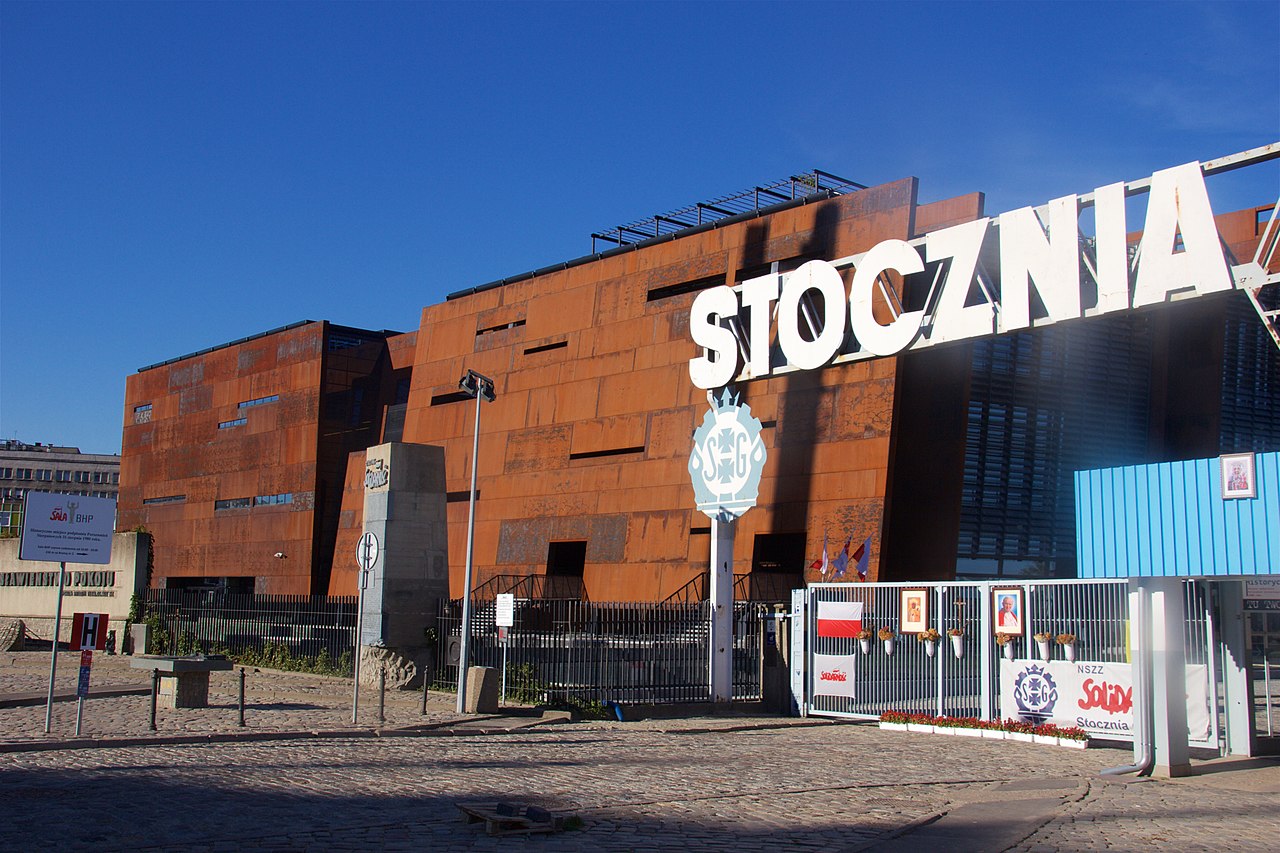
Walk north to the gates of the former Lenin Shipyard, where Solidarity was born. This area is the emotional core of modern Gdańsk and much of it is free to experience.
European Solidarity Centre (ECS) Google
4.8 · 9,447 reviews · Młode Miasto
A striking rust-clad museum chronicling the Solidarity movement and the fall of communism, with a powerful permanent exhibition. The rooftop garden and ground-floor public spaces are free; the main exhibition ticket is modest, and it is the single most meaningful thing to see in Gdańsk.
Monument to the Fallen Shipyard Workers and Gate No. 2 Google
4.7 · 4,104 reviews · Młode Miasto
Three soaring steel crosses honor workers killed in the 1970 protests, standing right outside the historic shipyard gate where Wałęsa addressed the crowds. The square and monument are open and free to visit, a quietly moving stop.
Lunch
Squeeze in one last cheap, satisfying Polish meal near the center before you head to the airport or station.
Bar Mleczny Stągiewna Google
4.2 · 5,272 reviews · Główne Miasto
Another honest milk bar serving soups, naleśniki (crepes), and dumplings at giveaway prices on the way back toward Granary Island. A fitting frugal send-off.
Hala Targowa food stalls Google
4.4 · 13,826 reviews · Stare Miasto
The covered market hall near St. Catherine's Church has stalls and small counters selling cheap, fresh bites and snacks. Good for a quick, low-cost lunch and a last look at local life before departure.
Good to know · The European Solidarity Centre's main exhibition can draw lines on weekends and rainy days; arriving at opening keeps your wait short. (go early in the day) · Milk bars (bar mleczny) are cash-friendly, often counter-service, and sometimes close by late afternoon or on Sundays, so plan budget meals around their hours. · St. Mary's Church tower climb is cash-only at the entrance and closes in poor weather; check the day's conditions before counting on the view. · From the airport, the SKM/PKM train and bus 210 are by far the cheapest way into the center; buy and validate a ticket before boarding to avoid fines.

Where to Stay

Base yourself in the Main Town (Główne Miasto), the rebuilt historic core, so the Long Market, Motława riverfront, and St. Mary's Church are all on your doorstep. The adjoining Old Town (Stare Miasto) toward the shipyard is slightly cheaper and still walkable. Both put you minutes from the main train station and tram lines.

Hotel Wolne Miasto

midrange Google
4.5 · 1,034 reviews

A comfortable, well-rated mid-range hotel steps off the Long Market with character-filled rooms and a historic feel. You can walk to every Main Town sight in minutes.

Grand Hostel Gdansk

budget Google
3.7 · 1,314 reviews

A clean, friendly, low-cost hostel near the train station and Old Town with dorms and private rooms, ideal when the budget is the priority. A short walk to the shipyard and Solidarity Centre.

Stay Inn Hotel Gdansk

family friendly Google
4.6 · 1,137 reviews

A practical, good-value hotel right by St. Mary's Church with family rooms and a central location that keeps everyone close to the action. Hard to beat for walking convenience.

Riverside apartment on the Motława

unique Google
4.7 · 132 reviews

Self-catering apartments along the waterfront let you cook a few meals to stretch a tight budget while enjoying river views. Great for longer stays or small groups.

Two days is enough to fall for Gdańsk: a city of gilded gateways and amber lanes that also happens to be one of Poland's best-value escapes. Between free riverside walks, milk-bar feasts, and the stirring story of Solidarity, you will spend little and remember a lot. Pack comfortable shoes, bring some cash, and let the Motława set your pace.

Frequently Asked Questions

How many days do you need in Gdańsk?
Two days is enough to cover the essentials: the Main Town and Long Market, St. Mary's Church, the Motława waterfront, and the Solidarity shipyard. A third day lets you add a Baltic beach trip to Sopot or the Westerplatte and Oliwa sights.
Is Gdańsk expensive to visit?
Gdańsk is one of Poland's more affordable city breaks. Many of its best experiences (the Royal Way, Mariacka Street, the riverfront, and the shipyard monuments) are free, and milk bars serve full Polish meals for just a few złoty.
What is the best area to stay in Gdańsk for first-time visitors?
The Main Town (Główne Miasto) is the ideal base, putting the Long Market, St. Mary's Church, and the Motława River within a few minutes' walk. The adjoining Old Town toward the shipyard is slightly cheaper and still very central.
How do you get around Gdańsk?
The historic core is compact and flat, so most visitors walk everywhere. For longer trips, the city has cheap, frequent trams and buses, and the SKM commuter train connects Gdańsk with Sopot and Gdynia and reaches the airport area.
What is the best time to visit Gdańsk?
Late spring through early autumn (May to September) brings mild weather, long daylight, and a lively waterfront. June offers especially long evenings, while July and early August are busiest, partly thanks to the St. Dominic's Fair.
Is two days enough to see the Solidarity history in Gdańsk?
Yes. The European Solidarity Centre, the Monument to the Fallen Shipyard Workers, and historic Gate No. 2 sit close together north of the Old Town and can be covered comfortably in a single morning.

Top-Rated Places to Eat, See & Stay

Ready to book your trip?

Search Hotels
Search Homes

Traveling somewhere else?

Generate a custom itinerary