
Ganga to the Clouds: A 3-Day Rishikesh and Mussoorie Escape
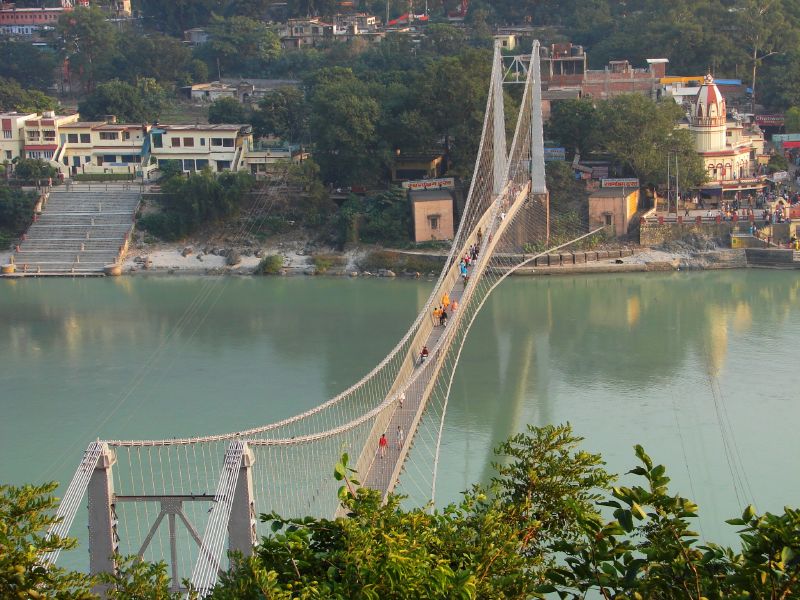
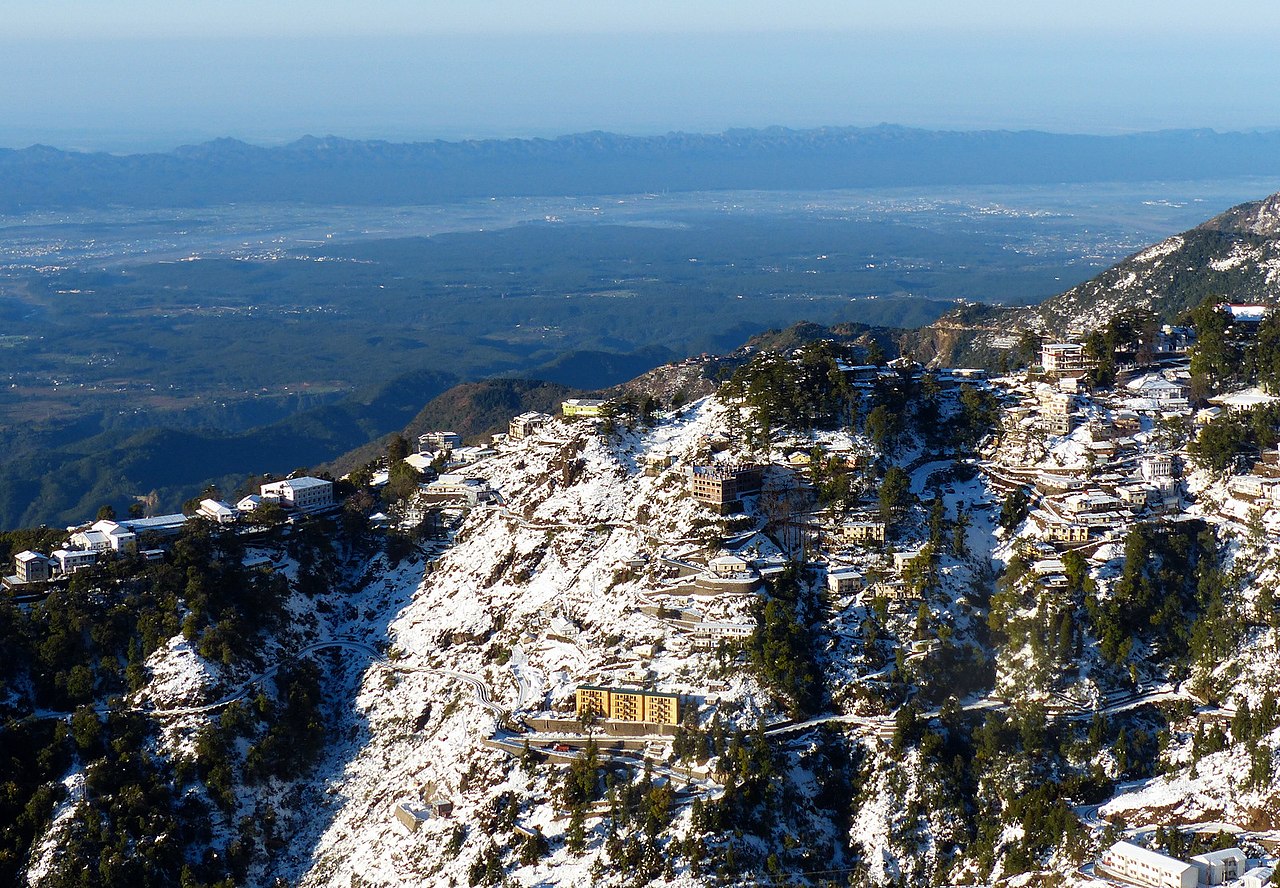
Tucked where the Ganga breaks free of the Himalaya and spills onto the plains, Rishikesh has drawn sages, seekers, and (famously) the Beatles for decades. Today it balances ashram-town devotion with cafe culture and adventure energy, all strung along suspension bridges over a startlingly green river. Two hours uphill, Mussoorie was a Raj-era hill station laid out for British officers escaping the heat, and its ridgeline of colonial cottages, bazaars, and deodar forest still earns the nickname Queen of the Hills.
Together they make an easy, contrasting pair: the warm, humming riverbank below and the cool, cloud-draped ridge above. July falls squarely in the monsoon, which means emerald hillsides, dramatic mist, thinner crowds on weekdays, and a Ganga running high and powerful. The trade-offs are real (river rafting is closed for the season and mountain roads can slow after heavy rain), but the payoff is the region at its most lush and atmospheric.
Getting around is simplest by private car or taxi: fly into Dehradun's Jolly Grant Airport, reach Rishikesh in about 45 minutes, and drive on to Mussoorie in roughly three hours. Pack a light rain jacket, quick-dry clothes, sandals with grip, and modest layers for temples and the cooler hilltop evenings. Food leans vegetarian and alcohol-free in central Rishikesh (a holy-town rule), while Mussoorie's Landour bakeries and Tibetan kitchens add welcome variety.
At a Glance
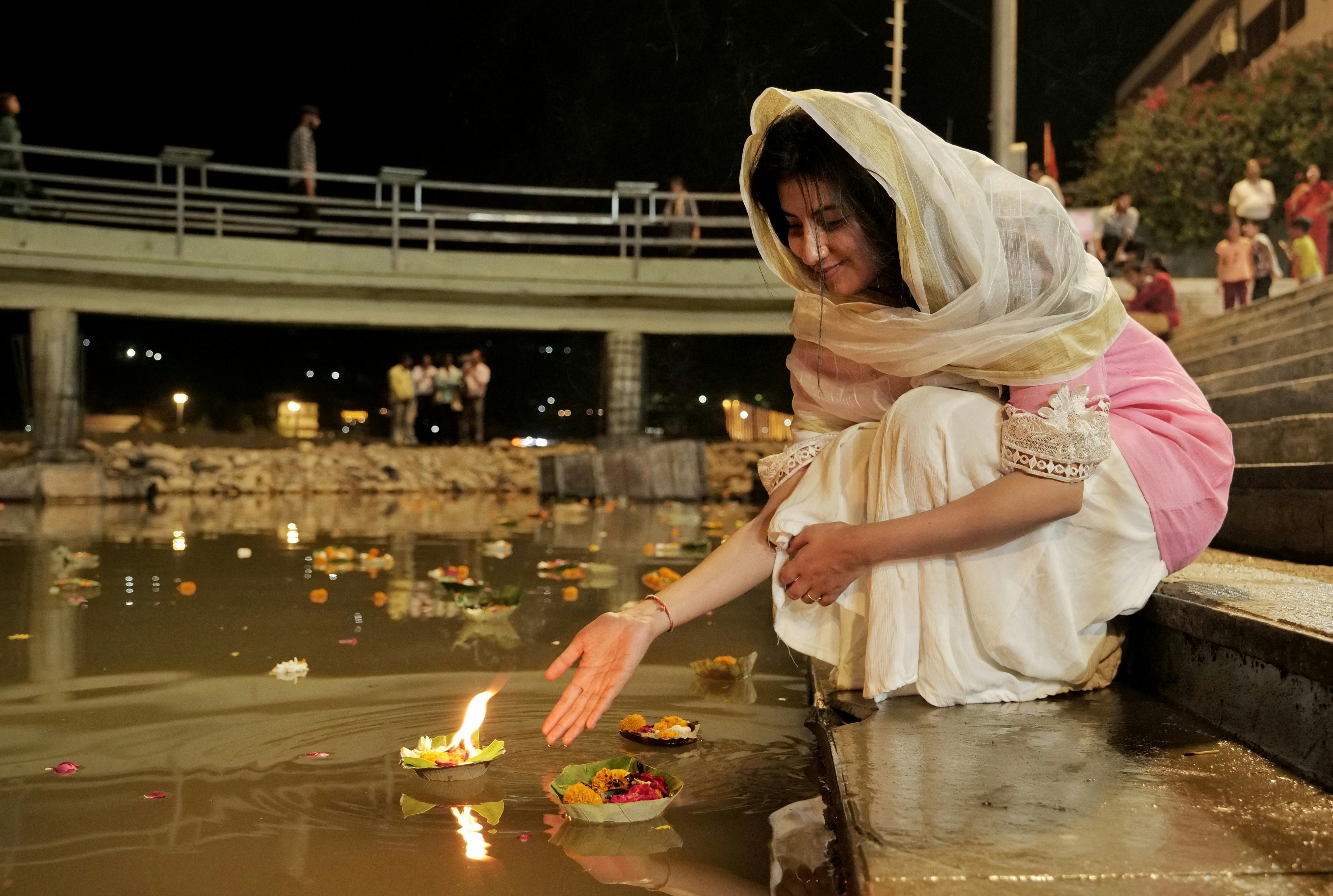
Rishikesh is where the Himalaya hands the Ganga to the plains, and the town has organized itself around that sacred handover: ghats, bell-ringing temples, and ashrams crowd the banks, while footbridges sway with pilgrims, scooters, and the odd determined cow. It is equal parts spiritual retreat and backpacker hangout, so a riverside yoga session can be followed by a German-bakery coffee and a sunset aarti without missing a beat. In monsoon the river surges jade-green and the surrounding hills glow, making the evening fire ceremonies feel especially elemental.

Where to Stay
Tapovan (near Lakshman Jhula) is the most walkable base, packed with cafes, yoga studios, and river views. For a quieter, more spiritual feel, stay near Ram Jhula and the ashram ghats. Riverfront properties on the Swarg Ashram side put you steps from the evening aarti.
Aloha on the Ganges
midrange GoogleA polished riverside hotel in Tapovan with a pool and Ganga-facing rooms, an easy walk from the Lakshman Jhula cafes. A comfortable, reliable mid-range pick that still feels close to the action.
Hotel Ganga Kinare
midrange GoogleA long-running riverfront hotel with its own ghat and a rooftop restaurant overlooking the water, near the main town. Good for travelers who want a private slice of the Ganga without trekking to the ashram side.
Zostel Rishikesh
budget GoogleA social, well-run hostel in Tapovan with dorms, private rooms, and a hangout cafe, ideal for solo travelers and tight budgets. Walkable to bridges, yoga, and riverside eateries.
Vasundhara Palace
family friendly GoogleA larger hotel with a pool, multiple restaurants, and roomy family rooms near Lakshman Jhula. Handy on-site amenities make it a sensible choice for travelers with kids.
In just three days you trace the Ganga from its holy ghats to the cloud-wrapped ridges above Dehradun, swapping morning aarti and Beatles-era murals for Tibetan momos and misty Landour lanes. It is a compact, contrast-rich taste of Uttarakhand that rewards slow walks, warm chai, and an umbrella in hand. Come back in autumn for the rafting and clear Himalayan horizons, but the monsoon version, green and quiet, has a magic all its own.