
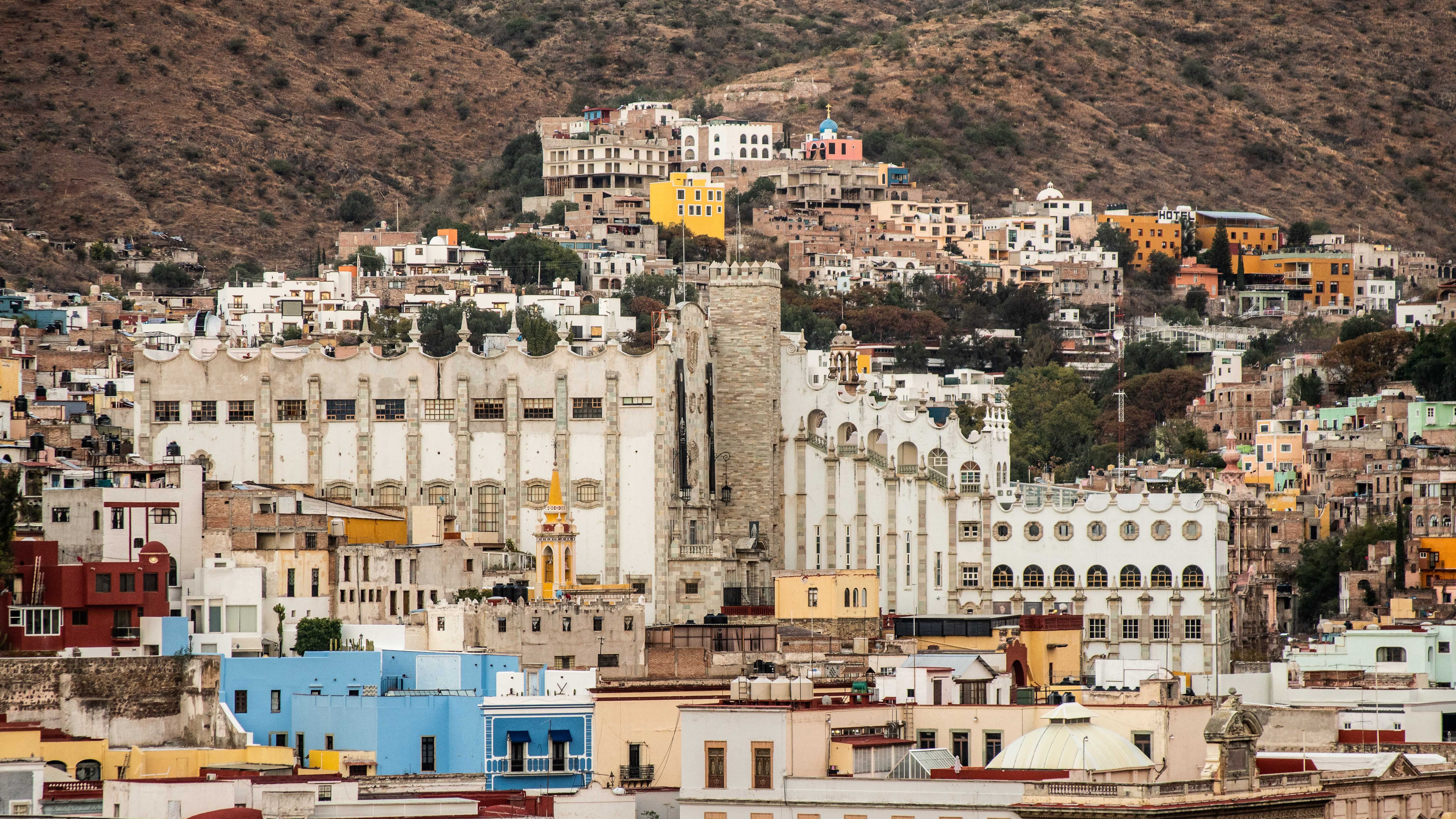
Guanajuato made its fortune underground. From the 1500s, the silver veins beneath these mountains funded cathedrals and palaces, and the wealth left behind a labyrinth of a city: houses stacked up ravine walls in lemon, rose, and cobalt, threaded by stepped alleys and a network of old riverbed tunnels that now carry the traffic. The state capital, Guanajuato City, is a UNESCO World Heritage Site and the birthplace of muralist Diego Rivera; an hour and a half east, San Miguel de Allende is a former cattle-and-textile town turned arts colony, repeatedly voted among the world's best small cities.
Both towns sit on the high plateau around 6,000 to 6,800 feet, so days are bright and warm and evenings cool quickly even in summer; pack a layer. The two pair beautifully because they feel so different: Guanajuato is dense, student-fueled, and dramatically vertical, while San Miguel is open, polished, and built for slow rooftop afternoons. You will mostly walk, though Guanajuato's hills are steep and its streets are stone, so bring sturdy shoes.
Getting in is easy via Del Bajio International Airport (BJX) near Leon, roughly 45 minutes from Guanajuato City and 90 minutes from San Miguel de Allende. The food runs from mining-town classics like enchiladas mineras to San Miguel's award-winning modern Mexican kitchens, and the surrounding Independence Valley has quietly become one of the country's better wine regions. Spring and fall bring the most reliable weather; if you come in October, book far ahead, because the Festival Internacional Cervantino fills every room in Guanajuato City.
Guanajuato City
Few cities reward simple wandering like Guanajuato. There is no grid to learn, just a tangle of callejones, plazas, and tunnels that pour you out somewhere unexpected, usually with a view. The heart is the Jardin de la Union, a wedge-shaped plaza shaded by Indian laurels where mariachis tune up at dusk and the Belle Epoque Teatro Juarez glows under its bronze muses. Above it all stands El Pipila, the giant statue honoring the miner who turned the tide of the 1810 independence revolt, reachable by a creaking funicular and worth every peso for the panorama of domes and rooftops.


Where to Stay
Base yourself in the Centro Historico within a few minutes' walk of the Jardin de la Union and Teatro Juarez; this puts the plazas, museums, and callejoneada nightlife at your door. Streets are steep and largely pedestrian, so pack light and expect to climb. Avoid booking up the highest alleys unless you don't mind a stair workout to your room.
Hotel Edelmira
midrange GoogleA handsome historic hotel steps from Teatro Juarez with a small rooftop pool and terrace overlooking the basilica domes. Reliable comfort in the best possible location.
Hotel Boutique 1850
boutique GoogleRight on the Jardin de la Union, this restored mansion mixes contemporary rooms with a rooftop bar perched over the plaza. Pay for a view room and you will hear the mariachis from bed.
Hotel Meson de los Poetas
budget GoogleA rambling, good-value warren of rooms tucked just off Plaza San Fernando, decorated with nods to famous poets. Friendly and central without the boutique price tag.
Centro Historico apartment rental
family friendly GoogleFor families or longer stays, a private apartment near Plaza de la Paz gives you a kitchen, more space, and a local-feeling base among the alleys. Look for one with step counts you can live with.
Villa Maria Cristina
luxury GoogleA small Relais-style mansion hotel with a spa and elegant period rooms, the city's most refined splurge. A short walk or quick cab from the center.
San Miguel de Allende
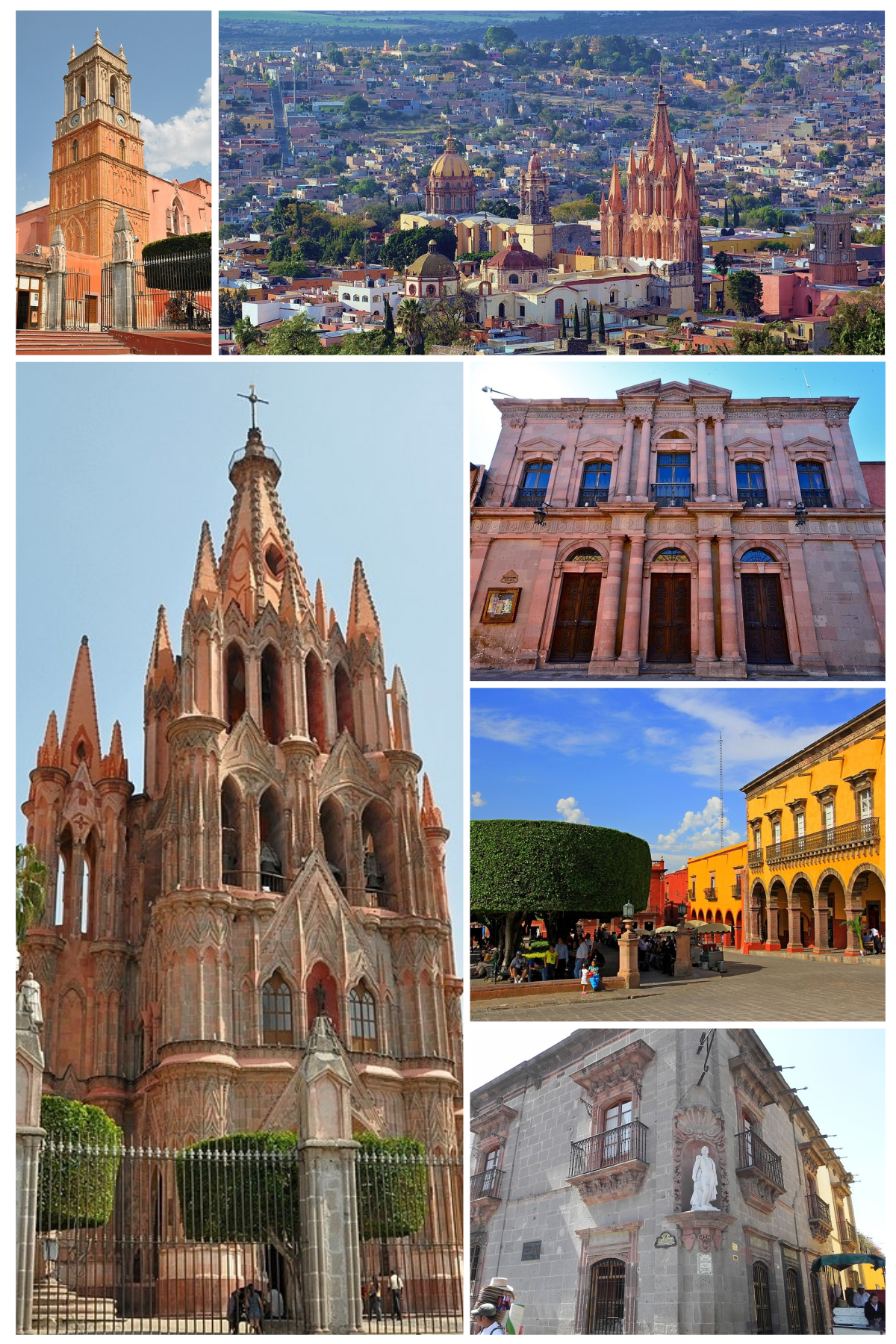
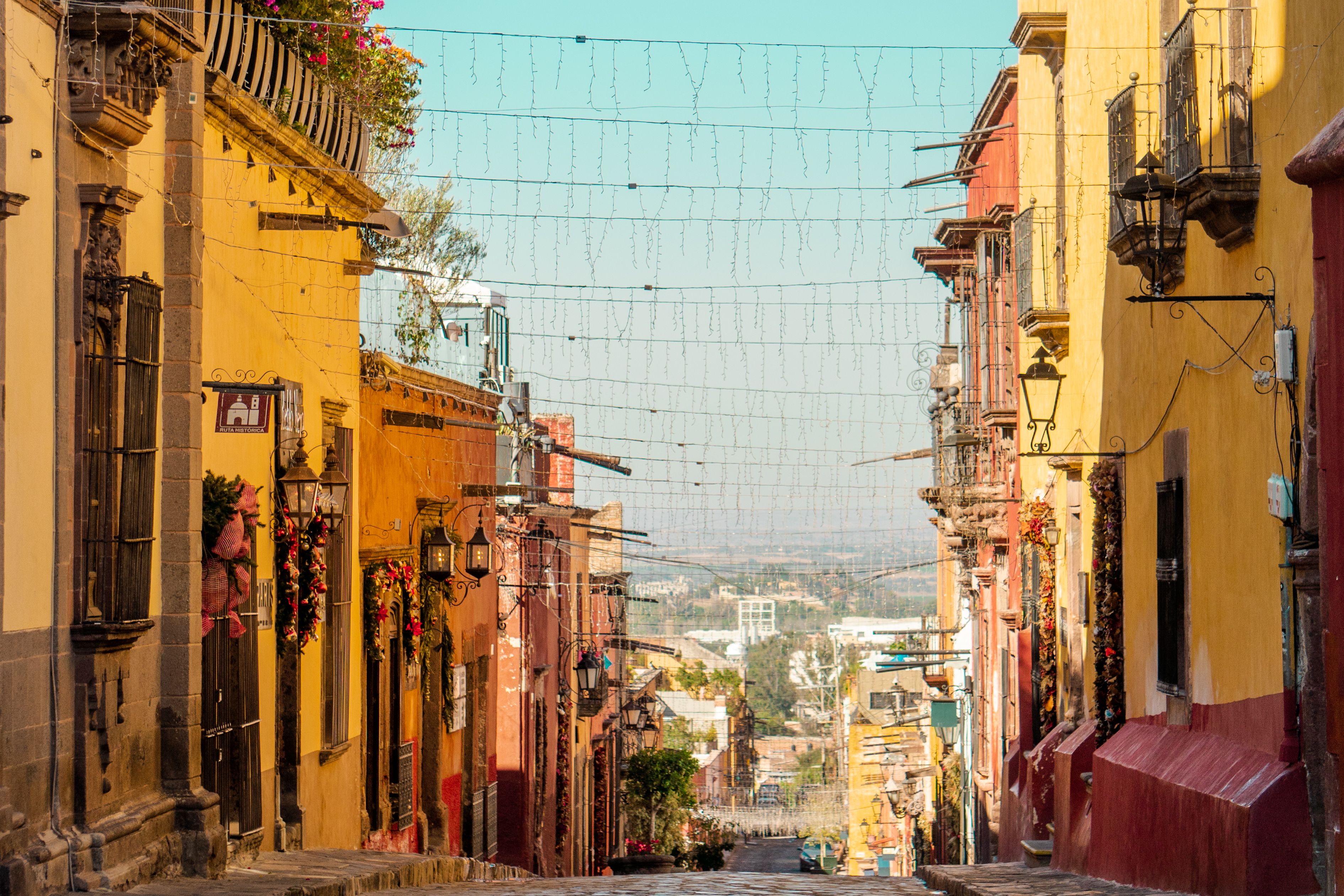
San Miguel feels like a town that decided to become a work of art. The neo-Gothic pink spires of the Parroquia de San Miguel Arcangel rise over a single, perfectly proportioned main square, and from there cobbled lanes climb past courtyards, galleries, and rooftop bars where the light goes golden at six. Founded in the 1540s and later a cradle of the independence movement, it was rediscovered by foreign artists after World War II and never looked back, becoming a magnet for makers, eaters, and weekenders.


Where to Stay
Stay in the Centro within easy walking distance of the Jardin Principal and the Parroquia; this is the most scenic and convenient base, full of rooftop restaurants and shops. The neighboring Guadalupe district is the bohemian, mural-covered, slightly cheaper alternative a 10-15 minute walk out. Cobblestones are hard on wheels and ankles, so pack accordingly.
Hotel Boutique Casa Blanca 7
midrange GoogleA stylish small hotel a few blocks from the Jardin with a rooftop pool and terrace looking toward the Parroquia. Comfortable, central, and a notch below the big-name splurges.
Nena Hotel
boutique GoogleAn intimate, design-forward boutique with a rooftop bar and warm service, a short stroll from the center. A great-value alternative to the marquee hotels.
Hotel Posada de las Monjas
budget GoogleA rambling former convent turned budget hotel with character, terraces, and a central location for a fraction of San Miguel's usual rates. Book a room on the upper floors for the views.
Centro casa rental with courtyard
family friendly GoogleFor families or groups, a private colonial house with a courtyard and rooftop near the Centro offers space and a kitchen plus that classic San Miguel terrace. Many come with a cook or daily cleaning.
Rosewood San Miguel de Allende
luxury GoogleThe town's iconic splurge, a hacienda-style retreat whose Luna rooftop bar has the most famous sunset view over the Parroquia. Worth a drink even if you sleep elsewhere.
Across eight days you will trade Guanajuato's tunnels, mine churches, and singing alleys for San Miguel's rooftop sunsets, pyramids, and celebrated kitchens, two highland towns that are close enough to pair and different enough to feel like two trips. Walk slowly, eat everything, and leave room in your suitcase for crafts and a bottle of Independence Valley wine. The Bajio has a way of pulling visitors back, so consider this a first chapter.