Chocolate, Vineyards & a Megacity: A 5-Day Gramado and São Paulo Itinerary
Trade alpine air and fondue in Brazil's most European mountain town for the electric energy of the Southern Hemisphere's largest city, all in five well-paced days.
5 days in Gramado, São Paulo
Gramado sits high in the Serra Gaucha of Rio Grande do Sul, a town built by German and Italian settlers in the early 1900s who recreated the Alpine hamlets they left behind. Today its half-timbered facades, hydrangea-lined avenues, and chocolate shops on every corner make it Brazil's most improbably European destination, and in July it becomes a genuine winter town, with temperatures that can dip near freezing.
Sao Paulo is the counterweight: a city of roughly 12 million people (over 22 million in the metro area) that never quite stops moving. It holds the largest Japanese community outside Japan, some of the finest museums in Latin America, and a restaurant scene widely considered the continent's best. Where Gramado charms, Sao Paulo overwhelms, in the best possible way.
Getting between them means a short flight: Gramado is about two hours by car from Porto Alegre's airport, and Sao Paulo is a 90-minute hop north. Both places are easy on non-Portuguese speakers in tourist zones, though a few translation-app phrases go a long way. Pack layers for Gramado's cold winter evenings and comfortable shoes for Sao Paulo's endless sidewalks.
Arrival, Chocolate on Borges de Medeiros & Lago Negro at Dusk
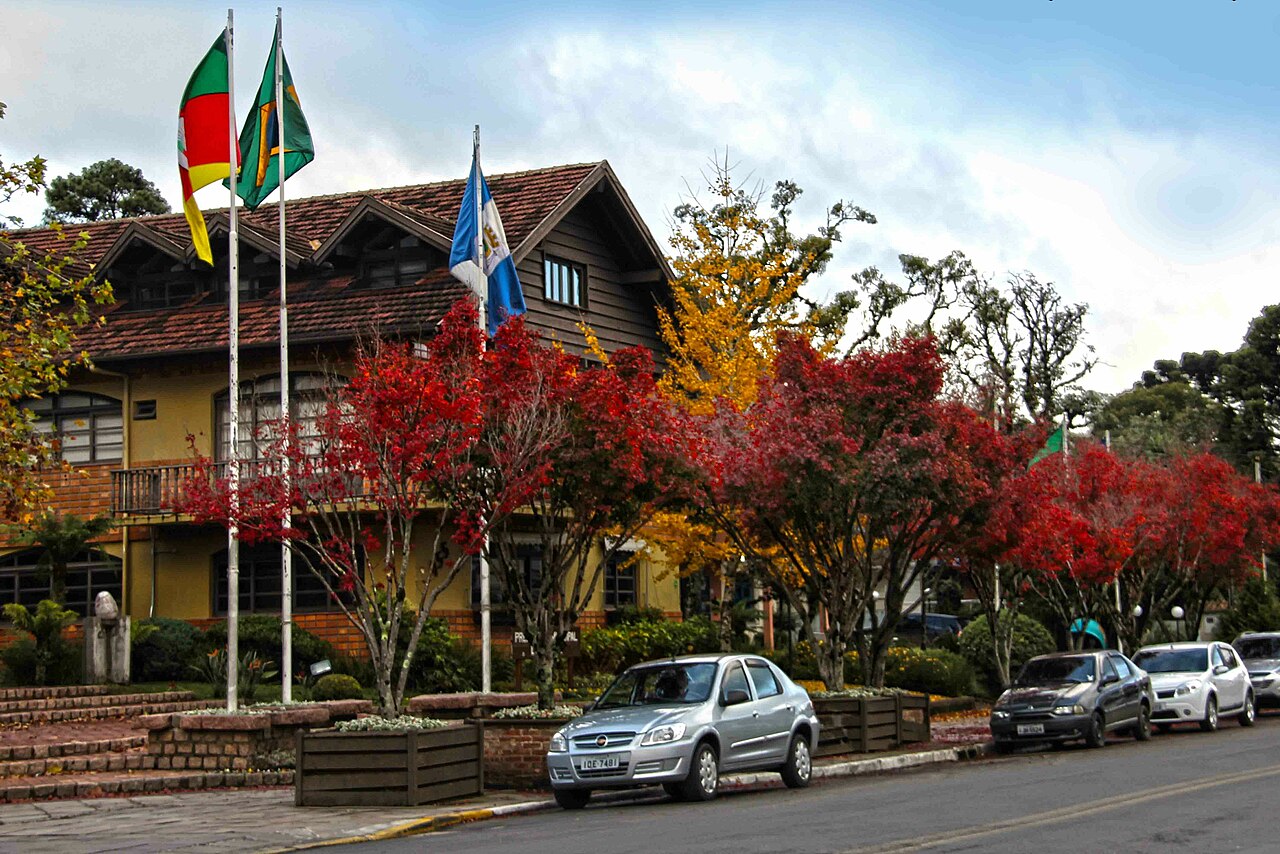
Gramado · AUGUSTO JANISKI JUNIOR / CC BY 2.0Drop your bags and walk straight into the heart of Gramado. Avenida Borges de Medeiros and the covered Rua Coberta are the town's spine, lined with chocolatiers, wool shops, and cafes: an easy, low-effort introduction after the drive up from Porto Alegre.
Gramado's chocolate is its calling card, and three of the best sit within a few blocks of each other on and around Borges de Medeiros. Lugano is the local institution, Caracol makes excellent fondue-ready bars, and Prawer offers factory-style tastings. Sample, buy a bar or two, and don't skip a cup of thick hot chocolate.
This glass-covered pedestrian street is Gramado's social living room, packed with cafe tables and buskers even in cold weather. It's the perfect spot to sit with a coffee, watch the town go by, and shake off the journey.
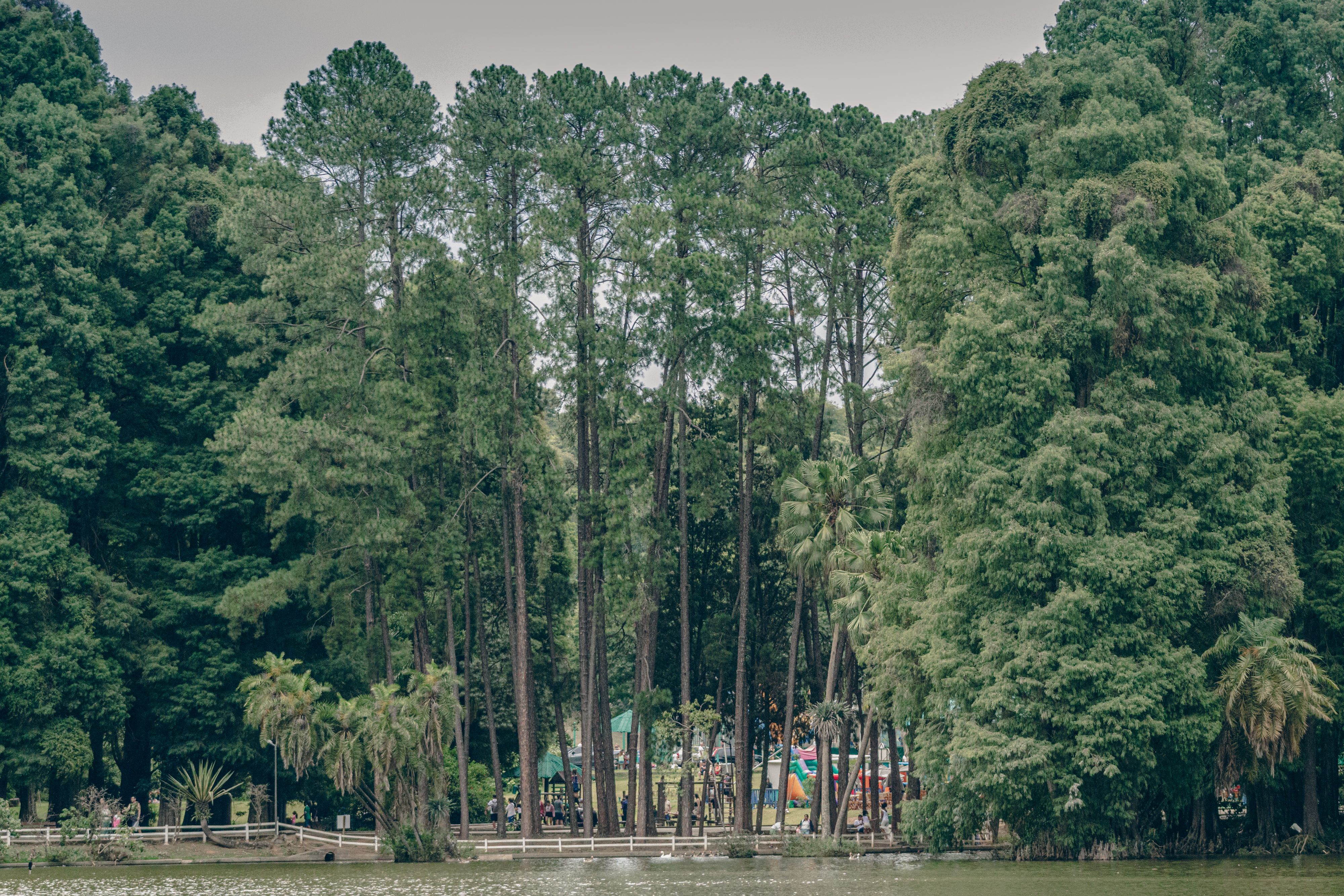
Head to Lago Negro, a small forest-ringed lake created after a fire, planted with imported German pines and, in season, blazing hydrangeas. It's a five-minute drive or a pleasant downhill walk from Centro, and the light near sunset is lovely.
Rent a swan pedal boat (around R$40 for a short spin) or simply loop the shaded path for about 20 minutes. The dark water and towering pines make it Gramado's most photographed spot, and it's quietest in the early evening.
There is one dinner Gramado insists you eat on a cold night: fondue. Most houses serve the full ritual of cheese, meat, and chocolate courses, and reservations are wise in July.
A beloved old-guard fondue and German restaurant run by the same family for decades, with hearty Swiss-style cheese and meat fondues plus schnitzel and marreco (roast duck). Cozy, candlelit, and deeply local. Expect roughly R$150-220 per person for the fondue menu.
A reliable central choice for the three-course fondue experience with generous portions and warm service. Handy if you want the classic without a long trek across town.

Mini Mundo, Snow Play & the Waterfalls of Canela
Caracol State Park · Luli Hata / CC BY-SA 4.0Fuel up before a full day of sights. Gramado does a mean coffee and a mightier café colonial (a groaning table of breads, cakes, and cured meats), though you'll want to save the latter for a leisurely late morning.
A polished cafe and patisserie for strong coffee and flaky pastries to start the day quickly. Central and dependable.
If you'd rather go big, the region's café colonial spread is a feast of house breads, jams, quiches, cured meats, and cakes for a fixed price (roughly R$90-130 per person). Come hungry; you likely won't need lunch.
Start with Gramado's family-friendly headline attractions, clustered near Lago Negro. Choose by mood: whimsical miniatures or an indoor snow park (a genuine novelty in Brazil).
A meticulously built miniature village of European buildings, working trains, and tiny rivers, charming for all ages. Allow about 1.5 hours; admission runs roughly R$70.
The Southern Hemisphere's first indoor snow park, with real snow, sledding, ice skating, and a snow bar. It's pricey (tickets around R$180-260) but a hit with kids and anyone who's never touched snow; book online to save.
Grab a hearty lunch before heading to the waterfalls. Gaucho barbecue is the regional soul food, served rodizio-style with endless skewers of grilled meat.
A traditional churrascaria serving the full rodizio parade of picanha, ribs, and sausages, often with live regional music. Filling and fun; budget around R$120-160 per person.
Drive about 15 minutes to neighboring Canela for its star sight: the Cascata do Caracol, a 130-meter waterfall plunging through the forest inside a state park.
The park frames the thundering falls from a panoramic platform, with a steep 927-step staircase down to the base for the energetic. Admission is around R$40-50. There's also an observation tower and forest trails; allow 1.5-2 hours.
If you have extra time and legs, the park's short forest walks and the nearby Parque da Ferradura canyon lookout reward you with big views over the Rio Cai valley. Best on a clear afternoon.
Back in Gramado, trade fondue for something a little different tonight, from wood-fired pizza to regional Italian cooking that reflects the area's settler roots.
Generous plates of handmade pasta and Serra Gaucha-Italian classics in a warm, family setting. A comforting break from the cheese-heavy fondue circuit; around R$90-140 per person.
A romantic spot known for both fondue and Alpine mains, with a fireplace-lit dining room that suits a cold July night. Reserve ahead in high season.

Vale dos Vinhedos Wine, Last Chocolate & Flight to Sao Paulo
Bento Gonçalves, Rio Grande do Sul · Various, see originals / CC BY-SA 4.0A relaxed morning coffee before you decide between a wine-country excursion and a slower amble through Gramado's shops. Either way, leave time to reach Porto Alegre for your afternoon flight.
A cozy stop for espresso and a warm pastry near the main avenue, ideal for planning the day over a strudel.
Spend the morning either sampling the wines that made the Serra Gaucha famous or picking up last-minute treats before the drive to the airport. Watch the clock: Porto Alegre is about two hours away.
Brazil's premier wine region sits about an hour from Gramado, where estates like Miolo and Casa Valduga pour sparkling wines and merlots amid rolling vineyards. A morning tasting and estate tour (roughly R$60-120) is a memorable send-off, though it works best if you're not rushing to an early flight.
If you'd rather stay close, browse Gramado's shops for chocolate and knitwear, or visit Le Jardin, a small lavender park on the edge of town with photogenic fields and lavender products. An easy, low-key morning before travel.
Have a final Serra Gaucha meal before the transfer, keeping it efficient so you can make your flight comfortably.
A long-running Swiss restaurant famous for raclette and fondue, a fitting farewell to Gramado's Alpine table. If time is tight, ask for the quicker lunch options.
Fly north to Sao Paulo and check into your hotel. The change of scale is dramatic: from a mountain village to a metropolis of skyscrapers stretching to the horizon.
The hop takes about 1 hour 40 minutes, with frequent daily flights on LATAM, GOL, and Azul. Congonhas (CGH) lands you closest to the Paulista and Jardins hotel zones; fares often run R$250-500 one way when booked ahead.
Ease into Sao Paulo with dinner near your hotel. The Jardins and Pinheiros neighborhoods put some of the city's best kitchens within a short ride.
Chef Jefferson Rueda's downtown temple to pork regularly ranks among the World's 50 Best Restaurants, serving inventive tasting menus and standout tartare. Walk-ins queue early; if you can reserve, do. Around R$250-350 per person.
A north-side legend elevating northeastern Brazilian home cooking (try the dadinhos de tapioca and mocoto stew) at fair prices and with a lively room. A more relaxed, wallet-friendly first night; around R$100-150 per person.

MASP, Avenida Paulista, Ibirapuera & Liberdade Flavors
São Paulo Museum of Art · Mauro Cateb / CC BY-SA 2.0Start with serious Sao Paulo coffee, a source of local pride. The Paulista and Jardins area has some of the country's best roasters.
Isabela Raposeiras's pioneering specialty cafe in Vila Madalena/Pinheiros helped launch Brazil's third-wave scene, with expertly pulled espresso and pour-overs. A pilgrimage for coffee lovers.
A stylish Jardins cafe good for a fuller sit-down breakfast, from eggs to pastries, with excellent coffee and a buzzy weekend crowd.
Devote the morning to Avenida Paulista, the city's grand two-kilometer boulevard, anchored by its most famous museum. If it's a Sunday, the avenue closes to cars and fills with cyclists and street performers.
Lina Bo Bardi's red-pillared museum floats above the avenue and holds the finest Western art collection in Latin America, displayed on famous glass easels. Admission is around R$70 (free on Tuesdays, when it's busiest); it's closed Mondays. Allow 1.5-2 hours.
Stroll the avenue past its landmark buildings to the small, dense Parque Trianon, a pocket of native Atlantic forest that offers a green breather across from MASP. Free and open daily.
Head to Sao Paulo's temple of food, the century-old Mercado Municipal, for its two legendary market snacks.
This grand 1933 market with stained-glass windows is famous for two things: the towering mortadella sandwich and the pastel de bacalhau (cod pastry), both best eaten upstairs at Hocca Bar or Bar do Mané. Expect around R$50-80 to feast; go early to beat the lunch crush.
Spend the afternoon in Ibirapuera Park, Sao Paulo's answer to Central Park, laced with Oscar Niemeyer buildings and excellent museums.
Rent a bike or simply wander the lakes, jogging paths, and Niemeyer-designed pavilions. It's free, open daily, and the city's favorite green escape; allow at least two hours.
Within the park, the Museu Afro Brasil traces the African contribution to Brazilian culture, while the compact MAM (Museum of Modern Art) rotates strong contemporary shows. Either is a rewarding 60-90 minutes; admission is modest (around R$30 or free on some days).
Dive into Liberdade, the historic Japanese and East Asian quarter with its red torii-style arches, lantern-lit streets, and some of the best Asian food in the Americas.
Sao Paulo has the largest Japanese community outside Japan, and Liberdade is its heart. A guided two-hour street-food walk unpacks the neighborhood's history while you graze on gyoza, temaki, and Japanese-Brazilian sweets. A tasty, low-effort way to eat like a local.
Round out the day with a Sao Paulo classic, from a buzzing pizzeria (the city rivals Naples for pizza obsession) to a refined Brazilian tasting.
One of the city's most loved pizzerias, with a thin-yet-pillowy crust and a warm neighborhood buzz. Paulistanos take pizza seriously, and Bráz is a reliable initiation; around R$60-90 per person.
A refined showcase of regional Brazilian cooking, from Amazonian fish to moqueca, in an elegant Jardins townhouse. A great choice if you want a deeper dive into the country's flavors; around R$150-220 per person.

Street Art in Vila Madalena & a Final Coffee Before Departure
Beco do Batman · Diego Bravo (Somente Coisas Legais) / CC BY-SA 4.0One last great Sao Paulo coffee before you pack up, ideally in the artsy Vila Madalena district where the morning is quietest.
A cheerful specialty cafe in Vila Madalena/Pinheiros with excellent flat whites and fresh bakes, a fine spot to plan your last morning.
A 24-hour Sao Paulo bakery institution near Paulista, loaded with breads, pao de queijo, and a full breakfast counter. Convenient and satisfying if you're staying central.
Cap the trip with Sao Paulo's most colorful corner before your midday departure. Vila Madalena is the city's street-art and gallery hub, walkable and camera-ready.
This maze of alleys is an ever-changing open-air gallery of world-class graffiti and murals, free to wander and best in the calmer morning hours. Give it 45-60 minutes, then browse the surrounding design shops.
If your flight is later, a small-group bike tour weaves past downtown landmarks and hidden corners with a local guide, covering ground you'd never see on foot. A fun, active finale before heading to the airport.
Have an early, unhurried lunch near Vila Madalena, then head to the airport (allow 45-70 minutes to Guarulhos in traffic).
A romantic garden restaurant tucked down a Vila Madalena lane, serving polished Brazilian and contemporary dishes. A gentle, memorable last meal; around R$120-180 per person.
For a truly Brazilian send-off, tuck into feijoada (the national black-bean-and-pork stew) at this classic boteco known for its cold chopp and old-school charm. Filling and festive; around R$80-120 per person.
Pick your base
Base yourself in Gramado's Centro, within walking distance of Rua Coberta, Lago Negro, and the chocolate shops, so you can wander back to your hotel after a long fondue dinner. The area around Avenida das Hortensias offers quieter, garden-set hotels a short drive or walk from the action.
A handsome timber-and-glass hotel wrapped in Atlantic forest near Lago Negro, with an indoor pool and easy walks into Centro. Excellent value for its comfort level and among the town's best-reviewed mid-range stays.
A reliable, centrally located hotel steps from Rua Coberta and the main chocolate strip, so you can leave the car parked. Modern rooms, breakfast buffet, and a great base for exploring on foot.
A large central hotel with indoor and outdoor pools, a spa, and family rooms, right on Avenida Borges de Medeiros. Kids-friendly amenities and a location that puts everything within a short stroll.
A friendly, Swiss-themed guesthouse with a cozy breakfast and warm rooms, a good-value pick a short walk or drive from Centro. Ideal if you want charm without the resort price tag.
Gramado's most celebrated splurge, home to the acclaimed chef Renata Vanzetto's fine dining and a spa, with polished French-château styling. Book well ahead in winter high season.
A comfortable, well-run hotel directly on Avenida Paulista with easy metro access and MASP within walking distance. A dependable, well-located mid-range base for first-timers.
A smart, good-value hotel in the Berrini/Itaim business belt with generous rooms and a pool, often at very reasonable rates on weekends. Best if you're happy to use app cars to get around.
Spacious rooms, a pool, and a quiet-yet-central location near Faria Lima make this a solid family or longer-stay pick, with restaurants and a mall close by.
The city's most iconic splurge, set in the landmark Cidade Matarazzo complex with a Jean Nouvel-designed tower, gardens, and superb restaurants and spa. A destination in itself if you want one special night.
Good to know
How many days do you need in Gramado?
Two to three days is ideal for Gramado. That gives you time for the town's chocolate shops, Lago Negro, and Mini Mundo, plus a half-day trip to Canela's waterfalls and, if you like wine, a morning in the nearby Vale dos Vinhedos.
What is the best time to visit Gramado?
Winter (June to August) is peak season, when temperatures can drop near freezing and the town leans into its Alpine, fondue-and-fireplace atmosphere. The famous Natal Luz Christmas festival runs from roughly late October through January and is the busiest, most decorated period; spring brings blooming hydrangeas.
How do you get from Gramado to São Paulo?
Drive or transfer about two hours from Gramado to Porto Alegre's Salgado Filho Airport, then fly roughly 1 hour 40 minutes to Sao Paulo. LATAM, GOL, and Azul run frequent daily flights; Congonhas (CGH) is the most central Sao Paulo airport, while Guarulhos (GRU) handles international routes.
Is two days enough for São Paulo?
Two days lets you cover the highlights: MASP and Avenida Paulista, Ibirapuera Park, the Mercado Municipal, Liberdade, and Vila Madalena's street art. To add museums like the Pinacoteca, more of the dining scene, or a day trip to Santos or Campos do Jordao, plan on three or four days.
What is the best area to stay in São Paulo for first-time visitors?
Avenida Paulista and the adjacent Jardins district are the best first-time base, with central location, walkable museums and restaurants, and good metro access. Pinheiros and Vila Madalena suit travelers wanting a livelier bar and gallery scene.
Is São Paulo expensive?
Sao Paulo is Brazil's priciest city but still generally affordable for many international visitors. Street snacks and botecos are cheap, while the celebrated fine-dining restaurants and top hotels can be world-priced; using metro and app cars keeps transport costs low.
This five-day loop captures two Brazils that couldn't feel more different: the wool-and-chocolate cheer of Gramado in its cold mountain winter, and the roaring, delicious energy of Sao Paulo. You'll go from swan boats on a pine-ringed lake to glass-easel masterpieces on Avenida Paulista, and eat exceptionally well the whole way. Pack layers, book the fondue houses and top restaurants ahead, and let the contrast be the point.