
Adventurous 3 Days in Mumbai: Street Food, Seafronts, and Ancient Caves
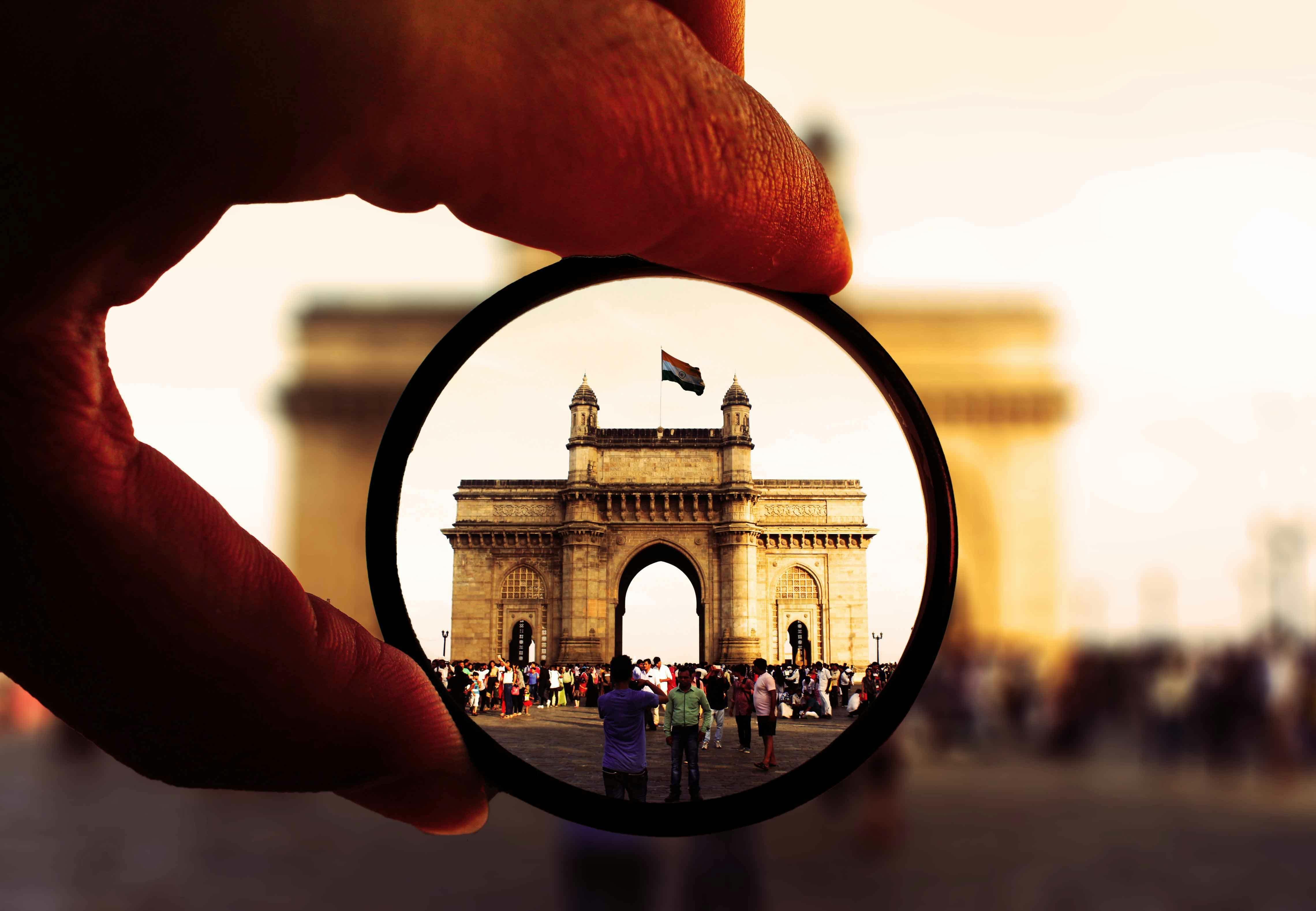
Mumbai, India’s “City of Dreams,” grew from a cluster of fishing islands into a pulsating Arabian Sea port and the nation’s financial and film capital. Its skyline blends Gothic Revival and Art Deco with glass towers; its streets hum with dabbawalas delivering tiffins with near-perfect accuracy. In three days, you can sample historic sites, vibrant markets, coastal promenades, and a ferry to ancient caves—without losing the thread of everyday life that makes the city unforgettable.
Expect big flavors: Parsi cafés, Mangalorean seafood, buttery kebabs, and legendary vegetarian thalis. Neighborhoods like Colaba, Kala Ghoda, Fort, Bandra, and Matunga each carry their own rhythm—street art walls, indie boutiques, or century-old cafés where bun-maska meets strong Irani chai. Mumbai rewards early risers and night owls alike, from dawn fish auctions to its necklace of lights along Marine Drive.
Practical notes: November–March brings balmy weather; June–September monsoon can disrupt ferries (including Elephanta). Carry small cash for snacks and autorickshaws (digital payments are common, but not universal). Dress modestly for religious sites, keep valuables secure in crowds, and ride local trains off-peak for a slice of everyday Mumbai.
Mumbai
Home to the Gateway of India, the UNESCO-listed Chhatrapati Shivaji Terminus, and Bollywood, Mumbai is a world city stitched together by trains, taxis, and hardworking harbor breezes. It’s also endlessly local—Irani bakeries at dawn, cricket in the maidans, sunset walks on Marine Drive, and neighborhood food legends passed down for decades.
- Top sights: Gateway of India, Marine Drive, Colaba Causeway, Kala Ghoda art district, CSMT, Dhobi Ghat, Haji Ali Dargah, Worli Sea Face.
- Neighborhoods to roam: Fort/Kala Ghoda for museums and heritage, Colaba for markets and seafront, Bandra for street art and cafés, Matunga for South Indian tiffin houses.
- Don’t miss flavors: Parsi berry pulao, butter garlic crab, vada pav, dosa, misal pav, pani puri, and seasonal Alphonso mango ice cream.
Where to stay (mid-budget friendly picks first, price ranges fluctuate by season):
- Hotel Residency Fort (walkable to Kala Ghoda and CSMT; great value heritage rooms): Check availability
- Hotel Residency Andheri (airport/Andheri access, business-friendly pricing): Check availability
- Novotel Mumbai Juhu Beach (sunsets and seaside strolls; good for families): Check availability
- The Westin Mumbai Garden City (Goregaon business hub with greenery views): Check availability
- The Oberoi, Mumbai (sleek bay views on Marine Drive): Check availability
- The Taj Mahal Palace, Mumbai (icon by the Gateway of India): Check availability
- Browse more stays on Hotels.com: Mumbai hotels or discover apartment-style stays on VRBO: Mumbai vacation rentals
Getting to Mumbai (BOM): For international and domestic flights, compare fares on Trip.com Flights and Kiwi.com. From the airport (T2), pre-paid taxis or app-based cabs to South Mumbai take ~60–90 minutes in traffic (often INR 600–1,000). If you’re continuing in India by rail, check Trip.com Trains for schedules.
Day 1: Fort, Colaba, and the Arabian Sea Welcome
Morning: Travel day. If you arrive early, stretch your legs in Kala Ghoda’s heritage lanes and grab an espresso and eggs at Kala Ghoda Café (tiny art-lined space) or a hearty vegetarian breakfast at The Nutcracker nearby. If you’re checked in by late morning, pop into the Chhatrapati Shivaji Maharaj Vastu Sangrahalaya (Prince of Wales Museum) for a curated sweep of Indian art and antiquities.
Afternoon: Settle in and jump-start your orientation with this efficient, guide-led overview:
Private Half-Day Sightseeing Tour in Mumbai — a 5-hour highlights hit list (Gateway of India, CST, Dhobi Ghat, Crawford Market; often under $50 per person in a small group). Pickup from your hotel makes it easy post-flight.

Food break ideas nearby: Shree Thaker Bhojanalay (Kalbadevi) for a lavish Gujarati thali with endless refills; or Trishna (Fort) for butter garlic crab and Mangalorean seafood classics. For something quick and iconic, slide into Leopold Café or Café Mondegar (Colaba) for draught beer, chili cheese toast, and a front-row seat to people-watching.
Evening: Watch sunset at Marine Drive—the “Queen’s Necklace” when lit at night—and wander to Girgaum Chowpatty for bhel puri and kulfi. For dinner, choose Bademiya (Colaba) for smoky seekh kebabs and roomali rotis served from a bustling streetside grill, or Khyber (Kala Ghoda) for North Indian tandoori specialties in a heritage setting. Nightcap: Dome at InterContinental Marine Drive for skyline views, or an ice-cream finale at Naturals (seasonal Alphonso is legendary).
Day 2: Dawn-to-Dusk Adventure — Markets, Dharavi, and Bandra
Morning: Rise before the city and see how Mumbai wakes up:
The Original Mumbai by Dawn — a 3-hour insider circuit through the newspaper sorting, flower markets, and Sassoon Docks fish auctions (recommended by noted food writers and travel magazines; early pickup around 5am).

Post-tour breakfast: Kyani & Co. (Marine Lines) for bun-maska with Irani chai, or Sassanian Boulangerie (Marine Lines) for khari biscuits and akuri (spiced scrambled eggs). Coffee lovers can detour to Subko in Bandra for single-origin pours later in the day.
Afternoon: Meet local guides for a respectful, eye-opening walk in Dharavi (Asia’s most industrious neighborhoods, known for recycling, leather, potteries, and resilient community networks):
Dharavi slum tour in Mumbai by Female tour guides of the slum — an empowering perspective led by women who live there; follow photography guidance and dress modestly.

Lunch options close by: swing to Matunga for South Indian comfort—Cafe Madras (idli, ghee podi dosa), Ram Ashraya (rasam vada, pineapple sheera), or the iconic filter coffee at Anand Bhavan. If you head Bandra way, Elco Pani Puri is a hygienic street-food fix with crisp pani puri and sev puri.
Evening: Seek sea breezes at Bandra Fort and the amphitheater-like steps of Bandstand, or stroll the Carter Road promenade for sunset. Dinner in Bandra: Pali Village Café (rustic European plates), Bombay Salad Co. (light, fresh bowls), or Persian Darbar (rich North-West Frontier gravies). For craft beer, try Toit in Lower Parel or Effingut in Colaba; for live music, keep an eye on programming at NCPA (Nariman Point) and neighborhood venues.
Day 3: Elephanta Caves, Kala Ghoda Strolls, and Souvenir Hunting
Morning: Boat out to 1,500-year-old rock-cut temples dedicated to Shiva on Gharapuri (Elephanta) Island. Ferries generally run 9am–2pm from the Gateway of India; the crossing is ~1 hour each way (round-trip tickets usually INR 220–300; monsoon can cause suspensions; Caves are closed on Mondays). Stairs are steep; bring water and mind the macaques.
Go with a guide to decode the carvings and mythology:
Elephanta Caves Exploration: Guided Tour with Ferry Experience — includes the ferry experience and expert interpretation; expect a modest archaeological site fee on arrival.

Afternoon: Back in Colaba, refuel with Parsi staples: Jimmy Boy (berry pulao, salli boti) or a late lunch at Mahesh Lunch Home (butter pepper garlic prawns, neer dosa). Then browse Colaba Causeway for trinkets (bargain kindly) and wander into Kala Ghoda’s indie galleries and design stores. Coffee and cake stop: Theobroma for brownies or the airy croissants at Mag St. Bread Co. in Colaba.
Evening: If you have time before your flight, close with the Arabian Sea: a gentle walk down the promenade at Worli Sea Face or sunset back at Marine Drive. For a last supper, The Bombay Canteen (Lower Parel) reimagines regional Indian dishes with seasonal produce, while O Pedro (BKC) channels Goa with choriz pav and bebinca. Prefer budget-forward? Hit Sarvi (Byculla) for legendary seekh kebabs or Swati Snacks (Tardeo) for panki and farsan.
Optional add-ons if you extend your stay or swap a half-day:
- Bollywood insider experience at a working studio for film buffs.
- Sanjay Gandhi National Park and Kanheri Caves trek for nature and basalt cave architecture (go early to avoid heat).
Budget tips for Mumbai (aimed at your mid-level budget 50/100): Mix heritage cafés and thali houses with one seafood splurge; use app cabs or local trains off-peak (first-class upgrades are modest); group sights by neighborhood to reduce transit costs; and pre-book ferries/tours for time savings.
Quick safety and etiquette notes: Keep valuables zipped in markets; ask before photographing people (especially on the Dawn and Dharavi walks); shoulders/knees covered for religious sites; carry a light scarf; and pack a small power bank for maps and tickets.
Bookable Experiences Featured Above
- Private Half-Day Sightseeing Tour in Mumbai (great for day-one orientation).
- The Original Mumbai by Dawn (early-morning markets and docks).
- Dharavi slum tour by female guides (community-led insight, respectful photography policy).
- Elephanta Caves Guided Tour with Ferry (mythology meets ancient stonework).
Images for the featured activities:
Getting around each day: Use metered kaali-peeli taxis within South Mumbai; autorickshaws run north of Bandra only. The Mumbai local train first-class coach is worth it for comfort; avoid peak rush 8–10am and 6–8pm. For airport transfers and intercity flights, compare on Trip.com Flights or Kiwi.com; for onward trains in India, check Trip.com Trains.
In three adventurous days, you’ll trace Mumbai’s story from colonial arches to living markets and sea-lashed promenades. With dawn markets, Dharavi’s industrious lanes, and a ferry to Elephanta’s ancient carvings, this plan balances bold flavors, big views, and local life—leaving you with time to wander, snack, and watch the city glow at sunset.