
A Relaxing 21-Day Japan Itinerary: Tokyo, Kyoto, and Hiroshima for Gardens, Shrines, Food, and Coffee
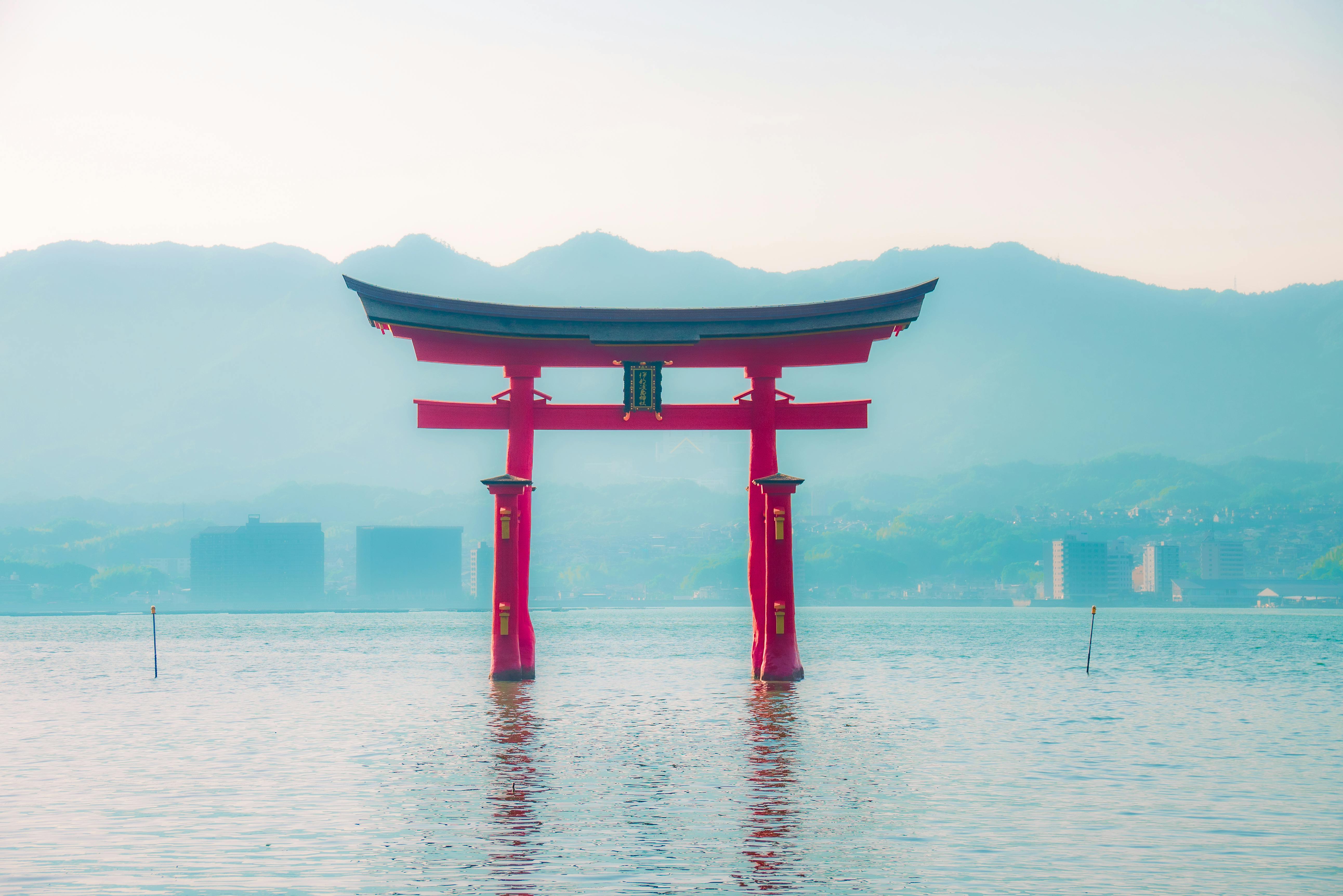
Japan rewards the unhurried traveler. From Edo-era alleyways and lantern-lit shrines to avant‑garde art and seasonal gardens, the country harmonizes old and new with quiet confidence. Across three weeks, you’ll sip precise pour-overs, wander temple moss gardens, and enjoy markets where chefs and grandmothers shop side by side.
Tokyo hums with energy yet hides pockets of calm: riverside teahouses, strolling gardens, and backstreets where cats sun themselves on wooden porches. Kyoto is the spiritual heart—shrines in cedar forests, tea culture refined over centuries, and craft traditions you can feel in your hands. Hiroshima offers reflection, graceful gardens, and the island sanctity of Miyajima.
Practicalities are refreshingly simple: tap-to-pay IC cards, punctual trains, and cuisine for every budget. Tipping isn’t customary. Cash is still useful (7‑Eleven ATMs are reliable), and early mornings make even famous sights serene. Pack comfortable shoes, a light layer for temple interiors, and your curiosity.
Tokyo
Tokyo is a delicious contradiction—neon and night markets balanced by hushed gardens and shrine groves. You’ll base here first to settle in, enjoy world-class museums, sample regional foods, and explore neighborhoods at a relaxed pace.
Arrival & getting around: Fly into Haneda (shorter transfer) or Narita. Compare fares on Trip.com Flights and Kiwi.com. Haneda to central Tokyo is ~20–35 minutes by monorail or Keikyu (~$4–$7). Grab a Suica/PASMO IC card and you’re set for trains and most shops.
Where to stay (mid-range with a few splurges):
- Browse apartments and homes on VRBO Tokyo or hotels on Hotels.com Tokyo.
- Hotel Gracery Shinjuku (Godzilla-topped tower, steps to food alleys): Book here.
- Hotel Sunroute Plaza Shinjuku (excellent transit access, reliable comfort): Book here.
- Keio Plaza Hotel Tokyo (rooms with views, easy to explore): Book here.
- Splurge: The Peninsula Tokyo (Imperial Palace-side polish): Book here.
Days 1–3: Asakusa, Ueno, and Old Tokyo ease
- Sensō‑ji & Asakusa backstreets: Enter through Kaminarimon’s lantern, then slip into lanes like Hoppy-dori for yakitori and low-key snacks. Seek quiet at Asakusa Shrine behind the main hall.
- Ueno Park & Museums: Visit the Tokyo National Museum (samurai armor to tea ceramics), then stroll Shinobazu Pond. For a green respite, detour to Yanaka—old wooden houses, tiny galleries, and cats lazing on stoops.
- Garden & tea: Koishikawa Korakuen’s circuit path wraps around ponds and maple groves—golden in autumn, tender green in spring. Pause for matcha at a teahouse with garden views.
Cafés & eats: Kayaba Coffee (retro kissaten classics), Koffee Mameya Kakeru (serious beans, tasting-style flights), and Onibus Coffee Nakameguro. Lunch at Ueno’s Inshotei (kaiseki bento in the park). Dinner at Toriyoshi (yakitori) or Tempura Kondo (advance booking).
Days 4–6: Shibuya, Harajuku, and bayside calm
- Meiji Jingu & Yoyogi Forest: Arrive early for birdsong under towering cedars. Continue to Omotesandō’s architecture and boutiques; the Nezu Museum’s garden is a jade oasis after its sleek galleries.
- Shibuya Crossing: Best viewed from an upper-floor lookout, then wander Nonbei Yokocho’s lantern-lit alleys. For a foodie deep-dive, consider the guided tastings below.
- Hamarikyu Gardens: Tidal ponds, duck blinds from samurai days, and a teahouse on the water. Pair with the Sumida riverboat to Asakusa.
- Odaiba evening: Sea breeze promenades and illuminated bridges. Cap the night with immersive art (see below).
Cafés & eats: Blue Bottle Aoyama (airy, refined), Fuglen (Scandi‑Japanese café/bar), and About Life Coffee. Lunch: Maisen Aoyama (butter-soft tonkatsu). Dinner: Uoriki Kaisen Shibuya (market-fresh sushi) or Afuri (yuzu-shio ramen, lighter and aromatic).
Days 7–9: Markets, gardens, and a Mt. Fuji/Hakone day
- Toyosu tuna auction & Tsukiji Outer Market: Witness the predawn choreography of Japan’s seafood trade, then graze on tamagoyaki, grilled scallops, and tuna cutlets at Tsukiji’s lively stalls.
- Rikugien or Kiyosumi Gardens: Both are sublime for slow laps around ponds and maples. Kappabashi’s kitchen street is nearby for knives, ceramics, and bambooware to bring home.
- Day trip—Fuji/Hakone: Lakeside Fuji views, a shrine torii by the water, and onsen steam curling into cedar forests. Return by bullet train for convenience.
Cafés & eats: Ivy Place (leafy brunch in Daikanyama), Little Nap Coffee Stand (Yoyogi Park edge), and Glitch Coffee. Try depachika food halls (Isetan Shinjuku or Tokyu Food Show) for picnic feasts.
Bookable experiences in Tokyo (relaxing and foodie‑friendly):
-
1-Day Tokyo Bus Tour

1-Day Tokyo Bus Tour on Viator Covers Meiji Shrine, Skytree admission, a matcha moment, and a bay ferry—great first-day overview with minimal logistics.
-
Team Lab Planets Tokyo Timed Entry Admission Ticket

Team Lab Planets Tokyo Timed Entry Admission Ticket on Viator Walk barefoot through living light and water—transporting yet restful. Evening entries feel especially dreamy.
-
Complete Tuna Auction & Toyosu Fish Market Tour

Complete Tuna Auction & Toyosu Fish Market Tour on Viator Insider access to the auction and expert-led tastings—perfect for food lovers.
-
Mt Fuji and Hakone 1-Day Bus Tour Return by Bullet Train

Mt Fuji and Hakone 1-Day Bus Tour Return by Bullet Train on Viator Classic Fuji views, lake cruising, and an easy Shinkansen return—maximum scenery with minimal effort.
Travel to Kyoto: Morning Shinkansen from Tokyo Station to Kyoto Station in ~2 hr 20 min (Nozomi). Reserved seat ~¥14,000–¥15,000 (~$95–$105). Check schedules and book on Trip.com Trains.
Kyoto
For a thousand years, Kyoto was Japan’s capital—and it still feels like its soul. Walk through vermilion torii at dawn, taste matcha where tea ceremony was refined, and linger in temple gardens that change color with the seasons.
Where to stay (great mid-range choices, with a splurge):
- Browse stays on VRBO Kyoto or hotels on Hotels.com Kyoto.
- Hotel M’s Plus Shijo Omiya (value, transit handy): Book here.
- Kyoto Tokyu Hotel (quiet, refined rooms near Nishi Hongan-ji): Book here.
- Piece Hostel Sanjo (stylish, social, wallet-friendly): Book here.
- Splurge: The Ritz‑Carlton, Kyoto (riverfront serenity): Book here.
Days 10–12: Higashiyama, Gion, and temple gardens
- Kiyomizu‑dera: Approach via Sannenzaka and Ninenzaka’s preserved streets. The veranda floats over hills; Jishu Shrine (love stones) sits behind the main hall.
- Yasaka Shrine → Maruyama Park → Chion‑in: A graceful garden stroll linking shrine, pond, and grand temple gates.
- Heian Jingu Garden: Stroll stepping stones over carp‑filled ponds; cherry and iris seasons are exquisite.
- Gion twilight: Lanterns glow along Shirakawa Canal. Keep voices low; this is a residential district with long traditions.
Cafés & eats: % Arabica Higashiyama (espresso with pagoda views), Ippodo Tea (guided tastings), and Walden Woods Kyoto (minimalist coffee temple). Lunch: Omen Kodai-ji (udon and mountain veg). Dinner: Tempura Endo Yasaka (light, crisp) or Gion Nanba (seasonal kaiseki, book ahead).
Days 13–15: Arashiyama, Zen stones, and moss
- Arashiyama morning: Tenryū‑ji’s pond garden is a masterwork; enter the bamboo grove via the temple to beat crowds. Okochi Sanso Villa’s hilltop stroll garden is hushed and scenic.
- Ryoan‑ji (rock garden contemplation) and Kinkaku‑ji (Golden Pavilion mirrored in its pond). Nearby Ninna‑ji adds five-storied pagodas and quiet grounds.
- Philosopher’s Path: A canal-side walk linking Ginkaku‑ji and Nanzen‑ji, dotted with artists’ studios and small shrines.
Cafés & eats: % Arabica Arashiyama riverside, Arabica’s beans shine with mountain air. Try yudōfu (silken tofu hotpot) near Nanzen‑ji, Katsukura (lean, crunchy tonkatsu), and Honke Ōwariya (centuries-old soba).
Days 16–17: Fushimi Inari, Uji tea, or a Nara day trip
- Fushimi Inari Taisha: Arrive by sunrise to walk through tunnels of vermilion gates and quiet forest shrines. Nearby Tofuku‑ji offers maple valley bridges and a checkerboard Zen garden.
- Uji (half‑day): Byōdō‑in’s Phoenix Hall and top-grade matcha tastings along Byōdō‑in Omotesandō.
- Nara day trip (gentle pace): Tōdai‑ji’s Great Buddha, then Isuien and Yoshikien gardens—some of the loveliest strolling gardens in Japan.
Cafés & eats: Vermillion e (espresso with torii views), Weekenders Coffee Roastery (courtyard calm). Try Mimikōu (curry udon) or Menbaka Fire Ramen (theatrical, fun). Pick up wagashi (seasonal sweets) near Gion for an afternoon garden break.
Bookable experiences in Kyoto (culture-forward, relaxing):
-
PERFECT KYOTO 1-Day Bus Tour

PERFECT KYOTO 1-Day Bus Tour on Viator Hits major shrines and temples efficiently—ideal early in your stay to orient your own slower returns.
-
KYOTO Tea Ceremony with kimono near by Imamiya Jinjya Shrine

KYOTO Tea Ceremony with kimono near by Imamiya Jinjya Shrine on Viator Intimate instruction in a serene setting—an elegant pause amid temple days.
-
Kyoto Highlights Private Tour with Local driver (guide option)

Kyoto Highlights Private Tour with Local driver (guide option) on Viator Customize a calm day between gardens and shrines without navigating buses—perfect for a “light logistics” day.
Travel to Hiroshima: Morning Shinkansen from Kyoto to Hiroshima in ~1 hr 45 min–2 hr (Sakura/Nozomi). Reserved seat ~¥11,000–¥13,000 (~$75–$90). Check times on Trip.com Trains.
Hiroshima
Hiroshima’s heart is resilience. You’ll reflect at Peace Memorial Park, recover calm in Shukkeien’s classic garden, and savor soul-warming okonomiyaki. A short ferry ride transports you to Miyajima’s sacred torii and maple valleys.
Where to stay (central and scenic picks):
- Search the city on Hotels.com Hiroshima.
- Sheraton Grand Hiroshima (steps from station, easy day trips): Book here.
- RIHGA Royal Hotel Hiroshima (spacious rooms near the castle): Book here.
- Grand Prince Hotel Hiroshima (bay views, resort feel): Book here.
- Budget: Santiago Guesthouse Hiroshima (friendly base): Book here.
Days 18–19: Peace Park reflection, gardens, and local bites
- Hiroshima Peace Memorial Museum & Park: A thoughtful, sobering visit that honors memory and advocates peace. Stroll the Cenotaph, A‑Bomb Dome, and quiet riverside paths.
- Shukkeien Garden: A feudal‑era strolling garden: tea arbors, miniature valleys, and arched bridges—ideal for a slow lap and a bench break.
- Hiroshima Castle: A reconstructed keep amid a moat and maple trees; museum exhibits offer local samurai history.
Cafés & eats: Obscura Coffee Roasters (Hondōri), 1/8 hachi (hand-drip focus), and Akam Coffee Works. Dinner: Hiroshima‑style okonomiyaki at Nagataya (near Peace Park) or Micchan Sohonten. For spice, try Bakudanya’s Hiroshima tsukemen (dipping noodles).
Day 20: Miyajima—shrine, maples, and mountain views
- Itsukushima Shrine: The torii appears to float at high tide; at low tide you can walk to its base. Boardwalks creak softly over the sea—a sensory memory to keep.
- Daishō‑in Temple and its forest paths, then the ropeway to Mt. Misen for inland sea panoramas.
- Momijidani Park: Maple-lined streams and photo‑ready bridges; gorgeous in autumn, serene year‑round.
Cafés & eats: Sarasvati (Miyajima coffee den) and Kakiya (grilled oysters, a local pride). Snack on momiji manju (maple‑leaf cakes) from Yamadaya.
Optional guided day (covers city and Miyajima efficiently):
-
Hiroshima and Miyajima Private Guided Tour

Hiroshima and Miyajima Private Guided Tour on Viator Thoughtful narratives, efficient routing, and time to breathe at each stop.
Day 21: Easy finish and return
- Slow morning in Hondōri’s arcades or one last tea in Shukkeien’s shade.
- Return options: Bullet train to Tokyo (~4 hr; ~¥18,000–¥20,000) via Trip.com Trains, or a short flight to Haneda (~1.5 hr—compare on Trip.com Flights or Kiwi.com).
Garden & Shrine Highlights (for your “garden shrine” theme)
- Tokyo: Rikugien, Koishikawa Korakuen, Hamarikyu Teien, Meiji Jingu forest, Kiyosumi Garden.
- Kyoto: Kiyomizu‑dera, Heian Jingu Garden, Tenryū‑ji, Okochi Sanso, Ryoan‑ji, Kinkaku‑ji, Ginkaku‑ji, Nanzen‑ji, Fushimi Inari, Tofuku‑ji, Byodō‑in (Uji).
- Hiroshima & Miyajima: Shukkeien Garden, Itsukushima Shrine, Daishō‑in, Momijidani Park.
Budget notes for a mid-range (50/100) trip
- Meals: Breakfast $5–$12 (bakeries, kissaten), lunch $8–$15 (noodles, set meals), dinner $15–$35 (izakaya, tonkatsu); splurge nights $60–$120 (kaiseki/tempura).
- Transit: IC card for metros/buses; Shinkansen point-to-point seats typically ¥11,000–¥20,000 per long leg—reserve seats for comfort.
- Coffee: Expect $3–$6 for espresso-based drinks; tea tastings $6–$15.
Across 21 days, you’ll collect quiet moments—cricket song in a temple cloister, steam from an onsen valley, lanterns winking on along old canals. With Tokyo’s buzz, Kyoto’s grace, and Hiroshima’s heart, this itinerary balances gardens and shrines with cafés and cuisine—an easy rhythm you’ll want to keep.