
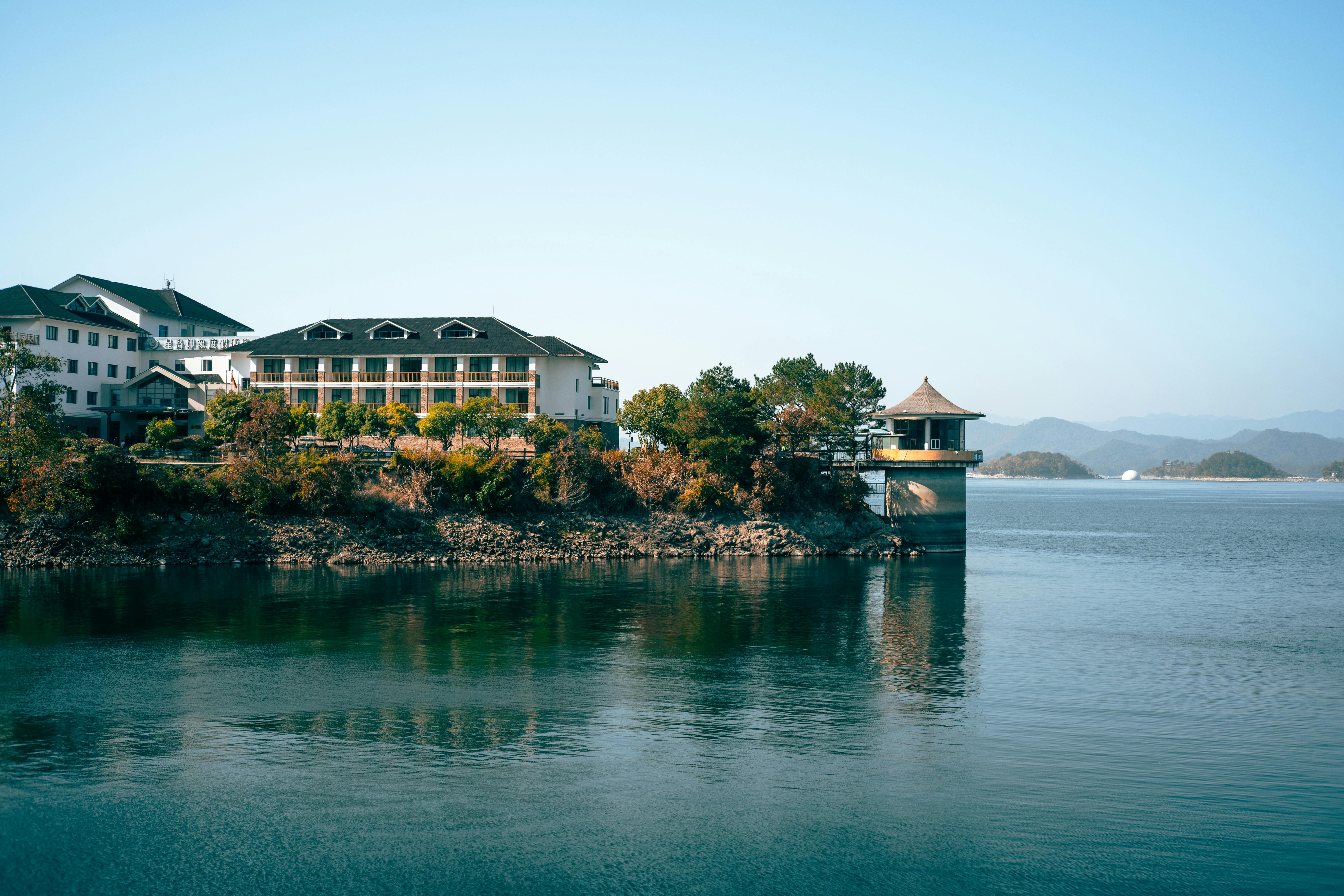
Hangzhou, capital of Zhejiang and storied gateway to the Yangtze Delta, has inspired poets since the Southern Song (1127–1279) moved their court here. Its star, West Lake (Xī Hú), is a living landscape painting: pagodas and willow isles mirrored in soft water. Marco Polo reputedly called Hangzhou “the finest and most splendid city in the world”—hyperbole perhaps, but step onto the lakeside causeways at dawn and you’ll understand the sentiment.
Beyond the lake, limestone grottos chisel Buddhist tales into Feilai Peak, tea bushes staircase the hills of Longjing, and the world’s longest ancient canal threads past stone bridges and craft museums. Modern Hangzhou hums too: a sleek metro, shimmering towers in Qianjiang New Town, and restaurants that refresh classics like West Lake vinegar fish and Dongpo pork.
Practical notes: Spring and autumn shine; June’s “plum rains” can be soggy. Taxis are plentiful, metros are clean, and digital payments (Alipay/WeChat) now accept most international cards. Museums often close Mondays; tap water isn’t potable. Pack comfy walking shoes—you’ll earn every cup of tea.
Hangzhou
Why go: West Lake sunsets, temple bells in bamboo groves, mist-wreathed tea terraces, a Grand Canal lined with artisans, and refined Zhejiang cuisine.
- Icons: West Lake, Lingyin Temple & Feilai Feng grotto carvings, Leifeng Pagoda, China National Tea Museum, Xixi National Wetland Park, Grand Canal at Gongchen Bridge.
- Flavors: Longjing tea shrimp, Dongpo pork, West Lake vinegar fish, Beggar’s Chicken, osmanthus-scented sweets.
- Stay close to: Gushan/Hubin for lake views; Nanshan Road for strollable nightlife; Wulin for shopping/metro convenience; Qianjiang CBD for skyline and rooftop bars.
Where to stay (curated areas + search): For lakeside ambience, look around Hubin and Gushan; for sleek high-rises and rooftops, try Qianjiang New Town; for quieter nights, consider tea-village guesthouses near Longjing/Meijiawu. Browse stays on VRBO Hangzhou or hotels via Hotels.com Hangzhou.
How to get here: Fly into Hangzhou Xiaoshan (HGH) from major Asian hubs (about 1–3 hours from Shanghai, Shenzhen, Hong Kong; 2–2.5 hours from Beijing). Search flights on Trip.com flights or Kiwi.com. From Shanghai, bullet trains (G/D class) run 45–70 minutes to Hangzhou East, typically ¥70–100 second class; check schedules on Trip.com trains.
Day 1: Arrival, First Light on West Lake, and Night Spectacle
Morning: Travel to Hangzhou. If flying to HGH, the metro (Line 1 or Line 19, 30–50 minutes into town) or a taxi (35–60 minutes, traffic permitting) will get you to your hotel. If coming by high-speed rail, Hangzhou East Station is on multiple metro lines. Drop bags, freshen up.
Afternoon: Introduce yourself to West Lake along the Hubin lakeside promenade. Walk north toward Gushan Island for breezes and willow shade; detour to the Su Causeway if time allows. Consider a battery-boat cruise (about 45–60 minutes; ~¥55–150 depending on route)—it’s the easiest way to grasp the lake’s scale and spot pagodas and pavilions without racing around.
Evening: Dinner at Lou Wai Lou (楼外楼) on Gushan, a 19th‑century Hangzhou institution famed for West Lake vinegar fish (sweet-tangy, silky grass carp), Longjing tea shrimp, and tender Dongpo pork. Prefer something more casual? Grandma’s Home (外婆家) has multiple branches near Hubin with affordable classics—expect lines, but the red-braised pork and scallion tofu are worth it. Cap the night with the open‑air water show “Enduring Memories of Hangzhou” on the lake (check seasonal schedules; weather dependent; typical seats ~¥280–480) or, on non-show nights, catch the West Lake Musical Fountain near Lakeside 3/4 for a quick, free spectacle.
Coffee/Drinks: Grab a late-day flat white at Manner Coffee (Hubin) or a matcha-forward latte at % Arabica (near Hubin). Nightcap with skyline views at Forty8 atop Park Hyatt in Qianjiang New Town—craft cocktails and a glittering riverfront panorama.
Day 2: Temples, Grottos, and Longjing Tea Villages
Morning: Breakfast at Zhi Wei Guan (知味观, Hubin)—order the signature “cat’s ear” pasta (面疙瘩) in broth and Hangzhou-style wontons. Then head to Lingyin Temple (founded 328 CE), one of China’s most venerable Buddhist temples. Before the main halls, wander Feilai Feng to see 10th–14th‑century limestone grotto carvings of Buddhas and bodhisattvas tucked into mossy niches. Allow 2–3 hours; combined scenic/temple tickets generally total ~¥70–100.
Afternoon: Taxi 15 minutes into the emerald hills of Longjing Village or Meijiawu. Eat amid terraces at Longjing Manor (龙井草堂)—try tea-smoked chicken, bamboo shoots with ham, and a delicate plate of Longjing tea shrimp. Visit a family-run tea farm to learn pan-firing: spring harvests are the most aromatic; tasting flights help decode varying grades. Stop by the China National Tea Museum (free) to see antique tea ware and terroir exhibits, then brew a cup with mountain spring water.
Evening: Return lakeward via Nanshan Road for an artful dinner at Jin Sha (金沙厅) in the Four Seasons—polished Zhejiang cuisine, notably crispy river eel and seasonal river prawns. On a lighter budget, Green Tea (绿茶餐厅) near West Lake serves playful takes (crispy pork in bamboo tubes, claypot fish) with soothing interiors. Finish with a stroll beneath gingko trees along Nanshan Road.
Cafés/Tea: Pause at a tea village courtyard café for Longjing latte or classic gongfu service; many farms offer tastings for ~¥40–80. If you crave espresso, Seesaw Coffee has a smooth Ethiopia-natural pour-over to offset all that tea.
Day 3: Grand Canal Crafts, Xixi Wetland, and a Skyline Night
Morning: Ride to the Grand Canal near Gongchen Bridge, where warehouses have become studios and museums. Step into the China Fan Museum and China Umbrella Museum to see artisans fold bamboo ribs into delicate, painted works (plan 1.5–2 hours). Explore the stone lanes for calligraphy shops and snacks—osmanthus rice cakes and sesame candies are local staples.
Afternoon: Taxi 25–35 minutes to Xixi National Wetland Park, a tapestry of creeks, reed beds, and rustic villages. Take a punt-style boat (common routes 60–90 minutes; ~¥80–150) and stroll wooden boardwalks looking for kingfishers. It’s a serene counterpoint to the lake—quieter, wilder, ideal for photographers.
Evening: Dine at 28 HuBin Road (in the Hyatt Regency), loved for refined versions of classics: Su-style braises, sweet-sour mandarin fish, and Hangzhou-style soups. Alternatively, Zhang Sheng Ji (张生记) does excellent bamboo shoot dishes and seasonal river delicacies. After dinner, metro to Qianjiang New Town for the riverfront light show and night skyline. Beer lovers can sample house brews at Midtown Brewery (Midtown Shangri‑La) before turning in.
Breakfast/Lunch ideas: Morning coffee and buttery kouign-amann at a % Arabica near Hubin; canal-area lunch at a small noodle house slinging scallion-oil noodles and wonton soup if you prefer a quick bite.
Day 4: Springs, Pagodas, and Departure
Morning: Keep it classic and close. Start with a simple streetside breakfast—youtiao (fried cruller) and warm soy milk—then head to Tiger Spring (Hupao), famed for sweet, “lively” water that locals swear makes tea taste softer. Continue to Leifeng Pagoda on West Lake’s south shore; climb for sweeping views and a final look at causeways and islands. If history calls, swap in the exquisitely restored Former Residence of Hu Xueyan (late‑Qing merchant’s mansion) for carved beams and private gardens.
Afternoon: Depart after lunch. From central Hangzhou to HGH airport: 30–50 minutes by metro, 35–60 by taxi. Bullet trains to Shanghai/Hongqiao run frequently (45–70 minutes). Check flight and train options on Trip.com flights, Kiwi.com, and Trip.com trains.
Lunch send-off: One last Hangzhou bite: Beggar’s Chicken (lotus leaf–wrapped, clay-baked) at a traditional restaurant, or a quick bowl of noodles with river shrimp if you’re tight on time.
Local tips and logistics:
- Getting around: Hangzhou Metro and taxis cover most sights; West Lake’s perimeter is best on foot, bike, or e-bike (rental kiosks are common).
- Tickets & closures: Many museums close Mondays; temple and pagoda tickets are cash/QR friendly. Carry a passport for ticket checks.
- When to go: March–May and Sept–Nov for clear air and tea harvests. Summer can be hot/humid; winters are crisp but photogenic.
- Souvenirs: Buy fresh Longjing tea at Meijiawu/Longjing farms (look for tight, flat leaves, light chestnut aroma). Silk scarves and fans near the canal make elegant gifts.
Where to book your stay: Compare apartments, villas, and family options on VRBO Hangzhou, or filter hotels by lake view, breakfast, and metro access on Hotels.com Hangzhou.
How to get here and around: For international/domestic flights, use Trip.com or Kiwi.com. For high-speed trains within China (e.g., Shanghai ↔ Hangzhou in ~45–70 minutes, ~¥70–100), check Trip.com trains.
Trip Summary: Four days in Hangzhou trace a graceful arc—from West Lake’s mirrored waters to grotto-carved hills, tea-perfumed villages, canal crafts, and riverfront lights. You’ll taste the city’s history in every bite of Longjing shrimp and every sip of spring-water tea—and carry home a slower rhythm that lingers long after you leave.