
A Budget-Friendly 2-Day Mumbai Itinerary: Street Food, Sea Breezes, and Heritage Highlights
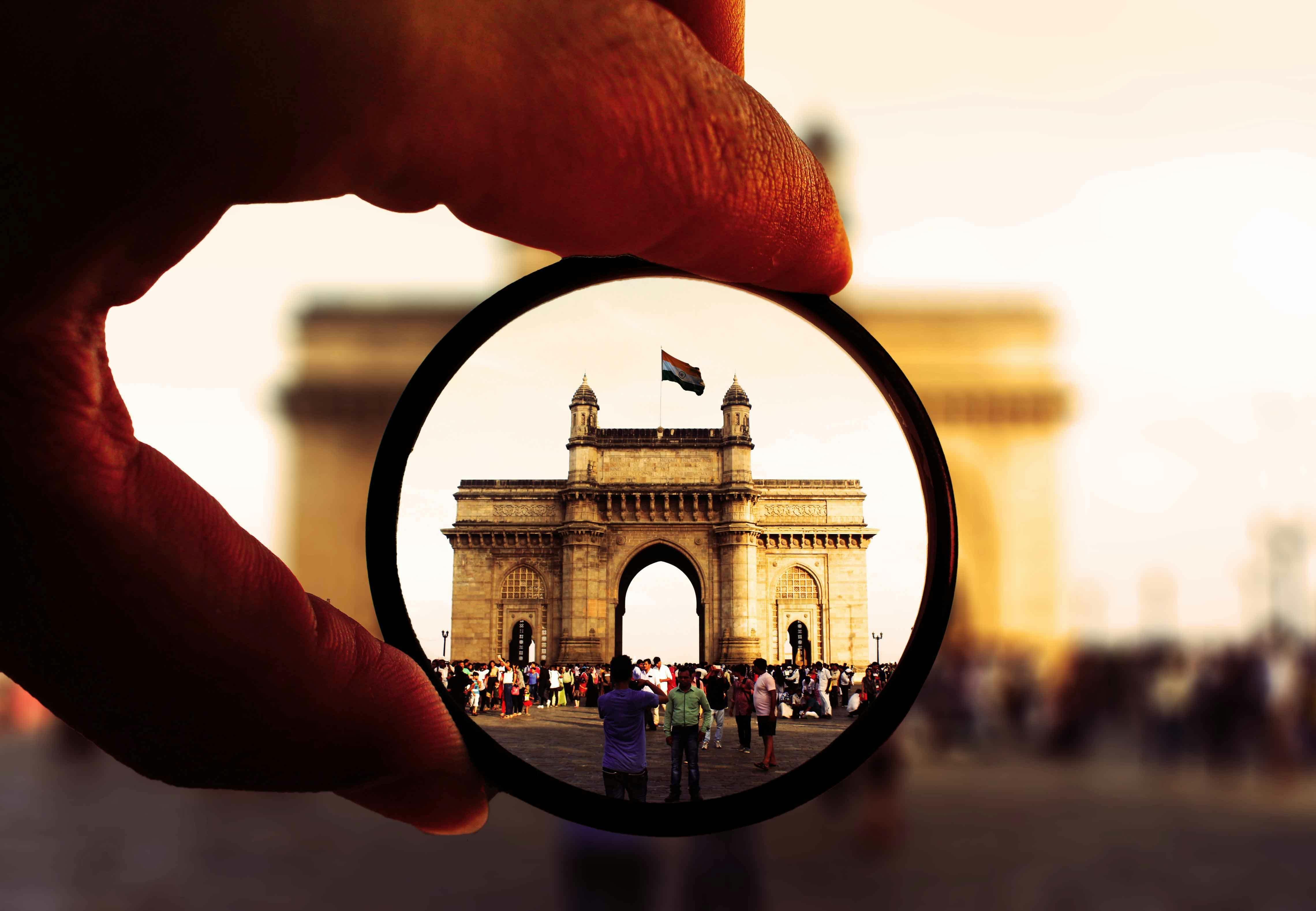
Mumbai—formerly Bombay—rose from seven islands traded by the Portuguese and reshaped by the British into the subcontinent’s commercial heartbeat. Today it’s India’s financial capital and the home of Bollywood, where Art Deco apartments stand beside Gothic revival landmarks, fishing villages, and glassy towers.
Fun fact: Mumbai’s dabbawalas have hand-delivered tiffins with near-perfect accuracy since the 1890s. The city’s Victorian Gothic and Art Deco Ensemble is UNESCO-listed, and Chhatrapati Shivaji Terminus remains one of the world’s great working railway stations.
Expect big flavors and bigger energy—vada pav at a corner stall, Irani-chai at a century-old café, and sunset along the “Queen’s Necklace” on Marine Drive. Monsoon (June–September) brings heavy rains; carry a light rain jacket, an offline map, and UPI payments for quick transactions.
Mumbai
South Mumbai (Colaba, Fort, Kala Ghoda) is dense with heritage—the Gateway of India, grand hotels, and museums—best explored on foot and by local train or BEST bus. North and west lie neighborhoods like Dadar and Bandra, where flower markets, temples, seaside promenades, and street art reveal everyday Mumbai.
Top highlights for a short stay: Gateway of India, Marine Drive, Chhatrapati Shivaji Terminus (CST), Colaba Causeway, Kala Ghoda’s galleries, Dadar flower market, Siddhivinayak Temple, Dhobi Ghat viewpoint, and Bandra’s fort and promenade.
Budget tip: Stick to suburban trains (₹10–30 for short hops), BEST buses (about ₹5–20), and street food meals (₹30–200 per item). This keeps you comfortably within a ₹3,000 total for two days if you choose hostel dorms.
Where to stay (budget-first): For a strict ₹3,000 total, look at hostel dorms in Colaba, Fort, Andheri, or Bandra (typical beds ₹700–1,200 per night). Popular options include The Hosteller (Andheri), goSTOPS (Colaba), and Cohostel (Bandra). If you prefer a private room and can stretch budget: try centrally located picks via Hotels.com or browse apartments on VRBO.
- Good-value hotel options if your budget increases: Hotel Residency Fort (walkable to CST/Kala Ghoda) and Hotel Residency Andheri (easy airport access).
- Splurge-worthy icons if you return with a bigger budget: The Taj Mahal Palace, Mumbai, The Oberoi, Mumbai, Novotel Mumbai Juhu Beach, The Westin Mumbai Garden City.
How to get to/around Mumbai: Compare flights on Trip.com (flights) or Kiwi.com. From major Indian cities, flights are ~1.5–2.5 hours; early bookings often land ₹3,000–7,000 one-way deals. Long-distance trains also arrive at CSMT/Dadar—check Trip.com (trains). In the city, use local trains, Metro, and BEST buses; autos and taxis are metered and affordable for short hops.
Day 1: Colaba, Fort, Kala Ghoda, and Marine Drive
Morning: Travel to Mumbai and check in. If you arrive early, fuel up with an Irani-chai and brun maska at Kyani & Co. (Marine Lines; ~₹60–120) or grab a quick vada pav from Ashok Vada Pav (Dadar; ~₹30–40) before heading south.
Afternoon: Start at the Gateway of India (1911 Durbar commemoration; free). Gaze at the harbor and the domes of the Taj Mahal Palace opposite. Walk up Shahid Bhagat Singh Road into Kala Ghoda: peek into Jehangir Art Gallery (free), and browse indie boutiques and street art. For a thrifty lunch, try Pancham Puriwala near CST (since 1848; thalis ~₹140–200) or a vegetable puff and raspberry soda at Yazdani’s contemporary peers like Kayani/nearby Irani cafés.
Evening: Catch the “Queen’s Necklace” glow along Marine Drive at sunset. Snack at Girgaum Chowpatty: bhel or sev puri at Sharma Bhelpuri House (~₹80–120), pav bhaji at Sukh Sagar (~₹170–220), and finish with fresh fruit cream or thick shakes at Bachelorr’s (~₹150–250). If you want a guided, foodie deep-dive tonight and can stretch budget, consider this tour:

Mumbai Street Food and Evening Bazaar Tour — guided tastings at Chowpatty and markets; ideal if you want curated bites and local insight.
Day 2: Markets, Temples, Bandra Seafront, and Everyday Mumbai
Morning: Be up early for the Dadar flower market (5–8am) where lanes brim with marigold garlands and jasmine—photogenic and free. Swing by Shri Siddhivinayak Temple (Prabhadevi; donation-based) for a quick darshan. Breakfast nearby at Aaswad (Dadar) for Maharashtrian favorites—misal pav, thalipeeth, sabudana khichdi (~₹80–180). Ride a local train to Bandra (₹10–20).
Afternoon: Explore Bandra Fort (Castella de Aguada; free) and stroll Bandstand for Arabian Sea views and film-buff landmarks. Hunt affordable fashion along Hill Road and snack at Elco (famous pani puri; ~₹120–180) or Candies (cafeteria-style salads, rolls, bebinca; ~₹100–250). If you prefer a behind-the-scenes look at the city’s industrious side, join a responsible Dharavi walking tour:

Mumbai Slum Tour – An Insight of Dharavi — a respectful, local-led walk through recycling workshops and small-scale industries. It’s eye-opening and supports community guides (note: this will exceed a strict ₹3,000 total; consider it an optional upgrade).
Evening: Head to Worli Sea Face or return to Marine Drive for one last sunset. Dinner on a budget: Baghdadi (Colaba; tandoori/rotis ~₹120–280), Ayub’s (Fort; quick kebab rolls ~₹100–200), or Cannon Pav Bhaji near CST (~₹140–200). Night owls who want the sights lit up can book a panoramic city-by-night drive:

Twilight in Mumbai: Discover the City by Night — see Gateway, CST, and Marine Drive beautifully illuminated, with optional food stops.
Optional half-day swap (if you have extra time or a higher budget): Take the ferry from the Gateway of India to Elephanta Island for cave-temple reliefs of Shiva (boats typically run mid-morning; allow 4–5 hours round-trip). For a guided experience with logistics handled, look at:

All inclusive Elephanta Caves Guided Tour — UNESCO-listed cave sculptures with an expert guide; factor ferry timings.
Coffee, chai, and snack stops to bookmark: Vinay Health Home (Girgaum; misal pav), Olympia Coffee House (Colaba; kheema pav, Irani chai), Sarvi (Byculla; legendary seekh kebabs), Haji Ali Juice Centre (fresh juices on the causeway), Elco (Bandra; street-food classics in a hygienic setup).
Transit and money-saving tips:
- Get a local train return ticket for short hops (₹10–30) and ride in the General compartment; avoid rush hours if possible.
- BEST buses are cheap (about ₹5–20); pay cash or use contactless ticketing where available.
- Street food is excellent value: vada pav ~₹30–40, bhel/sev puri ~₹80–120, pav bhaji ~₹140–220, thalis ~₹150–250.
- Carry a small power bank, a refillable bottle, and use UPI for quick payments.
Sample ultra-budget breakdown for 2 days (~₹3,000): Dorm bed two nights ₹1,600–2,000; transit ₹150–250; food ₹1,000–1,200. Guided tours will exceed this total—book them only if you can flex the budget.
Getting out/airport transfer: For convenience, consider a prepaid taxi or app cab. If you prefer a pre-booked ride, see this option (usually pricier than buses/trains): Mumbai Airport Transfer in Private Vehicle.
In two days you’ll taste Mumbai’s street food, trace its colonial and Art Deco skyline, and watch the Arabian Sea turn gold at dusk. Keep things local and light, and the city rewards you with big-hearted flavors, quick trains, and endless people-watching. Come back when you can, and add a film studio visit, Sanjay Gandhi National Park, or a longer Bandra café crawl.