
9 Days from Casper to Yellowstone: A Family-Friendly Road Trip with Wildlife, Stargazing & Hidden Corners
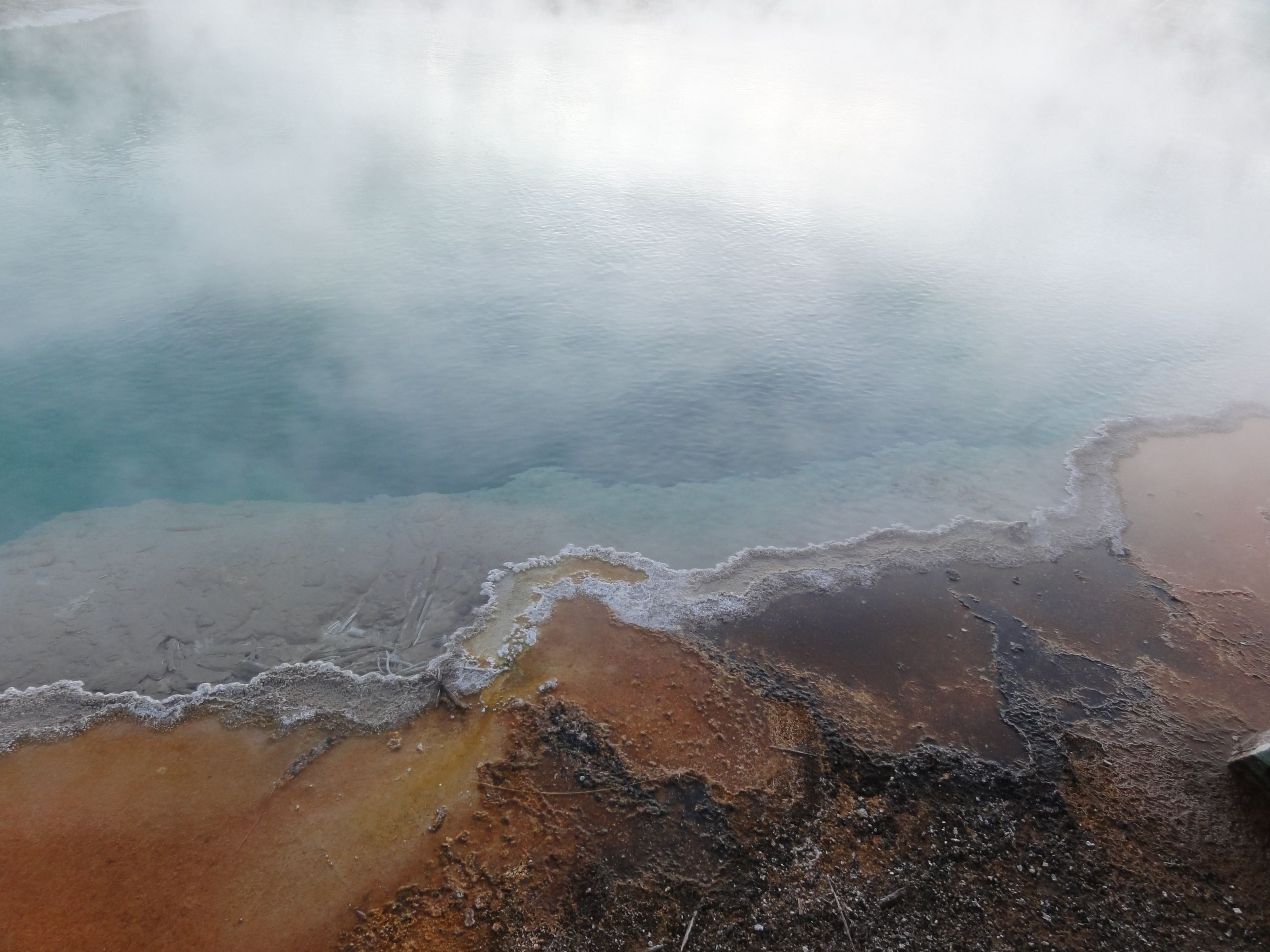
Yellowstone National Park, established in 1872, holds the distinction of being the world’s first national park. It sprawls across a vast volcanic caldera and protects an astonishing concentration of geysers, hot springs, waterfalls, wildlife habitat, and high mountain scenery, making it one of the great road-trip landscapes in North America.
Most first-time visitors know the famous names: Old Faithful, Grand Prismatic Spring, Yellowstone Lake, Lamar Valley, and the Grand Canyon of the Yellowstone. What many miss is how different the park feels when you enter early, linger in quieter corners, choose shorter walks with big scenery, and let the day unfold around wildlife rhythms rather than a checklist.
For an August trip, expect warm days, cool nights, and the busiest season of the year, so this itinerary is designed to help your family dodge the worst traffic and crowds wherever possible. Because you are traveling by car from Casper with two boys and a dog, this plan uses practical gateway towns, budget-aware pacing, cozy lodging searches, easy-to-moderate outings, free or low-cost highlights, and several opportunities for photography, fishing, and peaceful downtime under open Wyoming and Montana skies.
Cody
Cody is the ideal first stop from Casper: an easy western gateway with genuine character, useful services, and a more atmospheric feel than a generic highway overnight. Founded by Buffalo Bill Cody, it still leans into its frontier identity, but it also works beautifully as a buffer stop to slow the pace before Yellowstone.
For your family, Cody offers the right mix of convenience and personality. You can stretch the drive, stock up on groceries and picnic supplies, enjoy a good local meal, and settle into a cabin, cottage, or vacation rental before the national park days begin.
Getting there from Casper: Drive about 4.5 hours, roughly 215 miles, depending on stops. Since you are traveling by car, this is the most sensible and economical option; if you ever want to compare broader transport options, you can browse Trip.com or Kiwi.com, though for this itinerary a self-drive is unquestionably best.
Where to stay: Look for cabins, cottages, and family rentals via VRBO in Cody, or compare inns and lodges through Hotels.com in Cody. Prioritize pet-friendly cabins with outdoor seating or a yard so your blue heeler has room to decompress after the drive.
Food notes: For breakfast or coffee, The Station by Cody Coffee is a dependable local pick for espresso drinks and easy grab-and-go items before an early park departure. For dinner, try a classic western-style grill or steakhouse in town, and if you want to save money, Cody is also a smart place to assemble picnic breakfasts, sandwich supplies, fruit, and plenty of water for the park.
Day 1 - Casper to Cody buffer day
Morning: Ease out of Casper without rushing and pack this as a transition day rather than a sightseeing marathon. Bring a cooler, fill water bottles, and make sure the car is stocked with easy food, binoculars, fishing gear, a hammock if you have one, chargers, and layers for cooler Yellowstone mornings.
Afternoon: Arrive in Cody, check into your lodging, and keep the first afternoon intentionally light. Take a short town stroll, browse a local grocery for breakfast and picnic supplies, and let the boys and dog burn off some road energy at a park or open space before dinner.
Evening: Have an early dinner and keep bedtime relaxed so the whole family starts the park segment rested. If skies are clear and your lodging area is dark enough, do a quick astrophotography test session outside town to dial in camera settings before Yellowstone proper.
West Yellowstone
West Yellowstone is one of the most practical bases for a Yellowstone road trip, especially for families who want easy access to the geyser basins and lower loop highlights. It is busy in August, but its location near the west entrance saves long backtracking and makes pre-dawn starts much easier.
This is also where convenience works in your favor. You will find groceries, outfitters, casual restaurants, and plenty of cabin-style lodging, making it a useful home base for Old Faithful, Grand Prismatic, Madison, Norris, and Yellowstone Lake day trips.
Where to stay: Search for pet-friendly cabins and vacation rentals via VRBO in West Yellowstone, or compare lodges and inns through Hotels.com in West Yellowstone. Aim for something with a cabin or lodge feel rather than a standard roadside chain, and confirm pet rules carefully, since national park trails and boardwalks generally do not allow dogs.
Drive from Cody to West Yellowstone: Plan roughly 4.5 to 5.5 hours including scenic stops, depending on your route and traffic. Leave in the morning, treat the drive as part of the adventure, and enter the park with snacks and a full tank whenever possible.
Useful activities: A self-guided audio tour is an excellent fit for your family because it keeps costs low, helps the boys stay engaged in the car, and lets you stop whenever wildlife or good light appears. I especially recommend Yellowstone National Park Self-Guided Driving Audio Tour, Yellowstone Grand Loop Ultimate Self-Guided Driving Tour, and Grand Teton and Yellowstone Self-Guided Driving Tours Bundle.


More focused walking options: For geothermal areas where context makes the experience richer, consider Yellowstone's Old Faithful Self-Guided Walking Tour and Yellowstone's Grand Prismatic Self-Guided Walking Tour.
Food notes: In West Yellowstone, look for a hearty breakfast at a local café before sunrise departures; a bakery-café or diner is often best for pastries, breakfast sandwiches, and coffee. For lunch, picnic-style meals win almost every day in Yellowstone because they save money, avoid queueing, and let you eat in scenic pullouts rather than crowded developed areas; for dinner, choose one good casual local spot for burgers, trout, or barbecue, then keep the evening quiet.
Day 2 - Cody to West Yellowstone via Yellowstone's east-to-west scenic corridor
Morning: Leave Cody after breakfast and drive toward Yellowstone through the east entrance corridor. If you want a beautiful first impression without overloading the day, stop briefly at Yellowstone Lake viewpoints and a few short roadside pullouts rather than trying to conquer major attractions immediately.
Afternoon: Continue toward West Yellowstone with selective stops in Hayden Valley if wildlife is visible from established pullouts. This is a good afternoon to keep expectations flexible: traffic, bison jams, and road delays are common in August, so the real win is arriving with enough energy left to enjoy the evening.
Evening: Check in, have an easy dinner in town, and organize gear for an early start the next day. Charge camera batteries, prep breakfast items, and download your preferred audio tour before cell service becomes unreliable.
Day 3 - Old Faithful, Upper Geyser Basin, and quiet thermal surprises
Morning: Enter the park very early and head straight for Old Faithful before the largest crowds build. Use Yellowstone's Old Faithful Self-Guided Walking Tour or Self Guided Audio Walking Tour of Old Faithful Geyser Basin to make the area more interactive for the boys; the boardwalks allow you to see multiple geysers and hot springs without a strenuous hike.
Afternoon: Continue through the Upper Geyser Basin at a relaxed pace, choosing only the flatter sections that suit your mobility needs. If energy allows, use Yellowstone's Upper Geyser Basin: A Self-Guided Audio Tour to catch lesser-known stories and eruption predictions, then break for a picnic in a shaded area away from the densest boardwalk traffic.
Evening: On the drive out, stop at quieter pullouts in Madison or along the river corridor for a gentle evening wildlife scan. Back in West Yellowstone, keep dinner simple and get to bed early; this schedule is your best weapon against both crowds and fatigue.
Day 4 - Grand Prismatic, Firehole sights, and family energy release
Morning: Start early at the Grand Prismatic area and prioritize the overlook trail rather than only the boardwalk at spring level. The short uphill walk delivers one of Yellowstone’s great photography views, and Self-Guided Audio Walking Tour to Grand Prismatic Overlook or Yellowstone's Grand Prismatic Self-Guided Walking Tour adds excellent context.

Afternoon: Spend the middle of the day on shorter scenic stops around Firehole Lake Drive or Fountain Paint Pot if roads and closures permit. To give the boys a healthy outlet, choose one easy trail or spacious picnic area where they can move around safely while you and your girlfriend take turns resting, reading, or photographing thermal steam and lodgepole scenery.
Evening: Return to town for an early dinner, then consider a sunset drive just outside West Yellowstone for dusky forest-edge photography. If skies are clear, this is a good night for a family introduction to astrophotography, especially if you can frame pines, cabins, or open meadows under the stars.
Day 5 - Norris Geyser Basin and a lighter afternoon for hammocks, books, and downtime
Morning: Visit Norris Geyser Basin early, when temperatures are cooler and steam often gives the landscape an eerie, otherworldly feel. This area feels wilder and less polished than Old Faithful, which often makes it more memorable for travelers who enjoy unusual geology and photography.
Afternoon: Keep this portion of the day intentionally lighter. Return to West Yellowstone for lunch, rest at your lodging, let the dog relax, and carve out the kind of quiet nature time you specifically value: reading under a tree, lounging in a hammock, editing photos, or simply listening to the wind in the pines.
Evening: Head back into the park only if everyone still has energy, ideally for a short wildlife-focused drive toward Madison at golden hour. Otherwise, enjoy a low-key dinner in town and use the evening to review the next base move.
Gardiner
Gardiner, at Yellowstone’s north entrance, is one of the smartest bases for travelers who want easier access to Mammoth Hot Springs, the Lamar Valley wildlife corridor, and some of the quieter, more open northern landscapes. It is also a practical choice for people who prefer early wildlife watching over mid-morning thermal crowds.
The town itself is small and functional rather than polished, but that is part of its appeal. You are close to excellent dawn and dusk driving, broad valley views, and one of the best zones in the park for spotting bison, pronghorn, elk, wolves, and bears from the safety of roadside pullouts.
Where to stay: Search pet-friendly cabins and homes via VRBO in Gardiner, or compare inns and lodges on Hotels.com in Gardiner. Look for places with porches, river views, or outdoor seating so your quieter family time remains part of the trip rather than an afterthought.
Drive from West Yellowstone to Gardiner: Directly it can be around 2 hours, but with in-park sightseeing and summer delays, allow much more. A morning departure with scenic stops makes the transition feel natural and avoids sacrificing a full day.
Food notes: Gardiner is a good place for straightforward breakfasts and post-wildlife-drive meals. Choose a local café for strong coffee and breakfast burritos or pancakes, and for dinner look for a casual grill, pizza place, or riverside restaurant where the family can eat well without turning every meal into a production.
Day 6 - West Yellowstone to Gardiner via Mammoth and the northern road
Morning: Depart West Yellowstone and use a scenic route north through the park, making selected stops rather than rushing. If traffic allows, a brief look at Norris or roadside viewpoints can break up the drive.
Afternoon: Explore Mammoth Hot Springs terraces after arrival on the north side. The boardwalks and road loops offer dramatic limestone formations with relatively manageable walking, and the changing mineral colors make this one of Yellowstone’s most distinct photography subjects.
Evening: Settle into Gardiner and take a short evening drive into the northern range if the family still has energy. This is a prime time for wildlife movement, and even a brief outing can reward you with bison, elk, and beautiful side light on the hillsides.
Day 7 - Lamar Valley wildlife day, picnic lunch, and night sky photography
Morning: This should be one of your earliest starts of the trip. Drive to Lamar Valley at dawn with binoculars, long lenses, layered clothing, and breakfast in the car; the valley is famous for its wildlife density, and the soft morning light is a gift for both nature photography and family memory-making.
Afternoon: Continue with a flexible series of pullouts, short walks, and a picnic beside a river or meadow where permitted and safe. This is also your best day to emphasize the “see what most miss” philosophy: spend less time racing between landmarks and more time watching the landscape for movement, listening to ravens, and letting the boys learn patience through observation.
Evening: Have an early dinner in Gardiner, then head back out after dark if the weather cooperates for your best astrophotography window of the trip. Northern Yellowstone and the approach roads outside town can offer excellent dark skies; just work from safe pullouts, remain wildlife aware, and keep the session family-friendly rather than overly late.
Day 8 - Fishing, a final scenic drive, and your second buffer day
Morning: Use this day as a pressure-release valve instead of trying to cram in one more huge sightseeing circuit. If regulations, seasonal rules, and exact water access align, this is the day to make practical use of your Wyoming fishing license on the drive back toward the Cody side or in approved waters outside the park where legal access is simpler; if not, replace fishing with a leisurely river stop and a scenic lunch.
Afternoon: Begin the journey back toward Cody, keeping stops short and enjoyable. This is an excellent time for one last iconic overlook, a final wildlife pullout, or simply a slow scenic drive with the audio tour filling in history and geology as you go.
Evening: Stay in Cody again so the final day is not a marathon. Enjoy a comfortable dinner, review favorite photos with the boys, and let the trip wind down gently rather than ending in a long, tired push.
Day 9 - Cody to Casper departure day
Morning: Have an unhurried breakfast in Cody and leave enough time for a final coffee stop or bakery visit. This is a good moment to jot down favorite wildlife sightings, best photography locations, and family highlights while the trip is still fresh.
Afternoon: Drive back to Casper, arriving with a realistic margin before evening responsibilities. Because you built in buffer days on both ends, the vacation ends with far less stress and a better chance that everyone remembers the trip for geysers, bison, stars, and quiet moments rather than traffic and fatigue.
Practical Yellowstone notes for your family:
- Dogs are very restricted inside Yellowstone and are generally not allowed on trails, boardwalks, or in thermal areas. For any major attraction day, plan short rotations, pet-friendly stops outside the core park areas, or lodging downtime for your blue heeler.
- August means crowds, so entering before 7:00 a.m. on major sightseeing days is the single best strategy for avoiding traffic and parking headaches.
- Pack picnic supplies almost every day. This is one of the easiest ways to respect your budget while also improving the experience.
- For mobility-friendly exploration, prioritize scenic drives, boardwalk basins, waterfalls with short overlook walks, wildlife pullouts, and one meaningful short trail per day instead of multiple hikes.
- For the boys’ energy, alternate quiet scenic stops with open picnic areas, short nature walks, junior-ranger style observation, and wildlife spotting challenges.
- For photography, dawn and dusk are best for wildlife, while geothermal features often photograph beautifully in early morning cool air when steam is visible.
This Yellowstone family road trip from Casper is built to balance the park’s headline wonders with the quieter pleasures that often become the real favorites: an empty roadside at dawn, a good book under shade, steam drifting over a basin, a bison in evening light, and stars above a lodgepole skyline. With two buffer days, two smart gateway bases, and a strong mix of iconic sights and lesser-rushed moments, you will see Yellowstone well rather than simply seeing a lot of Yellowstone.