
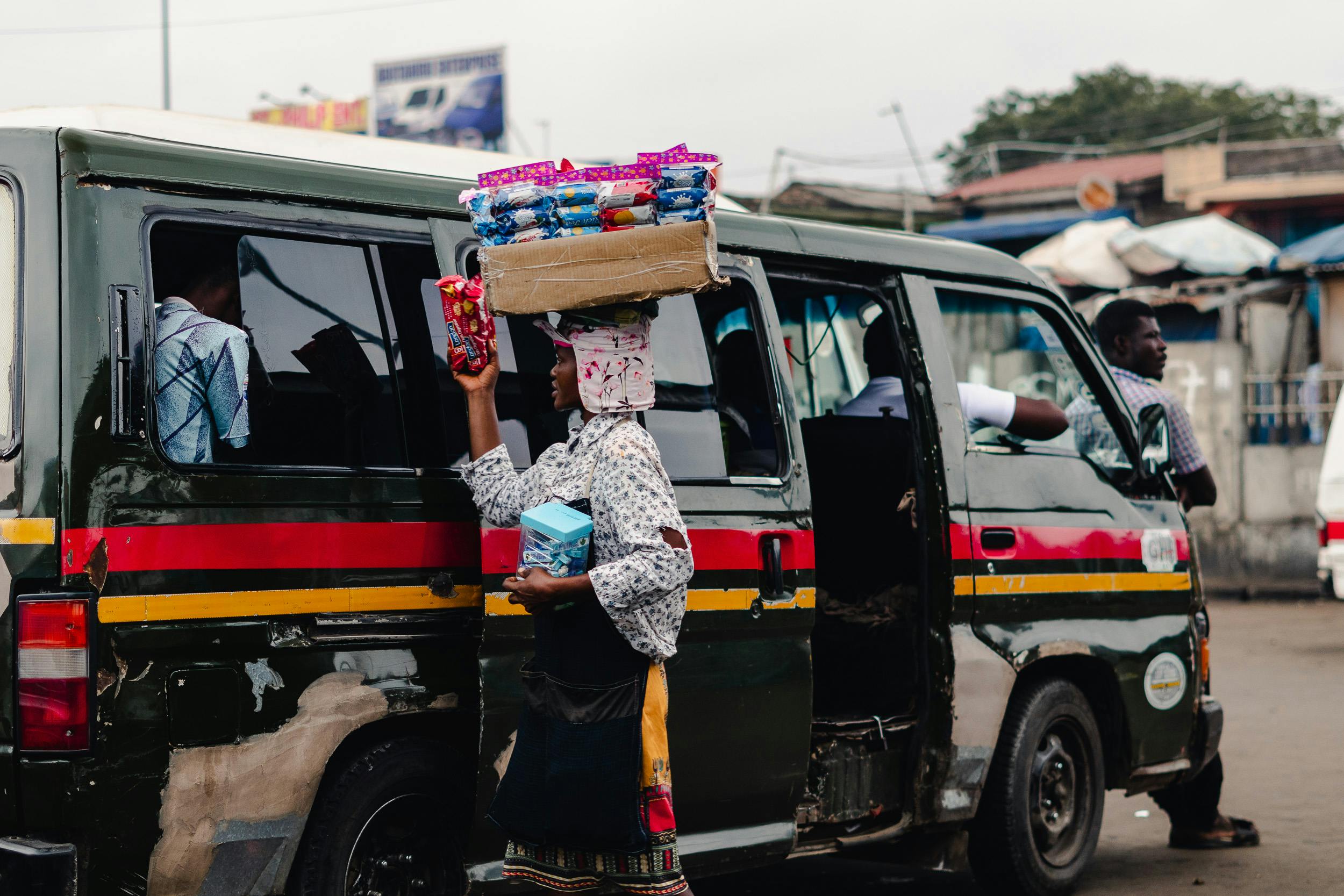
Ghana, once known as the Gold Coast, is where West African history, music, and cuisine collide. It gained independence in 1957 under Kwame Nkrumah, and today its capital, Accra, thrums with markets, art, and live highlife and Afrobeats. Along the coast, Cape Coast and Elmina hold UNESCO-listed forts that tell the world’s story of trade and the trans-Atlantic slave route with moving clarity.
Expect a tropical climate, friendly smiles, and plates piled with waakye, jollof, banku with grilled tilapia, and plantain in myriad forms. You’ll barter in markets, learn local rhythms, and walk a rainforest canopy at Kakum. For connectivity, buy an MTN or Vodafone SIM on arrival; ride-hailing apps and shared minibuses (“trotros”) keep costs low.
Practical notes: Most travelers need a visa arranged in advance—check current requirements for your passport. The currency is the Ghanaian cedi (GHS). As with any big city, watch your belongings in crowded areas and use ATMs at reputable locations. This plan keeps your budget in check while dialing up the adventure.
Accra
Accra is Ghana’s creative heartbeat—graffiti-lined Jamestown lanes, the bustle of Makola Market, waves at Labadi Beach, and the story-rich Kwame Nkrumah Mausoleum. Osu’s Oxford Street hums late into the night with roadside suya grills, fruit stands, and music spilling from lounges.
- Top sights: Kwame Nkrumah Memorial Park, Black Star (Independence) Square, Jamestown Lighthouse, Makola Market, Artists Alliance Gallery, Labadi Beach, W.E.B. Du Bois Centre.
- Why visit now: A revamped Nkrumah Mausoleum, thriving coffee and food scenes, and hands-on culture: drum lessons, bead-making, and cooking classes.
- Budget eats: Try Papaye (grilled chicken and fried rice), chop bars for fufu and light soup, waakye stands in Osu, and night suya skewers along Oxford Street.
Stay (budget-first): Search guesthouses, hostels, and apartments near Osu or Labone for easy transit and food options: VRBO Accra | Hotels.com Accra
Getting in: Fly into Kotoka International Airport (ACC). Compare fares via Trip.com Flights and Kiwi.com Flights. From the airport, use a registered taxi or ride-hailing app; budget $6–12 into central Accra depending on traffic.
Day 1: Arrival, Osu Stroll, and Ghanaian Comfort Food
Afternoon: Arrive in Accra and check into your budget stay in Osu or Labone. Shake off jet lag with a stroll along Oxford Street—peek into roadside boutiques and pick up a bag of fresh coconut chips or roasted groundnuts for literal peanuts.
Evening: Dinner at Buka in Osu for home-style Ghanaian dishes—order banku with grilled tilapia and shito, or jollof with goat. If you’re watching pennies, Papaye’s flame-grilled chicken with fried rice is filling and under most sit-down prices. Finish with fan ice (ice cream in a sachet) as you wander.
Day 2: Accra’s History and Culture (Full-Day Tour)
Featured activity (Viator): Experience the Beauty, History and the Culture Of Accra in a Day — a comprehensive city tour covering landmarks and cultural touchpoints. Ideal for first-timers and budget travelers who want to see a lot in one go.
Book: Experience the Beauty, History and the Culture Of Accra in a Day

This typically covers Jamestown (street murals, lighthouse views), Independence Square, Kwame Nkrumah Memorial Park, and the Arts Centre for crafts. You’ll get context on Ghana’s independence and daily life in the capital without juggling transit on your own.
Evening: Keep dinner casual at a waakye joint—ask for waakye with gari, spaghetti, shito, egg, and a piece of fried fish for a budget feast. For dessert, seek out kelewele (spiced fried plantain) from a reputable street vendor.
Day 3: Markets, Drums, and Sea Breeze
Morning: Dive into Accra’s commercial soul with the Makola Market Walking Tour (Viator). It’s the place to learn how the market is organized, find fabric, spices, and everyday Ghanaian essentials without getting overwhelmed.
Book: Makola Market Walking Tour

Grab a simple breakfast beforehand: try Cafe Kwae’s egg-and-avo toast and cold brew, or a quick meat pie and iced coffee from a local bakery to keep costs low.
Afternoon: Learn beats and movement with African Drum and Dance Lessons (Viator)—a high-energy, hands-on culture class that doubles as a workout and a memory you’ll take home.
Book: African Drum and Dance Lessons

Evening: Labadi Beach for sunset—weeknights are quieter and low-cost. Eat at a beachfront spot: grilled tilapia or red-red (beans stew with plantain). If you want a sit-down bargain, Asanka Local serves generous local portions without fancy prices.
Day 4: Art, Memory, and Night Vibes on a Budget
Morning: Visit the W.E.B. Du Bois Centre (learn about Pan-Africanism) and continue to the Artists Alliance Gallery to browse contemporary Ghanaian art and sculpture. Entry fees are modest; browsing is free if you’re just window-shopping.
Afternoon: Tour the renovated Kwame Nkrumah Memorial Park to understand Ghana’s journey to independence; then swing by Independence Square for photos of the Black Star Gate.
Evening: Osu after dark: pick a budget “chop bar” for fufu and light soup or try roasted street corn. For live music on certain nights, look for highlife bands—cover charges are usually small, and soft drinks keep costs low if you’re saving.
Cape Coast & Elmina
Three to four hours west of Accra, Cape Coast and neighboring Elmina sit on palm-fringed beaches with some of Africa’s most significant historical landmarks. The castles here are somber, powerful places of remembrance and education.
- Top sights: Cape Coast Castle, Elmina Castle, Elmina fishing harbor, Kakum National Park’s canopy walkway, Kotokraba Market, seaside forts and beaches.
- Eat & drink: Baobab House (great-value vegetarian plates and fresh juices), street-side grilled fish at Castle Beach, and budget-friendly plates at Oasis Beach Resort’s restaurant.
- Adventure highlight: The canopy walkway at Kakum—suspended high above rainforest treetops—adds a thrill to your history-focused days.
Stay: Base yourself in Cape Coast near the castle or on the beach for easy transport and low-cost meals: VRBO Cape Coast | Hotels.com Cape Coast
Getting there from Accra: Depart by morning bus (STC or reliable coaches) or shared minibus; 3–4 hours, roughly $6–12. A private car/driver runs about $100–140 one-way. Leave early to dodge traffic on the N1/N8 corridor.
Day 5: Accra to Cape Coast, Kakum Canopy Walkway
Morning: Depart Accra by 7:00–8:00 a.m. for Cape Coast (3–4 hours). Check in, drop bags, and grab a light lunch—Baobab House has affordable thieboudienne-style plates, salads, and fresh ginger juice.
Afternoon: Head to Kakum National Park (about 45 minutes from Cape Coast). Tackle the canopy walkway suspended over the rainforest—adventurous yet safe, with guides explaining the ecosystem. Budget for the entry and guide fee; bring water.
Evening: Dinner at Oasis Beach Resort’s restaurant for grilled fish and rice at backpacker-friendly prices. Fall asleep to the sound of waves.
Day 6: Elmina Heritage Tour and Fishing Harbor
Featured activity (Viator): Elmina Heritage Tour — a guided deep dive into centuries of history, architecture, and lived experiences in Elmina. It adds local storytelling to your castle visit and town walk.

Morning: Tour Elmina Castle and the town’s historic streets, then view the colorful fishing harbor with its carved wooden canoes.
Afternoon: Visit Cape Coast Castle for its museum and Door of No Return. It’s an intense, essential experience—allow time to reflect by the sea afterwards.
Evening: Try a budget beachfront grill at Castle Beach for charcoal-grilled snapper with banku. Sip a bissap or pineapple-ginger juice while watching the boats come in.
Day 7: Coastal Chill, Crafts, and Community
Morning: Easy beach time. Browse Kotokraba Market for textiles and simple souvenirs (practice your bargaining and carry small bills). Coffee or tea at Baobab House to keep it frugal.
Afternoon: Optional visit to Hans Cottage Botel to spot resident crocodiles from a safe distance and enjoy a simple plate of jollof. Or take a budget-friendly cooking demo arranged locally—learn to make red-red or jollof and eat your work.
Evening: Low-key dinner: try a roadside waakye plate, or a shared seafood pot at a casual beachfront spot. Early night for tomorrow’s travel.
Day 8: Return to Accra and Departure
Morning: Early bus or private car back to Accra (3–4 hours). Aim to arrive by late morning for an afternoon flight.
Afternoon: Quick lunch near the Airport Residential area—Cafe Kwae or a simple meat pie and smoothie—then head to Kotoka International. Compare rides/fare times; traffic can spike midday.
Evening: Fly out via Trip.com Flights or Kiwi.com Flights. If you’re staying another night, look for last-minute deals on Hotels.com Accra.
Budget-Savvy Tips Throughout
- Use ride-hailing or trotros for cheap city transit; always confirm fares before boarding taxis.
- Eat main meals at chop bars and market stalls—waakye, kelewele, banku with fish—then treat yourself occasionally to mid-range sit-downs.
- Carry small notes for markets and tipping guides at Kakum and the castles.
- Hydrate constantly; buy sealed water or larger jerrycans for refills to save money and plastic.
Optional Add-Ons if You Have Time or Energy in Accra:
- W.E.B. Du Bois Centre and nearby cafés for a slow cultural afternoon.
- Artists Alliance Gallery to window-shop Ghanaian contemporary art.
- Independence Square and Black Star Gate at sunset for photography.
All Viator activities included in this itinerary:
- Experience the Beauty, History and the Culture Of Accra in a Day — link
- Makola Market Walking Tour — link
- African Drum and Dance Lessons — link
- Elmina Heritage Tour — link
From Accra’s street food and beats to Cape Coast and Elmina’s solemn castles and Kakum’s canopy, this 8-day Ghana itinerary blends adventure with meaning—without blowing your budget. You’ll leave with rhythms in your hands, spice on your tongue, and stories you’ll share for years.