
8 Days in Moscow: A Grand Capital Itinerary of Kremlin Legends, Metro Masterpieces, and Russian Cuisine
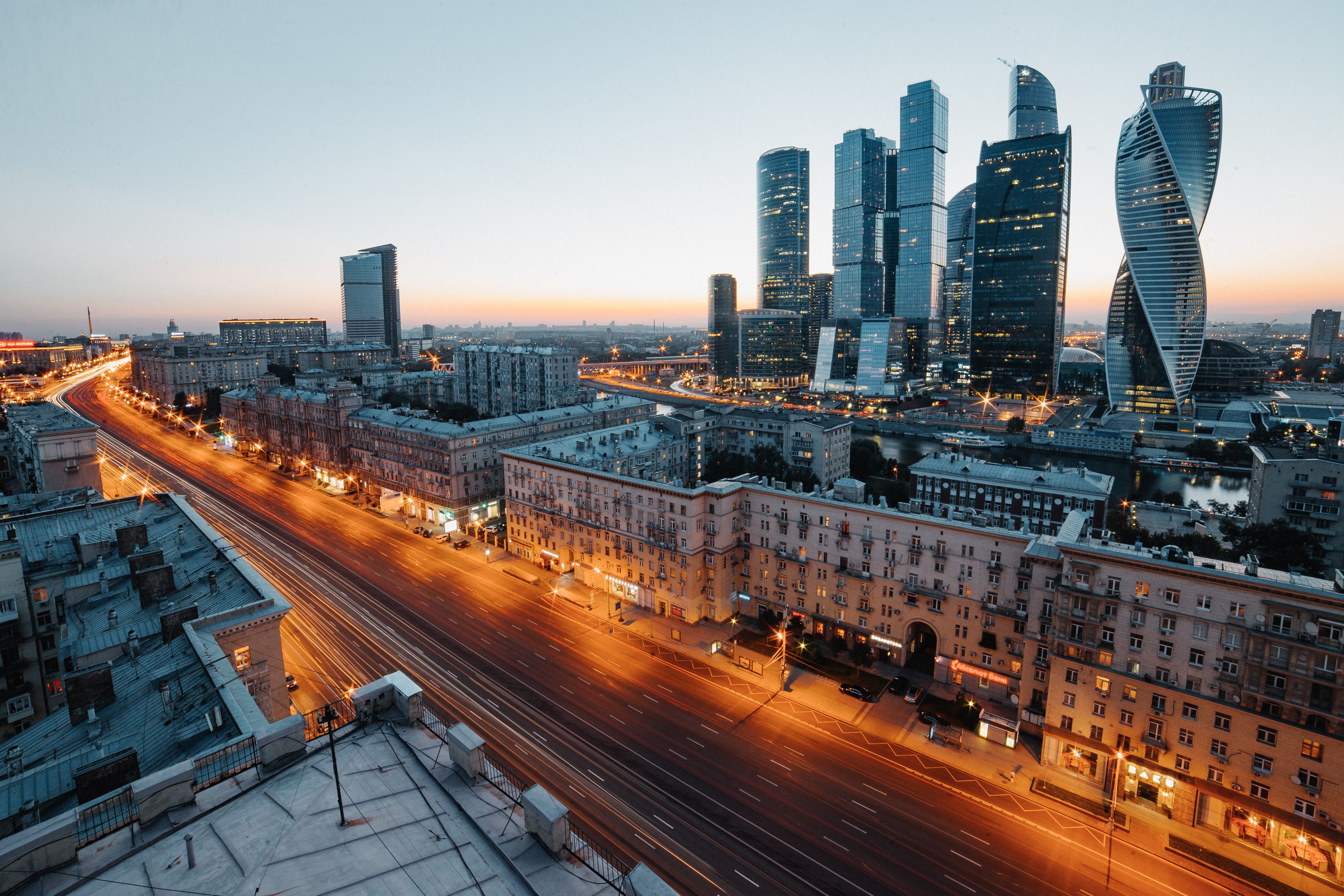
Moscow is a city of layers: medieval stronghold, imperial capital, revolutionary stage, and modern megacity all at once. Its streets hold the weight of tsars, poets, generals, avant-garde artists, and cosmonauts, while its skyline shifts from golden domes to Stalinist towers and glass high-rises in a single afternoon.
It is also a city of striking contrasts. One moment you are standing in Red Square before Saint Basil’s riot of color; the next, you are descending into a metro station built like an underground palace, or lingering over honey cake and tea in a quiet courtyard café near Patriarch’s Ponds.
Practical notes matter here. International travel to Russia can involve visa requirements, payment limitations for foreign bank cards, and changing entry regulations, so travelers should confirm current consular guidance well before departure; once in Moscow, however, the city is efficient, culturally rich, and best enjoyed with a mix of advance planning and slow wandering. Expect hearty dishes such as borscht, pelmeni, and beef stroganoff, excellent theater, and broad boulevards that reward curiosity.
Moscow
Moscow is not merely Russia’s capital; it is the country’s grand stage set. Ceremonial avenues, monastery walls, literary cafés, monumental museums, and neighborhood bakeries all coexist in a city that can feel imperial, intimate, severe, and playful within the span of one day.
The great draw is obvious: the Kremlin, Red Square, Saint Basil’s Cathedral, the Bolshoi Theatre, and the Tretyakov Gallery. Yet some of Moscow’s most memorable pleasures are smaller—a morning pastry near Tverskaya, a sunset walk along the Moskva River, a meal in a Georgian dining room, or a look upward in stations such as Komsomolskaya and Mayakovskaya, where everyday commuting becomes an art form.
For accommodations, begin with VRBO Moscow stays for apartment-style options, especially useful for longer visits, or browse Hotels.com Moscow hotels for centrally located properties. If you want a classic central base, consider The Ritz-Carlton, Moscow for its location near Red Square, or Arbat House Hotel / Arbat House Hotel official site for a more modest stay with easy access to central neighborhoods.
For arrival travel, compare air routes on Omio flights if coming from Europe, or Trip.com flights and Kiwi.com flights if traveling from outside Europe. Depending on your origin, flight times vary widely, but nonstop or one-stop itineraries are usually the most sensible option; airport transfer into central Moscow generally takes 45 to 90 minutes by taxi or a combination of Aeroexpress and metro.
- Top sights: Red Square, Kremlin grounds and cathedrals, Saint Basil’s Cathedral, GUM, Tretyakov Gallery, Bolshoi Theatre, Novodevichy Convent, VDNKh, Sparrow Hills, Gorky Park, and the Moscow Metro’s showpiece stations.
- Best food experiences: refined Russian classics, Georgian feasts, Soviet-nostalgia dining rooms, elegant pastry shops, and modern cafés that rival those of any European capital.
- Fun fact: Moscow’s metro is one of the busiest in the world, but it is also one of the most beautiful; several stations were designed as civic monuments, with mosaics, marble, chandeliers, and wartime symbolism.
Day 1 - Arrival in Moscow and a Gentle Introduction to the City Center
Morning: This is your travel day, so keep the morning reserved for transit and arrival formalities. If your flight lands early enough for a smoother transfer, have your hotel arrange a taxi or plan your route in advance, as an organized arrival is especially helpful in a city as large as Moscow.
Afternoon: After check-in, settle in and take an easy orientation walk around your hotel district. If you are staying near the Kremlin, Tverskaya, Arbat, or Kitay-Gorod, spend your first hours simply absorbing Moscow’s scale—broad avenues, stately façades, onion domes glimpsed between buildings, and the current rhythm of local life.
Afternoon: For a late lunch, try Café Pushkin if you want to open the trip with theatrical old-world elegance: carved wood interiors, polished service, and a menu rooted in Russian and French-influenced traditions. If you prefer something simpler, head to LavkaLavka for ingredient-driven Russian fare that highlights regional produce and gives a more contemporary reading of local cuisine.
Evening: Take a relaxed walk along pedestrian stretches near Red Square or Arbat, depending on your energy. Your goal tonight is not to conquer major attractions, but to let Moscow reveal itself at twilight, when floodlit architecture makes the city feel ceremonial and almost cinematic.
Evening: For dinner, consider Dr. Zhivago, a smart choice near the Kremlin known for reworked Russian classics, nostalgic motifs, and a location that makes sense on a first evening. Order borscht, Olivier salad, or vareniki, then turn in early to recover from the journey and prepare for a full first sightseeing day.
Day 2 - Red Square, the Kremlin, and Moscow’s Historic Heart
Morning: Start early in Red Square, the symbolic center of Russia and one of the world’s most loaded public spaces. Arriving in the morning gives you softer light, lighter crowds, and a better chance to appreciate the geometry of the square before tour groups gather.
Morning: Begin with coffee and breakfast at Coffeemania, a dependable Moscow favorite with polished coffee service, excellent syrniki, egg dishes, and pastries. It is a practical choice before a museum-heavy morning, especially if you want a familiar café format executed at a high standard.
Afternoon: Visit the Kremlin complex, allowing several hours for the grounds, Cathedral Square, and the Armory if available. This is the seat of power that grew from a medieval fortress into the political center of a vast state, and even travelers who think they are not interested in state history tend to be won over by the architecture, religious art, ceremonial objects, and sheer symbolism of the site.
Afternoon: Afterward, see Saint Basil’s Cathedral from outside and, if open and timing permits, step inside to experience its labyrinthine chapels and painted interiors. Then stroll through GUM, not only a department store but an architectural attraction in its own right, with its glass roof, arcades, and long role in the social life of the city.
Afternoon: For lunch, Beluga is a strong option if you want a more elevated meal with caviar, seafood, and polished Russian cuisine; it suits travelers who want their midday break to feel like an event. A lighter alternative is Bosco Café in GUM, convenient for location and people-watching, with a refined yet less formal atmosphere.
Evening: Spend the evening around Zaryadye Park, just steps from Red Square. The park’s elevated viewpoints and contemporary landscaping create one of the best juxtapositions in Moscow: old churches, Soviet bulk, modern design, and the river all in one frame.
Evening: For dinner, head to White Rabbit if you want one of Moscow’s most celebrated contemporary dining experiences, known for inventive Russian-inspired cuisine and sweeping city views. Reserve in advance; the setting and ambitious kitchen make it especially worthwhile for travelers who enjoy seeing tradition reinterpreted rather than merely preserved.
Day 3 - Tretyakov Gallery, the Moskva River, and Literary Moscow
Morning: Begin with breakfast at Kuzina or a neighborhood bakery-café near your route, then make your way to the State Tretyakov Gallery. This is the essential museum for Russian art, where icons, portraits, epic historical canvases, and major works from the nineteenth century tell a story of national identity as vividly as any political monument.
Morning: Give the gallery time. Even visitors without deep art-historical training find themselves drawn in by Ilya Repin’s psychological intensity, Viktor Vasnetsov’s folklore imagery, and the way the collection charts Russia’s spiritual and cultural imagination over centuries.
Afternoon: For lunch, try Grabli for a casual buffet-style meal if you want something easy and local in spirit, or seek out a Georgian restaurant such as Khachapuri for warm hospitality and deeply satisfying dishes. Georgian food is beloved in Moscow for good reason: adjaruli khachapuri, khinkali dumplings, grilled meats, and bright herbaceous flavors offer a delicious contrast to classic Russian fare.
Afternoon: After lunch, walk toward the river or take a short cruise if seasonal schedules allow. The Moskva River offers a different reading of the city, one in which government buildings, cathedrals, parks, and modern structures align into a moving historical panorama.
Evening: Spend the evening in the Patriarch’s Ponds area, one of Moscow’s most appealing districts for a slow wander. The neighborhood is tied to Mikhail Bulgakov’s literary universe and remains full of handsome streets, stylish residents, and cafés that feel both urban and intimate.
Evening: For dinner, go to Pinch for inventive modern plates in a compact, fashionable setting, or choose AQ Kitchen if you want a similarly creative atmosphere with a broader international influence. Both are well suited to an evening that is less about monuments and more about experiencing the Moscow locals discuss among themselves.
Day 4 - The Moscow Metro, Bolshoi Area, and an Evening Performance
Morning: Dedicate the morning to a self-guided Moscow Metro architecture route. Focus on stations such as Komsomolskaya, Mayakovskaya, Novoslobodskaya, Ploshchad Revolyutsii, and Kievskaya, each of which reveals a different chapter of Soviet aesthetics through mosaics, bronze figures, stained glass, and monumental marble halls.
Morning: Pick up breakfast and coffee at Double B Coffee, a local specialty chain respected for serious espresso, or at a nearby independent café before descending underground. The reason to do the metro in the morning is not only efficiency; it is also when the system feels most alive, still functioning first as transit rather than as a tourist backdrop.
Afternoon: Surface near the Bolshoi Theatre and explore the surrounding center. The Bolshoi is one of the great names in global performance, associated with ballet, opera, imperial prestige, Soviet cultural policy, and modern artistic excellence all at once.
Afternoon: For lunch, choose Lepim i Varim for handcrafted pelmeni in a fast-casual modern format if you want something specific and local, or visit Mari Vanna for a domestic, old-apartment atmosphere full of Soviet-era nostalgia and home-style dishes. Mari Vanna is particularly enjoyable for travelers who appreciate restaurants that function almost as immersive stage sets.
Evening: If schedules align, attend a ballet or opera at the Bolshoi Theatre, or another major venue if the Bolshoi is unavailable. This is one of those experiences that can define the memory of a Moscow trip, not just because of the performance itself, but because the ritual of going out to the theater remains central to the city’s cultural life.
Evening: Dine before the performance at Savva, where the cooking is refined and the central location makes logistics easy, or after the show at a later-serving brasserie nearby. Keep the evening elegant but not rushed; Moscow rewards those who allow room for ceremony.
Day 5 - Arbat, Cathedral Views, and Soviet Skylines
Morning: Start with breakfast near Old Arbat, one of Moscow’s best-known historic streets. While it can be touristy, it still has value as a first-time visitor route, particularly if you arrive early before souvenir stalls and crowds take over the mood.
Morning: A café such as Volkonsky is ideal for this part of town, offering reliable coffee, pastries, and a comfortable beginning to the day. Then walk both Old Arbat and the surrounding lanes, where you will find architecture that hints at pre-revolutionary Moscow as well as the city’s long literary and artistic associations.
Afternoon: Continue to the Cathedral of Christ the Saviour, rebuilt in the post-Soviet era after one of the most dramatic cycles of destruction and reconstruction in Moscow’s history. Whether one sees it primarily as a religious site, a political symbol, or an urban landmark, it is impossible to ignore.
Afternoon: For lunch, consider Academy, a dependable café option, or seek out Varenichnaya No. 1 for a playful retro atmosphere and a menu centered on dumplings and Soviet comfort food. The latter is especially good if you want an accessible, thematic meal that still feels rooted in local culinary memory.
Afternoon: Later, head toward Sparrow Hills for broad views over the city and a look at Moscow State University, one of the Seven Sisters skyscrapers. These monumental Stalin-era towers remain among the city’s defining silhouettes, and seeing them helps place Moscow’s twentieth-century ambitions in physical form.
Evening: For dinner, book a table at one of the better Georgian restaurants in the city, such as Kazbek, where the setting, dumplings, khachapuri, and grilled dishes make for a warm and satisfying evening. Georgian cuisine is one of Moscow’s great dining strengths, and it would be a mistake to leave the city without giving it serious attention.
Day 6 - Novodevichy, Local Neighborhoods, and a Slower Moscow
Morning: Begin with coffee and a light breakfast at a neighborhood café, then head to Novodevichy Convent. This UNESCO-listed site offers a more contemplative side of Moscow, with fortified walls, elegant religious architecture, and a sense of quiet that contrasts with the grandeur of the Kremlin.
Morning: If the adjacent cemetery is accessible and you are comfortable with that form of cultural visit, it is one of Russia’s most notable burial grounds, with graves of writers, politicians, composers, and public figures. It can be unexpectedly moving, particularly for travelers interested in Russian history beyond the postcard monuments.
Afternoon: For lunch, choose a relaxed café in the area or head back toward central districts for something more destination-worthy, such as Severyane, known for its oven-focused cooking and stylish interior. The menu often balances familiarity with originality, making it a rewarding midday stop for food-focused travelers.
Afternoon: Spend the second half of the day exploring a neighborhood with fewer headline attractions and more lived texture—Chistye Prudy, Pokrovka, or parts of Kitay-Gorod work well. Here, the pleasure lies in side streets, bookstores, design shops, courtyards, and the feeling of being in a city that is not constantly performing for visitors.
Evening: For dinner, visit Delicatessen, a long-admired Moscow restaurant and bar that has earned a loyal following for its thoughtful menu and excellent cocktails. It is the sort of place locals recommend to people they trust, which is often the highest praise a dining room can receive.
Day 7 - VDNKh, Cosmonaut Dreams, and Modern Public Space
Morning: Start with breakfast and coffee before setting out for VDNKh, the vast exhibition park that remains one of Moscow’s most fascinating public spaces. It is part Soviet fantasy, part leisure ground, part architectural archive, and part family promenade, with pavilions originally dedicated to republics, industries, and grand narratives of progress.
Morning: The Museum of Cosmonautics nearby is particularly worthwhile if you have any interest in the space race. Russia’s space history is deeply woven into national identity, and the museum does an excellent job of presenting both the engineering ambition and the human drama behind it.
Afternoon: For lunch, eat within the VDNKh area or return to the center for something more polished, depending on your pace. If you stay onsite, look for one of the better pavilion cafés or casual restaurants so you can preserve time for walking the grounds, fountains, and monumental avenues.
Afternoon: Continue exploring VDNKh’s architecture, landscaped spaces, and exhibition halls, or combine it with nearby Ostankino Park if you want more greenery. This is a day that reveals Moscow as a city of scale and ideology, but also as a place where families stroll, cyclists pass, and old propaganda settings have been folded back into ordinary life.
Evening: For your final full evening, choose a memorable dinner. Pushkin remains a wonderful option if you did not visit earlier, while White Rabbit is ideal if you want a celebratory finish with contemporary flair; another strong choice is a fine Georgian table where the meal naturally stretches over toasts, shared plates, and conversation.
Evening: After dinner, take one last walk through the center or along the river. Moscow at night has a controlled grandeur that can feel almost theatrical, and it is worth giving yourself an hour simply to look and remember.
Day 8 - Final Morning, Souvenirs, and Departure
Morning: Keep the final morning light and flexible. Enjoy breakfast at a favorite café you discovered during the week, or seek out one last proper Russian-style morning with syrniki, blini, or pastry and strong coffee before checkout.
Morning: If time permits, use the last hours for souvenir shopping in GUM, a food hall, or a neighborhood shop specializing in tea, chocolates, ceramics, or design objects rather than generic trinkets. Moscow is a city where beautifully packaged edible gifts and well-made household items often make better souvenirs than predictable tourist merchandise.
Afternoon: Transfer to the airport with generous buffer time. For return routes, compare options on Omio flights for Europe-bound travel or Trip.com flights and Kiwi.com flights for longer-haul departures; airport journeys typically take 45 to 90 minutes depending on traffic and departure airport.
Evening: This section will likely be in transit. Depart with a deeper sense of Moscow than most first-time visitors gain: not just its monuments, but its food, neighborhoods, artistic traditions, and peculiar, memorable grandeur.
Moscow rewards repetition. Over eight days, this itinerary balances the famous essentials—Red Square, the Kremlin, the Tretyakov, the Bolshoi, and the Metro—with neighborhoods, meals, and slower walks that reveal the city’s human texture.
It is a capital of spectacle, certainly, but also of detail: tiled stations, layered histories, literary echoes, and tables that seem to stretch time. Return often to this guide while planning and on the ground, and Moscow will keep unfolding long after the first astonishment fades.