
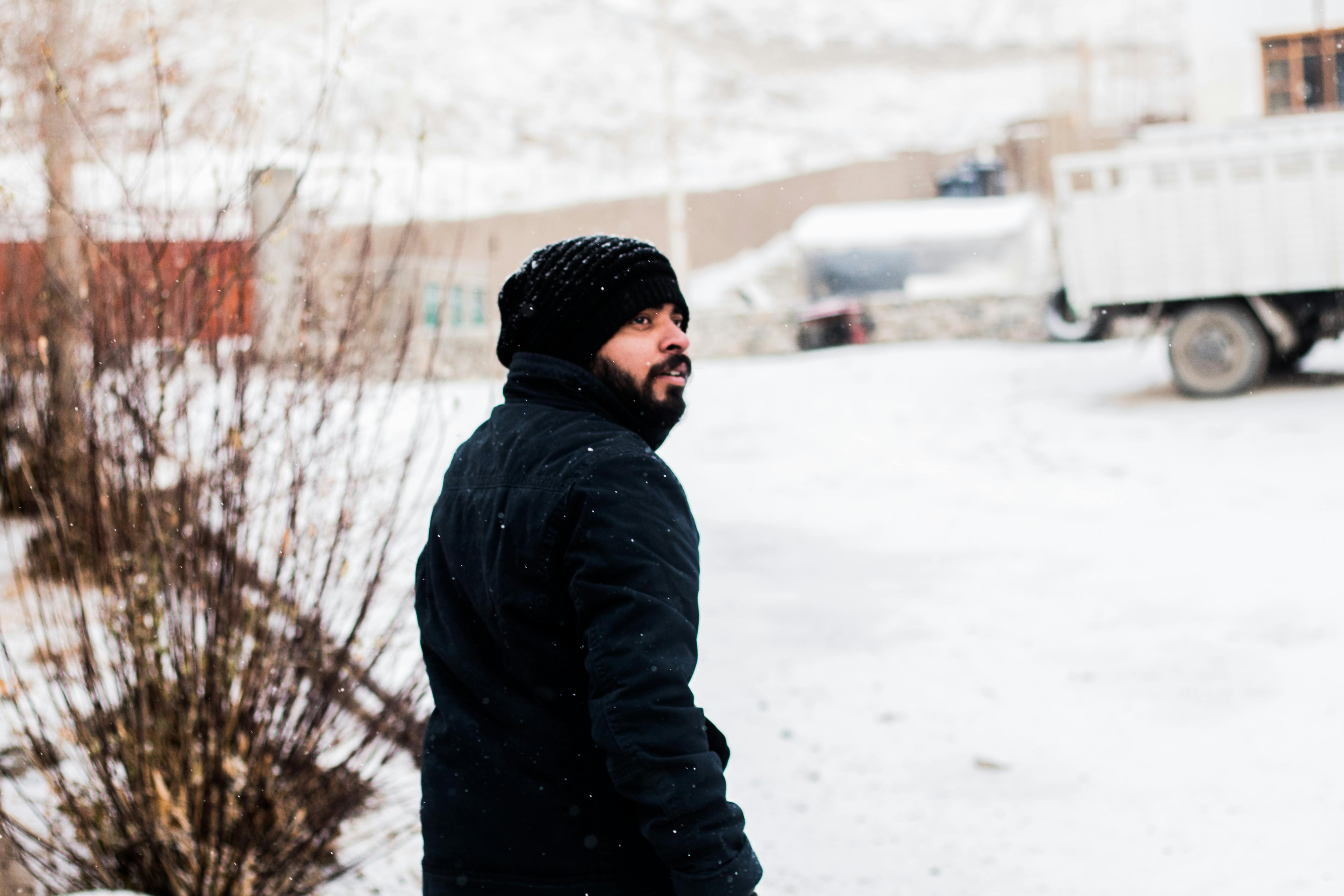
Ladakh, once a bustling stop on the Silk Route, is a high-altitude desert guarded by the Trans-Himalaya. In late March, winter still lingers: passes can be powder-white, lakes partly frozen, and the air crystalline. This is when quiet descends and the light turns dramatic—perfect for photographers, stargazers, and travelers who prefer thin crowds and big skies.
From Leh’s whitewashed monasteries and mud-brick lanes to Hanle’s newly designated Dark Sky Reserve and the luminous expanse of Tso Moriri, this itinerary balances acclimatization, culture, and safe, weather-aware road days. You’ll trace the Indus, sip butter tea, and stand beneath prayer flags that snap in the wind as chortens cast long blue shadows at dusk.
Practical notes: Late March means sub-zero nights (down to -10°C), dry cold, and possible weather closures. Build in a buffer (we did), carry layers and sunscreen, and plan Inner Line Permits for Hanle and Tso Moriri in Leh (your hotel/driver can arrange). Always hydrate, keep the first two days light for acclimatization, and check daily road advisories with your driver.
Leh
Ladakh’s capital sits at ~3,500 m, a compact town where royal palaces, stupas, and rugged peaks crowd the skyline. Monasteries like Thiksey and Hemis guard stunning thangka collections and morning prayer ceremonies, while the Indus–Zanskar confluence adds a geologic splash of color to the valley floor.
Top sights include Leh Palace, Shanti Stupa at sunset, and a monastery circuit (Shey–Thiksey–Hemis). Add the Hall of Fame museum, Magnetic Hill, and Gurudwara Pathar Sahib for a classic Indus Valley loop. Fun fact: the blue sea buckthorn you’ll see in juices and teas is a hardy berry that thrives here, rich in vitamin C.
- Where to stay: Browse central guesthouses and boutique stays on Hotels.com (Leh) or apartment-style options on VRBO (Leh). Choose properties with heating, electric blankets, and on-site dining in winter.
- Food and coffee: The Tibetan Kitchen (thukpa, shapta, momos; usually open year-round), Gesmo Restaurant & Bakery (strong coffee, bakes, Ladakhi fare), Lamayuru Restaurant (North Indian and Tibetan standards), and Neha Snacks (quick, hot vegetarian plates). Confirm winter hours.
- Getting in: Fly into Leh from Delhi (about 1h15). Compare fares on Trip.com flights or Kiwi.com; typical one-ways in March run ~$70–150. No trains reach Leh.
Hanle
Hanle, at ~4,270 m on the Changthang plateau near the Indo-Tibetan frontier, is famed for some of the darkest skies on Earth. In 2022, it became India’s first Dark Sky Reserve, and on moonless nights the Milky Way looks close enough to touch. Expect bone-dry, clear air—and very cold, star-glittering evenings.
Hanle Gompa perches over a windswept valley, and wildlife sightings (kiang, fox) are possible on the drive. Facilities are basic: you’ll stay in homestays, eat hot ladakhi meals in cozy kitchens, and warm up by bukhari stoves. That simplicity is part of the magic.
- Where to stay: Hanle offers homestays (e.g., family-run houses with warm meals and thick quilts). Book through your Leh hotel/driver. Carry cash, as networks and ATMs are patchy.
- Permits: Hanle requires Inner Line Permit (ILP) with Hanle specifically listed; your hotel/driver can process in Leh. Carry multiple copies for checkpoints (Karu/Upshi, Loma).
Korzok (Tso Moriri)
Korzok village fronts Tso Moriri, a 4,500 m alpine lake ringed by pastel mountains and frequent blue skies. In late March, the lake may still be partly frozen—ice fractals by dawn, glassy blues by afternoon. Fewer visitors come now; you’ll mostly hear prayer flags and the wind.
Korzok Monastery crowns the village, and short walks along the lakeshore bring big views and occasional bar-headed geese. Nights are frigid, but sunrise over the lake is unforgettable.
- Where to stay: Simple homestays in Korzok (many camps operate only from May–Sept). Your driver can call ahead to confirm winter openings.
- Food: Homestay kitchens serve thukpa, skyu, momos, and sea buckthorn tea. Expect hearty, warming plates—perfect after lakeside walks.
- Road notes: The Leh–Korzok route via Upshi–Chumathang–Mahe is typically the most winter-reliable, yet closures can still occur after fresh snow. Always check the day’s advisory.
Day 1: Arrive in Leh (Acclimatize and Sunset)
Travel: Arrive by midday. Search fares on Trip.com or Kiwi.com (Delhi–Leh ~1h15; budget ~$70–150 one-way in late March).
Afternoon: Check in, hydrate, and rest. Keep activity gentle: a relaxed stroll through Leh Main Bazaar to feel the altitude. Coffee and light bites at Gesmo Bakery (soups, cappuccinos). Avoid alcohol today.
Evening: Drive up to Shanti Stupa for a slow sunset over the Stok range. Dinner at The Tibetan Kitchen—order chicken/thenthuk or vegetarian thukpa for warmth. Early night.
- Stay tonight: Pick a heated room via Hotels.com (Leh) or VRBO (Leh).
Day 2: Monastery Circuit (Full-Day Tour)
Join a guided day trip to the Indus Valley monasteries—ideal while acclimatizing because the walking is light and driving scenic. You’ll visit Shey (old summer palace), Thiksey (iconic hilltop gompa with a 15 m Maitreya), and Hemis (vast, treasure-filled monastery tucked in a side valley). Typical duration 7–8 hours.
Recommended activity (Viator): Full Day Leh Monasteries Tour (Shey, Thiksey & Hemis)

Lunch options on route: simple thalis near Thiksey or return to Leh for Gesmo’s hot plates. Evening free; warm up with ginger-lemon-honey tea and sleep early.
Day 3: Leh Old Town, Palace, and Indus Sights
Morning: Easy wander through Leh Old Town alleys to Leh Palace. Pop into the Central Asian Museum for Silk Route context if open. Coffee at Gesmo or a simple tea stall—keep it light.
Afternoon: Indus loop: Hall of Fame museum (Indian Army heritage), Magnetic Hill pull-over, and the Indus–Zanskar confluence at Nimmu (a striking turquoise–olive meeting). Stop at Gurudwara Pathar Sahib for prasad and calm.
Evening: Dinner at Lamayuru Restaurant (hot curries, naan, and momos). Shop for pashmina or prayer flags in the bazaar; confirm permits for Hanle and Tso Moriri through your hotel/driver (carry 4–6 photocopies). Vehicle hire for remote sectors typically ₹7,000–9,500 per day for a 4x4/SUV including driver; winter surcharges may apply.
Day 4: Leh to Hanle via Chumathang and Nyoma (Road Day, Stargazing Night)
Morning: Depart around 7:00–7:30 a.m. Route: Leh–Karu–Upshi–Chumathang–Mahe–Nyoma–Loma–Hanle. Drive time 8–10 hours in March depending on snow and checks. Warm tea stop at Chumathang hot springs village.
Afternoon: Continue across the Changthang, scanning for kiang (wild ass). Present ILP copies at Loma checkpoint. Arrival Hanle by late afternoon; check into a homestay (heated room/extra blankets). Hot butter tea to thaw out.
Evening: Stargazing session in the Dark Sky Reserve. Ask your host for a sheltered spot; on moonless nights, the Milky Way arches brightly. Temperatures can plunge below -10°C—use layered clothing, hand warmers, and limit exposure in short bursts.
Day 5: Hanle Monastery and Drive to Tso Moriri (Korzok)
Morning: Visit Hanle Gompa for sweeping high-plateau views. Breakfast with eggs and khambir (local bread). Begin drive to Korzok around 10 a.m. via Nyoma–Mahe–Sumdo.
Afternoon: Arrive at Tso Moriri (Korzok) in 5–6 hours (road and weather permitting). Check into a homestay; the lake may be partly frozen—walk short, slow distances along the shore for surreal ice-blue patterns.
Evening: Homestyle dinner (thukpa, rice, sabzi). Step out briefly for a frigid, crystal-clear sky; winds often drop after 9 p.m., but dress for true winter.
Day 6: Tso Moriri Sunrise, Korzok Village, Return to Leh
Morning: Sunrise over Tso Moriri. Warm up with tea and porridge, then visit Korzok Monastery. Pack up by late morning.
Afternoon: Drive back to Leh via Korzok–Sumdo–Mahe–Chumathang–Upshi (7–8 hours, with tea breaks). If roads are smooth, pause in Chumathang for a quick hot-springs-side cup (no long soaks recommended in cold winds).
Evening: Back in Leh. Dinner at The Tibetan Kitchen or Lamayuru. Hot shower, early bed.
- Leh stays: Check heated options on Hotels.com or apartments on VRBO.
Day 7: High-Pass Adventure Buffer Day (Weather-Dependent)
If skies are clear and the road is open, take a high-altitude day trip. Option A: Khardung La, one of the world’s highest motorable passes, for epic ridge-line views. Option B (longer and only if Chang La is open): Pangong Lake as a day excursion. Your driver will confirm which route is viable that morning.
Recommended activity (Viator): Khardungla Pass Expedition: A High Altitude Day Trip from Leh

Alternative (long day; road status required): Pangong Lake Day tour from Leh

Note: Both options are full-day tours; plan simple breakfast, packed snacks, and a hot dinner back in Leh (Gesmo or Lamayuru). If weather closes the passes, use this as a relaxed Leh day: market browsing, butter-tea tastings, and a gentle walk to Shanti Stupa.
Day 8: Easy Morning in Leh, Depart in the Afternoon
Morning: Last sips of sea buckthorn juice and a bakery breakfast at Gesmo. Pick up pashmina or apricot kernels for gifts.
Afternoon: Transfer to the airport for your flight. Compare times and prices on Trip.com or Kiwi.com. Keep your ID and permit copies handy for airport checks.
Logistics, Safety, and Permits
- Inner Line Permit (ILP): Required for Hanle and Tso Moriri; list these sectors explicitly. Your hotel/driver can arrange in Leh; carry 4–6 copies for checkpoints (Karu/Upshi, Loma, Mahe). Expect government/environmental fees of a few hundred rupees per person.
- Vehicle: A private SUV/4x4 with a local driver is standard in winter. Budget ₹7,000–9,500 per day including driver/fuel; remote-sector surcharges possible. Fuel stations thin out beyond Upshi—your driver plans top-ups/jerrycans.
- Altitude & cold: Spend two easy days in Leh before going higher. Hydrate, eat warm meals, avoid alcohol the first 48 hours, and keep a light headache remedy on hand. Night temps in March can dip below -10°C in Hanle/Korzok.
- What to pack: Layered thermals, insulated jacket, windproof outer shell, warm hat and gloves, UV sunglasses, lip balm, SPF 50+, insulated bottle, and power bank. For stargazing, bring chemical hand warmers.
- Dining in remote areas: In Hanle and Korzok, homestays provide simple, hearty meals. Carry nuts/chocolate for the road and keep a thermos for tea.
Optional Add-On (If You Extend or Swap a Day)
For culture-focused travelers, swap Day 3 for a western Indus excursion to Alchi’s 11th-century murals and Likir’s grand Maitreya statue.
Recommended activity (Viator): Spiritual Escapade: Likir and Alchi Monastery Excursion from Leh

In eight days, you’ll experience Ladakh’s winter hush and spring’s first light—from Leh’s monastery bells to Hanle’s star fields and Tso Moriri’s icy-blue mirror. With a smart acclimatization plan and a seasoned driver, late March becomes a rare, intimate window into the Himalaya.