
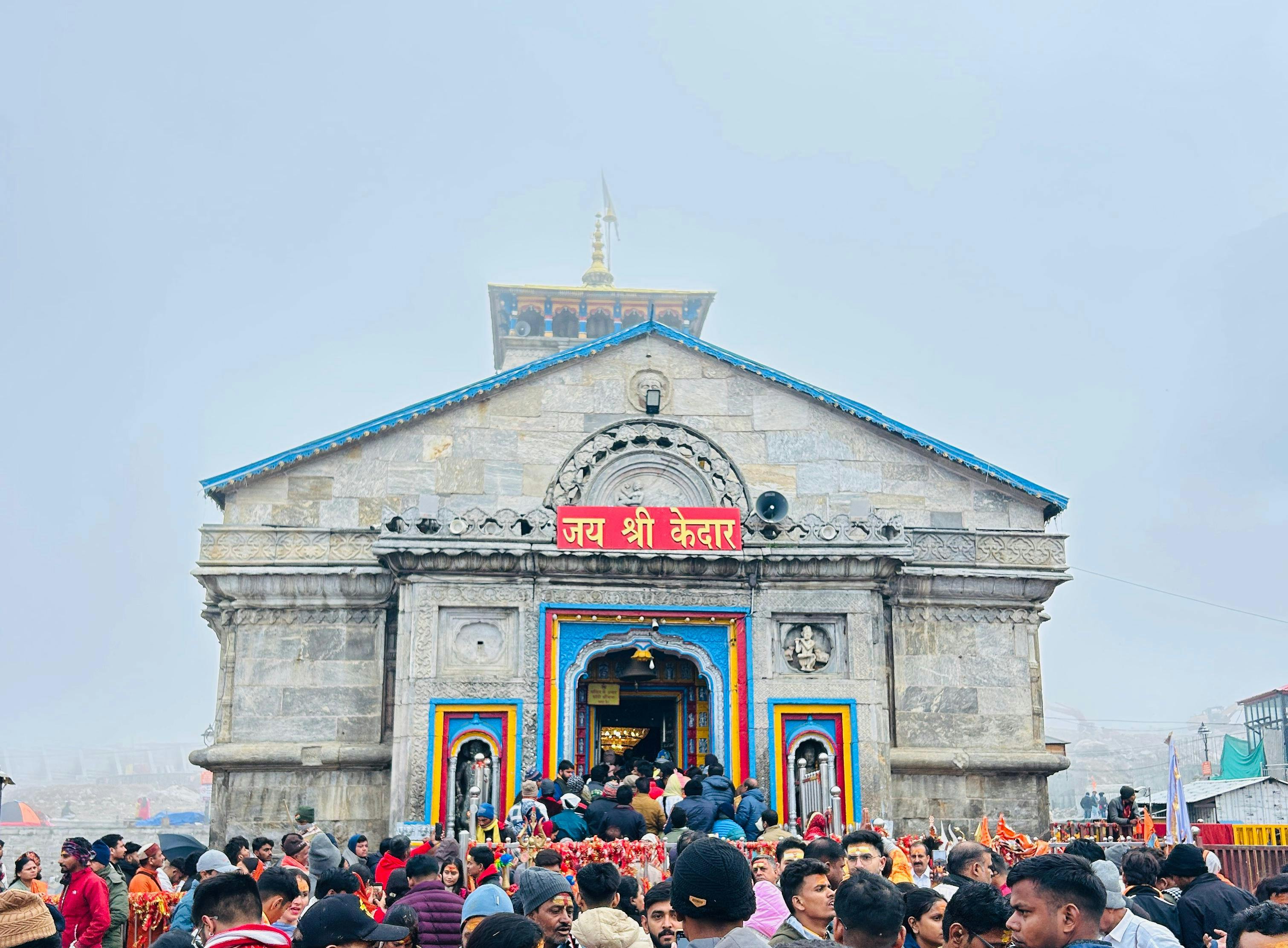
The Char Dham Yatra is India’s iconic Himalayan pilgrimage—four cardinal temples strung along river sources and glacier valleys: Yamunotri (Yamuna), Gangotri (Ganga), Kedarnath (Shiva), and Badrinath (Vishnu). The route was popularized by Adi Shankaracharya over a millennium ago and remains a living tradition that blends faith, mountain travel, and austere beauty.
Expect dramatic roads carved into ridgelines, cedar forests and apple valleys, and brisk, incense-scented temple towns at altitude. Highlights include the Ganga Aarti in Haridwar/Rishikesh, the hot springs of Tapt Kund in Badrinath, and the stark alpine cirque around Kedarnath. This 7-day plan is an “express” Char Dham—efficient, but realistic—using a helicopter for Kedarnath to keep the pace humane.
Practical notes: the main yatra season typically runs late April/May through October/November (monsoon in July–August means landslide-prone roads; check advisories). Registration for Char Dham is mandatory; carry photo ID. Meals in the dham towns are vegetarian (satvik); alcohol and smoking are banned near shrines. Pack layers, rain gear, motion-sickness tablets, and keep a buffer for mountain traffic.
Rishikesh & Haridwar
Gateway to the Garhwal Himalayas, Rishikesh and Haridwar bookend the plains and the peaks. Rishikesh’s ashrams and cafes overlook emerald Ganga currents, while Haridwar’s ghats light up nightly with the famed Ganga Aarti at Har Ki Pauri—brass lamps, Vedic chants, and drifting marigold diyas.
Top sights: Triveni Ghat Aarti, Ram/Lakshman Jhula promenades, Beatles legacy at the Maharishi ashram, and sunrise walks along the riverfront. Yoga classes and Ayurveda treatments abound if you want to add a restorative edge to your pilgrimage.
- Eat/Drink: Hoshiyar Puri (Haridwar; kachori-sabzi and thick lassi), Mohan Ji Puri Wale (puri-chhole), Mathura Walo Ki Prachin Dukaan (jalebi-hot milk), The Sitting Elephant (Rishikesh; rooftop North Indian with river views), 60’s Cafe Delmar/Beatles Cafe (continental bowls, views), Pure Soul Café & Organic Kitchen (salads, cold-pressed juices).
- Stay: Browse stays in Rishikesh on VRBO and hotels on Hotels.com. Haridwar options: Hotels.com (Haridwar).
- Getting in: Fly to Dehradun (DED) via Trip.com Flights or Kiwi.com. Trains to Haridwar/Rishikesh run from Delhi—search on Trip.com Trains.
Uttarkashi (Gateway to Gangotri)
A river town on the Bhagirathi, Uttarkashi is the practical base for Gangotri and a hub for ashrams and mountaineers. The vibe is slow and sincere; mornings start with temple bells and mist on the river.
- Top sights: Kashi Vishwanath Temple (copper trident), Maneri Dam views, day trips to Harsil Valley (deodar forests, apple orchards).
- Eat: Shivlinga Tourist Complex Restaurant (simple veg thali), Hotel Govind Palace Restaurant (North Indian standards), tea with pakoras at small riverside dhabas on the Gangotri road.
- Stay: See options on Hotels.com (Uttarkashi).
Guptkashi (Base for Kedarnath)
Guptkashi sits above the Mandakini River with snow views of Chaukhamba. It’s the logistical springboard for Kedarnath, with helipads at Phata and Sersi nearby and queues for the Sonprayag–Gaurikund shuttle.
- Top sights: Vishwanath Temple (Guptkashi), evening aarti at local shrines; day trip to Deoria Tal if adding time.
- Eat: Roodraksh Bhojanalaya and Kedar Valley dhabas for hot rajma-chawal, GMVN canteens for reliable satvik meals; chai halts at Sonprayag before the shuttle.
- Stay: Browse Hotels.com (Guptkashi).
Joshimath & Badrinath
Joshimath is the gateway to Auli’s meadows and the road to Badrinath. Badrinath itself sits under the Neelkanth peak, with the Alaknanda roaring through town and steamy Tapt Kund just below the temple steps.
- Top sights: Badrinath Temple, Tapt Kund hot springs, Mana (India’s “last village”), Vyas Gufa and Bheem Pul over the Saraswati. In Joshimath, visit the ancient Jyotirmath monastery.
- Eat: In Badrinath, the in-house restaurant at Sarovar Portico (pure veg North Indian) and small bhojanalayas near the bus stand for hot rotis and sabzi; in Joshimath, Café Nanda Devi (snacks, tea), and homely thalis at market-side kitchens.
- Stay: Search Joshimath stays on VRBO (Joshimath) or hotels on Hotels.com (Joshimath). For Badrinath: Hotels.com (Badrinath).
Day 1: Arrive Dehradun → Rishikesh/Haridwar
Morning: Fly into Dehradun (DED) via Trip.com Flights or Kiwi.com; or take a train to Haridwar/Rishikesh via Trip.com Trains. Transfer 45–90 minutes to Rishikesh/Haridwar. Check in and freshen up.
Afternoon: Ease in with a riverside walk—Lakshman Jhula to Tapovan is a good stretch. Coffee and a late lunch at 60’s Cafe Delmar (Beatles Cafe) for veg burgers or shakshuka with Ganga views, or Pure Soul Café for smoothie bowls and Himalayan honey tea.
Evening: Attend the Ganga Aarti at Triveni Ghat (Rishikesh) or Har Ki Pauri (Haridwar). Dinner at Hoshiyar Puri (kachori-sabzi, paneer bhurji, raita) or The Sitting Elephant’s rooftop for dal tadka and tandoori roti. Turn in early—tomorrow is a mountain day.
Day 2: Rishikesh → Barkot/Janki Chatti → Yamunotri Darshan
Morning: Depart by 5:30–6:00 a.m. for Barkot/Janki Chatti (6.5–8 hours via Mussoorie). Hire an SUV with driver (INR 4,000–6,500/day including fuel, depending on vehicle and season). Breakfast stop in Mussoorie for aloo parathas and chai.
Afternoon: From Janki Chatti, begin the 6 km ascent to Yamunotri. Options: trek (3–4 hours up), pony (INR 1,200–2,000 one-way, negotiable), or palki/doli (INR 4,000–7,000, weight/distance based). Offer prayers at Yamunotri Temple and visit Surya Kund hot spring to see prasad (rice/potato) “cooked” in the natural boil.
Evening: Descend to Janki Chatti before dusk and drive back to Barkot (or stay in Janki Chatti if booked). Simple, hot vegetarian dinner at local bhojanalayas—ask for rajma-chawal or kadhi-chawal. Rest well.
Day 3: Barkot → Gangotri → Uttarkashi
Morning: Depart 6:00 a.m. for Gangotri via Uttarkashi (total 6–7 hours driving up). Tea break at Gangnani hot springs. Carry snacks and water; road is scenic but winding.
Afternoon: Darshan at Gangotri Temple (3,415 m). Walk along the Bhagirathi, visit the ancient deodar grove, and, if time permits, the Pandava Gufa trailhead. Lunch at a temple-town eatery for poori-sabzi or khichdi.
Evening: Return to Uttarkashi (3–3.5 hours). Check in and dine at Shivlinga Tourist Complex Restaurant (veg thali, hot rotis) or Hotel Govind Palace Restaurant. Early night.
Day 4: Uttarkashi → Guptkashi (Long Mountain Drive)
Morning: Start by 6:00 a.m. for Guptkashi (8–9.5 hours via Ghansali/Chopta or Srinagar-Rudraprayag, traffic and landslides permitting). Breakfast stop in Srinagar or at a roadside dhaba serving aloo-pyaaz parathas.
Afternoon: Scenic pauses at confluences (Devprayag: Bhagirathi + Alaknanda = Ganga; Rudraprayag: Alaknanda + Mandakini). Light lunch en route—dal, vegetables, curd. Arrive Guptkashi; stretch your legs at the local Vishwanath Temple.
Evening: Briefing for tomorrow’s Kedarnath darshan. For food, try a GMVN canteen or a clean highway dhaba for jeera rice and mixed veg. Sleep early.
Day 5: Kedarnath Darshan (Helicopter Day Trip) → Return Guptkashi
Morning: Pre-book the helicopter from Phata or Sersi to Kedarnath (10–12 minutes flight; typical round-trip fares INR 7,000–9,500 per person; report time often 1–2 hours before slot). Alternative is the 16 km trek from Gaurikund (6–8 hours one-way), which would require an overnight at Kedarnath—too long for this 7-day plan.
Afternoon: Land near Kedarnath, walk ~600–800 m to the temple. Perform darshan and visit Bhairavnath Temple for sweeping valley views. Keep 2–3 hours buffer for weather holds. Have a simple meal (khichdi, tea) at a langar or stall and return by helicopter to Phata/Sersi.
Evening: Back in Guptkashi, debrief over hot soup and rotis at a local bhojanalaya. Hydrate and rest—tomorrow is Badrinath via Joshimath.
Day 6: Guptkashi → Joshimath → Badrinath
Morning: Depart 6:00 a.m. for Badrinath (7–8.5 hours). Breakfast in Rudraprayag or Karnaprayag (parathas, chai). The road climbs steadily with views toward Nanda Devi ranges.
Afternoon: Reach Badrinath, bathe at Tapt Kund (brief, the water is hot), and proceed to Badrinath Temple for darshan. Visit Brahma Kapal ghat and stroll the market for prasad and woolens.
Evening: If staying in Badrinath, dine at your hotel restaurant (pure veg) or a reputable bhojanalaya near the bus stand. If staying lower in altitude, base yourself in Joshimath and dine at a local eatery for thalis and steaming chai. Turn in early for the long return tomorrow.
Day 7: Badrinath/Joshimath → Rishikesh/Dehradun (Departure)
Morning: Optional sunrise dash to Mana village (30 minutes from Badrinath) to see Bheem Pul and Vyas Gufa; keep it tight (60–90 minutes). Begin the return drive by 7:00–7:30 a.m. to reach Rishikesh in ~9–10 hours, Dehradun airport in ~10–11.5 hours depending on traffic.
Afternoon: Aim for an afternoon/evening flight from Dehradun—build a buffer in case of jams or hill-road checks. Search departures on Trip.com Flights or Kiwi.com. If overnighting in Rishikesh, consider an Ayurveda massage and an early dinner.
Evening: Farewell dinner ideas: The Sitting Elephant (North Indian classics, rooftop views) or a simple Haridwar meal at Mohan Ji Puri Wale. Pack prasad and memories; you’ve completed the Char Dham circuit.
Logistics, Costs, and Practical Tips
- Transport: A private SUV with experienced mountain driver is the most reliable (INR 28,000–45,000 total for 6–7 days depending on vehicle/season). Shared jeeps and buses exist but are slower and less predictable. For flights/trains at the ends, use Trip.com Flights, Kiwi.com, and Trip.com Trains.
- Helicopter to Kedarnath: Phata/Sersi operators typically run 6:30 a.m.–5:00 p.m., weather dependent. Book as early as possible; carry ID, arrive before slot, and pack light (strict weight limits).
- Altitude & health: Stay hydrated, pace your steps, and keep warm layers. Many visitors are comfortable, but if dizzy or breathless, pause and descend if needed.
- Food: Strictly vegetarian around shrine zones. Order fresh, piping-hot items; avoid raw salads in smaller towns. Chai stops are part of the culture—use them to break up long drives.
- Best season: Late May–June and September–October are popular. Monsoon (July–Aug) brings lush hills but higher landslide risk—monitor advisories daily.
Where to book stays quickly along the route: Rishikesh on VRBO or Hotels.com; Uttarkashi on Hotels.com; Guptkashi on Hotels.com; Joshimath on VRBO or Hotels.com; Badrinath on Hotels.com.
In one intense week you’ll trace the sacred rivers from their high cradles, stand before four storied shrines, and watch the Ganga glow at dusk. Travel light, start early, and let the mountains set your pace. The Char Dham done this way is brisk, beautiful, and deeply grounding.