
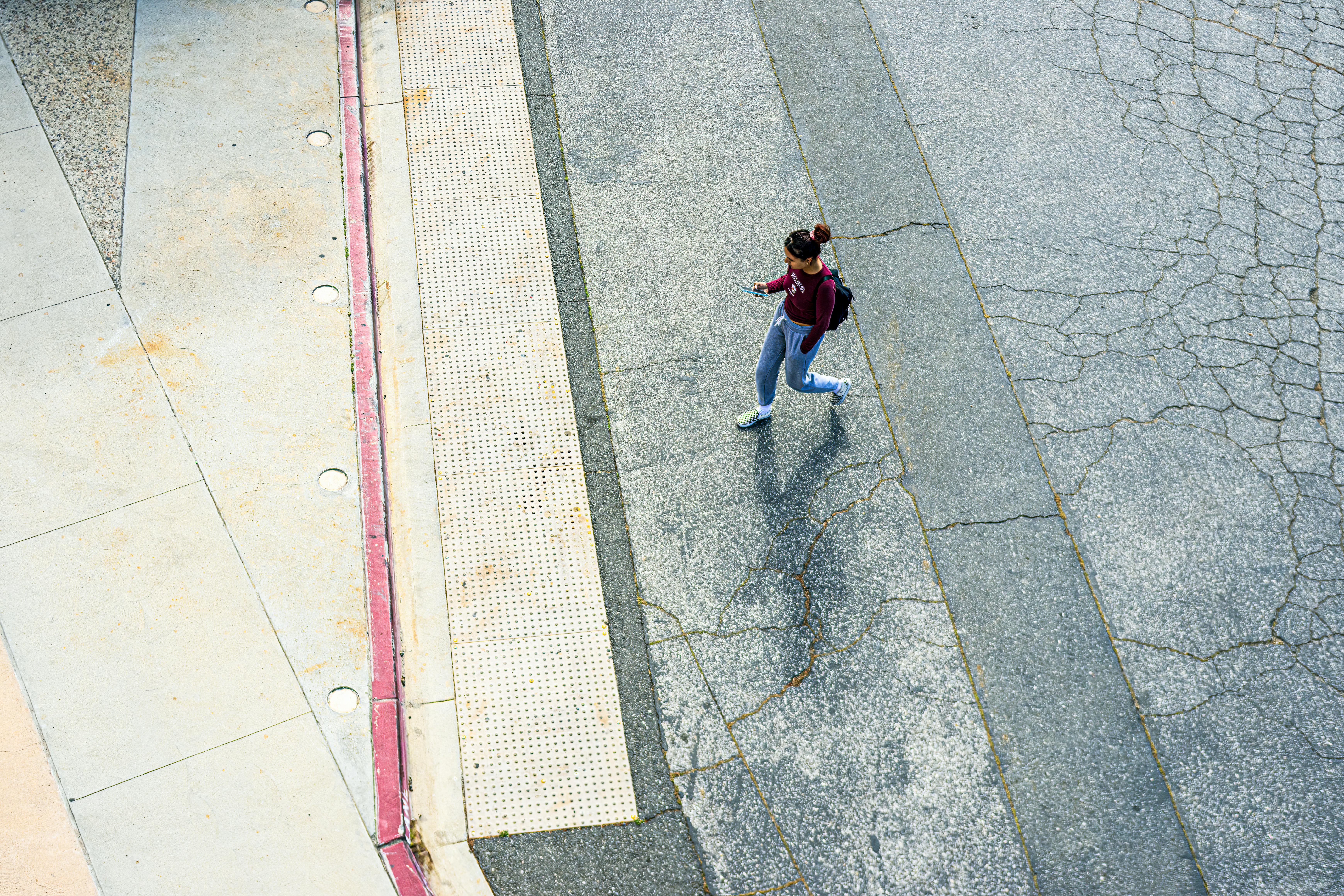
Japan blends centuries-old tradition with hyper-modern convenience, which is why it’s a dream for solo female travelers. In March and April, cherry blossoms light up parks and riversides from Tokyo to Kyoto, setting the stage for hanami picnics, shrine walks, and golden-hour photo ops. You’ll ride the shinkansen, slurp ramen, sample Kyoto kaiseki, and sip third-wave coffee in neighborhoods that feel like small towns within the city.
Historically, Tokyo grew from the samurai capital of Edo into a global metropolis, while Kyoto—Japan’s imperial heart for over a thousand years—preserves wooden machiya townhouses, Zen gardens, and geisha culture in Gion. Highlights this week include Shibuya Crossing, Meiji Shrine, teamLab’s immersive digital art, Fushimi Inari’s vermilion gates, Arashiyama’s Bamboo Grove, and riverside blossoms in Maruyama Park and along the Philosopher’s Path.
Practical notes: Japan is one of the world’s safest destinations, with excellent public transit and clear signage. Carry an IC card (Suica/PASMO/ICOCA), some cash for small shops, and a light rain jacket—spring weather swings from cool mornings to mild afternoons. Women-only train cars run during rush hour; avoid tout-heavy nightlife streets in Kabukicho and Roppongi. Luggage forwarding (takkyubin) makes city-hopping easy and secure.
Tokyo
Tokyo is a mosaic of micro-neighborhoods: serene shrines, fashion-forward avenues, retro shotengai arcades, and state-of-the-art art museums. You’ll explore Shibuya’s sky-high views, Asakusa’s Senso-ji Temple, and riverfront strolls near Toyosu and Tsukiji—plus spring’s best sakura at Chidorigafuchi, Ueno Park, and along the Meguro River.
Foodwise, think top-tier sushi and tempura, yuzu-scented ramen, imaginative izakaya small plates, and a coffee scene that rivals any world city. Expect polite service, spotless streets, and punctual trains that make solo travel refreshingly straightforward.
- Getting there from Hong Kong: Nonstop flights HKG–Tokyo (HND/NRT) are ~4–5 hours, often $180–$450 round-trip in spring. Search and book on Trip.com or Kiwi.com. From Haneda, the monorail or Keikyu gets you central in ~20–30 minutes; from Narita, the Skyliner or Narita Express takes ~45–70 minutes.
- Where to stay: Browse vetted options on VRBO Tokyo or compare hotels on Hotels.com Tokyo. Solo-friendly neighborhoods: Shinjuku (transport hub, dining), Shibuya (nightlife and shopping), or Asakusa (traditional vibes and easy sightseeing).
Day 1: Arrival, Asakusa Roots, and Sumida River Stroll
Afternoon: Land, check in, and refresh. Head to Asakusa for Tokyo’s oldest temple, Senso-ji—walk Nakamise-dori lined with lanterns and snack on ningyo-yaki cakes or kaminari-okoshi rice crisps. Coffee at Turret Coffee Tsukiji (short hop away) if you need a jet-lag reset; their espresso packs a punch.
Evening: Walk the Sumida River promenade for twilight views of Tokyo Skytree. Dinner nearby: try tempura at Tempura Daikokuya (light, sesame-fragrant batter), or go casual at Yakitori Omino for expertly grilled chicken skewers. If you’d like something simple, slurp yuzu-shio ramen at Afuri Azumabashi—refreshing and not too heavy.
Day 2: Tsukiji Bites, teamLab Art, and Old Tokyo Meets Modern
Morning: Breakfast graze at Tsukiji Outer Market: tamagoyaki-on-a-stick from Marutake, a fatty tuna hand roll at Tsukiji Itadori Uogashi, and warm soy-milk donuts at Konnamonja. Coffee at Turret Coffee Tsukiji or % Arabica Higashi-Ginza. Stroll to Hamarikyu Gardens; the tidal pond and teahouse are springtime serene.
Afternoon: Head to Toyosu for teamLab Planets (walk barefoot through immersive water and light installations) or to the new teamLab Borderless in Azabudai Hills—both are spectacular in any weather; book timed entry in advance. Late lunch back in Ginza: Maisen Aoyama’s Ginza outpost for panko-crisp tonkatsu, or Umegaoka Sushino Midori Ginza for generous, value sushi.
Evening: Explore Nihonbashi’s historic merchant streets and Coredo Muromachi’s craft shops. Dinner ramen run: Soranoiro Kyobashi (excellent veggie options) or classic shoyu bowls at Ramen Street in Tokyo Station. Nightcap at Bar High Five–style cocktail bars abound in Ginza; if bars aren’t your thing, try a depachika (food hall) dessert hunt in Mitsukoshi.
Day 3: Meiji Shrine, Harajuku-Fashion, and Shibuya Skyline
Morning: Enter the cedar-scented calm of Meiji Shrine; arrive early to hear gravel crunch and watch Shinto rituals. Coffee at Onibus Coffee in Nakameguro (roastery with a tiny, design-forward space) or Fuglen in Tomigaya for Nordic-style brews and vintage interiors. Browse Takeshita-dori’s pop boutiques, then the tree-lined modernism of Omotesando.
Afternoon: Lunch options: Afuri Harajuku (yuzu ramen), Kyushu Jangara (rich tonkotsu with “all the toppings”), or Maisen Aoyama Honten (if you missed it). Walk to Shibuya via Cat Street’s indie shops. Cross Shibuya Crossing—this modern icon has fun vantage points from Shibuya Station’s footbridge or Shibuya Sky (time sunset tickets).
Evening: Izakaya dinner in Shibuya: Nabezo (shabu-shabu and sukiyaki with all-you-can-eat veggies) or Uobei Genki Sushi (touchscreen conveyor fun, great for solos). Curious about tiny-bar culture? Try Nonbei Yokocho (Little Drunkard’s Alley) for friendly, postage-stamp-sized bars; choose ones with English menus and posted cover charges. Return to your hotel before the last train if you’re not used to late nights.
Day 4: Tokyo to Kyoto by Bullet Train + Fushimi Inari at Dusk
Morning (travel): Take the Tokaido Shinkansen from Tokyo Station to Kyoto. Nozomi is ~2h20; Hikari ~2h40. Expect ~¥13,800–¥14,500 one-way. Reserve seats at the station or book via Trip.com Trains. Consider sending your suitcase ahead via takuhaibin so you can board with a daypack.
Afternoon: Arrive Kyoto Station; eat at Kyoto Ramen Koji on the station’s upper floors—try local-style shoyu from Masutani or a classic Ippudo bowl. Check in, then ride to Fushimi Inari Shrine. Start the torii-gate climb; you can turn back at Yotsutsuji viewpoint for sunset over Kyoto’s tiled roofs.
Evening: Dinner in Fushimi: Tori Sei (yakitori and fresh nihonshu in a historic sake brewery) or Uosaburo (Kyoto-style cuisine if you want something refined). Alternatively, head to Pontocho Alley for riverside eateries; Gion Tanto serves comforting obanzai (Kyoto home-style small plates).
Kyoto
Kyoto is the keeper of Japan’s classical soul—over 2,000 temples and shrines, tea houses hidden down narrow alleys, and wooden machiya that glow warmly at night. Spring adds plum and cherry blossoms to Zen gardens and canal-side lanes, perfect for quiet solo walks.
Beyond the postcards are tactile experiences: whisking matcha in a tea ceremony, shopping for hand-dyed textiles, or savoring a seasonal kaiseki progression. Trains and buses link temples easily, and many neighborhoods are wonderfully walkable.
- Where to stay: Search townhouses and apartments on VRBO Kyoto or compare hotels on Hotels.com Kyoto. Good bases: Gion/Higashiyama (historic sights), Kawaramachi/Karasuma (shopping and transit), or near Kyoto Station (easy logistics).
Day 5: Arashiyama Bamboo, River Views, and Zen Gardens
Morning: Start early in Arashiyama’s Bamboo Grove before crowds. Visit Tenryu-ji Temple’s strolling garden, then detour to Okochi Sanso Villa for views across the mountains. Coffee at % Arabica Arashiyama (riverfront) or Sagano-yu Café (a former public bath turned brunch spot).
Afternoon: Lunch at Arashiyama Yoshimura for hand-cut soba with Katsura River views, or Shoraian for tofu kaiseki (bookings advised). Walk the Togetsukyo Bridge; if you’re up for steps, Iwatayama Monkey Park has city panoramas—keep a respectful distance from monkeys. Head to Ryoan-ji to contemplate Japan’s most famous rock garden; nearby Kinkaku-ji (Golden Pavilion) glitters in late-afternoon light.
Evening: Soothe travel legs at a traditional sento; Funaoka Onsen is a nostalgic, tile-lined bathhouse (note common tattoo restrictions). Dinner back in the center: Katsukura (juicy, sesame-grinder tonkatsu), or Gion Kappa for easygoing izakaya plates. A gentle canal-side walk along Shirakawa in Gion caps the night.
Day 6: Higashiyama Streets, Tea Ceremony, and Gion by Night
Morning: Coffee at Inoda Coffee Main Shop—retro kissaten vibes with thick toast and eggs. Visit Kiyomizu-dera; step onto the wooden terrace for city views. Wander Ninen-zaka and Sannen-zaka lanes (great for ceramics and fans); pause for yatsuhashi sweets.
Afternoon: Tea ceremony at Camellia (small-group instruction, English-friendly) to learn whisking techniques and etiquette. Walk the Philosopher’s Path, lined with blossoms and tiny shrines; lunch at Omen near Ginkaku-ji for udon with mountain vegetables. If time permits, detour to Heian Shrine’s garden for weeping cherries in season.
Evening: Dinner choices: Mishima-tei (historic sukiyaki; splurge-worthy), Issen Yoshoku (a playful, one-pancake okonomiyaki classic near Gion), or Musoshin Gion for rich ramen. For a memorable but relaxed drink, L’Escamoteur serves inventive cocktails in a whimsical, antique-filled space. Respect geiko/maiko—no blocking paths or flash photography.
Day 7: Nishiki Market Flavors and Departure
Morning: Coffee at Weekenders Coffee Roastery (hidden courtyard gem), then graze Nishiki Market: tsukemono (pickles), grilled eel skewers, croquettes, fresh tofu, and dashimaki tamago. For a sit-down, Honke Owariya (est. 1465) serves elegant soba—a taste of Kyoto history.
Afternoon (departure): Take the Haruka Limited Express from Kyoto Station to Kansai Airport (KIX) in ~75 minutes (~¥2,900 with IC). Fly KIX–HKG; compare options on Trip.com or Kiwi.com. If you prefer a round-trip into/out of Tokyo, swap Day 7 for a return shinkansen (~2h20–2h40) and an evening flight from HND/NRT.
Extra Tips for a Smooth Solo Week
- Cherry blossoms: Peak varies yearly; late March to early April is typical in Tokyo and Kyoto. Great spots: Chidorigafuchi moat (Tokyo), Meguro River (Tokyo), Maruyama Park (Kyoto), and the Philosopher’s Path (Kyoto).
- Transit: Get an IC card (Suica/PASMO in Tokyo; ICOCA in Kansai)—they’re interoperable. Trains and subways are safe, with women-only cars during rush hours.
- Dining solo: Ramen counters, conveyor-belt sushi, and izakaya with counter seating are welcoming. Many places display sample dishes or photo menus—pointing works fine.
- Connectivity: Pick up a SIM at the airport; Google Maps and Hyperdia-like apps make route-finding easy. Most attractions accept cards; small stalls may prefer cash.
Getting between cities and flights summary:
- HKG → Tokyo (HND/NRT): 4–5 hours; search on Trip.com or Kiwi.com.
- Tokyo → Kyoto: Shinkansen Nozomi ~2h20 (fastest), Hikari ~2h40; ~¥13,800–¥14,500; check schedules on Trip.com Trains.
- Kyoto → KIX: Haruka Limited Express ~75 minutes; airport buses available (~90 minutes) depending on your hotel location.
- Multi-city flight (HKG→Tokyo, KIX→HKG) often saves time; compare on Trip.com or Kiwi.com.
In one week you’ll taste Japan’s range—Tokyo’s kinetic energy and Kyoto’s contemplative grace—right as sakura season casts its pink spell. With safe streets, reliable trains, and food worth crossing oceans for, this itinerary is a confident, joy-filled introduction to solo travel in Japan.