
7 Days on the Konkan Coast: Ratnagiri and Goa Beaches, Heritage & Food Itinerary
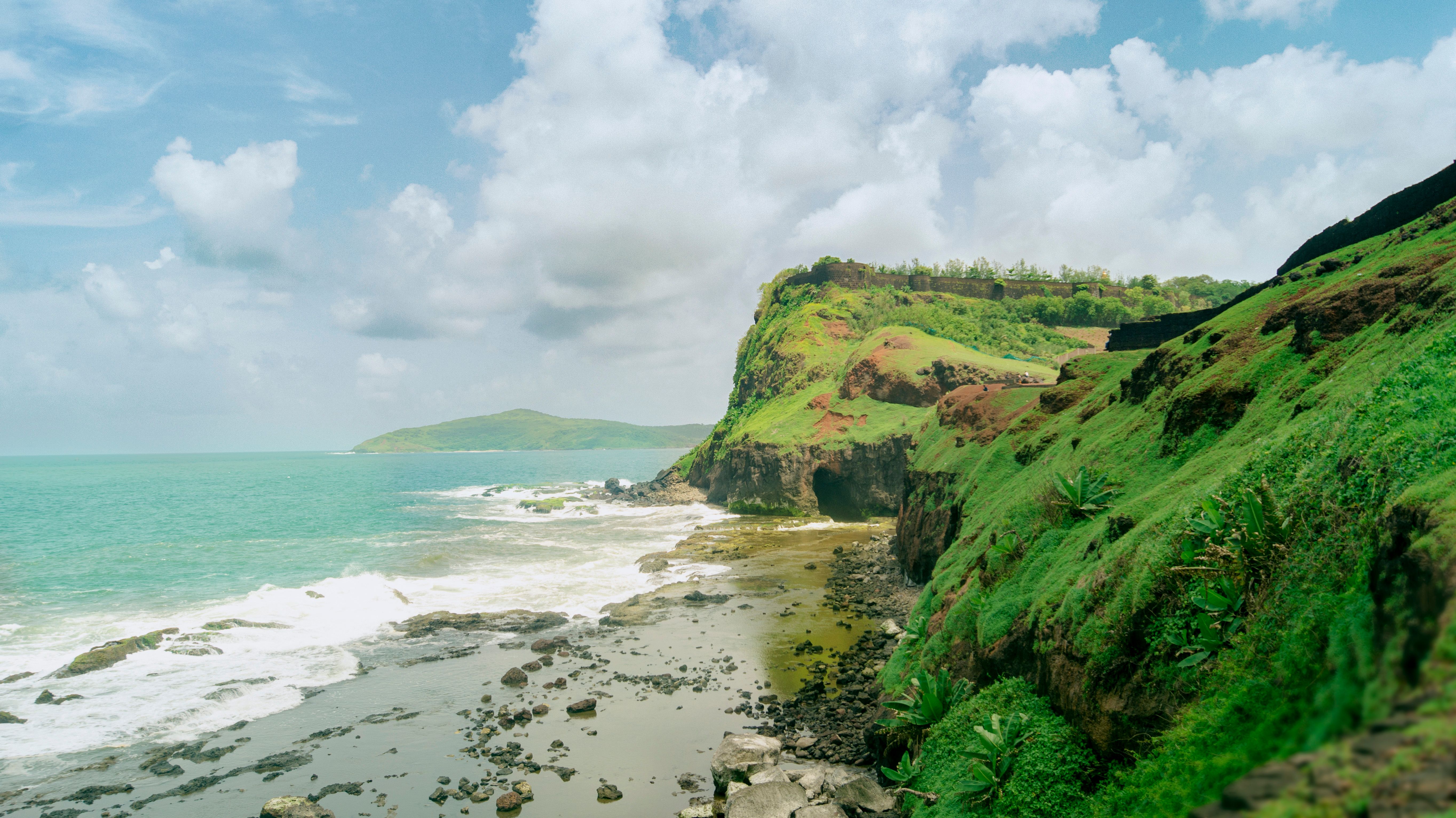
The Konkan coast is one of western India’s great slow-burn journeys: red earth, coconut groves, laterite churches, fish thalis, ferry crossings, and beaches that still feel tied to local life rather than spectacle. Ratnagiri, long associated with the old Maratha world, Lokmanya Tilak, and the famed Alphonso mango, offers a more intimate coastal Maharashtra, while Goa layers Kadamba roots, Portuguese rule, Catholic heritage, Hindu temples, and a famously easygoing shoreline culture.
What makes this 7-day Ratnagiri and Goa itinerary especially rewarding is contrast. You begin in a quieter seaside district where forts, lighthouses, and black-and-gold sands frame the Arabian Sea, then continue south into Goa, where heritage walks in Fontainhas, river islands, spice farms, and beach shacks create a richer picture than the usual party postcard.
Practically, this is an excellent route for travelers who enjoy road journeys and regional food. The best months are generally November to March for drier weather, though early summer is ideal for mango lovers in Ratnagiri; carry cash for smaller establishments, dress modestly for temples and churches, and expect seafood, coconut, kokum, cashew, and rice to define many of your best meals.
Ratnagiri
Ratnagiri is not a city that shouts. It wins you over with sea wind on old fort walls, village roads lined with mango orchards, and beaches where the loudest thing is often the surf.
This is the Konkan for travelers who like atmosphere over checklist tourism. Think Thiba Palace, Ratnadurg Fort, Bhatye Beach, the Bhagwati Temple precinct, and day trips to Ganpatipule, where a much-loved Ganesha temple sits near one of Maharashtra’s loveliest stretches of sand.
Food here is a serious pleasure. Order a local fish thali, solkadhi, bombil fry when available, tisrya masala, kombdi-vade, and seasonal aamras if mangoes are in swing.
Where to stay: Browse holiday rentals on VRBO Ratnagiri or hotels on Hotels.com Ratnagiri.
Getting in: For arrival into the Konkan region, use Trip.com flights or Kiwi.com flights to nearby gateways such as Goa or Mumbai, then continue by road or rail. For rail searches on India routes, check Trip.com trains; Ratnagiri is on the Konkan Railway and many onward journeys are scenic.
Activity ideas near the broader Maharashtra circuit:
- Best of Pune Private City Tour with Lunch and Transport
- Why Pune? : Heritage and Food Walks through Old Pune
- Pune Walking Tour with a Punekar
Day 1 - Arrive in Ratnagiri
Morning: Transit day. Plan your arrival into Ratnagiri for the afternoon; if reaching by train, keep the morning light and flexible, and if arriving by road from Goa or Mumbai, allow for traffic and comfort stops along the Konkan route.
Afternoon: Check in and settle slowly rather than overprogramming your first hours. Head to Bhatye Beach for your first look at the Arabian Sea; it is broad, breezy, and ideal for decompressing after travel. If energy permits, continue to the Bhatye creek side and lighthouse area for soft golden-hour views.
Evening: Visit Ratnadurg Fort around sunset if timing allows. The fort, also called Bhagwati Fort, combines military history with commanding sea views and a temple precinct that still feels active rather than museum-like. For dinner, look for a traditional Konkani seafood thali at a respected local family-style restaurant; order surmai fry or pomfret if fresh, plus solkadhi, the cooling kokum-and-coconut drink that belongs to this coast.
Day 2 - Ratnagiri Heritage, Palace & Ganpatipule Excursion
Morning: Start with breakfast of poha, misal, or ghavne if available at a local cafe or hotel kitchen. Then visit Thiba Palace, built for the exiled King Thibaw of Burma; the building carries a poignant colonial-era story and offers context that surprises many travelers who assume Ratnagiri is only about beaches.
Afternoon: Make a half-day trip to Ganpatipule, about 45 minutes to 1 hour by road from Ratnagiri. The Swayambhu Ganpati Temple is one of Maharashtra’s major pilgrimage sites, and the beach beside it is unusually photogenic, with pale sand and a sweeping bay. Have lunch nearby with a simple but excellent Konkani meal: fish curry-rice, fried prawns, or vegetarian usal and bhakri if you want something lighter after temple visiting.
Evening: Return to Ratnagiri for a quieter night. Stop for tea and local snacks such as kanda bhaji or modak if you see a busy local spot, then take an evening promenade near Mandvi Beach or the town market. Dinner should focus on another regional specialty you did not try on Day 1, perhaps kombdi-vade or crab masala if in season.
Day 3 - Ratnagiri to Goa
Morning: Depart Ratnagiri for Goa in the morning. By road, the journey typically takes about 5.5 to 7 hours depending on the exact Goa base and traffic; by train on the Konkan Railway, many routes take roughly 4.5 to 6 hours, often with particularly beautiful stretches of coast, river, and forest. Search options via Trip.com trains, Trip.com travel, or Kiwi.com. Budget roughly US$5-20 by train depending on class, or more for a private car transfer.
Afternoon: Arrive in Goa and check in. For a first afternoon, Panaji works beautifully if you want walkable heritage and restaurant options, while Candolim, Calangute, or Anjuna suit travelers prioritizing beach access. Keep the afternoon easy with a riverside stroll on the Panaji promenade or a first beach walk depending on your base.
Evening: Dine in Panaji or your beach neighborhood. In Panaji, a Goan-Portuguese meal is ideal for your introduction: prawn balchao, pork vindaloo, cafreal, recheado fish, and bebinca for dessert. If you stay in North Goa, choose a stylish but grounded beach restaurant rather than a generic party venue, and keep the first night calm.
Goa
Goa is much more than beaches. It is river islands, tiled villas, old bakeries, Indo-Portuguese mansions, Catholic liturgy, temple courtyards, feni, cashew country, and a food culture that rewards curiosity.
For a 7-day trip, Goa works best when treated as a region with distinct moods. Panaji and Fontainhas provide history and architecture; Old Goa gives you baroque churches and imperial memory; North Goa brings lively beaches and cafes; South Goa offers longer sands, more space, and a gentler rhythm.
Where to stay: Browse VRBO Goa or Hotels.com Goa. Specific options include Taj Exotica Resort & Spa, Goa for South Goa beach frontage, Holiday Inn Resort Goa for dependable resort comfort, Novotel Goa Resort & Spa for North Goa convenience, The Funky Monkey Hostel for social budget travel, and The Old Quarter Hostel if you want to be close to Panaji’s heritage core.
Recommended Viator experiences:
- Fontainhas Heritage Walk by Make It Happen
- Old Goa Heritage Walk by Make It Happen
- Dudhsagar waterfall wildlife & spice plantation Tour in Goa
- Private Market Visit and Cooking Class in Goa with a Local Family


Day 4 - Panaji, Fontainhas & Old Goa
Morning: Begin with coffee and breakfast in Panaji. Choose a bakery-cafe or old-school Goan eatery serving poi bread, omelets, patties, and strong coffee; this is a good morning to try a Goan chorizo-poi combination if you eat meat. Then join the Fontainhas Heritage Walk by Make It Happen, which brings depth to the Latin Quarter’s colored facades, azulejo-style details, chapels, and old family houses.
Afternoon: After lunch in Panaji, head to Old Goa. Visit the Basilica of Bom Jesus and Sé Cathedral, two of the most important church monuments in India, where architecture, empire, and devotion meet in unusually dramatic fashion. If you prefer guided context, the Old Goa Heritage Walk by Make It Happen is an excellent choice.
Evening: Return to Panaji for dinner. Seek out a restaurant specializing in Goan classics and order xacuti, rawa-fried fish, and serradura or bebinca. If you still have energy, take a gentle riverside walk rather than a late night; Panaji rewards lingering.
Day 5 - North Goa Beaches & Village Flavor
Morning: Have breakfast in North Goa, ideally somewhere known for good coffee, eggs, fresh fruit, and a quieter start before the beach crowds build. Spend your morning between Candolim, Sinquerim, or Vagator depending on your style: Candolim for a balanced beach day, Sinquerim for fort views and a more open shoreline, Vagator for dramatic red cliffs and a younger cafe scene.
Afternoon: For a structured overview, take the Explore the Best of North Goa by Car tour. If you prefer independent time, visit Chapora Fort for wide coastal views, then pause for lunch at a reputable beachside restaurant serving grilled kingfish, calamari, prawn curry, or vegetable cafreal. Add an afternoon stop in Anjuna for boutiques and a different texture of Goa: backpacker history, boho retail, and lingering counterculture traces.
Evening: Stay in Anjuna or Vagator for dinner. Choose a place with thoughtful seafood and cocktails rather than just volume; this part of Goa can do both atmosphere and good cooking when chosen carefully. If you want live music, keep it early and low-key so the trip remains varied rather than dominated by nightlife.
Day 6 - Dudhsagar or Spice Plantation Day
Make this a full-day nature and inland culture outing. The best ready-made option is the Dudhsagar waterfall wildlife & spice plantation Tour in Goa, which combines one of Goa’s most famous natural sights with a plantation visit and lunch. Expect an early start, changing vehicles in the forest zone depending on conditions, and a day that feels distinct from the coast.
If you would rather skip the longer waterfall circuit, consider the Highlights of South Goa with Spice Plantation Tour instead. Either way, this day gives you pepper vines, areca palms, local farm lunches, and a reminder that Goa’s identity is agricultural and riverine as much as coastal.
Day 7 - Market, Cooking, South Goa Ease & Departure
Morning: For your final morning, choose experience over rushing. The best option is the Private Market Visit and Cooking Class in Goa with a Local Family, which turns ingredients and domestic cooking into one of the trip’s most memorable cultural moments. You will understand spice balances, coconut use, souring agents, and the home roots of dishes often simplified in restaurants.
Afternoon: If your departure is later in the afternoon, keep a little buffer for transfer time to the airport or station. Travelers staying in South Goa can substitute a final beach walk at Colva, Benaulim, or Majorda; those in Panaji might prefer one last coffee and pastry, a quick souvenir stop for local spices or bebinca, and a calm riverside farewell.
Evening: Departure.
This 7-day Ratnagiri and Goa itinerary gives you two versions of India’s west coast: one quieter and deeply Konkan, the other layered with colonial history, island culture, and beach life. It is a route built for travelers who want seafood, heritage, scenic rail or road travel, and enough unhurried time to let the coast reveal itself properly.