
7 Days on Morocco’s Atlantic Coast: Casablanca & El Jadida Itinerary
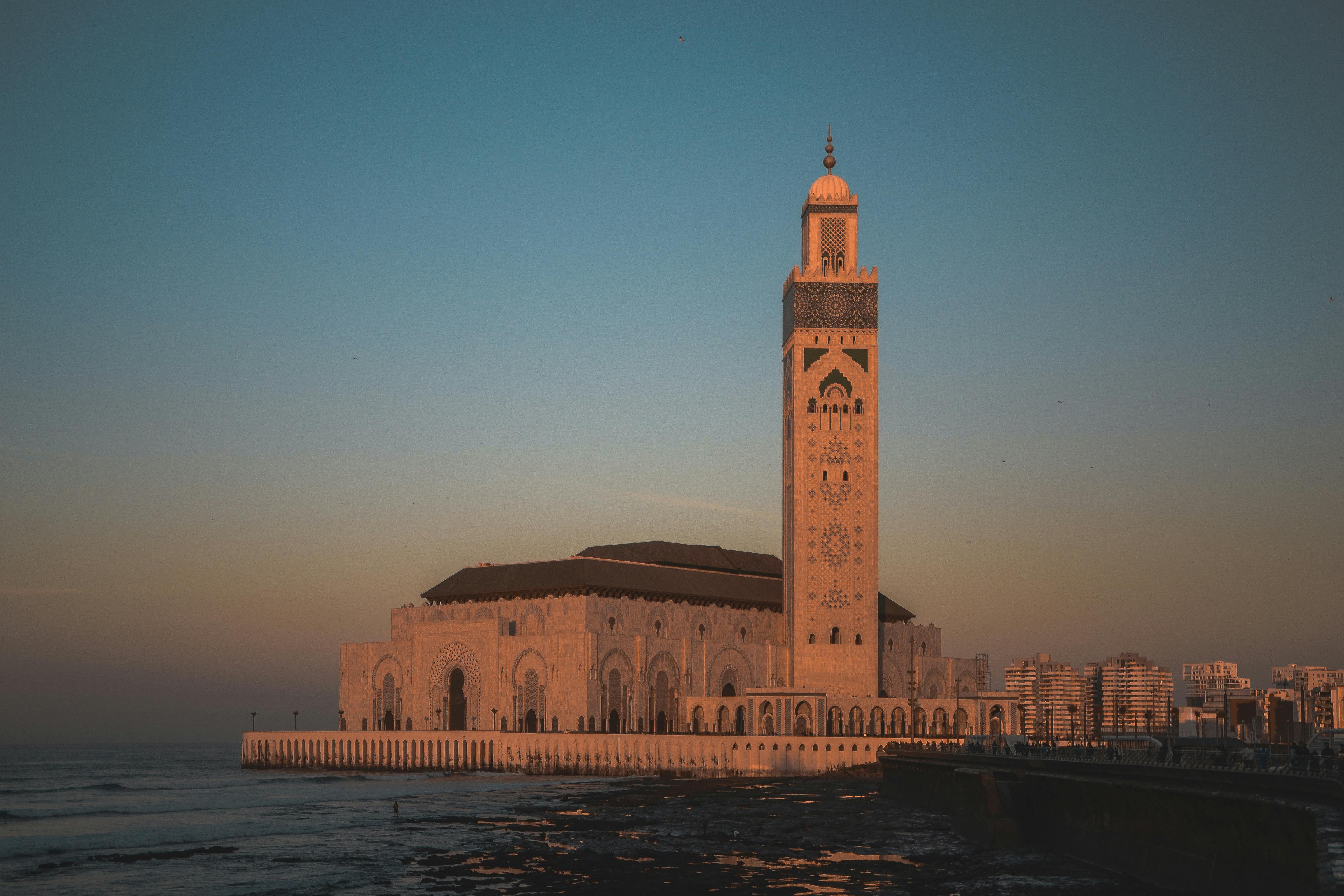
Casablanca-Settat is Morocco’s economic heart and Atlantic playground—a place where sweeping ocean light hits minarets and Art Deco facades, where seafood markets bustle beside broad promenades. Casablanca, the country’s largest city, rose in the early 20th century, which explains its elegant European-influenced streets and grand squares. Just down the coast, El Jadida’s fortified “Mazagan” whispers an older story: Portuguese ramparts, a vaulted cistern, and quiet alleys washed in sea breeze.
Expect variety: mornings with msemen (Moroccan pancakes) and mint tea, afternoons tracing Art Deco lines and visiting the Hassan II Mosque—the world’s tallest minaret—then sunsets over the Corniche. In El Jadida, clamber the walls, descend into the cinematic Portuguese Cistern, and head to sandy beaches and surf breaks at Sidi Bouzid. Seafood is the star here—grilled sardines, sole, and calamari in simple, superb market-side grills.
Practical notes: The Moroccan dirham (MAD) is a cash-forward currency; tip 5–10% for good service. Dress modestly when visiting religious sites, and note that the Hassan II Mosque is open to non-Muslims on guided tours only. French and Arabic are widely spoken. For flights into Casablanca, compare prices on Trip.com and Kiwi.com. Trains are frequent and inexpensive along this coast; taxis and Casa’s tram cover shorter hops.
Casablanca
Casablanca rewards curiosity. The Hassan II Mosque rises partly over the Atlantic, its green-tiled minaret sending a laser toward Mecca. Downtown, the city’s 1920s–40s boom left a treasure of Art Deco and modernist buildings—cinemas, arcades, and banks—best seen on foot. Along Ain Diab’s Corniche, locals jog and sip espresso as waves break on black rock.
- Top sights: Hassan II Mosque; Habous (the “new medina”); Marché Central; Place Mohammed V; Arab League Park; Villa des Arts; Abderrahman Slaoui Museum; La Corniche & Morocco Mall.
- Eat & drink highlights: La Sqala for traditional breakfasts in a historic bastion; Rick’s Café for film-nostalgia dining; fresh-catch lunches at Marché Central; ocean-view dinners at Le Cabestan; Amoud for pastries; Sky 28 for city panoramas.
- Where to stay: Browse beachfront stays, city-view apartments, and riad-style homes on VRBO Casablanca or compare hotels from Gauthier to Ain Diab on Hotels.com Casablanca.
- Getting there: Fly into CMN (Casablanca Mohammed V). Search fares with Trip.com and Kiwi.com. From CMN, the airport train to Casa Voyageurs takes ~45 minutes; taxis to downtown run ~45–60 minutes depending on traffic.
Day 1: Arrival, Seaside Air, and Casablanca Classics
Afternoon: Arrive and check in. If you’re staying in Gauthier or near the Corniche, shake off jet lag with a gentle stroll on Ain Diab’s promenade—Atlantic mist, surfers, and café terraces set the tone. If you’ve time, wander Arab League Park and peek at the striking (deconsecrated) Sacré-Cœur Cathedral’s facade.
Evening: Book dinner at Rick’s Café, a faithful homage to the film (even if it wasn’t shot here). Go for the monkfish tagine or seafood pastilla; the piano soundtrack and stained glass warm the mood. Cap the night with skyline views at Sky 28 atop Kenzi Tower—order a minty mocktail or a classic negroni while tracing the lights down Boulevard Zerktouni.
Day 2: Hassan II Mosque, La Corniche, and Ocean-View Dining
Morning: Start at La Sqala, a 19th-century bastion turned garden café, for a Moroccan breakfast: msemen with amlou (almond-argan spread), baghrir (spongy crêpes), olives, and fresh-squeezed OJ. Then join a guided tour of the Hassan II Mosque (check the day’s tour times; adult tickets are typically around 130–150 MAD). Admire the cedar ceilings, zellij tilework, and the glass floor panels revealing the Atlantic below.
Afternoon: Tram or taxi to La Corniche. Browse Morocco Mall’s souq-inspired wing and ocean terrace; if the swell is up, watch surfers at Ain Diab. Lunch at Casa José near the port for Spanish-Moroccan seafood: gambas al ajillo, grilled sole, or a seafood paella sized for two.
Evening: Time your reservation at Le Cabestan with sunset—few tables in town rival its cliffside perch. Order oysters from Dakhla (season permitting) and a whole grilled fish. Post-dinner, walk the seafront or drop by Le Kimmy’z for live music and a nightcap.
Day 3: Habous Quarter, Markets, and Art Deco Casablanca
Morning: Head to the Habous Quarter, a 1930s “new medina” built with arcaded lanes and whitewashed riads. Snack on chebakia and ghoriba at Pâtisserie Bennis Habous (family-run since 1930) and browse olive wood, leather babouches, and spice shops. If open, the Abderrahman Slaoui Museum showcases vintage travel posters and Berber jewelry.
Afternoon: Make for Marché Central: choose your dorade or sardines from the fishmongers and have them grilled at one of the simple, excellent seafood counters—add a tomato-onion salad, fries, and lemon. Then walk an Art Deco loop: Place Mohammed V, Boulevard Mohammed V’s arcades, Cinema Rialto’s voluptuous curves, and cafes with terrazzo floors and brass lamps.
Evening: Dinner in Gauthier: try NKOA for inventive small plates (think spiced beef bao and ginger-lime fish) or Le Cuisto Traditionnel for slow-braised lamb and preserved-lemon chicken tagine. For dessert, hit Amoud patisserie for pistachio mille-feuille or fruit tarts.
Day 4: Day Trip to Azemmour and Haouzia Beach
Morning: Take an early train or taxi south (~1 hour by road) to Azemmour, a serene medina above the Oum Er-Rbia River. Wander mural-painted lanes, visit the Portuguese walls, and pause for mint tea at a river-view café. If the tide and time allow, continue to Haouzia Beach for a barefoot walk.
Afternoon: Lunch on the coast: go simple and fresh—grilled sardines dusted with cumin and salt, a tomato-olive salad, and chilled local soda. Return to Casablanca by late afternoon; stop for a flat white at Bondi Coffee Kitchen in Gauthier (great espresso, airy space) before a rest.
Evening: Casual night: Blend Gourmet Burger for Moroccan-fusion burgers (try the kefta-spiced patty) or a seafood harira and brochettes spot near the port. If you’d rather keep it sweet, the old-school gelateria Oliveri on Boulevard Mohammed V is a local institution for pistachio and lemon sorbets.
El Jadida
El Jadida—once Mazagan—holds a UNESCO-listed Portuguese fortified city with star-shaped bastions and sea gates. Its vaulted cistern famously appeared in Orson Welles’s “Othello,” and the surrounding coast hums with beach life and surf at Sidi Bouzid. Evenings feel unhurried: fishermen mend nets at the port while families stroll the ramparts.
- Top sights: Portuguese City ramparts; Portuguese Cistern; Sidi Bouzid beach; Sidi Bouafi lighthouse; town beaches and port.
- Eat & drink highlights: Market-side grills for sardines and sole; seaside cafés for mint tea at dusk; destination dining and spa day options at Mazagan Beach & Golf Resort (think Moroccan classics at Morjana or seafood at Sel de Mer).
- Where to stay: Compare medina guesthouses and beach resorts on VRBO El Jadida or hotels (including Mazagan Resort) on Hotels.com El Jadida.
- Getting there from Casablanca: ONCF trains run ~every 1–2 hours; the ride is ~1 hr 10–20 min and usually 35–55 MAD ($4–$6). Taxis/driver take ~1.5 hours. Aim for a morning departure to maximize the day.
Day 5: Casablanca to El Jadida, Ramparts at Sunset
Morning: Grab coffee and a croissant at Amoud or a neighborhood café, then catch a morning ONCF train to El Jadida. Check into your medina guesthouse or a beach resort; drop your bags and head straight for the Portuguese City.
Afternoon: Visit the Portuguese Cistern—its shallow water mirrors stone arches in soft light. Explore the ramparts: stop at the Sea Gate (Porte de la Mer) and trace the bastions as the Atlantic breathes against the walls. For lunch, pick a market-side grill and order a mixed plate: sardines, sole, calamari, plus lemon and cumin on the side.
Evening: As golden hour rolls in, circle the ramparts again—photographers love the textures here. Dinner option 1: in-town seafood with a simple grilled dorade and zaalouk (eggplant). Option 2: head to Mazagan Beach & Golf Resort for a destination dinner—Morjana for tagines and pastilla or Sel de Mer for sea-to-plate specialties.
Day 6: Sidi Bouzid Beach Day and Lighthouse Walk
Morning: Breakfast at a café on Avenue Mohammed V—order msmen with honey and a café noir. Taxi to Sidi Bouzid for a beach morning: swimming and beginner-friendly surf; rental boards and lessons are usually available right on the sand.
Afternoon: Lunch barefoot: beach shacks serve grilled fish, kefta brochettes, and fresh salads. After a siesta, walk to the Sidi Bouafi lighthouse viewpoint for wide Atlantic horizons and fishing-boat traffic heading home.
Evening: Back in town, shop for handwoven baskets and ceramic tajines near the medina. For dinner, choose a family-run spot for kefta tagine with eggs or a couscous (Fridays are traditional). Finish with mint tea and almond briouats on a terrace as night folds over the walls.
Day 7: Easy Morning, Souvenirs, and Departure
Morning: Take a last slow stroll on the ramparts, then pop into the produce market for dates, ras el hanout spice blends, and preserved lemons to pack. If you stayed at Mazagan, sneak in a final beach walk or spa hour.
Afternoon: Train or transfer back toward Casablanca for your flight (plan ~1.5–2 hours to CMN with buffer). Grab a light lunch—grilled fish sandwich and fresh juice—before you go. Ma’a salama!
Transport Notes and Booking Tips
- Flights: Compare international fares into Casablanca (CMN) on Trip.com and Kiwi.com. Aim to land before midday on Day 1 if possible.
- Casablanca trams and taxis: Trams are clean and intuitive (buy tickets at station kiosks). Red petit taxis are metered; agree on using the meter before departure.
- Trains: ONCF regional trains link Casablanca Voyageurs to El Jadida in ~1h15; 2nd class is comfortable. Sit on the ocean side for views as you approach.
Optional Morocco Add‑Ons (For After Your 7 Days)
Many travelers pair the Atlantic coast with a short Sahara or far-south adventure. If you plan extra days beyond this itinerary, here are two memorable options:
-
Merzouga Desert – Camel Ride & Overnight in the Camp: Sunset camel trek, dinner under the stars, and dawn light on Erg Chebbi dunes—an iconic Morocco experience.
Book on Viator

Merzouga Desert – Camel Ride & Overnight in the Camp on Viator -
Dakhla Catamaran Tour: Glide across a vast turquoise lagoon famed for flamingos and dolphins; a unique Atlantic-Sahara meeting point perfect for nature lovers.
Book on Viator

Dakhla Catamaran Tour on Viator
Food & Drink Cheat Sheet (Casablanca focus):
- Breakfast/coffee: La Sqala (traditional spreads and msemen), Pâtisserie Bennis (cookies to-go), Bondi Coffee Kitchen (flat whites), Amoud (classic French-Moroccan pastries).
- Lunch: Marché Central seafood grills; Casa José (Spanish-style seafood); quick bites at Corniche cafés.
- Dinner: Rick’s Café (movie nostalgia, Moroccan staples), Le Cabestan (oceanfront fine dining), Le Cuisto Traditionnel (comfort Moroccan), NKOA (inventive bistronomy).
- Night: Sky 28 (panoramic cocktails), La Bodega (tapas and late-night energy), seaside strolls on the Corniche.
In one week, you’ll experience Casablanca’s mosque, markets, and modern skyline, then slow the tempo within El Jadida’s storied walls and beaches. It’s a coastal Morocco itinerary that balances culture with sea air—and leaves room for a future desert glow if you extend your trip.