
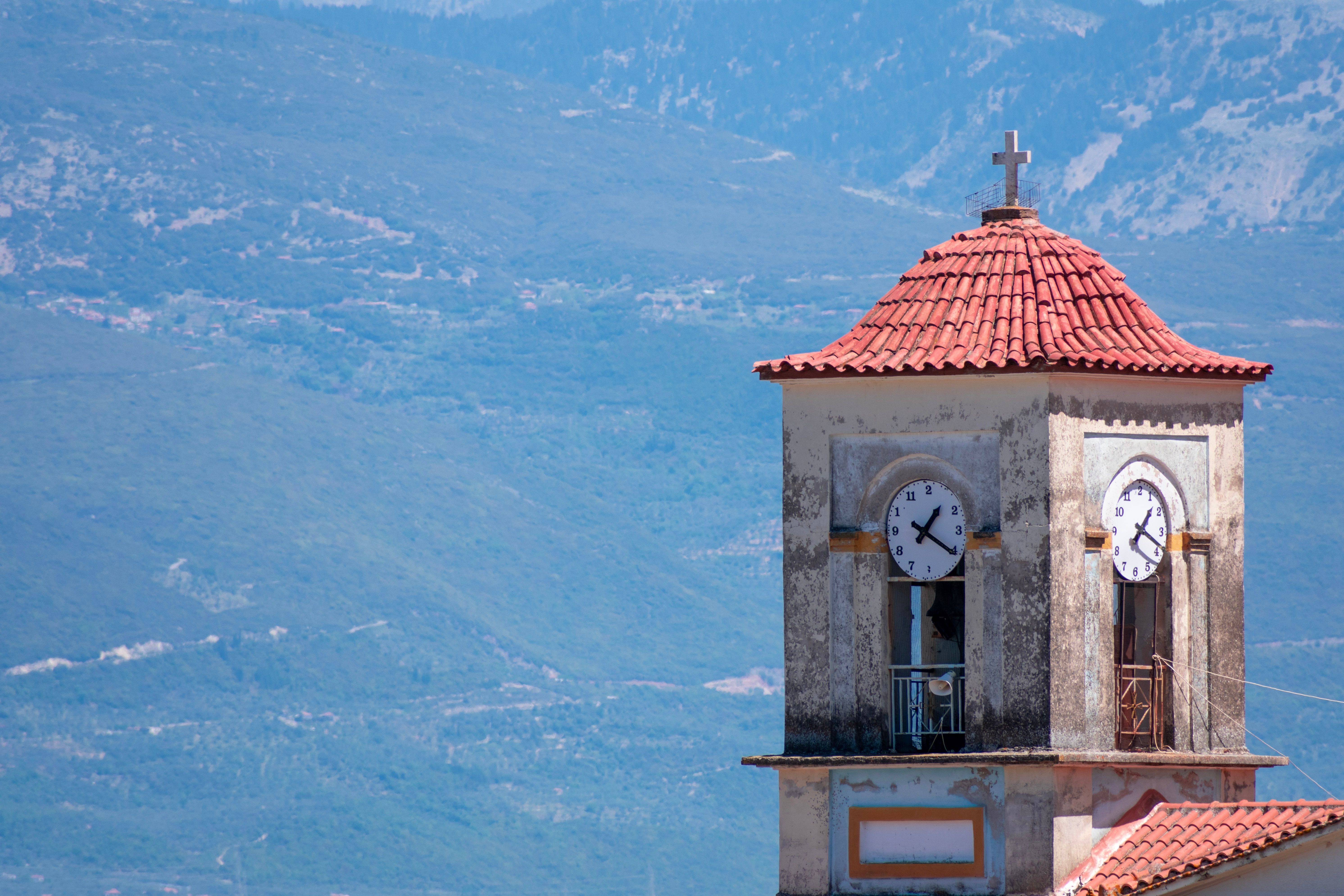
West Greece is one of those parts of Greece that rewards travelers who look beyond the most obvious island circuit. Stretching along the Gulf of Patras and the Ionian-facing mainland, the region carries layers of classical history, Byzantine memory, Venetian influence, and modern Greek daily life, all without the relentless pace of the country’s busiest tourism hubs.
Patras, the region’s largest city, has long been a gateway. It is known for its Roman Odeon, grand church of Saint Andrew, neoclassical streets, university culture, and one of Europe’s largest carnival celebrations. Nearby, the Rio-Antirrio Bridge stands as a dramatic symbol of contemporary Greece, linking the Peloponnese to mainland Greece in a sweep of steel and sea.
Nafpaktos offers a different mood entirely. Its postcard harbor, fortress walls, and sea-facing old town feel intimate and cinematic, while nearby mountain villages and beaches make it a strong base for slower exploration. For practical planning, spring through early autumn is ideal for this West Greece trip; a rental car is the most efficient option, though intercity buses are workable, and meals here are a highlight—expect fresh fish, pies, grilled meats, local wines, olive oil, and excellent coffee culture.
Patras
Patras is often treated as a transit city, which is precisely why it surprises people. Stay a few days and it reveals itself as a place of Roman ruins, broad waterfront promenades, strong café culture, and tavernas where locals still outnumber visitors.
The city is built in layers, with the lower town near the sea and the upper town climbing toward older neighborhoods and viewpoints. That geography gives Patras a pleasing rhythm: mornings by the water, afternoons among churches and archaeological sites, evenings with ouzo, seafood, and the lights of the gulf.
For accommodations, browse VRBO Patras stays for apartments with kitchens and sea views, or compare central hotels via Hotels.com in Patras. For arriving in Greece and connecting onward in Europe, use Omio flights; for mainland rail options within Greece and Europe planning, see Omio trains, and for coaches, Omio buses.
Patras food is one of its quiet strengths. Look for excellent grills, seafood along the coast, and pastry shops turning out spanakopita, tyropita, and syrup sweets. Good areas for dining and strolling include Agiou Nikolaou, Riga Feraiou, and the marina side.
- Coffee & breakfast: Start with specialty coffee and a pastry near the center; look for local cafés around Riga Feraiou pedestrian street, where freddo espresso culture is practically civic ritual.
- Lunch ideas: Choose a traditional mageirio or grill house for slow-cooked dishes, lemony potatoes, and village salad with proper feta and local olive oil.
- Dinner ideas: Prioritize fish tavernas by the water or a classic meat-focused taverna in the upper neighborhoods, where portions are generous and the atmosphere feels unmistakably local.
Day 1 – Arrive in Patras
Morning: This is your arrival day, so keep the morning unscheduled for travel logistics. If you are flying into Athens, continue west toward Patras by rental car or coach; the drive is typically about 2.5 to 3 hours, while bus options usually take around 3 to 3.5 hours. Use Omio flights for air planning and Omio buses for overland connections.
Afternoon: Check in and ease into the city with a gentle walk along the Patras waterfront. If you want a first meal that feels properly Greek without being too elaborate after travel, settle into a café-taverna for grilled halloumi, dakos, fried zucchini, and a glass of local white wine.
Evening: Spend your first evening on Riga Feraiou pedestrian street and the surrounding lanes. Have dinner at a traditional taverna serving grilled octopus, saganaki shrimp, or lamb baked with herbs, then finish with gelato or loukoumades while the city’s evening promenade begins to fill with locals.
Day 2 – Roman Patras and the upper town
Morning: Begin at the Roman Odeon, one of the city’s most important ancient monuments, built in the Roman imperial period and still used for performances today. Continue uphill through the older streets, where staircases and balconies create a more intimate Patras than the broad lower city reveals at first glance.
Afternoon: Visit the Castle of Patras, whose current form is largely Byzantine with later additions. The views over the gulf are worth the climb, and the site helps explain why this city mattered strategically for centuries. Stop for lunch afterward at a family-run spot in the upper town for gemista, moussaka, or kokkinisto with crusty bread.
Evening: Visit the Cathedral of Saint Andrew, especially beautiful in the softer late-day light. For dinner, choose a seafood restaurant near the coast and order small plates to share—taramosalata, marinated anchovies, grilled calamari, and fresh fish if available. This is the right kind of meal for Patras: relaxed, saline, and unshowy.
Day 3 – Rio, the bridge, and winery country
Morning: Head north to Rio, a short drive from central Patras, to see the Rio-Antirrio Bridge up close. This engineering landmark is striking from every angle, and the sea breeze here gives the morning a distinctly western Greek atmosphere—less postcard island, more working coastline with grandeur.
Afternoon: Continue into the surrounding countryside for a winery visit and lunch. The broader Achaia area is associated with long wine traditions, and this is a good moment to taste regional labels paired with local cheeses, olives, and roasted meats. If you prefer a lighter afternoon, choose a beach stop instead and swim or linger over coffee by the water.
Evening: Return to Patras for a slower night. Seek out a meze bar where you can sample fava, gigantes, spicy cheese dip, and house wine. West Greece is especially rewarding when you do not over-schedule the evening; this is a region that shines in conversation, long dinners, and second rounds of coffee or tsipouro.
Nafpaktos
Nafpaktos is one of the prettiest small coastal towns in mainland Greece. Its harbor is enclosed by stone fortifications, its old quarter rises toward a hilltop fortress, and the entire place feels scaled for wandering rather than rushing.
Historically known as Lepanto, the town is linked to the famous 1571 naval battle, but its appeal is not merely historical. Nafpaktos works beautifully for travelers who want sea views, architecture, beach time, and a more intimate pace than a major city can offer.
For accommodations, browse VRBO Nafpaktos stays for harbor-area apartments or villas nearby, and compare hotels via Hotels.com in Nafpaktos. Travel from Patras to Nafpaktos is straightforward: by car, about 35 to 50 minutes depending on your starting point and traffic; by bus, usually around 1 to 1.5 hours. Check Omio buses for route planning.
The town is especially good for simple pleasures done well. Strong coffee by the harbor, a midday swim, fresh fish, and sunset from the walls are not filler activities here; they are the essence of the place.
- Coffee & breakfast: Choose a harbor café for Greek coffee or cappuccino freddo with bougatsa or a savory pie while fishing boats rock in the water.
- Lunch ideas: Order grilled sardines, fried smelt, or stuffed vegetables at a taverna just back from the waterfront, where prices are often gentler than on the front row.
- Dinner ideas: Reserve one evening meal in the harbor itself for the atmosphere, then another in the lanes above town for a quieter, more local setting.
Day 4 – Transfer to Nafpaktos and harbor introduction
Morning: Depart Patras after breakfast and travel to Nafpaktos. The short transfer makes this an easy moving day; if you are driving, consider a brief scenic pause near the bridge approaches for final gulf views before continuing east.
Afternoon: Check in and have lunch near the Venetian harbor. Then walk the harbor walls, photograph the old towers, and continue into the old town lanes. Nafpaktos is best understood on foot: the scale is human, the stones hold the light beautifully, and the town’s visual harmony is its greatest asset.
Evening: Dine by the water with a view of the harbor entrance. Order fresh fish, grilled vegetables, horta, and local wine, then take an after-dinner walk as the fortress walls are illuminated. Few places in mainland Greece feel this cinematic without trying too hard.
Day 5 – Nafpaktos castle, beaches, and slow coastal dining
Morning: Visit the Castle of Nafpaktos, climbing or driving up in sections depending on your energy. The fortification unfolds in defensive rings, and from the upper levels the gulf, bridge, and red roofs below form one of the best panoramas in West Greece.
Afternoon: Cool off at one of the nearby town beaches or drive a short distance to a quieter stretch of coast. Have lunch at a seaside taverna—fried calamari, marinated gavros, tomato-cucumber salad, and chilled white wine make sense here. If you prefer culture to swimming, spend extra time in the old quarter and browse small local shops instead.
Evening: Choose a dinner spot slightly uphill from the harbor for a more residential atmosphere. This is a good night for meat dishes rather than fish: lamb chops, kontosouvli, or slow-cooked veal with orzo. End with yogurt and honey or galaktoboureko if available.
Day 6 – Day trip options: mountain villages or longer coastal exploration
Morning: Take a scenic excursion into the mountain villages of the Nafpaktia hinterland if you have a car. The contrast between coast and highland is part of what makes this region special; pine slopes, stone houses, and cooler air create an entirely different Greece within easy reach.
Afternoon: Have lunch in a village taverna with grilled meats, pies, and local greens, or remain on the coast and continue eastward for additional seaside stops and viewpoints. This flexible day is ideal for travelers who want either nature and roads less traveled or one more unhurried immersion in the gulf landscape.
Evening: Return to Nafpaktos for your final full evening in town. Have a lingering dinner at the harbor and order broadly from the menu rather than narrowly: spreads, seafood, seasonal vegetables, and whatever the kitchen recommends. The harbor after dark is the kind of place that persuades people to extend their stay.
Day 7 – Final morning in Nafpaktos and departure
Morning: Enjoy a last coffee and breakfast by the water. Keep the final hours simple: a walk on the seaside promenade, one last look from the harbor, and perhaps a stop for local sweets or olive oil to take home.
Afternoon: Depart for your onward journey. If returning toward Athens, allow roughly 2.5 to 3 hours by car depending on traffic; bus journeys are usually longer. Use Omio buses and Omio flights as needed for connections.
Evening: Most travelers will be in transit this evening, but if your departure is later, build in time for one final leisurely meal on the road rather than rushing. West Greece deserves a graceful exit.
Optional Viator add-ons for a Greece extension: If you plan to pair West Greece with Athens before or after this itinerary, these are worthwhile options: Athens All Included: Acropolis and Museum Guided Tour with Ticket, Greek Food Walking Tour in Athens, and Cape Sounion and Temple of Poseidon Half-Day Small-Group Tour from Athens.


This 7-day West Greece itinerary gives you two complementary views of the region: Patras, lively and layered, and Nafpaktos, intimate and sea-framed. Together they offer history, architecture, beaches, strong food, and a side of Greece that still feels grounded in local rhythm rather than spectacle.
If you want Greece beyond the usual headlines, this route is an excellent answer. It is scenic, practical, and full of the small pleasures that tend to become the memories people keep longest.