
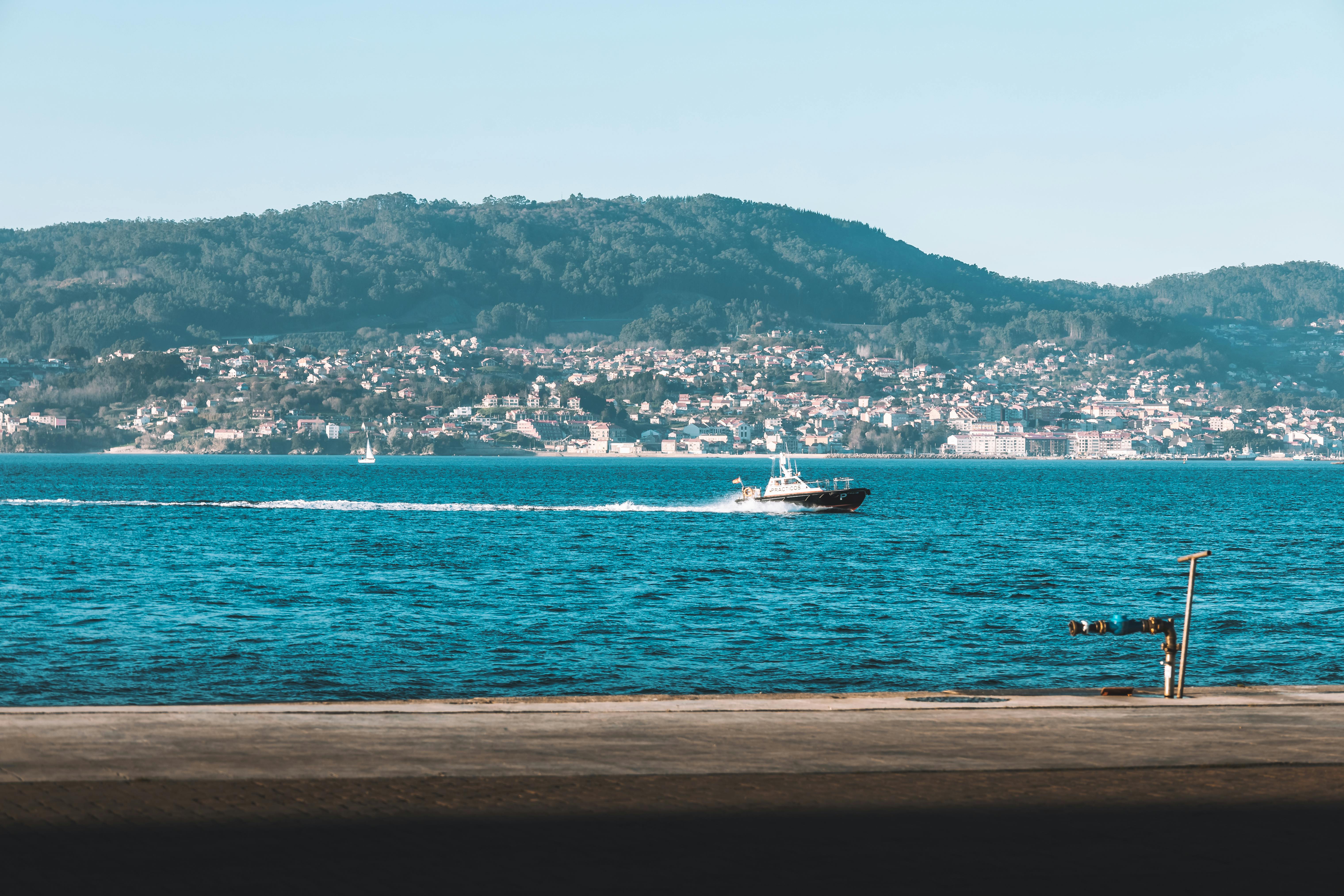
Vigo is often introduced as Galicia’s biggest city, but that description undersells it. This is a working Atlantic port with a fierce maritime soul, a handsome old quarter climbing above the harbor, and one of Spain’s strongest seafood traditions, all shaped by the cool, salt-laden waters of the Rías Baixas.
Historically, Vigo rose through fishing, shipbuilding, emigration, and trade, and traces of each still remain. You will see granite arcades in the Casco Vello, bustling docks, oyster sellers at the A Pedra market area, and broad modern avenues that tell the story of a city rebuilt and expanded through the 19th and 20th centuries.
What makes a week here so rewarding is range. You can spend one day wandering local tapas bars, another looking out toward the protected Cíes Islands, another tasting Albariño wine, and still another stepping into the granite elegance of Santiago de Compostela or the medieval calm of Tui and Pontevedra.
Fun facts help explain Vigo’s appeal. Jules Verne referenced the Bay of Vigo in Twenty Thousand Leagues Under the Seas, the city is famous across Spain for oysters and festive seafood culture, and nearby Cíes Islands are often praised for having some of Europe’s most beautiful beaches—even when you only admire them from the mainland on a shorter city-based trip.
Practically speaking, Vigo is an easy base for a 7-day Galicia itinerary. The city is walkable in its central districts though hilly, local taxis are straightforward, and regional trains and buses make day trips simple; if you arrive from elsewhere in Europe, compare flights and rail via Omio flights, Omio trains, and Omio buses.
Galician cuisine deserves advance planning rather than casual improvisation. Look for oysters, pulpo a feira, caldeirada-style fish, empanada gallega, tetilla cheese, local beef, and Albariño or Godello wines; as of March 2025, reservations are wise for well-known seafood restaurants, especially on weekends and sunny evenings by the water.
Vigo
Vigo feels gloriously real. It is not a polished museum-city but a living Galician port where fish markets, ferries, tapas bars, steep lanes, Belle Époque façades, and Atlantic light all share the same stage.
The city’s highlights are wonderfully varied: the Casco Vello for history, O Castro for panoramic views, Praza da Constitución for café pauses, the waterfront for seafood and ferries, and beaches such as Samil for sea air within the city itself. Vigo also works brilliantly as a base for the wider Rías Baixas, letting you see more of Galicia without constant hotel changes.
For accommodations, start with VRBO in Vigo for apartments with kitchens and extra space, or browse Hotels.com in Vigo for centrally located stays near the port, Casco Vello, or Urzáiz. Staying in the center reduces uphill taxi rides and makes evening tapas far easier.
To reach Vigo from elsewhere in Europe, use Omio flights and, if combining cities in Spain or Portugal, compare Omio trains and Omio buses. Typical regional rail times are around 1.5 hours from Santiago de Compostela and roughly 1.5 to 2 hours from A Coruña, while Porto usually requires a bus or mixed rail-bus journey of roughly 2.5 to 3.5 hours depending on connections.
For guided experiences in and around the city, these Viator options fit particularly well into a week-long Vigo trip:
- Discover Vigo: Historical and Cultural Walking Tour — a smart introduction to the city’s layers, ideal early in the trip.
- Electric bike tour with optional pick-up for cruisers — excellent for covering Vigo’s hills and coastal stretches without exhaustion.
- Discover in Ebike the coast of Vigo and its sunsets — especially appealing if you enjoy scenic viewpoints and seafront riding.
- Albariño trails Private Wine Tour/Shore excursion from Vigo — a fine way to understand why Rías Baixas wine is one of Galicia’s proudest exports.


Food is one of Vigo’s greatest pleasures, and the city rewards specificity. For oysters, head to the A Pedra area where shuckers and seafood spots celebrate the product that made this corner famous; for a classic splurge, Restaurante Maruja Limón remains one of the city’s most respected dining rooms, while taperías and marisquerías around the center offer superb razor clams, mussels, scallops, and grilled fish in a more informal setting.
For coffee and breakfast, seek out specialty cafés in the center for a calmer start before the city’s steep walks—places around Príncipe and the old town are ideal for pastry, tostada, and good espresso. For lunch and dinner, rotate between seafood, Galician comfort dishes, and modern tapas so the week never feels repetitive; local menus often shine brightest with simple ingredients treated seriously rather than elaborate presentation.
Day 1 – Arrival in Vigo and First Taste of the Old Port
Morning: This is your travel day, so keep the morning reserved for your journey to Galicia. If you are still arranging transport, compare European routes through Omio flights, Omio trains, and Omio buses.
Afternoon: Arrive in Vigo, check into your accommodation, and settle in before taking an easy orientation walk through the lower Casco Vello and waterfront. Begin around Praza da Estrela or the port area, then drift uphill toward Praza da Constitución, where arcaded buildings and stone streets offer an immediate sense of the city’s older soul.
Evening: For your first dinner, make it unapologetically Galician seafood. Start with oysters near A Pedra if you want the most emblematic welcome possible, then continue to a seafood-focused dinner with grilled fish, zamburiñas, or pulpo; if you prefer something more contemporary and polished, reserve a proper dinner service at Maruja Limón and let the kitchen introduce you to modern Vigo cooking.
Day 2 – Historic Vigo, O Castro, and a Guided Introduction
Morning: Start with coffee and breakfast in the city center—choose a café near Príncipe or the old quarter for fresh pastry, toasted bread with tomato, and strong coffee. Then join the Discover Vigo: Historical and Cultural Walking Tour, which is ideal near the beginning of the trip because it explains the city’s evolution from fishing settlement to major Atlantic port.
Afternoon: After the tour, climb or taxi up to O Castro. The hilltop park and fortress remains provide the best overview of the city, the estuary, and the outlines of the Cíes on a clear day; it also helps you understand Vigo geographically, which makes the rest of the week feel far more coherent.
Evening: Dine in the old town or central Vigo with a focus on tapas rather than a long formal meal. Order empanada gallega, croquetas, local cheese, octopus, and a glass of Albariño; this style of dinner suits the neighborhood well because Vigo’s pleasure lies as much in grazing and conversation as in any single grand restaurant.
Day 3 – Coastal Vigo and an Atlantic Sunset by E-Bike
Morning: Have a slower breakfast and then head toward the coast, either by local transport or taxi, to spend time around Samil Beach and the wider seafront. Samil is not just a beach but a civic breathing space where locals walk, run, and watch the weather move across the water.
Afternoon: Enjoy a seafood lunch near the coast—look for grilled sardines, hake, mussels, or arroz dishes if available. Then book the Discover in Ebike the coast of Vigo and its sunsets experience or the broader Electric bike tour with optional pick-up for cruisers if you want a more complete city-and-coast route.
Evening: Time your ride or post-ride drink for sunset. The Atlantic light around Vigo can be spectacular—silver, blue, and pink in quick succession—so choose a relaxed dinner afterward rather than overpacking the night; a casual dinner of tortillas, padrón peppers, and fish at a neighborhood restaurant is perfect after an active afternoon.
Day 4 – Day Trip to Santiago de Compostela
Morning: Depart Vigo in the morning for Santiago de Compostela. By train booked via Omio trains, the journey is typically about 1 hour 20 minutes to 1 hour 40 minutes and often roughly $10–$25 depending on timing; if you prefer a guided excursion, the Vigo Santiago de Compostela Shore Excursion with Guide or Full-Day Excursion to Santiago from Vigo for Cruisers Only offers a structured alternative.

Afternoon: Spend your time in Santiago exploring the cathedral precinct, Praza do Obradoiro, and the old granite streets that have welcomed pilgrims for centuries. Have lunch at a traditional restaurant in the historic center and try scallops, caldo gallego, or tarta de Santiago; the city has a more overtly monumental atmosphere than Vigo, which makes the contrast especially satisfying.
Evening: Return to Vigo by early evening. Keep dinner simple—wine, cheese, and a few plates in the center are more than enough after a substantial day—and enjoy the pleasure of sleeping back in one base rather than repacking.
Day 5 – Albariño Wine Country in the Rías Baixas
Morning: Begin with a light breakfast, because this is a day for tastings. The smartest way to experience the region’s wine landscape is the Albariño trails Private Wine Tour/Shore excursion from Vigo, which connects vineyards, Atlantic-influenced terroir, and the broader culture of the Salnés Valley better than trying to improvise several winery visits yourself.
Afternoon: Continue through wine country, where Albariño vines thrive in the oceanic climate and pair naturally with shellfish. This excursion is worth doing because Galician wine is not merely a beverage here; it is part of the grammar of local meals, and tasting it near its source gives context to nearly every lunch and dinner you will have in Vigo.
Evening: Return to the city and dine lightly—perhaps a few seafood conservas, salad, or grilled fish with a final glass of white wine. After a tasting day, the best evening is one with minimal planning: a stroll, an unhurried plaza, and an early night.
Day 6 – Baiona and Tui, Fortresses, Borders, and River Landscapes
Morning: Today is ideal for one of the region’s most rewarding mixed-history excursions. Book the Tuy and Baiona Private Day Tour from Vigo - Shore Excursion if you want a polished, efficient outing, or compare public transport using Omio buses for a more independent day.

Afternoon: In Baiona, look for the seafront promenade, old-town lanes, and views toward the bay; the town is tied to the story of the Pinta, making it historically memorable as one of the first European ports to receive news of Columbus’s return. In Tui, the cathedral-fortress and medieval streets feel quieter and older, while the nearby Miño River and the presence of Portugal just across the water create a wonderful frontier atmosphere.
Evening: Return to Vigo for dinner. Choose a meat-forward Galician meal tonight for contrast—aged local beef, roasted peppers, potatoes, and red wine—since several earlier days have likely leaned heavily into fish and shellfish.
Day 7 – Pontevedra and a Final Seafood Farewell
Morning: On your final full morning, take a short trip to Pontevedra, one of Galicia’s most graceful smaller cities. You can reach it independently by train or bus via Omio trains or Omio buses in roughly 30–45 minutes, or use the TOP Pontevedra : Private guided tour with your mobile for a self-paced structured visit.

Afternoon: Return to Vigo in time for lunch and departure preparations. If your departure is later in the afternoon, have a final meal centered on oysters, percebes if in season and available, or a beautifully simple grilled turbot or hake—something that reminds you why this Atlantic city earns repeat visits from serious eaters.
Evening: Depending on your flight or onward journey, head to the station or airport. If you still have time before leaving, enjoy one last coffee in the center and buy edible souvenirs such as tinned seafood, local wine, or Tarta de Santiago to carry a little Galicia home with you.
This 7-day Vigo itinerary gives you the city itself in proper depth while also opening the wider world of Galicia: Santiago’s grandeur, Pontevedra’s elegance, Baiona’s maritime history, Tui’s medieval calm, and the vineyard landscapes of the Rías Baixas. It is a trip built on sea air, granite, white wine, and the kind of meals that linger in memory far longer than the calendar suggests.