
7 Days in Vietnam: Quy Nhơn, Hà Nội & Sa Pa Itinerary for Beaches, Old Quarter Streets, and Mountain Views
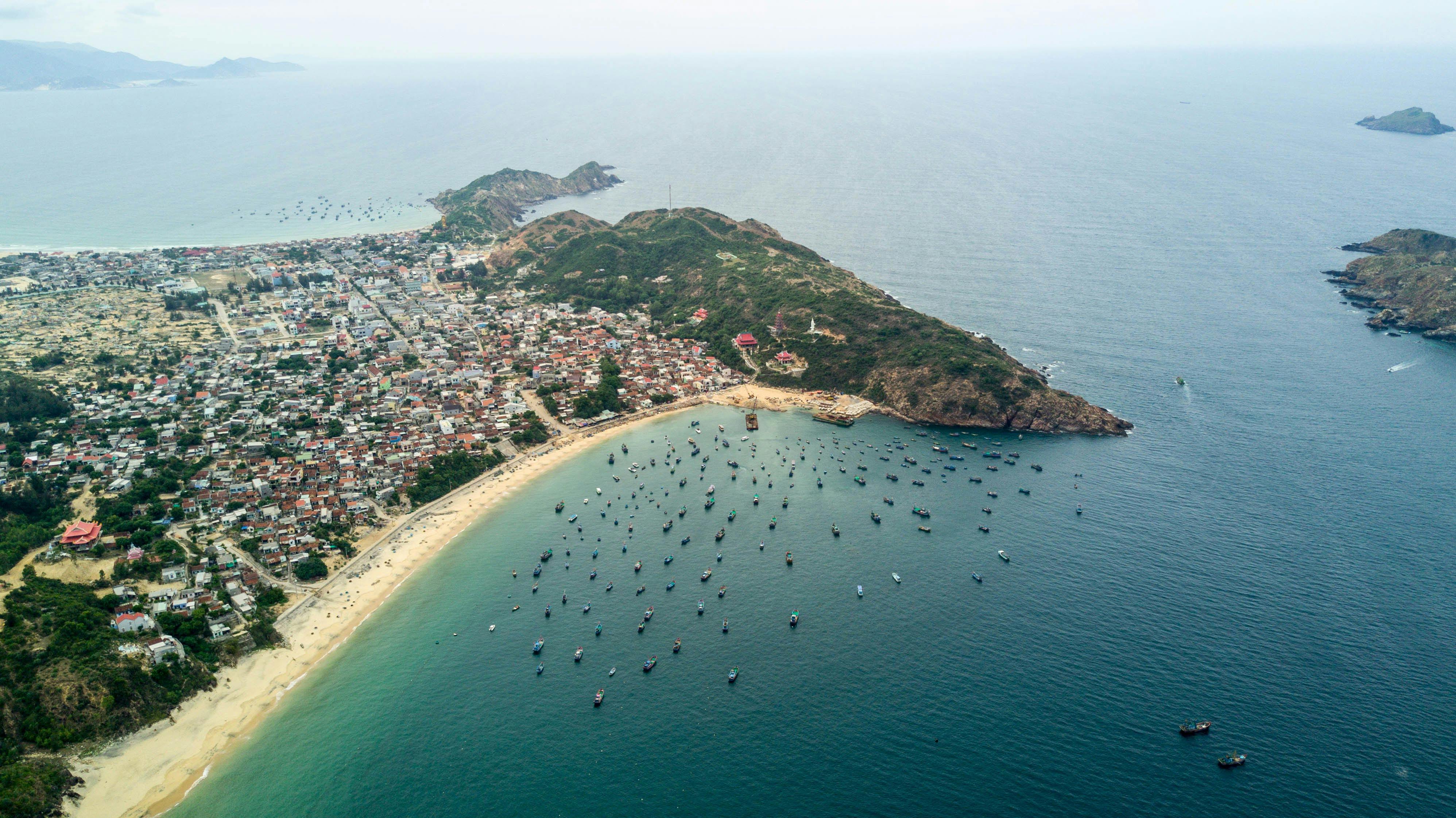
Vietnam rewards travelers who like contrast, and this 7-day route delivers it beautifully. Quy Nhơn, once part of the historic Champa heartland, is a coastal city still spared the frenzy of some better-known beach destinations; Hà Nội layers imperial memory, French architecture, revolutionary history, and street-food brilliance into one of Asia’s most compelling capitals; Sa Pa, developed as a hill retreat during the French era, opens onto terraced valleys and the cultural traditions of northern highland communities.
There are also delightful small facts that make the journey richer. Quy Nhơn is closely linked with the poet Hàn Mặc Tử and with Bình Định’s martial arts heritage; Hà Nội’s Old Quarter grew from guild streets where craftsmen once clustered by trade; and Sa Pa’s cloud-draped peaks sit near Fansipan, the highest mountain in Indochina. Together, these places create a Vietnam itinerary that feels broader than a single week ought to allow.
Practically, March is a strong time for this trip: northern Vietnam is usually cool to mild, while central coast weather in Quy Nhơn is often pleasant for beach walks and island viewpoints. Do keep cash for market snacks and smaller cafés, use ride-hailing apps in the cities when sensible, and pack layers for Sa Pa evenings, which can turn crisp after sunset. For intercity travel, morning departures keep the pace logical and preserve afternoon sightseeing time.
Quy Nhơn
Quy Nhơn feels like a city that still belongs to its own rhythm. Fishermen’s boats, broad seafront roads, uncrowded beaches, and excellent Bình Định cuisine make it ideal for travelers who want Vietnam’s coast with more local texture and less noise.
The city is also a fine cultural stop. You will find Cham towers nearby, literary history tied to poet Hàn Mặc Tử, and easy access to peninsula viewpoints and seafood spots where tanks and baskets hold the day’s catch within sight of your table.
Where to stay: Browse vacation rentals on VRBO in Quy Nhơn or hotels on Hotels.com in Quy Nhơn. Beachfront stays along Xuân Diệu are convenient for sunset walks, while properties nearer Ghềnh Ráng offer a quieter edge and quick access to scenic lookouts.
Getting in: For the first leg, search flights to Quy Nhơn via Trip.com flights or Kiwi.com flights. Most travelers arrive via Phù Cát Airport, then take a 45-60 minute transfer into town; from major Vietnam hubs, domestic fares often range around $35-$90 depending on season and booking window.
Day 1 – Arrival in Quy Nhơn
Morning: Transit day. Plan your travel so you arrive in the afternoon, keeping the morning for your inbound flight and airport transfer.
Afternoon: Check in and ease into the coast with a stroll along Quy Nhơn Beach and Xuân Diệu promenade. This is not a checklist beach; it is better treated as a first impression of the city, where locals exercise by the sea, children gather at dusk, and the tempo immediately slows.
For a late lunch, try Bún chả cá Quy Nhơn at a respected local fish-cake noodle shop such as Bún cá Ngọc Liên style eateries in the city center, where clear broth, springy fish cake, and herbs introduce you to central Vietnamese flavors without ceremony. If you want something lighter, seek out bánh hỏi cháo lòng, a Bình Định specialty pairing woven rice sheets with pork offal porridge and dipping sauce.
Evening: Head to Ghềnh Ráng – Tiên Sa for sea views and the Hàn Mặc Tử connection if timing allows, or simply settle into dinner on the waterfront. For seafood, look for well-regarded local venues near the coast where mantis shrimp, grilled scallops with scallion oil, steamed squid, and salt-roasted crab are the draw; the appeal here is freshness first, not elaborate décor.
After dinner, stop for Vietnamese coffee or yogurt coffee at a local café along the beach road. Quy Nhơn’s café culture is relaxed and spacious, making your first evening ideal for an early night with the sound of the sea nearby.
Day 2 – Peninsula views, local heritage, and seafood in Quy Nhơn
Morning: Begin with breakfast at a local spot serving bánh xèo tôm nhảy, Bình Định’s beloved “jumping shrimp” sizzling pancakes. They are thinner and crisper than their southern cousins, usually wrapped with herbs and greens, and make a far more regionally distinctive breakfast than hotel buffet fare.
Then drive out toward the Nhơn Hải or Eo Gió direction for one of the coast’s signature landscapes. Eo Gió is prized for its curved cliffs, sea-slashed rock, and breezy boardwalks; come in the morning for softer light and less heat, and because the views feel expansive rather than crowded.
Afternoon: Continue to the Kỳ Co area if sea conditions and logistics suit, or return city-side for a cultural afternoon at the Bánh Ít Towers or nearby Cham heritage sites if you prefer history over beach time. The Cham towers are a reminder that this coast belonged to a wider Indian Ocean world of trade, religion, and architecture centuries before modern resort travel.
For lunch, choose a seafood restaurant popular with local families rather than a showy tourist venue. Ask for grilled oysters, stir-fried morning glory, sour fish soup, and whatever fish was landed that day; in Quy Nhơn, the best ordering strategy is often to trust the catch and the house recommendations.
Evening: Return to town for sunset and dinner. If you want a more distinctly local meal, try a place known for tré Bình Định, grilled meats, or central Vietnamese sharing plates, followed by dessert such as sweet soups or fresh coconut ice cream.
End at a coffee shop with open-air seating. A salt coffee, bạc xỉu, or traditional phin-brewed robusta is the right companion to a quiet coastal night before your move north.
Hà Nội
Hà Nội is one of those cities that reveals itself by layers rather than landmarks alone. A lakeside dawn, a bowl of phở, a narrow tube house, a temple courtyard, a colonial facade, and a sidewalk tea stall can tell you as much about the capital as any museum.
It is also a city best explored with appetite and patience. The Old Quarter still carries the bones of historic guild streets, while neighborhoods around Hoàn Kiếm, Ba Đình, and West Lake offer different shades of the capital: ceremonial, political, bohemian, and deeply culinary all at once.
Where to stay: Browse rentals on VRBO in Hà Nội or hotels on Hotels.com in Hà Nội. Hoàn Kiếm is best for first-time visitors who want walkable access to the Old Quarter and the lake, while West Lake suits travelers who prefer calmer evenings and more contemporary cafés.
Travel from Quy Nhơn to Hà Nội: Take a morning domestic flight, best searched on Trip.com flights or Kiwi.com flights. Flying from Phù Cát Airport to Hà Nội typically takes about 1 hour 40 minutes nonstop, and with airport transfers you should budget roughly 4.5-5.5 hours door to door; fares often run around $45-$110.
Day 3 – Fly to Hà Nội, Old Quarter orientation, and classic northern flavors
Morning: Depart Quy Nhơn for Hà Nội. After arrival and transfer, check in and take a short pause before diving into the capital.
Afternoon: Start with Hoàn Kiếm Lake and the surrounding streets of the Old Quarter. This is the right opening chapter for Hà Nội because it gathers so much of the city’s atmosphere into a walkable area: street vendors, temple gates, shophouses, old guild lanes, and the steady ballet of scooters and pedestrians.
For lunch, choose one of the city’s standout northern staples. Phở Gia Truyền Bát Đàn remains a famous stop for a reason: focused broth, straightforward service, and a bowl that reminds you phở was once everyday breakfast before it became a global ambassador. If the queue is long, another excellent move is bún chả at a trusted Old Quarter specialist, where grilled pork, rice noodles, herbs, and dipping broth create a meal both smoky and delicate.
Evening: Visit Ngọc Sơn Temple if time permits, then settle in for dinner and coffee. For dinner, Chả Cá Thăng Long or another respected chả cá restaurant offers one of Hà Nội’s iconic dishes: turmeric-marinated fish cooked tableside with dill and spring onion, then eaten with rice noodles, peanuts, and shrimp paste if you wish.
Finish with egg coffee at a classic café such as Café Giảng-style venues. Egg coffee sounds improbable until the first sip: rich, custardy, bittersweet, and entirely suited to Hà Nội’s old-world café mood.
Day 4 – History, temples, and a deeper taste of Hà Nội
Morning: Have breakfast with a plate of xôi or a bowl of bún thang if you can find a good specialist. Then visit the Temple of Literature, founded in 1070 and long associated with Confucian learning; its courtyards, pavilions, and stone stelae make it one of the city’s most elegant historic sites.
Continue to the Vietnam Fine Arts Museum or, if you prefer political history, the Ba Đình area for exterior views around key national landmarks. The Temple of Literature works especially well in the morning, when the light is gentle and the school groups have not yet fully arrived.
Afternoon: For lunch, seek out bún riêu or nem cua bể at a reputable local place rather than defaulting to international food. Hà Nội’s strength lies in dishes that seem simple at first glance but reveal precision in broth, herbs, texture, and balance.
Spend the afternoon in the French Quarter and around the Hanoi Opera House, then browse a few local specialty shops for tea, lacquerware, or small food gifts. If you want a gentler break, head to a hidden café in an old apartment block for coconut coffee while looking out over the city’s rooftops and tangled wires.
Evening: Dinner can be a more polished Vietnamese meal in the Hoàn Kiếm area, where you can sample northern dishes in a comfortable setting, or a humble street-side feast centered on grilled skewers, sautéed greens, and local beer. If you enjoy live performance, a traditional cultural show or water puppet performance is a fitting addition, especially for a short stay.
Cap the night with a walk around the lake. Hà Nội after dark is less about grand illumination than about atmosphere: students chatting on low stools, aunties selling snacks, and a capital city revealing its softer face.
Sa Pa
Sa Pa is not merely a hill town; it is a threshold into northern Vietnam’s mountain world. Terraced rice fields, cool air, market life, and the cultural presence of Hmong, Dao, and other communities give the region an identity entirely distinct from the lowland cities.
Modern Sa Pa town is busier than in decades past, yet the surrounding valleys still deliver the sense of altitude and remoteness travelers come for. Go with curiosity, good layers, and a willingness to look beyond the town center into the landscapes and village roads that make the region memorable.
Where to stay: Browse rentals on VRBO in Sa Pa or hotels on Hotels.com in Sa Pa. Stay near central Sa Pa for convenience, or choose a valley-facing property outside the busiest core if waking to mist over terraces matters more than nightlife.
Travel from Hà Nội to Sa Pa: The most practical daytime option for this itinerary is a morning limousine van or private car from Hà Nội to Sa Pa, usually about 5.5-6.5 hours and often around $15-$30 per person for shared service. You can search rail alternatives via Trip.com trains, though note that trains run to Lào Cai and require an additional road transfer of about 45-60 minutes to Sa Pa; the classic overnight train is atmospheric, but for a 7-day trip the direct road transfer is usually more efficient.
Day 5 – Travel to Sa Pa and settle into the mountains
Morning: Depart Hà Nội for Sa Pa by limousine van or private transfer. The road journey is longer than a flight, but it gives a useful sense of northern Vietnam’s changing landscape as the lowlands give way to mountain roads and higher valleys.
Afternoon: Check in, then spend your first hours in Sa Pa town lightly: stroll around Sun Plaza, the stone church area, and viewpoints where weather permits. If the clouds are moving across the ridges, do not rush to fill every minute; in Sa Pa, watching the mist perform is part of the destination.
For lunch or a late meal, try a place known for hot pot, grilled mountain meats, or salmon and sturgeon specialties farmed in the cool regional waters. Sa Pa cuisine is hearty by design, suited to altitude and evening chill, and often best enjoyed in shared dishes.
Evening: Have dinner at a local restaurant serving thắng cố-inspired mountain fare, black chicken, or a vegetable-rich hot pot if you are traveling in cool weather. If you prefer a gentler entry into local flavors, choose grilled skewers, sautéed chayote greens, sticky rice, and a warming broth-based dish.
After dinner, browse the night market area if active, but do so with a respectful eye toward local handicrafts. An early night is wise, since tomorrow is your key scenery day.
Day 6 – Valley landscapes, village culture, and Sa Pa’s best scenery
Morning: Start with breakfast at a café with a mountain view: fresh baguette and eggs if you want something familiar, or hot noodle soup if the air is cold. Then head out for a trek or guided village route through Lao Chải and Tả Van, among the most rewarding valleys near Sa Pa.
This is where Sa Pa justifies the journey. Terraced slopes, water channels, footpaths, and village homes create a human-made landscape of extraordinary beauty, and going with a knowledgeable local guide adds context about farming cycles, textile traditions, and the region’s ethnic diversity.
Afternoon: Continue the valley visit with a local lunch, ideally at a simple homestay-style stop where the food is straightforward and the scenery does half the work. Expect rice, seasonal vegetables, tofu or meat dishes, and the kind of clear mountain air that somehow improves appetite.
If you prefer a less strenuous alternative, take the Fansipan cable car experience in the afternoon. It is more developed and more visited, of course, but on a clear day the ascent offers dramatic mountain views and access toward Indochina’s highest peak with far less exertion than a full summit trek.
Evening: Return to Sa Pa town for a restorative dinner. Hot pot is the obvious recommendation and a good one: steam, broth, greens, mushrooms, tofu, and sliced meats suit the climate and the tired legs that follow a village walk.
Finish at a cozy café for ginger tea, herbal tea, or Vietnamese hot chocolate. Sa Pa evenings reward stillness; they are made for fog on the glass and a quiet review of the day’s photographs.
Day 7 – Sa Pa morning and return for departure
Morning: Enjoy a final slow breakfast with mountain views, then choose one last light activity depending on your departure logistics: a short walk to a nearby viewpoint, a market browse for textiles and local produce, or simply time on a terrace café. This final morning is best kept unhurried because Sa Pa’s appeal lies as much in atmosphere as in monuments.
Afternoon: Depart for your onward journey. If you are returning toward Hà Nội for an afternoon or evening international connection, a private transfer is the most dependable choice; if staying one more transit night near the capital airport, that often makes the long-distance logistics more comfortable.
Evening: Travel onward or begin your flight home. Keep snacks, water, and a light layer handy for the road journey, as mountain weather and traffic conditions can shift.
Food and drink highlights to prioritize across the trip:
- Quy Nhơn: bánh xèo tôm nhảy, bún chả cá, bánh hỏi cháo lòng, fresh grilled seafood, Vietnamese iced coffee by the beach.
- Hà Nội: phở, bún chả, chả cá, bún riêu, egg coffee, coconut coffee, hidden apartment cafés.
- Sa Pa: hot pot, black chicken, grilled mountain fare, salmon or sturgeon dishes, warming teas and simple homestyle meals in the valley.
This 7-day Vietnam itinerary moves from sea breeze to old capital to mountain mist with a satisfying sense of progression. Quy Nhơn offers breathing room, Hà Nội provides depth and appetite, and Sa Pa closes the journey with altitude, culture, and unforgettable views—an ideal one-week route for travelers who want Vietnam in more than one key.